Posted on

CME Gift Cards Before the June 30 Deadline

If your department, employer, or CME budget follows a mid-year cycle, June 30 can be a real cutoff point for unused funds. If you wait too long, those dollars may disappear instead of being applied toward CME you actually need.

At CME Review Courses, you can use eligible CME funds on high-yield educational content and add Amazon or Apple gift cards to qualifying packages. That gives you a practical way to use remaining budget before the deadline while still prioritizing CME value.

Why June 30 Matters

Many clinicians hit the same problem every year:

  • CME funds are available now
  • Scheduling gets pushed back
  • The deadline arrives
  • Remaining money is lost

If you know your funding resets at mid-year, the simplest move is to act before June 30. Waiting until July may mean starting over with a new approval cycle or losing access to funds that were already available.

What You Can Use CME Funds For

CME Review Courses focuses on practical CME options for clinician exam prep and content review:

  • PANRE Review Course
  • Pharmacology CME Course
  • Amazon gift card add-ons
  • Apple gift card add-ons

This is especially useful if you are trying to maximize remaining budget while also getting meaningful educational content. The goal is straightforward: use the funds before they expire and get CME that you will actually use.

Best Fit for Clinicians Facing a Mid-Year Deadline

This approach makes sense if:

  • Your CME budget expires on June 30
  • You still need to use employer-provided education funds
  • You want a direct purchase tied to CME content
  • You want to avoid scrambling at the end of the month
  • You are planning ahead for PANRE review or pharmacology credit

Act Before Mid-Year Funds Expire

If your CME money is tied to a June 30 deadline, do not assume you can handle it later. End-of-cycle budget rules are often strict. Once the deadline passes, the unused balance may be gone.

Review your available funds now, confirm what your employer allows, and make your purchase before the end of June. That is the cleanest way to avoid losing money that is already set aside for your education.

Practice Questions

Question 1

Your employer gives you a CME allowance that expires on June 30. You have not used the remaining balance, and your approval process usually slows down at the end of the month. What is the most practical next step?

A. Wait until July and ask if the funds can be restored
B. Delay your purchase until your next license renewal cycle
C. Use the available CME funds before June 30 on eligible educational content
D. Ignore the deadline because CME budgets usually roll over automatically

Correct answer: C. Use the available CME funds before June 30 on eligible educational content.
If your funds expire at mid-year, the practical move is to use them before the deadline. Waiting until July risks losing the balance. The other options depend on assumptions that may not be true and are less reliable than acting before the cutoff.

Question 2

You want CME content that supports review needs and also offers the option to add value to the purchase before your mid-year budget expires. Which choice best matches that goal?

A. Postpone all CME purchases until later in the year
B. Choose a CME package that includes educational content with Amazon or Apple gift card add-on options
C. Use the budget on non-educational expenses first
D. Let the funds expire and request a larger budget next cycle

Correct answer: B. Choose a CME package that includes educational content with Amazon or Apple gift card add-on options.
This directly addresses the problem of unused CME funds before June 30. It ties the spending to CME content while helping you make full use of the available budget. The other choices either delay action or increase the chance that the funds will be lost.

Posted on

PANRE Vs PANRE-LA: Which Is Better For Your Schedule (and Sanity)?

Course Name: PANRE Review Course CME Package
Price: $399.99
Duration of Access: 30 Months
Deliverables: 100 Hours of AAPA Category 1 Self-Assessment CME Credit, 1,672 Board-Style Questions, 17 Hours of NCCPA Blueprint Video Content.

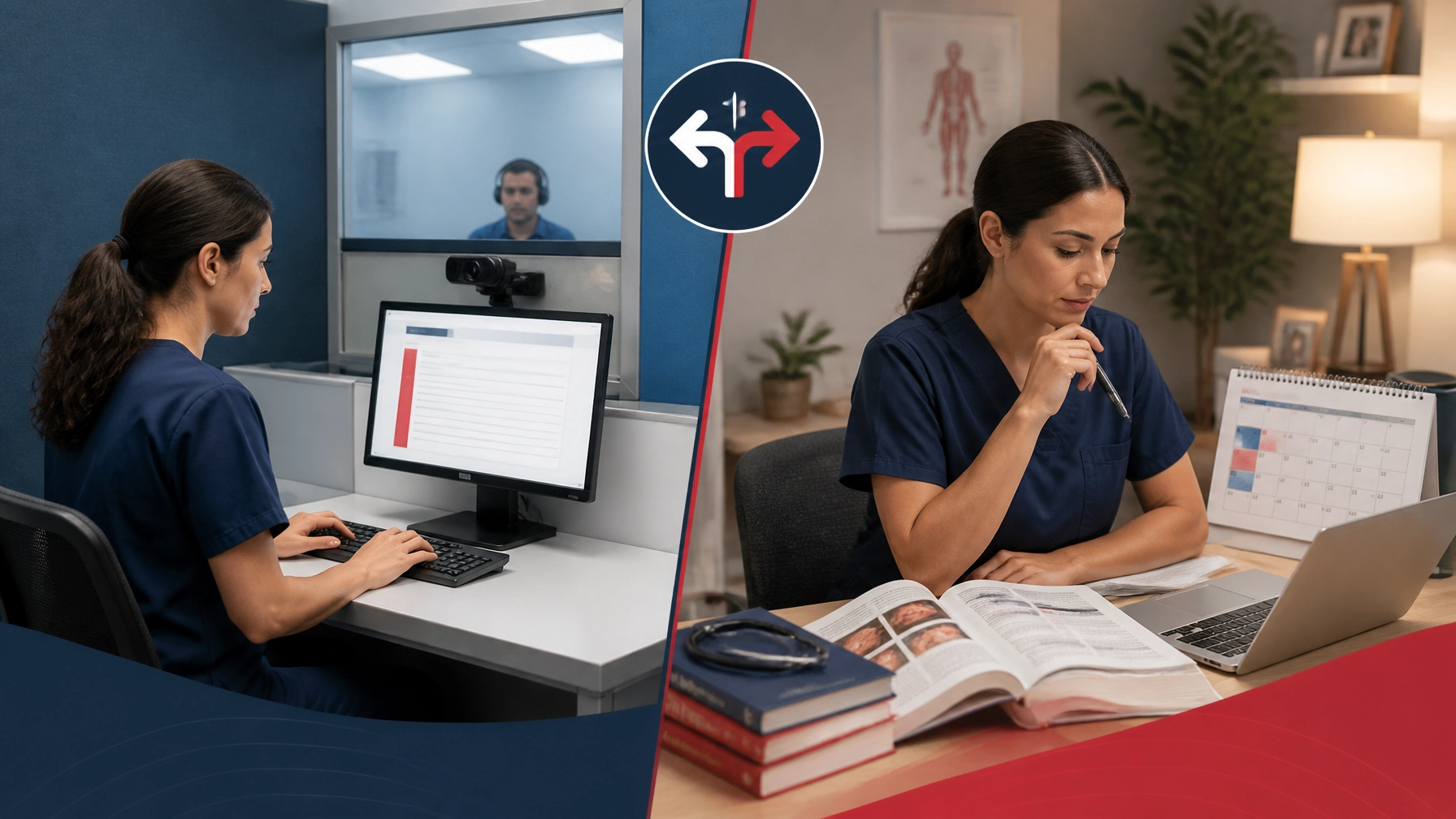
The choice between the traditional Physician Assistant National Recertifying Examination (PANRE) and the newer PANRE-LA (Longitudinal Assessment) is more than just a logistical hurdle; it is a decision that impacts your clinical practice, your personal time, and your mental well-being for up to three years. As the 2026 recertification cycle approaches, PAs must weigh the high-stakes, single-day pressure of the traditional exam against the sustained, quarterly commitment of the longitudinal model.

The Traditional PANRE: The "One and Done" Sprint

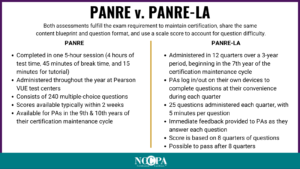
The traditional PANRE remains the standard for PAs who prefer to consolidate their testing into a single event. Administered at a Pearson VUE testing center, this is a 240-question, multiple-choice exam.

  • Format: Four blocks of 60 questions each.
  • Environment: Closed-book, proctored setting.
  • Time: Roughly 4 hours of testing time, though you should allocate 5 hours for check-in and breaks.
  • Result: You receive your score weeks after the exam. If you do not pass, you must wait to retake the entire exam in a subsequent window.

For the clinician with a high-volume surgical schedule or a predictable "study-and-dump" methodology, the traditional PANRE offers the advantage of immediate resolution. You block off one day, manage the stress, and your certification maintenance is secured for the remainder of your 10-year cycle.

PANRE-LA: The Longitudinal Marathon

The PANRE-LA was introduced by the NCCPA specifically to mitigate test anxiety and align recertification with continuous learning. For the 2026–2028 cycle, the format is distinctly different from the traditional exam.

  • Format: 25 questions per quarter over 12 quarters (3 years).
  • Environment: Open-book, taken on your own device at home or in the office. You have 5 minutes per question.
  • Flexibility: You can skip up to 4 quarters. You must complete at least 8 quarters total, including at least one in the first and second years.
  • Immediate Feedback: You receive the correct answer and clinical rationale immediately after submitting each question.

The PANRE-LA is scored based on your best 8 quarters. If you meet the passing standard early, you can be finished with the process in as little as two years (8 quarters).

Scheduling and Sanity: A Direct Comparison

The primary differentiator is how each format interacts with your "sanity."

Traditional PANRE Stress: This is concentrated. It requires a significant upfront time investment for intensive board review and a full day away from clinical duties. For many PAs, the "high-stakes" nature of a single exam creates significant cortisol-spiking anxiety.

PANRE-LA Stress: This is distributed. The stress is lower per question due to the 5-minute time limit and open-book access. However, it requires a "mental overhead" of remembering to log in each quarter. If you prefer not to have an ongoing "to-do" list item for three years, the longitudinal assessment may feel like a burden.

Regardless of the path chosen, the NCCPA requirements remain rigorous. Success in either format depends on your familiarity with the NCCPA Blueprint and your ability to apply clinical logic to complex vignettes.

Strategic Preparation with 100 Hours of Category 1 CME

Whether you are preparing for the 240-question sprint or the 300-question marathon, your preparation must be evidence-based. The PANRE Review Course is engineered to meet this need while providing a significant boost to your CME requirements.

This course offers 100 hours of AAPA Category 1 Self-Assessment CME credit. Under current NCCPA rules, self-assessment credits are weighted at 1.5x. This means logging 100 hours of this course results in 150 credits being applied to your dashboard.

PANRE Review Course book covers and medical resources for Physician Assistants.

For those looking to maximize their professional development budget, we offer CME with Gift Card add-ons. You can add an Amazon or Apple Gift Card ranging from $100 to $1500 to your purchase. This allows you to utilize your employer-provided CME money efficiently while securing the educational resources needed to pass your PANRE or PANRE-LA.


Clinical Assessment: Practice Questions

Test your clinical knowledge with these vignettes, formatted to mirror the rigor of the PANRE and PANRE-LA.

Case 1: Cardiology

Your patient is a 68-year-old male presenting with a three-day history of progressive dyspnea on exertion and orthopnea.
Vitals: HR 112, BP 154/92, RR 24, SaO2 91% on room air.
Physical exam reveals 2+ pitting edema to the mid-calf bilaterally and jugular venous distension (JVD). S3 gallop is noted on auscultation. A chest X-ray shows Kerley B lines and cardiomegaly. What is the most appropriate initial pharmacological intervention for symptom management in this patient?

A) Lisinopril
B) Furosemide
C) Metoprolol Succinate
D) Spironolactone

Correct Answer: B) Furosemide.
In the setting of acute decompensated heart failure (ADHF) with signs of volume overload (edema, JVD, S3, orthopnea), loop diuretics like Furosemide are the first-line treatment to reduce preload and improve respiratory status. Lisinopril and Metoprolol are essential for long-term mortality benefit in HFrEF but should not be the primary agent for acute volume stabilization, especially while the patient is symptomatic and potentially fluid-overloaded. Metoprolol should specifically be avoided or used cautiously during acute decompensation.

Case 2: Infectious Disease

Your patient is a 24-year-old female presenting with lower abdominal pain and a new-onset vaginal discharge for the past 4 days.
Vitals: HR 88, BP 118/76, Temp 101.2°F (38.4°C).
On pelvic exam, there is significant cervical motion tenderness (Chandelier sign) and purulent cervical discharge. What is the recommended CDC outpatient treatment regimen for this patient?

A) Azithromycin 1g PO once
B) Ceftriaxone 500mg IM + Doxycycline 100mg PO BID for 14 days
C) Ciprofloxacin 500mg PO BID for 7 days
D) Metronidazole 500mg PO BID for 14 days

Correct Answer: B) Ceftriaxone 500mg IM + Doxycycline 100mg PO BID for 14 days.
The clinical presentation is consistent with Pelvic Inflammatory Disease (PID). The current CDC guidelines for outpatient management of PID require coverage for N. gonorrhoeae and C. trachomatis. Ceftriaxone 500mg IM (for patients <150kg) provides coverage for gonorrhea, while Doxycycline 100mg PO BID for 14 days covers chlamydia. Metronidazole (500mg PO BID for 14 days) is often added to cover anaerobes but the core regimen remains Ceftriaxone and Doxycycline.

Case 3: Neurology

Your patient is a 72-year-old male brought to the Emergency Department after a sudden onset of right-sided weakness and aphasia.
Vitals: HR 94 (Irregular), BP 182/105, RR 18, SaO2 98%.
The patient’s symptoms began 90 minutes ago. A non-contrast head CT is negative for intracranial hemorrhage. The patient has no history of recent surgery or trauma. What is the most appropriate next step in management?

A) Administer Aspirin 325mg
B) Initiate Heparin drip
C) Administer Alteplase (tPA)
) Perform lumbar puncture

Correct Answer: C) Administer Alteplase (tPA).
The patient is presenting with signs of an acute ischemic stroke within the 3 to 4.5-hour window for thrombolytic therapy. With a negative CT for hemorrhage and no contraindications mentioned, Alteplase is the standard of care to improve neurological outcomes. Aspirin should be delayed for 24 hours after tPA administration. Heparin is not indicated for the acute management of ischemic stroke.


Conclusion: Finalizing Your Decision

Choosing between the PANRE and PANRE-LA depends on your personal threshold for test anxiety and your professional schedule.

  • If you want to be "finished" quickly and can handle a high-intensity study period, choose the Traditional PANRE.
  • If you prefer a lower-stress, open-book, continuous learning environment that provides immediate feedback, choose the PANRE-LA.

In either case, utilizing a high-yield question bank is paramount. Our PANRE Review Course provides 1,672 questions and 17 hours of blueprint-specific video to ensure you are prepared. Beyond the exam, the 100 hours of AAPA Category 1 CME ensures your 2-year cycle requirements are fulfilled with a single, efficient purchase.

Educational medical background with stethoscope and Physician Assistant certification documents.

Posted on

The Busy PA’s Guide to Mastering the PANRE-LA: Strategies to Pass Without the Stress

Price: $350.00 – $2,500.00
Duration: Lifetime Access
Deliverables: 100 Hours of AAPA Category 1 CME Credit, Comprehensive PANRE-LA Question Bank, High-Yield Video Content

The shift from the high-stakes, single-day PANRE to the longitudinal assessment (PANRE-LA) has changed the recertification landscape for physician assistants. While the 12-quarter format is designed to reduce the "one-and-done" exam anxiety, it introduces a new challenge: maintaining a consistent level of clinical readiness over a three-year period. For the busy PA balancing a full patient load, administrative duties, and personal life, the PANRE-LA can easily become another source of background stress.

The goal is not just to pass, but to do so efficiently without allowing the assessment to consume your limited free time. This requires a strategy that leverages high-yield review materials and maximizes the utility of your CME budget.

Strategy 1: Understanding the 12-Quarter Architecture

The NCCPA allows you to participate in up to 12 quarters, but your score is calculated based on your best 8 quarters. You must complete at least one quarter in the first year and one in the second. Each quarter consists of 25 multiple-choice questions with a five-minute time limit per question.

Efficiency is key. Many PAs make the mistake of over-studying for every individual quarter. Instead, focus on the PANRE Review Course, which provides 100 hours of AAPA Category 1 credit. This course is specifically aligned with the NCCPA Blueprint and covers the organ systems that dominate the assessment. By utilizing a structured review early in your year 7 cycle, you build a foundation that makes the quarterly questions a simple verification of knowledge rather than a frantic search for answers.

There is also a practical deadline issue. If you still have CME funds available, June 30 is the key date for spending your CME budget and securing credit before many annual allowance cycles close out. In the context of PANRE-LA preparation, that matters because delaying your purchase pushes both your study plan and your credit acquisition later into the cycle. Using the June 30 deadline to lock in your PANRE review materials now is a straightforward way to move PANRE-LA prep and CME completion forward at the same time.

Strategy 2: The Open-Book Myth

The PANRE-LA is technically open-book, but the five-minute timer is a significant constraint. If you are searching for the diagnostic criteria for Endocarditis or the first-line treatment for a Thyroid Storm while the clock is ticking, you are already behind.

Treat the "open-book" nature as a safety net, not a primary strategy. You should have your references organized and searchable. Our review materials, including the PANRE/PANRE-LA Review Exam books, are designed to be concise and high-yield, allowing you to quickly verify a fact without getting lost in a 2,000-page textbook.

PANRE/PANRE-LA Review Exam 1 Book Cover by Jeremy Boroff PA-C

Strategy 3: Maximize Your CME Budget

The most efficient way to handle recertification is to combine your clinical education with your professional allowance. CME Review Courses offers a unique way to utilize your CME stipend. You can add an Amazon or Apple Gift Card ($100 to $1500) to your purchase of the PANRE Review or Pharmacology Course.

For many clinicians, June 30 is the real deadline that drives action. If your employer-sponsored CME money expires at the end of the fiscal or allowance period, waiting until July can mean losing available funds and delaying both your CME credit acquisition and your PANRE-LA prep. If you know you need a structured review course, it is more efficient to use that budget before June 30 and turn the purchase into immediate progress on recertification prep.

This allows you to secure the high-quality review content needed to pass the PANRE-LA while also obtaining a gift card to purchase additional medical equipment, reference tablets, or other educational tools. Our Pharmacology Course also offers Category 1 AAPA credit, which is useful for clinicians managing annual CME requirements while preparing for the longitudinal assessment. The PANRE Review Course remains the course that provides 100 hours of AAPA Category 1 credit, making it a strong option if your goal is to address the June 30 CME deadline and PANRE-LA preparation in one purchase.

Strategy 4: Focused Clinical System Review

The PANRE-LA weights different organ systems according to the NCCPA Blueprint. Prioritize Cardiology, Pulmonology, GI, and Musculoskeletal systems.

  • Cardiology: Focus on EKG interpretation, HTN guidelines, and ACS management.
  • Pulmonology: Master the differences between Asthma/COPD and the management of Community-Acquired Pneumonia.
  • Internal Medicine: Our content is written by PAs for PAs, ensuring that the level of detail is appropriate for the clinical scenarios you will face in the PANRE-LA.

Comprehensive EKG Guide Book Cover for clinical reference

Strategy 5: Clinical Vignette Practice

The best way to prepare for a 25-question quarter is to practice with clinical vignettes that mirror the exam format. You should practice under timed conditions to get used to the 5-minute limit.

Clinical Practice Scenario 1: Cardiology

Your patient is a 64-year-old male presenting with a two-hour history of substernal chest pain that radiates to his left jaw. He appears diaphoretic. His vitals are HR 110, BP 145/92, SaO2 96% on room air. An EKG is performed and shows 3mm ST-segment elevation in leads V2, V3, and V4.

What is the most appropriate next step in the management of this patient?
A) Obtain a Stat Chest X-ray
B) Administer 325mg of Aspirin and activate the Cardiac Cath Lab
C) Order Cardiac Enzymes and wait for results before treatment
D) Start an IV Heparin drip and admit to the ICU

Explanation:
The correct answer is B) Administer 325mg of Aspirin and activate the Cardiac Cath Lab. The patient is presenting with a clear ST-Elevation Myocardial Infarction (STEMI) involving the anterior wall. Time is myocardium. Aspirin should be given immediately to inhibit further platelet aggregation, and the patient needs emergent reperfusion therapy (PCI). Waiting for cardiac enzymes (C) is contraindicated in the presence of clear EKG changes. A chest X-ray (A) may be part of the workup but should not delay the trip to the cath lab. Heparin (D) is an adjunct but not the definitive next step for reperfusion.

Clinical Practice Scenario 2: Orthopedics

Your patient is a 22-year-old female athlete who felt a "pop" in her right knee after a sudden change of direction during a soccer match. She experienced immediate swelling and a sensation of the knee "giving out." On examination, she has a positive Lachman test.

Which of the following is the most likely diagnosis?
A) Medial Meniscus Tear
B) Medial Collateral Ligament (MCL) Sprain
C) Anterior Cruciate Ligament (ACL) Rupture
D) Patellar Tendon Rupture

Explanation:
The correct answer is C) Anterior Cruciate Ligament (ACL) Rupture. The mechanism of injury (non-contact deceleration or change in direction), the audible "pop," immediate swelling (hemarthrosis), and the positive Lachman test: which is the most sensitive physical exam maneuver for ACL stability: all point to an ACL tear. Meniscal tears (A) typically have a more delayed swelling and present with locking or catching. MCL injuries (B) result from a valgus stress. Patellar tendon ruptures (D) present with an inability to extend the knee and a high-riding patella.

Clinical Practice Scenario 3: Dermatology

Your patient is a 45-year-old male with a history of obesity who presents with a warm, erythematous, and poorly demarcated area of skin on his right lower leg. The area is tender to palpation. He has a low-grade fever of 100.2°F. There is no evidence of fluctuance or purulent drainage.

What is the most appropriate pharmacological treatment for this patient?
A) Oral Cephalexin
B) Topical Mupirocin
C) Incision and Drainage (I&D)
D) Intravenous Vancomycin

Explanation:
The correct answer is A) Oral Cephalexin. The presentation is classic for non-purulent cellulitis, most commonly caused by Streptococcus pyogenes or Staphylococcus aureus. First-generation cephalosporins like Cephalexin are appropriate first-line oral treatments. Topical Mupirocin (B) is used for impetigo, not spreading cellulitis. I&D (C) is the treatment of choice for an abscess (purulent, fluctuant mass), which is not present here. IV Vancomycin (D) is reserved for severe infections, MRSA suspicion, or failed outpatient therapy; this patient is stable enough for oral treatment.

Conclusion: Reducing the PANRE-LA Friction

Mastering the PANRE-LA without stress comes down to preparation and resource management. By securing 100 hours of AAPA Category 1 credit through a comprehensive PANRE Review Course, you ensure that your knowledge base is current. By utilizing the Amazon or Apple Gift Card add-ons, you make your CME budget work harder for you.

If you still have CME money available, June 30 should be treated as a hard planning deadline. It is an opportunity to secure credit, use available funds efficiently, and put a structured PANRE-LA study system in place before you fall behind.

Don't wait until the last quarter to realize you are behind on your scoring. Don't wait until after June 30 to find out your CME budget window closed. Start with a solid foundation, use clinical vignettes to sharpen your diagnostic skills, and treat each 25-question quarter as a routine clinical task rather than a major exam.

Posted on

How to Maximize Your 2026 CME Stipend: A Guide for PAs and NPs

Navigating the transition of Continuing Medical Education (CME) requirements in 2026 requires a shift in how physician assistants (PAs) and nurse practitioners (NPs) allocate their professional development funds. With the 2026 ACCME rule changes effectively prohibiting the bundling of personal gift cards with accredited CME purchases, the focus has returned to the core value of the content: clinical utility and efficient credit acquisition.

Maximizing a CME stipend now necessitates a strategic approach to selecting high-yield resources that provide the necessary certification hours while strengthening clinical decision-making.

Essential Course Logistics

For clinicians preparing for the NCCPA PANRE or seeking a comprehensive clinical update, the following logistical details apply to the primary review package:

  • Course Title: PANRE Review Course
  • Price: $399.99
  • Deliverables: 1,672 Board-Style Questions
  • Credit Hours: 100 Hours of AAPA Category 1 Credit
  • Access Duration: 30 Months
  • Specialty Content: Includes Emergency Medicine, Family Medicine, Internal Medicine, Orthopedics, Dermatology, Psychiatry, Neurology, Cardiology, and OB/GYN.

The 2026 ACCME Regulatory Landscape

As of early 2026, the ACCME has implemented strict prohibitions against providing personal remuneration: such as Amazon or Apple gift cards: directly tied to the purchase of accredited CME. This policy applies regardless of the source of payment, including employer-provided stipends. While the "CME-plus-gift-card" model as a form of personal rebate has been phased out for accredited providers, the mandate for high-quality, professional training remains unchanged.

Clinicians must now evaluate CME based on the return on investment (ROI) regarding credit density and clinical relevance. A course offering 100 hours of AAPA Category 1 credit for a single purchase remains the most efficient way to fulfill biennial or five-year cycle requirements using a standard employer stipend.

Digital dashboard for medical board review showing clinical progress

Efficient Credit Accumulation for PAs and NPs

The primary objective for most PAs is meeting the NCCPA requirement for Category 1 CME. Our PANRE Review Course is specifically designed by PAs for PAs, ensuring that the depth of the material matches the reality of clinical practice and board examinations.

For Nurse Practitioners, it is essential to verify state-specific regulations regarding AAPA Category 1 credit. While many states accept AAPA credit for NP recertification, these requirements vary. Physicians can also utilize these packages for Category 2 CME credit, providing a structured review of multi-system disease states.

Clinical Assessment: Cardiovascular and Internal Medicine

A core component of any board review is the mastery of cardiovascular diagnostics.

CME Review Course Book Cover for PANRE Exam prep

Clinical Scenario 1

Your patient is a 64-year-old male with a history of hypertension and hyperlipidemia who presents to the emergency department with a four-hour history of "tightness" in his chest. He appears diaphoretic. His vital signs are: HR 102 bpm, BP 148/92 mmHg, SaO2 96% on room air. An EKG is performed immediately.

The EKG shows 2mm ST-segment elevation in leads II, III, and aVF, with reciprocal ST depression in leads I and aVL.

Which of the following is the most appropriate next step in the management of this patient?

A. Perform a right-sided EKG (V4R)
B. Administer a 500mL normal saline bolus
C. Initiate intravenous Beta-blocker therapy
D. Administer sublingual Nitroglycerin

Correct Answer: A. Perform a right-sided EKG (V4R)

Explanation: The patient is presenting with an inferior wall ST-elevation myocardial infarction (STEMI). In the setting of an inferior MI, involvement of the right ventricle occurs in approximately 40% of cases. Before administering medications that reduce preload, such as Nitroglycerin or Morphine, it is critical to evaluate for right ventricular (RV) involvement using a right-sided EKG. Nitroglycerin (D) is contraindicated in patients with RV infarction as they are preload-dependent; its use can cause profound hypotension. Saline boluses (B) are used to treat hypotension in RV MIs, but the diagnostic step of the right-sided EKG must come first. Beta-blockers (C) are generally avoided in the acute phase of an MI if there are signs of heart failure or risk factors for cardiogenic shock.


Optimizing Stipend Use: Beyond the Basics

When gift card add-ons are no longer the primary driver, PAs and NPs should look for courses that offer long-term access. Our 30-month access ensures that you can review materials throughout your entire certification cycle, rather than just in the weeks leading up to an exam. This longevity provides a higher value-per-dollar than one-time live conferences that require travel and lodging expenses.

PA reviewing patient vitals and clinical data

Clinical Scenario 2

Your patient is a 28-year-old female who presents for a follow-up regarding a recently diagnosed thyroid nodule. A fine-needle aspiration (FNA) was performed, and the pathology report indicates "Papillary Thyroid Carcinoma." Her physical exam reveals a 1.5 cm firm nodule in the right lobe of the thyroid and no palpable cervical lymphadenopathy. TSH and free T4 levels are within normal limits.

What is the recommended initial surgical intervention for this patient?

A. Radioactive iodine ablation only
B. Total thyroidectomy or lobectomy
C. External beam radiation
D. Observation with serial ultrasounds

Correct Answer: B. Total thyroidectomy or lobectomy

Explanation: The standard of care for biopsy-confirmed papillary thyroid carcinoma is surgical resection. Depending on the size of the tumor and the presence of risk factors, either a total thyroidectomy or a thyroid lobectomy is appropriate. Radioactive iodine ablation (A) is an adjunctive therapy used post-surgically in certain cases to destroy remnant thyroid tissue but is not the primary treatment. Radiation (C) is not typically used for localized papillary thyroid cancer. Observation (D) is inappropriate for a confirmed malignancy.


Clinical Specialty Focus: Pharmacology and Specialty Credits

In addition to the 100-hour PANRE Review, we offer Category 1 AAPA Credit in Pharmacology. This is a critical area for NPs who often have specific pharmacology credit requirements for state licensure. By selecting a course that covers the NCCPA Blueprint across multiple domains: including Dermatology, Orthopedics, and Psychiatry: you ensure that your stipend covers all necessary clinical bases.

Comprehensive EKG Guide Book Cover

Clinical Scenario 3

Your patient is a 45-year-old male presenting with acute onset of severe pain, redness, and swelling in his left first metatarsophalangeal (MTP) joint. He reports the pain began suddenly last night. His medical history includes hypertension, for which he recently started a new medication. Joint aspiration reveals negatively birefringent, needle-shaped crystals.

Which of the following medications most likely contributed to this patient's acute presentation?

A. Losartan
B. Hydrochlorothiazide
C. Atorvastatin
D. Lisinopril

Correct Answer: B. Hydrochlorothiazide

Explanation: The patient is experiencing an acute gout flare, confirmed by the presence of negatively birefringent crystals. Hydrochlorothiazide (HCTZ) is a thiazide diuretic known to increase serum uric acid levels by increasing urate reabsorption in the proximal tubule, thereby triggering gout flares. Losartan (A) actually has uricosuric properties and can lower uric acid levels. Atorvastatin (C) and Lisinopril (D) do not significantly impact uric acid metabolism.

Conclusion: Making the Most of Your 2026 CME Funds

The 2026 landscape for CME is about efficiency and clinical excellence. For the PA or NP with a set stipend, the goal is to secure the highest volume of Category 1 credit and the most comprehensive clinical review for a single price point. Our PANRE Review Course provides a direct, no-nonsense path to meeting certification requirements while equipping you with the knowledge necessary for the bedside.

Use your 2026 stipend to invest in your clinical practice. With 1,672 questions and 30 months of access, you can ensure that your educational needs are met well into the next decade.

Posted on

Why PAs are Flocking to Our Pharmacology CME: A Deep Dive into Quality & Convenience

Pharmacology remains one of the most challenging and high-stakes components of clinical practice and board certification. For Physician Assistants (PAs) managing complex patient populations, staying current on drug interactions, mechanisms of action, and new therapeutic guidelines is a professional necessity. Our Pharmacology CME Review Course has become the preferred choice for PAs seeking high-yield clinical content paired with unparalleled convenience.

Logistical Details:

  • Price: Starting at $399.99
  • Duration of Access: 30 Months
  • Deliverables: 120 Pharmacology Practice Questions
  • Credits: 12 AAPA Category 1 Self-Assessment CME Credits

The Demand for High-Quality Pharmacology CME

The modern clinical environment requires PAs to be experts in polypharmacy and medication management. Our course was designed by physician assistants for physician assistants to address this specific need. Unlike generic CME, this curriculum focuses on the clinical application of pharmacological principles in primary care, emergency medicine, and internal medicine.

AAPA Category 1 Credit and NCCPA Weighting

A significant reason for the popularity of this course is the credit structure. This course provides 12 AAPA Category 1 Self-Assessment CME credits. For PAs maintaining NCCPA certification, self-assessment credits are particularly valuable because the NCCPA applies an additional 50% weighting to these credits. This means your 12 hours of effort effectively count for 18 hours when logged for certification maintenance.

Another major reason PAs are choosing this course right now is the June 30th deadline many are working against for license renewal, employer CME cutoff dates, and mid-year compliance tracking. If you need pharmacology CME completed before the end of June, a focused self-assessment course with immediate educational value is a practical option.

While our PANRE Review Course provides 100 hours of AAPA Category 1 credit, the Pharmacology course is specifically tailored to meet prescriptive authority requirements that many states mandate for license renewal.

Pharmacology Study Resources

Unmatched Convenience: CME with Gift Card Add-Ons

We recognize that PAs are busy professionals who need to maximize the value of their CME stipend. To support further educational enrichment, we offer CME with Amazon and Apple Gift Card add-ons.

Purchasers can choose to add a gift card ranging from $100 to $1500 to their purchase. This allows you to secure your required credits while also obtaining the funds needed for additional medical equipment, textbooks, or technology to enhance your practice. This "one-stop-shop" approach simplifies the procurement process and ensures you are making the most efficient use of your annual CME budget.

Gift Card Add-On Options

Clinical Application and Content Breadth

The content is not just a list of drug classes. It covers essential topics across:

  • Emergency Medicine
  • Family Medicine
  • Internal Medicine
  • Orthopedics
  • Dermatology
  • Psychiatry
  • Neurology
  • Cardiology
  • OB/GYN

This breadth ensures that regardless of your specialty, the pharmacology principles discussed are relevant to your daily patient interactions. For those preparing for the NCCPA exams, this content aligns with the expectations found in the NCCPA Blueprint.

Clinical Vignette: Pharmacology Practice Question

PA Reviewing Pharmacology Content

Your patient is a 64-year-old male with a history of chronic heart failure (HFrEF, EF 30%) and chronic kidney disease (Stage 3). He is currently taking Lisinopril 20mg daily, Carvedilol 12.5mg BID, and Furosemide 40mg daily. He presents for a follow-up with a stable blood pressure of 128/78 mmHg and a heart rate of 62 bpm. His laboratory results today show a serum potassium of 4.8 mEq/L and a Creatinine of 1.6 mg/dL (Baseline 1.5 mg/dL). According to the current heart failure guidelines, which of the following is the most appropriate next step in his pharmacological management to reduce mortality?

A) Increase Carvedilol to 25mg BID
B) Add Spironolactone 12.5mg daily
C) Switch Lisinopril to Sacubitril/Valsartan
D) Add Amlodipine 5mg daily


Correct Answer: C) Switch Lisinopril to Sacubitril/Valsartan

Switching to an Angiotensin Receptor-Neprilysin Inhibitor (ARNI) like Sacubitril/Valsartan is the correct choice. Current clinical guidelines for HFrEF recommend replacing an ACE inhibitor or ARB with an ARNI in symptomatic patients to further reduce morbidity and mortality. The patient’s blood pressure and potassium levels are within a range that allows for this transition, provided a 36-hour washout period is observed if switching from an ACE inhibitor.

  • A) Increase Carvedilol: While titrating beta-blockers to the maximum tolerated dose is important, his heart rate is already 62 bpm, suggesting limited room for further titration without causing bradycardia.
  • B) Add Spironolactone: Mineralocorticoid receptor antagonists (MRAs) also reduce mortality; however, switching to an ARNI is generally prioritized in stable patients already on an ACEi/ARB before adding further diuretics, especially with CKD concerns, though both are viable steps.
  • D) Add Amlodipine: Calcium channel blockers like amlodipine do not provide the same mortality benefit in HFrEF as ARNIs and are not first-line for this purpose.

Secure Your Credits Today

Whether you are preparing for the PANRE, fulfilling state pharmacology requirements, or simply aiming to sharpen your clinical knowledge, our courses provide the quality you need with the convenience you want.

Join the thousands of PAs, NPs, and physicians who have utilized our CME Review Courses to advance their education. Secure your 12 hours of Pharmacology Category 1 Self-Assessment credit or your 100 hours of PANRE Review credit today.

Posted on

The Ultimate Study Companion: A Deep Dive into the Emergency Medicine EOR Review App

Preparing for the Emergency Medicine (EM) End of Rotation (EOR) exam requires a strategy that balances high-yield content review with active question practice. The Emergency Medicine EOR Review app, developed by Jeremy Boroff, PA-C, provides a streamlined, mobile-first solution for PA students navigating the demands of a busy clinical rotation. This app is designed to align with the core topics frequently tested on the EM EOR and PANCE.

Logistics and Deliverables:

  • Price: $9.99 (One-time purchase)
  • Platform: iOS (iPhone and iPad)
  • Content: 120 Board-style practice questions
  • Educational Materials: 13 Video lessons and a 12-chapter high-yield reading library
  • Access: Permanent access with no recurring subscription fees

You can download the app directly from the Apple App Store here: Emergency Medicine EOR Review.

A Distraction-Free Study Experience

The primary challenge of clinical rotations is finding dedicated time for pance prep courses and EOR study. The Emergency Medicine EOR Review app addresses this with a distraction-free design. Unlike many web-based platforms that are cluttered with ads or complex navigation, this app focuses entirely on the medical content. The interface is clean, allowing you to move quickly between the practice exam, the video library, and the high-yield reading chapters.

Emergency Medicine End Of Rotation EOR Exam Review and Test Prep Book Cover

Core Features: Practice, Video, and Reading

The app is structured into three primary pillars to ensure comprehensive preparation:

120-Question Practice Examination

The practice exam features 120 board-style multiple-choice questions. These questions are randomized in both order and answer choices every time you start a new session. This prevents rote memorization of patterns and forces you to rely on clinical reasoning. As you progress, the app provides live score tracking and a tally of your performance, concluding with a detailed summary.

High-Yield Reading Library

Organized into 12 chapters by organ system, the reading library covers the essential topics found on the NCCPA Blueprint. Whether you are reviewing Cardiovascular emergencies, Pulmonology, or Orthopedics, the content is condensed into readable sections ideal for quick reference between patient encounters in the ED.

Concise Video Lessons

The 13 video lessons are categorized by system: including neurologic, gastrointestinal, renal, endocrine, and dermatologic: to provide a visual and auditory review of complex topics. These lessons emphasize the "must-know" information for the exam without unnecessary filler.

A focused physician assistant student studying clinical vignettes on an iPad in a library

Clinical Scenarios and Practice Questions

To succeed on the EM EOR, you must be able to identify the "best next step" in an acute setting. Use the following clinical vignettes to test your knowledge.

Question 1

Your patient is a 58-year-old male with a history of hypertension and hyperlipidemia. He presents to the ED with crushing substernal chest pain radiating to his left arm, accompanied by diaphoresis and nausea for 45 minutes. His vitals are: BP 150/90, HR 96, RR 18, and O2 sat 98% on room air. An ECG is performed and shows 2 mm ST-segment elevation in leads II, III, and aVF.

What is the most appropriate immediate next step in the management of this patient?

A. Obtain a stat chest X-ray
B. Activate the cardiac catheterization lab for emergent PCI
C. Administer IV thrombolytics
D. Order a serum troponin level

Answer: B. Activate the cardiac catheterization lab for emergent PCI.
Explanation: This patient is presenting with an inferior ST-segment elevation myocardial infarction (STEMI). The definitive treatment for STEMI is reperfusion therapy. Percutaneous coronary intervention (PCI) is the preferred method if it can be performed within 90 minutes of medical contact. While aspirin and other adjunct treatments are necessary, activating the cath lab is the priority for life-saving intervention. Stat X-rays (Choice A) and lab results (Choice D) should not delay reperfusion in the setting of a clear STEMI. Thrombolytics (Choice C) are reserved for cases where PCI is not available within the recommended timeframe.

Question 2

Your patient is a 32-year-old female who presents with sudden onset pleuritic chest pain and shortness of breath. She underwent a laparoscopic appendectomy five days ago. Her vitals are: HR 118, RR 26, BP 122/76, and O2 sat 91% on room air. Her lung exam is clear to auscultation bilaterally.

What is the most likely diagnosis, and what is the best initial imaging study?

A. Pneumonia; Chest X-ray
B. Spontaneous pneumothorax; Ultrasound (FAST)
C. Pulmonary embolism; CT pulmonary angiography (CTPA)
D. Myocardial infarction; ECG

Answer: C. Pulmonary embolism; CT pulmonary angiography (CTPA).
Explanation: The patient’s recent surgery, tachycardia, and sudden onset of pleuritic pain and hypoxia are highly suggestive of a pulmonary embolism (PE). In a hemodynamically stable patient, CTPA is the gold standard and best initial imaging study for diagnosis. Pneumonia (Choice A) is less likely given the sudden onset and clear lung exam. While pneumothorax (Choice B) is a differential, the surgical history points more strongly toward venous thromboembolism. Myocardial infarction (Choice D) is less common in this age group without significant risk factors.

A high-yield medical reading library displayed on a sleek tablet with medical tools nearby

Comprehensive CME and PANRE Solutions

For those who have moved beyond EOR exams and are preparing for recertification or looking to maximize their CME budget, we offer specialized courses tailored for the practicing clinician.

Our PANRE Review Course provides 100 hours of AAPA Category 1 Credit, offering an efficient and thorough way to prepare for the NCCPA recertification exam. We also provide a dedicated Pharmacology CME Course which is also approved for Category 1 AAPA Credit.

To help you further enrich your professional resources, we offer CME with Gift Card packages. These allow you to add an Amazon or Apple Gift Card ($100 – $1500) to your purchase, effectively utilizing your employer-provided CME funds. This is a pragmatic way to get the high-quality Pharmacology CME Review you need while also securing the tools necessary for your practice.

Whether you are a student using the Emergency Medicine EOR Review app or a seasoned PA-C taking our PANRE prep courses, our content is written by PAs, for PAs, ensuring clinical relevance and educational efficiency.

Posted on

Do You Really Need CME Gift Cards? Here’s the Truth About Amazon Add-Ons

Price: $399.99 – $1,995.00
Duration: 30 Months of Access
Deliverables: 100 Hours of AAPA Category 1 CME Credit, 1,600+ Practice Questions, Comprehensive Video Modules

The end of the year often brings a frantic scramble for physician assistants to secure their required continuing medical education (CME) credits. Between managing a full patient load in family medicine or surviving a chaotic shift in emergency medicine, the last thing you want is to realize you’re short on Category 1 credits for your NCCPA cycle.

When you look at your options, you’ll see plenty of programs offering generic content. But at CME Review Courses, we provide something more efficient. Our panre review course is designed specifically to meet the needs of the busy PA-C. Beyond the high-yield clinical content, one of the most common questions we get is about our gift card options. "Do I really need a CME gift card?" The answer depends on how you want to maximize your employer-provided CME budget.

The Reality of CME Gift Card Add-Ons

Let’s be direct: the Amazon and Apple gift cards available with our packages are not free gifts. We believe in transparency. These are add-ons that you choose to include with your purchase. By adding a gift card ranging from $100 to $1,500 to your panre review course, you are effectively using your CME allowance to purchase educational tools and resources you’ll use throughout the year.

Many employers provide a set CME budget that is "use it or lose it." If you have $2,500 to spend and the core course is $399.99, you have a significant amount of capital left over. By selecting a package with a $1,500 Amazon gift card, you can use those funds later for medical equipment, additional reference books, or technology that aids in your clinical practice. This is a pragmatic way to ensure your educational benefit is fully utilized.

PANRE Review Book Cover

Why 100 Hours of AAPA Category 1 Credit Matters

The NCCPA requires 100 hours of CME every two years, with at least 50 of those being Category 1. Our panre review course provides all 100 hours of AAPA Category 1 CME in one single package. This is the ultimate efficiency play for PAs.

Whether you are preparing for the traditional PANRE or the PANRE-LA, having a comprehensive bank of 1,600 questions allows you to identify your weak spots across all medical specialties. While the content is designed by physician assistants for physician assistants, the value extends across the aisle. Nurse practitioners frequently find our content highly relevant for their clinical practice, though we always advise checking with your state board, as AAPA Category 1 credit acceptance can vary for NPs.

For physicians (MDs and DOs), our courses serve as excellent refreshers in Internal Medicine, Hospitalist work, or Emergency Medicine. While these hours count as Category 2 CME for physicians, the clinical depth remains a staple for those looking to sharpen their diagnostic skills.

Clinical Focus: Cardiology in the Primary Care Setting

To give you a feel for the level of detail provided in our pance prep courses and PANRE materials, let’s look at a common clinical scenario you might encounter in Family Medicine or Internal Medicine. Cardiology represents a significant portion of the NCCPA blueprint, and mastering the management of chronic conditions like heart failure and hypertension is essential for exam success and daily practice.

Cardiology clinical assessment

Clinical Scenario: Your Patient is…

A 67-year-old male with a history of hypertension and Type 2 Diabetes who presents to your clinic for a routine follow-up. He reports increasing shortness of breath while walking his dog and noticed that his shoes have been feeling "tighter than usual" over the past two weeks. He denies chest pain or syncope.

Physical Examination Findings:

  • BP: 148/92 mmHg
  • HR: 88 bpm
  • SaO2: 94% on room air
  • Neck: +JVD (Jugular Venous Distension) noted at 45 degrees.
  • Lungs: Fine bibasilar crackles.
  • Heart: S3 gallop present; regular rhythm.
  • Extremities: 2+ pitting edema to the mid-shin bilaterally.

Practice Question

Based on the clinical presentation, what is the most appropriate next step in the diagnostic workup for this patient?

A) Exercise Stress Test
B) Transthoracic Echocardiogram
C) Cardiac Catheterization
D) Pulmonary Function Testing

Explanation

The correct answer is B) Transthoracic Echocardiogram.

This patient is presenting with classic signs and symptoms of Congestive Heart Failure (CHF), specifically volume overload (JVD, crackles, S3 gallop, and peripheral edema). The most important initial diagnostic step to evaluate cardiac structure and function (including ejection fraction) is a Transthoracic Echocardiogram. This will help differentiate between heart failure with reduced ejection fraction (HFrEF) and heart failure with preserved ejection fraction (HFpEF).

  • A) Exercise Stress Test is incorrect because the patient is currently symptomatic with fluid overload; a stress test is generally used to evaluate for ischemia in stable patients and would not be the first step in diagnosing the underlying cause of his current decompensation.
  • C) Cardiac Catheterization is an invasive procedure typically reserved for evaluating coronary artery disease or hemodynamics when non-invasive testing is inconclusive or if acute intervention is needed.
  • D) Pulmonary Function Testing would evaluate for primary lung disease, but the physical exam (S3, JVD, pitting edema) strongly points toward a cardiac etiology.

Maximize Your Study Time with a Proven System

When you invest in a panre review course, you aren't just buying hours; you’re buying a streamlined path to recertification. Our platform covers:

  • Emergency Medicine: Managing acute coronary syndrome, trauma, and respiratory failure.
  • Internal Medicine/Family Medicine: Chronic disease management, dermatology, and preventive health.
  • Specialties: In-depth reviews of Orthopedics, Psychiatry, Neurology, and OB/GYN.

By integrating the NCCPA blueprint into every module, we ensure you aren't wasting time on "fluff." You get the high-yield facts that appear on the exam and the practical knowledge needed in the hallway between patient rooms.

PA studying at a computer

Understanding the Gift Card Options

We offer Amazon and Apple gift card add-ons to provide flexibility. When you visit our CME with Amazon Gift Card or CME with Apple Gift Card sections, you’ll see the various tiers.

  • $100 – $500 Add-Ons: Perfect for smaller equipment needs or medical reference books.
  • $1,000 – $1,500 Add-Ons: Ideal for upgrading your clinical technology, such as a new tablet for charting or high-end diagnostic tools.

Again, these are not free bonuses. They are a component of the total package price designed to help you utilize your professional development funds in a way that best serves your individual career needs.

Final Thoughts on PANRE Preparation

Recertification is a milestone, but it doesn't have to be a burden. Choosing a review course that offers 100 hours of AAPA Category 1 CME ensures that you check all the NCCPA boxes simultaneously. Our system is built on efficiency, high-yield clinical pearls, and a massive question bank to build your testing stamina.

Whether you are a seasoned PA in orthopedics or a new grad looking for the best pance prep courses, we have the tools to help you succeed.

Ready to get started? Explore our PANRE Review Course options today and select the package that fits your goals: and your budget.

Posted on

Maximize Your CME: How to Get the Most Out of Your $1500 Gift Card Add-On

Managing professional development funds requires a strategic approach to ensure both clinical competency and fiscal efficiency. For physician assistants and healthcare providers, the annual Continuing Medical Education (CME) stipend is a finite resource that often expires on a fixed deadline. With June 30 approaching, this is the point in the budget cycle when many PAs need to decide whether to use remaining CME funds now or lose them. CME Review Courses offers a streamlined solution to optimize these funds through our premium packages featuring Amazon and Apple gift card add-ons.

By selecting a high-value add-on, such as the $1,500 gift card, you can use remaining CME funds before the June 30 deadline while securing both high-yield educational content and practical resources for ongoing learning, such as updated medical hardware or clinical reference materials.

Logistical Overview:

  • Base Price: $399.99
  • Gift Card Options: $100 to $1,500 (Amazon or Apple)
  • Access Duration: 30 Months
  • Deliverables: 100 Hours of AAPA Category 1 CME (PANRE Course)
  • Target Audience: Physician Assistants, Nurse Practitioners, Physicians

Strategic Value of the $1500 Add-On

The primary advantage of the $1,500 gift card add-on is the ability to maximize the utility of your employer-provided CME stipend before the June 30 deadline. Many employers provide an annual allowance on a use-it-or-lose-it basis, which makes late June the most practical time to deploy any remaining balance. By adding a gift card to your PANRE Review Course, you can convert expiring CME dollars into both high-level clinical education and tangible assets.

Choosing an Apple gift card allows for the purchase of updated hardware, such as an iPad Pro for reviewing clinical images or a MacBook for hospitalist documentation. Alternatively, an Amazon gift card provides access to medical textbooks, diagnostic tools, office equipment, and other professional resources. The immediate value is not just the add-on itself. It is the ability to act before June 30, preserve the full value of your CME allocation, and extend that value beyond the course content.

Visualization of high-value CME gift card add-on options for healthcare providers

High-Yield Content for PANRE and Recertification

The PANRE Review Course is specifically designed to meet the rigorous standards of the NCCPA Blueprint. While the course provides 100 hours of AAPA Category 1 CME credit, the focus is on clinical efficiency. The material is authored by experienced physician assistants for physician assistants, ensuring that the clinical vignettes and diagnostic criteria are relevant to real-world practice.

Key benefits of the PANRE Review include:

  • Efficiency: Streamlined modules that focus on the most commonly tested topics on the NCCPA Blueprint.
  • Longevity: 30 months of access ensures that you can review materials leading up to your exam date, regardless of when you purchase.
  • Comprehensive Scope: Coverage of Emergency Medicine, Internal Medicine, Cardiology, OB/GYN, and more.

For those not in a recertification cycle, the Pharmacology Review Course offers focused Category 1 AAPA credit, which is often required for state licensure and specialized certification.

Specialized Clinical Packages

CME Review Courses provides specialized packages tailored to specific practice areas. These are available with the same gift card add-on options, allowing clinicians in various specialties to find value.

Internal Medicine and Hospitalist Care

The Internal Medicine Hospitalist CME Package addresses the complexities of inpatient management. From electrolyte imbalances to acute respiratory failure, the content is geared toward the high-acuity environment of the hospital. While physicians can claim Category 2 credit for these hours, PAs and some NPs (depending on state regulations) can claim Category 1 AAPA credit.

Emergency Medicine

The Emergency Medicine CME Package is designed for providers in the ER and Urgent Care settings. It focuses on rapid stabilization, diagnostic reasoning, and procedural considerations.

Emergency Medicine EOR and CME Review Book Cover

Educational Assessment: Practice Questions

To demonstrate the clinical depth of our courses, review the following vignettes. These are representative of the question style found in the PANRE/PANRE LA Review Exams.

Clinical Vignette 1: Cardiology

Your patient is a 64-year-old male presenting with a two-hour history of substernal chest pressure radiating to the left jaw. He has a history of hypertension and tobacco use. Vital signs show a BP of 152/94 mmHg, HR of 88 bpm, and SaO2 of 97% on room air. The initial EKG reveals 2mm ST-segment elevation in leads V2, V3, and V4.

What is the most appropriate next step in management?
A) Exercise stress test
B) Immediate activation of the cardiac catheterization lab
C) Measurement of serial troponins and observation in the ED
D) Administration of oral beta-blockers

Correct Answer: B) Immediate activation of the cardiac catheterization lab.
The patient is presenting with a ST-elevation myocardial infarction (STEMI) involving the anterior wall (V2-V4). The gold standard treatment for STEMI is primary percutaneous coronary intervention (PCI) within 90 minutes of medical contact. Stress testing (A) is contraindicated in acute MI. Serial troponins (C) are useful in NSTEMI but should not delay reperfusion therapy in the setting of ST elevation. While beta-blockers (D) are part of long-term management, they are not the immediate priority over reperfusion.

Clinical Vignette 2: Dermatology

Your patient is a 28-year-old female who presents with a pruritic, erythematous rash on her flexor surfaces, specifically the antecubital and popliteal fossae. She reports a childhood history of "bad allergies" and asthma. Physical exam reveals lichenification and excoriations in the affected areas.

Which of the following is the most likely diagnosis?
A) Psoriasis
B) Atopic dermatitis
C) Contact dermatitis
D) Tinea corporis

Correct Answer: B) Atopic dermatitis.
The clinical presentation of pruritic lesions on flexor surfaces in a patient with a history of asthma or allergies (the "atopic triad") is classic for atopic dermatitis. Psoriasis (A) typically presents on extensor surfaces with silvery scales. Contact dermatitis (C) would be localized to the area of allergen exposure. Tinea corporis (D) presents as annular lesions with central clearing and active borders.

PANRE and PANRE-LA Review Exam Book Cover

Clinical Vignette 3: Emergency Medicine

Your patient is a 45-year-old male who was brought to the Emergency Department after being involved in a high-velocity motor vehicle collision (MVC). He was the restrained driver. He complains of severe abdominal pain. On exam, he has seatbelt sign bruising across his lower abdomen. Vital signs: HR 120 bpm, BP 90/60 mmHg, RR 24 bpm. A FAST exam (Focused Assessment with Sonography for Trauma) is performed and is positive for free fluid in the Morison's pouch.

What is the definitive management for this patient?
A) CT scan of the abdomen and pelvis with IV contrast
B) Emergent exploratory laparotomy
C) Aggressive fluid resuscitation with 2L of normal saline
D) Diagnostic peritoneal lavage (DPL)

Correct Answer: B) Emergent exploratory laparotomy.
This patient is hemodynamically unstable (hypotension, tachycardia) with a positive FAST exam following blunt abdominal trauma. In the setting of instability and evidence of hemoperitoneum, the patient requires immediate surgical intervention to control hemorrhage. A CT scan (A) is only appropriate for hemodynamically stable patients. Fluid resuscitation (C) should be initiated (ideally with blood products), but it is not the definitive management. DPL (D) is redundant when a FAST exam has already confirmed free fluid.

Family Medicine EOR and CME Review Book Cover

Conclusion

Maximizing your CME allowance requires a balance between acquiring high-quality clinical knowledge and obtaining the tools necessary for long-term professional success. With the June 30 deadline approaching, the main reason to act now is simple: unused CME funds may disappear. By utilizing the $1,500 gift card add-on with our CME Review Packages, you can preserve the value of your current CME budget while extending it into practical educational resources. Whether you are preparing for the PANRE, fulfilling pharmacology requirements, or seeking focused review content, CME Review Courses provides the educational value and add-on flexibility that make late-June CME spending more efficient.

Explore our full range of courses and gift card options now to maximize your 2026 CME funds before June 30.

Posted on

Struggling with EM EOR Prep? Here’s the 120-Question Practice Tool You Need

Preparing for the Emergency Medicine End of Rotation (EOR) exam requires a shift in mindset from standard clinical rotations. The pace of the emergency department is fast, and the exam reflects that urgency with high-yield clinical vignettes and "next best step" decision-making. To succeed, you need more than just a list of topics; you need a dedicated simulation of the exam environment.

The Emergency Medicine EOR Review app is designed to provide that exact simulation. Available now on the iOS App Store, this tool streamlines your study process by focusing on the core deliverables required for a passing score.

Price: $9.99
Access: Lifetime on iPhone and iPad
Deliverables: 120 board-style questions, 13 video lessons, 12-chapter high-yield review library

You can download the app directly here: Emergency Medicine EOR Review on the App Store.

The Power of the 120-Question Practice Exam

The PAEA Emergency Medicine blueprint is expansive, covering everything from acute coronary syndrome to multi-system trauma. Many students rely on a general internal medicine eor study guide for their early rotations, but EM requires a more focused approach on stabilization and disposition.

The centerpiece of this app is a full 120-question practice exam. This length is intentional, mirroring the standard EOR format. By working through a full set of questions, you build the mental stamina needed for the actual test day. You aren't just testing your knowledge of a single organ system; you are training your brain to pivot from a pediatric orthopedic injury to a geriatric stroke presentation in seconds.

Smartphone displaying a medical MCQ with correct answer highlighted

Randomized Questions and Active Learning

A common pitfall in EOR prep is "pattern recognition fatigue," where you begin to memorize the order of questions in a static PDF or book rather than the medical concepts.

The Emergency Medicine EOR Review app solves this by randomizing both the question order and the answer choices every time you start a session. This ensures that every study block feels fresh. You are forced to evaluate the clinical data presented in the vignette rather than relying on muscle memory. This randomized approach is essential for true mastery of the material, moving you beyond simple recognition and into active clinical reasoning.

Instant Explanations for Clinical Reasoning

In the emergency department, feedback is often immediate. Your study tool should function the same way. This app provides instant explanations for every question. When you select an answer, you immediately see why the correct choice is the gold standard and why the distractors are less appropriate in the given context.

These explanations are written by physician assistants for physician assistants. They skip the fluff and focus on the "why": the diagnostic pearls, the first-line pharmacotherapy, and the critical "can't-miss" diagnoses that the EOR frequently tests.

Conceptual image of randomized medical learning and active testing


Clinical Vignette: Acute Assessment

To demonstrate the level of detail provided in the Emergency Medicine EOR Review app, consider the following clinical scenario.

Patient Demographics: Your patient is a 64-year-old male with a history of hypertension and tobacco use.
Symptoms: He presents to the emergency department with sudden onset "tearing" chest pain that radiates to his back between the scapulae. He appears diaphoretic and distressed.
Vital Signs:

  • HR: 115 bpm
  • BP: 185/110 mmHg (Right Arm), 160/95 mmHg (Left Arm)
  • SaO2: 96% on room air
  • RR: 22 breaths/min

Question: Which of the following is the most appropriate initial diagnostic study to confirm the suspected diagnosis in this stable patient?

A. Transesophageal echocardiography (TEE)
B. Chest X-ray (CXR)
C. CT Angiography of the chest and abdomen
D. Electrocardiogram (ECG)

Correct Answer: C. CT Angiography of the chest and abdomen

Explanation: The clinical presentation of sudden, tearing chest pain radiating to the back, combined with a significant blood pressure discrepancy between arms, is highly suggestive of an aortic dissection. In a hemodynamically stable patient, CT Angiography is the gold standard for confirmation due to its high sensitivity and specificity, as well as its ability to delineate the extent of the dissection (Stanford Type A vs. Type B).

  • Choice A (TEE) is highly accurate and preferred in unstable patients who cannot be moved to the CT suite, but CTA remains the primary choice for stable patients.
  • Choice B (CXR) may show a widened mediastinum in 60-90% of cases but is not sensitive enough to rule out the condition.
  • Choice D (ECG) should be performed to rule out a concomitant MI, but it will not confirm the diagnosis of aortic dissection.

Patient monitor showing hypertensive and tachycardic vitals in an ER setting


Beyond the App: Comprehensive Review Options

While the Emergency Medicine EOR Review app is an essential tool for students, CME Review Courses offers a full suite of resources for the practicing PA. If you have already graduated and are looking toward your recertification, our PANRE Review Course is the industry standard.

The PANRE Review provides 100 hours of AAPA Category 1 credit, which is a significant portion of your required CME cycle. For those who need to maximize their educational budget, we offer CME with Amazon Gift Card or CME with Apple Gift Card add-ons. These packages allow you to add $100 to $1,500 to your purchase, helping you fund the technology you need for your practice while earning your required credits.

For those focusing specifically on pharmacological management, our Pharmacology CME Review offers Category 1 AAPA credit and is designed to provide high-yield updates on the latest prescribing guidelines.

Why This App is Different

Many students try to use a generic internal medicine eor study guide or broad question banks to pass their EM rotation. However, the Emergency Medicine EOR is unique because of its focus on "undifferentiated" patients. You aren't told the diagnosis; you are given a chief complaint and vital signs.

The Emergency Medicine EOR Review app bridges that gap. In addition to the practice exam, the app includes:

  • 13 Video Lessons: Organized by organ system (Cardiovascular, Pulm, Neuro, GI, etc.) to reinforce visual and auditory learning.
  • High-Yield Reading Library: 12 chapters of structured content that follow the NCCPA and PAEA blueprint topics.
  • Progress Tracking: A live score tally keeps you updated on your performance throughout the exam.

Official EM EOR Exam Review and Test Prep Book Cover

Summary of Deliverables

For $9.99, you gain a mobile-ready study companion that you can use between seeing patients on rotation. There are no subscriptions and no hidden fees: just a direct, efficient path to passing your EOR.

  • 120 Questions: Board-style clinical vignettes.
  • Instant Feedback: Full rationales for every answer.
  • Blueprint Aligned: Content mapped to the PAEA Emergency Medicine topics.
  • Multi-Platform: Designed for seamless use on iPhone and iPad.

Success on the EM EOR is about more than just knowledge; it’s about application. Start practicing with the right tools today.

Download the Emergency Medicine EOR Review App Here

Posted on

PANRE Review: 20 Quick Tips to Get You Started on Your Next PANRE-LA Quarter

Maintaining your NCCPA certification through the PANRE-LA requires a consistent, quarterly commitment. Unlike the traditional high-stakes, single-day exam, the PANRE-LA format allows for a more integrated approach to professional development. However, the five-minute per question timer and the 25-question quarterly requirement still demand a tactical strategy.

To ensure you maximize your performance and your time, utilize the following clinical and logistical tips.

Course: PANRE Review Course
Price: $399.99 (Base)
Duration of Access: 30 Months
CME Credits: 100 Hours AAPA Category 1 Self-Assessment
Deliverables: 1,672 Board-Style Questions with Detailed Explanations


20 Actionable Tips for PANRE-LA Success

  1. Verify Your Quarter Windows Early: The NCCPA publishes specific open and close dates for each quarter. Mark these in your calendar immediately to avoid a missed quarter, which can jeopardize your 12-quarter timeline.
  2. Commit to Eight Consecutive Quarters: While you can skip quarters, educators recommend completing eight in a row. This maintains momentum and ensures you finish the 200-question requirement with plenty of time for contingencies.
  3. Protect Your Testing Environment: The five-minute timer is generous until a distraction occurs. Take your 25 questions in a quiet office or room where family, pets, and clinical staff cannot interrupt you.
  4. Use the Official NCCPA Tutorial: Before opening your first question, watch the tutorial provided by the NCCPA. Familiarize yourself with the interface, the lab value icons, and the zoom features so you don't waste seconds during the actual exam.
  5. Differentiate "Clinic Brain" from "Board Brain": You may treat strep throat or hypertension a certain way in your specific clinic, but the PANRE-LA looks for the textbook, gold-standard answer. Always lean toward the evidence-based guidelines.
  6. Note the Organ System Label: Every question on the PANRE-LA is labeled with its respective organ system (e.g., Cardiology, Renal, Hematology). Use this label to narrow down your search and identify which section of your reference guide to open first.
  7. Optimize Your Digital Search: When using open-book resources, search for short, specific keywords. Use "Gingival hyperplasia" instead of a full sentence. This saves precious seconds.
  8. Review Prior Quarter Missed Topics: Starting in your second quarter, about five topics will repeat: often from questions you answered incorrectly. Reviewing these topics before starting a new quarter is an easy way to secure points.
  9. Avoid Old Textbooks: Clinical guidelines change rapidly. Use updated online resources rather than a textbook from five years ago to ensure your management strategy is current.
  10. Use Keyword Repetition: In board-style questions, a specific descriptor in the stem (e.g., "posterior pharynx") that is mirrored in an answer choice (e.g., "posterior nasal packing") is statistically more likely to be the correct answer.
  11. Be Wary of Absolutes: Options containing words like "always," "never," "all," or "none" are rarely the correct answer in clinical medicine, which is fraught with nuances and exceptions.
  12. Focus on the Longest Answer: Often, the correct answer is the most detailed or the one that shares the most "convergence" or terminology with other distractors.
  13. Don't Skip Practice Questions: Use a robust question bank, like the PANRE Review Course with 1,672 questions, to keep your test-taking muscles active between quarters.
  14. Prepare for Repeat Content: Expect about 20% of the questions in subsequent quarters to be follow-ups on previously seen topics. This is designed to ensure you have learned from earlier mistakes.
  15. Trust Your Professional Experience, But Verify: Even if you are confident, the open-book format allows you to double-check. Use the first 60 seconds to read the stem and identify your gut answer, then spend the next 2 minutes verifying it.
  16. Keep Your Reference Guide Open: Do not wait for a difficult question to open your resources. Have your digital guides or the PANRE Review Course content ready in a separate tab.
  17. Set a Personal Deadline: Don't wait until the final week of the quarter. Aim to finish your 25 questions by the midpoint of the window to account for technical issues or personal emergencies.
  18. Leverage Your CME Stipend: Use your professional funds to purchase a package that includes the $1500 Amazon or Apple gift card add-on. This allows you to secure your 100 hours of AAPA Category 1 credit while also obtaining the hardware or educational tools you need.
  19. Grammatical Alignment: Ensure the answer choice you select is grammatically compatible with the question stem. If the stem asks for a "test" and an answer is a "treatment," it is an automatic distractor.
  20. Commit and Move On: Once you have verified an answer and have roughly one minute remaining, submit it. Agonizing over a question beyond the 5-minute mark is impossible, as the system will auto-submit.

Amazon and Apple gift cards for Physician Assistant CME

Enriching Your Education and Your Toolkit

The PANRE Review Course is specifically designed to alleviate the stress of the PANRE-LA. By offering 100 hours of Category 1 AAPA Self-Assessment credit, it satisfies a significant portion of your NCCPA requirements while providing 1,672 board-style questions that mirror the logic of the NCCPA.

Furthermore, we offer an efficient way to use your CME money. Our packages allow for an Amazon or Apple Gift Card add-on ranging from $100 to $1500. This enables you to purchase the technology or resources necessary to further enrich your education while fulfilling your professional credit requirements.


Clinical Assessment

Your patient is a 62-year-old male with a history of hypertension and hyperlipidemia who presents to the emergency department complaining of substernal chest pressure that radiates to his left jaw. The pain began 45 minutes ago while he was mowing his lawn. He appears diaphoretic. His vitals are: HR 98 bpm, BP 154/92 mmHg, SaO2 96% on room air. An EKG is performed immediately.

Clinical exam correct answer on tablet

Which of the following is the most appropriate next step in the diagnostic workup for this patient?

A. Exercise stress test
B. Transthoracic echocardiogram
C. Troponin I and 12-lead EKG
D. Computed tomography of the chest with IV contrast

Explanation:
C. Troponin I and 12-lead EKG is the correct answer. The patient is presenting with classic symptoms of acute coronary syndrome (ACS). In the setting of acute chest pain with radiation and diaphoresis, the immediate priority is to rule out myocardial infarction (MI) via cardiac biomarkers and serial EKGs.

  • Choice A is contraindicated in an acute setting where the patient is currently symptomatic.
  • Choice B may be useful later to assess wall motion, but it is not the immediate diagnostic priority.
  • Choice D is used to evaluate for aortic dissection or pulmonary embolism but should follow the initial screening for ACS if the clinical suspicion for MI is high.

Maximize Your Certification Cycle

Don't let the quarterly requirements of the PANRE-LA catch you off guard. With 30 months of access to our PANRE Review Course, you can systematically work through the NCCPA Blueprint, ensuring you are prepared for every question the NCCPA sends your way.

Whether you are a Physician Assistant in Family Medicine, Emergency Medicine, or Orthopedics, our content: written by PAs for PAs: provides the authoritative review you need to maintain your "C" with confidence.