



Course Title: Pharmacology Review Course CME Package
Credit Deliverable: 12.0 AAPA Category 1 Self-Assessment CME credits
Price: Varies by Gift Card Add-on ($100 – $1,500)
Access Duration: 1 year
Quantifiable Deliverable: Comprehensive pharmacology review for PAs and NPs
For many physician assistants, the biennial scramble to log 100 hours of CME often leads to clerical errors and missed state-level requirements. While the NCCPA does not mandate a specific number of pharmacology hours for national certification, your state medical board likely does. Failing to distinguish between national and state requirements: or logging your credits incorrectly: can lead to audit failures or licensure delays.
At CME Review Courses, we provide an efficient way to use your employer-provided CME stipend. Our pharmacology and PANRE review courses are designed by PAs to ensure you meet your educational goals while maximizing the value of your professional development funds.
The 7 Most Common Pharmacology CME Mistakes
1. Confusing NCCPA Requirements with State Licensure Rules
The NCCPA requires 100 CME credits every two years, with at least 50 being Category 1. However, they do not care if those 50 hours are in neurosurgery, orthopedics, or pharmacology. Conversely, states like Maryland, Ohio, and others mandate specific AAPA Category 1 pharmacology hours to maintain your prescriptive authority.
The Fix: Treat your state board requirements as a separate checklist from your NCCPA logging. Use our Pharmacology Review Course to specifically knock out those 12 hours of Category 1 pharmacology credit required for your license.
2. Manually Adding the 50% Self-Assessment Bonus
Our Pharmacology Review Course is designated for 12 AAPA Category 1 Self-Assessment CME credits. The NCCPA awards a 50% weighting bonus for self-assessment credits.
The Fix: When logging these credits on the NCCPA website, enter exactly "12" credits as shown on your certificate. The NCCPA system will automatically calculate the 50% bonus, resulting in 18 credits toward your 100-hour requirement. If you manually enter "18," you are double-counting and risking an audit failure.
3. Logging Non-Accredited Industry Talks as Category 1
Attending a pharmaceutical dinner or a local hospital lecture is excellent for clinical knowledge, but it often does not count as AAPA Category 1 credit.
The Fix: Always verify that the certificate explicitly states "AAPA Category 1 Credit" and identifies the accrediting body. If it only lists "Contact Hours" or "Nursing CE," it must be logged as Category 2 for PAs.
4. Losing Your Documentation and Certificates
NCCPA audits are focused almost exclusively on Category 1 credits. If you cannot produce the certificate for that pharmacology module you finished 18 months ago, the NCCPA will revoke the credits, potentially dropping you below the 50-hour minimum.
The Fix: Maintain a digital folder for each two-year cycle. Our platform provides consistent access to your certificates, but you should download and save them immediately upon course completion.

5. Ignoring CME "Stipend Refresh" Opportunities
Many PAs leave thousands of dollars in employer benefits on the table because they don't have enough educational needs to "spend" the full stipend.
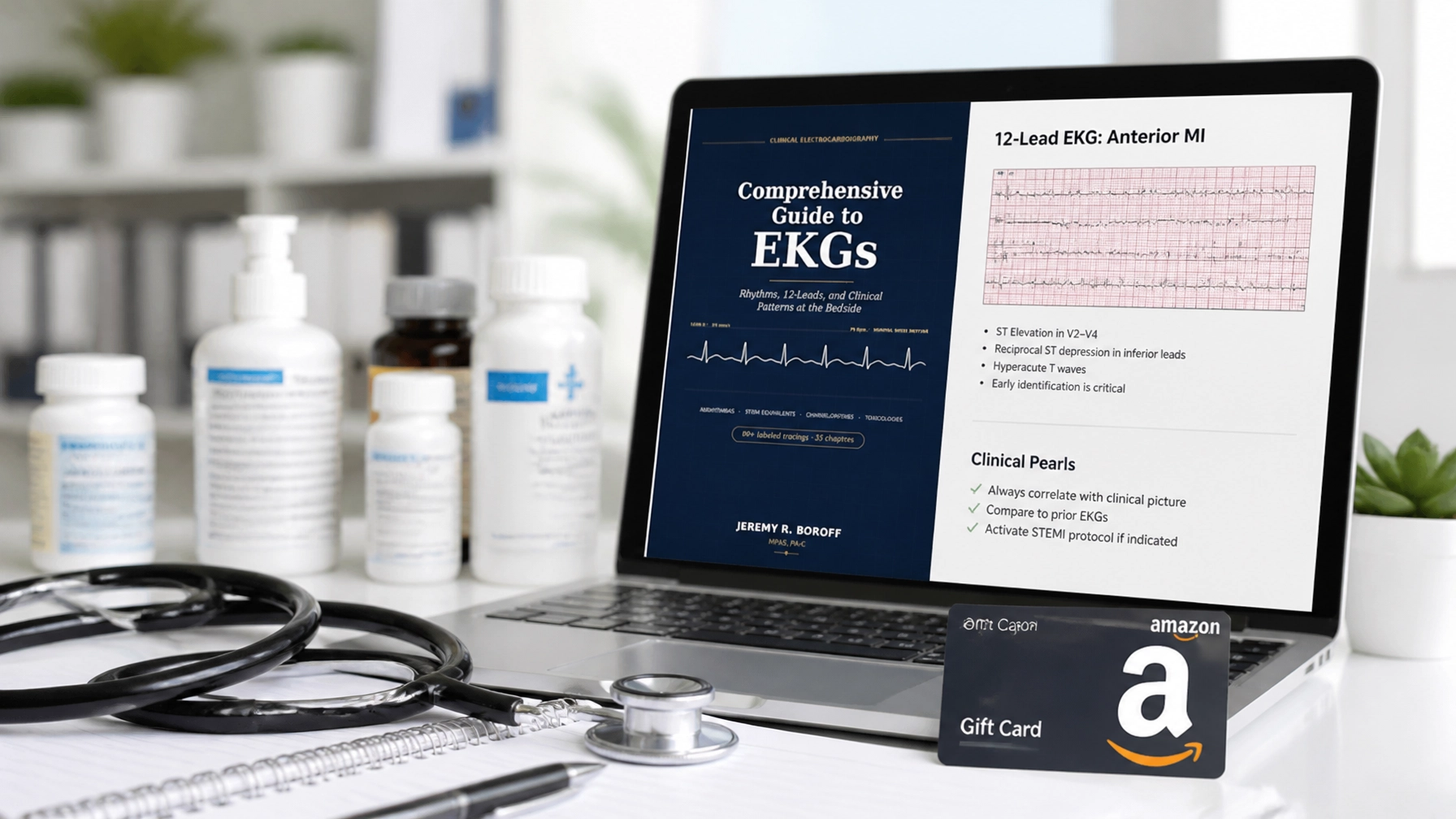
The Fix: Utilize our CME with Amazon and Apple Gift Card add-ons. You can add a $100 to $1,500 gift card to your pharmacology or PANRE course purchase. This allows you to enrich your education by purchasing medical textbooks, clinical equipment, or technology required for your practice.
6. Missing Specific State Mandates (Opioids and Pain Management)
Many states now require specific pharmacology credits focused on controlled substances or opioid prescribing.
The Fix: Don’t just look for "pharmacology" credit; look for content that covers the pharmacology of analgesics and substance use disorders. Our courses provide the broad medical foundation needed to navigate these clinical challenges.
7. Waiting Until December 31st to Log
The logging window for your cycle ends at 11:59 p.m. PT on December 31st. System outages or certificate errors on New Year's Eve have caused many PAs to miss their deadline, leading to a loss of certification.
The Fix: Complete your 100 hours of Category 1 credit via our PANRE Review Course early in your cycle. Use the pharmacology course in the second year of your cycle to stay current on new drug classes and state requirements.
Clinical Practice and Assessment
To ensure you are prepared for the pharmacology components of the PANCE or PANRE, review the following clinical vignette and practice questions.
Clinical Scenario
Your patient is a 64-year-old male with a history of hypertension, chronic kidney disease (Stage 3), and persistent atrial fibrillation. He is currently taking Lisinopril 20mg and Metoprolol Succinate 50mg. He presents for a follow-up to discuss anticoagulation.
Vitals:
BP: 138/84 mmHg
HR: 74 bpm
SaO2: 98% on RA
CrCl: 42 mL/min
Question 1: Which of the following anticoagulants requires a specific dose reduction based on this patient’s renal function for the prevention of stroke in non-valvular atrial fibrillation?
A) Warfarin
B) Apixaban
C) Rivaroxaban
D) Dabigatran
Answer and Explanation:
Correct Answer: C) Rivaroxaban
Rivaroxaban (Xarelto) requires a dose reduction from 20mg to 15mg daily when the creatinine clearance (CrCl) is between 15-50 mL/min. Warfarin does not require dose adjustment for renal function, though it requires frequent INR monitoring. Apixaban requires adjustment based on a combination of age, weight, and serum creatinine, not CrCl alone. Dabigatran requires adjustment, but the standard threshold for atrial fibrillation is typically a CrCl < 30 mL/min (reduction to 75mg).
Question 2: If this patient is started on a Direct Oral Anticoagulant (DOAC) and later requires an urgent reversal for a life-threatening GI bleed, which agent is specifically indicated for the reversal of Factor Xa inhibitors?
A) Idarucizumab
B) Protamine Sulfate
C) Vitamin K
D) Andexanet Alfa
Answer and Explanation:
Correct Answer: D) Andexanet Alfa
Andexanet alfa is a recombinant modified human decoy protein that binds and sequesters Factor Xa inhibitors like apixaban and rivaroxaban. Idarucizumab (Praxbind) is the specific reversal agent for Dabigatran (a direct thrombin inhibitor). Protamine sulfate is used for heparin reversal, and Vitamin K is used for warfarin reversal.
Master Your Pharmacology Credits
Don't let clerical errors or a lack of specific pharmacology hours jeopardize your license. Whether you are preparing for the NCCPA PANRE or simply need to satisfy your state board's pharmacology requirements, CME Review Courses offers a streamlined, authoritative solution.

Our content is written by physician assistants for physician assistants, ensuring that every hour of credit you earn is practically applicable to your clinical practice. Use your CME stipend efficiently this year with our gift card add-on packages.