Posted on

PANRE Vs PANRE-LA: Which Is Better For Your Recertification Cycle?

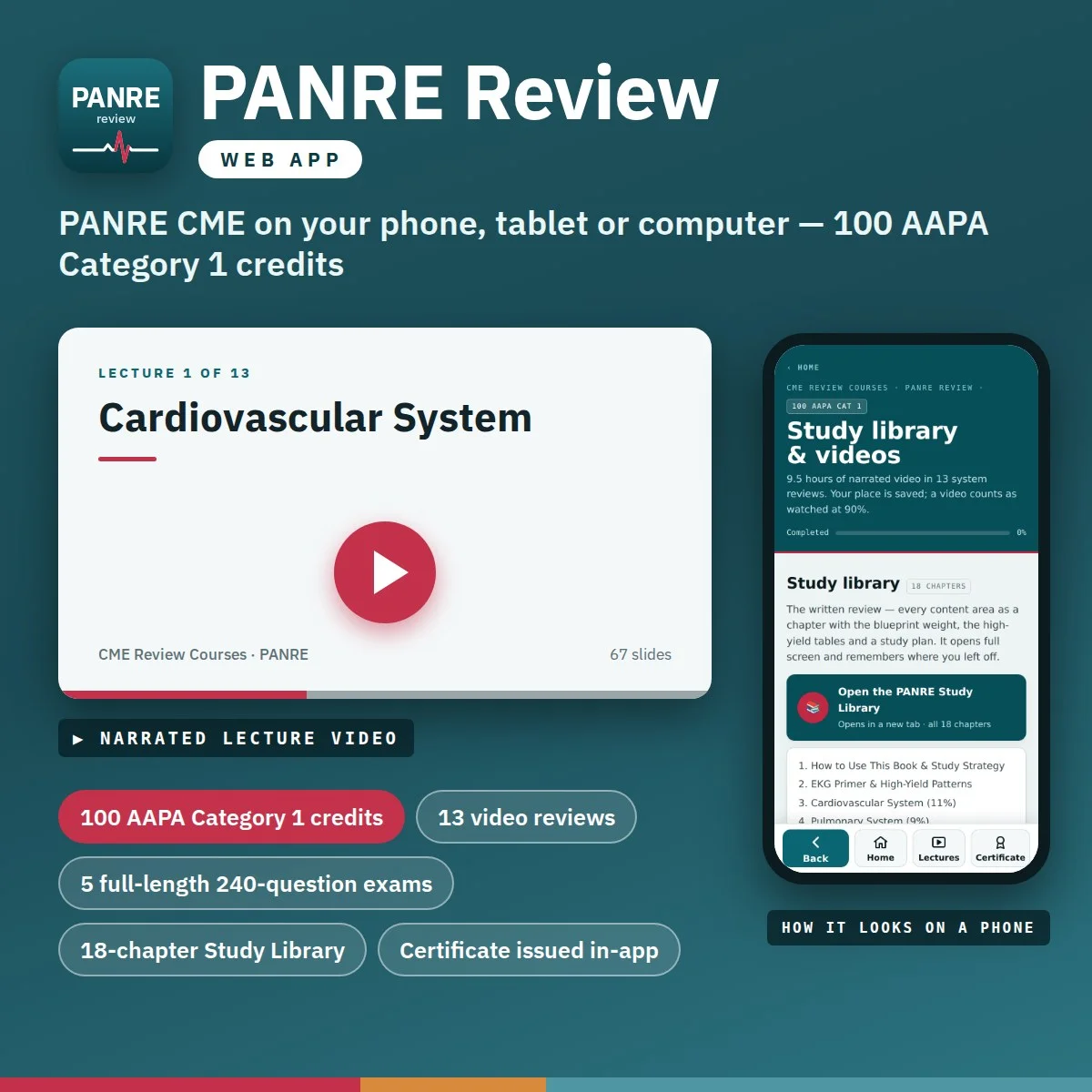
PANRE Review Course Details:

  • Price: $349.00 – $1,849.00 (depending on gift card add-on)
  • Duration: 1-year access to all course materials
  • Deliverables: 100 Hours of AAPA Category 1 CME Credit
  • Practice Questions: Over 1,000 board-style questions included

The 10-year recertification cycle is a defining feature of the Physician Assistant profession. As you approach your recertification window, the NCCPA offers two distinct pathways: the traditional Physician Assistant National Recertification Examination (PANRE) and the Physician Assistant National Recertification Examination – Longitudinal Assessment (PANRE-LA). Understanding the logistical and educational differences between these two options is critical for maintaining your certification without unnecessary professional disruption.

The Traditional PANRE: The One-Day Marathon

The traditional PANRE remains the standard for PAs who prefer a consolidated assessment. This exam is a four-hour, 240-question, multiple-choice test administered in a proctored environment at a Pearson VUE testing center.

For the 2026 recertification cohort, the traditional PANRE is the mandatory path for any PA who did not successfully enroll in the PANRE-LA during the application window that closed in 2022. This format requires a high-intensity study period followed by a single day of testing. It is a closed-book examination, meaning you must rely entirely on your internal clinical knowledge and recall of the NCCPA Blueprint.

Comparison of PANRE vs PANRE-LA logistics

The PANRE-LA: A Longitudinal Approach

The PANRE-LA represents a shift toward continuous learning. Instead of a single high-stakes day, the PANRE-LA delivers 25 questions per quarter over a period of up to three years (12 quarters total).

Key Features of PANRE-LA:

  • Open Book: You are permitted to use external medical resources (textbooks, UpToDate, etc.) while answering questions.
  • Flexible Timing: Questions can be answered on any device with an internet connection at your convenience during the quarter.
  • Immediate Feedback: After each question, you receive the correct answer, a clinical rationale, and references for further study.
  • Scoring: Your performance is based on the best 8 out of 12 quarters, allowing for "off" periods or life events without jeopardizing your certification status.

Deciding Between the Two Pathways

The choice between PANRE and PANRE-LA often comes down to your individual learning style and clinical schedule.

If you are a PA who thrives under pressure and prefers to "get it over with," the traditional PANRE is likely your best option. It allows you to dedicate a few weeks to intensive review and move on with your career for another decade.

Conversely, the PANRE-LA is designed for those who prefer to integrate assessment into their daily routine. It reduces "test day anxiety" and uses the "testing effect" to improve long-term retention. However, it requires a long-term commitment. Missing multiple quarters can lead to a failure to meet the passing standard, at which point you would be required to take the traditional PANRE in your 10th year.

Regardless of the pathway you choose, the medical content remains consistent with the NCCPA Blueprint. You must be proficient in Cardiology, Pulmonology, Gastroenterology, Orthopedics, and the other major organ systems.

High-Efficiency Preparation with 100 Hours of AAPA Category 1 Credit

Preparation for either exam requires a structured review of clinical medicine. Our PANRE Review Course is specifically designed to cover the core topics required by the NCCPA.

One of the most significant advantages of our program is that the PANRE Review course provides 100 hours of AAPA Category 1 CME credit. This allows you to complete your entire biennial CME requirement while simultaneously preparing for your recertification exam.

PANRE Review Course Exam Prep Material

Clinical Vignette: Cardiovascular Assessment

To maintain proficiency for the PANRE or PANRE-LA, you must be able to quickly synthesize clinical data and apply the current standard of care. Consider the following scenario:

Your patient is a 64-year-old male presenting to the emergency department with a sudden onset of substernal chest pain that radiates to his left jaw. The pain began 45 minutes ago while he was mowing his lawn. He appears diaphoretic and distressed.

Vital Signs:

  • HR: 112 bpm
  • BP: 158/94 mmHg
  • SaO2: 94% on room air
  • Temp: 98.8°F

An EKG is performed and demonstrates 3mm ST-segment elevation in leads V2, V3, and V4.

What is the most appropriate next step in the management of this patient?

A) Obtain serial troponins and admit to the observation unit.
B) Administer 324mg of chewable aspirin and activate the cardiac catheterization lab.
C) Perform a STAT CT Angiography of the chest to rule out aortic dissection.
D) Administer intramuscular morphine and schedule an outpatient stress test.

Correct Answer: B
Explanation: This patient is presenting with a classic ST-segment elevation myocardial infarction (STEMI) of the anterior wall. In the setting of an acute STEMI, the priority is rapid reperfusion. Administering aspirin and activating the cardiac catheterization lab for percutaneous coronary intervention (PCI) is the gold standard of care. Delaying for serial troponins (Choice A) or CT imaging (Choice C) increases myocardial necrosis and mortality. Outpatient follow-up (Choice D) is contraindicated in the acute phase of an MI.

Maximizing Your CME Budget: Amazon and Apple Gift Cards

We understand that medical education is an investment. To help you further enrich your professional library or clinical tools, we offer CME with Gift Card add-ons.

When you purchase the PANRE Review Course, you have the option to add an Amazon or Apple Gift Card ranging from $100 to $1,500 to your order. This is an efficient way to utilize your employer-provided CME allowance. Many PAs use these gift cards to purchase clinical equipment, medical textbooks, or technology to support their practice.

CME Course with Gift Card Add-on Options

Content Mastery: Specialized Review

Preparation should not be generic. Our course content was written by physician assistants for physician assistants, ensuring the material is relevant to the PANCE/PANRE exams. We offer in-depth modules covering:

  • Cardiovascular System
  • Emergency Medicine
  • Internal Medicine Hospitalist
  • Orthopedics and Dermatology
  • Psychiatry, Neurology, and OB/GYN

While our courses are primarily targeted at PAs, nurse practitioners and physicians also find significant value in these reviews. Note that for physicians, this content counts as Category 2 CME rather than Category 1.

Clinical Vignette: Pulmonary Assessment

Your patient is a 28-year-old female with a history of mild persistent asthma who presents with increased shortness of breath and wheezing over the last 24 hours. She has been using her albuterol inhaler every 2 hours with minimal relief.

Physical Exam Findings:

  • Lungs: Diffuse expiratory wheezing and prolonged expiratory phase.
  • Skin: No cyanosis noted.
  • Speech: Speaking in short sentences.

Vital Signs:

  • HR: 105 bpm
  • RR: 24 breaths/min
  • SaO2: 92% on room air

Following the administration of a nebulized beta-agonist and anticholinergic, which medication should be added to her acute treatment plan to prevent late-phase inflammatory response?

A) Inhaled Fluticasone
B) Oral Prednisone
C) Intravenous Magnesium Sulfate
D) Subcutaneous Epinephrine

Correct Answer: B
Explanation: Oral Prednisone (or another systemic corticosteroid) is indicated in the management of an acute asthma exacerbation that does not respond promptly to SABA. Systemic steroids are essential for reducing airway inflammation and preventing relapse. Inhaled corticosteroids (Choice A) are for long-term maintenance, not acute rescue. Magnesium (Choice C) and Epinephrine (Choice D) are typically reserved for life-threatening exacerbations that fail to respond to standard first-line therapies.

Conclusion

Whether you choose the traditional PANRE or the PANRE-LA, your goal is to demonstrate clinical competency and maintain your certification. The traditional PANRE offers speed and closure, while the PANRE-LA offers flexibility and a lower-stress environment.

By utilizing our PANRE Review Course, you can earn 100 hours of AAPA Category 1 CME credit, prepare for your exam with board-style questions, and even maximize your CME budget with an Amazon or Apple gift card add-on.

Stay focused on the NCCPA Blueprint and use high-quality, clinical-based resources to ensure your success in this recertification cycle.

Posted on

PANRE Vs PANRE-LA: Which Is Better For Your Recertification?

Price: $399.99
Duration of Access: 30 Months
Deliverables: 100 Hours of AAPA Category 1 CME Credit

The Physician Assistant National Recertification Exam (PANRE) has undergone significant changes in recent years. PAs now face a choice between the traditional, high-stakes PANRE and the longitudinal assessment, PANRE-LA. Selecting the right pathway requires understanding how each format integrates into clinical practice and the specific requirements for success.

PANRE: The Traditional High-Stakes Pathway

The traditional PANRE is a single, closed-book exam taken at a Pearson VUE test center. It is designed for PAs who prefer to consolidate their testing into a single day rather than an ongoing process.

  • Timeline: Taken in Year 9 or 10 of the recertification cycle.
  • Format: 240 multiple-choice questions administered over 4 to 5 hours.
  • Environment: Secure testing center, closed-book, no external resources.
  • Scoring: Standardized score between 200–800, with a passing threshold of 379.

The traditional PANRE remains a viable option for those who have strong test-taking skills and prefer a "one and done" approach. However, it requires intensive preparation and a deep dive into the NCCPA Blueprint to ensure mastery across all medical categories.

PANRE-LA: The Longitudinal Assessment

The PANRE-LA (Longitudinal Assessment) is an alternative pathway that emphasizes learning over time rather than a single point-in-time snapshot.

  • Timeline: Begins in Year 7 and spans up to three years (12 quarters).
  • Format: 25 questions delivered quarterly via an online platform.
  • Environment: Open-book, accessible from any compatible device.
  • Scoring: Based on the best 8 quarters of performance; immediate feedback is provided after each question.

PANRE-LA is specifically designed to reduce test anxiety and identify knowledge gaps. Because it is open-book, it allows PAs to use clinical resources, mirroring real-world practice where a clinician might look up a dosage or diagnostic criteria during a shift.

Comparing the Two Formats

When deciding between the two, consider your practice style. If you work in a highly specialized field like Orthopedics or Neurosurgery, the broad medical knowledge required for the PANRE may feel more daunting in a closed-book setting. The PANRE-LA allows you to research topics you may not encounter daily in your subspecialty.

PANRE Review Course Book Cover

Conversely, if you prefer to study intensely for a short period and maintain your certification without a three-year commitment, the traditional PANRE is the efficient choice. Regardless of the choice, our PANRE Review Course provides the comprehensive coverage needed to succeed.

Integrating CME and Gift Card Add-Ons

One of the most efficient ways to prepare for either exam is through the use of CME money. Our PANRE Review Course offers 100 Hours of Category 1 AAPA CME credit. This is a significant deliverable that covers the majority of your biennial CME requirements while preparing you for recertification.

Additionally, we offer CME with Gift Card options. You can add a $100 to $1,500 Amazon or Apple gift card to your purchase. This allows you to use your employer’s CME allowance to obtain high-quality educational materials while also securing resources for further enrichment.

Clinical Scenarios and Practice

Successful recertification requires mastery of clinical vignettes. Below is a practice scenario typical of the questions found in our PANRE Review Course.

Practice Question 1
Your patient is a 64-year-old male presenting with a 3-hour history of acute, tearing chest pain that radiates to the back between the scapulae. On exam, he is diaphoretic. His HR is 110, BP is 185/105 mmHg in the right arm and 155/90 mmHg in the left arm. A chest X-ray reveals a widened mediastinum. What is the most appropriate initial pharmacological management?

A) Intravenous Heparin bolus
B) Intravenous Labetalol
C) Oral Lisinopril
D) Intravenous Alteplase

Explanation:
The correct answer is B) Intravenous Labetalol. This patient presents with classic signs of an aortic dissection, notably the tearing pain radiating to the back and a significant blood pressure differential between arms. The priority in management is to reduce the heart rate and blood pressure to decrease the shear stress on the aortic wall. Labetalol is a first-line agent because it provides both alpha and beta-blockade. Choice A is incorrect as anticoagulation is contraindicated in acute dissection. Choice C is an oral agent and is not appropriate for acute hypertensive emergencies. Choice D is used for ST-elevation myocardial infarction (STEMI) or acute ischemic stroke, not aortic dissection.

Practice Question 2
Your patient is a 28-year-old female who presents with a 2-day history of lower abdominal pain, dyspareunia, and yellow vaginal discharge. On physical exam, her temperature is 101.2°F (38.4°C). Pelvic examination reveals significant cervical motion tenderness and adnexal tenderness. What is the most likely diagnosis?

A) Ectopic pregnancy
B) Pelvic Inflammatory Disease (PID)
C) Interstitial cystitis
D) Ovarian torsion

Explanation:
The correct answer is B) Pelvic Inflammatory Disease (PID). The clinical triad of fever, cervical motion tenderness ("chandelier sign"), and adnexal tenderness in a young patient is highly suggestive of PID. While ectopic pregnancy (Choice A) can cause abdominal pain, it usually presents with amenorrhea and a positive pregnancy test, and fever is less common. Interstitial cystitis (Choice C) is a chronic condition characterized by bladder pain and urinary symptoms. Ovarian torsion (Choice D) presents as sudden, severe, unilateral pelvic pain, often associated with an adnexal mass on ultrasound, but fever and discharge are not primary features.

Conclusion: Which One To Choose?

If you value immediate feedback and an open-book format that integrates with your daily practice, PANRE-LA is likely the better fit. It spreads the burden of testing over 12 quarters and allows for a more relaxed testing environment.

If you prefer to maintain your certification through a traditional, focused effort and want to avoid the administrative requirement of checking in every quarter, the traditional PANRE remains the gold standard.

And if you're an early-career PA or student navigating the PANCE and EOR exams, PAtopia offers the most comprehensive app-based question bank with 11,000+ questions across all NCCPA blueprint topics. Visit cmereviewcourses.com/patopia-new-student-section/ to explore, download on the App Store, or get it on Google Play.

Regardless of your path, our PANRE/PANRE LA Review Exams provide the rigorous preparation required to meet the passing standard. With 100 hours of AAPA Category 1 CME credit and the ability to add Amazon or Apple Gift Cards, our packages are designed to maximize both your time and your CME budget.

Posted on

How to Choose the Best PANRE Review Course (With Amazon Gift Card Add-Ons Compared)

Price: Starting at $399.99
Access: 30 Months
Deliverables: 100 Category 1 AAPA CME Credits, Comprehensive PANRE Blueprint Coverage, 30 Months of Access

Selecting a PANRE review course requires more than just finding a list of medical topics. For the practicing physician assistant, the choice must balance clinical relevance, credit requirements, and the efficient use of employer-provided CME funds. The PANRE Review Course offered by CME Review Courses is designed specifically to meet the high-volume credit needs of PAs while providing practical, high-yield clinical education that mirrors the NCCPA blueprint.

Understanding the 100-Hour AAPA Category 1 Credit Requirement

The Physician Assistant National Recertification Exam (PANRE) is a significant milestone in a PA's career. The NCCPA requires maintenance of certification through a combination of CME and examination. Our PANRE Review Course provides exactly 100 hours of AAPA Category 1 CME credit. This is a critical distinction; while many courses offer smaller blocks of credit, our package allows a PA to fulfill a massive portion of their cycle requirements in a single, comprehensive review.

It is important to note that while we offer various packages, the 100 hours of Category 1 AAPA credit is specific to the PANRE Review Course. Other specialized offerings, such as our Pharmacology courses, provide targeted credit but do not carry the same 100-hour designation.

Physician assistant reviewing clinical data on a tablet

Maximizing CME Budgets with Gift Card Add-Ons

A unique feature of our curriculum is the ability to customize your purchase with CME gift cards. We offer Amazon and Apple Gift Card add-ons ranging from $100 to $1500.

It is vital for purchasers to understand that these are not free gifts. They are add-ons that are integrated into the total purchase price of the CME package. This structure allows clinicians to utilize their annual CME stipend to not only secure high-quality board review materials but also to acquire the tools necessary for further education: such as medical textbooks, clinical reference hardware, or upgraded technology for viewing board review content.

When comparing pance prep courses and PANRE options, the ability to bundle these educational tools into a single transaction is a significant advantage for hospitalists and primary care providers who need to maximize their professional development funds before the end of the fiscal year.

Internal Medicine and Hospitalist Clinical Focus

For those working in Internal Medicine or as Hospitalists, the PANRE content must be more than theoretical. It needs to reflect the complexity of the patients seen during daily rounds. Our content is written by physician assistants for physician assistants, ensuring that the "clinical pearls" are applicable to real-world practice.

Whether you are managing acute heart failure, identifying complex dermatological manifestations of systemic disease, or navigating the nuances of inpatient psychiatry, our review materials provide the necessary depth to both pass the exam and improve patient outcomes.

PANRE/PANRE-LA Review Exam Book Cover

Clinical Vignettes and Practice Questions

In accordance with our commitment to direct clinical education, evaluate the following scenarios. These vignettes represent the type of content you will encounter in our PANRE Review Course and are reflective of the NCCPA examination style.

Clinical Case 1: Cardiology

Your patient is a 68-year-old male with a history of hypertension and tobacco use who presents to the emergency department with sudden onset "tearing" chest pain that radiates to the back. His blood pressure is 190/110 mmHg in the right arm and 165/95 mmHg in the left arm. A chest X-ray reveals a widened mediastinum.

Which of the following is the most appropriate initial pharmacological intervention for this patient?
A. Intravenous Nitroprusside
B. Intravenous Esmolol
C. Oral Lisinopril
D. Intravenous Heparin

Correct Answer: B. Intravenous Esmolol
The clinical presentation is highly suggestive of an aortic dissection. The primary goal in management is "anti-impulse" therapy: reducing both the heart rate and the blood pressure to decrease the shear stress on the aortic wall. A short-acting beta-blocker like Esmolol or Labetalol is the first-line treatment. Nitroprusside (Choice A) can cause reflex tachycardia and increased shear stress if used without prior beta-blockade. Lisinopril (Choice C) is inappropriate for acute hypertensive emergencies of this nature. Heparin (Choice D) is contraindicated in a suspected or confirmed dissection.

Clinical Case 2: Internal Medicine/Pulmonology

Your patient is a 54-year-old female smoker who presents with a persistent cough and weight loss. A CT scan shows a peripheral lung mass. A subsequent biopsy confirms adenocarcinoma.

Which of the following is true regarding this patient’s diagnosis?
A. It is the most common type of lung cancer in non-smokers.
B. It is typically centrally located near the bronchi.
C. It is most frequently associated with paraneoplastic syndromes like SIADH.
D. It has the strongest association with smoking compared to small cell lung cancer.

Correct Answer: A. It is the most common type of lung cancer in non-smokers.
Adenocarcinoma is the most common primary lung malignancy in the United States and is the most frequent type found in non-smokers, although it still frequently occurs in smokers. It is typically located peripherally (contradicting Choice B). Paraneoplastic syndromes like SIADH (Choice C) are more commonly associated with Small Cell Lung Cancer. Small cell and squamous cell carcinomas have a much stronger correlation with smoking history (Choice D) than adenocarcinoma.

Medical professionals attending an educational conference

Why Choose CME Review Courses?

The market for cme gift cards and board review is crowded, but few providers offer the specific combination of 30-month access and 100 hours of AAPA Category 1 credit. Our curriculum covers the breadth of medical specialties including:

  • Emergency Medicine
  • Family Medicine
  • Internal Medicine Hospitalist
  • Orthopedics
  • Dermatology
  • Psychiatry
  • Neurology
  • Cardiology
  • OB/GYN

For PA students and recent graduates preparing for the PANCE and EOR exams, PAtopia delivers 11,000+ board-style questions in one app — no subscription needed. Check it out at cmereviewcourses.com/patopia-new-student-section/. Download on the App Store or Google Play.

While the content is tailored for physician assistants, nurse practitioners and physicians often find immense value in our packages for their Category 2 credit or state-specific requirements.

Final Considerations for Your PANRE Prep

When you are ready to purchase, ensure you are selecting the package that best fits your educational needs. Our PANRE Review Course remains the gold standard for those needing to fulfill large CME requirements while simultaneously preparing for their recertification exam.

By choosing a course with an Amazon or Apple Gift Card add-on, you are investing in your future clinical practice. Use the gift card to purchase the latest clinical hardware or reference texts that will serve you long after you have successfully passed your PANRE.

CME gift card add-on concept with medical tools

Ready to start your review? View our PANRE Review Course with Gift Card options today. For PAtopia, download on the App Store or Google Play.

Posted on

PANRE Review Course vs. PANRE-LA: Which Is Better For Your 10-Year Cycle?

Maintaining your certification as a Physician Assistant requires navigating the NCCPA’s recertification requirements every decade. With the permanent introduction of the PANRE-LA (Longitudinal Assessment), PAs now have two distinct pathways to maintain their credentials. Choosing between the traditional proctored exam and the longitudinal format depends on your clinical schedule, testing preference, and how you manage your CME requirements.

Price: $399.99 (Base Package)
Duration of Access: 30 Months
Deliverables: 100 Hours of AAPA Category 1 Self-Assessment CME Credit
Content: 17 Hours of Video Lecture and 1,672 Board-Style Questions

Understanding the Traditional PANRE

The traditional PANRE remains the standard choice for PAs who prefer a "one and done" approach. This is a high-stakes, proctored exam administered at a Pearson VUE testing center.

  • Format: 240 multiple-choice questions.
  • Environment: Proctored, closed-book, and timed.
  • Timeline: Taken in years 9 or 10 of the certification cycle.
  • Risk Profile: If you do not pass, you must wait for a retake window, which can create significant pressure as your certification expiration date approaches.

For many PAs, the traditional PANRE is the most efficient way to recertify because it requires only a single day of testing. However, the high-stakes nature and the need to travel to a testing center are significant drawbacks for those with busy clinical or personal schedules.

Understanding the PANRE-LA

The PANRE-LA was developed to reduce the stress associated with a single-day exam and to promote continuous learning.

  • Format: 25 questions delivered online each quarter.
  • Environment: Open-book; you can use printed or online references.
  • Timeline: Spans years 7 through 9 of your 10-year cycle.
  • Feedback: Immediate feedback and rationales are provided after each question.

While the PANRE-LA is generally lower stress, it requires a three-year commitment. You must complete 8 out of 12 available quarters. If you fail to meet the passing standard through the PANRE-LA, you are still required to take the traditional PANRE in year 10.

Comparing the Study Requirements

Regardless of the pathway you choose, the medical content is based on the NCCPA Blueprint. You are expected to demonstrate proficiency across all major organ systems, from Cardiology to Psychiatry.

If you choose the PANRE-LA, you will need a reliable reference source to answer questions within the 5-minute time limit per item. If you choose the traditional PANRE, you need a comprehensive review of the entire blueprint to ensure success in a closed-book environment.

Our PANRE Review Course is specifically designed to support both pathways. With 1,672 questions and 17 hours of blueprint-specific video content, it provides the depth needed for the traditional exam and the quick-reference capability needed for the PANRE-LA.

PANRE/PANRE-LA Review Exam 1 Book Cover by Jeremy Boroff PA-C

Maximize Your CME: The 150-Credit Advantage

One of the most significant benefits of choosing our PANRE Review Course is the CME weighting. The course offers 100 hours of AAPA Category 1 Self-Assessment CME credit.

For NCCPA certification maintenance, the NCCPA applies an additional 50% weighting to self-assessment credits. This means when you log our 100-hour course, you are automatically credited with 150 hours toward your requirements. This efficiency allows you to fulfill your entire Category 1 requirement for a cycle in a single course.

Clinical Vignette 1: Cardiology

Your patient is a 64-year-old male presenting with a two-day history of palpitations and mild shortness of breath. His past medical history includes hypertension and a previous myocardial infarction. Physical exam reveals an irregularly irregular pulse at a rate of 122 bpm. Blood pressure is 110/70 mmHg. SaO2 is 96% on room air. An EKG confirms atrial fibrillation. Which of the following is the most appropriate next step in the long-term management of this patient to reduce the risk of stroke?

A. Aspirin 81 mg daily
B. Oral anticoagulation with a DOAC (e.g., Apixaban)
C. Rate control with Metoprolol only
D. Immediate electrical cardioversion

Explanation: B is the correct answer. This patient has a high CHA2DS2-VASc score due to age, hypertension, and prior vascular disease (MI), necessitating long-term anticoagulation. Direct Oral Anticoagulants (DOACs) are preferred over Warfarin or Aspirin for stroke prevention in non-valvular atrial fibrillation. Aspirin (A) is insufficient for high-risk stroke prevention. Rate control (C) manages symptoms but does not address stroke risk. Cardioversion (D) is not indicated as the first step in a hemodynamically stable patient without first addressing the risk of thromboembolism.

Clinical Vignette 2: Dermatology

Your patient is a 24-year-old female complaining of a "herald patch" on her trunk that appeared one week ago, followed by a widespread eruption of smaller, oval, erythematous scaling plaques in a "Christmas tree" distribution. She denies significant pruritus or systemic symptoms. Which of the following is the most likely diagnosis?

A. Guttate psoriasis
B. Pityriasis rosea
C. Tinea corporis
D. Secondary syphilis

Explanation: B is the correct answer. Pityriasis rosea typically begins with a single herald patch followed by a secondary eruption in a classic Christmas tree pattern along skin cleavage lines. Guttate psoriasis (A) usually follows a streptococcal infection and presents with smaller "drop-like" lesions. Tinea corporis (C) presents as annular lesions with central clearing and would not typically follow this widespread distribution. Secondary syphilis (D) can present with a trunk rash but often involves the palms and soles and includes systemic symptoms.

PANRE/PANRE-LA Review Exam 2 Book Cover by Jeremy Boroff PA-C

CME with Amazon and Apple Gift Cards

A unique advantage of our program is the ability to maximize your employer-provided CME stipend. Many PAs find themselves with remaining funds at the end of the year. We offer CME with Gift Card add-ons ranging from $100 to $1500.

By adding an Amazon or Apple gift card to your PANRE Review Course purchase, the total cost is bundled into a single price. This allows you to secure your 100 hours of Category 1 credit and receive a gift card to purchase additional educational materials, such as a new tablet for hospital rounds or medical textbooks.

CME with Amazon and Apple Gift Cards and Stethoscope

Clinical Vignette 3: Gastroenterology

Your patient is a 45-year-old male presenting with severe epigastric pain that radiates to his back. He describes the pain as steady and boring. He has a history of alcohol use disorder. On exam, he is tachycardic and has significant epigastric tenderness. Laboratory results show a lipase level of 1,200 U/L (normal <160 U/L). What is the most important initial step in the management of this patient?

A. Aggressive intravenous fluid resuscitation
B. Urgent ERCP
C. Prophylactic intravenous antibiotics
D. Immediate surgical consultation for debridement

Explanation: A is the correct answer. The patient has acute pancreatitis. Aggressive fluid resuscitation is the cornerstone of initial management to maintain organ perfusion and prevent complications like necrosis. ERCP (B) is only indicated if there is concomitant cholangitis or biliary obstruction. Prophylactic antibiotics (C) are not recommended for routine acute pancreatitis. Surgery (D) is reserved for infected necrosis or specific complications, not the initial phase.

Conclusion: Which Path is Right for You?

If you prefer to maintain your certification through continuous assessment and want to avoid the stress of a single testing day, the PANRE-LA is your best option. However, if you want to complete your requirement quickly and move on, the traditional PANRE remains effective.

In either scenario, preparation is the deciding factor. Our PANRE Review Course provides the comprehensive coverage of the NCCPA Blueprint necessary to succeed. With the added value of 100 Category 1 credits (weighted to 150 by the NCCPA) and the flexibility of CME with Gift Cards, it is the most efficient use of your time and professional development funds.

Posted on

Daily CME Tip: How to Choose the Best PANRE Review Course for Family Medicine (Including Customizable Amazon Gift Card Options)

Choosing a panre review course is a critical decision for your clinical career and certification status. When you work in Family Medicine, your scope is broad, and your review must be equally comprehensive yet focused on the highest-yield topics defined by the NCCPA.

Price: $399.99
Duration: 30 months of access
Deliverables: 100 hours of AAPA Category 1 Self-Assessment CME Credit, 17 hours of expert video content, and 1,672 board-style practice questions.

The PANRE Review Course at CME Review Courses provides a direct path to satisfying your recertification requirements while maximizing your educational budget. One of the unique features of our platform is the ability to customize your purchase with cme gift cards. You can choose to add an Amazon or Apple Gift Card ranging from $100 to $1500 to your order. It is important to note that these are add-ons and not free gifts; the cost of the gift card is added to the total price of the CME package. This allows you to utilize your employer-provided CME allowance efficiently to gain both the necessary 100 hours of AAPA Category 1 credit and additional resources for your professional development.

Maximizing the Value of Your CME Budget

Many PAs find themselves at the end of the year with remaining CME funds. Our pance prep courses and PANRE review options are designed to solve this problem. By selecting a package with a gift card add-on, you ensure that every dollar of your allowance is directed toward your education and the tools you need to succeed. The 100 hours of Category 1 AAPA credit offered in our PANRE Review Course is specifically accredited to meet your recertification needs. While we also offer a Pharmacology Course, please note that the 100-hour credit designation applies exclusively to the PANRE Review course.

Family Medicine EOR Exam Review and Test Prep Book Cover

Why Family Medicine PAs Need a Specialized Approach

Family Medicine constitutes a significant portion of the PANRE exam. You are expected to be proficient in everything from chronic disease management to acute pediatric presentations. However, the sheer volume of information can be overwhelming. An effective panre review course should help you prioritize.

Focus your efforts on the high-weight systems:

  1. Cardiovascular System: Hypertension, heart failure, and arrhythmias.
  2. Pulmonary System: COPD, asthma, and pneumonia.
  3. Gastrointestinal System/Nutrition: GERD, peptic ulcer disease, and hepatitis.
  4. Musculoskeletal System: Osteoarthritis, rheumatoid arthritis, and acute injuries.

Our course materials were written by physician assistants for physician assistants, ensuring that the clinical nuances of your daily practice in Family Medicine are reflected in the prep material. Although our primary audience is PAs, many Nurse Practitioners and Physicians also find value in these packages. For Physicians, it is important to note that this content counts as Category 2 CME, not Category 1.


Clinical Vignette: Family Medicine Assessment

Maintaining your clinical edge requires constant self-assessment. Use the following scenario to test your knowledge of common primary care presentations and board-style questioning.

Clinical illustration of a PA consulting with an elderly patient

Your patient is a 64-year-old male with a history of hypertension and Type 2 Diabetes Mellitus who presents for a routine follow-up. He reports recent onset of "cramping" in his calves when he walks to the end of his driveway to get the mail. The pain is relieved within 5 minutes of sitting down. He denies chest pain or shortness of breath. On physical exam, his lower extremities are notable for thin, shiny skin and diminished pedal pulses bilaterally. His blood pressure is 142/88 mmHg, HR is 72 bpm, and SaO2 is 98% on room air.

Which of the following is the most appropriate initial diagnostic test for this patient?

A. Lower extremity venous duplex ultrasound
B. Ankle-brachial index (ABI)
C. Computed tomography (CT) angiography of the lower extremities
D. D-dimer assay
E. Exercise stress test

Explanation

The correct answer is B: Ankle-brachial index (ABI).

The patient’s presentation is classic for peripheral arterial disease (PAD), specifically intermittent claudication. The symptoms of exercise-induced pain relieved by rest, combined with physical exam findings of thin/shiny skin and diminished pulses, strongly suggest arterial insufficiency. The Ankle-brachial index (ABI) is the most appropriate initial diagnostic test for PAD because it is non-invasive, cost-effective, and provides a highly sensitive and specific measurement of arterial flow. An ABI of ≤ 0.90 is diagnostic for PAD.

  • Choice A (Venous duplex) is incorrect as this patient’s symptoms are consistent with arterial disease, not venous insufficiency or deep vein thrombosis (DVT).
  • Choice C (CT angiography) is incorrect because, while highly accurate, it is not the initial test. It is typically reserved for surgical planning or when non-invasive tests are inconclusive.
  • Choice D (D-dimer) is used in the workup of suspected DVT or pulmonary embolism and has no role in the diagnosis of chronic PAD.
  • Choice E (Exercise stress test) is used to evaluate for coronary artery disease, which often coexists with PAD, but it is not the initial test for claudication itself.

Selecting the Right Course for Your Schedule

When preparing for the PANRE, consistency is more important than cramming. Our course provides 30 months of access, allowing you to integrate your study sessions into your clinical schedule. With 1,672 questions, you can practice daily vignettes to sharpen your diagnostic skills and familiarize yourself with the NCCPA's questioning style.

PANRE/PANRE-LA Review Exam 1 Book Cover

Strategizing Your PANRE Prep

Family Medicine PAs should use their daily patient encounters as "mini-review" sessions. If you see a patient with a new diagnosis of hypothyroidism, take five minutes to review the management guidelines in the PANRE review modules. This contextual learning reinforces the material much more effectively than passive reading.

When choosing your panre review course, consider the following:

  • Quantifiable Deliverables: Does the course provide enough practice questions? We provide over 1,600.
  • Credit Type: Ensure you are receiving Category 1 AAPA credit. Our course provides exactly 100 hours.
  • Financial Flexibility: Can you maximize your CME fund? Our gift card add-ons ($100-$1500) provide a way to utilize your educational budget fully.

Practical Tips for the Family Medicine PA

In the primary care setting, you are the first line of defense. The PANRE reflects this by focusing on initial management and diagnostic steps. Always look for the "next best step" in a vignette. This often means choosing the least invasive or most direct diagnostic tool before jumping to definitive or surgical interventions.

If you are looking for more specific specialty content, we also offer modules covering:

  • Emergency Medicine
  • Internal Medicine Hospitalist
  • Orthopedics
  • Dermatology
  • Psychiatry
  • Neurology
  • Cardiology
  • OB/GYN

Each of these chapters contributes to the comprehensive knowledge required to pass the PANRE and succeed in a Family Medicine environment.

Conclusion

Your time is valuable. Choosing a panre review course that offers 100 hours of Category 1 AAPA credit and customizable cme gift cards is the most efficient way to manage your professional requirements. Start your review early, focus on high-yield Family Medicine topics, and use clinical vignettes to test your readiness.

Posted on

How to Master Family Medicine and Maximize Your CME Gift Cards Add-On Value

Price: $399.99 (Base Package)
Access: 30 Months
Deliverables: 100 Hours of Category 1 AAPA CME Credit
Course Title: PANRE Review Course

Mastering Family Medicine is the cornerstone of passing the Physician Assistant National Recertification Exam (PANRE). Because the NCCPA Blueprint for the PANRE is heavily weighted toward primary care, your success depends on a deep understanding of cardiology, pulmonology, and endocrinology: the "Big Three" of family practice.

Our panre review course is designed specifically to help you navigate these high-yield topics while providing an efficient way to utilize your employer-provided CME funds. By choosing a package that includes cme gift cards, you can maximize the value of your education budget.

Maximizing Your CME Budget with Gift Card Add-Ons

One of the most frequent questions we receive involves the use of CME money for educational enrichment. We offer an efficient solution: Amazon and Apple Gift Card add-ons.

It is important to understand that these are not free gifts. These are professional add-ons that you choose to include with your purchase. You can add between $100 and $1,500 in gift card value to your pance prep courses or PANRE review packages. This allows you to consolidate your educational expenses into a single purchase, providing you with the tools you need: such as medical reference books, hardware for studying, or educational software: to further your professional development.

Whether you are preparing for the traditional PANRE or the PANRE-LA, this system ensures you get the maximum utility from your allotted CME funds.

Family Medicine EOR and PANRE Review Guide

High-Yield Family Medicine Content for the PANRE

To master Family Medicine for your boards, you must focus on the organ systems with the highest percentage weights. According to the NCCPA Blueprint, these areas will make up the bulk of your exam questions.

Cardiology (12% of the Exam)

Cardiology is the highest-weighted section on the PANRE. In a Family Medicine context, you must be proficient in managing chronic conditions.

  • Hypertension: Know the JNC and AHA/ACC guidelines. Understand the nuances of choosing an ACE inhibitor over a calcium channel blocker, especially in patients with co-morbidities like diabetes or chronic kidney disease.
  • Hyperlipidemia: Focus on statin intensity levels. You should be able to calculate an ASCVD risk score and know exactly when to initiate therapy.
  • Heart Failure: Differentiating between HFrEF and HFpEF is critical. Be prepared to answer questions on guideline-directed medical therapy (GDMT), including the use of beta-blockers, ACE/ARBs, and SGLT2 inhibitors.

Pulmonology (10% of the Exam)

In family practice, you are the first line of defense for respiratory issues.

  • Asthma and COPD: You must know the stepwise approach to treatment. For the PANRE, this means knowing when to move from a SABA to an ICS-formoterol or a LAMA.
  • Pneumonia: Be comfortable with outpatient management vs. inpatient admission criteria (CURB-65). Know your first-line antibiotic choices for community-acquired pneumonia (CAP).

Endocrinology (8% of the Exam)

Diabetes management is a daily task in Family Medicine and a frequent topic on the PANRE.

  • Diabetes Mellitus Type 2: Understand the mechanism of action for metformin, GLP-1 agonists, and SGLT2 inhibitors. Know the A1C targets and the "rule of 15" for hypoglycemia.
  • Thyroid Disorders: Be ready to interpret TSH and Free T4 levels rapidly. Know the starting doses of levothyroxine and how to adjust them during pregnancy.

PANRE Review Course Icon

Clinical Vignettes and Practice Questions

Testing your knowledge with practice questions is the most effective way to identify gaps in your understanding. Every panre review course should include clinical scenarios that mirror the actual exam.

Question 1

Patient: 54-year-old male with a history of hypertension and obesity.
Symptoms: Routine follow-up. He feels well but notes occasional "pounding" in his chest.
Vitals: BP 142/88, HR 112 (irregular), SaO2 98% on room air.
EKG: Absent P-waves and irregularly irregular QRS complexes.

What is the most appropriate next step in calculating this patient's stroke risk?
A) CHA2DS2-VASc score
B) HAS-BLED score
C) Framingham Risk Score
D) ASCVD Risk Calculator

Correct Answer: A) CHA2DS2-VASc score
Explanation: The patient’s EKG is diagnostic of Atrial Fibrillation (AFib). The CHA2DS2-VASc score is the standard tool used to determine the necessity of anticoagulation in patients with non-valvular AFib. A HAS-BLED score (Choice B) assesses bleeding risk but does not dictate the need for anticoagulation itself. Choices C and D are used for general cardiovascular risk and lipid management, respectively, but do not address the specific stroke risk associated with AFib.

Question 2

Patient: 68-year-old female with a 40-pack-year smoking history.
Symptoms: Increasing shortness of breath and a chronic productive cough for the last 4 months.
Vitals: BP 130/82, HR 88, SaO2 91% on room air.
Physical Exam: Increased AP diameter of the chest, decreased breath sounds, and prolonged expiratory phase.

Which of the following is required to confirm the diagnosis of COPD in this patient?
A) Post-bronchodilator FEV1/FVC < 0.70
B) Chest X-ray showing hyperinflation
C) Sputum culture for H. influenzae
D) Measurement of Alpha-1 antitrypsin levels

Correct Answer: A) Post-bronchodilator FEV1/FVC < 0.70
Explanation: Spirometry is the gold standard for diagnosing COPD. A post-bronchodilator ratio of FEV1/FVC less than 0.70 confirms the presence of persistent airflow limitation. While a chest X-ray (Choice B) may show hyperinflation or a flattened diaphragm, it is not diagnostic. Sputum cultures (Choice C) are used during acute exacerbations, not for initial diagnosis. Alpha-1 antitrypsin (Choice D) should be checked in younger patients or those with a strong family history, but it is not the primary diagnostic tool for obstructive lung disease.

Question 3

Patient: 32-year-old female.
Symptoms: Fatigue, weight gain, and cold intolerance for 3 months.
Vitals: BP 118/76, HR 58, Temp 97.4°F.
Physical Exam: Sluggish deep tendon reflexes and dry, cool skin.

What is the initial laboratory test of choice for this patient?
A) Serum TSH
B) Free T4
C) Antithyroid peroxidase (TPO) antibodies
D) Radioactive iodine uptake scan

Correct Answer: A) Serum TSH
Explanation: Serum TSH is the most sensitive initial test for screening and diagnosing primary hypothyroidism. If the TSH is elevated, a Free T4 (Choice B) is then ordered to confirm the diagnosis. TPO antibodies (Choice C) are used to confirm Hashimoto’s thyroiditis but are not the first-line screening test. Radioactive iodine uptake (Choice D) is used in the workup of hyperthyroidism, not hypothyroidism.

Why Choose CME Review Courses?

Our content is written by physician assistants for physician assistants. We understand the specific constraints of your clinical schedule and the pressure of recertification. Our Family Medicine CME Package and PANRE Review Course provide 100 hours of AAPA Category 1 CME credit, which is the maximum amount allowed for a single course.

Furthermore, our pance prep courses are highly valued by nurse practitioners and physicians. While physicians typically claim Category 2 credit for our programs, many find the clinical review invaluable for refreshing their knowledge in diverse specialties like Emergency Medicine, Orthopedics, and Psychiatry.

By purchasing the PANRE Review Course with Gift Card Add-On, you ensure that your 100 hours of Category 1 credit are handled efficiently while you gain the added value of an Amazon or Apple Gift Card to support your continued learning.

Key Course Features:

  • 100 AAPA Category 1 CME Credits (Apply specifically to the PANRE Review Course).
  • 30 Months of Full Access: Study at your own pace without the pressure of an expiring subscription.
  • Comprehensive Organ System Coverage: Deep dives into the NCCPA Blueprint content.
  • Gift Card Flexibility: Add $100 to $1,500 in value to your educational purchase.

Mastering Family Medicine is about more than just passing a test; it’s about providing better care for your patients. Let us help you achieve both.

Prefer an app-based study experience? PAtopia offers 11,000+ board-style questions covering the PANCE, PACKRAT, and all 7 EOR rotations — with instant analytics and no subscription required. Explore it at cmereviewcourses.com/patopia-new-student-section/. Download on the App Store or Google Play.

Posted on

CME with Amazon Gift Card: 5 Reasons This is the Smartest Way to Use Your Stipend

As a Physician Assistant, your annual or biannual CME stipend is one of your most valuable professional benefits. However, if you are not strategic about how you spend it, you risk leaving money on the table or spending hours on disjointed, low-yield credits. The most efficient way to maximize this budget is by choosing a comprehensive package that combines high-volume Category 1 credit with practical financial incentives.

At CME Review Courses, we have designed our PANRE Review Course with Gift Card to be the definitive solution for PAs who need to meet strict NCCPA requirements while extracting the most value from their employer-provided funds.

The Logistics: What You Get

  • Price: $399.99 (Base Course)
  • Credits: 100 AAPA Category 1 Self-Assessment CME Credits
  • NCCPA Value: 150 Credits (via the 50% self-assessment weighting)
  • Questions: 1,672 Board-Style Questions with Detailed Explanations
  • Duration: 17 Hours of NCCPA Blueprint Video Content
  • Access: 30 Months of Unlimited Online Access
  • Add-On Options: Amazon or Apple Gift Cards ranging from $100 to $1,500

1. Maximize the Utility of Your Educational Stipend

Most clinical contracts include a dedicated CME allowance. If you don’t use it by the end of the fiscal year, that money is often forfeited. By selecting a package that allows for an Amazon or Apple gift card add-on, you are converting your educational budget into a versatile tool for professional enrichment.

Whether you need a new Littmann stethoscope, the latest medical reference books, or upgraded hardware like a tablet for your clinical rotations, the Amazon gift card add-on provides the liquidity to purchase exactly what you need for your practice. It ensures that every dollar of your stipend is utilized rather than wasted.

Amazon gift card next to a new stethoscope representing professional tool upgrades

2. The NCCPA Self-Assessment Credit Multiplier

Efficiency is the cornerstone of a busy clinician's life. Our PANRE Review Course offers 100 AAPA Category 1 Self-Assessment credits. For NCCPA certification maintenance, these credits are uniquely valuable.

The NCCPA applies an automatic 50% additional weighting to self-assessment credits. This means when you log your 100 hours from our course, the NCCPA system records it as 150 credits. This single purchase can effectively satisfy a massive portion of your 10-year cycle requirements in one efficient block, freeing up your future time for other pursuits.

Graphic showing 100 credits equals 150 NCCPA credits

3. Comprehensive Board Prep That Actually Works

This isn't just about the credits; it's about clinical competence. The course features 17 hours of high-yield video lectures meticulously mapped to the NCCPA Blueprint. We cover every organ system, from Cardiology to Psychiatry.

With 1,672 board-style questions, you aren't just reading: you are applying knowledge. Each question includes a detailed explanation that focuses on why the correct answer is right and why the distractors are wrong. This "active recall" method is the gold standard for long-term retention, whether you are preparing for the traditional PANRE or the PANRE-LA.

4. Extended 30-Month Access for Long-Term Reference

Many CME courses restrict your access to a few months or a single year. We understand that medical knowledge is not static and that exam prep often spans multiple seasons. Our Premium CME Package provides 30 months of access.

This duration is particularly beneficial for PAs who want to use the content as a clinical reference tool long after their credits have been earned. If you encounter a complex case in Psychiatry or Dermatology, you can simply log back in and review the blueprint-specific video or question bank section to refresh your clinical reasoning.

Physician assistant studying on a tablet at a coffee shop

5. Specialized Content for Your Specific Needs

While our main course covers the broad spectrum of the NCCPA Blueprint, we also offer specialized modules that can be added or purchased separately. For example, our Pharmacology Review CME provides 20 hours of Category 1 AAPA credit specifically focused on pharmacological interventions.

For PAs working in specialty clinics, having access to focused packages in Internal Medicine, Emergency Medicine, or Family Medicine ensures that your CME isn't just a "check-the-box" activity, but a targeted improvement of your daily practice skills.


Clinical Practice Assessment

Test your clinical reasoning with these board-style vignettes.

Physician assistant discussing a case with a patient

Question 1

Your patient is a 64-year-old male with a history of hypertension and tobacco use who presents with a sudden onset of "tearing" chest pain that radiates to his back between the scapulae. His blood pressure is 190/110 mmHg in the right arm and 160/95 mmHg in the left arm. His heart rate is 105 bpm. A chest X-ray reveals a widened mediastinum. What is the most appropriate immediate pharmacological management for this patient?

A. Intravenous Nitroprusside
B. Intravenous Esmolol
C. Sublingual Nitroglycerin
D. Oral Amlodipine

Correct Answer: B. Intravenous Esmolol
Explanation: This patient is presenting with a classic clinical picture of an aortic dissection. The immediate goal of management is to reduce "shear stress" on the aortic wall by lowering both the heart rate and the blood pressure. A short-acting beta-blocker like Esmolol is the first-line choice because it reduces the heart rate (negative chronotropy) and the force of contraction (negative inotropy). Nitroprusside (Choice A) is often used as an adjunct but should never be used alone, as it can cause reflex tachycardia, which increases shear stress. Nitroglycerin (Choice C) is less effective for the rapid, titrated control required here, and Amlodipine (Choice D) is an oral medication with too slow an onset for an acute aortic emergency.

Question 2

Your patient is a 28-year-old female who presents with a 3-day history of increased vaginal discharge, pelvic pain, and fever of 101.4°F. On physical examination, you note significant cervical motion tenderness and adnexal tenderness. A pregnancy test is negative. You suspect Pelvic Inflammatory Disease (PID). Which of the following is the most appropriate outpatient antibiotic regimen?

A. Azithromycin 1g orally once
B. Ceftriaxone 500mg IM once plus Doxycycline 100mg BID for 14 days
C. Levofloxacin 500mg daily for 7 days
D. Metronidazole 500mg BID for 7 days

Correct Answer: B. Ceftriaxone 500mg IM once plus Doxycycline 100mg BID for 14 days
Explanation: The CDC-recommended outpatient treatment for PID is a combination of a parenteral cephalosporin (like Ceftriaxone) and an oral tetracycline (like Doxycycline), with or without Metronidazole. This covers the most common pathogens, including Neisseria gonorrhoeae and Chlamydia trachomatis. Azithromycin alone (Choice A) is used for uncomplicated Chlamydia but is insufficient for PID. Levofloxacin (Choice C) is no longer first-line due to increasing resistance patterns. Metronidazole alone (Choice D) does not provide adequate coverage for the primary causative organisms in PID.


Conclusion

Investing your CME stipend wisely is about balance. You need high-quality, blueprint-aligned education to maintain your certification and clinical edge, but you also want to ensure your professional budget is utilized to its full potential. The CME with Amazon Gift Card option provides the best of both worlds: 150 NCCPA-weighted credits and the flexibility to purchase the tools you need for your career.

Don't let your stipend expire or settle for low-yield credits. Maximize your time and money with CME Review Courses today.

Posted on

Why Everyone Is Talking About CME Gift Cards (And You Should Too)

When you are a Physician Assistant or Nurse Practitioner, managing your continuing medical education (CME) budget is a critical part of your professional year. The conversation around cme gift cards has grown because medical professionals are looking for high-efficiency ways to maximize their stipend while gaining high-yield clinical knowledge. At CME Review Courses, we provide the tools you need to stay certified and current without wasting time.

Logistics and Deliverables:

  • Price: Starting at $399.99.
  • Access Duration: 30 months of comprehensive access.
  • CME Credits: Up to 100 Hours of AAPA Category 1 CME for the PANRE Review Course.
  • Gift Card Options: Amazon and Apple Gift Card add-ons available from $100 to $1,500.
  • Target Audience: PAs, NPs, and Physicians seeking high-yield clinical review.

The Reality of CME Gift Card Add-ons

It is important to clarify how these packages work. The Amazon and Apple Gift Card options are not free gifts. They are educational add-ons that you choose to include with your purchase. This allows you to use your employer-provided CME budget to not only purchase top-tier clinical content but also to acquire the hardware or resources (like a new iPad for clinical use or medical textbooks from Amazon) that further enrich your professional education.

By selecting a CME with gift card package, you are essentially bundling your learning materials with the tools you need to access them. This is an efficient way to use your CME money before it expires at the end of the year.

A conceptual image showing an Amazon gift card and an Apple gift card placed neatly on a medical textbook titled 'Comprehensive Medical Review'. Beside them is a professional tablet showing a course progress bar at 100%.

Mastering the PANRE Review Course (100 Hours)

For PAs, the panre review course is the gold standard for recertification prep. This course offers 100 hours of AAPA Category 1 Credit, which is the maximum amount of self-assessment credit allowed by the NCCPA for a single course.

The content was written by physician assistants for physician assistants. It is designed to mirror the clinical scenarios you actually face in practice and on the exam. While the course is tailored to PAs, nurse practitioners frequently use this content to claim credit in states that accept AAPA Category 1 credits. Physicians also find value in the material, though it generally counts as Category 2 CME for them.

The course covers all major systems, but today we will focus on one of the most heavily weighted categories in the NCCPA Blueprint: Cardiology.

Clinical Focus: Cardiology and Internal Medicine

Cardiology accounts for a significant portion of the primary care and emergency medicine workloads. Whether you are prepping for the PANRE or working in an Internal Medicine Hospitalist role, mastering EKG interpretation and acute coronary syndrome (ACS) management is non-negotiable.

Our Cardiology CME Review Package dives deep into hemodynamic stability, valvular heart disease, and the nuances of pharmacotherapy for hypertension and heart failure.

A detailed medical illustration of a human heart with an overlay of an EKG rhythm strip showing ST-segment elevation.

When evaluating a patient with chest pain, your clinical decision-making must be rapid and evidence-based. Understanding which patients require immediate catheterization versus those who can be managed medically is a core skill tested in our pance prep courses and clinical practice.

Clinical Practice Assessment

Test your knowledge with these clinical vignettes focused on Cardiology.

Question 1

Your patient is a 62-year-old female with a history of hypertension and tobacco use who presents to the Emergency Department with substernal chest pressure that started two hours ago. Her blood pressure is 154/92 mmHg, HR is 98 bpm, and SaO2 is 96% on room air. The initial EKG shows 2mm ST-segment elevation in leads V2, V3, and V4.

Which of the following is the most appropriate next step in management?

A) Order a STAT troponin and wait for results before calling cardiology.
B) Administer 324 mg of aspirin and activate the cardiac catheterization lab.
C) Start a heparin drip and admit to the observation unit.
D) Perform a chest X-ray to rule out aortic dissection.

Explanation:
The correct answer is B) Administer 324 mg of aspirin and activate the cardiac catheterization lab. This patient is presenting with a ST-segment Elevation Myocardial Infarction (STEMI) involving the anterior wall. In the setting of a STEMI, "time is muscle." You should not wait for cardiac biomarkers (Choice A) to confirm the diagnosis if the EKG is diagnostic. Activation of the cath lab for primary percutaneous coronary intervention (PCI) is the priority. While a chest X-ray (Choice D) might be done, it should not delay reperfusion therapy. Heparin (Choice C) is used as an adjunct but does not replace the need for emergency revascularization.

Official cover for 'Comprehensive Guide to EKGs: Rhythms, 12-Leads, and Clinical Patterns at the Bedside' by Jeremy R. Boroff, PA-C.

Question 2

Your patient is a 74-year-old male with a history of chronic heart failure with reduced ejection fraction (HFrEF) who presents for a follow-up. He reports increased shortness of breath with minimal exertion and occasional orthopnea. On exam, you note 2+ pitting edema in the lower extremities and jugular venous distention (JVD). His current medications include lisinopril and carvedilol.

Which medication class should be added to his regimen to specifically address his fluid volume overload and improve symptoms?

A) Calcium Channel Blocker
B) Loop Diuretic
C) Alpha-blocker
D) Potassium supplement

Explanation:
The correct answer is B) Loop Diuretic. This patient is experiencing an exacerbation of congestive heart failure with signs of volume overload (edema, JVD, orthopnea). Loop diuretics, such as furosemide or bumetanide, are the first-line treatment for managing fluid volume in symptomatic heart failure patients. Calcium channel blockers (Choice A) are generally avoided in HFrEF, particularly non-dihydropyridines like diltiazem. Alpha-blockers (Choice C) are not indicated for heart failure management. While potassium (Choice D) may be needed as a supplement once the diuretic is started, it does not treat the fluid overload itself.

Why Choose CME Review Courses?

Our mission is to provide an efficient way to earn your credits while genuinely improving your clinical acumen. We offer content over Emergency Medicine, Family Medicine, Internal Medicine Hospitalist, Orthopedics, Dermatology, Psychiatry, Neurology, Cardiology, and OB/GYN.

Whether you are preparing for the NCCPA Blueprint exams or just need to fulfill your 100 hours of AAPA Category 1 credit, our packages offer the most flexible and rewarding way to achieve your goals.

A female physician assistant in professional scrubs and a white coat, holding a tablet and reviewing clinical data with a colleague in a hospital hallway.

Don't let your CME stipend go to waste. Invest in your education, earn your credits, and equip yourself with the tools you need for a successful year of practice.

Explore all CME with Gift Card Add-on Packages here.

Posted on

The Ultimate Guide to Internal Medicine CME: Earning 100 Credits with an Amazon Gift Card Add-On

Price: $399.99
Access: 30 months
Deliverables: 100 AAPA Category 1 CME Credits, 1,672 board-style questions

Efficiency is the hallmark of a successful hospitalist or internal medicine clinician. Whether you are managing a complex floor of acute patients or preparing for your upcoming recertification, your time is a valuable commodity. Finding a panre review course that not only meets the rigorous requirements of the NCCPA but also respects your professional schedule is critical.

At CME Review Courses, we provide an streamlined solution for Physician Assistants, Nurse Practitioners, and Physicians looking to maximize their educational budget. Our courses are designed by PAs, for PAs, ensuring that the content is practical, relevant, and directly applicable to clinical practice.

Mastering the NCCPA Blueprint for Internal Medicine

Internal medicine is the foundation of the NCCPA blueprint. When you enroll in our PANRE Review Course, you aren't just getting a generic overview. You are accessing over 17 hours of clinical video content and a massive bank of 1,672 multiple-choice questions designed to mirror the actual exam environment.

For those in internal medicine, this course provides a deep dive into the core organ systems that dominate hospitalist and outpatient medicine: cardiology, pulmonology, gastroenterology, and infectious disease. The course is designated for 100 hours of AAPA Category 1 CME credit, which is sufficient to meet your entire two-year requirement in a single clinical review.

Hospitalist PAs discussing clinical data

Internal Medicine Hospitalist CME Package

If your focus is exclusively on the acute care setting, our Internal Medicine Hospitalist CME Package is tailored for your specialty. While the panre review course offers the 100 hours of Category 1 credit, this specialized package provides 30 months of access to deep-dive content in high-acuity internal medicine topics.

Nurse Practitioners and Physicians also find significant value here. While physicians may claim this for Category 2 credit, the clinical pearls regarding EKG interpretation, electrolyte management, and inpatient pharmacology are universal. For PAs, this is an excellent way to maintain a competitive edge in a high-volume hospitalist group.

CME Gift Cards: Maximizing Your Professional Budget

We understand that most clinicians have a dedicated CME allowance. We offer a unique way to utilize those funds effectively. During the checkout process, you have the option to include a cme gift cards add-on.

It is important to note that these are not free gifts; they are add-ons ranging from $100 to $1,500 that are added to the total purchase price. By including an Amazon or Apple gift card add-on, you can further enrich your education by purchasing medical textbooks, upgraded diagnostic tools, or the latest hardware to access your clinical resources. This is one of the most efficient ways to ensure your CME budget is fully utilized before the end of the fiscal year.

Amazon and Apple gift cards with medical equipment

Preparing for Success: PANCE Prep Courses and Beyond

Even for seasoned clinicians, the structure of pance prep courses remains the most effective way to stay sharp. Our platform is built on a rigid, predictable template that allows you to jump between modules with ease. If you're looking for a dedicated app-based review experience with over 11,000 questions for the PANCE, PACKRAT, and all 7 EOR rotations, check out PAtopia at cmereviewcourses.com/patopia-new-student-section/. Whether you are reviewing dermatology clinical pearls or psychiatry board prep, the transition is seamless.

Below, we have included several clinical vignettes representative of the internal medicine questions found in our 1,672-question bank.


Internal Medicine Clinical Practice Questions

Clinical Vignette 1: Nephrology

Your patient is a 68-year-old male with a history of heart failure and hypertension who presents with a 3-day history of diarrhea and decreased oral intake. His BP is 98/60, HR is 112, and SaO2 is 96% on room air. Lab results reveal a Serum Sodium of 128 mEq/L, Serum Osmolality of 270 mOsm/kg, and a Urine Sodium of 10 mEq/L. What is the most likely diagnosis?

A. SIADH
B. Hypovolemic Hyponatremia
C. Hypervolemic Hyponatremia
D. Euvolemic Hyponatremia

Correct Answer: B. Hypovolemic Hyponatremia

Explanation: The patient exhibits clinical signs of volume depletion (hypotension, tachycardia) and a low urine sodium (< 20 mEq/L), which indicates that the kidneys are appropriately conserving sodium in response to extrarenal fluid loss (diarrhea). **SIADH** (A) and **Euvolemic Hyponatremia** (D) would typically present with a higher urine sodium (> 20 mEq/L) and a clinically euvolemic patient. Hypervolemic Hyponatremia (C) is associated with states of fluid overload like heart failure or cirrhosis, which is not consistent with this patient's acute diarrheal illness and hypotension.

Clinical Vignette 2: Cardiology

Your patient is a 54-year-old female presenting to the emergency department with acute onset of substernal chest pressure and dyspnea. Her HR is 90 and BP is 145/90. An EKG shows 2mm ST-segment elevation in leads II, III, and aVF. What is the most appropriate next step in management?

A. Immediate Cardiology consult for Percutaneous Coronary Intervention (PCI)
B. Obtain a chest X-ray to rule out aortic dissection
C. Administer intramuscular morphine for pain control
D. Wait for initial Troponin results before activating the cath lab

Correct Answer: A. Immediate Cardiology consult for Percutaneous Coronary Intervention (PCI)

Explanation: This patient is presenting with an inferior ST-Elevation Myocardial Infarction (STEMI). The standard of care is immediate reperfusion therapy, ideally via PCI, within 90 minutes of medical contact. Chest X-ray (B) should not delay reperfusion in the setting of definitive EKG changes. Morphine (C) should be given intravenously, not intramuscularly, but is secondary to reperfusion. Waiting for Troponin (D) is incorrect; a STEMI diagnosis is made via EKG, and waiting for biomarkers unnecessarily delays life-saving treatment.

Clinical Vignette 3: Pulmonology

Your patient is a 65-year-old male with a 40-pack-year smoking history who presents with worsening productive cough and progressive dyspnea on exertion. Physical exam reveals a barrel-shaped chest and distant heart sounds. Spirometry shows an FEV1/FVC ratio of 0.62. Which of the following is the most effective intervention to decrease mortality in this patient?

A. Inhaled corticosteroids
B. Long-acting beta-agonists (LABA)
C. Long-term oxygen therapy (if hypoxemic)
D. Annual influenza vaccination

Correct Answer: C. Long-term oxygen therapy (if hypoxemic)

Explanation: In patients with COPD and chronic hypoxemia, long-term oxygen therapy is one of the few interventions proven to decrease mortality. Inhaled corticosteroids (A) and LABAs (B) are excellent for symptom management and reducing exacerbations but do not consistently show a mortality benefit. While vaccination (D) is important for preventing complications, it does not have the same direct impact on survival as correcting chronic hypoxemia.

PANRE Review Course Book Cover

Why Choose CME Review Courses?

The medical landscape is constantly shifting. Our content is written by practicing physician assistants who understand the challenges of modern medicine. We provide:

  • Clinical Relevance: Every question and video is designed to improve your diagnostic accuracy and management skills.
  • Maximum Flexibility: With 30 months of access, you can study at your own pace, whether you are preparing for a recertification exam or just keeping your knowledge current.
  • Streamlined Credits: Claiming your 100 hours of Category 1 AAPA credit is straightforward, ensuring your NCCPA requirements are met without administrative headaches.
  • Budget Optimization: The ability to add Amazon and Apple gift card add-ons ($100-$1500) ensures you get the most out of your employer-provided CME funds.

Whether you are looking for the best panre review course or specialized internal medicine training, CME Review Courses provides the tools you need to succeed.

Browse our full catalog of CME with Gift Card options here.

Posted on

7 Mistakes You’re Making with AAPA Category 1 Pharmacology Credit (and How to Fix Them)

Course Title: Pharmacology Review Course CME Package
Credit Deliverable: 12.0 AAPA Category 1 Self-Assessment CME credits
Price: Varies by Gift Card Add-on ($100 – $1,500)
Access Duration: 1 year
Quantifiable Deliverable: Comprehensive pharmacology review for PAs and NPs

For many physician assistants, the biennial scramble to log 100 hours of CME often leads to clerical errors and missed state-level requirements. While the NCCPA does not mandate a specific number of pharmacology hours for national certification, your state medical board likely does. Failing to distinguish between national and state requirements: or logging your credits incorrectly: can lead to audit failures or licensure delays.

At CME Review Courses, we provide an efficient way to use your employer-provided CME stipend. Our pharmacology and PANRE review courses are designed by PAs to ensure you meet your educational goals while maximizing the value of your professional development funds.


The 7 Most Common Pharmacology CME Mistakes

1. Confusing NCCPA Requirements with State Licensure Rules

The NCCPA requires 100 CME credits every two years, with at least 50 being Category 1. However, they do not care if those 50 hours are in neurosurgery, orthopedics, or pharmacology. Conversely, states like Maryland, Ohio, and others mandate specific AAPA Category 1 pharmacology hours to maintain your prescriptive authority.
The Fix: Treat your state board requirements as a separate checklist from your NCCPA logging. Use our Pharmacology Review Course to specifically knock out those 12 hours of Category 1 pharmacology credit required for your license.

2. Manually Adding the 50% Self-Assessment Bonus

Our Pharmacology Review Course is designated for 12 AAPA Category 1 Self-Assessment CME credits. The NCCPA awards a 50% weighting bonus for self-assessment credits.
The Fix: When logging these credits on the NCCPA website, enter exactly "12" credits as shown on your certificate. The NCCPA system will automatically calculate the 50% bonus, resulting in 18 credits toward your 100-hour requirement. If you manually enter "18," you are double-counting and risking an audit failure.

3. Logging Non-Accredited Industry Talks as Category 1

Attending a pharmaceutical dinner or a local hospital lecture is excellent for clinical knowledge, but it often does not count as AAPA Category 1 credit.
The Fix: Always verify that the certificate explicitly states "AAPA Category 1 Credit" and identifies the accrediting body. If it only lists "Contact Hours" or "Nursing CE," it must be logged as Category 2 for PAs.

4. Losing Your Documentation and Certificates

NCCPA audits are focused almost exclusively on Category 1 credits. If you cannot produce the certificate for that pharmacology module you finished 18 months ago, the NCCPA will revoke the credits, potentially dropping you below the 50-hour minimum.
The Fix: Maintain a digital folder for each two-year cycle. Our platform provides consistent access to your certificates, but you should download and save them immediately upon course completion.

CME Gift Card Add-on for PAs

5. Ignoring CME "Stipend Refresh" Opportunities

Many PAs leave thousands of dollars in employer benefits on the table because they don't have enough educational needs to "spend" the full stipend.
The Fix: Utilize our CME with Amazon and Apple Gift Card add-ons. You can add a $100 to $1,500 gift card to your pharmacology or PANRE course purchase. This allows you to enrich your education by purchasing medical textbooks, clinical equipment, or technology required for your practice.

6. Missing Specific State Mandates (Opioids and Pain Management)

Many states now require specific pharmacology credits focused on controlled substances or opioid prescribing.
The Fix: Don’t just look for "pharmacology" credit; look for content that covers the pharmacology of analgesics and substance use disorders. Our courses provide the broad medical foundation needed to navigate these clinical challenges.

7. Waiting Until December 31st to Log

The logging window for your cycle ends at 11:59 p.m. PT on December 31st. System outages or certificate errors on New Year's Eve have caused many PAs to miss their deadline, leading to a loss of certification.
The Fix: Complete your 100 hours of Category 1 credit via our PANRE Review Course early in your cycle. Use the pharmacology course in the second year of your cycle to stay current on new drug classes and state requirements.


Clinical Practice and Assessment

To ensure you are prepared for the pharmacology components of the PANCE or PANRE, review the following clinical vignette and practice questions.

Clinical Scenario

Your patient is a 64-year-old male with a history of hypertension, chronic kidney disease (Stage 3), and persistent atrial fibrillation. He is currently taking Lisinopril 20mg and Metoprolol Succinate 50mg. He presents for a follow-up to discuss anticoagulation.

Vitals:
BP: 138/84 mmHg
HR: 74 bpm
SaO2: 98% on RA
CrCl: 42 mL/min

Question 1: Which of the following anticoagulants requires a specific dose reduction based on this patient’s renal function for the prevention of stroke in non-valvular atrial fibrillation?
A) Warfarin
B) Apixaban
C) Rivaroxaban
D) Dabigatran

Answer and Explanation:
Correct Answer: C) Rivaroxaban
Rivaroxaban (Xarelto) requires a dose reduction from 20mg to 15mg daily when the creatinine clearance (CrCl) is between 15-50 mL/min. Warfarin does not require dose adjustment for renal function, though it requires frequent INR monitoring. Apixaban requires adjustment based on a combination of age, weight, and serum creatinine, not CrCl alone. Dabigatran requires adjustment, but the standard threshold for atrial fibrillation is typically a CrCl < 30 mL/min (reduction to 75mg).

Question 2: If this patient is started on a Direct Oral Anticoagulant (DOAC) and later requires an urgent reversal for a life-threatening GI bleed, which agent is specifically indicated for the reversal of Factor Xa inhibitors?
A) Idarucizumab
B) Protamine Sulfate
C) Vitamin K
D) Andexanet Alfa

Answer and Explanation:
Correct Answer: D) Andexanet Alfa
Andexanet alfa is a recombinant modified human decoy protein that binds and sequesters Factor Xa inhibitors like apixaban and rivaroxaban. Idarucizumab (Praxbind) is the specific reversal agent for Dabigatran (a direct thrombin inhibitor). Protamine sulfate is used for heparin reversal, and Vitamin K is used for warfarin reversal.


Master Your Pharmacology Credits

Don't let clerical errors or a lack of specific pharmacology hours jeopardize your license. Whether you are preparing for the NCCPA PANRE or simply need to satisfy your state board's pharmacology requirements, CME Review Courses offers a streamlined, authoritative solution.

PANRE/PANRE-LA Review Exam 1 Book Cover

Our content is written by physician assistants for physician assistants, ensuring that every hour of credit you earn is practically applicable to your clinical practice. Use your CME stipend efficiently this year with our gift card add-on packages.