Posted on

Top 5 Mistakes PAs Make When Preparing for the PANRE (And How to Avoid Them)

Recertification is a reality for every Physician Assistant, yet the approach to the Physician Assistant National Recertifying Exam (PANRE) often varies wildly. Whether you are opting for the traditional proctored exam or the newer PANRE-LA (Longitudinal Assessment), the stakes remain the same: your board certification.

At CME Review Courses, we see PAs from every specialty: from Neurosurgery to Family Medicine: stumble over the same hurdles. Preparing for a high-stakes exam while managing a full patient load is a balancing act that requires more than just "looking over some notes."

To help you navigate this process, we’ve identified the top five mistakes PAs make when preparing for the PANRE and, more importantly, how you can avoid them to ensure a passing score.

1. Waiting Too Long to Start

One of the most frequent errors is treating the PANRE like a last-minute CME requirement. Many PAs wait until the final months of their certification cycle to begin a structured review. This leads to compressed scheduling and high-stress "cramming" sessions that are rarely effective for long-term retention.

With the advent of the PANRE-LA, the timeline has changed, but the procrastination trap remains. If you are taking the traditional exam, you should ideally begin a structured panre review course at least six months prior to your test date. If you are participating in the PANRE-LA, your "prep" should be ongoing. Delaying your study plan often results in missing the nuances of the blueprint, particularly in areas you don't practice daily.

2. Ignoring the NCCPA Blueprint Weighting

The NCCPA is transparent about what is on the exam. Every year, they publish a blueprint that outlines exactly what percentage of the exam is dedicated to specific organ systems. A common mistake is spending an equal amount of time on every topic.

For example, if you spend three days studying Hematology (which accounts for a small percentage of the exam) and only one day on Cardiovascular system (which is a major pillar), you are misallocating your resources.

How to avoid this: Align your study schedule with the blueprint weights. Focus your heaviest efforts on high-yield areas like Cardiology, Pulmonology, and GI. Our PANRE Review Course is designed specifically to mirror these weights, ensuring you spend your time where it counts the most.

Professional medical study desk with heart diagram and stethoscope for PANRE review course preparation.

3. The "I See This Every Day" Trap (Clinical vs. Boards)

Seasoned PAs often fall into the trap of assuming that their years of clinical experience will carry them through the exam. While experience is invaluable, clinical practice often deviates from "board-standard" medicine due to local protocols, cost-containment strategies, or specialist preferences.

The PANRE tests the "gold standard" according to national guidelines. Your hospital might bypass an X-ray and go straight to a CT for a specific presentation, but if the board answer is a plain film, that is the only answer that counts.

Pragmatic Advice: When you are answering questions, don't think "What do I do at my clinic?" instead ask, "What does the national guideline say is the first-best-step?"

4. Passive Review vs. Active Recall

Reading through a textbook or watching a lecture without engaging with the material is one of the least effective ways to learn. This passive review creates a "false sense of fluency": you feel like you know the material because it looks familiar, but you cannot retrieve that information under pressure.

To avoid this, you must incorporate active recall. This means using a pa board review course that includes practice questions and clinical vignettes. You need to force your brain to work for the answer before you see it.

5. Failing to Simulate Exam Conditions

If you are taking the traditional PANRE, you will be in a proctored environment for several hours. If you only study in 15-minute increments while eating lunch, your brain won't be conditioned for the stamina required on test day.

Furthermore, many PAs fail to practice with the computer interface. Understanding how to flag questions, cross out distractors, and manage your time per block is a skill in itself.

Physician Assistant practicing exam questions on a computer to simulate PANRE board conditions.


The CME Review Courses Advantage

When it’s time to get serious about your recertification, you need a resource that respects your time and your professional requirements. Our PANRE Review Course is specifically engineered for the busy PA.

Course Details:

  • AAPA Category 1 Credit: Earn 100 hours of credit upon completion.
  • Format: Comprehensive online modules covering the entire NCCPA blueprint.
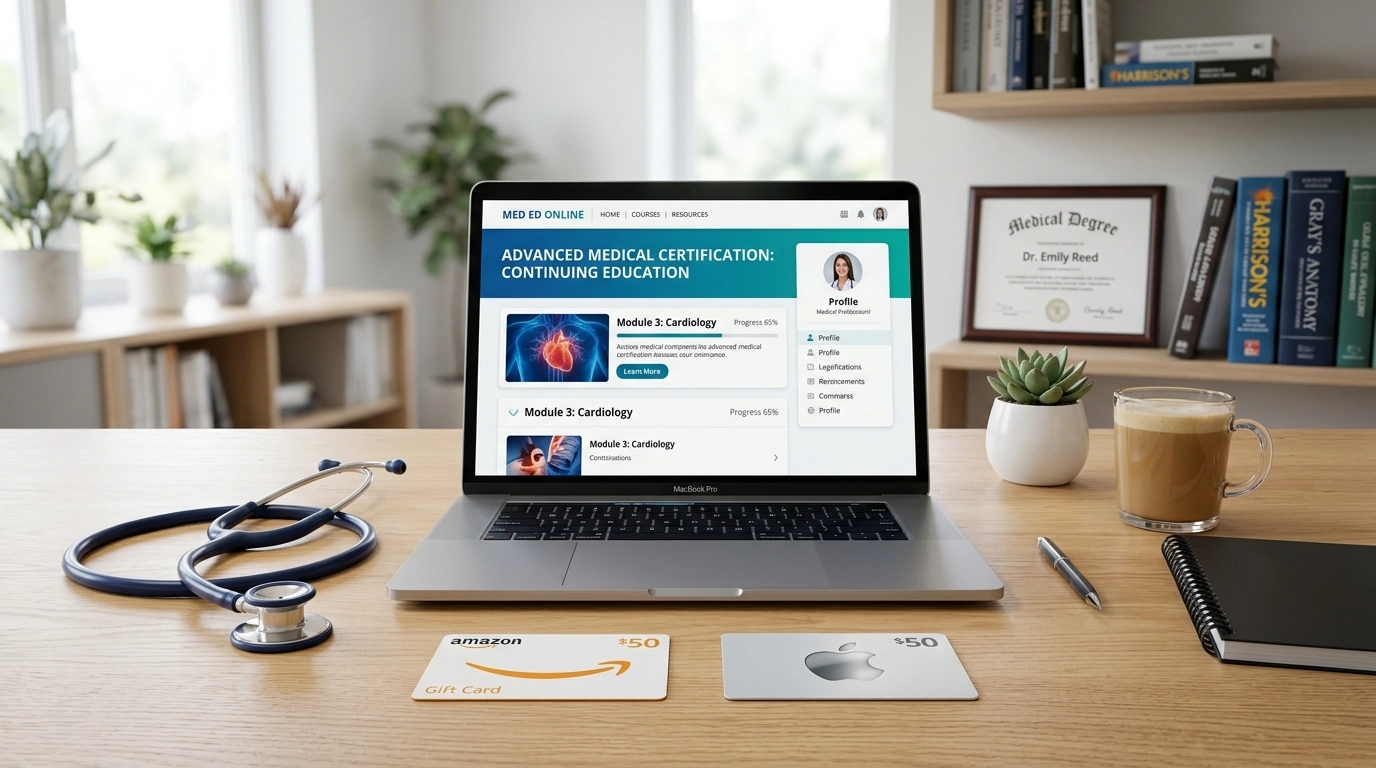
  • Gift Card Options: Enhance your purchase with a CME with Gift Card add-on. We offer Amazon or Apple gift cards ranging from $100 to $1500.
  • Important Note: Gift cards are an optional add-on to the course price and are NOT free gifts. They are a way to utilize your employer-provided CME budget effectively.

Click Here to Explore the PANRE Review Course and Gift Card Options


Clinical Assessment: Test Your Knowledge

To illustrate the difference between clinical intuition and board-style testing, let’s look at a typical vignette you might encounter in the Cardiovascular Blueprint section of our course.

Clinical Vignette:
Your patient is a 64-year-old male with a history of hypertension and tobacco use who presents to the emergency department with sudden onset, tearing chest pain that radiates to his back between the scapulae. On physical exam, his BP is 190/110 mmHg in the right arm and 160/95 mmHg in the left arm. A grade II/VI diastolic murmur is noted at the right sternal border.

What is the most appropriate initial diagnostic study for this patient?

A) Transthoracic Echocardiogram (TTE)
B) Computed Tomography Angiography (CTA) of the chest and abdomen
C) Magnetic Resonance Angiography (MRA)
D) Exercise Stress Test

Correct Answer: B (Computed Tomography Angiography)

Explanation:
The patient's presentation is classic for an acute aortic dissection (tearing pain radiating to the back, blood pressure discrepancy between arms, and a new murmur of aortic regurgitation). CTA of the chest and abdomen is the correct answer as it is highly sensitive and specific, and it is usually the most rapidly available imaging modality in an emergency setting.

Distractor Rationale:

  • A) TTE is often insufficient to visualize the entire aorta; a Transesophageal Echo (TEE) would be a better choice if the patient was unstable or had renal failure.
  • C) MRA is highly accurate but takes too long and is rarely used in the acute setting.
  • D) Exercise Stress Test is absolutely contraindicated in a patient with a suspected aortic dissection.

Detailed anatomical highlight of the cardiovascular system and aorta for PA clinical board review.

Deep Dive: Blueprint Topics You Can't Ignore

To avoid Mistake #2 (ignoring weights), ensure you have a firm grasp on these core areas:

Pulmonary Medicine

Pulmonary issues make up a significant portion of the boards. You must be able to differentiate between obstructive and restrictive lung diseases based on PFTs. Review our Pulmonary Blueprint to master these concepts.

Musculoskeletal System

From gout to ACL tears, MSK is a high-volume topic. Understanding the physical exam maneuvers (like the Lachman or McMurray tests) is essential. Check out the Musculoskeletal Blueprint for a detailed breakdown.

Gastrointestinal System

Don't get tripped up on the various types of hepatitis or the different presentations of IBD. The Gastrointestinal Blueprint covers the high-yield facts you need for the exam.

Neurology

The PANRE will often test your ability to localize a stroke or differentiate between types of tremors. Use our Neurology Blueprint to brush up on these complex topics.

Modern medical study resources and human anatomy model used for NCCPA blueprint PANRE preparation.

Final Thoughts on PANRE Success

The PANRE doesn't have to be a source of anxiety. By avoiding the common pitfalls of procrastination and passive learning, and by focusing on the NCCPA blueprint, you can walk into the testing center (or log into your PANRE-LA portal) with confidence.

Remember, the goal is not just to pass, but to use this opportunity to reinforce your clinical knowledge. Our PANRE Review Course provides the structure you need, the 100 AAPA Category 1 Credits you require, and the flexibility of CME with Gift Card add-ons to help you maximize your professional development budget.
Don't leave your certification to chance. Invest in a review that is as professional as you are.

Get Started with CME Review Courses Today

Posted on

PANRE-LA vs. Traditional PANRE: Choosing Your Path (Corrected)

For Physician Assistants reaching the end of their 10-year certification cycle, the NCCPA now offers two distinct pathways for recertification: the Longitudinal Assessment (PANRE-LA) and the traditional, proctored PANRE. Choosing the right path requires an understanding of your personal testing style, your clinical schedule, and your specific educational needs. Regardless of the path you choose, staying current on the NCCPA blueprint is mandatory for clinical competency and professional standing.

The Decision: PANRE-LA vs. Traditional PANRE

The NCCPA introduced the PANRE-LA to address concerns regarding the high-stakes nature of a single-day exam. However, the traditional PANRE remains a viable option for those who prefer a "one and done" approach.

PANRE-LA (Longitudinal Assessment)
The PANRE-LA is designed to be an ongoing assessment of knowledge. It is available to PAs in years 7, 8, or 9 of their certification cycle.

  • Format: Asynchronous, online assessment spread over 12 quarters (3 years).
  • Structure: 25 questions per quarter. You have 5 minutes to answer each question.
  • Environment: Open-resource. You may use clinical references, textbooks, or online databases during the exam.
  • Feedback: Immediate. You receive the correct answer and a rationale as soon as you submit your response.
  • Flexibility: You can skip up to four quarters if needed, as long as you complete the required number of questions within the 3-year window.

Traditional PANRE
The traditional PANRE is the legacy recertification method. It is a high-stakes, summative exam taken in a single day at a Pearson VUE testing center.

  • Format: 240 questions divided into blocks.
  • Structure: A 4-hour testing window.
  • Environment: Closed-resource. No external materials or references are permitted.
  • Timing: Must be taken in years 9 or 10 of the certification cycle.

Comparison of a home office for PANRE-LA review course study versus a formal proctored testing center.

Essential Logistics and CME Credits

When preparing for either recertification path, obtaining high-quality study materials that align with the NCCPA blueprint is critical. Our PANRE Review Course is specifically designed to meet this need while helping you fulfill your licensing requirements.

  • Course Title: PANRE Review Course
  • Credit Type: 100 hours of AAPA Category 1 Credit.
  • Deliverables: Comprehensive review of all NCCPA blueprint topics, including cardiology, pulmonology, GI, and emergency medicine.
  • Add-on Options: This course offers a CME with Gift Card option. You can choose to add a gift card ranging from $100 to $1500 to your purchase. Note that these are not "free gifts" but are integrated into the total purchase price, allowing you to utilize your employer-funded CME budget effectively.

The 100 hours of AAPA Category 1 Credit associated with the PANRE Review Course is a significant benefit, as it can often satisfy a large portion of your state and national CME requirements in a single enrollment.

Clinical Preparedness: The Blueprint Approach

Success on both the PANRE-LA and the traditional PANRE depends on a command of clinical medicine across multiple specialties. The questions on these exams are designed to test your diagnostic reasoning and management skills.

If you feel weaker in specific areas, we offer targeted blueprint reviews such as the Pulmonary Blueprint PANCE/PANRE Review or the Gastrointestinal Blueprint PANCE/PANRE Review.

Below are clinical vignettes formatted to simulate the types of challenges you will encounter on the recertification exams.

Stethoscope and medical tablet representing the CME with gift card option for physician assistants.

Clinical Assessment 1: Pulmonology

Scenario: Your patient is a 64-year-old male with a 40-pack-year smoking history presenting to the clinic with progressive dyspnea on exertion and a chronic productive cough. On physical examination, you note a barrel-shaped chest and decreased breath sounds bilaterally. Pulse oximetry shows an SaO2 of 91% on room air. Pulmonary function testing (PFT) reveals an FEV1/FVC ratio of 0.65.

Question: Which of the following is the most appropriate initial pharmacological maintenance therapy for this patient?
A) Short-acting beta-agonist (SABA) prn
B) Long-acting muscarinic antagonist (LAMA)
C) Inhaled corticosteroids (ICS) monotherapy
D) Oral prednisone

Correct Answer: B) Long-acting muscarinic antagonist (LAMA)
Rationale: The patient’s PFTs (FEV1/FVC < 0.70) confirm a diagnosis of COPD. According to GOLD guidelines, for patients with symptomatic COPD and infrequent exacerbations, a long-acting bronchodilator such as a LAMA or LABA is the preferred initial maintenance therapy. SABA (Choice A) is for rescue only. ICS monotherapy (Choice C) is contraindicated in COPD due to an increased risk of pneumonia. Chronic oral prednisone (Choice D) is not recommended for maintenance therapy due to systemic side effects.

Clinical Assessment 2: Cardiology

Scenario: Your patient is a 58-year-old female who presents to the Emergency Department with substernal chest pressure that started two hours ago. She has a history of hypertension and hyperlipidemia. Her HR is 98 bpm, and BP is 145/92 mmHg. The initial EKG shows ST-segment depression in leads V4-V6. The first troponin I level is elevated at 1.4 ng/mL.

Question: Based on the clinical presentation and diagnostic findings, what is the most likely diagnosis?
A) Stable Angina
B) Non-ST Elevation Myocardial Infarction (NSTEMI)
C) ST-Elevation Myocardial Infarction (STEMI)
D) Prinzmetal Angina

Correct Answer: B) Non-ST Elevation Myocardial Infarction (NSTEMI)
Rationale: The presence of ischemic EKG changes (ST depression) combined with elevated cardiac biomarkers (troponin) without ST-segment elevation confirms the diagnosis of NSTEMI. Stable angina (Choice A) would not have troponin elevation. STEMI (Choice C) requires ST-segment elevation in two or more contiguous leads. Prinzmetal angina (Choice D) typically presents with transient ST elevation during episodes of chest pain at rest and is usually associated with normal troponins unless prolonged.

Anatomical torso highlighting the heart and lungs for a comprehensive PANRE review course study guide.

Clinical Assessment 3: Gastroenterology

Scenario: Your patient is a 24-year-old female presenting with a 12-hour history of periumbilical pain that has now migrated to the right lower quadrant. She reports anorexia and one episode of emesis. On exam, she has rebound tenderness and guarding at McBurney’s point. Her WBC count is 14,000/mm³.

Question: What is the most appropriate next step in the management of this patient?
A) Discharge with instructions for a clear liquid diet
B) Perform an abdominal ultrasound or CT scan
C) Immediate start of high-dose intravenous corticosteroids
D) Order a barium enema

Correct Answer: B) Perform an abdominal ultrasound or CT scan
Rationale: The clinical presentation is highly suggestive of acute appendicitis (migratory pain, McBurney's point tenderness, leukocytosis). Imaging is the standard of care to confirm the diagnosis before surgical intervention. Ultrasound is often used first in younger or thin patients, while CT is the gold standard for adults. Corticosteroids (Choice C) are not indicated for appendicitis. A barium enema (Choice D) is not used for the diagnosis of acute appendicitis and could potentially lead to perforation.

Utilizing Your CME Budget

As you prepare for your recertification, maximizing the utility of your professional development funds is essential. The PANRE-LA Review Course and the comprehensive PANRE Review Course both provide the depth of knowledge required to pass these assessments while offering flexible purchasing options.

By choosing the CME with Gift Card option, you secure high-level educational content while also receiving a gift card that can be used for other professional expenses. This is particularly useful for PAs who receive an annual CME allowance that must be used by the end of the fiscal year.

Detailed anatomical heart with a digital EKG readout for PA cardiology recertification preparation.

Final Thoughts on Recertification

Whether you opt for the three-year journey of the PANRE-LA or the intensive one-day traditional PANRE, your success is tied to your preparation. The NCCPA blueprint covers a vast range of medical knowledge, and maintaining proficiency is a career-long commitment.

For more information on specialized review topics, visit our full catalog of courses:

Ensure you are tracking your credits and deadlines via the NCCPA portal. If you are pursuing the PANRE-LA, remember that the 100 hours of AAPA Category 1 Credit from our PANRE Review Course can be applied to your current cycle requirements, ensuring you remain compliant while you complete your quarterly assessments.

Posted on

The Smart PA’s Guide to Maximizing CME Funds: AAPA Category 1 Credit + Amazon Gift Card Add-Ons

It’s that time of year again. Your CME budget is sitting there, and the deadline is looming. You need credits, you need a solid panre review course, and let’s be honest: you probably need a new pair of scrubs, a high-end stethoscope, or some tech gear from Amazon or Apple.

As a Physician Assistant, managing your Continuing Medical Education (CME) requirements can feel like a full-time job on top of your actual full-time job. Between patient rounds and charting, finding the time to source high-quality Category 1 credits that actually prepare you for the PANRE can be a headache.

At CME Review Courses, we’ve designed a system that solves both problems at once. You can earn the full 100 AAPA Category 1 CME credits required for your two-year cycle while also including a gift card add-on to your purchase to help you get the gear you need for your practice.

The 100-Credit Solution: Knock Out Your Requirements in One Go

The NCCPA requires PAs to earn 100 CME credits every two years, at least 50 of which must be Category 1. However, many PAs prefer to knock out the entire 100-credit requirement with Category 1 credits to ensure there is no doubt about their certification maintenance.

Our PANRE Review Course with Gift Card is specifically built for this purpose. It provides a comprehensive review of the PANCE/PANRE blueprints while delivering the high-volume credit count you need.

Why Category 1 AAPA Credits Matter

AAPA Category 1 CME credits are the gold standard for PA professional development. They are pre-approved by the American Academy of Physician Associates and are accepted by the NCCPA. When you invest in a course that offers these credits, you are ensuring that your time spent studying translates directly into maintained certification.

A Physician Assistant using a digital tablet in a clinic to manage AAPA Category 1 CME credits.

Understanding the Gift Card Add-On: It’s All About Utility

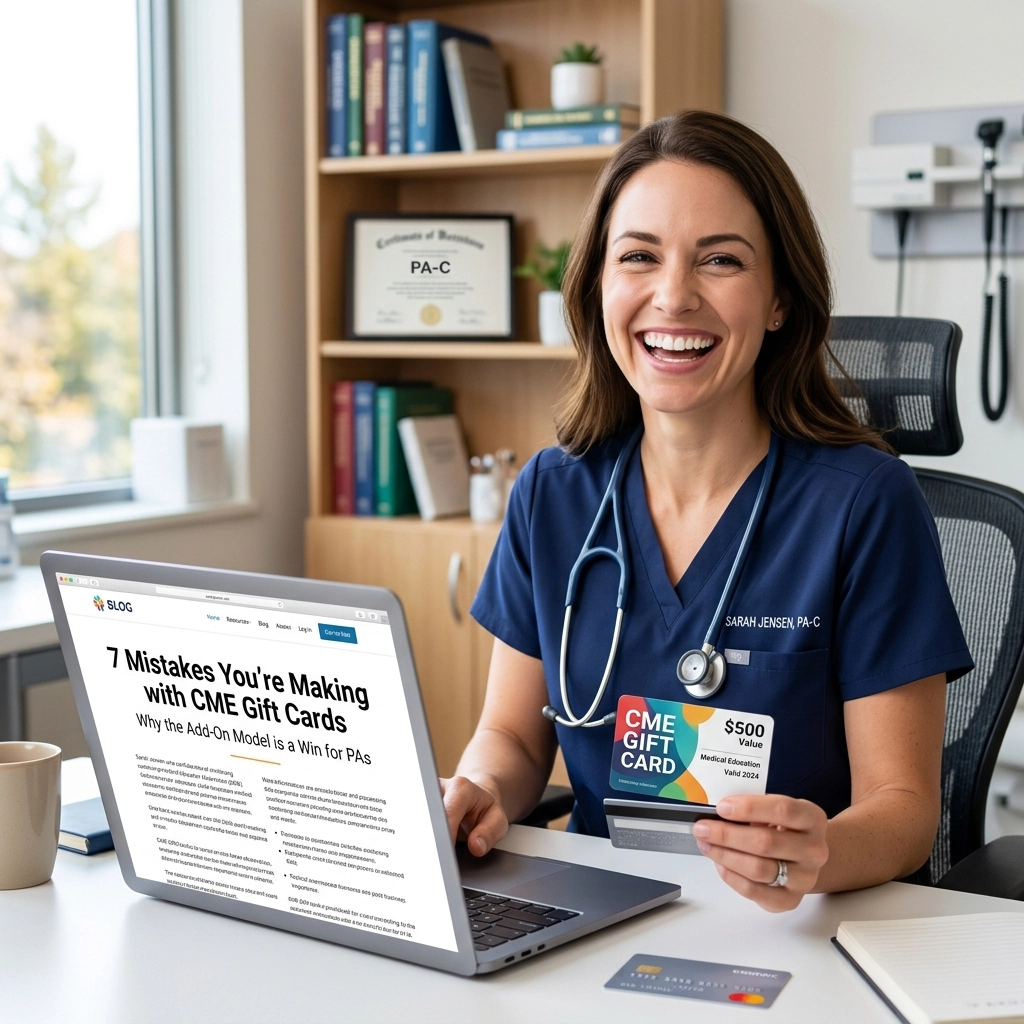
Let’s talk about the cme gift cards. We receive a lot of questions about how this works. To be absolutely clear: the Amazon or Apple gift cards available through our site are add-ons to the purchase, not "free gifts."

When you select a package like the CME with Gift Card, you are purchasing a comprehensive educational bundle. The gift card is an integrated component of that bundle. This allows you to use your employer-provided CME funds to not only secure the best board review materials but also to acquire the tools (like a new tablet for charting or clinical reference books) that you need to be an effective clinician.

Key Logistics:

  • Price: Varies based on the gift card add-on amount selected.
  • Access: Immediate digital access upon purchase.
  • Deliverables: 100 AAPA Category 1 CME Credits, comprehensive video curriculum, and practice questions.
  • Gift Card Options: Amazon or Apple add-ons available.

Why Choose a PANRE Review Course?

The PANRE (Physician Assistant National Recertification Exam) is evolving. Whether you are taking the traditional high-stakes exam or the PANRE-LA (Longitudinal Assessment), the breadth of knowledge required remains the same. You need to be proficient in everything from Cardiology to Infectious Disease.

Our courses are structured around the NCCPA blueprints to ensure no topic is left unaddressed. We focus on high-yield facts and clinical reasoning.

For those looking for specific area deep-dives, we offer specialized blueprint reviews:

Educational visualization of human organ systems for PANRE review course blueprint study.


Clinical Review: Putting Knowledge into Practice

To give you a taste of the educational depth provided in our panre review course, let’s look at a few clinical vignettes. This is the same logic-based approach we use throughout our curriculum.

Case Study 1: Pulmonology

Your patient is a 64-year-old male with a 40-pack-year smoking history presenting with progressive dyspnea on exertion and a chronic productive cough. On physical exam, he is barrel-chested and has decreased breath sounds bilaterally. Pulse oximetry shows an SaO2 of 89% on room air. Pulmonary function testing (PFT) reveals an FEV1/FVC ratio of 0.62.

Question: According to the GOLD criteria, what is the most appropriate next step in the long-term management of this patient’s condition?

Answer: Initiate a Long-Acting Muscarinic Antagonist (LAMA) or Long-Acting Beta-Agonist (LABA).
Explanation: This patient’s PFT results (FEV1/FVC < 0.70) confirm the diagnosis of COPD. For patients with significant symptoms (Group B or higher), a long-acting bronchodilator is the first-line maintenance therapy. LAMAs are often preferred for their superior reduction in exacerbation rates compared to LABAs. Short-acting agents (SABAs) should be used only for rescue, and inhaled corticosteroids (ICS) are typically reserved for patients with high eosinophil counts or frequent exacerbations despite dual bronchodilator therapy.

Case Study 2: Gastroenterology

Your patient is a 45-year-old female complaining of intense, steady pain in the right upper quadrant (RUQ) that began after eating a cheeseburger. The pain radiates to her right scapula. She has a temperature of 101.4°F, a HR of 105, and a positive Murphy’s sign on exam. Labs show a WBC of 14,000.

Question: What is the most sensitive initial imaging modality for the suspected diagnosis?

Answer: Ultrasound of the RUQ.
Explanation: The clinical presentation is classic for acute cholecystitis (fever, RUQ pain, leukocytosis, and positive Murphy’s sign). RUQ ultrasound is the preferred initial test because it is highly sensitive for detecting gallstones, gallbladder wall thickening (>4mm), and pericholecystic fluid. If the ultrasound is equivocal but clinical suspicion remains high, a HIDA scan (cholescintigraphy) is the most sensitive confirmatory test.

Stethoscope and medical journals used for clinical case study review and PA board preparation.

Case Study 3: Neurology

Your patient is a 72-year-old female brought in by her daughter for "shuffling" when she walks. On exam, you note a resting "pill-rolling" tremor in the right hand, bradykinesia, and masked facies. When you test her muscle tone, you notice a "cogwheel" rigidity.

Question: The primary pathophysiology of this condition involves the depletion of neurotransmitters in which brain region?

Answer: Substantia nigra.
Explanation: This patient presents with the hallmark symptoms of Parkinson’s disease: tremor, rigidity, and bradykinesia. The disease is caused by the loss of dopaminergic neurons in the substantia nigra pars compacta, which leads to a decrease in dopamine levels in the striatum. Treatment is focused on restoring dopamine levels, typically with Levodopa/Carbidopa.


Maximizing Your Professional Development

When you choose an PANRE-LA Review Course, you aren't just checking a box for the NCCPA. You are refining your clinical judgment. The use of medical terminology and abbreviations (like MVC, PID, and HR) in our practice questions prepares you for the "shorthand" of the boards and real-world practice.

Efficient Use of Funds

Many PAs find themselves with $1,000 to $2,500 in annual CME funds. If you don't use it, you lose it. By selecting a course that includes an Amazon gift card add-on, you ensure that 100% of that budget is utilized. You get:

  1. Top-tier board review to ensure you pass the PANRE or PANRE-LA.
  2. 100 Category 1 Credits to satisfy your two-year NCCPA cycle.
  3. A gift card add-on to purchase clinical tools, textbooks, or office hardware.

How to Get Started

Navigating your CME requirements shouldn't be a source of stress. Whether you need a deep dive into the Psychiatry Blueprint or the Reproductive Blueprint, we have the resources to help you succeed.

Visit our product-sitemap to see the full list of available courses and gift card add-on tiers. Stop worrying about the credits and start focusing on your patients. We’ve got the educational side covered.

A Physician Assistant providing patient care while using a digital tablet for clinical reference.

Final Thoughts for the Smart PA

The "Smart PA" knows that efficiency is the key to longevity in this profession. Don't waste dozens of hours hunting for individual credits. Don't leave money on the table at the end of the fiscal year.

By bundling your panre review course with a cme gift cards add-on, you are making a strategic move for your career and your wallet. You get high-yield, blueprint-specific education that respects your time and your professional standing.

Ready to knock out your 100 credits? Check out the PANRE Review Course with Gift Card today and get back to what matters( practicing medicine.)

Posted on

How PAs Are Earning 100 Category 1 Credits Plus a $1,500 Gift Card This Year

If you are a Physician Assistant, you know the drill. Every year, or every two years, you stare down the NCCPA requirements or your state licensing board’s mandates and realize you are short on Category 1 CME credits. Then there is the “use it or lose it” CME allowance from your employer: that $2,000 or $3,000 stipend sitting in an account that disappears on December 31st if you don’t spend it.

The challenge is always the same: How do you get high-quality, relevant clinical education that actually helps you pass the PANRE or stay sharp in the ER, while also making the most of your professional development funds?

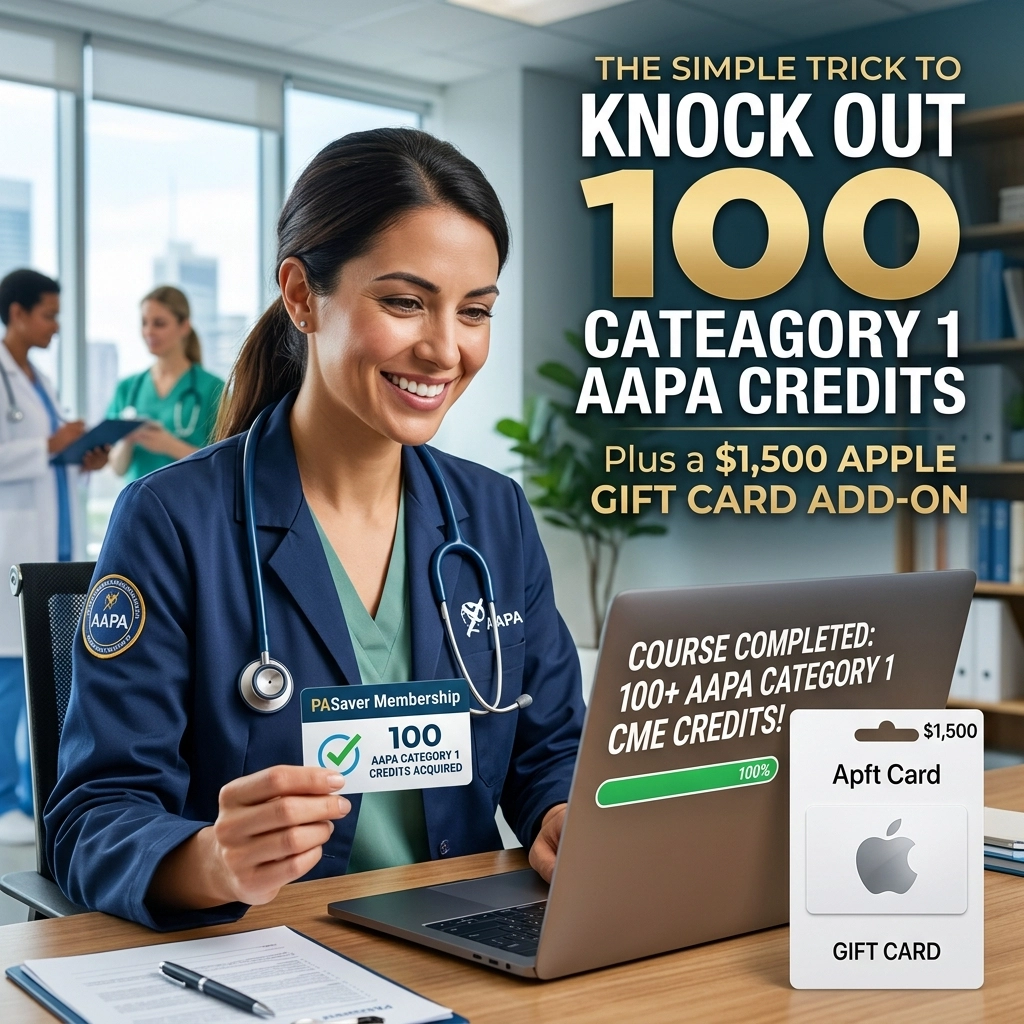
This year, a specific strategy has gained massive traction among savvy PAs. It involves knocking out a massive chunk of requirements: 100 hours of AAPA Category 1 Credit: in one go, and leveraging a CME with Gift Card add-on to maximize the value of that employer stipend.

The Strategy: 100 Credits in One Efficient Package

Most CME courses offer 15, 20, or maybe 30 credits. While those are fine for “top-offs,” they don’t solve the problem for the PA who needs to make a significant dent in their 100-hour NCCPA cycle. Our flagship PANRE Review Course was designed specifically to bridge this gap.

We provide a comprehensive, blueprint-based review that covers the high-yield topics you actually see in clinical practice and on the boards. By completing this single program, you earn 100 AAPA Category 1 CME credits.

But we didn’t just build this for PAs.

  • Nurse Practitioners: state boards vary in that the AANP/ANCC may or may not accept AAPA Category 1 credits, though we always recommend checking your specific state requirements.
  • Physicians: These hours count as Category 2 CME for MDs and DOs, making it a powerful resource for those who want a practical, PA-led perspective on primary care and emergency medicine.

Physician Assistant studying for PANRE review and earning Category 1 CME credits at home.

Maximizing Your Allowance: The Gift Card Add-On

Let’s talk about the “Gift Card” elephant in the room. You’ve likely seen ads for “Free Gift Cards with CME.” We do things differently here because we value transparency and your professional integrity.

The Amazon and Apple Gift Cards (ranging from $100 up to $1,500) are paid add-ons to your CME purchase. They are not “free” or “bonuses” in the traditional sense. Instead, they are bundled into the total price of your educational package.

Why do PAs do this?
Most employers provide a set CME allowance. If your allowance is $3,500 but the course you need is only $1,500, that remaining $2,000 effectively goes back into the company’s pocket. By choosing a CME with Gift Card package, you can use your full allowance to purchase the PANRE Review Course plus a gift card add-on.

This allows you to secure the 100 credits you need for your license while also acquiring the funds for a new MacBook for the clinic, a new iPad for patient education, or Amazon credits for clinical reference books and supplies. It is a legitimate way to maximize your contractually negotiated benefits.

Content Built by PAs, for PAs

There is a distinct difference between CME written by academics and CME written by PAs who are actually in the trenches. At CME Review Courses, our content is developed by practicing PAs. We know that you don’t have time for fluff. You need to know how to differentiate a TIA from a complex migraine in a busy fast-track, and you need to know which EKG findings are “must-calls” for the cardiologist on a Sunday night.

Our PANRE-LA Review Course is structured around the NCCPA blueprint, focusing on efficiency and high-yield retention. Whether you are prepping for the traditional PANRE, the PANRE-LA, or just trying to stay current in your specialty, this course provides the clinical backbone you need.

High-end tablet and tech accessories paired with a CME gift card add-on package.


Clinical Management and Assessment

The following section transitions into the clinical application of the concepts covered in our 100-hour review course. These vignettes reflect the style of the PANRE and the practical decision-making required in daily practice.

Pulmonary Medicine: Acute Management


Vignette:
Your patient is a 64-year-old male, post-operative day 3 from a total hip arthroplasty. He reports sudden onset shortness of breath and pleuritic chest pain. Vital signs: BP 110/70, HR 118, RR 24, SaO2 89% on room air. Physical exam reveals a clear lung exam bilaterally but a swollen, erythematous right calf.

Question:
What is the most appropriate next step in the management of this patient?
A) Obtain a chest X-ray to rule out pneumonia.
B) Start broad-spectrum antibiotics.
C) Perform a CT Pulmonary Angiography (CTPA).
D) Order a D-dimer.

Explanation:
The correct answer is C) Perform a CT Pulmonary Angiography (CTPA).
In a post-operative patient with tachycardia, hypoxia, and signs of DVT (unilateral leg swelling), the clinical suspicion for a Pulmonary Embolism (PE) is high (Wells Criteria > 4). In a high-probability scenario, a D-dimer is not useful because a negative result would not safely rule out a PE in this patient. CTPA is the gold standard for diagnosis in patients without renal contraindications. Chest X-ray is often normal or shows non-specific findings (e.g., atelectasis) in PE and should not delay definitive imaging.

Physician Assistants in scrubs collaborating on a clinical patient case in a medical setting.

Cardiovascular Health: EKG Interpretation

Logistical Detail: Cardiovascular Module

Vignette:
Your patient is a 55-year-old female with a history of hypertension and tobacco use who presents to the ED with “heaviness” in her chest for 2 hours. She is diaphoretic. The EKG shows 2mm ST-segment elevation in leads II, III, and aVF, with reciprocal ST-depression in leads I and aVL.

Question:
Which coronary artery is the most likely site of occlusion?
A) Left Anterior Descending (LAD)
B) Right Coronary Artery (RCA)
C) Circumflex Artery
D) Left Main Coronary Artery

Explanation:
The correct answer is B) Right Coronary Artery (RCA).
ST-elevation in the inferior leads (II, III, aVF) signifies an inferior wall myocardial infarction. In approximately 80% of the population, the RCA is the dominant artery supplying the inferior wall of the heart. LAD occlusion typically presents with elevation in the precordial leads (V1-V4). Circumflex occlusion usually involves the lateral leads (I, aVL, V5, V6).

Educational medical visualization of the human lungs and a pulmonary embolism blockage.

Neurology: TIA vs. Stroke

Vignette:
Your patient is a 72-year-old female who experienced sudden weakness in her right arm and a “facial droop” that lasted exactly 15 minutes before completely resolving. Upon arrival at the ED, her neurological exam is entirely normal. Her blood pressure is 185/95.

Question:
What is the most appropriate initial imaging study to evaluate this patient?
A) Non-contrast CT of the head
B) MRI of the brain (DWI sequence)
C) Carotid Ultrasound
D) MRA of the Circle of Willis

Explanation:
The correct answer is A) Non-contrast CT of the head.
While MRI is more sensitive for detecting small infarcts in a suspected TIA or stroke, the standard of care in the acute setting (even with resolved symptoms) is a non-contrast CT to rule out intracranial hemorrhage or other space-occupying lesions. Once hemorrhage is excluded, further workup including MRI, carotid imaging (Option C), and echocardiography is indicated to determine the etiology and calculate the ABCD2 score for stroke risk stratification.

Hospital EKG monitor showing ST-elevation for cardiovascular medical training and board prep.

Why Efficiency Matters for the Modern PA

The role of the PA is expanding. Whether you are working in specialty care or rural family medicine, the breadth of knowledge required is staggering. Our goal at CME Review Courses is to provide a platform where you can fulfill your educational mandates without wasting your most valuable resource: time.

By combining 100 hours of AAPA Category 1 credit into a single, high-yield PANRE Review Course, we allow you to focus on learning rather than logistics. And by offering the CME with Gift Card add-on, we help you ensure that your hard-earned benefits are utilized to their maximum potential.

Don’t let your CME allowance expire or scramble for credits at the last minute. Get the hours you need, the clinical knowledge you deserve, and the professional tools you want: all in one place.

Explore our 100-Hour CME Packages and Gift Card Add-Ons Here

Posted on

Use Your CME Money. CME with Amazon and Apple Gift Card Add On

How PAs Are Earning 100 Category 1 Credits Plus a $1,500 Gift Card This Year

[HERO] How PAs Are Earning 100 Category 1 Credits Plus a $1,500 Gift Card This Year

If you are a Physician Assistant, you know the drill. Every year, or every two years, you stare down the NCCPA requirements or your state licensing board’s mandates and realize you are short on Category 1 CME credits. Then there is the “use it or lose it” CME allowance from your employer: that $2,000 or $3,000 stipend sitting in an account that disappears on December 31st if you don’t spend it.

The challenge is always the same: How do you get high-quality, relevant clinical education that actually helps you pass the PANRE or stay sharp in the ER, while also making the most of your professional development funds?

This year, a specific strategy has gained massive traction among savvy PAs. It involves knocking out a massive chunk of requirements: 100 hours of AAPA Category 1 Credit: in one go, and leveraging a CME with Gift Card add-on to maximize the value of that employer stipend.

The Strategy: 100 Credits in One Efficient Package

Most CME courses offer 15, 20, or maybe 30 credits. While those are fine for “top-offs,” they don’t solve the problem for the PA who needs to make a significant dent in their 100-hour NCCPA cycle. Our flagship PANRE Review Course was designed specifically to bridge this gap.

We provide a comprehensive, blueprint-based review that covers the high-yield topics you actually see in clinical practice and on the boards. By completing this single program, you earn 100 AAPA Category 1 CME credits.

But we didn’t just build this for PAs.

  • Nurse Practitioners: state boards vary in that the AANP/ANCC may or may not accept AAPA Category 1 credits, though we always recommend checking your specific state requirements.
  • Physicians: These hours count as Category 2 CME for MDs and DOs, making it a powerful resource for those who want a practical, PA-led perspective on primary care and emergency medicine.

Physician Assistant studying for PANRE review and earning Category 1 CME credits at home.

Maximizing Your Allowance: The Gift Card Add-On

Let’s talk about the “Gift Card” elephant in the room. You’ve likely seen ads for “Free Gift Cards with CME.” We do things differently here because we value transparency and your professional integrity.

The Amazon and Apple Gift Cards (ranging from $100 up to $1,500) are paid add-ons to your CME purchase. They are not “free” or “bonuses” in the traditional sense. Instead, they are bundled into the total price of your educational package.

Why do PAs do this?
Most employers provide a set CME allowance. If your allowance is $3,500 but the course you need is only $1,500, that remaining $2,000 effectively goes back into the company’s pocket. By choosing a CME with Gift Card package, you can use your full allowance to purchase the PANRE Review Course plus a gift card add-on.

This allows you to secure the 100 credits you need for your license while also acquiring the funds for a new MacBook for the clinic, a new iPad for patient education, or Amazon credits for clinical reference books and supplies. It is a legitimate way to maximize your contractually negotiated benefits.

Content Built by PAs, for PAs

There is a distinct difference between CME written by academics and CME written by PAs who are actually in the trenches. At CME Review Courses, our content is developed by practicing PAs. We know that you don’t have time for fluff. You need to know how to differentiate a TIA from a complex migraine in a busy fast-track, and you need to know which EKG findings are “must-calls” for the cardiologist on a Sunday night.

Our PANRE-LA Review Course is structured around the NCCPA blueprint, focusing on efficiency and high-yield retention. Whether you are prepping for the traditional PANRE, the PANRE-LA, or just trying to stay current in your specialty, this course provides the clinical backbone you need.

High-end tablet and tech accessories paired with a CME gift card add-on package.


Clinical Management and Assessment

The following section transitions into the clinical application of the concepts covered in our 100-hour review course. These vignettes reflect the style of the PANRE and the practical decision-making required in daily practice.

Pulmonary Medicine: Acute Management

Logistical Detail: Pulmonary Module

  • Duration: 8.5 Hours of Video Content
  • Deliverable: 150+ Board-Style Questions
  • Access: 12 Months

Vignette:
Your patient is a 64-year-old male, post-operative day 3 from a total hip arthroplasty. He reports sudden onset shortness of breath and pleuritic chest pain. Vital signs: BP 110/70, HR 118, RR 24, SaO2 89% on room air. Physical exam reveals a clear lung exam bilaterally but a swollen, erythematous right calf.

Question:
What is the most appropriate next step in the management of this patient?
A) Obtain a chest X-ray to rule out pneumonia.
B) Start broad-spectrum antibiotics.
C) Perform a CT Pulmonary Angiography (CTPA).
D) Order a D-dimer.

Explanation:
The correct answer is C) Perform a CT Pulmonary Angiography (CTPA).
In a post-operative patient with tachycardia, hypoxia, and signs of DVT (unilateral leg swelling), the clinical suspicion for a Pulmonary Embolism (PE) is high (Wells Criteria > 4). In a high-probability scenario, a D-dimer is not useful because a negative result would not safely rule out a PE in this patient. CTPA is the gold standard for diagnosis in patients without renal contraindications. Chest X-ray is often normal or shows non-specific findings (e.g., atelectasis) in PE and should not delay definitive imaging.

Physician Assistants in scrubs collaborating on a clinical patient case in a medical setting.

Cardiovascular Health: EKG Interpretation

Logistical Detail: Cardiovascular Module

  • Duration: 14 Hours of Video Content
  • Deliverable: Comprehensive Blueprint EKG Guide
  • Price: Included in the PANRE Review Course

Vignette:
Your patient is a 55-year-old female with a history of hypertension and tobacco use who presents to the ED with “heaviness” in her chest for 2 hours. She is diaphoretic. The EKG shows 2mm ST-segment elevation in leads II, III, and aVF, with reciprocal ST-depression in leads I and aVL.

Question:
Which coronary artery is the most likely site of occlusion?
A) Left Anterior Descending (LAD)
B) Right Coronary Artery (RCA)
C) Circumflex Artery
D) Left Main Coronary Artery

Explanation:
The correct answer is B) Right Coronary Artery (RCA).
ST-elevation in the inferior leads (II, III, aVF) signifies an inferior wall myocardial infarction. In approximately 80% of the population, the RCA is the dominant artery supplying the inferior wall of the heart. LAD occlusion typically presents with elevation in the precordial leads (V1-V4). Circumflex occlusion usually involves the lateral leads (I, aVL, V5, V6).

Educational medical visualization of the human lungs and a pulmonary embolism blockage.

Neurology: TIA vs. Stroke

Vignette:
Your patient is a 72-year-old female who experienced sudden weakness in her right arm and a “facial droop” that lasted exactly 15 minutes before completely resolving. Upon arrival at the ED, her neurological exam is entirely normal. Her blood pressure is 185/95.

Question:
What is the most appropriate initial imaging study to evaluate this patient?
A) Non-contrast CT of the head
B) MRI of the brain (DWI sequence)
C) Carotid Ultrasound
D) MRA of the Circle of Willis

Explanation:
The correct answer is A) Non-contrast CT of the head.
While MRI is more sensitive for detecting small infarcts in a suspected TIA or stroke, the standard of care in the acute setting (even with resolved symptoms) is a non-contrast CT to rule out intracranial hemorrhage or other space-occupying lesions. Once hemorrhage is excluded, further workup including MRI, carotid imaging (Option C), and echocardiography is indicated to determine the etiology and calculate the ABCD2 score for stroke risk stratification.

Hospital EKG monitor showing ST-elevation for cardiovascular medical training and board prep.

Why Efficiency Matters for the Modern PA

The role of the PA is expanding. Whether you are working in specialty care or rural family medicine, the breadth of knowledge required is staggering. Our goal at CME Review Courses is to provide a platform where you can fulfill your educational mandates without wasting your most valuable resource: time.

By combining 100 hours of AAPA Category 1 credit into a single, high-yield PANRE Review Course, we allow you to focus on learning rather than logistics. And by offering the CME with Gift Card add-on, we help you ensure that your hard-earned benefits are utilized to their maximum potential.

Don’t let your CME allowance expire or scramble for credits at the last minute. Get the hours you need, the clinical knowledge you deserve, and the professional tools you want: all in one place.

Explore our 100-Hour CME Packages and Gift Card Add-Ons Here

Posted on

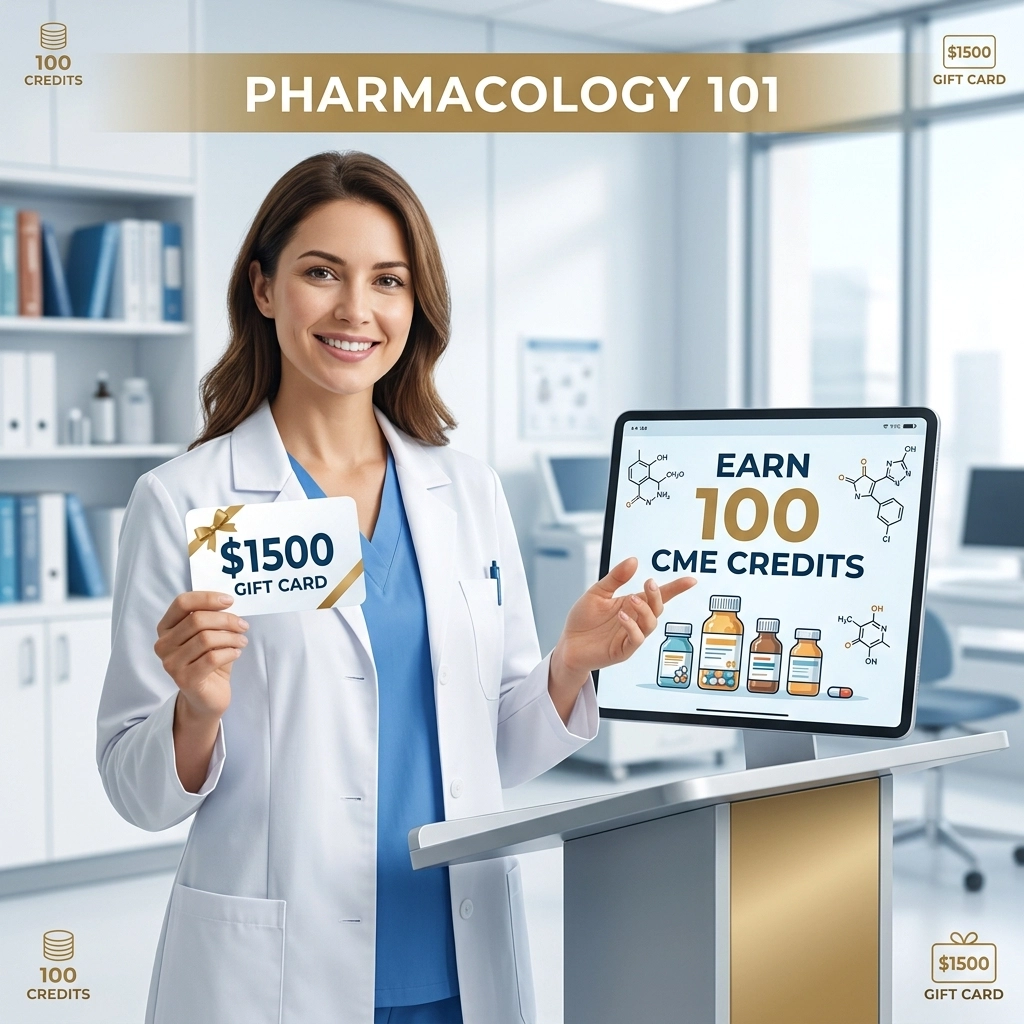
Meeting the Ohio PA Pharmacology Requirement: A Stress-Free Way to Earn Your 12 Hours

Pharmacology CME

Meeting the Ohio PA Pharmacology Requirement: A Stress-Free Way to Earn Your 12 Hours

As an Ohio Physician Assistant, you are likely well aware of the state’s unique licensure requirements. While the NCCPA manages your national certification, the State Medical Board of Ohio mandates that PAs complete at least 12 hours of Category 1 CME in pharmacology every two-year renewal cycle.

Finding high-quality, relevant pharmacology content that fits into a busy clinical schedule can be a challenge. That’s why we designed the Pharmacology Review Course at CME Review Courses to be the ultimate “one-stop shop” for Ohio PAs.


Why Choose Our Pharmacology Review Course?

Our course isn’t just a box to check; it’s a comprehensive clinical refresher designed to sharpen your prescribing skills while satisfying state mandates.

  • AAPA Category 1 Credit: This activity is designated for 12.0 AAPA Category 1 CME credits.

  • Ohio-Specific Compliance: Our 12-hour curriculum is specifically curated to meet the Ohio Physician Assistant Pharmacology Requirement for prescriptive authority.

  • Self-Assessment Bonus: For those focusing on NCCPA maintenance, this activity is designated as Self-Assessment CME. This means the NCCPA will apply an additional 50% weighting to these credits when you log them, giving you even more value for your time.

  • On-Demand Flexibility: Access 120 pharmacology-related questions, detailed explanations, and video lectures from any device, 24/7. Study at your own pace without the need for travel or scheduled webinars.

What’s Included in the Package?

We believe in providing the best tools for your professional development. When you enroll in our Pharmacology Review Course, you receive:

  1. Comprehensive Question Bank: 120 PANCE/PANRE-style questions focused on pharmacologic principles and clinical application.

  2. Expert Video Content: Focused lectures covering high-yield pharmacology topics.

  3. Instant Certification: Download your certificate immediately upon completion to upload to the State Medical Board of Ohio or the NCCPA.


Enhance Your Package: Add an Amazon or Apple Gift Card

We know that PAs work incredibly hard, and we want to make your CME experience even more rewarding. To help you maximize your professional development budget, we offer Premium CME Packages.

You can choose to bundle your pharmacology course with a gift card of your choice:

  • Amazon Gift Card: Perfect for textbooks, medical equipment, or personal essentials.

  • Apple Gift Card: Great for upgrading your tech, buying new clinical apps, or personal entertainment.

By purchasing a “CME with Gift Card” package, you receive your required education and a gift card delivered to your inbox within 2-3 business days. It’s a simple way to use your employer’s CME allowance or your own professional funds to their full potential.


Ready to get started?

Don’t wait until the renewal deadline to scramble for your hours. Get your 12 pharmacology credits out of the way today and treat yourself to a little something extra in the process.

[Explore our Pharmacology Review Course and Gift Card Options here!]

Posted on

Best PANRE Review Course CME with Gift Card

PANRE Review Course CME with Gift Card

Boost Your Medical Knowledge & Get Rewarded: The Ultimate CME with Gift Card & PANRE Review Course Guide!

Are you a Physician Assistant (PA) looking to fulfill your Continuing Medical Education (CME) requirements, crush your PANRE exam, and get a little something extra for your efforts? Look no further! This comprehensive guide will show you how to maximize your learning, ace your recertification, and even earn a gift card while you’re at it.

Why CME with a Gift Card is a Game-Changer

Let’s face it, CME can sometimes feel like a chore. But what if we told you it doesn’t have to be? Imagine investing in your professional development and getting a tangible reward in return. That’s exactly what “CME with a Gift Card” programs offer.

Here’s why it’s a game-changer:

  • Motivation Boost: A gift card provides that extra push to enroll and complete your courses.

  • Offsetting Costs: The gift card can help offset the cost of the CME course itself, or be used for other professional or personal needs.

  • Value for Your Investment: You’re not just gaining knowledge; you’re gaining extra value.

Many providers now offer this fantastic incentive, and it’s a smart way to get more bang for your buck while staying current with the latest medical advancements.

Conquering the PANRE: Your Path to Recertification

The Physician Assistant National Recertifying Examination (PANRE) is a critical step for every PA. It ensures you maintain the necessary knowledge and skills to provide excellent patient care. Preparing for the PANRE can be daunting, but with the right review course, you can approach it with confidence.

Key elements of an effective PANRE Review Course:

  • Comprehensive Content: Covers all the NCCPA blueprint topics, ensuring no stone is left unturned.

  • Engaging Format: Lectures, practice questions, and mock exams that keep you engaged and test your understanding.

  • Expert Instructors: Learn from experienced PAs and medical professionals who know the exam inside and out.

  • Flexible Learning Options: Online, in-person, or hybrid formats to fit your busy schedule.

A good PANRE review course isn’t just about passing; it’s about solidifying your medical knowledge and becoming an even better clinician.

Finding the Perfect Synergy: CME with Gift Card + PANRE Review

What if you could combine the benefits of CME with a gift card and a top-notch PANRE review course? Many providers bundle these offerings, creating an incredibly valuable package for PAs.

Imagine this scenario: You enroll in a comprehensive PANRE review course that also qualifies for CME credits, and as a bonus, you receive a gift card upon completion! It’s a win-win-win situation. You’re preparing for your recertification, earning valuable CME, and getting rewarded for your dedication.

Featured Opportunity: CME Review Courses – Your One-Stop Shop!

We understand the importance of quality education and valuable incentives. That’s why we want to highlight an excellent resource for PAs: CME Review Courses. They offer a fantastic program that combines your CME needs with the added perk of a gift card.

Check out their “CME with Gift Card” program: https://cmereviewcourses.com/product/cme-with-gift-card/

This program is designed to provide high-quality CME content while giving you that extra incentive you deserve. Make sure to explore their offerings to see how you can benefit.

Tips for Maximizing Your CME & PANRE Experience

  1. Plan Ahead: Don’t wait until the last minute to fulfill your CME or prepare for the PANRE. Create a study schedule and stick to it.

  2. Choose Wisely: Research different CME with gift card programs and PANRE review courses to find the best fit for your learning style and needs.

  3. Active Learning: Don’t just passively listen. Engage with the material, take notes, and actively participate in discussions or practice questions.

  4. Utilize Resources: Take advantage of all the resources provided by your chosen course, including practice exams, study guides, and instructor support.

  5. Stay Healthy: Remember to take breaks, get enough sleep, and maintain a healthy lifestyle during your study period. A well-rested mind is a more effective mind!

Conclusion

Investing in your continuing medical education and preparing for your PANRE exam are crucial for your career as a Physician Assistant. By strategically choosing programs that offer “CME with a Gift Card” and comprehensive PANRE review courses, you can make the process more rewarding and enjoyable.

Don’t miss out on opportunities to enhance your knowledge, secure your recertification, and even get a little something extra for your hard work. Explore options like the one offered by CME Review Courses, and take the next step in your professional journey today!

Posted on

Elevate Your Learning: The Best CME with Gift Cards for Healthcare Professionals

Elevate Your Practice. Maximize Your CME Benefits

As healthcare professionals, we have a responsibility to stay current with medical advancements. Continuing Medical Education (CME) is a vital part of this process. Let’s explore how to make the most of your CME benefits, focusing on the PANRE review, AAPA Category 1 credits, and the added perk of gift cards.

Choosing the Best PANRE Review

Selecting the right PANRE review course is crucial for your success. Look for courses that offer comprehensive content coverage and align with your learning style.

Consider courses that provide practice questions and simulations. These tools help you familiarize yourself with the exam format and identify areas that need more focus.

Opt for programs that offer flexible study options. Whether you prefer audio lectures, video content, or written materials, having various formats available can enhance your learning experience.

Lastly, check for courses that provide regular updates to their content. This ensures you’re studying the most current medical information and practices.

AAPA Category 1 CME Credits

AAPA Category 1 CME credits are the gold standard for Physician Assistants. These credits are essential for maintaining your certification and advancing your career.

Category 1 credits are awarded for structured learning activities. These include conferences, workshops, online courses, and self-assessment programs that meet specific criteria set by the AAPA.

When choosing a CME program, prioritize those offering AAPA Category 1 credits. This ensures your time and effort contribute directly to your recertification requirements.

Remember, you need to earn at least 100 AAPA Category 1 CME credits every two years to maintain your certification. Plan your CME activities accordingly to meet this requirement.

Gift Card Options and Benefits

Many CME providers now offer gift cards as an added incentive. This can be a valuable perk when choosing your CME program.

Gift card options often include popular retailers like Amazon or Apple. These can be used for personal purchases or to invest in additional educational resources.

The value of gift cards can vary, typically ranging from $100 to $1500. The amount often depends on the CME package you choose and the provider’s specific offerings.

Consider how you might use this bonus. It could offset the cost of your CME, provide funds for new medical equipment, or simply serve as a reward for your hard work and dedication to ongoing education.

https://cmereviewcourses.com/product/cme-with-gift-card/

https://cmereviewcourses.com/frequently-asked-questions-faq/

Posted on

How to Enhance Your CME Experience with Our Premium Package

How to Enhance CME Stipend Premium Package Benefits. Amazon and Apple Gift Card.

Designed with flexibility and convenience in mind, this program allows you to easily meet your professional development requirements while gaining access to popular retail platforms for both personal enjoyment and professional use. Our exclusive collaboration with Amazon and Apple ensures that these gift cards are not merely an add-on, but a practical and versatile addition to your CME package. This gives you the freedom to allocate your CME allowances in a way that best suits your personal interests and career growth, whether you’re updating your medical library, purchasing the latest medical technology, or simply treating yourself to something special.

Key Benefits:

  • 100 AAPA CME Credits: Each credit is crafted by industry experts who ensure that the content is high-quality, biologically sound, and incredibly relevant to today’s medical landscapes.

  • Amazon & Apple Gift Cards: Leverage the flexibility of using your CME funds on leading retail platforms known for their wide range of offerings, ensuring you find exactly what you need, whether for personal or professional purposes.

  • Expertly Curated Content: Stay at the forefront of the medical field with cutting-edge content that keeps you updated with the latest advancements, innovations, and best practices.

This package is strategically designed with your convenience, professional growth, and personal satisfaction in mind. It offers a unique blend of educational excellence and practical benefits, enabling you to enhance your skills and knowledge while enjoying the added luxuries that come with gift card access. Embrace a package that aligns with your dual goals of achieving professional advancement and indulging in personal rewards.

https://cmereviewcourses.com/product/cme-with-gift-card/

https://cmereviewcourses.com/frequently-asked-questions-faq/

Posted on

Maximize Your CME Money: The Ultimate PANRE Review Course with Gift Cards

Maximize Your CME Money: The Ultimate PANRE Review Course with Gift Cards

When it comes to preparing for the PANRE, finding the right review course is crucial for success. With the ultimate PANRE review course, you not only gain 100 hours of AAPA Category 1 CME credits but also receive a valuable bonus in the form of gift cards. Whether you choose Amazon or Apple, these gift cards add significant value to your educational investment, making it a premium package worth considering. Written by industry experts, this course ensures you are well-prepared while also making the most of your CME money before it expires. As a trusted resource for physician assistants and other healthcare professionals, this opportunity combines top-notch education with the practical perks of a gift card bonus.## Optimize Your PANRE Prep

Preparing for the Physician Assistant National Recertifying Exam (PANRE) requires a strategic

https://cmereviewcourses.com/product/cme-with-gift-card/

https://cmereviewcourses.com/frequently-asked-questions-faq/