Posted on

7 Mistakes You’re Making with Your Family Medicine CME (And How to Fix it with a Gift Card Add-On)

Managing your continuing medical education requirements as a Family Medicine Physician Assistant (PA) is often secondary to the daily demands of patient care. However, administrative errors and inefficient study habits can jeopardize your certification and waste your employer-provided CME stipend. If you are preparing for your recertification or simply maintaining your 10-year cycle, you must avoid these common pitfalls.

Course Deliverables and Logistics:

  • Price: $599 – $2,099 (Based on gift card add-on selection)
  • Credits: 100 Hours of Category 1 AAPA Credit (PANRE Review Course)
  • Access: 12 Months of unlimited digital access
  • Content: Over 1,000 board-style practice questions, comprehensive clinical vignettes, and practice exams.
  • Add-Ons: Amazon or Apple Gift Cards available from $100 to $1,500 (Added to the cost of the course; NOT free gifts).

1. Waiting Until the End of Your 2-Year Cycle

The NCCPA requires at least 100 CME credits every two years, with a minimum of 50 being Category 1. In Family Medicine, where your patient load is high, waiting until the final months of your cycle to accumulate credits leads to rushed, low-quality learning. This often results in PAs paying out of pocket for expensive, last-minute conferences that don't actually prepare them for the panre review course or the daily clinical challenges of primary care.

2. Ignoring the NCCPA Blueprint

Many PAs study what they find interesting rather than what is actually on the exam. The NCCPA Blueprint is the only document that matters when preparing for the PANCE or PANRE. In Family Medicine, the weights are heavy on Cardiology (13%), Pulmonology (10%), and GI (9%). If you are spending 20% of your time on Dermatology or Hematology, you are misallocating your cognitive resources. Our pance prep courses are designed to mirror the exact weightings of the NCCPA Blueprint to ensure your study time is efficient.

PANRE Review Book Cover

3. Passive Learning via Monotonous Lectures

Sitting through hours of passive video lectures without active recall is one of the least effective ways to retain medical knowledge. To pass the PANRE, you must engage with clinical vignettes and practice questions. Passive learning doesn't challenge your diagnostic reasoning. You need a system that forces you to choose a "most likely diagnosis" or "next best step in management" repeatedly.

4. Failing to Maximize Your CME Stipend with CME Gift Cards

Most employers provide a CME allowance between $1,500 and $2,500 annually. If you only spend $500 on a basic course, you are leaving thousands of dollars on the table. We offer cme gift cards as an add-on to our packages. You can add an Amazon or Apple gift card ranging from $100 to $1,500 to your purchase. This is not a free gift; it is a way to use your entire education budget to purchase the tools you need for further educational enrichment, such as medical textbooks, clinical equipment, or hardware for your home office.

CME Gift Card Educational Enrichment

5. Studying "Zebras" Instead of "Bread and Butter" Medicine

In a specialty like Family Medicine, the exam focuses on the most common presentations. Mistaking a rare genetic disorder for a common case of hypertension or diabetes is a classic mistake. Your study should focus on "bread and butter" medicine: managing chronic conditions, screening guidelines (USPSTF), and common acute presentations like URIs and musculoskeletal injuries.

6. Misunderstanding Credit Types for Recertification

A common error is assuming all CME is created equal. While many courses offer Category 2 credit, the NCCPA requires specific Category 1 credits for your 100-hour requirement. Our PANRE Review Course offers 100 hours of Category 1 AAPA credit. It is important to note that our Pharmacology course also offers Category 1 AAPA credit, but these are separate programs. Ensure you are buying the course that satisfies your specific state and national requirements.

7. Neglecting Test-Taking Stamina

The PANRE and PANCE are endurance tests. If you haven't sat for a 60-minute or 120-minute practice session, you will likely experience cognitive fatigue during the actual exam. Our courses provide full-length practice exams to build the mental stamina required to maintain accuracy in the final blocks of the test.


Clinical Practice Questions

Test your current knowledge with these Family Medicine clinical vignettes.

Question 1

Your patient is a 54-year-old male with a history of hypertension and Type 2 Diabetes Mellitus who presents for a routine follow-up. His blood pressure today is 148/92 mmHg. His current medications include Metformin 1000mg BID and Lisinopril 20 hours daily. Laboratory results reveal a serum creatinine of 1.2 mg/dL and a UACR (urinary albumin-to-creatinine ratio) of 150 mg/g. What is the most appropriate next step in managing his hypertension?

A. Increase Lisinopril dose
B. Add Amlodipine
C. Add Chlorthalidone
D. Switch Lisinopril to Losartan

Explanation:
A. Increase Lisinopril dose is the correct answer. In patients with diabetes, hypertension, and albuminuria (UACR ≥ 30 mg/g), ACE inhibitors or ARBs are the first-line therapy and should be titrated to the maximum tolerated dose to provide renal protection and reach the target BP (typically < 130/80 mmHg per many guidelines, though < 140/90 is acceptable in some). Adding a second agent like a CCB or diuretic (Choices B and C) is appropriate only after optimizing the first-line agent or if the initial BP is significantly elevated. Switching to an ARB (Choice D) is only indicated if the patient develops an ACE-inhibitor-induced cough.

Question 2

Your patient is a 28-year-old female complaining of a "sandy" sensation in her eyes, associated with redness and a thick, yellow discharge that causes her eyelids to stick together in the morning. She denies vision changes or photophobia. On exam, there is diffuse conjunctival injection and crusting at the lid margins. What is the most likely diagnosis?

A. Viral conjunctivitis
B. Allergic conjunctivitis
C. Bacterial conjunctivitis
D. Anterior uveitis

Explanation:
C. Bacterial conjunctivitis is the correct answer. The presence of thick, purulent discharge and "matting" of the eyelids is highly suggestive of a bacterial etiology (commonly S. aureus, S. pneumoniae, or H. influenzae). Viral conjunctivitis (Choice A) typically presents with watery, serous discharge and preauricular lymphadenopathy. Allergic conjunctivitis (Choice B) is characterized by intense pruritus and "ropey" discharge. Anterior uveitis (Choice D) would present with "ciliary flush," significant pain, and photophobia, which are absent here.

Question 3

Your patient is a 62-year-old male smoker presenting with a productive cough for the last 4 months. He states this has happened every winter for the past three years. He has significant dyspnea on exertion. On exam, you note a barrel chest and a prolonged expiratory phase. PFTs show an FEV1/FVC ratio of 0.62. What is the most likely diagnosis?

A. Asthma
B. Chronic Bronchitis
C. Emphysema
D. Bronchiectasis

Explanation:
B. Chronic Bronchitis is the correct answer. Chronic bronchitis is clinically defined as a productive cough for at least 3 months in at least 2 consecutive years. While it falls under the umbrella of COPD along with Emphysema (Choice C), the clinical definition focuses on the cough and sputum production. Emphysema is a pathological diagnosis focusing on alveolar destruction and "pink puffer" symptoms. Asthma (Choice A) would typically show reversibility on PFTs. Bronchiectasis (Choice D) involves permanent dilation of the bronchi, usually presenting with more copious, foul-smelling sputum and distinct CT findings.

Family Medicine EOR Book Cover

Question 4

Your patient is a 32-year-old female at 10 weeks gestation. She presents with a 2-day history of dysuria and increased urinary frequency. She denies fever, chills, or flank pain. A urinalysis shows positive nitrites and leukocyte esterase. Which of the following is the safest and most effective treatment?

A. Ciprofloxacin
B. Nitrofurantoin
C. Doxycycline
D. Trimethoprim-Sulfamethoxazole

Explanation:
B. Nitrofurantoin is the correct answer. Asymptomatic bacteriuria or symptomatic UTI in pregnancy must be treated to prevent progression to pyelonephritis. Nitrofurantoin (Macrobid) is considered safe in the first and second trimesters. Fluoroquinolones (Choice A) are generally avoided in pregnancy due to potential fetal cartilage damage. Doxycycline (Choice C) is contraindicated due to fetal tooth discoloration. TMP-SMX (Choice D) should be avoided in the first trimester (folate antagonist) and near term (risk of kernicterus).


Conclusion

Staying ahead of your Family Medicine CME requirements requires a proactive approach. By choosing a high-yield panre review course that provides 100 hours of Category 1 AAPA credit, you ensure that your study time is doing double duty: satisfying NCCPA requirements and preparing you for clinical excellence.

Don't forget to utilize your CME stipend fully. Our packages allow for the addition of Amazon and Apple gift cards from $100 up to $1,500 to help you acquire the necessary tools for your education. These gift cards are an additional cost added to your total purchase, ensuring you get the most value out of your professional development funds.

Posted on

The PA’s Guide to Maximizing a Mid-Year CME Stipend Refresh

For many physician assistants, July 1st marks the beginning of a new fiscal year and the immediate refresh of employer-provided Continuing Medical Education (CME) stipends. Most clinical contracts operate on a "use it or lose it" basis, meaning funds that were not exhausted by June 30th are permanently forfeited. With a fresh balance available as of July, PAs must prioritize high-yield educational resources that satisfy national certification requirements while maximizing the utility of their professional funds.

The following guide details how to efficiently allocate your refreshed stipend toward comprehensive review materials and high-value add-ons.

Core Logistics of the CME Review Courses Packages

When selecting a CME program, logistical transparency is essential for reimbursement and planning. Our courses are designed to provide maximum flexibility and long-term utility.

  • Base Price: $399.99
  • Access Duration: 30 Months
  • CME Deliverables: 100 Hours of AAPA Category 1 Self-Assessment CME Credit (specifically for the PANRE Review Course)
  • Question Bank: 1,672 Board-Style Questions with detailed explanations
  • Gift Card Options: Amazon or Apple Gift Cards available as add-ons ($100–$1,500)

Strategic Use of July Stipend Funds

The July refresh is the optimal time to secure a CME with Gift Card package. By selecting a package that bundles 100 hours of AAPA Category 1 credit with an Amazon or Apple gift card, you consolidate your educational expenses and professional incentives into a single transaction. This is particularly advantageous for PAs in their recertification window who need to bank a significant number of credits quickly.

For PAs maintaining NCCPA certification, the 100 hours of Category 1 AAPA Self-Assessment credit offered in our PANRE Review Course is automatically weighted by the NCCPA. When logged, these 100 credits are applied as 150 credits toward your maintenance requirements, effectively covering 1.5 times the standard requirement in a single course.

Official cover image for the Comprehensive PANCE Review Book by Jeremy Boroff PA-C. Red cover with white text.

Internal Medicine and Specialty Review

While the PANRE Review provides a broad clinical foundation, many PAs utilize their refreshed stipend for specialty-specific mastery. Our Internal Medicine Hospitalist CME Package and other specialty modules cover essential topics including Emergency Medicine, Family Medicine, Orthopedics, Dermatology, Psychiatry, Neurology, Cardiology, and OB/GYN. These modules are written by physician assistants for physician assistants, ensuring the content is relevant to the current scope of practice.

Physicians and Nurse Practitioners also find significant value in these packages. For physicians, these activities meet requirements for Category 2 CME. Nurse Practitioners can often claim credit for AAPA Category 1 offerings, though they should verify specific state board acceptance.

Clinical Vignettes and Practice Questions

In accordance with our educational standards, every review session must include clinical assessment. Use the following vignettes to test your clinical knowledge.

Scenario 1: Cardiology

Your patient is a 68-year-old male with a history of hypertension and tobacco use who presents to the Emergency Department with sudden onset of substernal chest pain radiating to the left jaw. His vitals are HR 105, BP 155/92, SaO2 96% on RA. An EKG shows ST-segment elevation in leads II, III, and aVF.

Which of the following is the most appropriate immediate management step?

A. Oral beta-blocker therapy
B. Emergent cardiac catheterization for PCI
C. Intravenous thrombolytics
D. Immediate administration of high-dose NSAIDs

Correct Answer: B. Emergent cardiac catheterization for PCI
The patient is presenting with an inferior ST-elevation myocardial infarction (STEMI). The standard of care for a STEMI is immediate reperfusion, preferably via percutaneous coronary intervention (PCI) within 90 minutes of medical contact. While beta-blockers (A) are part of long-term management, they are not the immediate priority in the acute phase of a STEMI. Thrombolytics (C) are reserved for cases where PCI is not available within the recommended timeframe. NSAIDs (D) are generally contraindicated in acute MI as they can increase the risk of myocardial rupture.

Psychiatry & Behavioral Health End Of Rotation (EOR) Exam Review and Test Prep Book Cover by Jeremy Boroff PA-C

Scenario 2: Gastroenterology

Your patient is a 42-year-old female complaining of recurrent episodes of epigastric pain that occurs 2-3 hours after eating and often wakes her up at night. She notes that the pain is frequently relieved by food or antacids. Physical exam is unremarkable except for mild epigastric tenderness.

What is the most likely diagnosis?

A. Gastric ulcer
B. Duodenal ulcer
C. Acute pancreatitis
D. Cholecystitis

Correct Answer: B. Duodenal ulcer
Duodenal ulcers typically present with pain that is relieved by food and recurs several hours after eating, often causing nocturnal symptoms. Gastric ulcers (A) usually present with pain that is exacerbated by food, leading to weight loss. Acute pancreatitis (C) presents with severe, constant pain radiating to the back and elevated lipase levels. Cholecystitis (D) typically involves right upper quadrant pain, Murphy's sign, and is often triggered by fatty meals.

Emergency Medicine End Of Rotation (EOR) Exam Review and Test Prep Book Cover by Jeremy Boroff PA-C

Scenario 3: Reproductive Health

Your patient is a 28-year-old G2P1 at 34 weeks gestation who presents with sudden onset of painful vaginal bleeding and firm, tender uterine contractions. She has no history of trauma. Her BP is 150/95. Fetal heart rate monitoring shows late decelerations.

What is the most likely diagnosis?

A. Placenta previa
B. Placental abruption
C. Vasa previa
D. Normal labor

Correct Answer: B. Placental abruption
Placental abruption is characterized by painful vaginal bleeding and uterine tenderness in the third trimester, often associated with maternal hypertension and fetal distress. Placenta previa (A) is typically characterized by painless vaginal bleeding. Vasa previa (C) involves fetal vessel rupture and rapid fetal exsanguination, but without the maternal uterine tenderness seen here. Normal labor (D) does not involve significant vaginal bleeding or late decelerations.

Pharmacology and Maintenance

Beyond the PANRE Review, the Pharmacology Course provides targeted AAPA Category 1 credit. This is particularly useful for PAs needing to fulfill specific state requirements for pharmacology-focused education. Like the PANRE course, it utilizes a blueprint-driven approach to ensure that the content is directly applicable to clinical practice and board examinations.

A physician assistant in a modern clinical setting using a tablet to review medical charts and board-style questions, emphasizing the mobile-friendly and flexible nature of the CME courses.

Maximizing the Amazon/Apple Gift Card Add-On

When checking out with a Premium CME Package, you have the option to select a gift card ranging from $100 to $1,500. This add-on is integrated into the total invoice price, allowing you to utilize your employer’s CME stipend for a gift card that can be used for further educational materials, technology upgrades (such as an iPad for clinical use), or other professional needs.

Gift cards are processed and delivered via email within 2-3 business days. Note that once gift cards are emailed, they are non-refundable.

Conclusion

The July stipend refresh provides a critical window for Physician Assistants to secure their educational requirements for the coming cycle. By choosing the PANRE Review Course, you gain 100 hours of Category 1 AAPA credit, access to over 1,600 board-style questions, and the ability to leverage your stipend through Amazon or Apple gift card add-ons.

Secure your access today and ensure your CME credits are locked in with high-yield, peer-written content.

Posted on

PACKRAT vs PAtopia PACKRAT: Which Practice Tool Actually Prepares You for the Real Exam?

For Physician Assistant students, the PACKRAT (Physician Assistant Clinical Knowledge Rating and Assessment Tool) is the first major hurdle that signals the transition from the classroom to the clinic. It is an objective measure of your clinical knowledge, but taking the exam is often a stressful experience because students lack a resource that truly mimics the official PAEA format.

When preparing for this 225-question self-assessment, you have two choices: rely on fragmented resources and old "keyword" lists, or use a dedicated simulation tool. Below is the breakdown of the PAtopia PACKRAT Review Course.

Price: One-time payment (No subscriptions)
Duration of access: Permanent
Quantifiable Deliverables: 1,125 Board-Style Questions, 5 Full-Length Practice Exams
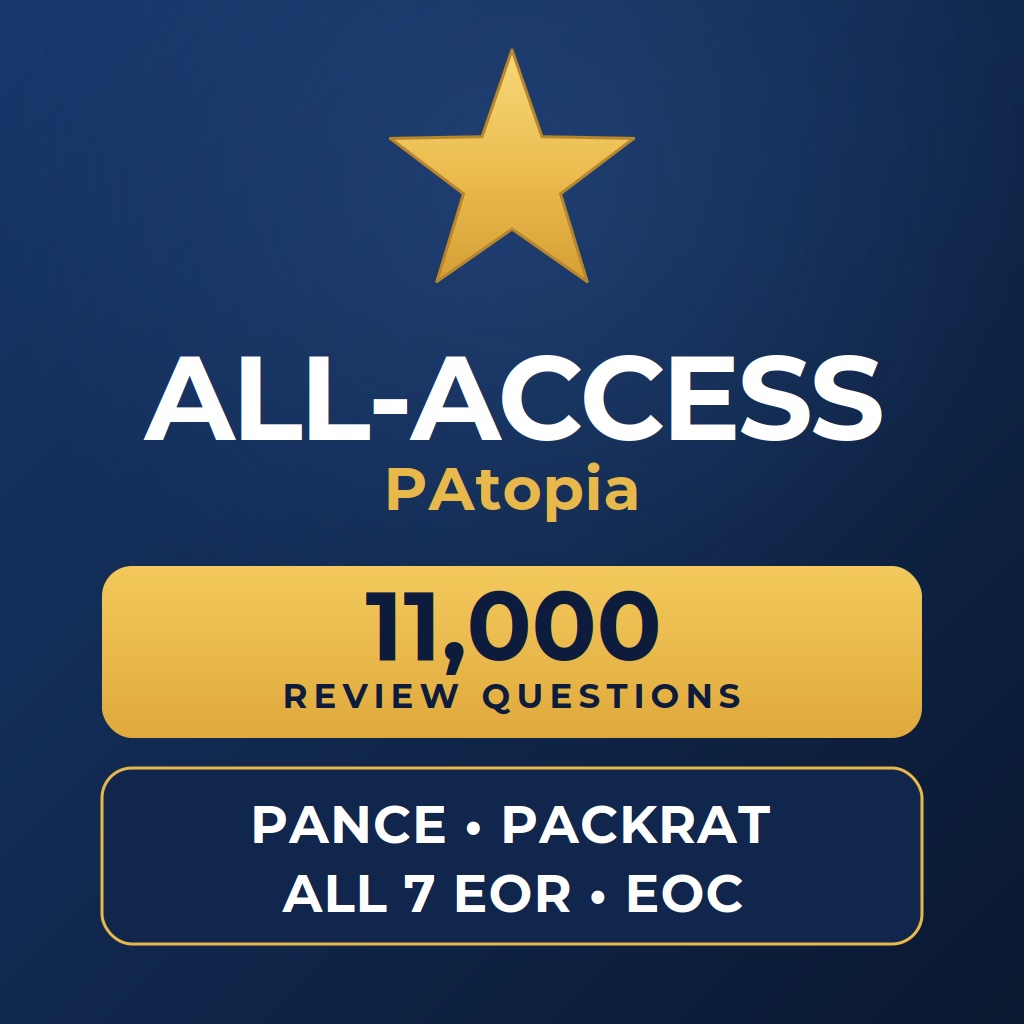
Additional Features: 11,000+ total questions in the PAtopia App (EOR, EOC, PANCE)

The Traditional PACKRAT Experience vs. PAtopia

The traditional PAEA PACKRAT is a 225-question exam designed to identify your strengths and weaknesses. However, the biggest complaint from students is the feedback. After the exam, you receive "keyword" feedback: a list of concepts you missed: rather than the actual questions or explanations. This makes it difficult to understand why you missed a point.

PAtopia changes this dynamic by providing a PACKRAT Review Course built directly into an all-in-one app. Instead of just testing you, it trains you.

1. Real-World Simulation

The PAtopia PACKRAT module includes 1,125 board-style questions divided into 5 full-length practice exams. Each exam mirrors the 225-question format of the actual PACKRAT. This builds the mental stamina required for a multi-hour examination, which is a critical factor in performance that textbooks cannot replicate.

2. Immediate Scoring and Granular Analytics

While the official PACKRAT takes time to process and report, PAtopia provides immediate feedback. You receive an instant score and a system-by-system breakdown. This allows you to see exactly where your knowledge gaps lie: whether it’s Cardiology, Pulmonology, or OB/GYN: so you can pivot your study plan immediately.

3. The PAtopia Advantage: All-In-One Ecosystem

Most students buy one app for EORs, another for the PACKRAT, and a third for the PANCE. PAtopia centralizes your entire PA journey. By downloading the app, you gain access to a library of over 11,000 total questions covering:

  • 7 EOR Rotations (Surgery, EM, Family Medicine, Internal Medicine, Pediatrics, Psychiatry, and Women's Health)
  • Physician Assistant End of Curriculum (EOC) Review
  • 15 Full-Length Mock PANCE Exams

A professional Physician Assistant student using a tablet to review clinical vignettes. The screen displays a clear medical question with multiple choice options and a detailed explanation box highlighted in green. A stethoscope is visible on the desk.

Why the 3-Day Free Trial is the Standard

We understand that PA students are often "broke and busy." This is why PAtopia offers a 3-day free trial with no account, no login, and no email required. You simply download the app and start testing. This allows you to verify the quality of the 1,125 PACKRAT questions before you spend a single dollar.

Beyond the PACKRAT: Preparing for your Career

For those moving beyond the student phase, CME Review Courses provides the necessary tools for professional maintenance. While PAtopia handles the student journey, our PANRE Review Course offers 100 hours of AAPA Category 1 CME credit. This is an efficient way to fulfill your recertification requirements while staying sharp on clinical content.

We also offer specialized Pharmacology Courses that provide Category 1 AAPA Credit. To maximize your educational budget, many of our packages include Amazon or Apple Gift Card add-ons ranging from $100 to $1,500. This allows you to purchase the high-quality review content you need while receiving a gift card to further enrich your medical library or upgrade your technology.


Clinical Assessment: Psychiatry & Behavioral Health

Your patient is a 24-year-old male brought to the emergency department by his roommate. The roommate states the patient has not slept in four days and has been "talking non-stop" about a new business venture involving deep-sea mining. On physical exam, the patient is pressured in his speech, easily distracted, and highly energetic. He denies any previous medical history or drug use. Vital signs show a HR of 105 bpm, BP 138/88 mmHg, and SaO2 99% on room air.

Which of the following is the most appropriate initial pharmacological treatment for this patient?

A. Fluoxetine
B. Lithium carbonate
C. Lorazepam
D. Haloperidol

Correct Answer: B. Lithium carbonate

Lithium carbonate is a first-line mood stabilizer for the treatment of acute mania in Bipolar I Disorder. It is highly effective in reducing the symptoms of pressured speech, grandiosity, and decreased need for sleep.

  • Fluoxetine is an SSRI and is contraindicated as monotherapy in patients with suspected Bipolar Disorder, as it can precipitate a manic switch.
  • Lorazepam is a benzodiazepine that may be used as an adjunct for agitation or insomnia but does not treat the underlying mood disorder.
  • Haloperidol is a first-generation antipsychotic. While it may be used for acute psychosis or severe agitation, Lithium or second-generation antipsychotics are generally preferred for long-term stabilization due to the side effect profile of older neuroleptics.

Clinical Assessment: Cardiovascular System

Your patient is a 68-year-old female with a history of hypertension and tobacco use who presents with sudden onset of substernal chest pain that radiates to her left jaw. She appears diaphoretic and pale. Her vitals are HR 112 bpm, BP 155/95 mmHg, RR 22, and SaO2 94% on room air. An EKG is performed and shows 3mm ST-segment elevation in leads V1 through V4.

What is the most immediate and appropriate next step in management?

A. Administer 324mg of chewed Aspirin
B. Obtain a chest X-ray
C. Order a Stat Troponin level
D. Perform a bedside echocardiogram

Correct Answer: A. Administer 324mg of chewed Aspirin

Administering chewed Aspirin is the most immediate intervention required for a patient with an ST-elevation myocardial infarction (STEMI). Aspirin inhibits platelet aggregation and has been shown to significantly reduce mortality in the setting of an acute MI.

  • Chest X-ray is useful to rule out other causes of chest pain like aortic dissection or pneumonia but should not delay the initial treatment of a confirmed STEMI.
  • Stat Troponin will be ordered, but in the presence of clear ST-segment elevation on EKG, you do not wait for lab confirmation before initiating therapy.
  • Echocardiogram may be used later to assess wall motion abnormalities but is not the priority over stabilization and preparation for reperfusion.

An EKG strip showing clear ST-segment elevation in the precordial leads. The background is a clinical setting with a heart rate monitor displaying a rapid rhythm.

Summary of Benefits

The PAtopia app and the CME Review Courses ecosystem provide a comprehensive solution for the PA career:

  • PACKRAT Review: 1,125 questions to simulate the PAEA exam.
  • PANCE Review: 15 mock exams with 300 questions each.
  • EOR Success: Specialized reviews for all 7 major rotations.
  • Career Longevity: 100 hours of AAPA Category 1 CME credit for the PANRE.
  • Educational Value: CME packages with $100-$1500 Amazon or Apple Gift Cards.

For students and PAs who demand efficient, authoritative, and clinical-focused review, PAtopia is the definitive tool. Download the app today and utilize the 72-hour free trial to experience the difference.

Posted on

Try Every Single Feature of PAtopia : 3 Days, No Account, No Catch

If you are preparing for your boards or managing a heavy rotation schedule, the last thing you need is another barrier to your study materials. Most medical apps require a credit card, a lengthy sign-up process, and an immediate commitment before you can see a single question.

PAtopia has removed those barriers. You can now access the full suite of our clinical review tools for 72 hours with zero account creation and zero cost. You download the app and begin testing immediately.

PAtopia: Immediate Deliverables

  • Price: $0.00 for the first 72 hours.
  • Access Duration: Full feature access for 3 days.
  • Content Volume: 11,000+ board-style questions.
  • Exam Types: PACKRAT, EOR, EOC, and PANCE.
  • Analytics: Instant system-by-system performance tracking.

Full Clinical Integration Without the Friction

The 3-day free trial is not a "lite" version of the software. It is the complete platform designed for the Physician Assistant student and the practicing clinician. Whether you are prepping for your first PACKRAT or refreshing your knowledge for the PANRE, PAtopia provides the data you need to identify clinical knowledge gaps.

Comprehensive Question Bank Breakdown

The PAtopia database is structured to follow the NCCPA Blueprint requirements across all major exam categories:

  • PACKRAT Review: 5 full-length mock exams (225 questions each).
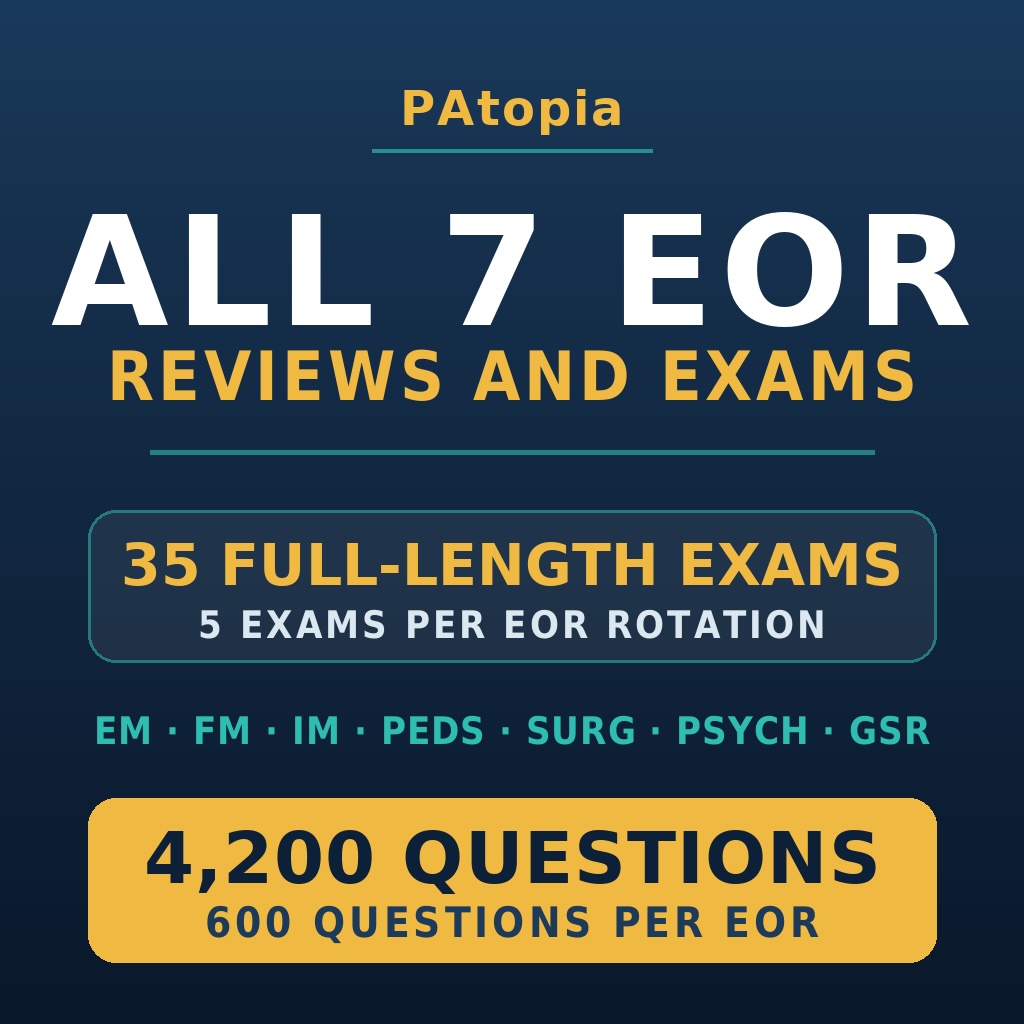
  • End of Rotation (EOR) Exams: 35 mock exams total (120 questions each). This includes 5 exams for each of the 7 core rotations: Surgery, Emergency Medicine, Family Medicine, Internal Medicine, Pediatrics, Gynecologic Sexual and Reproductive Health (OB/GYN), and Psychiatry.
  • End of Curriculum (EOC) Review: 5 full-length mock exams (300 questions each).
  • PANCE Review: 15 full-length mock exams (300 questions each).

CME for the Practicing Physician Assistant

While PAtopia serves the student and board-prep market, CME Review Courses offers high-yield solutions for practicing PAs. Efficiency is the priority when managing a clinical schedule and state licensing requirements.

PANRE Review Course

  • Credits: 100 hours of AAPA Category 1 CME Credit.
  • Format: Efficient, high-yield content written by PAs for PAs.
  • Focus: Core clinical competencies across Family Medicine, Internal Medicine, Cardiology, Neurology, and more.

Pharmacology Review Course

  • Credits: AAPA Category 1 CME Credit in Pharmacology.
  • Clinical Utility: Critical for meeting state-specific pharmacology requirements for NP/PA license renewal.

Maximizing Your CME Budget

Many clinicians have unused CME funds that expire at the end of the fiscal year. We offer an efficient way to utilize these funds by adding an Amazon or Apple Gift Card to your purchase. This allows you to secure your 100 hours of AAPA Category 1 Credit while receiving a gift card valued between $100 and $1500 to further support your professional education and equipment needs.

Clinical Practice: Board-Style Vignettes

To demonstrate the quality of the content found within PAtopia and our PANRE Review Course, review the following clinical scenarios. These represent the style of high-yield questioning found in our 11,000-question database.

Question 1: Cardiology

Your patient is a 68-year-old male presenting with a 2-hour history of crushing substernal chest pain. He is diaphoretic. Vital signs are: BP 90/60 mmHg, HR 110 bpm, SaO2 94% on room air. The EKG reveals ST-segment elevation in leads II, III, and aVF. Which of the following is the most appropriate next step in management?
A) Immediate administration of intravenous beta-blockers
B) Aggressive fluid resuscitation with normal saline
C) Administration of sublingual nitroglycerin
D) Application of a lidocaine drip for arrhythmia prophylaxis

Correct Answer: B) Aggressive fluid resuscitation with normal saline
Explanation: The EKG indicates an inferior wall myocardial infarction, which frequently involves the right ventricle. Right ventricular infarctions are highly preload-dependent. Hypotension in this setting should be treated with IV fluid boluses to maintain cardiac output. Nitroglycerin and beta-blockers (Choices A and C) are contraindicated in the acute phase of a right-sided or inferior MI presenting with hypotension, as they reduce preload and can worsen the shock. Lidocaine (Choice D) is no longer used routinely for prophylaxis.

Question 2: Infectious Disease

Your patient is a 24-year-old female complaining of a "fishy" vaginal odor that is more noticeable after intercourse. She denies pruritus or dysuria. Physical exam reveals a thin, grayish-white discharge. The pH of the discharge is 5.0. Whiff test is positive. What is the most appropriate treatment?
A) Oral Fluconazole 150mg single dose
B) Intramuscular Ceftriaxone 500mg
C) Oral Metronidazole 500mg BID for 7 days
D) Oral Azithromycin 1g single dose

Correct Answer: C) Oral Metronidazole 500mg BID for 7 days
Explanation: This clinical presentation is consistent with Bacterial Vaginosis (BV), meeting Amsel’s criteria (grayish discharge, pH > 4.5, positive whiff test, and presence of clue cells on microscopy). Metronidazole (oral or vaginal) or Clindamycin are the recommended treatments. Fluconazole (Choice A) is for candidiasis, which typically presents with a "cottage cheese" discharge and low pH. Ceftriaxone and Azithromycin (Choices B and D) are for Gonorrhea and Chlamydia, which usually present with mucopurulent cervicitis.

Question 3: Emergency Medicine / Orthopedics

Your patient is a 19-year-old male who was brought to the ED after a motor vehicle collision (MVC). He complains of severe pain in his left leg. On exam, the left lower leg is tense, pale, and exquisitely tender to passive stretch of the toes. Distal pulses are present but weak. What is the definitive management?
A) Elevation of the extremity above the level of the heart
B) Application of a rigid cast for stabilization
C) Immediate surgical fasciotomy
D) CT Angiography to assess for arterial injury

Correct Answer: C) Immediate surgical fasciotomy
Explanation: This patient is presenting with classic signs of Compartment Syndrome. Pain out of proportion to exam and pain with passive stretch are early and sensitive signs. Definitive management is a surgical fasciotomy to relieve the intracompartmental pressure. Elevation (Choice A) is contraindicated as it reduces arterial inflow. Casting (Choice B) would further increase pressure. While CT Angiography (Choice D) might be useful if vascular injury is suspected, it should not delay the surgical intervention for confirmed or highly suspected compartment syndrome.

The PAtopia Advantage

The PAtopia app is built for speed. When you are in the clinical setting, you do not have time to troubleshoot login issues or navigate complex menus. Our interface is streamlined for the NCCPA Blueprint content areas.

  • PANCE/PANRE Review: 15 mock exams allow you to simulate the actual board experience multiple times.
  • EOR Success: Specialized exams for Internal Medicine, Family Medicine, and Pediatrics ensure you are prepared for the nuances of each rotation.
  • Real-Time Analytics: After every exam, the app breaks down your performance by organ system (e.g., Cardiology, Pulmonology, GI). This allows you to focus your 72-hour trial on your weakest subjects.

Access the 3-Day Free Trial Now

You can experience the most comprehensive PA study tool on the market today without spending a dime.

  1. Download the PAtopia app from the App Store or Google Play.
  2. Open the app.
  3. Start your 72-hour trial: no account or sign-in required.

For practicing PAs looking for Category 1 credit, explore our PANRE Review Course and Pharmacology Review CME packages. Don't forget to utilize your CME budget with our Amazon/Apple Gift Card add-ons.

Posted on

GSR Women’s Health EOR Review: PAtopia’s Comprehensive Prep for Your OB/GYN Rotation Exam

Price: $399.99
Duration of Access: 30 Months
Deliverables: 11,000+ Board-Style Questions, 5 Full-Length Women's Health Mock EOR Exams (120 Questions Each), System-Specific Analytics, and 3-Day Free Trial.

The Gynecological, Sexual, and Reproductive Health (GSR) rotation: commonly referred to as the Women's Health or OB/GYN rotation: is one of the most clinically diverse experiences in physician assistant school. You transition rapidly from routine prenatal checks to high-acuity surgical cases like ectopic pregnancies or ovarian torsions. Mastering this breadth of information for the PAEA End of Rotation (EOR) exam requires more than just reading a textbook; it requires a systematic approach to the NCCPA blueprint and high-volume question bank practice.

PAtopia provides a streamlined, clinical framework for mastering the GSR Women’s Health EOR. By focusing on the high-yield topics defined by the PAEA blueprint: such as prenatal care, menstrual disorders, and gynecologic oncology: PAtopia ensures you spend your limited study time on the concepts most likely to appear on your 100-question exam.

Mastering the Obstetrics Blueprint (45% of Exam)

Obstetrics constitutes nearly half of your GSR EOR. PAtopia breaks this down into logical clusters: prenatal care, pregnancy complications, and labor/delivery management.

Prenatal Care and Normal Pregnancy

Routine prenatal care accounts for approximately 16% of the exam. You must be fluent in the schedule of prenatal visits, the timing of essential screening tests (such as the 1-hour glucose challenge and Group B Strep screening), and the normal physiological changes of pregnancy. PAtopia’s question bank includes detailed scenarios on dating a pregnancy, interpreting fundal height, and managing common complaints like morning sickness versus hyperemesis gravidarum.

Pregnancy and Labor Complications

The high-stakes portion of the exam often focuses on complications. You will encounter questions on hypertensive disorders (gestational hypertension, preeclampsia, eclampsia), gestational diabetes, and third-trimester bleeding (placenta previa vs. placental abruption). PAtopia simulates these clinical decisions, forcing you to choose the next best step in management, whether it’s administering magnesium sulfate or preparing for an emergent cesarean section.

Close-up of a medical professional explaining a prenatal chart on a tablet screen, professional clinical setting

Navigating the Gynecology Blueprint (55% of Exam)

The Gynecology section is slightly larger and covers a broader range of life stages, from menarche to menopause.

Menstruation and Hormonal Disorders

Disorders of the menstrual cycle, including amenorrhea, abnormal uterine bleeding (AUB), and PCOS, make up a significant 15% of the exam. PAtopia’s review focuses on the diagnostic algorithms required to work up these conditions, emphasizing the PALM-COEIN classification for AUB and the Rotterdam criteria for PCOS.

Infections and Neoplasms

Gynecologic infections (STIs, PID, and vaginitis) and neoplasms (cervical, endometrial, and ovarian cancers) are high-yield areas. You must be able to differentiate between bacterial vaginosis, candidiasis, and trichomoniasis based on wet mount findings and pH. For neoplasms, PAtopia emphasizes screening guidelines, such as the current ASCCP Pap and HPV testing intervals, as well as the risk factors for endometrial cancer.

PAtopia’s Analytics: Study Smarter, Not Harder

With over 11,000 questions available, PAtopia is designed to identify your knowledge gaps before you sit for the exam. After completing one of the five 120-question Women's Health mock exams, the app provides a detailed breakdown of your performance by blueprint system.

If your analytics show you are crushing "Infections" but struggling with "Pregnancy Complications," you can pivot your study sessions immediately. This data-driven approach is why PAtopia is the preferred tool for students who want to move beyond passive reading and into active, clinical application.

A physician assistant student using a smartphone app showing a medical analytics dashboard with progress bars and circular charts

Long-Term Value: From EOR to PANRE

While your immediate focus is the GSR Women's Health EOR, the content you master now forms the foundation for your PANCE and future recertification. CME Review Courses offers more than just student prep. Once you are in practice, we provide 100 hours of AAPA Category 1 CME credit through our PANRE Review Course.

We also offer specialized Pharmacology CME which also counts for Category 1 AAPA credit. To help you maximize your professional development funds, we offer CME with Amazon and Apple Gift Card add-ons. These allows you to add a $100 to $1,500 Gift Card to your purchase, providing a way to enrich your education while utilizing your employer-provided CME budget efficiently.


GSR Women's Health Clinical Assessment

Your patient is a 24-year-old G1P0 at 32 weeks gestation who presents to the emergency department complaining of a severe headache and "spots" in her vision for the last four hours. She denies vaginal bleeding or leakage of fluid. Her blood pressure is 164/112 mmHg. Physical exam reveals 3+ pitting edema of the lower extremities and hyperreflexia. Urinalysis shows 3+ proteinuria.

Which of the following is the most appropriate next step in the management of this patient?

A. Oral Labetalol 200 mg
B. Immediate Cesarean section
C. Intravenous Magnesium Sulfate
D. Bed rest and weekly biophysical profiles

Correct Answer: C. Intravenous Magnesium Sulfate

Explanation: The patient presents with preeclampsia with severe features, characterized by a blood pressure ≥160/110 mmHg and symptoms of end-organ dysfunction (headache, visual disturbances, hyperreflexia). The immediate priority in management is the prevention of seizures (eclampsia). Intravenous Magnesium Sulfate is the gold standard for seizure prophylaxis in preeclampsia with severe features. While blood pressure management is necessary, intravenous hydralazine or labetalol would be used for acute hypertensive crisis, rather than oral labetalol (Choice A), which is better suited for chronic hypertension. Immediate Cesarean section (Choice B) is not automatically indicated; if the patient is stable, induction of labor is often preferred, though delivery is the definitive treatment for preeclampsia. Bed rest (Choice D) is no longer recommended and is inappropriate for severe preeclampsia, which requires inpatient stabilization and likely delivery if the pregnancy is ≥34 weeks (or sooner if maternal or fetal status deteriorates).


Your patient is a 28-year-old female who presents with a "fishy" smelling vaginal discharge that is worse after intercourse. She denies pruritus or dysuria. On speculum exam, you note a thin, grayish-white discharge coating the vaginal walls. The vaginal pH is 5.0.

What finding on microscopic evaluation would confirm the most likely diagnosis?

A. Hyphae and buds on KOH prep
B. Motile trichomonads on wet mount
C. Clue cells on wet mount
D. Gram-negative intracellular diplococci

Correct Answer: C. Clue cells on wet mount

Explanation: The patient’s clinical presentation is classic for Bacterial Vaginosis (BV). Key diagnostic features include the "fishy" odor (often highlighted by the Whiff test with KOH), a thin grayish-white discharge, and a vaginal pH >4.5. The definitive microscopic finding for BV is the presence of clue cells: vaginal epithelial cells covered in Gardnerella vaginalis bacteria, giving them a stippled or "shaggy" appearance. Hyphae and buds (Choice A) indicate candidiasis, which typically presents with a pH <4.5 and a "cottage cheese" discharge. Motile trichomonads (Choice B) indicate trichomoniasis, usually associated with a "strawberry cervix" and a frothy yellow-green discharge. Gram-negative intracellular diplococci (Choice D) would indicate a gonorrheal infection.

Microscopic view of clue cells on a vaginal wet mount, medical illustration

Get Started with PAtopia Today

Don't leave your GSR EOR score to chance. PAtopia offers the most comprehensive question bank and analytical tools available for PA students.

Start your journey with our 3-day free trial: no account or credit card required. Download the app today and see why PAtopia is the gold standard for EOR and PANCE preparation.

Explore PAtopia for Women's Health EOR

Posted on

Psychiatry EOR Review: PAtopia’s High-Yield Prep for Your Psych Rotation Exam

Course: PAtopia All-In-One PA Prep App
Access: 3-Day Free Trial (Full Access, No Account Required)
Deliverables: 600 Psychiatry-Specific Questions (5 Mock Exams)
Key Feature: By-System Analytics for Mood, Anxiety, and Psychosis

The Psychiatry End of Rotation (EOR) exam is often perceived as one of the more subjective rotations in the Physician Assistant curriculum. However, the NCCPA Blueprint and PAEA standards provide a clear, quantifiable roadmap for success. To master this exam, you must move beyond simple flashcards and engage with high-yield, board-style vignettes that mirror the actual testing environment.

PAtopia is designed specifically for this transition. Unlike generic question banks, PAtopia provides a dedicated Psychiatry module containing five full-length mock exams. Each exam consists of 120 questions, totaling 600 practice questions specifically curated for the Psychiatry EOR.

Why System Analytics Matter for Your Psych Rotation

The most common mistake PA students make is "studying what they already know." If you are comfortable with Depressive Disorders (which make up 17% of the exam) but struggle with Substance-Related and Addictive Disorders (15%), your overall score will plateau.

PAtopia’s integrated by-system analytics solve this problem. After completing a mock exam, the app breaks down your performance across the core blueprint categories:

  • Mood Disorders (Depressive & Bipolar)
  • Anxiety Disorders
  • Schizophrenia and Psychotic Disorders
  • Substance-Related and Addictive Disorders
  • Trauma and Stress-Related Disorders

By identifying that your "Anxiety" scores are consistently at 85% while your "Psychosis" scores hover at 60%, you can stop wasting time and refocus your study hours where they will yield the highest point increase.

Comprehensive Prep: From PACKRAT to PANCE

PAtopia isn't just an EOR tool; it is a companion for your entire PA school journey. While you are currently focused on the Psychiatry EOR Review, the app also includes:

  • PACKRAT Review: 1,125 questions across 5 mock exams.
  • All 7 EOR Rotations: Including Internal Medicine, Family Medicine, and Emergency Medicine.
  • End of Curriculum (EOC) Review: 5 mock exams with 300 questions each.
  • PANCE Review: 15 full-length mock exams (4,500 questions) to ensure you are ready for the boards.

Psychiatry & Behavioral Health End Of Rotation (EOR) Exam Review and Test Prep Book Cover by Jeremy Boroff PA-C

Efficient Studying with the 3-Day Free Trial

We understand that clinical rotations are demanding. You need a tool that works immediately. PAtopia offers a 72-hour free trial with no sign-in or account creation required. You can download the app and start a Psychiatry mock exam within seconds. This allows you to test the interface, review the explanations, and see the analytics before committing.

For students who prefer a physical study aid to supplement their digital prep, the Psychiatry & Behavioral Health EOR Study Guide by Jeremy Boroff, PA-C, provides blueprint-aligned content that matches the rigor of the PAtopia question bank.


Clinical Review: Psychiatry and Behavioral Health

Practice Question 1

Your patient is a 24-year-old male brought to the emergency department by his roommate. The roommate reports that for the past two days, the patient has been "acting like a different person," claiming he is a "prophet of the new age" and has spent over $4,000 on luxury watches he cannot afford. On physical exam, the patient is tachycardic (HR 112) and speaks so rapidly that it is difficult to interrupt him. He reports he has not slept in 48 hours and feels "better than ever." He has no prior psychiatric history and a urine drug screen is negative.

What is the most appropriate initial pharmacological intervention for this patient?
A. Lithium
B. Sertraline
C. Lorazepam
D. Clozapine

Correct Answer: A. Lithium

Explanation: This patient is presenting with a classic Manic Episode, characterized by grandiosity (claiming to be a prophet), pressured speech, decreased need for sleep, and excessive involvement in activities with high potential for painful consequences (spending $4,000). To meet the criteria for a manic episode, symptoms must last at least one week or require hospitalization. Lithium is a first-line mood stabilizer for the acute treatment of mania in Bipolar I Disorder.

  • Sertraline (B) is an SSRI used for depression; using it in a manic patient without a mood stabilizer can actually worsen mania or trigger a "switch."
  • Lorazepam (C) is a benzodiazepine that may be used adjunctively for agitation or sleep, but it does not treat the underlying mood disorder.
  • Clozapine (D) is an atypical antipsychotic reserved for treatment-resistant schizophrenia due to the risk of agranulocytosis; it is not a first-line treatment for an initial manic episode.

Practice Question 2

Your patient is a 32-year-old female complaining of a "racing heart" and "shortness of breath" that occurs unexpectedly. She describes the episodes as reaching a peak within 10 minutes, during which she feels a sense of impending doom and trembles uncontrollably. Between episodes, she constantly worries about when the next one will happen and has started avoiding the grocery store where the first episode occurred. Physical exam and EKG are unremarkable.

Which of the following is the most likely diagnosis?
A. Generalized Anxiety Disorder (GAD)
B. Panic Disorder
C. Social Anxiety Disorder
D. Pheochromocytoma

Correct Answer: B. Panic Disorder

Explanation: Panic Disorder is characterized by recurrent, unexpected panic attacks followed by at least one month of persistent concern about future attacks or a maladaptive change in behavior (like avoiding the grocery store). The rapid peak and physical symptoms (tachycardia, tremors, impending doom) are hallmark signs.

  • GAD (A) involves persistent, excessive worry about multiple different areas of life (finances, health, work) for at least 6 months, rather than discrete, acute "attacks."
  • Social Anxiety Disorder (C) is characterized by fear of scrutiny in social or performance situations, which is not the primary driver here.
  • Pheochromocytoma (D) is a physical diagnosis that can mimic a panic attack due to catecholamine release, but it is typically associated with hypertension and would be less likely given the unremarkable physical exam and clear psychological avoidance patterns.

Practice Question 3

Your patient is a 19-year-old male college freshman who is brought to the university health clinic because he has locked himself in his dorm room for the last three days. He tells you that the "government has planted microchips in the cafeteria food" to monitor his thoughts. He appears disheveled and has a flat affect. His roommate mentions that he has been acting "odd" and withdrawn for about two months, but the specific thoughts about microchips started only a few days ago.

Based on the duration of symptoms, what is the most likely diagnosis?
A. Brief Psychotic Disorder
B. Schizophreniform Disorder
C. Schizophrenia
D. Delusional Disorder

Correct Answer: B. Schizophreniform Disorder

Explanation: The diagnosis of psychotic disorders is heavily dependent on the duration of symptoms. This patient has been experiencing symptoms (social withdrawal, disheveled appearance, delusions) for approximately two months. Schizophreniform Disorder is the correct diagnosis when symptoms last more than one month but less than six months.

  • Brief Psychotic Disorder (A) lasts at least one day but less than one month.
  • Schizophrenia (C) requires symptoms to persist for at least six months, including at least one month of active-phase symptoms.
  • Delusional Disorder (D) involves non-bizarre delusions for at least one month, but typically lacks the other negative symptoms (flat affect, poor hygiene) or disorganized behavior seen in this case.

Maximize Your Study Efficiency

Preparing for the Psychiatry EOR requires more than just reading a textbook. It requires active recall and exposure to clinical scenarios. With PAtopia’s 600-question Psychiatry bank and detailed analytics, you can enter your exam with the confidence that you have mastered the NCCPA Blueprint topics.

If you are a practicing PA looking for clinical refreshers or CME, our PANRE Review Course offers 100 hours of AAPA Category 1 Credit. This is an efficient way to meet your certification requirements while staying current on psychiatric and behavioral health standards.

Start your 3-Day Free Trial of PAtopia today and crush your Psychiatry EOR.

Posted on

Pediatrics EOR Review: PAtopia’s Targeted Prep for Your Peds Rotation Exam

Success on the Pediatrics End of Rotation (EOR) exam requires a shift in mindset. Unlike the broad strokes of Internal Medicine, Pediatrics demands a mastery of age-specific vitals, developmental milestones, and unique pathologies that don't exist in the adult world. You aren't just treating "small adults"; you are navigating a complex clinical landscape from neonates to adolescents.

PAtopia was designed by PAs who have survived these rotations. It provides a streamlined, high-yield environment to ensure you aren't wasting time on low-probability topics. With 600 rotation-specific questions, PAtopia ensures you are prepared for the specific weights and distributions of the Pediatrics exam.

Price: Free 3-Day Trial | Questions: 600 Pediatrics-Specific (5 Full Mock Exams) | Access: Instant Mobile & Web

Understanding the Pediatrics Content Distribution

The Pediatrics EOR exam is heavily weighted toward four major systems. If you master these four, you have already covered over 50% of the exam. The distribution typically follows this pattern:

  • Dermatology (15%): Viral exanthems, atopic dermatitis, and neonatal rashes.
  • HEENT (15%): Otitis media, pharyngitis, and congenital anomalies.
  • Infectious Disease (12%): Vaccinations, sepsis, and common childhood infections.
  • Pulmonology (12%): Asthma, bronchiolitis, and croup.
  • Cardiovascular (10%): Congenital heart defects (VSD, ASD, Tetralogy of Fallot).
  • Gastrointestinal / Nutrition (10%): Pyloric stenosis, intussusception, and FTT.

The remaining 26% is spread across Neurology, Psychiatry, Orthopedics, Endocrinology, Hematology, and Urology. While these carry less weight, they often contain "easy" points if you know the high-yield presentations, such as Osgood-Schlatter or Nursemaid’s elbow.

Mastering Growth and Development

One of the most intimidating aspects of the Pediatrics rotation is Growth and Development. This isn't just about memorizing when a child can stack four blocks; it’s about recognizing when a child is deviating from the norm. On the EOR, you will see questions regarding:

  1. Developmental Milestones: Focus on the major "checkpoints" at 2, 4, 6, 9, and 12 months.
  2. Failure to Thrive (FTT): Distinguishing between organic (medical) and non-organic (social/environmental) causes.
  3. Pubertal Development: Understanding Tanner Staging and identifying precocious or delayed puberty.
  4. Short Stature: Differentiating constitutional growth delay (the "late bloomer") from pathologic growth hormone deficiency.

PAtopia includes specific analytics that track your performance in these "Neurology/Developmental" categories. If you are consistently missing milestone questions, the app tells you exactly where your deficit lies so you can review that specific library before exam day.

How PAtopia Integrates Your PA Journey

PAtopia isn't just an EOR tool; it is a longitudinal prep platform. Many students begin using PAtopia for PACKRAT Review and transition seamlessly into their clinical year rotations.

The app offers:

  • 7 EOR Rotations: Including Pediatrics, Emergency Medicine, Surgery, and more.
  • System-Based Analytics: After every 120-question mock exam, you receive a breakdown of your performance by organ system.
  • Detailed Explanations: We don't just tell you the answer is "C"; we explain why the distractors are wrong using clinical logic that mimics the NCCPA Blueprint.
  • PANCE Readiness: The questions you answer during your Peds rotation are building the foundation for the 15 full-length mock PANCE exams available in the app.

Clinical Scenario 1: The Barking Cough

Your patient is a 2-year-old male brought to the emergency department at 2:00 AM by his parents. The father reports the child was fine at bedtime but woke up with a "harsh, barking cough" and seemingly had difficulty breathing. On physical exam, the child has an audible inspiratory stridor at rest and a temperature of 100.4°F (38°C). There is no drooling noted. What is the most appropriate initial management for this patient?

A) Rapid strep test and oral amoxicillin
B) Racemic epinephrine and IM dexamethasone
C) Lateral neck X-ray to look for a "thumbprint sign"
D) Immediate intubation and IV ceftriaxone

Correct Answer: B (Racemic epinephrine and IM dexamethasone)
Explanation: This patient presents with classic symptoms of Croup (Laryngotracheobronchitis), characterized by the "barking" seal-like cough and inspiratory stridor. In cases of moderate to severe croup (stridor at rest), the standard of care is nebulized racemic epinephrine to reduce airway edema and a corticosteroid (Dexamethasone) to provide longer-lasting anti-inflammatory effects. Option C is used for suspected epiglottitis (though clinical diagnosis is preferred), and Option D is for emergent airway obstruction in epiglottitis, which presents with drooling and a "tripod" position, not a barking cough.

Clinical Scenario 2: The Neonatal Rash

Your patient is a 3-day-old full-term female brought in for her first newborn check-up. The mother is concerned about a rash on the infant's trunk and proximal extremities. The rash consists of multiple small, yellow-white papules on an erythematous base. The infant is feeding well, is afebrile, and appears non-toxic. What is the most likely diagnosis?

A) Erythema toxicum neonatorum
B) Neonatal herpes simplex virus
C) Milia
D) Staphylococcal scalded skin syndrome

Correct Answer: A (Erythema toxicum neonatorum)
Explanation: Erythema toxicum neonatorum is a common, benign, self-limiting rash seen in newborns, usually appearing within the first 72 hours of life. It is characterized by "flea-bite" appearing papules on an erythematous base. It requires no treatment and resolves spontaneously. Option B would present with vesicles and a toxic-appearing infant. Option C (Milia) consists of tiny white sebaceous cysts without the erythematous base. Option D would present with diffuse skin tenderness and systemic illness.

Why Practice Questions Matter

Reading a textbook or a review book is passive. Answering board-style questions is active. PAtopia forces you to apply the knowledge in a timed environment that mimics the actual EOR interface. By the time you finish our 5 Pediatrics mock exams, you will have seen nearly every common permutation of the Pediatric Review content.

The Pediatrics EOR is often cited as one of the "trickier" exams because of the emphasis on infectious disease and dermatology. PAtopia bridges that gap by providing high-quality images and vignettes that reflect real-world clinical practice.

Start Your Free Trial Today

Don't wait until the weekend before your exam to start your Pediatrics EOR review. PAtopia offers a 3-day free trial with no account or sign-in required. You can download the app and start testing your knowledge immediately. Whether you are on the bus to your rotation or have a few minutes between patients, PAtopia's mobile-friendly interface makes it the most efficient way to study.

Beyond the EOR, our platform supports your entire career, offering CME with gift card options for when you transition from student to practicing PA.

Ready to crush your Peds EOR? Download PAtopia now and start your 72 hours of free access.

Posted on

Family Medicine EOR Review: PAtopia’s Complete Prep for Your FM Rotation Exam

Course Name: PAtopia Family Medicine EOR Prep
Access: 3-Day Free Trial (No Account Required)
Deliverables: 5 Full-Length Mock Exams (120 Questions Each), Detailed Analytics, Study Library
Questions: 600 Rotation-Specific Questions (11,000+ Total in App)

The Family Medicine (FM) rotation is often described by students as one of the most challenging End of Rotation (EOR) exams due to its sheer breadth. Unlike specialized rotations like Surgery or Psychiatry, Family Medicine requires you to be a master of the "everything." You are expected to manage a 6-month-old with a rash in the morning and a 70-year-old with heart failure in the afternoon.

To succeed on the FM EOR, you cannot simply "wing it" based on clinical experience alone. The exam follows a strict distribution of topics defined by the PAEA blueprint, focusing heavily on chronic disease management, preventative health, and common acute presentations. PAtopia was designed to provide a structured, high-yield environment where you can test your knowledge across the entire spectrum of primary care.

The Family Medicine Blueprint Breakdown

The FM EOR exam consists of 120 multiple-choice questions. To study efficiently, you must prioritize the highest-yield organ systems. PAtopia’s mock exams are calibrated to match the weight of the NCCPA blueprint and PAEA standards.

High-Yield Categories:

  • Cardiovascular (15%): Hypertension management, heart failure, and dyslipidemias are foundational.
  • Pulmonology (12%): Asthma, COPD, and community-acquired pneumonia.
  • Gastrointestinal / Nutritional (11%): GERD, peptic ulcer disease, and biliary tract disorders.
  • Orthopedics / Rheumatology (8%): Osteoarthritis, gout, and low back pain.
  • ENOT / Ophthalmology (8%): Otitis media, sinusitis, and conjunctivitis.

The remaining 46% of the exam is distributed among smaller but equally important categories like Dermatology, Endocrinology, and Psychiatry. PAtopia ensures that even these "smaller" categories are represented in every mock exam so you aren't blindsided on test day.

PA student reviewing FM EOR categories in clinic

PAtopia’s Approach: 5 Full-Length Mock Exams

Most PA students make the mistake of using generic question banks that mix rotation-level questions with PANCE-level complexity. PAtopia provides 5 specific mock exams for Family Medicine, each containing 120 questions. This allows you to simulate the actual exam environment five times over.

By the time you reach your fifth exam, you have seen 600 unique clinical vignettes that cover the most frequently tested topics in primary care. This repetitive exposure builds "exam stamina" and teaches you to recognize patterns in how questions are framed: such as identifying the "next best step in management" versus the "most likely diagnosis."

Advanced Analytics: Finding Your Weak Spots

Studying hard is not the same as studying smart. If you are already scoring 90% in Cardiovascular questions but 40% in Endocrinology, spending another three hours on EKGs is a poor use of your limited rotation time.

PAtopia includes a robust analytics dashboard that tracks your performance after every exam. You can see a granular breakdown of your scores by organ system. This allows you to pivot your study plan in real-time. If the data shows you are consistently missing questions on "Health Maintenance" or "Clinical Therapeutics," you know exactly which chapters of your review book to open.

Medical exam analytics dashboard on smartphone

The Longitudinal Journey: PACKRAT to PANCE

The Family Medicine EOR is not an isolated event. It is a critical milestone in a journey that leads from your first PACKRAT exam to your eventual PANCE and, years later, your PANRE Review.

PAtopia is built to support you throughout this entire timeline. The knowledge you cement during your FM rotation will directly translate to your End of Curriculum (EOC) exam and the PANCE. By using an all-in-one app that houses over 11,000 questions, you maintain a consistent learning interface.

For those looking ahead to their professional careers, CME Review Courses offers an efficient way to transition from student to clinician, including Category 1 AAPA CME Credit in Pharmacology and comprehensive PANRE prep once you are in practice.


Clinical Practice Questions

Test your knowledge with these Family Medicine clinical vignettes, formatted similarly to what you will encounter in the PAtopia app and on your EOR exam.

Question 1: Cardiovascular

Your patient is a 64-year-old male with a history of hypertension and tobacco use who presents for a routine follow-up. He reports recent onset of calf pain that occurs after walking two blocks and is relieved by rest. On physical exam, you note diminished pedal pulses and a cool temperature of the lower extremities bilaterally. What is the most appropriate initial diagnostic test for this patient?

A) Magnetic Resonance Angiography (MRA)
B) Ankle-Brachial Index (ABI)
C) Computed Tomography (CT) Angiography
D) Duplex Ultrasound

Correct Answer: B) Ankle-Brachial Index (ABI)
Explanation: The patient’s symptoms are classic for intermittent claudication, a hallmark of Peripheral Artery Disease (PAD). The Ankle-Brachial Index (ABI) is the most appropriate and cost-effective initial diagnostic test to confirm the presence and severity of PAD. An ABI of ≤ 0.90 is diagnostic. While MRA (A) and CT Angiography (C) provide detailed anatomical localization, they are typically reserved for preoperative planning. Duplex ultrasound (D) is useful but less standardized than ABI for initial screening.

Question 2: Pulmonology

Your patient is a 28-year-old female with a history of mild persistent asthma. She uses an Albuterol inhaler as needed and a low-dose inhaled corticosteroid (ICS) daily. She reports that over the last month, she has been waking up twice a week due to cough and shortness of breath, and she is using her Albuterol inhaler almost every day. According to the current GINA guidelines, what is the most appropriate next step in her management?

A) Increase to a medium-dose ICS
B) Add a Long-Acting Beta-Agonist (LABA)
C) Add a Leukotriene Receptor Antagonist (LTRA)
D) Discontinue the ICS and start an Oral Corticosteroid

Correct Answer: B) Add a Long-Acting Beta-Agonist (LABA)
Explanation: The patient’s asthma is currently "uncontrolled" based on her nighttime awakenings and frequency of rescue inhaler use. For patients symptomatic on low-dose ICS, the preferred next step is the addition of a LABA (Formoterol is often preferred in combination with an ICS). Increasing to a medium-dose ICS (A) is an alternative but is generally considered less effective than adding a LABA. LTRAs (C) are typically third-line or add-on therapy. Oral corticosteroids (D) are reserved for severe, refractory asthma or acute exacerbations.

Question 3: Gastrointestinal

Your patient is a 45-year-old female presenting with a 2-day history of steady, aching pain in the right upper quadrant that radiates to her right scapula. She reports associated nausea and one episode of vomiting. On exam, she has a positive Murphy’s sign. Her temperature is 101.2°F (38.4°C). Laboratory results show a WBC count of 14,000/mm³. What is the most likely diagnosis?

A) Cholelithiasis
B) Acute Cholecystitis
C) Choledocholithiasis
D) Ascending Cholangitis

Correct Answer: B) Acute Cholecystitis
Explanation: Acute Cholecystitis is characterized by gallbladder inflammation usually due to cystic duct obstruction. The combination of steady RUQ pain, positive Murphy’s sign, fever, and leukocytosis strongly supports this diagnosis. Cholelithiasis (A) refers to gallstones without inflammation, typically causing transient "biliary colic" without fever or leukocytosis. Choledocholithiasis (C) involves stones in the common bile duct and usually presents with elevated liver enzymes or jaundice. Ascending cholangitis (D) presents with Charcot’s Triad (RUQ pain, fever, and jaundice) and is a more severe, life-threatening emergency.


Start Your FM EOR Prep Today

Success on the Family Medicine EOR requires more than just clinical intuition; it requires a systematic review of the NCCPA blueprint topics and extensive practice with board-style questions.

PAtopia offers the most comprehensive student-led prep tool on the market, bridging the gap between your clinical rotations and the PANCE. With 5 full-length Family Medicine mock exams and detailed performance analytics, you can enter your testing center with confidence.

Download PAtopia today and start your 3-day free trial. No credit card, no account, and no sign-in required. Just high-yield prep.

Posted on

Internal Medicine EOR Study Guide: PAtopia’s Tool for Mastering the Complexity

PAtopia Access: 3-Day Free Trial (No Account Required)
Deliverables: 11,000+ Board-Style Questions, 15 Full-Length Mock PANCE Exams
EOR Specifics: 5 Internal Medicine Mock Exams (120 Questions Each)

The Internal Medicine (IM) End of Rotation (EOR) exam is widely regarded as one of the most challenging assessments in clinical year. Unlike more focused rotations like Psychiatry or Women's Health, the IM blueprint encompasses a massive breadth of pathophysiology, diagnostic reasoning, and multi-system management. Success on this exam requires more than just passive reading; it demands rigorous application of knowledge through high-volume question banks and data-driven study strategies.

Navigating the Internal Medicine EOR Blueprint

The PAEA Internal Medicine EOR blueprint is heavily weighted toward chronic disease management and acute inpatient presentations. Understanding the distribution of topics is critical for time management:

  • Cardiovascular (20%): The highest-yield section, focusing on heart failure, arrhythmias, and coronary artery disease.
  • Pulmonology (15%): Emphasis on COPD, asthma, and pneumonia management.
  • Gastrointestinal / Nutritional (12%): Covers everything from GERD to acute pancreatitis and hepatic disorders.
  • Orthopedics / Rheumatology (12%): Large focus on systemic inflammatory conditions like RA and SLE.
  • Endocrinology (8%): Diabetes management and thyroid pathology.

The remaining 33% is distributed across Neurology, Urology/Renal, Critical Care, Hematology, and Infectious Diseases. To master this volume, you cannot rely on a single review book. You must utilize a question bank that mirrors the complexity and the 120-question format of the actual PAEA exam.

High-Volume Preparation with PAtopia

PAtopia provides an all-in-one ecosystem for the PA student journey. While many students focus solely on the EOR at hand, PAtopia’s database contains over 11,000 board-style questions covering every rotation and the PANCE. For the Internal Medicine rotation specifically, the app offers 5 dedicated mock exams. Each exam consists of 120 questions, designed to simulate the pacing and stamina required for the actual EOR.

Physician assistant student reviewing internal medicine data on a tablet

Preparing with these mock exams allows you to see a wider variety of clinical presentations than you might encounter during your four or five weeks on the wards. While you may see plenty of CHF and COPD on a hospitalist service, you might not see a case of Addison’s disease or a specific rheumatologic flare. The PAtopia question bank ensures these "blueprint gaps" are filled before exam day.

Data-Driven Mastery: System Analytics

The most common mistake PA students make is studying what they already know. If you are comfortable with Cardiology but struggle with Renal/Urology, spending more time on EKGs is an inefficient use of your study hours.

PAtopia features by-system analytics after every exam. This tool breaks down your performance into the specific categories defined by the NCCPA and PAEA blueprints. If your analytics show a 40% accuracy in Hematology, the app identifies this weakness immediately, allowing you to pivot your study plan. This granular feedback is essential for the IM EOR, where a deficiency in a single 15% category (like Pulmonology) can be the difference between passing and failing.

Clinical Case Assessment: Cardiology

Internal Medicine requires the ability to differentiate between similar clinical presentations under pressure. Use the following vignette to test your diagnostic reasoning.

Your patient is a 68-year-old male presenting to the emergency department with a 3-hour history of "crushing" chest pain and diaphoresis. His medical history is significant for HTN, DM2, and a 40-pack-year smoking history. On physical exam, he appears distressed. HR is 110 bpm, BP is 105/62 mmHg, and SaO2 is 94% on room air. An EKG is performed and reveals 3mm ST-segment elevation in leads V1 through V4.

Which of the following is the most appropriate next step in management?

A. Immediate administration of thrombolytics
B. Stat echocardiogram to assess wall motion
C. Urgent transfer to the cardiac catheterization lab for PCI
D. Measurement of serial troponins and observation

Correct Answer: C. Urgent transfer to the cardiac catheterization lab for PCI

Explanation: The patient is presenting with an acute anterior wall ST-segment elevation myocardial infarction (STEMI), as evidenced by the elevations in V1-V4. For a STEMI, the gold standard is Percutaneous Coronary Intervention (PCI) within 90 minutes of medical contact at a PCI-capable center. A is incorrect because thrombolytics are only indicated if PCI cannot be performed within 120 minutes. B is incorrect because while an echo may show wall motion abnormalities, it should not delay definitive reperfusion therapy. D is incorrect because serial troponins are used to diagnose NSTEMI or unstable angina; a STEMI diagnosis is made via EKG and requires immediate intervention.

Strategic Transition to PANCE Prep

The IM EOR is often considered a "mini-PANCE" because the blueprints overlap significantly. By utilizing PAtopia for your EOR prep, you are simultaneously building the foundation for your boards. PAtopia includes 15 full-length mock PANCE exams, each consisting of 300 questions.

Students who use these full-length exams during their clinical year rotations report significantly lower anxiety during their dedicated PANCE study period. The familiarity with the question style, the interface, and the endurance required for 300 questions becomes second nature.

Efficient Resource Utilization

Clinical year is expensive. Between tuition, travel, and professional equipment, PA students must be strategic with their spending. PAtopia offers a 3-day free trial with no account or sign-in required. This allows you to explore the 11,000+ question bank and the specific Internal Medicine mock exams without any financial commitment.

For those looking for additional specialized review, CME Review Courses offers targeted blueprint reviews and CME packages. If you are seeking Category 1 AAPA credit, our PANRE Review Course offers 100 hours of credit and covers the essential systems found in Internal Medicine. We also provide CME with Gift Card options, allowing you to add an Amazon or Apple Gift Card ($100-$1500) to your purchase to further support your educational needs.

Conclusion

Mastering the Internal Medicine EOR requires a shift from memorization to application. By using PAtopia's extensive mock exams and system analytics, you can identify your specific blueprint weaknesses and correct them before they impact your grade. Whether you are preparing for the Cardiovascular blueprint or the Pulmonary blueprint, having 11,000+ questions at your fingertips is the most efficient path to success.

Download PAtopia today and start your 3-day free trial to conquer the IM EOR and prepare for the PANCE.

Posted on

Surgery EOR Review: How PAtopia Helps You Scrub In with Confidence

Price: 3-Day Free Trial (No account or credit card required)
Deliverables: 11,000+ Board-Style Questions, 35 Mock EOR Exams (7 Rotations), 15 Full-Length PANCE Exams, System-Based Analytics
Access: Immediate via iOS and Android App Stores

The surgery rotation is often the most demanding segment of clinical year. Between 0400 pre-rounding and late-night post-operative checks, finding time for a structured Surgery EOR Review is a logistical challenge. Success on the End of Rotation (EOR) exam requires more than just clinical presence in the OR; it requires a targeted mastery of surgical decision-making, perioperative management, and anatomical correlations.

PAtopia was designed by PAs to bridge the gap between the surgical floor and the standardized exam. With over 11,000 questions and rotation-specific mock exams, the app provides a comprehensive training environment that follows your journey from the PACKRAT through to the PANCE.

Mastering the New Surgery EOR Content

The PAEA recently updated the Surgery EOR content areas to reflect modern clinical practice. The exam has shifted from being heavily gastrointestinal-focused to a more balanced distribution of systems. Understanding these weights is critical for an efficient Surgery EOR Review.

High-Yield System Breakdown

  • Gastrointestinal (17%): Focus on the acute abdomen, bowel obstructions, and biliary disease.
  • Cardiovascular (15%): Prioritize peripheral vascular disease (PVD), abdominal aortic aneurysms (AAA), and preoperative cardiac risk stratification.
  • Pulmonology & Thoracic (13%): Master post-operative pulmonary complications, pneumothorax, and chest tube management.
  • Breast Surgery (10%): Understand the diagnostic workup for breast masses and the indications for surgical intervention.
  • Trauma & Acute Care (8%): Review ATLS protocols, shock management, and primary/secondary surveys.

Surgical team in an operating room focused on a sterile procedure

PAtopia: Data-Driven Preparation

Generic question banks often fail to replicate the specific "task areas" required for EOR success. PAtopia provides 5 full-length mock surgery exams (120 questions each) that mirror the actual exam environment.

Granular Analytics for Targeted Study

One of the most effective features of PAtopia is the by-system analytics. After completing a mock exam, the app breaks down your performance across all surgical categories. If your cardiovascular scores are lagging while your GI scores are high, the app highlights this disparity immediately. This allows you to stop wasting time on areas you have already mastered and focus your limited study hours on high-yield weaknesses.

Integration with the PA Journey

PAtopia is not just for a single rotation. It is built to support you throughout your entire education:

  1. PACKRAT Review: Prepare for your clinical competency exams with 5 mock PACKRATs.
  2. EOR Rotations: Access 35 total mock exams covering all 7 major rotations, including Surgery, EM, IM, FM, Pediatrics, Psychiatry, and GSR/Women's Health.
  3. End of Curriculum (EOC): Transition to graduation with 5 dedicated EOC mock exams.
  4. PANCE Review: Cross the finish line with 15 full-length mock PANCE exams (300 questions each).

PAtopia app analytics dashboard showing progress in surgery and other medical systems

Clinical Vignette Assessment: Surgery

The following questions utilize the clinical vignette format common on the Surgery EOR. Use these to test your knowledge of high-yield surgical topics.

Question 1: Gastrointestinal

Your patient is a 44-year-old female who presents to the emergency department with acute onset of severe epigastric pain that radiates to her back. She reports multiple episodes of non-bilious emesis. Her past medical history is significant for symptomatic cholelithiasis. On physical exam, she is tachycardic (HR 112) and has significant tenderness in the epigastrium without guarding or rebound. Laboratory results reveal a lipase level of 1,200 U/L (Normal < 160 U/L).

What is the most appropriate initial imaging study to identify the etiology of this patient's condition?

A. CT abdomen/pelvis with IV contrast
B. Right upper quadrant ultrasound
C. Abdominal X-ray (flat and erect)
D. MRCP (Magnetic Resonance Cholangiopancreatography)

Explanation: The correct answer is Right upper quadrant ultrasound. This patient presents with clinical and laboratory evidence of acute pancreatitis (epigastric pain radiating to the back and lipase > 3x the upper limit of normal). Given her history of cholelithiasis, gallstones are the most likely etiology (gallstone pancreatitis). A RUQ ultrasound is the initial study of choice to look for gallstones or biliary ductal dilation. CT with contrast (Choice A) is useful for evaluating complications like necrosis but is not the initial step for identifying the etiology. Plain films (Choice C) are insensitive for pancreatitis. MRCP (Choice D) is reserved for cases where ultrasound is inconclusive and choledocholithiasis is strongly suspected.

Question 2: Preoperative Management

Your patient is a 68-year-old male scheduled for an elective infrarenal abdominal aortic aneurysm repair. He has a history of hypertension, Type 2 diabetes mellitus, and a 40-pack-year smoking history. He reports he can walk about two blocks on level ground before becoming short of breath. He denies chest pain.

According to the ACC/AHA guidelines, what is the next best step in this patient's preoperative cardiac risk assessment?

A. Proceed to surgery without further testing
B. Obtain a pharmacological stress test
C. Perform an immediate coronary angiography
D. Order a 12-lead EKG and proceed to surgery if normal

Explanation: The correct answer is Obtain a pharmacological stress test. The patient is undergoing a high-risk vascular procedure and has a functional capacity of less than 4 METS (unable to walk up a flight of stairs or two blocks without symptoms). He also has clinical risk factors (diabetes, hypertension). In a patient with low functional capacity undergoing high-risk surgery, further non-invasive testing like a stress test is indicated to risk-stratify the patient. Proceeding without testing (Choice A) is inappropriate given the risk level. Coronary angiography (Choice C) is an invasive step taken after an abnormal non-invasive test. An EKG (Choice D) is necessary but not sufficient for risk-stratifying low-capacity patients in high-risk surgery.

Question 3: Post-operative Complications

Your patient is a 28-year-old male who underwent an open appendectomy for a ruptured appendix 36 hours ago. He is currently on postoperative day (POD) 2. The nursing staff notifies you that the patient has a temperature of 101.8°F. His physical exam is unremarkable except for minimal serosanguinous drainage at the dressing site. His lungs are clear to auscultation bilaterally.

What is the most likely cause of this patient's fever?

A. Wound infection (SSI)
B. Atelectasis
C. Deep Vein Thrombosis (DVT)
D. Urinary Tract Infection (UTI)

Explanation: The correct answer is Atelectasis. Post-operative fevers are often categorized by the "5 W's" (Wind, Water, Walking, Wound, Wonder drugs). Fevers occurring within the first 24–48 hours (POD 1-2) are most commonly caused by "Wind" (atelectasis or early pneumonia). Surgical site infections (Choice A) typically occur on POD 5–7. UTIs (Choice D) typically manifest on POD 3, and DVTs (Choice C) usually occur POD 5 or later.

Surgery EOR Exam Review book cover by Jeremy Boroff PA-C

Why PAtopia is the Professional Standard

For many students, the Surgery EOR Review is the final hurdle before entering the heavy-hitting Internal Medicine or Emergency Medicine rotations. Using a tool that is integrated into the larger PA ecosystem: from the student phase to the professional phase: is invaluable.

While PAtopia focuses on your journey as a student, CME Review Courses provides the roadmap for your career as a practicing Physician Assistant. Once you pass your PANCE and enter clinical practice, you will need to maintain your certification. We offer:

  • PANRE Review Courses: 100 hours of AAPA Category 1 Credit.
  • Pharmacology CME: Specialized Category 1 credit to meet state requirements.
  • CME with Gift Cards: Maximize your employer's CME budget by adding an Amazon or Apple gift card ($100–$1500) to your purchase.

Start Your Free Trial Today

You should not have to pay for a review tool before you know it works. PAtopia offers a 3-day free trial with no account creation or credit card required. You can download the app, jump into a Surgery Mock EOR, and see your analytics immediately.

Scrub in with confidence. Use the tool built by PAs, for PAs, and master your Surgery EOR.