
Price: $499.99 (Base Course)
Duration: 30 Months of Full Access
Deliverables: 100 Hours of Category 1 AAPA CME (PANRE Review), 1672 Practice Questions, 17+ Hours of Blueprint-based Content
Managing your annual CME budget is more than just a box-ticking exercise for your employer; it’s a strategic opportunity to invest in your clinical mastery and future certification success. Whether you are a veteran PA preparing for your next PANRE or a new graduate navigating your first pance prep courses, how you allocate your funds matters.
Many clinicians fall into common traps that leave them either under-prepared for the NCCPA Blueprint or with unused funds at the end of the fiscal year. By utilizing cme gift cards as part of an integrated educational package, you can maximize the utility of your budget while ensuring you have the tools needed to pass your exams.
Here are the seven most common mistakes PAs and NPs make with their CME budgets and how to fix them.
1. Chasing "Free" Gifts Instead of Educational Value
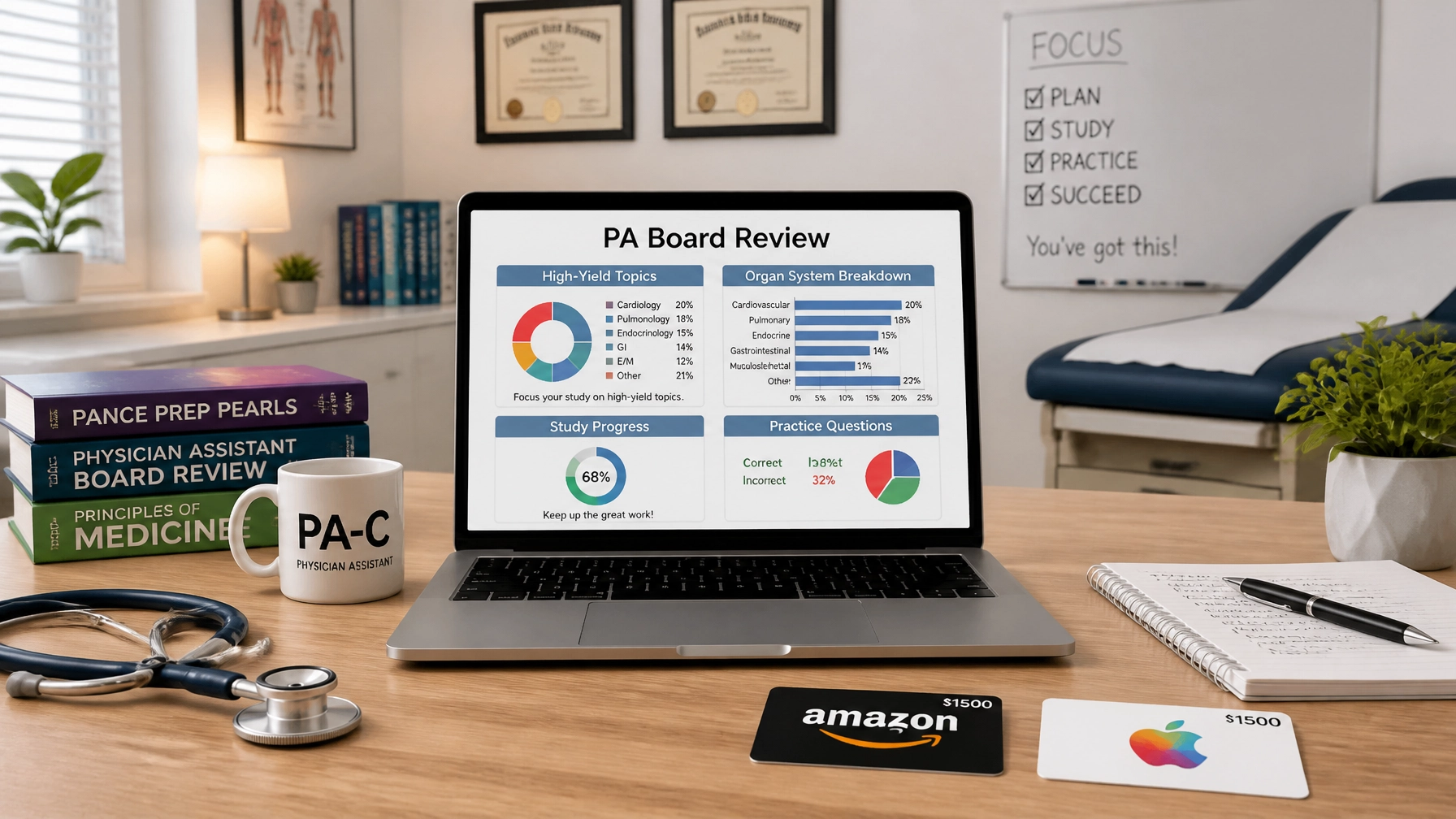
One of the most significant errors is selecting a course based solely on a "free" incentive. It is important to clarify: the Amazon and Apple gift cards offered at CME Review Courses are NOT free gifts. They are add-ons that you choose to include in your package.
When you purchase our panre review course, you are paying for high-yield medical education. The option to add a $100 to $1,500 gift card allows you to bundle your educational needs with tools: like a new iPad for viewing lectures or medical reference books from Amazon: that further enrich your learning.
2. Underestimating the Volume of Questions Needed
Preparation for the PANRE or PANCE requires more than just passive listening. A common mistake is buying a budget-friendly course that only offers a few hundred questions. To truly master the NCCPA Blueprint, you need volume and variety.
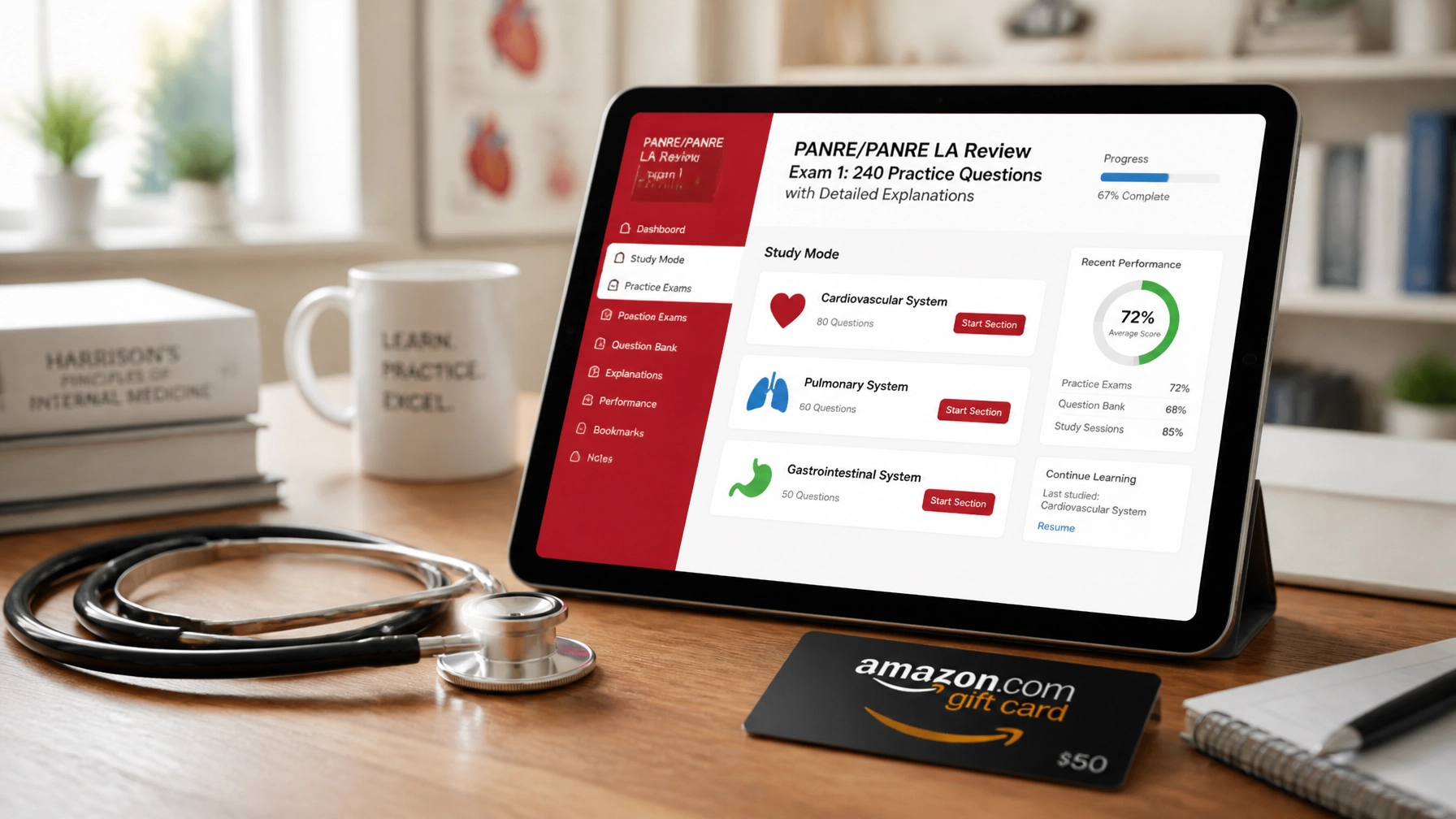
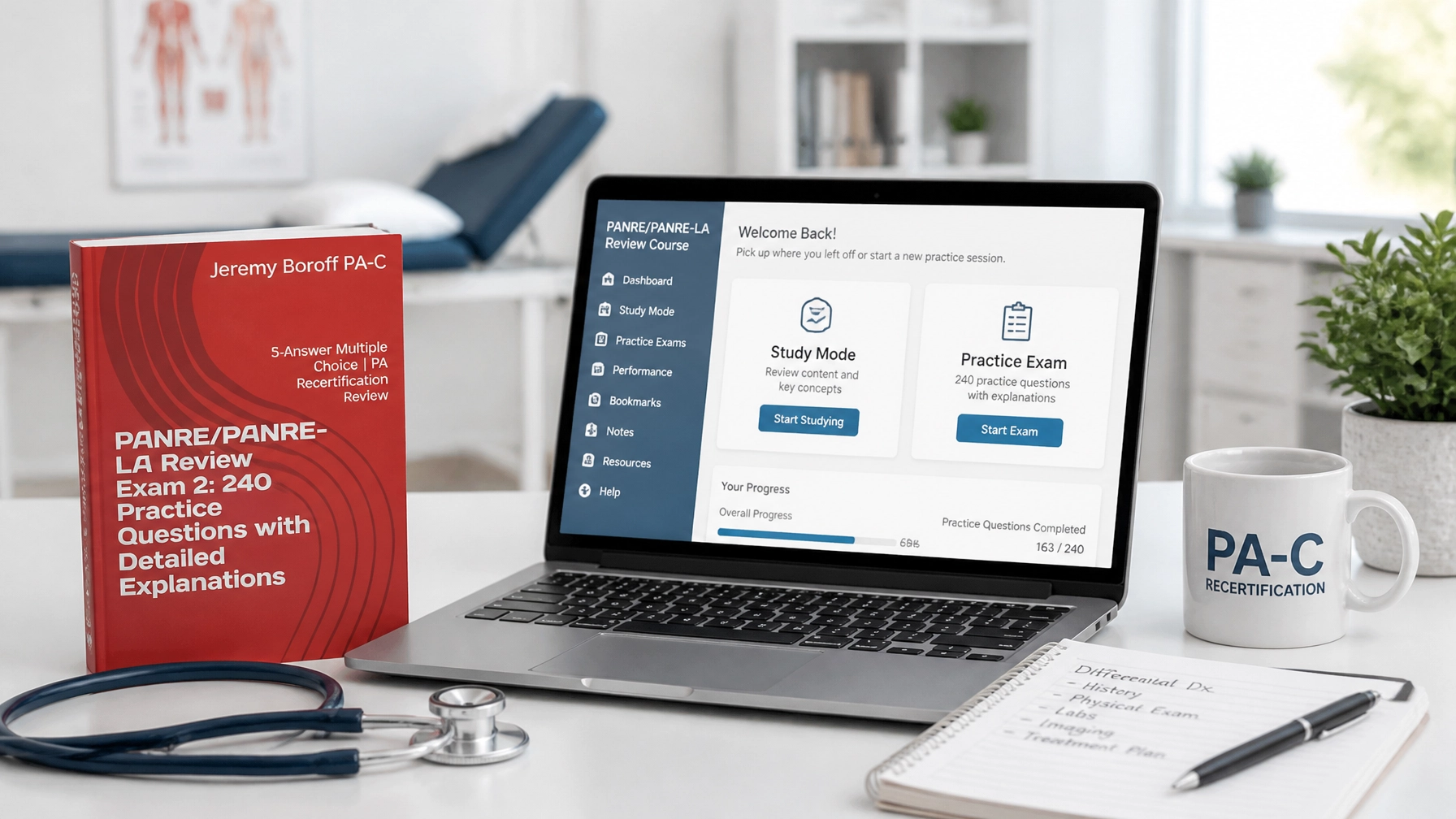
Our comprehensive PANRE Review Course includes 1,672 PANCE-style multiple-choice questions. Each question is accompanied by a detailed explanation that doesn't just give you the answer but explains the clinical reasoning behind it.

3. Ignoring Content Access Duration
Most CME courses provide 6 to 12 months of access. For a PA in the middle of a busy recertification cycle, that window can close remarkably fast. If you don't pass on the first attempt or if your study schedule gets derailed by clinical duties, you're forced to pay again.
We provide 30 months of access to our materials. This ensures that whether you are a student using the PACKRAT Review Course or a practicing PA prepping for the PANRE-LA, your resources are available when you actually need them.
4. Failing to Align with the NCCPA Blueprint
Studying "everything" is the fastest way to burn out. A frequent mistake is using broad Internal Medicine resources that don't weigh topics according to the actual exam distribution. For instance, the NCCPA weighs Cardiovascular and Pulmonary systems heavily.
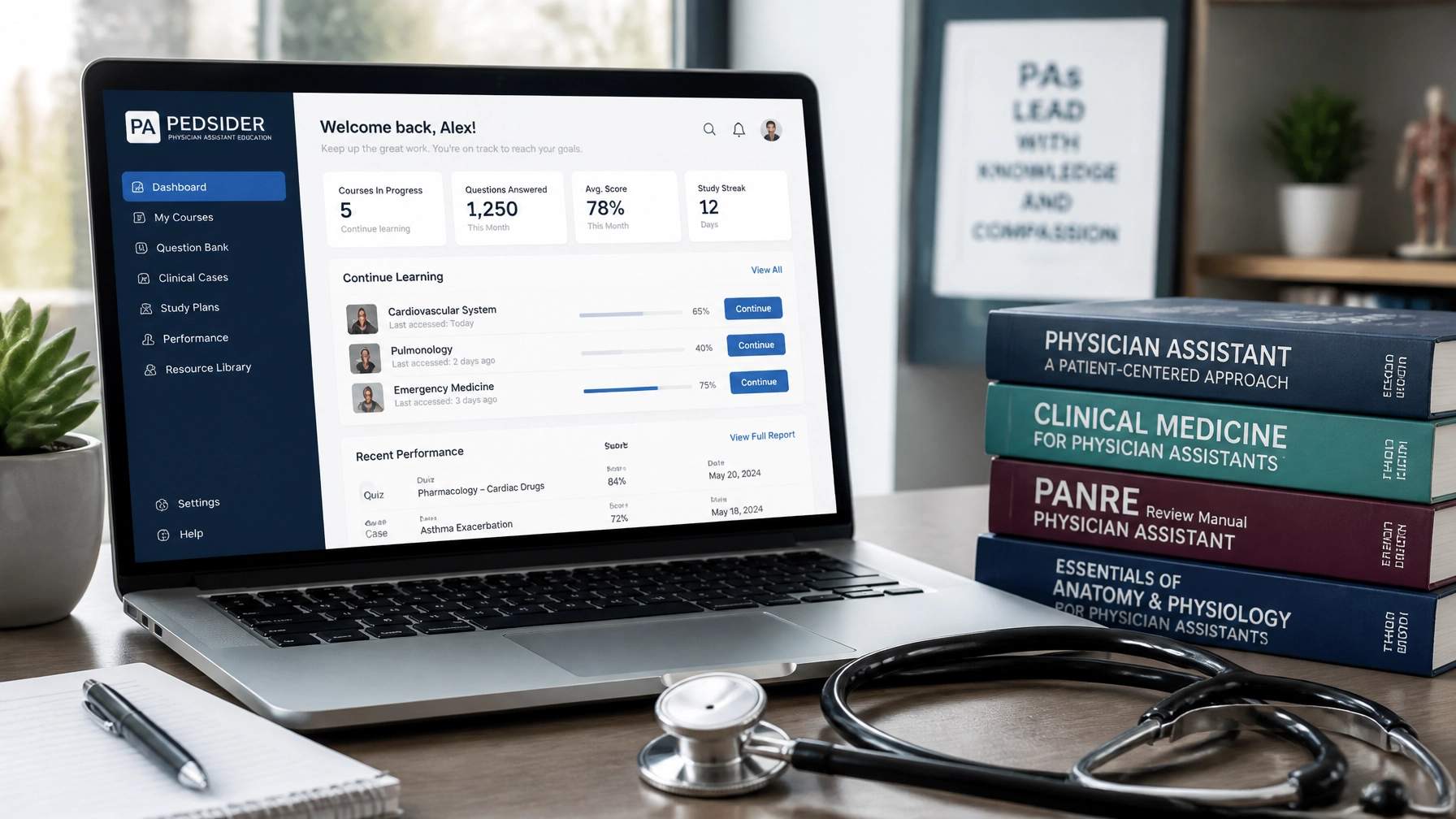
Our content is meticulously organized by the NCCPA Blueprint. From Cardiovascular to Infectious Disease, each section is designed to mirror the exam’s breakdown, ensuring you spend the most time on the topics that appear most frequently.
5. Not Maximizing Category 1 Credits
Every PA knows the pressure of the 100-hour CME cycle. A common mistake is piecing together 1-hour or 2-hour credits from various free webinars. This is inefficient.
The PANRE Review Course offers 100 hours of Category 1 AAPA CME credit in one single, cohesive package. It is the most efficient way to meet your certification requirements while simultaneously preparing for your high-stakes exam.
6. Overlooking Specialty Gaps
If you work in a subspecialty like Orthopedics or Dermatology, your general Internal Medicine skills may have atrophied. Many PAs forget to buy CME that addresses these gaps.
Our packages, including the Internal Medicine Hospitalist CME, are written by PAs for PAs to bridge these exact gaps. We focus on the high-yield clinical pearls you need for the floors and the boards.

7. Leaving CME Money on the Table
If your employer provides a $2,500 CME allowance and you only spend $400 on a basic course, you are effectively turning down part of your compensation package.
By using the gift card add-on model, you can scale your purchase to match your specific budget. Whether you need an Amazon Gift Card for $1,000 to stock your medical library or an Apple Gift Card for a new MacBook, you can tailor your CME purchase to ensure no part of your allowance goes to waste.
Internal Medicine Clinical Case Study
Practice Question for PANRE Review
Scenario:
Your patient is a 72-year-old male with a history of hypertension, Type 2 Diabetes, and a previous myocardial infarction (MI) three years ago. He presents to the Emergency Department with a 3-day history of worsening dyspnea on exertion and orthopnea, now requiring three pillows to sleep.
Physical Exam:
- BP: 158/94 mmHg
- HR: 102 bpm
- SaO2: 91% on room air
- Exam: Positive Jugular Venous Distension (JVD) at 45 degrees, 2+ bilateral pitting edema to the mid-shin, and an audible S3 gallop on cardiac auscultation. Bibasilar crackles are noted on lung exam.
Question:
Which of the following is the most appropriate initial diagnostic test to confirm the suspected diagnosis and assess the severity of this patient's condition?
A) Chest X-ray
B) Transthoracic Echocardiogram
C) Plasma B-type Natriuretic Peptide (BNP)
D) Twelve-lead EKG

Explanation
Correct Answer: B) Transthoracic Echocardiogram
Transthoracic Echocardiogram is the correct answer because it is the "gold standard" for the initial evaluation of suspected heart failure. It allows for the measurement of the Left Ventricular Ejection Fraction (LVEF), which differentiates between Heart Failure with Reduced Ejection Fraction (HFrEF) and Heart Failure with Preserved Ejection Fraction (HFpEF). It also assesses valvular function and wall motion abnormalities, which are critical given this patient’s history of MI.
- A) Chest X-ray: While a CXR is useful for identifying pulmonary congestion, cardiomegaly, or Kerley B lines, it cannot confirm the underlying cardiac etiology or assess ejection fraction.
- C) Plasma BNP: BNP is highly sensitive for diagnosing heart failure in an acute setting (helping to rule it out if low), but it is a biomarker of wall stress and does not provide the structural or functional assessment required for a definitive diagnosis and management plan.
- D) Twelve-lead EKG: An EKG should be performed in all patients with suspected heart failure to look for evidence of previous MI, LVH, or arrhythmias (like A-fib), but it is not a confirmatory test for the diagnosis of heart failure itself.
Take Control of Your Education
Don't settle for generic CME that doesn't move the needle on your clinical knowledge. Our Family Medicine CME Package and PANRE Review Course provide the most efficient path to 100 hours of Category 1 AAPA credit.
Ready to maximize your budget? Choose your gift card add-on ($100-$1500) and get 30 months of access to the best pance prep courses available.