
Posted on

The Simple Trick to Maximize Your AAPA Category 1 Credit Right Now

Maintaining your NCCPA certification requires strategic management of your continuing medical education (CME) budget and time. For physician assistants, the most efficient method to fulfill credit requirements involves leveraging specific categories of credit that offer weighted value. The "simple trick" to maximizing your AAPA Category 1 Credit lies in the NCCPA’s incentive for self-assessment activities.

PANRE Review Course CME Package (100 Hours AAPA Cat 1 CME)

  • Price: $399.99
  • Duration of Access: 30 months
  • Deliverables: 17 hours of video lecture, 1,672 board-style review questions
  • Credit Type: 100 AAPA Category 1 Self-Assessment CME Credits

The 1.5x Multiplier: How 100 Hours Becomes 150

The NCCPA currently applies a 50% additional weighting to all AAPA Category 1 Self-Assessment CME credits logged for certification maintenance. When you complete the PANRE Review Course, you earn 100 hours of designated self-assessment credit. However, when these are entered into your NCCPA portal, the system automatically applies a 1.5x multiplier.

This means a single course provides 150 hours of credit toward your 100-hour two-year cycle requirement. This effectively completes your entire Category 1 requirement and provides a significant surplus for your total credit count, allowing you to focus on clinical practice rather than chasing last-minute hours.

CME with Gift Card Add-Ons

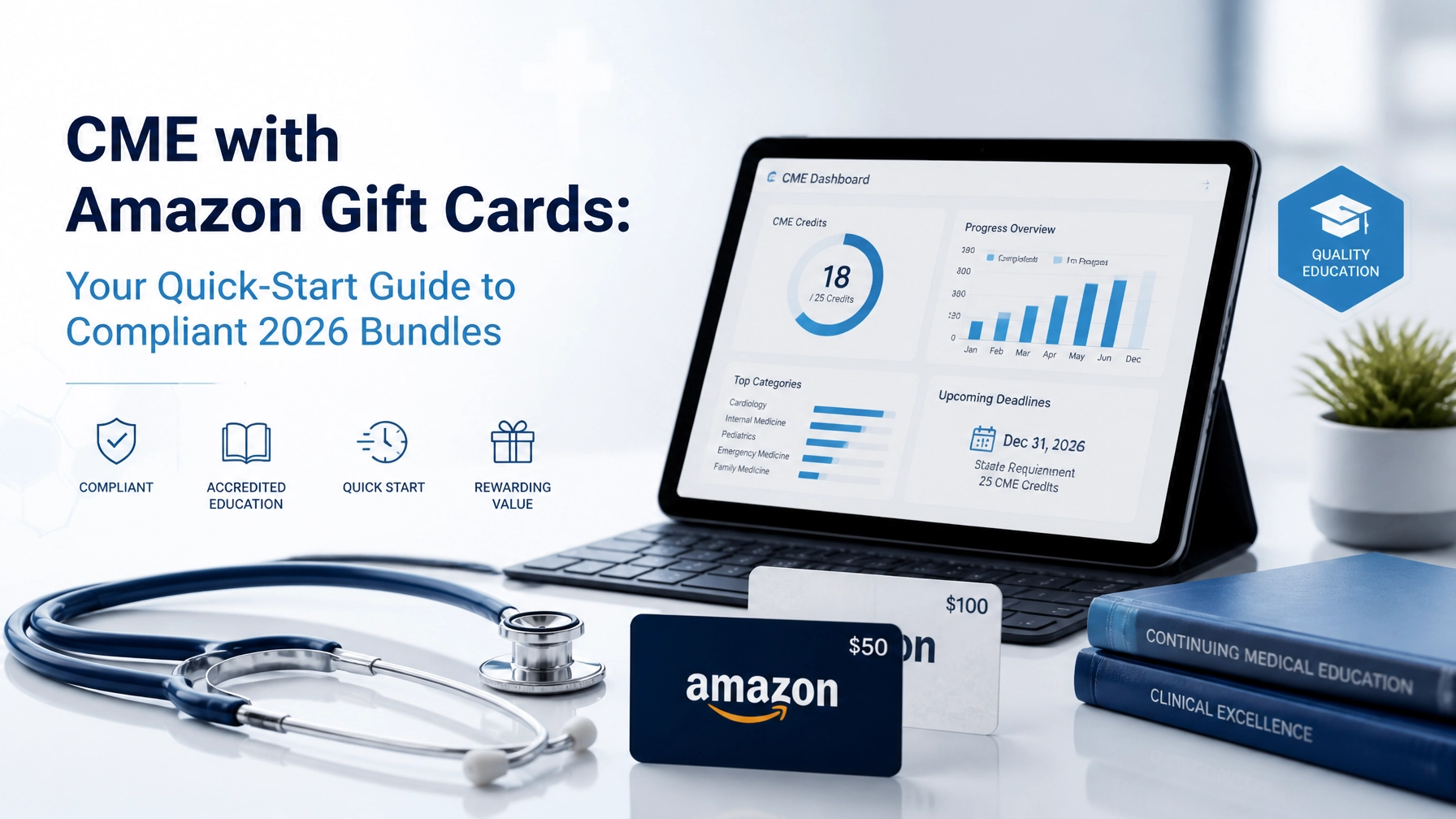
Maximizing your CME also involves the pragmatic use of employer-provided stipends. We offer CME with Gift Card options that allow you to bundle educational materials with an Amazon or Apple gift card. This ensures you utilize your full professional development allowance efficiently.

  • Add-on Range: $100 to $1500
  • Processing: Gift cards are delivered via email within 2-3 business days.
  • Transparency: The total cost, including the gift card value, is reflected in a single package price.

CME with Gift Card Options

Clinical Review and High-Yield Content

The course content is structured around the NCCPA Blueprint, covering essential organ systems including Cardiology, Pulmonology, and GI. With 17 hours of video lecture and over 1,600 questions, the curriculum is designed to simulate the rigor of the PANRE while providing practical clinical pearls.

The Internal Medicine Hospitalist CME Package and the Emergency Medicine CME Package also offer high-value review for PAs and NPs working in acute care settings. While these provide Category 1 credit, the 150-hour bonus trick is specific to the self-assessment designation of the PANRE Review Course.


Clinical Assessment: Practice Questions

Question 1

Your patient is a 64-year-old male presenting with a 2-hour history of palpitations and lightheadedness. He has a history of hypertension and stable angina. Vital signs show a HR of 142 bpm (irregular), BP 118/74 mmHg, and SaO2 96% on room air. An EKG confirms atrial fibrillation with a rapid ventricular response. There is no evidence of acute ST-segment changes. What is the most appropriate initial pharmacological intervention for rate control in this patient?

A. Amiodarone
B. Diltiazem
C. Adenosine
D. Digoxin

Answer: B. Diltiazem. In a hemodynamically stable patient with atrial fibrillation and RVR, calcium channel blockers (like Diltiazem) or beta-blockers are the first-line agents for rate control. Amiodarone is typically reserved for rhythm control or when other agents are contraindicated. Adenosine is used for regular, narrow-complex tachycardias (SVT), not atrial fibrillation. Digoxin is less effective for acute rate control, especially in patients with high sympathetic tone.

Question 2

A 28-year-old female presents with a "honey-colored" crusted lesion on her upper lip that has been present for three days. She denies fever or systemic symptoms. She has no known drug allergies. Physical exam reveals non-bullous erythematous papules with overlying golden crusting. What is the first-line topical treatment for this condition?

A. Hydrocortisone cream
B. Ketoconazole cream
C. Mupirocin ointment
D. Valacyclovir

Answer: C. Mupirocin ointment. The clinical presentation is classic for non-bullous impetigo, typically caused by S. aureus or S. pyogenes. Mupirocin is the gold standard for localized topical treatment. Hydrocortisone is a steroid and would be inappropriate for an active infection. Ketoconazole is an antifungal. Valacyclovir is an antiviral used for herpes simplex, which would typically present with grouped vesicles on an erythematous base, not honey-colored crusting.

Question 3

Your patient is a 55-year-old male with a history of COPD who presents with increased dyspnea and productive cough. His BP is 135/85 mmHg, HR 105 bpm, and SaO2 89% on 2L NC. Chest X-ray shows hyperinflation but no acute infiltrates. You decide to start him on a short-acting bronchodilator. Which of the following best describes the mechanism of action of Albuterol?

A. Antagonism of muscarinic M3 receptors
B. Inhibition of phosphodiesterase-4
C. Stimulation of beta-2 adrenergic receptors
D. Blockade of leukotriene receptors

Answer: C. Stimulation of beta-2 adrenergic receptors. Albuterol is a short-acting beta-agonist (SABA) that stimulates beta-2 receptors in the lungs, leading to bronchial smooth muscle relaxation. Muscarinic M3 antagonism is the mechanism for anticholinergics like Ipratropium. Phosphodiesterase-4 inhibition is the mechanism for Roflumilast. Leukotriene receptor blockade is the mechanism for Montelukast.


Maximizing Your Learning Efficiency

Educational efficiency is not just about the number of hours logged, but the quality of the review. By choosing a course that meets the NCCPA Blueprint requirements and offers the 1.5x self-assessment bonus, you maximize both your time and your professional credentials.

For those looking to focus specifically on pharmacological principles, our Pharmacology Review Course provides high-yield content that counts toward Category 1 credit, though it does not carry the same 50% bonus as the self-assessment PANRE course.

Study Efficiency

Key Takeaways for Your Next CME Purchase:

  1. Verify the Credit Type: Ensure the course is designated as "Self-Assessment" to get the 50% NCCPA bonus.
  2. Check Access Limits: Look for courses with 30-month access to ensure long-term utility.
  3. Utilize Stipends: Use CME with Gift Card options to maximize your employer benefits.

By following this "simple trick," you can secure 150 hours of NCCPA credit with 100 hours of actual work, leaving more time for your patients and your personal life.

Posted on

Why CME Gift Cards Will Change the Way You Use Your Employer Stipend

Course Title: PANRE Review Course with Gift Card Add-on
Credits: 100 Hours AAPA Category 1 Credit
Gift Card Add-on: $100 – $1500 (Amazon or Apple)
Access: 30 Months
Quantifiable Deliverables: Comprehensive Question Bank, Video Curriculum, and Supplemental Clinical Content

Most physician assistants receive a fixed annual CME stipend. Whether your employer provides $1,500 or $3,000, that money is often "use it or lose it." If you do not exhaust the funds by the end of the fiscal year, that benefit disappears. Traditional CME involves paying for a conference or a single-subject course, but these methods often leave a significant portion of your stipend untouched or force you to pay out-of-pocket for the gear you actually need to practice medicine.

The strategic use of cme gift cards solves this inefficiency. By selecting a high-yield review course that allows for an Amazon or Apple gift card add-on, you are maximizing the value of your employer’s investment in your education while equipping yourself with the tools necessary for clinical excellence.

The Efficiency of CME with Amazon Gift Card Add-ons

When you purchase a cme with amazon gift card bundle, you are essentially streamlining your professional development. At CME Review Courses, we provide an efficient way to utilize your CME money. Instead of just buying a course, you are purchasing a package that includes the education required for your PANRE or PANRE-LA, plus a gift card ranging from $100 to $1,500.

Professional PA

For many PAs, this is the most practical way to acquire new medical equipment, textbooks, or technology. If you need a new Littmann stethoscope, a high-end tablet for viewing imaging in the clinic, or a library of specialty-specific reference books, a CME with Gift Card option allows you to secure those items using your pre-allocated stipend.

Accredited Education for Every Specialty

While the focus is often on the gift card, the core of our program is high-level clinical education. Our content is written by physician assistants for physician assistants, ensuring that the material is relevant to your daily practice and your board exams.

  • PANRE Review: Our flagship course offers 100 hours of AAPA Category 1 credit. This is specifically designed to cover the NCCPA Blueprint, ensuring you are prepared for recertification.
  • Pharmacology: We offer Category 1 AAPA CME Credit in Pharmacology, essential for maintaining prescriptive authority in many states.
  • Specialty Content: Our packages include in-depth reviews of Emergency Medicine, Family Medicine, Internal Medicine, Orthopedics, Dermatology, Psychiatry, Neurology, Cardiology, and OB/GYN.

While our primary audience is physician assistants, we also see significant value for Internal Medicine Physicians and Nurse Practitioners. For physicians, our courses typically count for Category 2 CME. For Nurse Practitioners, the ability to claim Category 1 AAPA credit toward their requirements varies by state, but the educational value remains consistent across all platforms.

Maximizing Your Employer Stipend

The primary goal of a CME stipend is to ensure you remain a competent, up-to-date clinician. However, the logistical reality of practice is that you also need physical resources.

Gift Card Digital Transaction

By selecting a package with a gift card add-on, you are effectively "topping off" your stipend. If your employer provides $2,500 and the necessary board review costs $1,000, you have $1,500 of unused benefit. By adding a $1,500 Amazon or Apple gift card, you utilize the full $2,500 stipend. This provides you with the PANRE Review Course and $1,500 in credit to use on Amazon for medical supplies, scrubs, or further educational materials.

This approach is not about circumventing professional development; it is about ensuring that every dollar allocated for your growth is utilized.


Clinical Assessment: Internal Medicine Practice Question

To maintain the high standards of clinical knowledge required for the PANRE, review the following clinical vignette.

Patient Scenario

Your patient is a 64-year-old male presenting with a 3-day history of progressive shortness of breath and a productive cough with "rust-colored" sputum. He reports a sudden onset of rigors followed by a high fever. His medical history is significant for COPD and tobacco use (30 pack-years).

Vital Signs:

  • Temp: 102.4°F (39.1°C)
  • HR: 112 bpm
  • BP: 110/70 mmHg
  • RR: 24 breaths/min
  • SaO2: 90% on room air

Physical Exam:
Dullness to percussion and increased tactile fremitus are noted in the right lower lobe. Auscultation reveals bronchial breath sounds and late inspiratory crackles in the same region.

Question:
Which of the following is the most likely causative organism for this patient's presentation?

A) Mycoplasma pneumoniae
B) Streptococcus pneumoniae
C) Klebsiella pneumoniae
D) Legionella pneumophila

Explanation

The correct answer is B) Streptococcus pneumoniae.

Streptococcus pneumoniae remains the most common cause of community-acquired pneumonia (CAP), especially in patients with "rust-colored" sputum and a lobar consolidation pattern. This patient presents with classic signs of typical pneumonia: sudden onset, high fever, rigors, and physical exam findings consistent with consolidation (increased tactile fremitus and bronchial breath sounds).

  • Mycoplasma pneumoniae (Choice A) typically presents as "atypical" pneumonia with a more subacute onset, non-productive cough, and constitutional symptoms like headache or bullous myringitis.
  • Klebsiella pneumoniae (Choice C) is more common in patients with chronic alcoholism or diabetes and typically presents with "currant jelly" sputum.
  • Legionella pneumophila (Choice D) is often associated with gastrointestinal symptoms (diarrhea), hyponatremia, and exposure to contaminated water sources.

Medical Specialty Collage

Conclusion: Making the Right Choice for Your Career

The choice of CME provider should be based on the quality of the content and the efficiency of the transaction. Our courses, such as the Internal Medicine and Hospitalist CME Package, are designed to keep you at the forefront of medical knowledge while respecting the financial structure of your professional benefits.

Don't let your employer stipend go to waste. Use it to secure your 100 hours of Category 1 AAPA credit and get the Amazon or Apple gift card you need to enhance your clinical practice.

Posted on

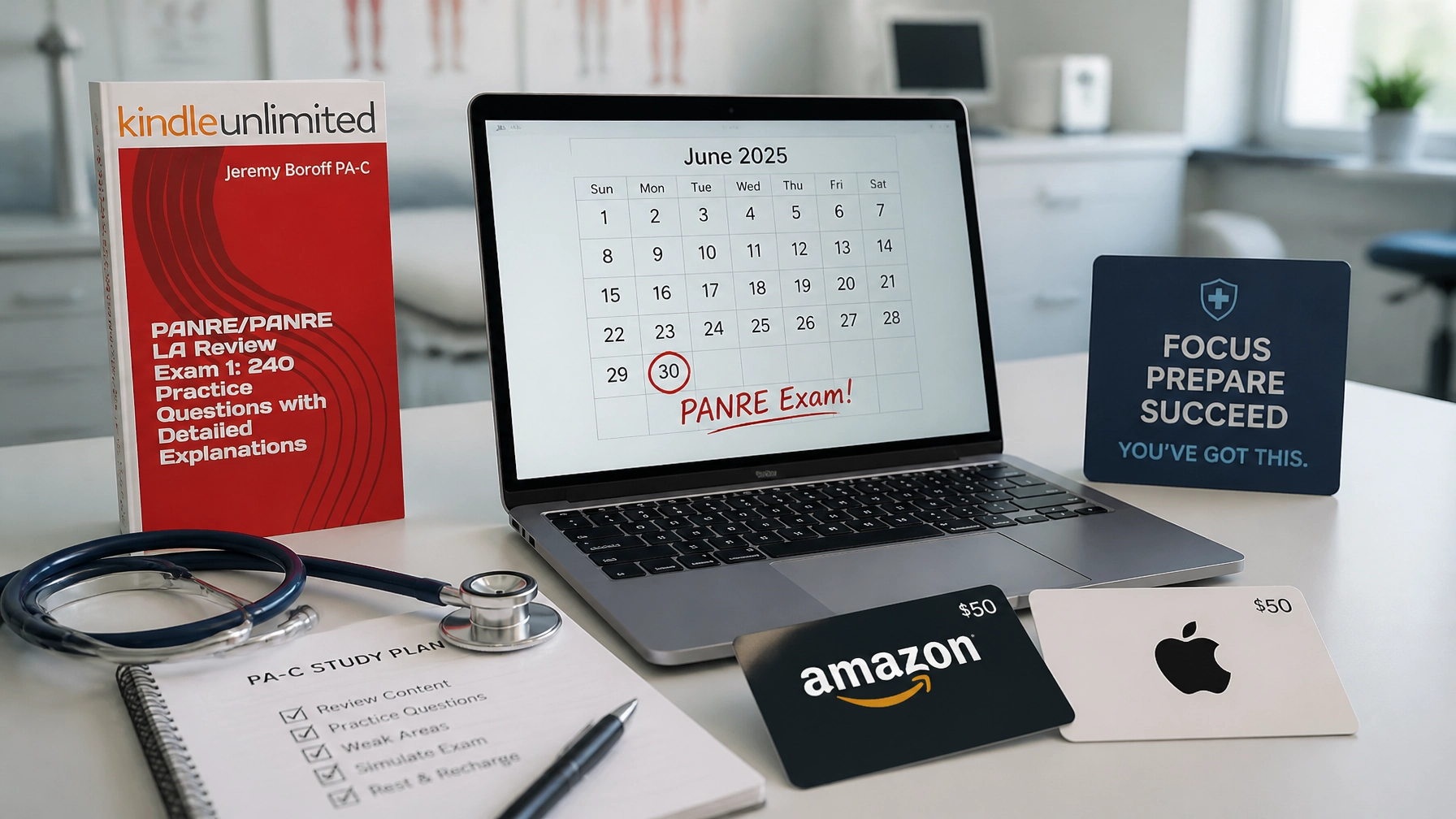
PANRE Vs PANRE-LA: Which Is Better For Your Recertification Style?

PANRE vs PANRE-LA Comparison

Price: $495.00 – $2,195.00 (Depending on Gift Card Add-On)
Credits: 100 Hours of AAPA Category 1 CME Credit
Access: 1 Year or 2 Years (Based on Selection)
Deliverables: Comprehensive Video Review, Practice Questions, Optional Amazon or Apple Gift Card Add-On ($100 – $1500)

Choosing between the traditional Physician Assistant National Recertifying Exam (PANRE) and the newer PANRE-Longitudinal Assessment (PANRE-LA) is a critical career decision. Both pathways lead to the maintenance of your PA-C credential, but the logistical requirements and study demands differ significantly. Whether you prefer a single-day, high-stakes assessment or an ongoing, multi-year process, our PANRE Review Course is designed to ensure you meet the passing standard while earning 100 hours of AAPA Category 1 Credit.

The Traditional PANRE: One and Done

The traditional PANRE remains the standard for PAs who prefer to consolidate their recertification into a single event. This path is often chosen by those who have a high degree of confidence in standardized testing or those who simply wish to "get it over with" during their 10th year of the certification cycle.

Format and Delivery

The traditional PANRE is a four-hour, 240-question exam administered at a Pearson VUE testing center. It is a proctored, closed-book exam. You have approximately 60 seconds per question. This format requires intense, short-term preparation. Successful PAs typically dedicate several weeks or months to reviewing the NCCPA Blueprint topics.

Pros of the Traditional PANRE:

  • Time Efficiency: The actual assessment occurs in a single day.
  • Predictability: The format has remained consistent for years.
  • Back-up Attempts: If you fail, you have up to three attempts in your final year of the 10-year cycle.

Cons of the Traditional PANRE:

  • High Stress: The weight of recertification rests on a single four-hour block.
  • Travel Required: You must commute to a physical testing center.
  • No Feedback: You do not receive immediate rationales for missed questions.

Comparison Infographic

The PANRE-LA: A Longitudinal Approach

The PANRE-LA is a permanent option for PAs in their recertification window (starting in year 6 of the 10-year cycle). It is designed to emphasize learning over testing, providing immediate feedback and allowing the use of resources.

Format and Delivery

The PANRE-LA is administered online over three years. You are presented with 25 questions every quarter for 12 quarters. You must complete at least 8 out of the 12 quarters. You have 5 minutes per question, and the exam is open-book. This means you can utilize the CME Review Courses content or other medical references while answering.

Pros of the PANRE-LA:

  • Lower Stress: Questions are spread out, and no single question carries the weight of the entire certification.
  • Learning-Oriented: You receive the correct answer and a rationale immediately after answering.
  • Flexibility: You can complete questions at home or in your office on any compatible device.
  • CME Credits: Completing the quarters also earns you self-assessment Category 1 CME credit from the NCCPA.

Cons of the PANRE-LA:

  • Ongoing Commitment: You must remember to log in and complete questions every quarter for several years.
  • Longer Wait: You do not receive your final "pass" notification until you have completed enough quarters to meet the passing standard.

Maximizing Your CME Money

Regardless of the path you choose, you need a high-yield review. Our CME with Gift Card packages allow you to use your employer-provided CME stipend efficiently. By adding an Amazon or Apple gift card (ranging from $100 to $1500) to your purchase, you can obtain the necessary medical hardware or textbooks to support your PANRE or PANRE-LA prep while earning your required AAPA Category 1 Credit.

PANRE Review Book 1

Clinical Practice Assessment

To maintain your certification, you must demonstrate proficiency across all organ systems in the NCCPA Blueprint. Below are practice vignettes to test your clinical knowledge.

Question 1

Your patient is a 62-year-old male presenting to the emergency department with a two-day history of worsening dyspnea and a productive cough with "rust-colored" sputum. He reports a sudden onset of shaking chills and a pleuritic chest pain on the right side.
Vitals: Temp 102.4°F (39.1°C), HR 110 bpm, BP 118/72 mmHg, RR 24 bpm, SaO2 91% on room air.
Physical Exam: Dullness to percussion and increased tactile fremitus over the right lower lobe.

Which of the following is the most likely causative organism?
A. Mycoplasma pneumoniae
B. Streptococcus pneumoniae
C. Klebsiella pneumoniae
D. Legionella pneumophila

Correct Answer: B. Streptococcus pneumoniae
Explanation: Streptococcus pneumoniae is the most common cause of community-acquired pneumonia and is classically associated with "rust-colored" sputum and a sudden onset of rigors. Physical findings of consolidation (dullness to percussion, increased fremitus) are typical. Mycoplasma usually presents with a more subacute, non-productive cough ("walking pneumonia"). Klebsiella is associated with "currant jelly" sputum and often occurs in patients with alcohol use disorder. Legionella typically presents with gastrointestinal symptoms and hyponatremia.

Clinical Vignette Patient

Question 2

Your patient is a 28-year-old female presenting with a 3-day history of lower abdominal pain, dysuria, and a new vaginal discharge. She admits to having multiple new sexual partners over the last month and inconsistent condom use.
Vitals: Temp 101.1°F (38.4°C), HR 92 bpm, BP 110/68 mmHg.
Physical Exam: Significant cervical motion tenderness (Chandelier sign) and adnexal tenderness on bimanual exam. No adnexal masses are palpated.

What is the most appropriate next step in the management of this patient?
A. Perform an abdominal CT scan to rule out appendicitis
B. Initiate outpatient treatment with Ceftriaxone 500mg IM and Doxycycline 100mg BID for 14 days
C. Order a pelvic ultrasound to rule out a tubo-ovarian abscess
D. Admit for intravenous Cefotetan and Doxycycline

Correct Answer: B. Initiate outpatient treatment with Ceftriaxone 500mg IM and Doxycycline 100mg BID for 14 days
Explanation: This patient meets the CDC clinical criteria for Pelvic Inflammatory Disease (PID) (cervical motion tenderness or adnexal tenderness). In the absence of a palpable mass, high fever (usually >102.2°F), or inability to tolerate oral medications, outpatient therapy with Ceftriaxone and Doxycycline is the standard of care. An ultrasound (Choice C) is useful if a tubo-ovarian abscess is suspected (e.g., adnexal mass), but should not delay the initiation of antibiotics. Admission (Choice D) is reserved for more severe clinical presentations or failed outpatient therapy.

PANRE Review Book 2

Conclusion: Tailoring to Your Style

If you are a PA who thrives under pressure and wants to minimize the time spent in "test mode," the traditional PANRE is your best bet. If you prefer a continuous learning environment with less stress and the ability to look up information, the PANRE-LA is the superior choice.

Regardless of your decision, ensure you have a comprehensive review program. Our PANRE Review Course covers all aspects of the NCCPA Blueprint with content written by PAs, for PAs. Earn 100 hours of AAPA Category 1 Credit and maximize your education budget with our gift card add-on options today.

Posted on

The Simple Trick to Improve Your Family Medicine PANCE Prep and Add a $1500 Gift Card to Your 100-Credit CME Purchase

A professional Physician Assistant reviewing clinical data with educational resources and gift card add-ons nearby.

Product: PANRE Review Course (100 AAPA Category 1 CME Credits)
Price: $649.00 – $2,149.00 (depending on gift card add-on selection)
Access: Instant digital access upon purchase
Deliverables: 100 Category 1 AAPA CME Credits, comprehensive clinical review modules, and practice questions.

Preparing for the PANCE or PANRE while working in Family Medicine requires a specific strategy. You deal with the broadest spectrum of patients: from pediatrics to geriatrics: meaning your review must be high-yield and efficient. The most effective way to improve your scores is to focus on the NCCPA blueprint percentages and integrate high-quality practice questions into your daily routine.

At CME Review Courses, we provide the panre review course designed by Physician Assistants for Physician Assistants. Our goal is to streamline your study process while helping you maximize your employer-provided CME budget.

The CME Gift Card Add-On Advantage

Many PAs have annual CME allowances that must be used or lost. A significant trick to enhancing your education is utilizing our cme gift cards add-on options. When you purchase our 100-credit PANRE Review Course, you have the option to add an Amazon or Apple Gift Card ranging from $100 up to $1500.

Important Note: These gift cards are NOT free gifts. They are add-ons that increase the total price of your CME package. This allow you to use your CME funds to acquire the tools you need for further education: like a new iPad for clinical rotations, medical reference books on Amazon, or upgraded diagnostic tools.

Family Medicine EOR and PANCE Review Book Cover

High-Yield Family Medicine Strategy

Family Medicine accounts for a massive portion of the primary care focus on the NCCPA exams. To succeed, you must master "bread-and-butter" medicine. This includes chronic disease management and recognizing when an outpatient presentation requires an urgent referral.

1. Cardiology (13% of PANCE/PANRE)

Hypertension management is the cornerstone of Family Medicine. You must know the JNC 8 and AHA/ACC guidelines cold.

  • Initial Therapy: Thiazide-type diuretics, CCBs, ACE inhibitors, or ARBs.
  • Comorbidities: Use ACE inhibitors or ARBs for patients with CKD or Diabetes.
  • Murmurs: Identify Aortic Stenosis (harsh systolic murmur at right 2nd intercostal space) and Mitral Regurgitation (holosystolic murmur at the apex radiating to the axilla).

2. Pulmonology (10% of PANCE/PANRE)

Asthma and COPD are high-frequency topics.

  • Asthma: Understand the stepwise approach. If a patient is using their SABA more than twice a week, it is time to move to a low-dose ICS.
  • Pneumonia: Differentiate between CAP and HAP. Know the CURB-65 criteria to determine if a patient requires hospitalization.

EKG Guide for Cardiology Review

3. Endocrinology (7% of PANCE/PANRE)

Diabetes management is a daily task in Family Medicine.

  • Metformin: The first-line agent. Monitor B12 levels and renal function (stop if GFR < 30).
  • Thyroid: Know the lab patterns for Graves’ (Low TSH, High T4) and Hashimoto’s (High TSH, Low T4).

Maximizing Your Review

Using pance prep courses that offer 100 hours of AAPA Category 1 credit ensures you meet your entire two-year requirement in a single purchase. Our content covers Emergency Medicine, Family Medicine, Internal Medicine, Orthopedics, Dermatology, Psychiatry, Neurology, Cardiology, and OB/GYN.

While the 100-hour credit designation applies specifically to our PANRE Review Course, practitioners in all specialties find value in the breadth of our clinical updates.

Clinical EENT Examination Illustration

Clinical Practice Questions

Scenario 1: Cardiology

Your patient is a 64-year-old male with a history of hypertension and tobacco use who presents with exertional chest pain. He describes it as a "heaviness" that resolves with rest. Physical exam reveals a harsh systolic crescendo-decrescendo murmur heard best at the right second intercostal space.

Which of the following is the most likely diagnosis?
A. Mitral Valve Prolapse
B. Aortic Stenosis
C. Hypertrophic Cardiomyopathy
D. Pulmonary Embolism

Correct Answer: B. Aortic Stenosis.
The classic description of a harsh systolic murmur at the right upper sternal border that radiates to the carotids is pathognomonic for aortic stenosis. Mitral valve prolapse would present with a mid-systolic click. Hypertrophic cardiomyopathy typically presents in younger patients and the murmur decreases with squatting. Pulmonary embolism would present with acute dyspnea and tachycardia, not a classic murmur.

Scenario 2: Pulmonology

Your patient is a 24-year-old female complaining of a cough and wheezing that occurs three times per week. She is awakened by these symptoms twice a month. She currently only uses an Albuterol inhaler as needed.

What is the next best step in her pharmacological management?
A. Add a Long-Acting Beta-Agonist (LABA)
B. Add a Low-Dose Inhaled Corticosteroid (ICS)
C. Add Oral Prednisone for 5 days
D. Increase Albuterol use to daily

Correct Answer: B. Add a Low-Dose Inhaled Corticosteroid (ICS).
The patient’s symptoms (3x/week) and nocturnal awakenings (2x/month) classify her as having Mild Persistent Asthma. According to current guidelines, the first-line maintenance therapy for mild persistent asthma is a low-dose ICS. LABAs should never be used as monotherapy. Oral steroids are reserved for acute exacerbations.

Scenario 3: Gastroenterology

Your patient is a 45-year-old male presenting with epigastric pain that is "burning" in nature. He notes the pain is often relieved by eating but returns 2-3 hours after a meal. He takes Ibuprofen daily for chronic back pain.

Which diagnostic test is the gold standard for confirming the suspected diagnosis?
A. Urea Breath Test
B. Stool Antigen Test
C. Upper Endoscopy (EGD)
D. Abdominal CT Scan

Correct Answer: C. Upper Endoscopy (EGD).
The patient's symptoms are classic for Peptic Ulcer Disease (PUD), specifically a duodenal ulcer (relieved by food). While Urea Breath and Stool Antigen tests can detect H. pylori, EGD is the gold standard for direct visualization and biopsy to rule out malignancy and confirm the ulcer. CT scans are not the primary modality for diagnosing PUD unless perforation is suspected.

Comprehensive PANCE Review Book Cover

Efficient CME for Busy PAs

We understand that you are busy. Our panre review course provides a rigid, predictable structure that allows you to absorb information quickly. You can access the materials on your own schedule.

If you are looking for the best way to utilize your CME budget, consider the cme gift cards add-on. Whether you need an Amazon card for a new library of medical texts or an Apple card for clinical hardware, we provide a seamless way to integrate these tools into your professional development purchase.

For those focusing on specific areas, we also offer specialized content such as our Cardiovascular Review and Endocrine Review. However, for the full 100 Category 1 AAPA credits, the PANRE Review Course with Gift Card remains the most popular option for PAs and NPs nationwide.

Conclusion

Improving your Family Medicine PANCE prep is about high-yield content and smart resource management. By choosing a course that offers both clinical excellence and the flexibility of gift card add-ons, you are setting yourself up for success on exam day and in your daily practice.

Visit CME Review Courses today to browse our full catalog and select the gift card add-on that best fits your educational needs.

Posted on

Internal Medicine EOR Study Guide: High-Yield Tips for PAs

Internal Medicine Study Guide Hero Image

Preparing for the Internal Medicine End of Rotation (EOR) exam or the PANRE requires a systematic approach to high-volume topics. The Internal Medicine rotation is historically the most comprehensive, covering a broad range of pathologies that frequently appear on the NCCPA Blueprint.

To maximize your study efficiency, focus on the heavily weighted systems: Cardiovascular (20%), Pulmonology (15%), and Gastrointestinal/Nutrition (12%). This guide provides clinical vignettes and essential pearls for these core areas.

Price: Starting at $549
Duration: 12 months of access
Deliverables: 100 hours of AAPA Category 1 CME credit (PANRE Review), 1,000+ Practice Questions, and clinical video modules.

Our courses offer an efficient way to utilize your CME budget. We offer CME with Amazon and Apple Gift Card add-ons ranging from $100 to $1500, allowing you to further your professional development while acquiring necessary clinical tools.


Cardiovascular System (20%)

Cardiology is the highest-weighted section of the Internal Medicine EOR. You must be proficient in interpreting EKGs, managing acute coronary syndromes (ACS), and identifying valvular disorders through physical exam maneuvers.

Clinical Vignette: Acute Chest Pain

Your patient is a 64-year-old male with a history of hypertension and tobacco use who presents to the emergency department with 45 minutes of substernal chest pressure. His heart rate (HR) is 102 bpm, and his blood pressure is 148/92 mmHg. An EKG reveals 2mm ST-segment elevation in leads II, III, and aVF.

What is the most appropriate next step in management?
A) Perform an immediate chest X-ray
B) Administer 324 mg of chewed aspirin and activate the cardiac catheterization lab
C) Obtain serial troponins and admit to the observation unit
D) Administer intramuscular ketorolac for pain control

Correct Answer: B. Administer 324 mg of chewed aspirin and activate the cardiac catheterization lab.
The patient is presenting with an inferior ST-elevation myocardial infarction (STEMI). In the setting of a STEMI, time is myocardium. Immediate reperfusion therapy (primary PCI) is the gold standard and should be initiated as soon as possible. Aspirin is the first-line pharmacologic intervention to reduce platelet aggregation. Chest X-rays and troponins are part of the workup but should not delay reperfusion in a definitive STEMI.


Pulmonology (15%)

The pulmonary section focuses heavily on obstructive diseases, infectious processes, and pleural pathology. You should be familiar with the GOLD criteria for COPD and the stepwise management of asthma.

Clinical Vignette: Shortness of Breath

Your patient is a 28-year-old female with a history of intermittent asthma who presents with worsening dyspnea and wheezing. She has been using her albuterol inhaler four times daily for the past three days. On examination, she has audible expiratory wheezing and a SaO2 of 93% on room air.

What is the most appropriate addition to her current outpatient regimen to prevent future exacerbations?
A) Long-acting beta-agonist (LABA) monotherapy
B) Oral prednisone for 14 days
C) Low-dose inhaled corticosteroid (ICS)
D) Daily nebulized ipratropium

Correct Answer: C. Low-dose inhaled corticosteroid (ICS).
According to current guidelines, patients who require their rescue inhaler more than twice per week or have symptoms more than twice per month meet the criteria for persistent asthma. The first-line daily controller therapy is a low-dose ICS (e.g., fluticasone). LABA monotherapy is contraindicated in asthma due to increased risk of asthma-related death; it must always be used in combination with an ICS.

PANRE Review Book Cover


Gastrointestinal and Nutrition (12%)

Focus on differentiating between types of inflammatory bowel disease (IBD) and managing acute abdominal emergencies like pancreatitis or cholecystitis.

Clinical Vignette: Abdominal Pain

Your patient is a 45-year-old female with a history of cholelithiasis who presents with severe epigastric pain radiating to her back. She is febrile (101.2°F), tachycardic (110 bpm), and has exquisite tenderness in the epigastric region. Laboratory studies show a lipase level five times the upper limit of normal.

What is the most appropriate initial management for this patient?
A) Immediate surgical consultation for cholecystectomy
B) Aggressive intravenous fluid resuscitation and NPO status
C) Oral administration of pancreatic enzymes
D) Administration of prophylactic broad-spectrum antibiotics

Correct Answer: B. Aggressive intravenous fluid resuscitation and NPO status.
The patient has acute pancreatitis, likely secondary to gallstones. Initial management is supportive, focusing on aggressive hydration to maintain organ perfusion and resting the pancreas (NPO). Cholecystectomy is indicated during the same admission once the inflammation subsides, but it is not the immediate first step. Prophylactic antibiotics are not recommended for routine acute pancreatitis unless there is evidence of infected necrosis.


High-Yield Clinical Pearls for Internal Medicine

  • Heart Failure: ACE inhibitors/ARBs and beta-blockers (carvedilol, metoprolol succinate) are the cornerstones for reducing mortality in HFrEF.
  • Pneumonia: Use the CURB-65 score to determine if a patient with CAP requires inpatient admission.
  • Thyroid: TSH is the best initial screening test for both hypothyroidism (elevated TSH) and hyperthyroidism (low TSH).
  • Renal: A BUN:Cr ratio > 20:1 is highly suggestive of a pre-renal cause of acute kidney injury (AKI).

EKG Guide Book Cover


Efficient CME for PAs

If you are currently practicing and preparing for your recertification, our PANRE Review Course offers a comprehensive 100 hours of AAPA Category 1 CME credit. This course covers all systems on the NCCPA Blueprint and includes thousands of practice questions to ensure you are exam-ready.

For those needing specialized credit, we also offer an online pharmacology CME for PAs. This course provides Category 1 AAPA credit and focuses on real-world prescribing patterns and side effect management.

Our CME with gift card packages are designed to maximize your employer-provided benefits. By adding an Amazon or Apple gift card to your purchase, you can obtain the educational materials you need while securing funds for additional professional resources.


Conclusion

Success on the Internal Medicine EOR and the PANRE depends on your ability to recognize classic clinical presentations and apply first-line management strategies. Utilize high-yield resources that prioritize information delivery over fluff. By focusing on the highest-weighted systems and practicing clinical vignettes, you will build the confidence necessary to pass your exams and provide excellent patient care.

Posted on

How to Earn 100 AAPA Category 1 Credits with an Emergency Medicine CME Gift Card Add-On

Hero Image

Maintaining your certification requires a strategic approach to Category 1 CME. For Physician Assistants, the PANRE Review Course offered by CME Review Courses provides a high-yield, efficient solution for earning 100 hours of AAPA Category 1 credit while preparing for the NCCPA blueprint. This package also offers the flexibility to add a gift card to your purchase, allowing you to utilize your employer-provided CME funds for educational tools and hardware.

Logistical Details

  • Price: $399.99 (Course base price)
  • Duration of Access: 30 months
  • Deliverables: 100 AAPA Category 1 Self-Assessment Credits; 1,672 board-style multiple-choice questions
  • Gift Card Add-On: $100 – $1,500 (Amazon or Apple options)
  • Credits: 100 Category 1 AAPA Credits (Applicable to the PANRE Review Course only)

Maximizing Your CME Stipend

The PANRE Review Course is designed specifically to help Physician Assistants navigate the complexities of the recertification exam. By purchasing the course with a gift card add-on, you can select an amount between $100 and $1,500 to be added to the total cost of the package. These are not free gifts; they are a direct add-on to the purchase price, enabling you to use your CME stipend for secondary educational resources like textbooks or electronic devices through Amazon or Apple.

CME Gift Card Add-On Options

For PAs, the 100 hours of AAPA Category 1 Self-Assessment credit carry a specific weight with the NCCPA. When you log these credits, the NCCPA applies an additional 50% weighting. This means your 100-hour investment automatically converts to 150 hours of credit toward your 100-hour every-two-year requirement, effectively covering your needs for an entire cycle and then some.

Emergency Medicine Focus

While the PANRE Review Course covers all 13 NCCPA content areas, Emergency Medicine remains a critical domain for both the exam and clinical practice. Our content is written by physician assistants for physician assistants, ensuring that the clinical vignettes and questions mirror real-world practice in the ER.

Emergency Medicine Review

If you are a Physician looking for Category 2 CME, or a Nurse Practitioner in a state that recognizes AAPA Category 1 credits, this course also offers significant value. The clinical depth provided in the Emergency Medicine modules is designed to improve diagnostic accuracy and management efficiency in high-acuity settings.

Clinical Scenario: Acute Chest Pain

Your patient is a 62-year-old male presenting to the Emergency Department with a two-hour history of substernal chest pressure that radiates to the left jaw. He describes the pain as a "heavy weight" and notes associated diaphoresis and nausea. He has a past medical history of hypertension and Type 2 diabetes mellitus.

Vitals:

  • BP: 155/92 mmHg
  • HR: 98 bpm
  • RR: 20 bpm
  • SaO2: 95% on room air
  • Temp: 98.6°F

An EKG is performed immediately upon arrival.

12-Lead EKG Showing ST-Elevation

Question:
Which of the following is the most appropriate next step in the management of this patient?

A) Obtain a Stat Chest X-ray
B) Administer 324 mg of Aspirin and activate the Cardiac Catheterization Lab
C) Order serial Troponins and admit to the Observation Unit
D) Administer Intravenous Metoprolol

Answer and Explanation

The correct answer is B) Administer 324 mg of Aspirin and activate the Cardiac Catheterization Lab.

In the setting of a patient with classic "crushing" chest pain, diaphoresis, and cardiovascular risk factors (HTN, Diabetes), the immediate priority is identifying and treating a ST-elevation myocardial infarction (STEMI). Aspirin should be administered immediately (162mg to 325mg chewed) to inhibit further platelet aggregation. Activation of the cardiac catheterization lab for primary percutaneous coronary intervention (PCI) is the gold standard for revascularization, with a goal "door-to-balloon" time of less than 90 minutes.

  • Choice A is incorrect: While a portable Chest X-ray is often part of the workup for chest pain to rule out aortic dissection or pneumonia, it should not delay the definitive treatment for a STEMI.
  • Choice C is incorrect: Serial troponins and observation are appropriate for NSTEMI or unstable angina, but in a suspected or confirmed STEMI (based on EKG findings not explicitly shown but implied by the clinical urgency), definitive intervention is required immediately.
  • Choice D is incorrect: Beta-blockers can be used in ACS management, but intravenous metoprolol is generally avoided in the acute phase if there are signs of heart failure, hypotension, or bradycardia; furthermore, it is secondary to aspirin and reperfusion therapy.

Comprehensive PANRE Review

The PANRE Review Course provides extensive coverage beyond Emergency Medicine, including Family Medicine, Internal Medicine, Orthopedics, and more. With 30 months of access, you can revisit the 1,672 board-style questions as often as needed to ensure mastery of the NCCPA blueprint.

PANRE Review Resources

To streamline your certification process and maximize your educational budget, visit our PANRE Review Course with Gift Card page. You can customize your package to include the specific cme gift cards that best suit your needs, ranging from $100 to $1,500 for Amazon or Apple. This approach ensures you are fully prepared for your exams while staying current with the latest clinical guidelines.

Whether you are seeking pance prep courses or a specialized emergency medicine review, our curriculum provides the authoritative evidence-based information required for modern practice.

Posted on

7 Mistakes You’re Making with Your PANRE Review Course (And How to Fix Your CME Budget)

Total Credits: 100 Category 1 AAPA Credits
Access Duration: 12 Months
Gift Card Add-ons: $100 – $1,500 (Amazon or Apple)
Primary Goal: Pass the PANRE/PANRE-LA and Maximize CME Dollars

Choosing a PANRE review course is more than just a box to check for your recertification; it is a strategic clinical and financial decision. Many Physician Assistants wait until the last minute or choose a course based on brand recognition alone, often leading to wasted CME funds and inadequate preparation.

At CME Review Courses, we see PAs making the same errors every cycle. If you want to walk into your exam: or tackle your PANRE-LA quarters: with confidence, you need to avoid these seven common pitfalls.

1. Engaging in Passive Review Instead of Active Practice

The most common mistake is spending your entire study window watching lectures or reading through massive texts without testing your knowledge. Passive learning feels productive because you are "doing something," but it doesn't translate to exam success.

The Fix: Your preparation should be centered on the NCCPA Blueprint. Use a high-yield QBank as your primary tool. If you identify a gap in your knowledge regarding valvular heart disease or acid-base disorders, then go back to the review material. Active recall through practice questions is the only way to ensure the information sticks.

2. Failing to Maximize the CME Gift Card Strategy

Many PAs leave money on the table because they don't understand how cme gift cards work. They either pay for a course out of pocket or let their employer-provided CME budget expire at the end of the fiscal year.

The Fix: Utilize a PANRE review course with gift card options. It is important to note that these Amazon or Apple Gift Cards (ranging from $100 to $1,500) are NOT free gifts. They are add-ons that you purchase as part of a bundle. This allows you to utilize your full CME allowance in one transaction, securing your 100 Category 1 AAPA credits while also obtaining a gift card to purchase necessary medical equipment, books, or technology for your practice.

3. Buying More Resources Than You Can Actually Use

It is tempting to buy three different pance prep courses, a physical textbook, and two different QBank subscriptions. This usually results in "resource paralysis," where you jump from one tool to another without mastering any of them.

The Fix: Pick one comprehensive course that offers 100 Category 1 AAPA credits and stick to it. Consistency with one high-quality resource is better than superficial exposure to five. If you are focusing on specific weaknesses, you can supplement with targeted materials like a Pulmonary Blueprint review or a Reproductive Blueprint review.

PANRE Exam 1 Book Cover

4. Ignoring the 100 Category 1 AAPA Credit Requirement

Every PA knows the "50/50" rule for CME cycles, but why settle for piecemeal credits? Many PAs spend their budget on small 5-hour or 10-hour courses throughout the year, only to realize they are still short on Category 1 credits when the deadline looms.

The Fix: Choose a PANRE review course that offers a full 100 hours of Category 1 AAPA credit in a single package. This fulfills your entire Category 1 requirement for the cycle in one go. This efficiency saves you time and ensures you aren't scrambling to find credits at 11:00 PM on December 31st.

5. Selecting the Wrong Format for PANRE vs. PANRE-LA

The traditional PANRE is a high-stakes, one-day event. The PANRE-LA is a longitudinal assessment spread over years. Using a "cram" style review for a longitudinal assessment is a tactical error.

The Fix: For the PANRE-LA, you need a resource that is available long-term and easily searchable. Since you have access to your resources during the PANRE-LA, having a well-organized, digital review course that follows the NCCPA Blueprint is essential. If you are taking the one-day PANRE, you need a structured, high-intensity review. Make sure your course access matches your timeline. Our courses provide 12 months of access to ensure you are covered regardless of your chosen path.

6. Overlooking Medical Specialty Specifics

If you work in a specialty like Emergency Medicine or Surgery, you might feel comfortable in those domains but completely lost in Psychiatry or Pediatrics. A common mistake is "studying what you know" because it feels good to get questions right.

The Fix: Be honest about your clinical gaps. If you haven't seen a pediatric patient in five years, you need to spend extra time on the Pediatric sections of the blueprint. We offer specific reviews for those in specialized practice, such as the Emergency Medicine EOR review tools, which can help bridge the gap between specialty practice and generalist board requirements.

Psych EOR Book Cover

7. Waiting Until the "End of the Year" to Purchase

Many employers operate on a "use it or lose it" CME budget policy that resets on January 1st. Waiting until late December to find a cme gift card option can lead to rushed decisions and potential issues with budget approval.

The Fix: Plan your purchase at least 60 days before your budget expires. This gives you time to ensure the course meets your needs and that the Amazon or Apple Gift Card add-on amount is correctly calculated to maximize your remaining funds.


Practice Questions

To keep your clinical skills sharp, review the following vignettes.

Question 1
Your patient is a 45-year-old male with a history of HTN and DM who presents with a sudden onset of "the worst headache of my life." He is nauseated and has vomited twice. Physical exam reveals nuchal rigidity. Vital signs are: BP 170/100, HR 92, RR 18, SaO2 98% on room air. A non-contrast CT of the head is negative. What is the next most appropriate step in management?

A) Repeat CT with contrast
B) Perform a lumbar puncture
C) Start IV mannitol
D) Admit for observation

Answer: B. Perform a lumbar puncture.
In a patient with a clinical history highly suggestive of subarachnoid hemorrhage (SAH) and a negative non-contrast CT, a lumbar puncture (LP) is the next mandatory step to look for xanthochromia or RBCs. CT sensitivity decreases after the first 6-12 hours. Repeat CT with contrast is not indicated for SAH diagnosis, and mannitol is used for increased intracranial pressure but is not a diagnostic step.

Question 2
Your patient is a 28-year-old female complaining of a "racing heart" and heat intolerance. On exam, you note a fine tremor of the hands and exophthalmos. Labs show a suppressed TSH and elevated Free T4. Which of the following is the most likely diagnosis?

A) Hashimoto's thyroiditis
B) Graves' disease
C) Subacute thyroiditis
D) Toxic multinodular goiter

Answer: B. Graves' disease.
Graves' disease is the most common cause of hyperthyroidism and is characterized by the clinical triad of hyperthyroidism, exophthalmos, and pretibial myxedema. Hashimoto's typically presents with hypothyroidism. Subacute thyroiditis is usually post-viral and painful. Toxic multinodular goiter would present with palpable nodules rather than the diffuse enlargement and eye findings seen in Graves'.

Question 3
Your patient is a 68-year-old male presenting with exertional chest pain that is relieved by rest. He has a history of smoking and hyperlipidemia. His EKG shows no acute ST-segment changes. You suspect stable angina. Which of the following is the first-line medication for the rapid relief of symptoms during an acute anginal attack?

A) Metoprolol
B) Lisinopril
C) Nitroglycerin
D) Atorvastatin

Answer: C. Nitroglycerin.
Sublingual nitroglycerin is the first-line treatment for the rapid relief of acute anginal symptoms due to its vasodilatory effects on the coronary arteries. Metoprolol is used for long-term management to reduce myocardial oxygen demand but does not provide immediate relief. Lisinopril and Atorvastatin are for long-term risk factor modification.


Maximize Your Career and Your Budget

Don't let your CME budget go to waste on sub-par resources. By choosing a panre review course that aligns with the NCCPA Blueprint and offers the logistical advantages you need, you set yourself up for clinical success.

Quick Summary of Benefits:

  • 100 Category 1 AAPA Credits: Fulfills your cycle requirements.
  • CME Gift Cards: Add-on options from $100 to $1,500 (Amazon or Apple).
  • 12-Month Access: Plenty of time for both PANRE and PANRE-LA prep.
  • Blueprint Focused: Direct alignment with exam topics.

Ready to secure your credits and your gear? Explore our CME with gift card options today and take the stress out of your recertification cycle.

EKG Guide Book Cover

Posted on

Emergency Medicine CME Matters: How to Earn 100 Credits with a $1500 Amazon Gift Card Add-On

Managing your continuing medical education (CME) requirements while working high-acuity shifts in the emergency department requires efficiency. You need content that aligns with the NCCPA Blueprint and a distribution method that maximizes your employer-provided benefits.

Price: $399.99 (Base course)
Duration: 30 months of access
Deliverables: 100 AAPA Category 1 Self-Assessment CME Credits and 1,672 board-style questions

For physician assistants, the PANRE Review Course offers a strategic advantage. While the credits are designated as AAPA Category 1, the NCCPA applies a 50% additional weighting when these self-assessment credits are logged. This means your 100-hour investment automatically converts to 150 hours toward your certification maintenance.

Maximize Your CME Budget with Amazon Gift Card Add-Ons

We provide an efficient way to utilize your CME allowance. When you purchase the PANRE Review Course or the Emergency Medicine CME Package, you have the option to add on a gift card ranging from $100 to $1,500.

  • Amazon Gift Cards: Delivered via email within 2-3 business days.
  • Apple Gift Cards: Available for those seeking to upgrade their hardware for clinical use.

The total cost is bundled into one transparent price, allowing you to enrich your professional education while securing a bonus that can be used for medical equipment, texts, or personal resources.

Comprehensive Content for the Emergency Medicine PA

The curriculum is written by physician assistants for physician assistants, focusing on the high-yield topics encountered in acute care. The content covers the breadth of clinical medicine, including:

  • Cardiology: Advanced management of ACS, dysrhythmias, and heart failure.
  • Orthopedics: Recognition of compartment syndrome, reduction techniques, and fracture management.
  • Dermatology: Differentiating life-threatening rashes like SJS/TEN from benign eruptions.
  • Internal Medicine: Electrolyte abnormalities, acid-base disorders, and sepsis protocols.
  • OB/GYN & Pediatrics: Emergency deliveries and neonatal resuscitation.

While the primary focus is on PA recertification, nurse practitioners often find value in our packages. Many state boards and the AANP accept AAPA Category 1 credits for NP license renewal. Physicians can also utilize these courses to claim Category 2 CME.

EM EOR Book


Clinical Assessment: Practice Questions

Testing your knowledge through active recall is the most effective way to prepare for the PANRE or daily clinical practice. Below are three high-yield vignettes designed to mirror the difficulty level of the national boards.

Question 1: Cardiology

Patient Demographics and History:
Your patient is a 64-year-old male presenting to the emergency department with a 2-hour history of substernal chest pressure that radiates to the left jaw. He appears diaphoretic and pale. He has a history of hypertension and tobacco use (30 pack-years).

Vital Signs:

  • HR: 104 bpm
  • BP: 162/94 mmHg
  • RR: 22 bpm
  • SaO2: 94% on room air
  • Temp: 98.6°F

Clinical Scenario:
An EKG is performed immediately, revealing 3mm ST-segment elevation in leads II, III, and aVF with reciprocal changes in I and aVL. The nearest percutaneous coronary intervention (PCI) center is 20 minutes away.

What is the most appropriate next step in management?

A) Administer fibrinolytic therapy immediately
B) Perform a stat bedside echocardiogram
C) Activate the cardiac catheterization lab for primary PCI
D) Administer 324 mg of aspirin and repeat the EKG in 30 minutes

Explanation:
The correct answer is C: Activate the cardiac catheterization lab for primary PCI. This patient is presenting with an inferior wall ST-elevation myocardial infarction (STEMI). Clinical guidelines dictate that primary PCI is the preferred reperfusion strategy if it can be performed within 90 minutes of first medical contact at a PCI-capable hospital (or 120 minutes if transfer is required). Since the PCI center is only 20 minutes away, fibrinolytic therapy (Option A) is not indicated. Repeating an EKG in 30 minutes (Option D) causes unnecessary delay in a "time-is-muscle" scenario. While an echo (Option B) may show wall motion abnormalities, it should not delay definitive reperfusion.

Question 2: Orthopedics

Patient Demographics and History:
Your patient is a 28-year-old female who was involved in a high-speed motor vehicle collision (MVC). she sustained a closed comminuted fracture of the right mid-shaft tibia. She underwent intramedullary nailing 6 hours ago. The nursing staff calls you because the patient is complaining of worsening pain that is "out of proportion" to the injury and is not responding to escalating doses of IV morphine.

Vital Signs:

  • HR: 110 bpm
  • BP: 138/88 mmHg
  • RR: 20 bpm
  • SaO2: 98% on room air

Clinical Scenario:
On physical examination, the right lower leg is tense and exquisitely tender to palpation. There is significant pain with passive extension of the great toe. Distal pulses (DP and PT) are 2+ and the foot is warm.

What is the definitive treatment for this condition?

A) Increase the dose of IV narcotics and elevate the limb
B) Immediate surgical fasciotomy of the involved compartments
C) Application of a bivalved plaster cast
D) Measurement of intracompartmental pressures to confirm the diagnosis

Explanation:
The correct answer is B: Immediate surgical fasciotomy of the involved compartments. This patient is demonstrating the classic signs of acute compartment syndrome, specifically "pain out of proportion to injury" and pain with passive stretch. While measurement of intracompartmental pressures (Option D) can be a helpful adjunct, it is not required when the clinical suspicion is this high and can delay definitive treatment. Elevation (Option A) is actually contraindicated as it can further decrease capillary perfusion pressure. Fasciotomy is the only definitive treatment to prevent irreversible muscle and nerve ischemia.

Orthopedic Anatomy

Question 3: Infectious Disease

Patient Demographics and History:
Your patient is a 19-year-old college student brought to the ED by his roommates. He has a 12-hour history of high fever, headache, and increasing lethargy. He has no significant past medical history.

Vital Signs:

  • HR: 122 bpm
  • BP: 100/60 mmHg
  • RR: 24 bpm
  • SaO2: 95% on room air
  • Temp: 103.1°F

Clinical Scenario:
On exam, the patient is difficult to arouse. He has a positive Brudzinski sign and a petechial rash noted on his lower extremities and trunk.

After initiating aggressive fluid resuscitation and ordering a CT of the head, which of the following is the most critical next step?

A) Perform a lumbar puncture immediately
B) Administer IV vancomycin, ceftriaxone, and dexamethasone
C) Wait for CT results before administering any antibiotics
D) Obtain blood cultures and wait for the results to tailor therapy

Explanation:
The correct answer is B: Administer IV vancomycin, ceftriaxone, and dexamethasone. In cases of suspected bacterial meningitis (suggested by the triad of fever, altered mental status, and nuchal rigidity plus a petechial rash), antibiotic administration should not be delayed for diagnostic imaging or lumbar puncture (Option C and D). Dexamethasone is administered with or just before the first dose of antibiotics to reduce the inflammatory response and decrease the risk of neurologic sequelae, such as hearing loss. While a lumbar puncture (Option A) is necessary for a definitive diagnosis, "door-to-antibiotic" time is the most significant predictor of outcome in meningococcal disease.

Clinical Vignette Image

Strategic Use of the $1500 Amazon Gift Card Add-On

In the current healthcare environment, administrative tasks often consume more time than patient care. We designed our CME with gift card packages to simplify your life. If you have an annual CME stipend that must be used or lost, selecting the $1,500 add-on allows you to fully utilize those funds.

Many PAs use these gift cards to purchase:

  • Portable ultrasound devices for point-of-care (POCUS) training.
  • Medical textbooks and reference apps like UpToDate.
  • Ergonomic footwear for long shifts in the ED.
  • Tablets or laptops for completing documentation and continuing education.

By choosing the PANRE Review Course, you are investing in a high-yield curriculum that ensures you remain competent in the ever-evolving field of emergency medicine while checking off your 100-hour requirement in one streamlined package.

Why the PANRE Review Course is the Right Choice

This course stands out because it offers 30 months of access. Most competitors restrict access to 6 or 12 months. In the emergency department, where schedules are unpredictable and burnout is a reality, having the flexibility to study over a longer period is a pragmatic advantage.

Whether you are preparing for the traditional PANRE or the PANRE-LA (Longitudinal Assessment), the 1,672 practice questions provide the repetition needed to master the NCCPA Blueprint.

Ready to maximize your CME?
Visit our PANRE Review Course with Gift Card page to select your package and secure your $1500 Amazon Gift Card today.

PANRE Book Cover

Posted on

How to Choose the Best CME with Amazon Gift Card for Your Next PANRE Review Course

Professional PA studying with CME materials and gift card

Price: $399.99 (Base) | Access: 30 Months | 100 Hours AAPA Category 1 Credit | Gift Card: $100–$1,500

Selecting a board review course is a pivotal decision for any physician assistant approaching their recertification window. The challenge is often two-fold: finding a course that provides a rigorous review of the NCCPA Blueprint and efficiently utilizing a professional development budget before it expires. Bundling your education with a high-value incentive, such as an Amazon gift card, allows for a comprehensive study experience while maximizing the utility of your CME funds.

Why Bundle Your PANRE Review with a Gift Card?

For many PAs, an annual CME allowance is a "use it or lose it" benefit. When you select the PANRE Review Course CME Package, you are not just purchasing 17 hours of high-yield video content and over 1,600 board-style questions. You are also securing a tool: an Amazon gift card: that can be used for supplemental medical texts, tech upgrades for your home office, or other professional resources.

With options ranging from $100 to $1,500, these packages are designed to scale with your specific budget requirements. This integration ensures that your focus remains on mastering clinical content rather than managing multiple separate transactions for your education and study tools.

The 100-Hour Category 1 Advantage

The PANRE Review Course is designated for 100 AAPA Category 1 Self-Assessment CME credits. This is a significant distinction. For NCCPA certification maintenance, the NCCPA currently applies an additional 50 percent weighting to self-assessment credits. This means your 100-hour course effectively counts as 150 credits toward your maintenance requirements.

100 Hours AAPA Category 1 CME Infographic

This efficiency is crucial for the busy clinician. Instead of piecing together dozens of small modules, a single course fulfills your primary credit requirements while preparing you for the exam.

Alignment with the NCCPA Blueprint

The most critical factor in choosing a review course is its fidelity to the exam content. Our content is developed by physician assistants who have successfully navigated these exams. We cover all major organ systems, including Cardiology, Pulmonary, Gastrointestinal, and Internal Medicine.

A high-quality course should provide:

  • Blueprint-specific videos: Lectures that target the specific pathologies listed by the NCCPA.
  • High-volume question banks: Active recall through questions is the gold standard for exam preparation.
  • 30-month access: This ensures that whether you are a student preparing for the PANCE or a veteran PA prepping for the PANRE-LA, you have a stable resource for your entire cycle.

Clinical Assessment and Practice

The following vignettes represent the level of detail and clinical reasoning required for the PANRE. Use these to test your current knowledge of blueprint-focused topics.

Question 1: Cardiovascular System

Your patient is a 68-year-old male presenting with a 2-day history of worsening shortness of breath and orthopnea. He has a history of hypertension and a previous myocardial infarction. Physical exam reveals a HR of 112 bpm, BP of 158/94 mmHg, and SaO2 of 91% on room air. You note bilateral 2+ pitting edema and crackles at the lung bases. An S3 gallop is heard on auscultation.

Which of the following is the most appropriate initial diagnostic test?
A. Cardiac Catheterization
B. Serum Brain Natriuretic Peptide (BNP)
C. Chest X-ray
D. Pulmonary Function Test (PFT)

Correct Answer: B. Serum Brain Natriuretic Peptide (BNP)
Serum BNP is the most appropriate initial diagnostic test to help differentiate between cardiac and non-cardiac causes of dyspnea in the acute setting. While a Chest X-ray (C) is often performed simultaneously to visualize pulmonary congestion, BNP provides a high sensitivity for heart failure. Cardiac catheterization (A) is an invasive procedure not indicated as an initial diagnostic step for acute decompensated heart failure without evidence of acute coronary syndrome. PFTs (D) are used for chronic obstructive or restrictive lung disease assessment, not acute failure.

Question 2: Pulmonary System

Your patient is a 24-year-old female with a history of mild persistent asthma who presents with an acute exacerbation. She reports increased coughing and wheezing after a viral upper respiratory infection. Her HR is 105, RR is 24, and SaO2 is 94%. She is currently using an albuterol inhaler four times daily with minimal relief.

What is the next step in the pharmacologic management of this patient?
A. Oral Prednisone burst
B. Long-acting beta-agonist (LABA) monotherapy
C. Inhaled Tiotropium
D. Referral for bronchial thermoplasty

Correct Answer: A. Oral Prednisone burst
Oral Prednisone (A) is the correct intervention for an asthma exacerbation that is not responding adequately to short-acting beta-agonists (SABA). Systemic corticosteroids reduce airway inflammation and improve recovery time. LABA monotherapy (B) is contraindicated in asthma due to increased risk of asthma-related death. Tiotropium (C) is a LAMA used in COPD or as an add-on in chronic asthma management, not for acute exacerbation. Bronchial thermoplasty (D) is reserved for severe, refractory asthma and is not indicated in the acute setting.

Question 3: Gastroenterology

Your patient is a 45-year-old female complaining of episodic, colicky right upper quadrant (RUQ) pain that radiates to her right shoulder. The pain typically occurs 30 minutes after eating a fatty meal. She denies fever or chills. On physical exam, she has mild RUQ tenderness but a negative Murphy’s sign.

What is the most likely diagnosis?
A. Acute Cholecystitis
B. Biliary Colic
C. Acute Pancreatitis
D. Peptic Ulcer Disease

Correct Answer: B. Biliary Colic
Biliary colic (B) is the most likely diagnosis based on the episodic nature of the pain and the association with fatty meals without systemic symptoms like fever. Acute cholecystitis (A) would typically present with a positive Murphy’s sign and systemic signs of inflammation (fever, leukocytosis). Pancreatitis (C) usually presents with constant epigastric pain radiating to the back. Peptic ulcer disease (D) pain is often relieved by food or antacids rather than triggered by fatty meals.

Question 4: Neurology

Your patient is a 72-year-old male brought to the emergency department for a sudden onset of right-sided weakness and aphasia. His symptoms began 90 minutes ago. A non-contrast CT scan of the head is negative for hemorrhage. His BP is 170/90 mmHg.

Which of the following is the most appropriate next step in management?
A. Administration of Alteplase (tPA)
B. Immediate administration of Aspirin 325mg
C. Aggressive BP reduction to <140/80 mmHg
D. Observation for 24 hours to monitor for symptom resolution

Correct Answer: A. Administration of Alteplase (tPA)
Alteplase (A) is indicated for patients with ischemic stroke who present within the 3-4.5 hour window from symptom onset and have no contraindications. Aspirin (B) should be held for 24 hours if tPA is administered. Aggressive BP reduction (C) is avoided in the acute phase of ischemic stroke unless the BP exceeds 220/120 mmHg (or 185/110 mmHg if giving tPA) to maintain cerebral perfusion. Observation (D) would delay critical intervention during a time-sensitive emergency.


Maximizing Your Study Time

When you choose a CME with Amazon gift card package, you are streamlining your professional requirements. For PAs, this means more than just a gift card; it means receiving 100 hours of AAPA Category 1 credit that is explicitly designed to help you pass your exam.

Whether you need a Dermatology Review (replace link with relevant EOR or system if needed) or a focus on Neurology, our curriculum is structured to follow the NCCPA's organ system breakdown.

PANRE Review Course Books

Key Decision Factors for Your Package:

  1. Budget Alignment: Select a gift card amount ($100–$1,500) that fully utilizes your employer's allotted CME funds.
  2. Exam Timeline: Our 30-month access window allows you to start your review early and keep the materials available through your entire recertification cycle.
  3. Credit Necessity: If you are short on Category 1 credits, this 100-hour package (which weights to 150) is the most efficient way to catch up.

The PANRE Review Course provides the clinical depth, the technical flexibility, and the financial incentives necessary for the modern PA. By choosing a package that integrates high-quality education with practical rewards, you ensure your time and resources are used to their full potential.

For more information on specific blueprint topics or to start your review, visit our PANRE Review Course page and select your preferred gift card add-on today.

Posted on

7 Mistakes You’re Making With Your CME Gift Cards (And How to Fix Them)

For many Physician Assistants, the end of the CME cycle brings a familiar scramble. You have a CME allowance sitting in your professional development account, and you need to earn your 100 Category 1 AAPA credits to satisfy the NCCPA requirements. This is often when the hunt for cme gift cards begins.

However, navigating the world of CME bundles with incentives can be tricky. If you aren't careful, you might end up with a course that doesn't help your clinical practice or, worse, one that doesn't meet the strict accreditation standards you need for recertification. Whether you are looking for a panre review course or pance prep courses, you need to ensure your investment is sound.

Here are the seven most common mistakes PAs make with CME gift card offers and exactly how to fix them to maximize your education and your professional funds.

1. Mistaking the Gift Card for a "Free Gift"

One of the biggest misconceptions in the industry is that the Amazon or Apple gift cards included in CME packages are "free." At CME Review Courses, we believe in transparency. These gift cards: ranging from $100 to $1500: are not free gifts. They are specific add-ons that are added to the purchase price of your educational material.

The Fix: Always view the gift card as a convenience feature that allows you to bundle your educational needs with your professional tool needs (like a new iPad for the clinic or medical reference books from Amazon). When you select the Family Medicine CME Package, you are paying for the high-level clinical review and the option to include a gift card for your hardware or supply needs.

2. Buying CME That Doesn't Provide 100 Category 1 AAPA Credits

The NCCPA requires 100 credits every two years, with at least 50 of those being Category 1. Many PAs prefer to knock out the entire 100-hour requirement in one comprehensive review. A common mistake is purchasing a "question bank only" or a "short course" that only offers 20 or 30 credits, leaving you scrambling to find more hours elsewhere.

The Fix: Look for a comprehensive panre review course that is specifically designed to provide 100 Category 1 AAPA credits in a single package. Our PANRE Review Course is structured to ensure that once you complete the material, you have satisfied your entire credit requirement for the cycle.

Physician Assistant earning 100 Category 1 AAPA credits using a digital PANRE review course.

3. Choosing Content That Doesn't Align With the NCCPA Blueprint

It is easy to get distracted by flashy incentives and forget that the primary goal is passing your boards. If you are preparing for the PANRE or PANRE-LA, you need content that mirrors the NCCPA Blueprint content areas. Some PAs make the mistake of buying specialty-specific CME that is too narrow for a generalist board exam.

The Fix: Ensure the course you choose covers the high-yield topics mandated by the NCCPA. For example, our Internal Medicine CME Package and our NCCPA Blueprint by Organ System resources are specifically tailored to the weightings of the exam. You get the depth of an Internal Medicine review with the focus of a board prep course.

4. Overlooking Pharmacology Requirements

Many state licenses and hospital credentials now require specific hours in pharmacology or controlled substance education. A common mistake is buying a generic CME bundle that lacks a dedicated pharmacology component, forcing you to pay for an additional course later.

The Fix: Integrate your pharmacology review into your board prep. Our Pharmacology Review CME is an excellent way to brush up on drug classes and interactions while working toward your credit goals. You can even add a gift card to this package to help cover the cost of clinical apps or reference guides.

5. Not Checking the Invoice Details

While we avoid discussing "receipts," it is a professional reality that you must provide documentation to your employer for reimbursement. A mistake many PAs make is not checking how the gift card is itemized on their professional invoice. Some employers have very strict rules about how incentives are documented.

The Fix: Review our Purchasing Instructions before you buy. We provide clear documentation that separates the educational component, ensuring your professional development funds are used appropriately for the 100 Category 1 AAPA credits you are earning.

6. Ignoring the Format of the Prep Materials

Not all pance prep courses are created equal. Some are just walls of text, while others are audio-only. A mistake is choosing a course based on the gift card value without looking at how the information is delivered. If the format doesn't match your learning style, you won't retain the information needed for the exam.

The Fix: Look for a variety of formats. Our packages include comprehensive video lectures and extensive question banks. You can see the quality of our content by checking out the Gastrointestinal Preview or the Neurology Preview before you commit.

PANRE Exam 1 Book Cover

7. Waiting Until the Last Minute

The biggest mistake is waiting until the final months of your 10-year cycle to start your review. This leads to "cramming," which is ineffective for long-term retention and increases the stress of the PANRE-LA or the traditional PANRE.

The Fix: Start early. By investing in a panre review course early in your cycle, you can use the material to stay sharp in your daily practice. Earning your 100 Category 1 AAPA credits early also gives you peace of mind, knowing your certification is secure.


Clinical Assessment: Test Your Knowledge

To give you a taste of the content included in our 100-hour CME packages, review the following clinical vignettes. These represent the high-yield topics found on the NCCPA Blueprint.

Case 1: Internal Medicine

Your patient is a 64-year-old male with a history of hypertension and tobacco use who presents to the emergency department with a sudden onset of severe, tearing chest pain that radiates to his back. His blood pressure is 190/110 mmHg in the right arm and 165/95 mmHg in the left arm. A chest X-ray shows a widened mediastinum.

What is the most appropriate initial diagnostic study of choice in a hemodynamically stable patient?
A. Transesophageal echocardiogram (TEE)
B. CT Angiography (CTA) of the chest and abdomen
C. MRA of the chest
D. Formal Aortography

Correct Answer: B. CT Angiography (CTA) of the chest and abdomen.
Explanation: This patient is presenting with classic signs of an aortic dissection (tearing pain, BP discrepancy, widened mediastinum). For a hemodynamically stable patient, CTA is the gold standard due to its high sensitivity and specificity, as well as its ability to define the extent of the dissection. TEE is preferred for unstable patients who cannot be moved to CT. Aortography was once the standard but has been replaced by less invasive imaging.

Case 2: Family Medicine / Infectious Disease

Your patient is a 28-year-old female who presents with a 3-day history of dysuria, urgency, and increased urinary frequency. She denies fever, chills, or flank pain. She is not pregnant. On physical exam, she has mild suprapubic tenderness but no costovertebral angle (CVA) tenderness. A dipstick urinalysis is positive for nitrites and leukocyte esterase.

Which of the following is the most appropriate first-line treatment for this patient?
A. Ciprofloxacin 500mg BID for 7 days
B. Nitrofurantoin (Macrobid) 100mg BID for 5 days
C. Ceftriaxone 250mg IM single dose
D. Phenazopyridine (Pyridium) 200mg TID for 2 days

Correct Answer: B. Nitrofurantoin (Macrobid) 100mg BID for 5 days.
Explanation: This patient has an uncomplicated urinary tract infection (cystitis). Current guidelines recommend Nitrofurantoin, Fosfomycin, or Trimethoprim-sulfamethoxazole as first-line agents. Fluoroquinolones like Ciprofloxacin are generally reserved for more complicated cases or when first-line agents cannot be used due to rising resistance patterns. Pyridium only treats the symptoms (pain) and does not treat the underlying infection.

Case 3: Cardiology / EKG

Your patient is a 72-year-old male with a history of palpitations and lightheadedness. On exam, his pulse is irregularly irregular. You obtain an EKG which shows no discernible P waves and an irregular ventricular rhythm.

Which of the following is the most important initial step in the long-term management of this patient to prevent complications?
A. Immediate synchronized cardioversion
B. Initiation of a beta-blocker for rate control
C. Assessment of stroke risk using the CHA2DS2-VASc score
D. Permanent pacemaker implantation

Correct Answer: C. Assessment of stroke risk using the CHA2DS2-VASc score.
Explanation: The patient has atrial fibrillation. While rate control (Beta-blockers) is a key part of management, the most critical step in preventing long-term morbidity and mortality is assessing the risk of thromboembolic stroke to determine the need for anticoagulation. Cardioversion is only the "initial" step if the patient is hemodynamically unstable.

EKG Guide Book Cover

Why Choose CME Review Courses?

When you are ready to tackle your panre review course or looking for pance prep courses, you need a partner that understands the PA profession. Our courses are designed by PAs, for PAs.

We offer:

  • 100 Category 1 AAPA Credits: One purchase to finish your cycle.
  • Specialty Packages: Choose from Family Medicine, Internal Medicine, Psychiatry, and more.
  • Flexible Gift Card Options: Add a $100 to $1500 Amazon or Apple Gift Card to your order to get the tools you need for your practice.
  • NCCPA Alignment: Our content is built around the actual topics you will see on exam day.

Don't let your CME funds go to waste on courses that don't help you grow as a clinician. Visit CME Review Courses today and find the package that fits your career goals. Whether you need an Endocrine Review or a full Family Medicine CME Package, we have you covered.