Posted on

Looking for the Best PANRE Review? Here Are 10 Things You Should Know Before Buying a Course

Choosing a PANRE review course is a significant decision for any physician assistant. Beyond exam preparation, the choice often dictates how you will allocate your CME budget and fulfill your recertification requirements. For those preparing for the NCCPA PANRE or the PANRE-LA, the investment must yield both clinical knowledge and administrative compliance.

Price: $399.99
Access: 30 Months
Deliverables: 100 Hours of AAPA Category 1 CME Credit

1. AAPA Category 1 Credit Allocation

The most critical factor for most PAs is the type and volume of credit offered. Our PANRE Review Course provides 100 hours of AAPA Category 1 CME credit. This is a high-volume offering designed to meet a significant portion of your NCCPA requirements in a single purchase. It is essential to distinguish this from other courses; for instance, while our Pharmacology Course also provides Category 1 credit, the 100-hour designation specifically applies to the PANRE Review.

2. Strategic Financial Efficiency with Gift Cards

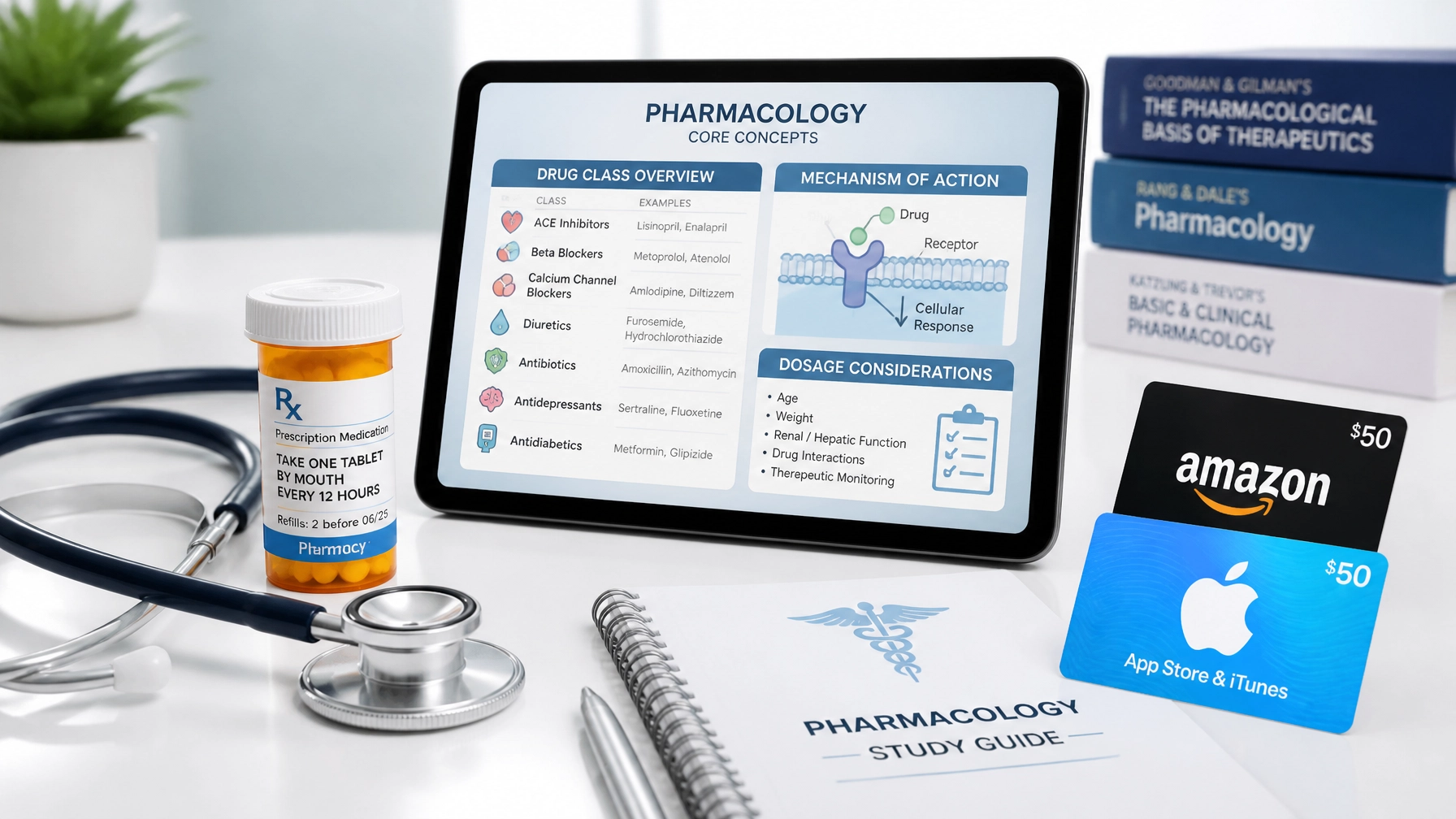
Many PAs find themselves at the end of a CME cycle with remaining funds. We offer CME with Amazon and Apple Gift Card add-ons. This allows you to add a gift card ranging from $100 to $1500 to your purchase. This approach enriches your educational experience by providing the means to purchase hardware, books, or other professional resources.

Gift Card Integration

3. Content Written by PAs for PAs

The perspective of the instructor matters. Our content was developed by physician assistants who have navigated the specific nuances of the NCCPA PANRE and PANCE exams. This ensures the material is high-yield and avoids the "firehose" effect of general medical updates that are not focused on the exam.

4. Comprehensive Specialty Coverage

A robust PANRE review must cover the breadth of general medicine. Our packages include content on:

  • Emergency Medicine
  • Family Medicine
  • Internal Medicine Hospitalist
  • Orthopedics
  • Dermatology
  • Psychiatry
  • Neurology
  • Cardiology
  • OB/GYN

5. Alignment with the NCCPA Blueprint

You should never study in a vacuum. Ensure any course you buy specifically aligns with the NCCPA Blueprint. This ensures that the time you spend studying Cardiology or Pulmonology is proportional to the weight those topics carry on the actual exam.

PANRE Review Asset

6. Accessibility and Lifetime Value

Exam dates shift and clinical schedules are demanding. We provide 30 months of access for our core packages. This long-term access is designed to support you through multiple quarters of the PANRE-LA or to provide a buffer for those taking the traditional one-day PANRE.

7. Pharmacology-Specific Requirements

State boards often have specific requirements for pharmacology credits. While our PANRE Review is comprehensive, we also offer a dedicated Pharmacology Course which provides AAPA Category 1 Credit. This is particularly useful for PAs and Nurse Practitioners needing to meet prescriptive authority mandates.

8. Value for Nurse Practitioners and Physicians

While our primary target is the PA community, our CME Packages offer value across the clinical spectrum. Nurse Practitioners can claim AAPA Category 1 credit in many states, though they should verify their specific state board requirements. For Physicians, these courses count for Category 2 CME.

9. Clinical Vignette Methodology

The best way to prepare for the PANRE is to practice the way you will be tested. Static reading is less effective than active recall. Every module in our review is built around clinical vignettes that simulate the decision-making process required in a board environment.

10. Practical Clinical Justification

A review course should not just tell you the "what" but the "why" behind the clinical decision. This includes considering pragmatic factors like radiation exposure in pediatric patients, the cost of specific medications, and the utility of specific diagnostic maneuvers in a primary care setting.

Clinical Practice


Educational Assessment: Clinical Vignettes

Case 1: Cardiovascular Medicine

Your patient is a 64-year-old male presenting with a 2-hour history of substernal chest pressure radiating to the left jaw. He appears diaphoretic. His history includes hypertension and tobacco use.
Vitals: BP 155/95, HR 102, RR 20, SaO2 94% on room air.
Physical Exam: S4 gallop noted on auscultation.
ECG: 3mm ST-segment elevation in leads V1-V4.

What is the most appropriate next step in management?
A. Exercise stress test
B. Immediate activation of the cardiac catheterization lab
C. D-dimer and CT angiography of the chest
D. Observation and serial troponins

Correct Answer: B. Immediate activation of the cardiac catheterization lab.
The patient is presenting with an acute ST-segment elevation myocardial infarction (STEMI) in the anterior wall distribution. Standard of care for STEMI is immediate reperfusion therapy, ideally via percutaneous coronary intervention (PCI) within 90 minutes of first medical contact. Choice A is contraindicated in acute coronary syndrome. Choice C would be appropriate for suspected pulmonary embolism, which is less likely given the ECG findings. Choice D is inappropriate as delays in reperfusion lead to increased myocardial necrosis.

Case 2: Dermatology

Your patient is a 24-year-old female presenting with a pruritic rash on her flexor surfaces (antecubital and popliteal fossae). She notes the rash has been present intermittently since childhood and flares during times of stress.
Physical Exam: Erythematous, ill-defined plaques with lichenification in the flexural folds.

Which of the following is the most likely diagnosis?
A. Psoriasis
B. Atopic Dermatitis
C. Tinea Corporis
D. Contact Dermatitis

Correct Answer: B. Atopic Dermatitis.
Atopic dermatitis is characterized by its flexural distribution in adults and its chronic, relapsing pruritic nature. Lichenification is a secondary change resulting from chronic scratching. Choice A, psoriasis, typically presents on extensor surfaces (elbows, knees) with well-demarcated silvery scales. Choice C, tinea corporis, would present as annular lesions with central clearing and active borders. Choice D, contact dermatitis, would follow the pattern of exposure to an allergen or irritant rather than a classic flexural distribution.

Case 3: Neurology

Your patient is a 72-year-old male brought in by his daughter for "episodes of confusion" and frequent falls. The daughter notes his symptoms seem to fluctuate. On exam, you note a resting tremor and a shuffling gait. The patient also mentions seeing "small children" in his house who are not actually there.

Which of the following is the most likely diagnosis?
A. Alzheimer’s Disease
B. Vascular Dementia
C. Lewy Body Dementia
D. Normal Pressure Hydrocephalus

Correct Answer: C. Lewy Body Dementia.
The clinical triad of fluctuating cognition, visual hallucinations, and spontaneous features of parkinsonism (tremor, shuffling gait) is hallmark for Lewy Body Dementia. Choice A, Alzheimer’s, typically presents with early memory impairment rather than motor symptoms or hallucinations. Choice B, Vascular Dementia, usually follows a "stepwise" decline associated with stroke events. Choice D, Normal Pressure Hydrocephalus, is characterized by the "wet, wobbly, and wacky" triad (urinary incontinence, gait ataxia, and dementia) but lacks the prominent hallucinations and parkinsonism.


For those seeking an efficient way to fulfill their AAPA Category 1 credit requirements while preparing for the PANRE, our courses provide the structure and high-yield content necessary for success. Utilize your CME funds effectively by selecting a package that includes an Amazon or Apple gift card add-on.

Posted on

AAPA Category 1 Pharmacology Credit: Prescriptive Authority Requirements Explained in Under 3 Minutes

A professional medical office setting with a stethoscope and digital tablet showing pharmacology data.

Price: $399.99
Duration: 30 Months of Access
Deliverables: 12 Hours of AAPA Category 1 Pharmacology CME
Bonus: Amazon or Apple Gift Card add-on options available ($100–$1500)

Maintaining prescriptive authority is a critical logistical requirement for both Physician Assistants (PAs) and Nurse Practitioners (NPs). State boards and national certification bodies mandate specific pharmacology continuing medical education (CME) hours to ensure safe prescribing practices, particularly concerning controlled substances and modern pharmacotherapeutics.

Our Pharmacology CME Review Package provides 12 hours of AAPA Category 1 Pharmacology credit designed to meet these specific regulatory needs efficiently.

Prescriptive Authority Requirements for PAs and NPs

Regulatory requirements for prescriptive authority vary by state, but the core need for pharmacology-specific education remains constant.

For Physician Assistants (PAs)

PAs must complete 100 CME credits every two years to maintain NCCPA certification, with at least 50 credits being Category 1. However, state medical boards often impose additional requirements for prescriptive authority. Many states require a specific number of Category 1 hours in pharmacology or controlled substance prescribing for the initial application and subsequent renewals of a DEA license.

The AAPA Category 1 Pharmacology credits offered in our course are recognized by state boards across the country as valid fulfillment of these requirements.

For Nurse Practitioners (NPs)

While NPs are typically governed by state Boards of Nursing (BON), AAPA Category 1 credit is widely accepted. The American Academy of Nurse Practitioners Certification Board (AANPCB) and the American Nurses Credentialing Center (ANCC) recognize AAPA Category 1 CME as valid continuing education for recertification.

Many states require NPs to complete 10 to 24 contact hours of pharmacology or pharmacotherapeutics CE to maintain their prescriptive authority. Utilizing our 12-hour Pharmacology course is a direct method to satisfy these hours while gaining clinical insights into modern drug therapy.

A Physician Assistant or Nurse Practitioner reviewing pharmacological data on a laptop in a clinical setting.

Efficient CME Allocation: PANRE Review and Gift Cards

If your requirements extend beyond pharmacology, the PANRE Review Course offers a more comprehensive credit package.

  • PANRE Review Course: Provides 100 hours of AAPA Category 1 credit. This is the most efficient way to satisfy your entire two-year NCCPA Category 1 requirement in a single course.
  • CME with Gift Cards: We offer the ability to add Amazon or Apple gift cards ranging from $100 to $1500 to your purchase. This allows you to utilize your employer-provided CME budget to acquire both the necessary credits and tools to further your education, such as medical texts or technology.

A gift card add-on option for Amazon or Apple alongside medical equipment.

Our content covers essential clinical areas including Emergency Medicine, Family Medicine, Internal Medicine, Orthopedics, Dermatology, Psychiatry, Neurology, Cardiology, and OB/GYN. While written by PAs for PAs, the clinical depth provides significant value for NPs and physicians (who can claim Category 2 credit).

PANRE Review Exam Book Cover


Clinical Assessment: Pharmacology and Management

The following clinical scenario tests your knowledge of pharmacotherapeutics and management in a primary care setting.

Patient Scenario

Your patient is a 64-year-old male with a history of hypertension, Type 2 Diabetes Mellitus, and chronic kidney disease (Stage 3, GFR 42 mL/min/1.73m²). He presents for a follow-up regarding his blood pressure. Current medications include Metformin 1000mg BID and Lisinopril 200mg daily. Today, his blood pressure is 152/94 mmHg (confirmed by repeat measurement). His electrolytes are within normal limits, but his serum potassium is at the high end of normal (5.1 mEq/L).

Which of the following is the most appropriate next step in the pharmacological management of this patient's hypertension?

A) Increase Lisinopril to 40mg daily
B) Add Spironolactone 25mg daily
C) Add Amlodipine 5mg daily
D) Discontinue Lisinopril and start Losartan 50mg daily

Explanation

Correct Answer: C) Add Amlodipine 5mg daily

In patients with chronic kidney disease (CKD) and diabetes, the goal blood pressure is typically <130/80 mmHg. While ACE inhibitors like Lisinopril are first-line for renal protection, this patient is already on a standard dose, and his potassium is 5.1 mEq/L. Amlodipine, a calcium channel blocker, is the most appropriate addition because it effectively lowers blood pressure without the risk of hyperkalemia associated with increasing ACE inhibitor doses or adding a potassium-sparing diuretic like Spironolactone.

  • A is incorrect because increasing the Lisinopril dose in a patient with a baseline potassium of 5.1 mEq/L and Stage 3 CKD increases the risk of significant hyperkalemia.
  • B is incorrect because Spironolactone is a potassium-sparing diuretic. Adding it to an ACE inhibitor in a patient with a potassium of 5.1 mEq/L and impaired renal function is contraindicated due to the high risk of life-threatening hyperkalemia.
  • D is incorrect because switching from an ACE inhibitor (Lisinopril) to an ARB (Losartan) does not provide additional blood pressure lowering and carries similar risks regarding potassium and renal function; it is generally not recommended to combine or switch between these classes unless the patient develops a cough from the ACE inhibitor.

Psychiatry and Behavioral Health Review Book Cover

Summary of Credit Availability

  • PANRE Review Course: 100 Hours of AAPA Category 1 Credit.
  • Pharmacology Review Course: 12 Hours of AAPA Category 1 Pharmacology Credit.
  • Access: All courses include 30 months of access.
  • Add-ons: Gift cards available up to $1500.

For PAs and NPs looking to fulfill state-specific prescriptive authority requirements or national recertification needs, our pharmacology and PANRE review options provide a high-yield, accredited solution. Avoid the logistical hurdle of piecing together smaller credits and secure your professional standing with our comprehensive packages.

Posted on

Stop Wasting Your CME Budget: How to Get a $1500 Amazon Gift Card with Your Review Course

Price: $399.99 for base package
Duration: 30 months of access
Deliverables: 100 hours of AAPA Category 1 CME credit (for PANRE Review), Pharmacology content, and gift card add-on options ranging from $100 to $1,500.

The management of professional development funds requires a strategic approach to ensure clinical relevance and fiscal efficiency. Many Physician Assistants (PAs) find that standard continuing medical education (CME) allotments are often underutilized or spent on courses that provide limited long-term educational value. By integrating a high-yield clinical review with a tangible educational incentive, clinicians can maximize their employer-provided benefits while preparing for certification or recertification.

CME Review Courses offers a streamlined solution through the PANRE Review Course CME Package. This program provides a comprehensive clinical curriculum while allowing participants to add an Amazon or Apple gift card to their purchase. This model ensures that the clinician receives top-tier educational materials and the means to further invest in their professional library, clinical equipment, or diagnostic tools.

Maximizing the Value of Your CME Allotment

For most PAs, the annual CME budget is a "use it or lose it" benefit. Selecting the right course is a decision that impacts both your clinical proficiency and your financial planning. The CME with Gift Card packages are designed to consolidate your educational expenses. By purchasing a package that includes a $1,500 Amazon gift card, you are essentially pre-funding your future clinical needs: whether that involves purchasing a new stethoscope, medical textbooks, or updated diagnostic software.

The PANRE Review Course: 100 Hours of AAPA Category 1 Credit

The cornerstone of the offering is the PANRE Review Course. This course is specifically engineered to meet the requirements of the NCCPA Blueprint. It provides 100 hours of Category 1 AAPA CME credit, which is a significant portion of the total credits required for maintenance of certification.

The content is written by physician assistants for physician assistants, ensuring that the clinical vignettes and diagnostic pearls are grounded in real-world practice. While primarily designed for PAs preparing for the PANRE or PANRE-LA, the depth of the material makes it a valuable resource for nurse practitioners and physicians as well.

PANRE Review Book

Pharmacology and Specialty Content

In addition to the primary PANRE review, CME Review Courses provides dedicated content in Pharmacology. This course also offers Category 1 AAPA credit, which is essential for maintaining prescriptive authority in many jurisdictions. The curriculum covers a broad range of specialties, including:

  • Cardiology
  • Emergency Medicine
  • Family Medicine
  • Internal Medicine / Hospitalist
  • Neurology
  • Orthopedics
  • Psychiatry
  • OB/GYN
  • Dermatology

This breadth ensures that clinicians in specialized practices can find relevant clinical updates while fulfilling their general credit requirements.

How the Gift Card Add-On Works

The gift card add-on is a pragmatic tool for budget management. When selecting a package on the CME With Gift Card page, you have the option to choose between an Amazon or Apple gift card. The denominations range from $100 to $1,500.

Logistical Process:

  1. Select Your Course: Choose the PANRE Review Course or another qualifying package.
  2. Select Your Gift Card Amount: Choose the value that fits your remaining CME budget.
  3. Unified Billing: The price of the gift card is bundled into the total cost of the course. This allows for a single transaction that covers both the educational content and the educational incentive.
  4. Delivery: The course access is granted immediately, and the digital gift card is delivered via email.

This system is particularly beneficial for clinicians working in Internal Medicine or Family Practice who need to demonstrate a comprehensive review of the NCCPA Blueprint while also managing a fixed professional development budget.

Clinical Utility Across Professions

While these courses are optimized for the PA profession, other clinicians can derive significant value from the material.

  • Nurse Practitioners (NPs): In many states, Category 1 AAPA credit is accepted for NP certification and licensure requirements. NPs should verify with their state boards, but many find the clinical vignettes and pharmacology updates highly applicable to their practice.
  • Physicians (MD/DO): For physicians, these courses count as Category 2 CME. While they do not provide Category 1 AMA PRA credits, Internal Medicine physicians frequently purchase these packages for the high-quality clinical review and the benefit of the gift card add-on.

PANCE Review Book Cover

Practice Questions and Clinical Vignettes

Clinical competence is best maintained through active self-assessment. Every package provided by CME Review Courses includes a significant number of practice questions that mirror the style and difficulty of the national certification exams.

The following scenarios represent the type of content you will encounter in our comprehensive review packages.

Clinical Scenario 1: Cardiovascular Medicine

Your patient is a 64-year-old male presenting with a 3-hour history of substernal chest pressure that radiates to his left jaw. He appears diaphoretic and pale. His medical history includes hypertension, hyperlipidemia, and a 40-pack-year smoking history. Vital signs: BP 105/65 mmHg, HR 98 bpm, RR 20 bpm, SaO2 94% on room air. An EKG is performed and shows 3mm ST-segment elevation in leads V2, V3, and V4.

What is the most appropriate immediate intervention?

A) Administer 325 mg of aspirin and arrange for emergent percutaneous coronary intervention (PCI).
B) Order a stat troponin level and wait for the results before initiating therapy.
C) Administer 0.4 mg of sublingual nitroglycerin and repeat EKG in 30 minutes.
D) Initiate thrombolytic therapy if PCI is available within 60 minutes.

Answer: A
Administer 325 mg of aspirin and arrange for emergent percutaneous coronary intervention (PCI) is the correct management for an ST-segment elevation myocardial infarction (STEMI). Aspirin should be given immediately to reduce platelet aggregation. PCI is the preferred reperfusion strategy if it can be performed within 90 minutes of first medical contact. Option B is incorrect because waiting for cardiac biomarkers delays necessary reperfusion in the setting of diagnostic EKG changes. Option C is a supportive measure but does not address the underlying coronary occlusion. Option D is incorrect because PCI is preferred over thrombolytics if it is readily available within the recommended timeframe (90-120 minutes).

Clinical Scenario Image

Clinical Scenario 2: Endocrinology

Your patient is a 32-year-old female who reports increasing fatigue, cold intolerance, and a 10-pound weight gain over the last four months. She also notes that her menstrual cycles have become heavier. On physical examination, you note a mildly enlarged, non-tender thyroid gland and delayed relaxation of the deep tendon reflexes.

Which laboratory finding is most consistent with the suspected diagnosis?

A) Elevated TSH and low free T4.
B) Low TSH and high free T4.
C) Elevated TSH and high free T4.
D) Low TSH and low free T4.

Answer: A
Elevated TSH and low free T4 is the classic laboratory profile for primary hypothyroidism, such as Hashimoto’s thyroiditis. The pituitary gland increases TSH production in an attempt to stimulate a failing thyroid gland. Option B describes hyperthyroidism. Option C is seen in rare cases of TSH-secreting pituitary adenomas or thyroid hormone resistance. Option D is indicative of secondary (central) hypothyroidism, which involves pituitary or hypothalamic dysfunction.

Why Choose CME Review Courses?

The decision to purchase a review course often comes down to efficiency. You need a course that provides the necessary credits without unnecessary fluff. Our courses focus on the essential clinical knowledge required for the NCCPA Blueprint.

  • Efficient Learning: We focus on high-yield topics.
  • Accessibility: With 30 months of access, you can review the material at your own pace, whether you are cramming for an exam or looking for a quick clinical refresher between patients.
  • Budget Focused: The gift card option is a unique feature that recognizes the practical needs of the modern clinician.

By utilizing your CME budget for a package that includes 100 hours of AAPA Category 1 credit and an Amazon gift card, you are making a dual investment in your clinical knowledge and your professional toolkit.

To explore the full range of courses and gift card options, visit the CME with Gift Card section of our website. Whether you are preparing for the PANRE, PANRE-LA, or simply looking to satisfy your pharmacology requirements, we provide the tools you need to succeed.

Posted on

The PA’s Guide to Earning Bonus AAPA Category 1 Self-Assessment Credit with PANRE-LA

Price: $499.00 – $1,999.00 (depending on gift card add-on)
Access: 12 months from date of purchase
Deliverables: 100 hours of AAPA Category 1 Credit, over 1,000 practice questions, and comprehensive subject-specific modules.

Physician assistants currently enrolled in the PANRE-LA (Longitudinal Assessment) have a unique opportunity to maximize their CME efficiency. While the PANRE-LA format is designed to be lower-stress and more spread out than the traditional high-stakes exam, it also offers a significant "hidden" benefit regarding your 100-hour CME requirement. By understanding how the NCCPA and AAPA handle self-assessment credits, you can earn more credit while doing the same amount of work.

The 1.5x Multiplier: Understanding AAPA Category 1 Self-Assessment Credit

The NCCPA recognizes the additional value of self-assessment and performance improvement activities. For PAs participating in the PANRE-LA, every quarter you complete the required 25 questions, you earn 2 AAPA Category 1 Self-Assessment CME credits.

However, the NCCPA applies a 1.5x multiplier to these credits. This means those 2 AAPA credits automatically count as 3 credits toward your 100-hour NCCPA biennial cycle requirement. Over the course of 12 quarters (3 years), those 24 AAPA credits become 36 credits in the eyes of the NCCPA.

To bridge the remaining gap in your 100-hour requirement and ensure you are prepared for the quarterly PANRE-LA questions, our PANRE Review Course provides 100 hours of AAPA Category 1 Credit. This allows you to fulfill your entire biennial requirement while reinforcing the clinical knowledge needed to answer PANRE-LA questions accurately and efficiently.

PANRE Exam 1

Strategic Preparation for PANRE-LA

The PANRE-LA is an open-resource assessment, but the time limit of five minutes per question means you cannot afford to look up every single answer from scratch. You need a foundational knowledge base that allows you to identify the core clinical issue quickly.

Our course is designed by physician assistants for physician assistants. It covers the essential clinical pillars, including Cardiology, Pulmonology, Orthopedics, and Emergency Medicine. By utilizing our PANRE Review Course, you are not just checking a box for your CME hours; you are building the rapid-recall skills necessary to navigate the NCCPA Blueprint topics with confidence.

Clinical Vignette: Cardiology

Your patient is a 68-year-old male with a history of hypertension and Type 2 Diabetes who presents to the clinic for a routine follow-up. He reports occasional "fluttering" in his chest that lasts for several minutes but denies chest pain, syncope, or shortness of breath. His HR is 112 bpm (irregularly irregular), BP is 134/82 mmHg, and SaO2 is 98% on room air. An EKG confirms atrial fibrillation.

What is the most appropriate next step in determining this patient's long-term stroke prevention strategy?

  1. Start Aspirin 81 mg daily.
  2. Initiate Warfarin with an INR goal of 2.0–3.0.
  3. Calculate the CHA2DS2-VASc score.
  4. Perform an urgent transesophageal echocardiogram (TEE).

The correct answer is: Calculate the CHA2DS2-VASc score.
For patients with non-valvular atrial fibrillation, the CHA2DS2-VASc score is the standard tool used to assess thromboembolic risk and guide the initiation of anticoagulation. Aspirin is no longer recommended as monotherapy for stroke prevention in AFib. A TEE would be indicated if the patient were undergoing immediate cardioversion, but it is not the first step in long-term risk assessment. Initiating Warfarin or a DOAC is dependent on the calculated score (typically a score of ≥2 in men or ≥3 in women warrants anticoagulation).

EKG Guide Cover

Maximizing Your CME Budget with Gift Card Add-ons

Most PAs receive a yearly CME allowance from their employers. Often, this money is "use it or lose it." We offer an efficient way to utilize these funds by providing CME with Amazon or Apple Gift Card add-ons.

When you purchase our PANRE Review Course, you can add a gift card ranging from $100 to $1,500. This allows you to purchase additional educational tools, such as medical tablets, reference books, or clinical equipment, to further your professional development. This is a pragmatic way to ensure your entire CME budget is used to its full potential while you earn your 100 hours of AAPA Category 1 credit.

Mastery of High-Yield Clinical Topics

Success on the PANRE-LA requires a broad understanding of Internal Medicine, Family Medicine, and the subspecialties. Our course content is updated to reflect the current standard of care and the NCCPA Blueprint requirements. We focus on the "must-know" information that frequently appears in clinical practice and on certification exams.

Clinical Tablet

Clinical Vignette: Emergency Medicine / Orthopedics

Your patient is a 24-year-old female who presents to the Urgent Care after falling onto an outstretched hand (FOOSH) while rollerblading. She complains of severe pain in her right wrist. On physical exam, there is no obvious deformity, but she has significant tenderness over the anatomical snuffbox. X-rays of the wrist (AP, lateral, and oblique) show no visible fracture.

What is the most appropriate management for this patient?

  1. Discharge with a removable wrist brace and follow up in 4 weeks.
  2. Apply a thumb spica splint and repeat X-rays in 10-14 days.
  3. Order an immediate MRI of the wrist.
  4. Apply a volar splint and refer to Physical Therapy.

The correct answer is: Apply a thumb spica splint and repeat X-rays in 10-14 days.
Tenderness in the anatomical snuffbox is highly suggestive of a scaphoid fracture, even if initial X-rays are negative. Scaphoid fractures are notorious for being radiographically occult in the acute setting. Due to the risk of avascular necrosis (AVN) of the proximal pole, the patient must be immobilized in a thumb spica splint and re-evaluated with repeat imaging once the bone resorbs slightly at the fracture site, making it more visible. An MRI is a valid diagnostic tool but is usually reserved if a faster diagnosis is required or if repeat X-rays remain inconclusive despite persistent pain.

Clinical Vignette: Neurology

Your patient is a 45-year-old male who presents with a sudden onset of "the worst headache of my life." He is currently nauseated and has vomited twice since arrival. Vital signs show a BP of 170/105 mmHg, HR 92 bpm, and he is afebrile. Physical exam reveals mild nuchal rigidity but no focal neurological deficits. A non-contrast CT head is performed and is negative for acute intracranial hemorrhage.

What is the most appropriate next step in the diagnostic workup?

  1. Repeat the CT head with intravenous contrast.
  2. Perform a lumbar puncture (LP).
  3. Discharge home with high-dose NSAIDs and primary care follow-up.
  4. Obtain an outpatient MRI of the brain.

The correct answer is: Perform a lumbar puncture (LP).
In the setting of a suspected subarachnoid hemorrhage (SAH) where the clinical suspicion remains high ("thunderclap headache") despite a negative non-contrast CT, a lumbar puncture is mandatory. The LP is used to look for xanthochromia or an elevated red blood cell count that does not diminish from tube 1 to tube 4. A contrast CT is not indicated for the initial diagnosis of SAH, and discharging the patient without excluding SAH would be a significant clinical error.

PANRE Exam 2

Pharmacology and Prescriptive Authority

In addition to the PANRE Review, we offer a dedicated Pharmacology Course which provides AAPA Category 1 Credit. For nurse practitioners and physician assistants in many states, specific pharmacology credit is required to maintain prescriptive authority. While the 100 hours of Category 1 credit for the PANRE Review course is the gold standard for recertification, our pharmacology modules provide the granular detail needed for safe prescribing in Family Medicine and Psychiatry.

Our content is written by PAs who understand the practicalities of the clinical floor. We skip the fluff and focus on the mechanism of action, contraindications, and black box warnings that you need to know for the PANRE-LA and your daily practice.

Clinical Vignette: Pulmonology

Your patient is a 55-year-old male with a 40-pack-year smoking history who presents with increasing shortness of breath and a chronic productive cough. His FEV1/FVC ratio is 0.62. He is currently using a short-acting beta-agonist (SABA) as needed but continues to have symptoms more than twice a week.

According to the GOLD criteria, what is the most appropriate long-acting maintenance therapy to add first for this patient?

  1. Inhaled corticosteroid (ICS) monotherapy.
  2. Long-acting muscarinic antagonist (LAMA) or Long-acting beta-agonist (LABA).
  3. Oral Prednisone.
  4. Theophylline.

The correct answer is: Long-acting muscarinic antagonist (LAMA) or Long-acting beta-agonist (LABA).
For patients with COPD, maintenance therapy begins with long-acting bronchodilators (LAMA or LABA). Unlike in asthma, inhaled corticosteroids are not used as monotherapy in COPD and are typically reserved for patients with frequent exacerbations or high eosinophil counts. Oral steroids are used for acute exacerbations, not long-term maintenance. Theophylline is rarely used today due to its narrow therapeutic index and side effect profile.

Conclusion

Preparing for the PANRE-LA does not have to be a burden. By leveraging the 1.5x multiplier for AAPA Category 1 Self-Assessment credit and enrolling in our 100-hour PANRE Review Course, you can meet your professional requirements with ease. Our course provides the structured, high-yield content you need to succeed on the exam and provide excellent care to your patients.

Don't forget to maximize your CME budget by selecting one of our Amazon or Apple Gift Card add-ons to help you get the tools you need for another successful cycle.

Posted on

How to Log Your CME in the New NCCPA Portal in 5 Minutes

A professional physician assistant logging medical education credits on a laptop in a clinical setting.

Course Title: PANRE Review Course
Price: $499 – $1,999 (Depending on Gift Card Add-on)
Duration of Access: Lifetime Access
Deliverables: 100 Hours of AAPA Category 1 CME Credit, 1,000+ Practice Questions, Comprehensive Video Modules

Logging your Continuing Medical Education (CME) should not be a time-consuming administrative burden. With the recent updates to the NCCPA PA Portal, the process has been streamlined to allow for rapid entry, provided you have your documentation organized. Efficiently managing your certification cycle allows you to focus on clinical practice and exam preparation rather than data entry.

The 5-Minute Logging Strategy

The NCCPA updated its portal to improve user experience and consolidate the attestation process. Follow these steps to log your credits from CME Review Courses or other providers in under five minutes.

1. Access the PA Portal and Sign In

Navigate to the NCCPA PA Portal. Use your NCCPA credentials to log in. Once on the dashboard, locate the “CME” tab in the left-hand navigation menu. This section provides a real-time summary of your current and future certification cycles, showing exactly how many credits you have logged versus what is required for your two-year cycle.

2. Accept the Global Logging Agreement

One of the most significant updates to the portal is the Logging Agreement. Previously, PAs were required to attest to the accuracy of every single credit entry. Now, you will typically be presented with a logging agreement at the start of your session. Once you read and accept this, you can batch-log multiple activities without repeated individual attestations.

3. Select the Correct Activity Type

When you click “Log New CME”, you must choose the category that matches your certificate.

  • PANRE Review Course: This should be logged as Category 1 CME. specifically under "Certificate Program" or "Other Category 1 CME" depending on the specific module.
  • Self-Assessment (SA) or Performance Improvement (PI): If your course specifically offers these designations, select them to take advantage of the NCCPA’s weighting rules (e.g., PI-CME credits are doubled for the first 20 credits logged).

4. Enter Course Details

For a standard entry, you will need the following details from your completion certificate:

  • Activity Title: Enter the name of the course (e.g., "Comprehensive PANRE Review").
  • Provider: Enter "CME Review Courses."
  • Dates: The date of completion as listed on your certificate.
  • Credits: Enter the total number of credits earned. For our PANRE Review Course, this is 100 hours of AAPA Category 1 CME credit.

5. Upload Documentation Immediately

The new portal allows for direct file uploads. We recommend uploading your PDF certificate immediately upon logging. This ensures that if you are selected for a random audit, your documentation is already stored within the NCCPA system, eliminating the need to search through old files or emails later.

Physician assistant studying medical content on a tablet in a clinical breakroom.

Maximize Your CME Budget with Gift Card Add-ons

At CME Review Courses, we provide an efficient way to utilize your employer-provided CME allowance. Many healthcare organizations provide a fixed annual budget for professional development. Our packages allow you to bundle high-quality clinical education with Amazon or Apple Gift Cards ranging from $100 to $1,500.

This model allows you to fulfill your 100-hour Category 1 requirement for the PANRE while also obtaining the tools you need for further education, such as medical texts, hardware, or clinical supplies. You can explore these options at our CME with Gift Card page.

Medical gift card add-on concept showing Amazon and Apple gift cards with clinical equipment.

Clinical Content for Your PANRE Review

Our curriculum was developed by physician assistants for physician assistants. While the PANRE Review Course provides 100 hours of AAPA Category 1 credit, we also offer specialized content in:

  • Emergency Medicine
  • Internal Medicine / Hospitalist
  • Family Medicine
  • Orthopedics and Rheumatology
  • Cardiology and EKG Interpretation

While our courses are primarily targeted at PAs, nurse practitioners (NPs) and physicians often find significant value in our modules. For physicians, our courses typically count as Category 2 CME. Nurse practitioners should verify with their state boards, as some states accept AAPA Category 1 credit toward their continuing education requirements.

PANRE/PANRE-LA Review Exam 1 Book Cover.


Clinical Assessment: Cardiovascular and Internal Medicine

The following clinical scenarios are representative of the content found in our PANRE review materials and the NCCPA Blueprint.

Scenario 1

Your patient is a 68-year-old male with a history of hypertension and tobacco use who presents to the emergency department with sudden onset, tearing chest pain radiating to the back. On physical exam, his BP is 190/110 mmHg in the right arm and 165/95 mmHg in the left arm. A new diastolic murmur is noted at the right sternal border.

What is the most appropriate next step in the management of this patient?

A. Initiate intravenous beta-blockers (e.g., esmolol or labetalol) to reduce heart rate and blood pressure.
B. Administer 324 mg of aspirin and start a heparin drip.
C. Order an immediate transthoracic echocardiogram (TTE).
D. Perform an urgent needle thoracostomy in the second intercostal space.

Explanation:
A is the correct answer. This patient’s presentation is highly suggestive of an acute aortic dissection (tearing pain, BP discrepancy, new aortic regurgitation murmur). The primary goal in management is to reduce shear stress on the aortic wall by lowering the heart rate (target <60 bpm) and blood pressure (target systolic 100-120 mmHg) using IV beta-blockers. B is incorrect as anticoagulation is contraindicated in suspected dissection. C is incorrect as a CT Angiogram or transesophageal echocardiogram (TEE) is more definitive and should follow stabilization. D is incorrect as the symptoms do not suggest a tension pneumothorax.

Scenario 2

Your patient is a 54-year-old female with a history of type 2 diabetes mellitus who presents for a routine follow-up. Her BP is 142/88 mmHg. A repeat measurement ten minutes later is 144/90 mmHg. Her last two visits also showed BP readings in the 140/90 range. Her current medications include metformin. Labs show a serum creatinine of 1.1 mg/dL and an albumin-to-creatinine ratio (ACR) of 45 mg/g.

Which of the following is the most appropriate initial antihypertensive agent for this patient?

A. Lisinopril (ACE inhibitor)
B. Amlodipine (Calcium channel blocker)
C. Hydrochlorothiazide (Thiazide diuretic)
D. Metoprolol (Beta-blocker)

Explanation:
A is the correct answer. In patients with diabetes mellitus and albuminuria (ACR >30 mg/g), ACE inhibitors or ARBs are the first-line antihypertensive agents because they provide Reno-protective effects beyond blood pressure control. B and C are effective antihypertensives but do not offer the same degree of renal protection in the setting of albuminuria. D is generally not used as a first-line agent for hypertension unless there is a specific compelling indication like heart failure or post-MI status.

Comprehensive Guide to EKGs Book Cover.

Strategic Preparation for the PANRE and PANRE-LA

Whether you are pursuing the traditional PANRE or the longitudinal PANRE-LA, your review should be structured around high-yield clinical pearls. The NCCPA Blueprint emphasizes the ability to diagnose and manage common conditions across the primary care spectrum.

Our courses, such as the Cardiovascular Blueprint, break down complex topics into manageable modules. By integrating these modules into your daily routine and logging your CME as you complete them, you can maintain your certification with minimal stress.

Remember, the goal of CME is not just to satisfy a requirement but to ensure you are providing the most current evidence-based care to your patients. Using a comprehensive review program that rewards your effort with both credits and educational tools like Amazon gift cards is the most efficient way to manage your professional development.

For more information on our specific specialty modules or to start your PANRE review, visit CME Review Courses.

Posted on

Are You Making These Common AAPA Category 1 Pharmacology Credit Mistakes?

Pharmacology Professional Review

Price: $399.99 for Pharmacology Review | $599.99 for PANRE Review
Access: Immediate digital access upon purchase
Deliverables: 12 Hours of AAPA Category 1 CME (Pharmacology) or 100 Hours of AAPA Category 1 CME (PANRE Review)
Add-ons: Amazon or Apple Gift Cards available from $100 to $1500

Maintaining your certification and state licensure requires a strategic approach to continuing medical education (CME). For Physician Assistants (PAs) and Nurse Practitioners (NPs), pharmacology credits are often the most scrutinized portion of a CME portfolio. The NCCPA and state nursing boards have specific requirements that must be met to ensure you remain eligible to practice and prescribe.

However, many clinicians fall into predictable traps when selecting and logging their pharmacology hours. These errors can lead to rejected credits, failed audits, and unnecessary stress during the recertification cycle. Understanding the nuances of AAPA Category 1 credit is essential for a smooth professional journey.

Mistake 1: Assuming All "Drug-Related" CME Counts as Pharmacology

One of the most frequent errors is assuming that any lecture or course mentioning a medication qualifies as a pharmacology credit. For a course to count toward your pharmacology requirements: especially for NPs in states with strict prescriptive authority rules: the content must focus on the pharmacokinetics, pharmacodynamics, dosing, and contraindications of the drugs.

A general lecture on "Managing Hypertension" might provide Category 1 credits, but if the content is 90% diagnostic criteria and only 10% medication management, it may not meet the threshold for a "pharmacology hour." Our Pharmacology Review Course is specifically designed to meet these rigorous standards, ensuring that every hour you spend is high-yield and credit-worthy.

Mistake 2: Misunderstanding the AAPA Category 1 Designation

PAs must earn a specific amount of Category 1 CME to maintain NCCPA certification. While PAs can use AMA PRA Category 1 Credit™ from ACCME-accredited providers, many clinicians mistakenly believe that any "medical education" counts as Category 1.

Category 2 CME consists of elective activities like reading journals or precepting students. While valuable, these do not fulfill the core 50-hour Category 1 requirement for each two-year NCCPA cycle. When you choose the PANRE Review Course, you are guaranteed 100 hours of AAPA Category 1 credit, which more than covers your biannual requirement.

Gift Card Value Add-on

Mistake 3: Overlooking State-Specific Prescriptive Requirements

Many states now mandate specific CME topics for clinicians with prescriptive authority. These often include:

  • Opioid Prescribing and Pain Management
  • Controlled Substance Education
  • State-Specific Jurisprudence

If you simply accumulate 12 hours of general pharmacology, you might still be out of compliance with your state board if you missed these specific mandates. It is critical to align your pharmacology review with the NCCPA Blueprint and your state’s specific requirements. Our content, written by physician assistants for physician assistants, addresses these core clinical competencies across Emergency Medicine, Family Medicine, and Internal Medicine.

Mistake 4: Missing the Value of Integrated Gift Cards

CME budgets are a professional benefit, yet many clinicians fail to maximize the value of their CME money. A common mistake is buying a "bare-bones" course and then paying out-of-pocket for educational tools like tablets or medical reference books.

We offer an efficient way to use your CME money. By selecting a CME with Gift Card package, you can add an Amazon or Apple Gift Card (ranging from $100 to $1500) to your purchase. This allows you to enrich your education by purchasing the hardware or textbooks you need to stay current in your practice, all while earning your necessary AAPA Category 1 credits.

Clinical Pharmacology Focus


Your Knowledge Check: Pharmacology Practice Questions

Question 1
Your patient is a 64-year-old male with a history of chronic kidney disease (Stage 3) and new-onset atrial fibrillation. His HR is 112 bpm, and BP is 138/84 mmHg. You are considering anticoagulation. Which of the following statements regarding the use of Dabigatran (Pradaxa) in this patient is correct?

A. It is a direct factor Xa inhibitor.
B. Dose adjustment is required based on creatinine clearance.
C. It requires routine monitoring of the INR.
D. It is the preferred agent for patients with mechanical heart valves.

Answer: B. Dose adjustment is required based on creatinine clearance.
Dabigatran is a direct thrombin inhibitor (not Factor Xa). It is predominantly cleared by the kidneys, necessitating dose reductions or avoidance in patients with significant renal impairment (typically CrCl < 30 mL/min). Unlike warfarin, it does not require INR monitoring. Direct oral anticoagulants (DOACs) like Dabigatran are contraindicated in patients with mechanical heart valves.

Question 2
Your patient is a 28-year-old female presenting with symptoms of a urinary tract infection. She has a history of a "severe" allergy to penicillin, described as hives and respiratory distress. Which of the following antibiotics should be avoided due to potential cross-reactivity?

A. Nitrofurantoin
B. Ciprofloxacin
C. Cephalexin
D. Fosfomycin

Answer: C. Cephalexin.
Cephalexin is a first-generation cephalosporin. While the rate of cross-reactivity between penicillins and cephalosporins is lower than previously thought (approximately 1-3%), it is still a risk in patients with a history of Type 1 hypersensitivity reactions (IgE-mediated) such as hives, angioedema, or anaphylaxis. Nitrofurantoin, Ciprofloxacin (a fluoroquinolone), and Fosfomycin do not share the beta-lactam ring and are safe alternatives regarding penicillin allergy.

Question 3
Your patient is a 52-year-old male with Type 2 Diabetes Mellitus and established atherosclerotic cardiovascular disease (ASCVD). His HgbA1c is 8.2% despite lifestyle modifications and Metformin 1000mg BID. Which of the following medication classes is the most appropriate next step to reduce his cardiovascular risk?

A. DPP-4 inhibitors
B. Sulfonylureas
C. SGLT2 inhibitors
D. Meglitinides

Answer: C. SGLT2 inhibitors.
In patients with Type 2 Diabetes and established ASCVD, SGLT2 inhibitors (like Empagliflozin) or GLP-1 receptor agonists (like Liraglutide) have been proven to provide significant cardiovascular benefits, including a reduction in major adverse cardiovascular events (MACE). Sulfonylureas and Meglitinides carry a higher risk of hypoglycemia and do not offer the same cardioprotective benefits. DPP-4 inhibitors are generally weight-neutral and have not shown the same level of ASCVD risk reduction.


Strategic CME Solutions

To avoid the pitfalls of inefficient CME logging and ensure you are prepared for the PANRE or PANRE-LA, you need a high-yield, structured review. Our packages are tailored for the modern PA.

PANRE Review Course

The PANRE Review Course is the most efficient way to secure your required credits while mastering the NCCPA Blueprint.

  • Credits: 100 Hours of AAPA Category 1 CME.
  • Content: Comprehensive review of Internal Medicine, Emergency Medicine, Surgery, and more.
  • Format: Digital access allows you to study at your own pace.
  • Bonus: Eligible for Amazon/Apple Gift Card add-ons.

PANRE Review Book

Pharmacology Review Course

For those specifically needing pharmacology hours for state licensure or NP prescriptive authority, the Pharmacology Review Course provides a focused clinical deep-dive.

  • Credits: 12 Hours of AAPA Category 1 CME (all pharmacology).
  • Clinical Focus: Real-world prescribing, drug interactions, and management of chronic conditions.
  • Price: $399.99.

Why Choose CME Review Courses?

  • Written by PAs for PAs: We understand the specific demands of your clinical practice and your certification exams.
  • Maximize Your CME Budget: Our gift card add-on system is the industry leader for clinicians who want more value from their employer-provided funds.
  • Broad Utility: While designed for PAs, our content is highly valued by Nurse Practitioners, CRNAs, and Physicians (for Category 2 credit).

Avoid the common mistakes of under-counting pharmacology hours or choosing low-yield CME. Invest in a course that provides the clinical rigor you need and the AAPA Category 1 credit you require.

Explore all CME with Gift Card Packages here.

Posted on

How to Choose the Best CME with Amazon Gift Card (Compared for 2026)

Physician assistants and other healthcare providers often find themselves at the end of the year with unused Continuing Medical Education (CME) funds. Selecting a package that provides both high-yield clinical value and a tangible financial incentive is a pragmatic approach to professional development. In 2026, the market for CME with gift card add-ons has expanded, offering more flexibility than ever.

The following guide details how to evaluate these offerings to ensure you are meeting your certification requirements while maximizing the utility of your employer-provided stipend.

Essential Logistical Details for CME Review Courses:

  • Price: $399.99 (Base course price before gift card add-on)
  • Duration of Access: 30 Months
  • Deliverables: Over 3,000 board-style practice questions and video content
  • Credit: 100 Hours of AAPA Category 1 CME (Available for the PANRE Review Course)

The Efficiency of CME Gift Card Add-Ons

Using your CME money efficiently is about more than just checking a box for the NCCPA. It is about enriching your education while receiving a bonus that can be used for textbooks, medical equipment, or personal needs via Amazon or Apple gift cards. At CME Review Courses, we provide an integrated system where you can add between $100 and $1500 to your purchase.

This model allows PAs to utilize their full stipend without complication. The content is written by physician assistants for physician assistants, ensuring that the clinical focus remains relevant to the specific needs of our profession. While nurse practitioners, CRNAs, and physicians find value in these packages, they are specifically optimized for the PANCE and PANRE exams.

Study Setup

Comparison of Leading 2026 Gift Card Options

When comparing CME providers, you must consider the type of credit offered, the specialty focus, and the maximum gift card value allowed.

1. CME Review Courses

This is the optimal choice for PAs focused on board preparation or specialized specialty review.

  • Primary Benefit: Offers 100 hours of AAPA Category 1 credit for the PANRE Review Course.
  • Gift Card Range: $100 – $1500 (Amazon or Apple).
  • Specialty Depth: Robust content in Emergency Medicine, Internal Medicine Hospitalist, Orthopedics, and more.
  • Credit Type: Specifically AAPA Category 1 for PAs. Physicians can claim Category 2 credit.

2. MDCalc CME Bundle

  • Primary Benefit: High gift card ceiling, often reaching up to $3,500.
  • Focus: Evidence-based clinical calculators and decision tools.
  • Best For: Providers who use clinical decision rules daily in acute care settings.

3. CME4Life

  • Primary Benefit: Practical, case-based learning with a high-energy delivery.
  • Gift Card Range: Frequently offers packages up to $3,000.
  • Credit Type: AAPA Category 1.

4. Brilliant Board Review

  • Primary Benefit: Deep-dive internal medicine content.
  • Best For: PAs working in IM or subspecialties who want a physician-level deep dive into pathology.

Comparison Infographic

Selecting Based on Your Specialty

Your specialty should dictate which CME with Gift Card package you select. If you are a hospitalist, the Internal Medicine Hospitalist CME Package provides targeted content that mirrors your daily rounds. If you are preparing for the NCCPA PANRE-LA or the traditional PANRE, the comprehensive review exams and 100 hours of Category 1 credit are non-negotiable requirements for success.

Our pharmacology course also offers Category 1 AAPA credit, which is critical for PAs and NPs in states with specific pharmacology credit mandates for license renewal.

Confident PA

Professional Clinical Assessment

The following clinical scenario is designed to test your diagnostic and management skills in a real-world setting.

Clinical Scenario: Acute Cardiovascular Management

Your patient is a 68-year-old male presenting to the Emergency Department with a 2-hour history of substernal chest pressure that radiates to his left jaw. He appears diaphoretic and anxious. His medical history includes hypertension, Type 2 diabetes mellitus, and a 40 pack-year smoking history.

Vital Signs:

  • HR: 104 bpm
  • BP: 162/94 mmHg
  • RR: 22 breaths/min
  • SaO2: 94% on room air
  • Temp: 98.6°F

An immediate ECG reveals 3mm ST-segment elevation in leads V1 through V4. The nearest cardiac catheterization lab is 30 minutes away.

What is the most appropriate next step in the clinical management of this patient?

A) Administer 324 mg of non-enteric coated aspirin and prepare for immediate percutaneous coronary intervention (PCI).
B) Initiate fibrinolytic therapy with alteplase due to the patient’s tachycardia and hypertension.
C) Administer a 500mL normal saline bolus to improve coronary perfusion pressure.
D) Perform a stat chest X-ray to rule out aortic dissection before initiating antiplatelet therapy.


Correct Answer: A

Explanation: The patient is presenting with a ST-elevation myocardial infarction (STEMI) involving the anterior wall (V1-V4). The standard of care for a STEMI is immediate reperfusion. Administering 324 mg of non-enteric coated aspirin and preparing for immediate percutaneous coronary intervention (PCI) is the correct management because the patient is within the 90-minute window for PCI and the facility is only 30 minutes away. Aspirin should be chewed to ensure rapid absorption.

Fibrinolytic therapy (Choice B) is reserved for settings where PCI cannot be performed within 120 minutes of first medical contact. Normal saline boluses (Choice C) are typically indicated in right ventricular infarctions (inferior MI with V4R elevation) to maintain preload, but not in an anterior MI where heart failure and pulmonary edema are risks. A chest X-ray (Choice D) should not delay the trip to the cath lab in the setting of clear ST-elevation, and while dissection is a differential for chest pain, it does not typically present with focal ST-elevation in a specific coronary distribution.

Clinical Practice

Final Considerations for 2026

When choosing your CME with an Amazon gift card, prioritize the quality of the practice questions and the relevance of the clinical content to the NCCPA Blueprint. Ensure the provider offers a clear path to claiming your 100 hours of AAPA Category 1 credit to maintain your certification without unnecessary stress. Utilizing these packages allows you to turn your required professional development into a pragmatic financial advantage.

Posted on

The Ultimate Guide to PANRE-LA: Everything You Need to Succeed with Bonus AAPA Category 1 Credit

Price: $399.99 | Duration: 30 months | Deliverables: 100 Hours of Category 1 AAPA credit, 1600+ Questions and Answers, Amazon/Apple Gift Card Add-on availability ($100–$1,500).

The Physician Assistant National Recertification Exam Longitudinal Assessment (PANRE-LA) represents a significant shift in how PAs maintain certification. Unlike the traditional high-stakes exam, PANRE-LA is designed to align with adult learning principles through a longitudinal, open-resource format. Success in this process requires a strategy that maximizes educational efficiency while meeting your recurring CME requirements.

Understanding the PANRE-LA Structure

The NCCPA Blueprint serves as the foundation for the PANRE-LA. The process is spread across 12 quarters, where you complete 25 questions every three months. NCCPA uses your best eight quarters to calculate a final score. This format reduces test anxiety and allows for the integration of learning into daily clinical practice.

For each quarter you complete, you earn 2 AAPA Category 1 Self-Assessment CME credits. For NCCPA certification maintenance, these specific credits are automatically applied with a 50% bonus, meaning 2 credits count as 3 toward your total requirement. However, this only covers a fraction of the 100 hours required every two years.

Leveraging the PANRE Review Course for Maximum Efficiency

Our PANRE Review Course provides 100 hours of Category 1 AAPA credit. This allows you to fulfill your entire 2-year CME cycle requirement with a single, comprehensive purchase. While this course is written by physician assistants for physician assistants, nurse practitioners and physicians also find high value in the content. For physicians, these credits count toward Category 2 requirements. Nurse practitioners should verify state-specific acceptance of AAPA Category 1 credit for license renewal.

The course covers essential clinical areas including:

  • Cardiology
  • Emergency Medicine
  • Internal Medicine Hospitalist
  • Family Medicine
  • Dermatology
  • OB/GYN
  • Orthopedics
  • Psychiatry
  • Neurology

To further enrich your education, we offer CME with gift card add-ons. You can add an Amazon or Apple Gift Card ranging from $100 to $1,500 to your purchase, allowing you to utilize your CME allowance for educational tools and resources.

PANRE Exam 1

Clinical Assessment and Practice Questions

Successful navigation of the PANRE-LA and clinical practice requires rapid diagnostic reasoning and familiarity with current management guidelines. Use the following vignettes to test your clinical knowledge.

Case 1: Cardiology

Your patient is a 64-year-old male presenting for a routine physical. He has a history of DM2 and CKD stage 3. His BP today is 152/94 mmHg, confirmed on a second reading. HR is 72 bpm, and SaO2 is 98% on room air. Current medications include Metformin 1000mg BID. Labs reveal a serum creatinine of 1.8 mg/dL and a potassium of 4.2 mEq/L.

Which of the following is the most appropriate initial antihypertensive therapy for this patient?

A. Amlodipine
B. Lisinopril
C. Hydrochlorothiazide
D. Metoprolol succinate

Case 2: Emergency Medicine

Your patient is a 28-year-old female brought to the ED by EMS following an MVC. She was the restrained driver in a high-speed rear-end collision. She complains of severe neck pain and paresthesia in her bilateral hands. On exam, she has 3/5 strength in her upper extremities and 5/5 strength in her lower extremities. Reflexes are 1+ in the biceps and 2+ in the patella. Vital signs are HR 58, BP 90/60 mmHg, and T 98.6°F.

What is the most likely diagnosis based on this clinical presentation?

A. Brown-Séquard syndrome
B. Anterior cord syndrome
C. Central cord syndrome
D. Cauda equina syndrome

Clinical Scenario

Explanations and Clinical Justification

Case 1 Correct Answer: B. Lisinopril

Lisinopril is the correct choice because ACE inhibitors (or ARBs) are the preferred first-line agents for patients with hypertension and CKD, especially when comorbid DM2 is present. These agents provide renoprotective benefits by reducing intraglomerular pressure. Amlodipine (Choice A) and HCTZ (Choice C) are effective antihypertensives but do not provide the same degree of renal protection. Metoprolol succinate (Choice D) is generally not considered first-line for hypertension unless there is a specific compelling indication like HFrEF or recent MI.

Case 2 Correct Answer: C. Central cord syndrome

Central cord syndrome is characterized by disproportionate motor weakness in the upper extremities compared to the lower extremities, typically following a hyperextension injury in the setting of cervical stenotic disease or trauma. It is the most common incomplete spinal cord injury. Brown-Séquard syndrome (Choice A) involves hemicord injury resulting in ipsilateral motor loss and contralateral pain/temperature loss. Anterior cord syndrome (Choice B) presents with loss of motor function and pain/temperature sensation below the level of the lesion, with preservation of proprioception. Cauda equina syndrome (Choice D) involves lower motor neuron signs and saddle anesthesia, typically from lumbar disc herniation.

Implementation and CME Logging

To stay current with the NCCPA Blueprint, structured review is essential. Our PANRE Review Course CME Package ensures you are prepared for quarterly assessments while securing your 100 hours of AAPA Category 1 credit.

The open-book nature of the PANRE-LA means you should have reliable, peer-reviewed resources available. By integrating our 1600+ practice questions and detailed lecture slides into your study routine, you maintain the clinical readiness required for both the exam and the high-acuity environments of modern medicine.

For PAs navigating the PA Compact or maintaining multiple state licenses, having a single source for 100 hours of high-quality Category 1 credit simplifies the administrative burden. Whether you choose the standard course or a package including an Amazon or Apple gift card, you are making an efficient investment in your professional certification.

Posted on

The Simple Trick to Earn 100 Category 1 AAPA Credits with a CME with Amazon Gift Card

As a Physician Assistant, the clock is always ticking on your CME cycle. Whether you are coming up on your two-year NCCPA deadline or your state license renewal, the pressure to find high-quality, relevant Category 1 credits is real. Most PAs spend dozens of hours hunting down individual credits, attending expensive conferences, or piecing together small modules.

The "simple trick" isn't actually a secret: it’s just a smarter way to manage your professional development. By utilizing a comprehensive panre review course that offers 100 Category 1 AAPA credits in a single package, you can satisfy your entire requirement at once. Even better, you can customize your purchase with cme gift cards as an add-on, allowing you to maximize your employer's CME allowance.

Essential Course Logistics

  • Course Name: PANRE Review Course (100-Hour CME Package)
  • Credit Type: 100 AAPA Category 1 CME Credits
  • Access Duration: 12 months of unlimited online access
  • Deliverables: Comprehensive video lectures, practice exams, and clinical pearls
  • Add-on Options: Amazon or Apple Gift Cards ranging from $100 to $1,500

The 100-Credit Strategy

Finding 100 hours of Category 1 credit usually involves a fragmented approach. You might do five hours here and ten hours there, leading to a disorganized transcript and a lot of administrative headaches. Our panre review course is designed to provide a deep dive into the NCCPA Blueprint, covering everything from Cardiology and Pulmonology to GI and Musculoskeletal disorders.

This course is approved for 100 AAPA Category 1 CME credits. This means that by completing this single program, you have fulfilled the bulk of your NCCPA requirements for an entire cycle. It is the most efficient way to ensure you are ready for the PANRE or PANRE-LA while checking the box on your professional obligations.

Understanding the CME with Amazon Gift Card Add-on

We often get questions about how our gift card options work. To be clear: these are not free gifts. At CME Review Courses, we offer the ability to add an Amazon or Apple Gift Card to your purchase as a paid add-on.

This feature is specifically designed for PAs who have a set CME allowance from their employer (e.g., $2,500 or $3,000 per year). If your course costs $1,000 but your allowance is higher, you can choose to add a $500 or $1,000 Amazon gift card to your order. This allows you to utilize your full professional development budget on a single transaction. These cme gift cards provide you with additional value that you can use for medical equipment, textbooks, or other professional needs on Amazon or Apple platforms.

Physician assistant workspace with laptop for PANRE review and CME gift card for professional tools.

Clinical Excellence Through PANRE Review

Earning credits is the requirement, but gaining clinical competence is the goal. Our pance prep courses and PANRE review materials focus on the high-yield topics you see in daily practice, whether you are in Family Medicine, Internal Medicine, or the Emergency Department.

For instance, when you are reviewing Cardiology for 100 credits, you aren't just memorizing facts for a test. You are refining your ability to differentiate between various types of heart failure or mastering the latest JNC guidelines for hypertension. This is the practical application of your CME.

PANCE Review Book Cover

Clinical Vignette 1: Internal Medicine / Cardiology

Your patient is a 64-year-old male with a history of hypertension and Type 2 Diabetes who presents for a routine follow-up. He reports occasional shortness of breath when walking up stairs but denies chest pain. His current medications include Lisinopril 20mg daily and Metformin 1000mg twice daily. On physical exam, his BP is 142/88 mmHg, HR is 78 bpm, and you note trace bilateral pedal edema. You order an echocardiogram which reveals a Left Ventricular Ejection Fraction (LVEF) of 35%.

Which of the following medication classes should be added next to improve this patient's long-term survival?

A) Loop Diuretics
B) Beta-Blocker (e.g., Carvedilol)
C) Calcium Channel Blocker (e.g., Amlodipine)
D) Alpha-1 Antagonist (e.g., Prazosin)

Correct Answer: B) Beta-Blocker (e.g., Carvedilol)

Explanation: This patient is presenting with Heart Failure with reduced Ejection Fraction (HFrEF), classified by an LVEF ≤ 40%. In patients with HFrEF, certain medications are proven to reduce mortality. These include ACE inhibitors (or ARBs/ARNIs), evidence-based Beta-Blockers (Carvedilol, Metoprolol Succinate, or Bisoprolol), and Mineralocorticoid Receptor Antagonists (MRAs). Loop diuretics (Option A) are excellent for managing fluid overload and symptoms (edema), but they have not been shown to reduce mortality. Calcium channel blockers (Option B) like Amlodipine are generally not first-line in HFrEF and some (like Diltiazem/Verapamil) are actually contraindicated. Alpha-1 antagonists (Option D) do not provide the neurohormonal blockade necessary to improve survival in heart failure.

Mastering the NCCPA Blueprint

Success on the PANRE requires a structured approach. You cannot simply read a textbook and hope to pass. You need to understand how the NCCPA asks questions and what the "most likely diagnosis" or "best initial step" looks like in a clinical vignette.

Our panre review course breaks down the blueprint by organ system percentage. We focus heavily on the big hitters: Cardiology (13%), Pulmonology (10%), and GI/Nutrition (9%). By the time you finish your 100 credits, you will have seen thousands of practice questions and hours of clinical pearls that simplify complex topics.

PANRE Exam 1 Book Cover

Clinical Vignette 2: Family Medicine / Endocrinology

Your patient is a 32-year-old female who presents with complaints of heat intolerance, palpitations, and frequent bowel movements over the last three weeks. She also notes that her menstrual cycles have become lighter. On exam, her HR is 110 bpm and regular. You note a mild, non-tender diffuse enlargement of the thyroid gland and a fine tremor when her hands are outstretched. Her TSH is found to be < 0.01 mIU/L (Low) and her Free T4 is 3.8 ng/dL (High).

What is the most likely finding on a Radioactive Iodine Uptake (RAIU) scan if this patient has Graves' Disease?

A) Low uptake with patchy distribution
B) High uptake with a single "hot" nodule
C) Diffuse, symmetric high uptake
D) Low uptake with high thyroglobulin levels

Correct Answer: C) Diffuse, symmetric high uptake

Explanation: Graves' Disease is the most common cause of hyperthyroidism and is characterized by thyroid-stimulating immunoglobulins (TSI) that stimulate the entire gland. This results in a diffuse, symmetric high uptake on an RAIU scan. A single "hot" nodule (Option B) would indicate a Toxic Adenoma. Patchy distribution (Option A) is more characteristic of Toxic Multinodular Goiter. Low uptake (Option D) would be seen in conditions like thyroiditis (where stored hormone is leaking out) or factitious thyrotoxicosis (exogenous hormone ingestion).

The Value of Time in CME

The biggest hurdle for any PA is time. We work 40 to 60 hours a week, often with call or weekend shifts. Finding time to study is difficult. This is why the "trick" of the 100-hour package is so vital. Instead of dragging out your CME over two years, you can dedicate a few weeks to intense review.

This not only prepares you for the recertification exam but also resets your clinical knowledge base. When you choose a package with a cme gift card add-on, you are essentially getting your clinical education and your professional tools in one single transaction. It’s about efficiency, both in terms of your time and your budget.

EKG Guide Book Cover

Clinical Vignette 3: Emergency Medicine / Pulmonology

Your patient is a 58-year-old male who was recently discharged from the hospital following a total hip arthroplasty. He presents to the ED with sudden onset pleuritic chest pain and shortness of breath. His vitals are: BP 110/70 mmHg, HR 115 bpm, RR 24 bpm, and SaO2 91% on room air. His lungs are clear to auscultation. An EKG shows sinus tachycardia with an S1Q3T3 pattern.

Which of the following is the most appropriate next step in the diagnostic workup?

A) D-dimer assay
B) CT Angiography of the chest
C) Ventilation-Perfusion (V/Q) scan
D) Compression ultrasonography of the lower extremities

Correct Answer: B) CT Angiography of the chest

Explanation: This patient has a high clinical suspicion for a Pulmonary Embolism (PE) based on his recent major surgery, tachycardia, hypoxia, and pleuritic pain. According to the Wells Criteria, he is "likely" for PE. In patients with a high pre-test probability, a D-dimer (Option A) is not appropriate because a negative result would not be enough to rule out the diagnosis. CT Angiography is the gold standard for diagnosis in the ED setting. A V/Q scan (Option C) is typically reserved for patients with contraindications to CT contrast (like renal failure or severe allergy). While lower extremity ultrasound (Option D) might show a DVT, a negative result would still not rule out a PE in a symptomatic patient.

Why Choose CME Review Courses?

At CME Review Courses, we understand the PA profession because we are part of it. Our materials are created by PAs for PAs. We don't just give you a list of facts; we give you the "why" behind the clinical decisions.

By purchasing our 100-hour panre review course, you get:

  1. Comprehensive Coverage: Every topic on the NCCPA Blueprint.
  2. AAPA Category 1 Credit: 100 hours that are easy to log and track.
  3. Flexible Add-ons: Customize your order with cme gift cards for Amazon or Apple ($100-$1500).
  4. Practice Excellence: High-yield clinical vignettes that mirror the actual exam and real-world practice.

Stop stressing about your CME requirements. Use the simple trick: get all 100 credits in one place, add the gift card you need for your professional tools, and get back to what matters most: treating your patients.

Visit cmereviewcourses.com/cme-with-gift-card to explore our packages and start earning your 100 Category 1 AAPA credits today.

Posted on

The Simple Trick to Improve Your PANRE Review Course Progress and Work-Life Balance Right Now

A focused Physician Assistant working efficiently on a laptop in a bright, modern clinic office, balancing a medical chart and a cup of coffee, symbolizing work-life integration.

The reality of being a full-time Physician Assistant is a 40-to-60-hour clinical week filled with high-acuity patient care, administrative charting, and the constant demand for updated medical knowledge. When the time comes for the PANRE (Physician Assistant National Recertification Examination), the thought of adding a rigorous study schedule on top of an already heavy workload can lead directly to burnout. According to recent surveys, over 40% of PAs experience symptoms of burnout, often tied to a perceived lack of control over their workload.

The "simple trick" to improving your progress isn't about working harder; it’s about choosing a high-yield, efficient review course that integrates seamlessly into your life. By utilizing a course that offers both 100 hours of AAPA Category 1 Credit and the flexibility of long-term access, you can transform your recertification from a stressful burden into a manageable professional milestone.

The Logistics of Efficiency

If you are currently preparing for the PANRE or the PANRE-LA, you need a resource that values your time. Our courses are structured by PAs for PAs, ensuring that the content is directly relevant to clinical practice and the NCCPA Blueprint.

Course Title: PANRE Review Course

  • Price: $399.99
  • Duration of Access: 30 Months
  • Deliverables: 100 Hours of AAPA Category 1 CME Credit
  • Quantifiable Content: 1,672 Board-Style Review Questions and 17 Hours of Targeted Video Lecture

Cover image for PANRE/PANRE-LA Review Exam 1 Book by Jeremy Boroff PA-C, a primary study resource for recertifying PAs.

The "Simple Trick": Micro-Learning and Targeted Study

The most common mistake PAs make when starting a PANRE Review Course is trying to study everything at once. The human brain is not optimized for eight-hour cram sessions after a ten-hour shift. The key to maintaining your work-life balance is "micro-learning."

By leveraging 30 months of access, you can break the 1,672 board-style questions into small, manageable batches. Completing just 10–15 questions during a lunch break or between patients keeps the material fresh without requiring you to sacrifice your evenings or weekends. Furthermore, the targeted 17 hours of video content are designed to hit high-yield topics without fluff, allowing you to focus on the areas where you have the largest knowledge gaps.

Using Your CME Money Efficiently

One of the best ways to support your mental health during a stressful exam year is to ensure your educational tools work for you in more ways than one. We offer CME with Amazon and Apple Gift Card add-ons. You can add a $100 to $1,500 Gift Card to your purchase, allowing you to enrich your education with books, tech, or personal items that help you relax after a long shift. This is an efficient way to utilize your employer-provided CME budget while reducing the out-of-pocket costs of study materials.

A conceptual representation of CME efficiency showing a stethoscope on one side of a balanced scale and a variety of gift cards on the other, signifying the dual value of education and personal enrichment.

Clinical Case Review: Cardiovascular System

The best way to gauge your progress is through clinical vignettes. Your patient scenarios on the PANRE will require quick, authoritative decision-making. Test your knowledge with these board-style questions from our curriculum.

Case 1: The Tearing Pain
Your patient is a 62-year-old man with a history of hypertension and diabetes who presents to the emergency department with acute-onset tearing chest pain radiating to his back. His blood pressure is 210/120 mmHg in his right arm and 170/100 mmHg in his left arm. A CT angiogram reveals an intimal flap in the ascending aorta. Which of the following is the most appropriate next step in management?

A. Initiate IV nitroprusside for blood pressure control
B. Emergent surgical repair
C. Start IV heparin and arrange for cardiac catheterization
D. Administer IV labetalol and observe in the ICU
E. Place an intra-aortic balloon pump

Explanation:
The correct answer is B. Emergent surgical repair. A Stanford Type A aortic dissection (involving the ascending aorta) is a surgical emergency due to the high risk of catastrophic complications like tamponade or aortic rupture. Option A is incorrect because nitroprusside without a beta-blocker can cause reflex tachycardia, worsening the shear stress. Option C is contraindicated as anticoagulation is dangerous in dissection. Option D applies to Type B (descending) dissections. Option E is absolutely contraindicated as an intra-aortic balloon pump could cause rupture of the dissection.

Case 2: The Diminished Pulse
Your patient is a 55-year-old woman with a 30-pack-year smoking history who presents with intermittent claudication of her left calf after walking two blocks. On examination, her left dorsalis pedis pulse is diminished compared to the right. Ankle-brachial index (ABI) of the left leg is 0.65. Which of the following is the most appropriate initial management?

A. Emergent surgical bypass grafting
B. Percutaneous transluminal angioplasty with stenting
C. Supervised exercise program, smoking cessation, and cilostazol
D. Therapeutic anticoagulation with warfarin
E. Amputation of the affected limb

Explanation:
The correct answer is C. Supervised exercise program, smoking cessation, and cilostazol. Peripheral arterial disease (PAD) with an ABI of 0.65 is initially managed conservatively with lifestyle modifications and phosphodiesterase inhibitors like cilostazol to improve walking distance. Options A and B are reserved for critical limb ischemia or failed medical management. Warfarin (Option D) is not indicated for PAD; antiplatelet therapy is the standard for secondary prevention. Amputation (Option E) is a last resort.

Cover image for PANRE/PANRE-LA Review Exam 2 Book by Jeremy Boroff PA-C, containing additional practice questions and detailed explanations.

Mental Health and the PANRE-LA

If you are eligible for the PANRE-LA (Longitudinal Assessment), the "simple trick" of efficiency becomes even more powerful. The PANRE-LA is designed to be formative, allowing you to answer questions in smaller batches over a longer period. This format reduces test anxiety and eliminates the need for travel to a high-stakes testing center.

However, the requirement for a solid knowledge base remains. Using a course like ours helps you identify gaps in real-time. If you find yourself struggling with pharmacology questions during your recertification cycles, our Pharmacology Course provides a dedicated review to sharpen those skills.

Course Title: Pharmacology CME Course

  • Quantifiable Content: Category 1 AAPA Credit in Pharmacology
  • Focus: High-yield clinical pharmacology for PAs and NPs

Conclusion: Prioritizing Your Time

Maintaining a work-life balance during your PANRE year is about making your resources work for you. By selecting a course that offers 30 months of access and 100 hours of AAPA Category 1 Credit, you remove the "deadline pressure" that leads to burnout. You can earn your required credits, use your gift card add-ons to improve your quality of life, and pass your exams with confidence.

A generated image of a calm Pharmacy/Pharmacology setting, highlighting the authoritative and educational focus on medication review for medical professionals.

Ready to simplify your study process? Explore our PANRE Review Packages and see how easy it is to earn your 100 hours of AAPA Category 1 Credit while staying balanced.