Posted on

Stop Treating PANRE Prep and CME as Two Separate Chores : Here’s the Smarter Way

Recertification is frequently approached as a dual administrative burden. Every six to ten years, physician assistants face the looming deadline of recertification while simultaneously scrambling to accumulate 100 hours of continuing medical education every cycle. Treating these tasks as separate obligations results in fragmented studying, wasted hours, and unnecessary stress.

The clinical reality is straightforward: the preparation required to pass your recertification exam and the continuing education credits needed to maintain your license should be the exact same task. When you integrate your board review directly into your CME strategy, you eliminate redundancy and optimize both your clinical knowledge and your professional budget.

Streamlining Your Recertification Strategy

For decades, the standard workflow involved purchasing a question bank from one vendor, attending a live conference or purchasing a separate audio package for credits, and keeping track of multiple completion certificates. This method drains valuable time and fails to align study habits with actual clinical competency.

Instead, utilizing a unified educational package bridges the gap between active board preparation and passive credit accumulation. By engaging with a structured curriculum built specifically around the NCCPA Blueprint, you systematically review high-yield clinical domains while earning every credit required for your maintenance cycle.

PANRE review exam study materials

When evaluating options for your upcoming cycle, look for comprehensive packages that deliver quantifiable value without hidden restrictions. A robust panre review course should provide clear, transparent logistical metrics:

  • Price: $399.99 total investment.
  • Duration of Access: 30 months of full access, allowing you to study at your own pace well in advance of your recertification window.
  • Quantifiable Deliverables: 100 hours of AAPA Category 1 CME credit and 2,500+ questions mapped directly to the NCCPA Blueprint, supplemented by 3 full-length mock exams.

Working methodically through these resources ensures you walk into the test center fully prepared while your CME requirements are handled simultaneously.

Maximizing Your Employer CME Allowance with Gift Cards

Every calendar year, millions of dollars in employer-provided CME allowances expire unspent simply because clinicians fail to find qualifying educational products that match their exact needs. When your employer provides an annual professional development budget that does not roll over, failing to utilize it before December 31 means losing out on compensation you have already earned.

This is where integrating cme gift cards into your professional purchase becomes an effective strategy. Leading educational providers offer customizable add-on consumer gift cards ranging from $100 to $1,500 (via Amazon or Apple) bundled directly with your educational courses.

Physician assistant reviewing clinical literature

These are authorized add-ons attached to high-value medical education. By purchasing your board review materials alongside a gift card, you utilize your full annual CME allowance, prevent funds from evaporating, and secure resources that further enrich your professional development or clinic infrastructure. It is a pragmatic, above-board approach to managing professional finances.

Building Lifelong Clinical Competence Beyond Recertification

While recertification is a periodic milestone, daily clinical practice demands continuous knowledge refreshment across emergency medicine, internal medicine, cardiology, orthopedics, and pharmacology. Many clinicians supplement their primary study materials by exploring advanced pance prep courses and modular reviews that reflect real-world diagnostic challenges.

Comprehensive review guide for PANCE and recertification

Whether you are transitioning specialties, mentoring students, or reinforcing core pharmacological principles, maintaining a structured review schedule prevents diagnostic drift. To test your current readiness against standard board-style scenarios, work through the following clinical vignette.

Clinical Practice Assessment

Your patient is a 58-year-old man with a history of hypertension and type 2 diabetes mellitus who presents to the urgent care clinic complaining of acute, severe substernal chest pressure that began 45 minutes ago while shoveling snow. The pain radiates to his left arm and jaw and is associated with diaphoresis and nausea. His initial vital signs are:

  • BP: 148/92 mm Hg
  • HR: 104 bpm
  • RR: 20 breaths/min
  • SaO2: 96% on room air

An immediate 12-lead ECG is obtained and demonstrates 3 mm of ST-segment elevation in leads II, III, and aVF, along with reciprocal ST depression in leads I and aVL.

Given these clinical findings, what is the most appropriate immediate management step?

Advanced PANRE and clinical review exam volumes

A. Administer sublingual nitroglycerin and obtain serial cardiac enzymes over the next 12 hours.
B. Initiate immediate transfer for primary percutaneous coronary intervention (PCI) or administer fibrinolytic therapy if PCI is unavailable within 90 minutes.
C. Prescribe outpatient oral beta-blockers and schedule an elective outpatient stress test within one week.
D. Order an emergent ventilation-perfusion (V/Q) scan to rule out acute pulmonary embolism before initiating intervention.

Correct Answer: B

Explanation:
B is correct because this patient presents with classic signs and symptoms of an acute inferior ST-elevation myocardial infarction (STEMI), evidenced by ST-segment elevations in leads II, III, and aVF. Current clinical guidelines mandate immediate reperfusion therapy. For an acute STEMI, primary percutaneous coronary intervention (PCI) should be performed within 90 minutes of first medical contact if at all possible, or fibrinolytic therapy administered if door-to-balloon time exceeds 120 minutes and contraindications are absent.

Distractor analysis:

  • A is incorrect because relying solely on medical management and delayed serial enzymes in the setting of active ST-elevation delays life-saving reperfusion and increases myocardial necrosis.
  • C is incorrect because outpatient management is dangerously inappropriate for an acute STEMI; this patient requires immediate emergency department transfer and intervention.
  • D is incorrect because V/Q scanning investigates pulmonary embolism, whereas the ECG findings and clinical presentation are definitively diagnostic of acute coronary occlusion requiring urgent revascularization rather than diagnostic imaging for PE.

Summary

Recertification does not need to be an isolated administrative hurdle. By choosing an integrated panre review course that delivers 100 hours of AAPA Category 1 CME credit, 2,500+ blueprint-mapped questions, and flexible cme gift card add-ons, you can satisfy your licensing requirements, master high-yield clinical concepts, and maximize your employer-provided education budget in a single streamlined step.

Visit CME Review Courses to explore our complete catalog of review materials designed specifically for physician assistants by physician assistants.

Posted on

Why PA Students Need One App, Not Four: A Look Inside PAtopia

Walking through orientation week as a physician assistant student brings an immediate realization: the academic mountain ahead is steep, and the tools required to climb it are scattered everywhere.

For decades, the standard approach to PA school preparation has been strangely fragmented. You purchase one app or subscription for your End of Rotation (EOR) exams, switch to another platform for PACKRAT diagnostics, hunt down separate resources for the End of Curriculum (EOC) assessment, and finally invest in yet another service for the PANCE boards. Four separate purchases, four distinct logins, and four completely different user interfaces: all right when your bandwidth is at its absolute thinnest.

That fragmentation creates unnecessary cognitive load. You spend more time learning how to navigate different software systems than mastering high-yield clinical concepts.

PAtopia was built to solve this exact problem by consolidating the entire arc of PA education into a single, unified platform available on iOS, Android, and the web.


The Complete PA Journey in One Unified Ecosystem

Whether you are stepping into your very first clinical rotation or preparing for board day, PAtopia houses the complete curriculum under one roof. Every question bank and practice exam is meticulously aligned with the NCCPA Blueprint and designed by experienced clinicians who understand what it takes to pass.

Emergency Medicine EOR Book Cover

Here is the structural breakdown of what is built directly into the platform:

  • PACKRAT Review: 5 comprehensive mock exams containing 225 questions each, complete with detailed explanations and integrated study libraries to diagnose baseline knowledge gaps early.
  • End of Rotation (EOR) Exams: 7 distinct specialty modules, each featuring 5 complete mock exams (35 total exams, 120 questions each). This covers Surgery, Emergency Medicine, Family Medicine, Internal Medicine, Pediatrics, Gynecological, Sexual, and Reproductive Health (GSR/Women's Health), and Psychiatry.
  • End of Curriculum (EOC) Review: 5 rigorous mock exams with 300 questions each, calibrated to test cumulative clinical readiness before graduation.
  • PANCE Review: 15 full-length mock exams featuring 300 questions each, simulating the exact weight, pacing, and rigor of the national boards.

Every single module includes robust, searchable study libraries so you can instantly review core disease states, pharmacological agents, and diagnostic criteria right after reviewing your performance analytics.


Simple Pricing Without Institutional Traps

PA students live on tight budgets funded by student loans. Traditional institutional prep packages often impose high per-seat licensing fees or aggressive renewal traps that drain student resources.

PAtopia was designed differently: priced directly for students:

  • Individual EOR Rotation Modules are available for $39.99 each.
  • Multi-rotation bundles significantly lower the per-rotation cost, allowing you to scale your preparation as your clinical year progresses without overspending.
  • Free 3-Day Trial: You can test-drive the entire platform with zero financial commitment. No account creation or credit card is required to access the free trial on web, iOS, or Android.

Clinical Assessment & Practice Vignette

To understand how PAtopia’s question bank translates clinical knowledge into board success, work through the following high-yield vignette modeled after standard exam items.

Family Medicine EOR Cover

Clinical Vignette

Your patient is a 58-year-old male with a history of hypertension and type 2 diabetes mellitus who presents to the emergency department complaining of sudden-onset, severe tearing chest pain radiating to his back between the scapulae. He describes the pain as a "ripping" sensation that began one hour ago.

On physical examination, his blood pressure is 190/105 mmHg in the right arm and 140/85 mmHg in the left arm. Heart rate is 102 bpm, respiratory rate is 22 breaths/min, and oxygen saturation is 98% on room air. A early diastolic murmur is heard along the right sternal border. An urgent bedside chest radiography reveals widened mediastinum.

Which of the following is the most appropriate next step in diagnostic imaging?

  • A) Transthoracic echocardiography (TTE)
  • B) Computed tomography angiography (CTA) of the chest with IV contrast
  • C) Magnetic resonance angiography (MRA) of the chest
  • D) Repeat upright chest radiography in 4 hours
  • E) Invasive coronary angiography

Correct Answer and Explanation

The correct answer is B) Computed tomography angiography (CTA) of the chest with IV contrast.

Explanation:
Computed tomography angiography (CTA) of the chest with IV contrast is the preferred initial imaging modality in hemodynamically stable patients suspected of having an acute aortic dissection. It offers rapid acquisition speed, high sensitivity (>95%), and high specificity to define the intimal flap, false lumen, and involvement of branch vessels.

  • Distractor A (Transthoracic echocardiography): While TTE can be performed rapidly at the bedside, its sensitivity for thoracic aortic dissection is significantly lower than CTA, particularly for descending aorta involvement, though transesophageal echocardiography (TEE) is an alternative in unstable patients.
  • Distractor C (Magnetic resonance angiography): MRA provides excellent anatomical detail but is time-consuming and less practical in an acute, unstable emergency setting.
  • Distractor D (Repeat upright chest radiography): Delaying diagnosis in acute aortic dissection carries a catastrophic mortality rate; repeating a plain radiograph is inadequate and dangerous.
  • Distractor E (Invasive coronary angiography): Coronary angiography evaluates coronary artery stenosis, not acute aortic dissection, and delays definitive thoracic aortic imaging.

Experience the Platform Risk-Free

Psychiatry EOR Book Cover

Stop juggling multiple subscriptions, disjointed logins, and outdated review books. Whether you are tackling your first rotation or sitting for the PANCE, streamline your entire study workflow with one robust platform.

Explore the PAtopia Student Hub today to start your free 3-day trial on iOS, Android, or web( no account required.)

Posted on

Looking for the New 2026 EOR Blueprints? Here Are 5 Things Every Student Should Know

Price: $125 – $250 (Subject to Package)
Access: 12 Months from Purchase
Deliverables: Over 1,000 Practice Questions and Comprehensive Blueprint-Based Content

Preparation for your End of Rotation (EOR) exams in 2026 requires more than just reviewing old notes. The Physician Assistant Education Association (PAEA) has implemented significant changes to the assessment structure, specifically regarding the Surgery EOR and how scores are converted. As you move through your clinical year, your study strategy must align with these shifts to ensure success on exam day and, eventually, the PANCE.

Here are the five critical things every PA student must know about the 2026 EOR blueprints and scoring updates.

1. The Total Overhaul of the Surgery EOR

As of early 2026, the old "General Surgery" EOR has been retired. It is now replaced entirely by the new Surgery EOR. This is not merely a name change; it represents a fundamental shift in content distribution. The most dramatic change is the reduction of Gastrointestinal (GI) content. Previously, GI accounted for approximately 50% of the exam. In the 2026 blueprint, GI content has dropped to roughly 17%. This content has been redistributed across various surgical subspecialties to better reflect the diverse nature of modern surgical rotations and ARC-PA standards.

2. Expanded Clinical Domains: Trauma and Anesthesia

The new 2026 Surgery blueprint introduces or expands upon several key domains that were previously de-emphasized. You must now focus heavily on:

  • Trauma and Acute Care: Expect more questions on initial surgical management of the trauma patient.
  • Pain Medicine and Anesthesia: This includes perioperative analgesia and basic anesthetic considerations.
  • Breast Surgery: This has been elevated to a more prominent topic list.
  • Perioperative Care: There is an explicit focus on the preoperative, intraoperative, and postoperative settings. You are expected to understand not just the diagnosis, but the surgical complications and risk assessments associated with each phase.

Surgery End Of Rotation (EOR) Exam Review and Test Prep Book Cover

3. The Addition of Professional Practice

A significant update across the blueprints, particularly in the Surgery EOR, is the inclusion of a Professional Practice task area. This area assesses your knowledge of informed consent, sterile technique, and medical ethics within a surgical or clinical context. Conversely, Health Maintenance has been removed as a standalone task area in the surgery exam. Your preparation should shift away from general screening guidelines during your surgery block and move toward the logistics of surgical clearance and ethical decision-making.

4. Understanding GradEOR and Scoring Changes

In 2026, programs are fully utilizing GradEOR. This tool allows your faculty to convert your three-digit scaled EOR score into a traditional two-digit score for grading purposes. While this does not change the content of the 120-question exam (which still includes 100 scored and 20 unscored pretest items), it does affect how your performance is perceived by your program. A "passing" scaled score now has a more standardized conversion, making it easier to track your progress against national averages.

Family Medicine End Of Rotation (EOR) Exam Review and Test Prep Book Cover

5. Alignment with the NCCPA Blueprint

While PAEA blueprints and the NCCPA Blueprint for the PANCE are related, they are not identical. PAEA explicitly states that their EOR exams are not strictly modeled on the PANCE blueprint because they serve to assess students at different stages of training. However, the 2026 EOR topics are "aligned in spirit." Preparing with resources that cover both, such as the CME Review Courses PANCE Review, ensures you are building a knowledge base that will serve you during your clinical rotations and your final board certification.

Preparing for Success with CME Review Courses

At CME Review Courses, we provide high-yield materials designed by physician assistants for physician assistants. Whether you are a student preparing for an EOR or a clinician looking ahead to the PANCE or PANRE, our content is tailored to the specific blueprints you will encounter.

Our PANRE Review Course is a premier option for those seeking deep clinical knowledge, offering 100 hours of AAPA Category 1 credit. While students cannot yet claim Category 1 credit, the depth of the 1,000+ questions and blueprint-specific modules (such as Reproductive or Musculoskeletal) are invaluable for EOR preparation.

Additionally, we offer CME with Amazon and Apple Gift Card add-ons. Many students and new graduates find that adding a $100-$1,500 gift card to their purchase is an efficient way to utilize educational stipends or CME funds once they enter the workforce. This allows you to gain high-quality education while also securing funds for clinical tools, reference books, or technology.

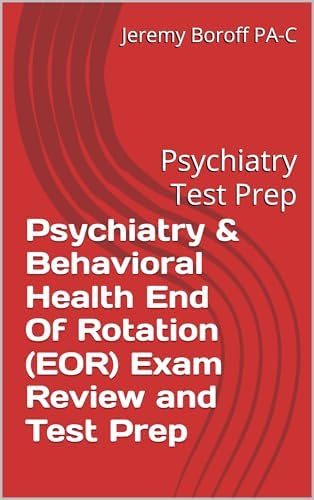
Psychiatry & Behavioral Health End Of Rotation (EOR) Exam Review and Test Prep Book Cover


Clinical Vignettes and Practice Questions

Scenario 1: Surgery

Your patient is a 45-year-old male presenting for a scheduled laparoscopic cholecystectomy. He has a history of stable angina and hypertension. His vital signs are HR 72, BP 134/82, and SaO2 98% on room air. During the preoperative assessment, you must determine his risk for perioperative cardiac events.

Question: According to the 2026 Surgery EOR blueprint regarding perioperative care, which of the following is the most appropriate next step in his risk assessment?

A. Proceed to surgery without further cardiac testing
B. Perform a routine preoperative stress test
C. Calculate his Revised Cardiac Risk Index (RCRI)
D. Obtain a formal cardiology clearance regardless of functional status

Answer: C. Calculate his Revised Cardiac Risk Index (RCRI).
The RCRI is a validated tool for predicting perioperative cardiac complications. In a patient with stable cardiovascular disease undergoing a non-high-risk procedure, the first step is to assess clinical risk factors and functional capacity. Routine stress testing (B) is not indicated in stable patients with good functional capacity. Procedural clearance (D) is a clinical determination based on the RCRI and the surgery's risk level, not a mandatory requirement for all.

Scenario 2: Emergency Medicine

Your patient is a 28-year-old female brought to the Emergency Department following a motor vehicle collision (MVC). She was the restrained driver. Vital signs are BP 90/60, HR 120, RR 24, and SaO2 94% on room air. She has significant abdominal bruising and tenderness.

Question: Which of the following is the most appropriate initial diagnostic study to evaluate for intra-abdominal hemorrhage in this hemodynamically unstable patient?

A. CT scan of the abdomen and pelvis with IV contrast
B. Focused Assessment with Sonography for Trauma (FAST) exam
C. Diagnostic peritoneal lavage (DPL)
D. Emergent exploratory laparotomy

Answer: B. Focused Assessment with Sonography for Trauma (FAST) exam.
In a hemodynamically unstable trauma patient, the FAST exam is the initial diagnostic study of choice because it is rapid, non-invasive, and can be performed at the bedside during the primary survey. A CT scan (A) is contraindicated in an unstable patient who has not been resuscitated. DPL (C) is an alternative but is more invasive and rarely the first choice if ultrasound is available. Laparotomy (D) is indicated if the FAST is positive and the patient remains unstable, but the diagnosis should be sought first.

Scenario 3: Internal Medicine

Your patient is a 68-year-old male with a history of COPD and congestive heart failure. He presents with increased dyspnea and a productive cough. His HR is 110, BP 145/90, and SaO2 is 89% on 2L NC. A chest X-ray shows a right lower lobe infiltrate.

Question: Which of the following is the most likely finding on physical examination of the right lower lobe?

A. Hyperresonance to percussion
B. Increased tactile fremitus
C. Vesicular breath sounds
D. Decreased vocal resonance

Answer: B. Increased tactile fremitus.
Pneumonia (consolidation) results in increased tactile fremitus because sound travels better through solid or fluid-filled medium than through air. Hyperresonance (A) is seen in COPD or pneumothorax. Vesicular breath sounds (C) are normal findings. Decreased vocal resonance (D) is found in conditions that separate the lung from the chest wall, such as pleural effusion or pneumothorax.


For more comprehensive review materials and to explore our 2026 study guides, visit the CME Review Courses Product Page. Ensure your preparation is as efficient as possible with our blueprint-focused practice exams.

Posted on

How to Integrate 100 AAPA Category 1 Credits with a CME Amazon Gift Card Add-On

Maintaining your professional certification requires a strategic approach to continuing medical education. The transition from the PANCE to the recurring PANRE (Physician Assistant National Recertification Exam) or the PANRE-LA (Longitudinal Assessment) necessitates high-quality, high-yield content that aligns with the NCCPA Blueprint. For many physician assistants, the challenge is not just finding the time to study, but also efficiently utilizing a CME stipend.

Our PANRE Review Course is designed to solve both problems simultaneously. We provide a rigorous clinical review while allowing you to maximize your employer-provided funds through a cme gift cards add-on program.

Course Logistics and Deliverables

Price: $399.99 (Base Course)
Duration of Access: 30 Months
Quantifiable Deliverables: 100 AAPA Category 1 CME Credits, 1,672 Practice Questions

The PANRE Review Course is specifically designated for 100 hours of Category 1 AAPA Credit. This credit amount is sufficient to meet a significant portion of your state and national licensing requirements in a single purchase. While this course is authored by physician assistants for physician assistants, nurse practitioners can also claim these credits in many states, and physicians may utilize the material for Category 2 credit.

Understanding the Gift Card Add-On

Clinician reviewing cardiology diagrams with gift card

A unique feature of our platform is the ability to include an Amazon or Apple Gift Card add-on to your purchase. It is important to note that these are not free gifts. These are paid add-ons ranging from $100 to $1500 that are added to the total cost of your CME package.

By selecting a CME with Gift Card package, you can streamline your educational spending. For example, a $1,500 Amazon gift card add-on allows you to purchase medical textbooks, clinical tools, or technology necessary for your practice, all within one educational transaction. This method is highly effective for PAs looking to optimize their annual CME allowance before it expires.

Clinical Review: Cardiology and the NCCPA Blueprint

Cardiology is a cornerstone of the NCCPA Blueprint, accounting for a significant percentage of the questions on both the PANCE and PANRE. Mastery of heart failure, ischemic heart disease, and valvular disorders is essential for clinical practice and exam success. Our pance prep courses break down these complex topics into matter-of-fact, high-yield points that you will encounter on exam day.

When reviewing cardiology, focus on the diagnostic gold standards and the initial management steps for acute presentations. Understanding the nuances of EKG interpretation: such as identifying ST-segment elevation in specific leads to localize an infarct: is a skill that our question bank reinforces through clinical vignettes.

Physician Assistant educating a patient in a clinical setting

Clinical Scenario: Acute Heart Failure Management

Your patient is a 68-year-old male presenting to the emergency department with progressive dyspnea and orthopnea over the last 48 hours. He has a history of hypertension and a previous myocardial infarction.

Vitals:

  • HR: 112 bpm
  • BP: 175/95 mmHg
  • SaO2: 89% on room air
  • Temp: 98.6°F

Physical Exam:
The patient is in respiratory distress, speaking in short sentences. Physical exam reveals bilateral rales halfway up the lung fields and 2+ pitting edema in the lower extremities. An S3 gallop is heard on cardiac auscultation. A chest X-ray shows cephalization of pulmonary vessels and Kerley B lines.

Practice Question 1

Which of the following is the most appropriate initial pharmacological intervention to reduce preload in this patient?

A. Metoprolol 5mg IV
B. Furosemide 40mg IV
C. Lisinopril 10mg PO
D. Morphine 2mg IV

Correct Answer: B. Furosemide 40mg IV

Explanation: In the setting of acute decompensated heart failure with volume overload, loop diuretics like Furosemide are the first-line treatment to rapidly reduce preload through diuresis and a secondary venodilatory effect. Choice A (Metoprolol) is contraindicated in acute decompensation due to its negative inotropic effects, which could worsen the patient's respiratory status. Choice C (Lisinopril) is a maintenance medication for chronic heart failure and acts too slowly for acute stabilization. Choice D (Morphine) was once used for dyspnea in pulmonary edema but is no longer recommended as a primary treatment due to increased rates of mechanical ventilation and adverse outcomes.

Practice Question 2

Your patient’s symptoms stabilize after diuresis, but his EKG shows a new-onset atrial fibrillation with a rapid ventricular response (RVR). He remains hemodynamically stable. What is the most appropriate next step for rate control in this patient with a known history of heart failure?

A. Immediate synchronized cardioversion
B. Diltiazem IV bolus
C. Digoxin IV
D. Esmolol infusion

Correct Answer: C. Digoxin IV

Explanation: In patients with acute heart failure and reduced ejection fraction, Digoxin or Amiodarone are preferred for rate control if beta-blockers are not tolerated or if the patient is in an acute flare. Choice A (Cardioversion) is reserved for patients who are hemodynamically unstable (e.g., hypotension, altered mental status). Choice B (Diltiazem) and other non-dihydropyridine calcium channel blockers should be avoided in patients with heart failure with reduced ejection fraction (HFrEF) due to their potent negative inotropic effects. Choice D (Esmolol) is a beta-blocker and, as discussed previously, should be avoided during the acute "wet" phase of heart failure.

Maximize Your Study Time with 1,672 Questions

Organized medical study desk with NCCPA Blueprint focus

Efficiency is the primary goal of the panre review course. Our question bank does not just test your knowledge; it teaches you how to think like an NCCPA examiner. We cover all organ systems, including:

  • Internal Medicine
  • Family Medicine
  • Emergency Medicine
  • Orthopedics
  • Psychiatry and Neurology
  • OB/GYN and Dermatology

Every question includes a concise, exclusionary explanation. We lead with the correct answer and explain the clinical logic behind it while dismissing distractors based on current guidelines (e.g., AHA/ACC for cardiology, GOLD for COPD).

Why the Gift Card Add-On Makes Sense

The cme gift cards add-on is a pragmatic tool for the modern clinician. We recognize that education extends beyond the screen. Whether you need a new tablet for rounding, professional attire, or medical references, the Amazon/Apple gift card options (available up to $1500) provide the flexibility to procure these items using your professional development budget.

Again, these are not free rewards. They are integrated into the total purchase price, providing a transparent and efficient way to bundle your educational needs. When you purchase the PANRE Review Course, you are getting a comprehensive board review package that carries 100 AAPA Category 1 credits, alongside the tools you need to succeed in your daily practice.

Conclusion

Staying certified should not be a logistical burden. By combining the highest number of available AAPA Category 1 credits (100 hours) with the flexibility of a gift card add-on, CME Review Courses provides the most efficient educational experience on the market. Access our pance prep courses today and ensure you are prepared for your next recertification cycle while maximizing the value of your CME stipend. And for PA students who prefer an app-based approach, PAtopia offers 11,000+ board-style questions covering the PANCE, PACKRAT, and all 7 EOR rotations. Visit cmereviewcourses.com/patopia-new-student-section/ to start your free trial.

Posted on

Stop Wasting Your CME Stipend: 4 PANRE Review Mistakes and How 100 Category 1 Credits + Gift Card Add-Ons Fix Them

Price: $600.00 – $2,500.00 (Depending on Gift Card Add-On)
Duration of Access: 12 Months
Quantifiable Deliverables: 100 AAPA Category 1 CME Credits, Comprehensive PANRE Review Content, Amazon or Apple Gift Card Add-On options ($100 – $1,500).

Your CME stipend is more than just a benefit; it is a professional tool designed to keep your certification active and your clinical knowledge sharp. However, many Physician Assistants (PAs) and Nurse Practitioners (NPs) mismanage these funds, leading to out-of-pocket costs and last-minute stress. Preparing for the Physician Assistant National Recertification Exam (PANRE) or the PANRE-LA requires a strategic approach that maximizes both your time and your budget.

Below are the four most common mistakes made during the recertification process and the specific ways our PANRE Review Course and CME gift cards fix them.

1. Misunderstanding the CME Requirements for PANRE-LA vs. Traditional PANRE

The most frequent error is assuming that the choice between the traditional PANRE and the PANRE-LA (Longitudinal Assessment) changes your fundamental CME obligations. It does not. Regardless of which path you choose, the NCCPA requires 100 CME credits every two-year cycle, with at least 50 of those being Category 1.

The traditional PANRE is a four-hour, 240-question exam taken at a testing center. It provides zero CME credits. In contrast, the PANRE-LA is an open-book, multi-year process that awards 2 AAPA Category 1 Self-Assessment CME credits for each completed quarter. While this helps, it is not enough to satisfy your total requirements.

How We Fix It:
Our PANRE Review Course provides a massive 100 hours of AAPA Category 1 Credit. This ensures that even if you choose the traditional exam, your 50-hour Category 1 requirement is met twice over, leaving you with no doubt about your compliance for the current cycle.

PANRE Review Book Cover

2. Failing to Bridge the 100-Hour Gap

Many PAs wait until the final months of their cycle to log credits, only to realize they are short on Category 1 hours. This leads to a frantic search for any available credits, often resulting in purchasing low-quality materials that do not actually prepare you for the exam.

If you are pursuing the PANRE-LA, you are being tested on a quarterly basis. If you are pursuing the traditional PANRE, you are being tested on a high-stakes, single-day exam. In both scenarios, the lack of a structured, high-volume credit source is a tactical failure.

How We Fix It:
We provide an efficient way to use your CME money. Instead of buying multiple small courses, our pance prep courses bundle everything you need. You get the 100 Category 1 AAPA credits in one package. For Nurse Practitioners, these credits are often accepted toward your own requirements depending on your state board, and for Physicians, this content qualifies for Category 2 credit.

3. Poor Allocation of Your CME Stipend

If your employer provides a $2,000 or $3,000 annual CME stipend and you only spend $500 on a basic review, you are leaving thousands of dollars on the table. This money is often "use it or lose it." Failing to maximize this benefit is a missed opportunity to invest in your long-term professional development and educational resources.

How We Fix It:
We offer CME with Amazon and Apple Gift Card add-ons. This is not a "free gift." It is a deliberate add-on to your purchase that allows you to further enrich your education. You can add a $100 to $1,500 Gift Card to your CME purchase. This allows you to use your stipend to purchase the necessary medical equipment, textbooks, or technology (like an iPad or specialized stethoscope) that you need for your practice. It is a pragmatic, real-world solution to maximize your contract benefits.

CME Gift Card Add-Ons Visual

4. The "Specialty Trap": Studying Only Your Current Field

If you work in Orthopedics, you likely know the NCCPA Blueprint for musculoskeletal health inside and out. However, the PANRE and PANRE-LA cover Emergency Medicine, Family Medicine, Internal Medicine, Dermatology, Psychiatry, Neurology, Cardiology, and OB/GYN. A common mistake is neglecting these other "core" areas.

Over-studying your specialty while ignoring Cardiology or Infectious Disease is the fastest way to fail or struggle with the longitudinal questions.

How We Fix It:
Our content was written by physician assistants for physician assistants, specifically to cover the breadth of the NCCPA Blueprint. We provide high-yield reviews across all major medical specialties. Whether you are a hospitalist or work in a niche dermatology clinic, our course forces you back into the generalist mindset required for recertification.

Focused Physician Assistant Studying in a Clinic


Clinical Assessment: Practice Question

Patient Demographics: Your patient is a 54-year-old male with a history of hypertension and tobacco use (30 pack-years).

Symptoms: He presents to the Emergency Department with sudden onset, severe "tearing" chest pain that radiates to his back between the scapulae. He appears diaphoretic and distressed.

Vital Signs:

  • BP: 185/110 mmHg (Left Arm), 150/90 mmHg (Right Arm)
  • HR: 105 bpm
  • RR: 22/min
  • SaO2: 96% on room air

Question: Which of the following is the most appropriate initial diagnostic study to confirm the suspected diagnosis in this hemodynamically stable patient?

A) Chest X-ray
B) Transthoracic Echocardiogram (TTE)
C) Computed Tomography Angiography (CTA) of the chest and abdomen
D) Magnetic Resonance Imaging (MRI) of the chest


Explanation and Correct Answer

The correct answer is C) Computed Tomography Angiography (CTA) of the chest and abdomen.

  • CTA of the chest and abdomen is the correct choice because it is the gold standard for diagnosing an aortic dissection in stable patients. It offers high sensitivity and specificity and allows for the determination of the extent of the dissection (Stanford Type A vs. Type B), which is critical for surgical vs. medical management planning.
  • Chest X-ray is incorrect. While it may show a "widened mediastinum" in about 60-90% of cases, it is not sensitive or specific enough to confirm the diagnosis or guide management.
  • Transthoracic Echocardiogram (TTE) is incorrect. While useful for checking for aortic insufficiency or pericardial effusion, it has poor sensitivity for descending aortic dissections. A Transesophageal Echocardiogram (TEE) would be a better choice in an unstable patient, but CTA remains the preferred initial test for stable patients.
  • Magnetic Resonance Imaging (MRI) is incorrect. Although highly accurate, it is time-consuming and often impractical in an acute emergency department setting where rapid diagnosis is essential.

Comprehensive EKG Guide Cover

Summary of the CME Review Courses Advantage

Choosing the right panre review course is about more than just passing an exam; it is about managing your professional requirements with efficiency.

  • 100 Category 1 AAPA Credits: Meets your recertification needs in one go.
  • CME with Gift Card Add-Ons: Allows for the purchase of $100-$1,500 Amazon or Apple cards to buy necessary educational tools.
  • Comprehensive Content: Covers the entire NCCPA Blueprint, including cardiology, orthopedics, and internal medicine.
  • Versatility: While designed by PAs, our packages offer significant value to Nurse Practitioners and Physicians looking for Category 2 credit.

Don't let your CME stipend go to waste. Invest in a program that provides both the clinical knowledge you need and the financial flexibility you deserve.


Posted on

PANRE-LA vs. Traditional PANRE: 5 Facts About AAPA Category 1 Credit That Every PA Needs to Know (Plus How to Maximize Your CME Budget)

Price: $399.99 (starting)
Duration of Access: 30 months
Deliverables: 100 hours of AAPA Category 1 CME Credit, 1,672+ board-style questions.

The choice between the Traditional PANRE and the PANRE-LA (Longitudinal Assessment) is more than just a preference for how you take an exam; it is a strategic decision regarding how you manage your recertification cycle and your professional development budget. While both pathways fulfill the NCCPA requirement for recertification, they offer vastly different experiences and credit-earning potential.

When you enroll in the PANRE Review Course, you are not just preparing for an exam. You are securing 100 hours of AAPA Category 1 CME credit that can be applied to your certification requirements, regardless of which testing path you choose.

PANRE-LA vs. Traditional PANRE: The Core Differences

The Traditional PANRE remains a single, high-stakes, four-hour proctored exam taken at a Pearson VUE testing center. It consists of 240 questions and is a closed-book assessment. For PAs who prefer to "get it over with" in one day, this remains the standard.

In contrast, the PANRE-LA is an open-book, longitudinal assessment spread over two to three years. You answer 25 questions per quarter for 8 to 12 quarters. This format is designed for "assessment for learning," allowing you to use references to close knowledge gaps in real-time.

5 Facts About AAPA Category 1 Credit That Every PA Needs to Know

Understanding how credits work is essential for maintaining your certification without last-minute stress.

  1. PANRE-LA Earning Potential: Completing a quarter of the PANRE-LA typically earns you 2 AAPA Category 1 Self-Assessment CME credits. Over 12 quarters, this can total 24 credits. However, this is rarely enough to satisfy your total cycle requirements.
  2. Traditional PANRE Does Not Award Credit: Simply sitting for and passing the Traditional PANRE awards zero CME credits. You must obtain your 100 required credits through external courses.
  3. The 50/50 Split: You are required to log at least 100 CME credits every two years, at least 50 of which must be Category 1. The PANRE Review Course provides the full 100 Category 1 credits in one package, effectively covering your requirements for two cycles or ensuring a massive surplus.
  4. Self-Assessment Bonuses: AAPA Category 1 Self-Assessment credits (like those earned in the PANRE-LA) are often weighted more heavily by the NCCPA (currently a 50% bonus). However, "regular" Category 1 credits remain the bedrock of your logging.
  5. Audit Protection: Keeping a clear record of high-quality Category 1 credits from a reputable source like CME Review Courses is the best defense against an NCCPA audit.

A graphic showing the value of 100 Category 1 credits alongside a gift card add-on.

How to Maximize Your CME Budget with Amazon Gift Card Add-ons

Most PAs receive a yearly CME allowance from their employers. If you do not use this money, you lose it. A common strategy to maximize this benefit is using CME gift cards as part of your purchase.

At CME Review Courses, we offer the ability to add an Amazon or Apple Gift Card ($100 – $1,500) to your PANRE Review Course purchase. It is important to note that these are NOT free gifts. They are add-ons that increase the total price of the package, allowing you to use your employer’s CME fund to purchase both the educational materials and a gift card that can be used for further educational resources, such as medical equipment, books, or technology.

By bundling the 100 hours of AAPA Category 1 credit with a gift card, you efficiently utilize your professional allowance while preparing for the NCCPA Blueprint content you will face on exam day.

7 Mistakes You’re Making with PANRE Review

Many PAs fail to optimize their study time, leading to unnecessary stress. Avoid these common pitfalls:

  • Relying Solely on Clinical Experience: Daily practice is specific; the PANRE is broad. You must review systems you don’t see every day.
  • Ignoring the NCCPA Blueprint: The exam is structured around specific percentages. Spending too much time on rare conditions while ignoring high-yield Cardiology or Pulmonology is a strategic error.
  • Waiting Until Year 9: Whether taking the PANRE-LA or the Traditional PANRE, waiting until the last possible moment to start your review limits your ability to earn and log credits comfortably.
  • Neglecting Practice Questions: Passive reading is inferior to active recall. Our course includes over 1,600 questions to sharpen your test-taking skills.
  • Underestimating the Pharmacology Component: Pharmacology makes up a significant portion of the exam. We offer a specific Pharmacology Course that also provides AAPA Category 1 Credit.
  • Not Factoring in Time Per Question: In the Traditional PANRE, you have 60 seconds per question. If you haven't practiced under timed conditions, you will struggle.
  • Thinking "Open Book" Means "No Study": PAs taking the PANRE-LA often fail questions because they spend too much time looking up answers. You only have 5 minutes per question; you must still know the core material.

PANRE Review Exam 1 Book Cover

Clinical Practice Questions

To succeed on either the Traditional PANRE or the PANRE-LA, you must be able to apply clinical knowledge to vignettes. Review the following scenarios.

Scenario 1

Patient Demographics: 58-year-old female.
Symptoms: Acute onset of severe retrosternal chest pain radiating to the back, described as "tearing."
Vital Signs: HR: 110 bpm, BP: 185/105 mmHg (Right Arm), 155/90 mmHg (Left Arm), SaO2: 96% on RA.

Question: What is the most appropriate initial diagnostic study for this patient?

A) Transthoracic Echocardiogram (TTE)
B) CT Angiography of the Chest and Abdomen
C) Chest X-ray
D) Electrocardiogram (ECG)

Explanation: B) CT Angiography of the Chest and Abdomen is the correct answer. The patient's presentation: sudden tearing chest pain radiating to the back and a significant blood pressure discrepancy between arms: is highly suggestive of an aortic dissection. CT angiography is the gold standard for rapid and accurate diagnosis in a hemodynamically stable patient. While an ECG (D) should be performed to rule out MI, it is not the definitive diagnostic study for dissection. A Chest X-ray (C) may show a widened mediastinum but lacks sufficient sensitivity. TTE (A) is less sensitive than CT for the descending aorta.

Scenario 2

Patient Demographics: 32-year-old male.
Symptoms: Recurrent episodes of wheezing and shortness of breath, worse at night and during exercise.
Vital Signs: HR: 82 bpm, RR: 16, SaO2: 98% on RA. Physical exam reveals mild end-expiratory wheezing.

Question: Which of the following findings on spirometry would most strongly support a diagnosis of asthma?

A) FEV1/FVC ratio > 0.80
B) Increase in FEV1 of >12% after bronchodilator inhalation
C) Flattening of the inspiratory limb of the flow-volume loop
D) Total Lung Capacity (TLC) < 80% of predicted

Explanation: B) Increase in FEV1 of >12% after bronchodilator inhalation is the correct answer. Reversibility of airflow obstruction is a hallmark of asthma. An increase in FEV1 of at least 12% (and at least 200 mL) following a short-acting beta-agonist is diagnostic. An FEV1/FVC ratio > 0.80 (A) is typically normal and does not suggest obstructive disease. Flattening of the inspiratory limb (C) suggests an extra-thoracic upper airway obstruction. A low TLC (D) is indicative of restrictive lung disease, not asthma.

A clinician examining a patient in a distress-focused clinical scenario.

Conclusion: Secure Your 100 Category 1 Credits Today

Whether you are preparing for the quarterly challenges of the PANRE-LA or the single-day hurdle of the Traditional PANRE, your preparation should yield more than just a passing score. By choosing our PANRE Review Course, you earn 100 hours of AAPA Category 1 Credit while mastering the NCCPA Blueprint.

Don't let your CME budget go to waste. Use the CME gift card add-on options to maximize your employer's investment in your education. Secure your access for 30 months and ensure you have the tools to remain certified and clinically sharp.

PANRE Review Exam 2 Book Cover

Posted on

AAPA Category 1 Credit: 5 Facts Every PA Should Know Before Their Recertification Deadline

Maintaining your NCCPA certification requires a clear understanding of AAPA Category 1 credit requirements. Navigating the logistics of the two-year CME cycle can be overwhelming, especially when balancing clinical duties with the need for high-quality board preparation. Whether you are preparing for the traditional PANRE or the PANRE-LA, your choice of educational material determines how efficiently you meet these mandates.

PANRE Review Course Details:

  • Price: $399.99 (Base Price)
  • Duration of Access: No expiration (Lifetime access to files)
  • Deliverables: 100 Category 1 AAPA Credits, 720 PANRE Practice Questions (3 full-length 240-question exams), NCCPA Blueprint-aligned content.

Pharmacology CME Review Details:

  • Price: $399.99 (Base Price)
  • Duration of Access: 30 Months
  • Deliverables: 12 Category 1 AAPA Credits, 120 Practice Questions, Pharmacology Study Library.

1. What AAPA Category 1 Credit Is and Why It Matters

AAPA Category 1 credit is the gold standard for PA continuing education. These credits are earned through activities that have been reviewed and approved by the AAPA Review Panel. They are structured, formal educational sessions designed to enhance clinical knowledge and professional performance.

For every two-year cycle, the NCCPA requires 100 total CME credits. At least 50 of these must be Category 1. If you fail to meet this minimum, you risk losing your certification. The PANRE Review Course is specifically designed to provide the necessary credits while preparing you for the rigor of the exam.

2. Earning 100 Category 1 AAPA Credits Efficiently

The most efficient way to maintain your certification is to choose a program that covers your entire Category 1 requirement in a single purchase. Our PANRE Review Course offers 100 hours of Category 1 AAPA credit, allowing you to satisfy your cycle requirements while utilizing a comprehensive panre review course.

Instead of piecing together small modules, you can focus on 720 blueprint-aligned questions. These questions mirror the 5-answer multiple-choice format used by the NCCPA, ensuring that your study time also counts as official credit.

Official PANRE Review Exam Book Cover

3. The Truth About CME Gift Cards and Add-Ons

Many PAs have an annual CME stipend provided by their employer that must be used within a calendar year. To help PAs maximize this benefit, we offer cme gift cards as optional add-ons to our courses.

It is important to understand that these are NOT free gifts. They are optional additions ranging from $100 to $1500 that you can add to your purchase. For example, if you have a $2,000 stipend and our course is $399.99, you can add an Amazon or Apple gift card for $1,500. This allows you to use your full education budget to enrich your learning environment: whether that’s buying medical equipment, textbooks, or tech tools for your practice.

Amazon and Apple Gift Card add-ons for CME stipends

4. Distinguishing Between PANRE and Pharmacology Credits

While both the PANRE Review Course and the Pharmacology Course offer AAPA Category 1 credit, they serve different purposes.

  • PANRE Review Course: This course provides 100 hours of Category 1 AAPA credit. It is built for PAs preparing for recertification and covers the full spectrum of the NCCPA Blueprint.
  • Pharmacology Course: This course offers 12 Category 1 AAPA credits. It is a specialized review focused on prescribing pearls, drug dosing, and black-box warnings.

Many pance prep courses focus only on students, but our packages are designed by physician assistants specifically for practicing PAs.

Pharmacology CME Review Course Logo

5. Self-Assessment Bonus Weighting

The NCCPA applies a 50% bonus weighting to certain Category 1 Self-Assessment credits. When you log AAPA Category 1 Self-Assessment credits, the NCCPA automatically adds extra credit to your tally.

Both our PANRE and Pharmacology courses are formatted as self-assessment activities. This means that 12 credits of Pharmacology can actually account for 18 credits toward your NCCPA requirement when logged. This is a critical strategy for PAs who need to meet their 20-hour self-assessment or PI-CME minimum within their 50 Category 1 hours.


Clinical Assessment

Case 1

Your patient is a 54-year-old male presenting with acute onset of severe substernal chest pain that radiates to his back. He describes the pain as "tearing." His medical history is significant for poorly controlled hypertension. On physical examination, his BP is 190/110 mmHg in the right arm and 160/95 mmHg in the left arm. A new diastolic murmur is noted at the right sternal border.

What is the most appropriate next step in the diagnostic workup for this patient?

A. Exercise stress test
B. CT Angiography of the chest and abdomen
C. D-dimer assay
D. Transthoracic echocardiogram (TTE)
E. Coronary angiography

Correct Answer: B. CT Angiography of the chest and abdomen.
CT Angiography is the gold standard for diagnosing aortic dissection in hemodynamically stable patients due to its high sensitivity and specificity. The patient's presentation of tearing chest pain radiating to the back and a blood pressure discrepancy between arms strongly suggests aortic dissection.

Distractor Analysis:

  • A. Exercise stress test: Contraindicated in the setting of suspected acute aortic dissection as it would worsen the condition.
  • C. D-dimer assay: While it may be elevated, it is non-specific and should not delay definitive imaging in a high-probability case.
  • D. TTE: TTE has limited sensitivity for the descending aorta; a Transesophageal Echocardiogram (TEE) would be more appropriate if the patient were unstable, but CT is preferred for stable patients.
  • E. Coronary angiography: This is used for myocardial infarction and would delay the diagnosis of a surgical emergency like dissection.

Case 2

Your patient is a 28-year-old female who presents with a 3-day history of increased vaginal discharge and pelvic pain. On pelvic examination, you note cervical motion tenderness and purulent cervical discharge. Her last menstrual period was 10 days ago. She is sexually active with a new partner and does not use barrier protection consistently.

What is the recommended first-line treatment for this patient?

A. Ceftriaxone 500 mg IM once plus Doxycycline 100 mg BID for 14 days
B. Azithromycin 1g PO once
C. Metronidazole 500 mg BID for 7 days
D. Ciprofloxacin 500 mg PO BID for 3 days
E. Levofloxacin 750 mg PO daily for 5 days

Correct Answer: A. Ceftriaxone 500 mg IM once plus Doxycycline 100 mg BID for 14 days.
This patient presents with classic signs of Pelvic Inflammatory Disease (PID). The current CDC guidelines recommend Ceftriaxone to cover Neisseria gonorrhoeae and Doxycycline to cover Chlamydia trachomatis.

Distractor Analysis:

  • B. Azithromycin: This is no longer recommended as monotherapy for gonorrhea or PID due to increasing resistance.
  • C. Metronidazole: While often added to the PID regimen to cover anaerobes, it is not the primary treatment for the two most common causative organisms on its own.
  • D. Ciprofloxacin: Fluoroquinolones are no longer recommended for gonorrhea in the United States due to high resistance rates.
  • E. Levofloxacin: Similar to Ciprofloxacin, it is not a first-line agent for PID unless specific contraindications to Ceftriaxone exist and the local resistance patterns are known.

Case 3

Your patient is a 68-year-old male with a history of COPD who presents with increased shortness of breath and a productive cough. His pulse oximetry is 88% on room air. He is currently taking a long-acting beta-agonist (LABA) and a long-acting muscarinic antagonist (LAMA).

Which of the following interventions has been shown to decrease mortality in patients with chronic stable COPD?

A. Inhaled corticosteroids (ICS)
B. Long-term oxygen therapy (>15 hours per day)
C. Chronic oral prednisone
D. Regular use of short-acting beta-agonists (SABA)
E. Pulmonary rehabilitation

Correct Answer: B. Long-term oxygen therapy (>15 hours per day).
Long-term oxygen therapy is one of the few interventions proven to improve survival in patients with COPD who have chronic resting hypoxemia (SaO2 ≤ 88%).

Distractor Analysis:

  • A. ICS: While ICS can reduce the frequency of exacerbations, they have not been consistently shown to reduce overall mortality in stable COPD.
  • C. Oral prednisone: Chronic use is associated with significant side effects and is not recommended for long-term management of stable COPD.
  • D. SABA: These provide symptomatic relief but do not alter the disease course or mortality.
  • E. Pulmonary rehabilitation: This significantly improves quality of life and exercise tolerance but has not shown a definitive mortality benefit compared to oxygen therapy in hypoxemic patients.

EKG Guidebook for clinical practice

Ensure Your Credits Count

Meeting your recertification deadline shouldn't be a source of stress. By choosing a comprehensive panre review course that offers 100 Category 1 AAPA credits, you handle your educational and administrative requirements in one step.

Utilize your CME stipend effectively with our cme gift cards add-ons and ensure you are practicing with high-quality, peer-reviewed questions. Your certification is the foundation of your practice: invest in a review course that understands the needs of the working Physician Assistant.

Posted on

How to Integrate Your PANRE Review Course with a $1500 Amazon Gift Card Add-On for Further Education

Price: Starting at $399.99 (Base Course)
Duration: 30 Months of Access
Deliverables: 100 Hours of AAPA Category 1 CME Credit

Maintaining your certification through the National Commission on Certification of Physician Assistants (NCCPA) requires a strategic approach to both education and resource management. The PANRE Review Course offered by CME Review Courses provides a comprehensive solution for Physician Assistants facing the PANRE or PANRE-LA. This course is specifically designed to provide 100 hours of AAPA Category 1 CME credit, ensuring you meet your cycle requirements while preparing for high-stakes assessment.

A unique feature of this program is the ability to customize your purchase with a CME gift card add-on. You have the option to add an Amazon or Apple gift card ranging from $100 to $1500 to your order. It is essential to understand that these gift cards are not free gifts; they are add-ons that allow you to maximize your employer-provided CME budget. By integrating a $1500 Amazon gift card into your PANRE review purchase, you can acquire necessary clinical tools, textbooks, and technology to further your professional development throughout the 30-month access period.

Maximizing Your CME Budget with Amazon Add-Ons

When you select the panre review course with a $1500 Amazon gift card add-on, you are creating a fund for your continued clinical education. This allows for the purchase of tangible resources that support the evidence-based practice taught within the course.

Common uses for the $1500 add-on include:

  • High-fidelity diagnostic equipment (e.g., portable ultrasound butterflies or high-end stethoscopes).
  • Current editions of major medical texts (e.g., Harrison’s Principles of Internal Medicine).
  • Tablet computers for mobile access to the pance prep courses and clinical decision-making apps.
  • Medical office supplies and anatomical models for patient education.

This integration ensures that your CME funds are utilized efficiently, covering both the required 100 hours of Category 1 credit and the tools necessary for your daily practice in Internal Medicine, Family Medicine, or any other specialty.

The cover of the PANRE/PANRE-LA Review Exam 1 Book by Jeremy Boroff PA-C, a key resource in the CME Review Courses curriculum.

Clinical Focus: Internal Medicine and Gastroenterology

The PANRE Review Course content is meticulously curated by Physician Assistants who understand the clinical nuances required for the NCCPA exams. In the Internal Medicine and Gastroenterology modules, we emphasize the high-yield topics found on the NCCPA Blueprint.

Your clinical practice requires rapid identification of emergent conditions versus chronic management. The following clinical vignettes represent the level of detail and practical application found within our 1,672-question bank.

Clinical Vignette 1: Internal Medicine / Cardiology

Your patient is a 68-year-old male with a history of hypertension and Type 2 Diabetes Mellitus who presents to the clinic for a routine follow-up. He reports recent onset of exertional chest heaviness that is relieved by rest. His current medications include lisinopril and metformin. Vital signs are: HR 78 bpm, BP 142/88 mmHg, SaO2 98% on room air. An EKG performed in the office shows normal sinus rhythm with no ST-segment or T-wave changes.

Which of the following is the most appropriate next step in the diagnostic evaluation of this patient?

A) Coronary Angiography
B) Exercise Stress Test
C) Echocardiogram
D) Troponin I level

Explanation: The correct answer is B) Exercise Stress Test.
The patient presents with symptoms highly suggestive of stable angina. In a patient with a normal baseline EKG and the ability to exercise, an Exercise Stress Test is the preferred initial non-invasive diagnostic step to evaluate for coronary artery disease. Coronary Angiography (A) is the gold standard but is invasive and typically reserved for patients with high-risk findings on non-invasive testing or those who remain symptomatic despite medical therapy. An Echocardiogram (C) is useful for assessing valvular function and ejection fraction but is not the primary diagnostic tool for exertional ischemia. Troponin I (D) is used to evaluate for acute myocardial infarction; it is not indicated in the setting of stable, exertional symptoms where the patient is currently asymptomatic and hemodynamically stable.

A visual representation of medical education resources purchased with an Amazon gift card, including a tablet, medical textbooks, and a stethoscope.

Clinical Vignette 2: Gastroenterology

Your patient is a 45-year-old female presenting with a 2-day history of sharp right upper quadrant pain that radiates to her right scapula. She reports associated nausea and one episode of vomiting. On physical exam, she is febrile (101.2°F) and exhibits significant tenderness and inspiratory arrest upon palpation of the right upper quadrant. Laboratory studies reveal a leukocytosis of 14,000/mm³.

What is the most likely diagnosis?

A) Biliary Colic
B) Acute Cholecystitis
C) Acute Cholangitis
D) Acute Pancreatitis

Explanation: The correct answer is B) Acute Cholecystitis.
The clinical presentation of fever, right upper quadrant pain, and a positive Murphy's sign (inspiratory arrest on palpation) is classic for acute cholecystitis. Biliary Colic (A) typically presents with similar pain, but the pain is transient (usually lasting less than 6 hours), and the patient remains afebrile without leukocytosis. Acute Cholangitis (C) is characterized by Charcot’s Triad (fever, RUQ pain, and jaundice); the absence of jaundice in this patient makes cholecystitis more likely. Acute Pancreatitis (D) usually presents with epigastric pain radiating to the back and would be characterized by elevated lipase levels.

Using Your 100 Hours of Category 1 Credit

The PANRE Review Course is not just an exam prep tool; it is an efficient way to satisfy your CME requirements. The 100 hours of AAPA Category 1 credit are specifically attributed to this course. This is a significant advantage for PAs who need to complete their entire 100-hour requirement in a single, focused program.

While we also offer a Pharmacology Course, it is important to note that the 100-hour Category 1 AAPA credit designation applies specifically to the PANRE Review Course. The Pharmacology course is also Category 1 AAPA credit, but is separate from the 100-hour PANRE bundle. Both courses provide an efficient use of CME money, especially when paired with cme gift cards to facilitate further learning.

The Comprehensive PANCE Review Book by Jeremy Boroff PA-C, which serves as a vital reference for both PANCE and PANRE candidates.

Why Physician Assistants Choose CME Review Courses

Our content is written by physician assistants for physician assistants. While nurse practitioners and physicians also find value in our modules: often using them for Category 2 CME: the focus remains on the specific needs of the PA profession.

  • Efficiency: We focus on what you need to know for the NCCPA exams without the filler.
  • Accessibility: 30 months of access allows you to study at your own pace across multiple exam cycles if necessary.
  • Flexibility: The cme with gift card options allow you to tailor your purchase to your specific educational needs, whether you need an amazon gift card for books or an apple gift card for clinical apps.

Clinical Vignette 3: Pulmonology

Your patient is a 24-year-old female with a history of mild intermittent asthma who presents with worsening shortness of breath and wheezing over the past three days. She has been using her albuterol inhaler every 4 hours with only minimal relief. On examination, she is tachypneic (RR 26) and has diffuse expiratory wheezing. Her pulse oximetry is 94% on room air.

According to current GINA guidelines, what is the most appropriate addition to her treatment regimen?

A) Long-acting beta-agonist (LABA) monotherapy
B) Oral Corticosteroids
C) Short-acting muscarinic antagonist (SAMA)
D) High-dose inhaled corticosteroids (ICS)

Explanation: The correct answer is B) Oral Corticosteroids.
For an acute asthma exacerbation that is not responding adequately to SABA, a short course of oral corticosteroids is indicated to reduce airway inflammation and prevent further progression. LABA monotherapy (A) is contraindicated in asthma due to increased risk of asthma-related death; it must always be used with an ICS. SAMA (C) can be used as an adjunct in the emergency department but is not the primary treatment for an outpatient exacerbation. High-dose ICS (D) is used for chronic maintenance in severe asthma, but oral steroids provide the necessary systemic anti-inflammatory effect required for an acute flare.

A clinician reviewing medical data on a tablet in an Internal Medicine setting, illustrating the practical application of PANRE review knowledge.

Conclusion: A Strategic Investment in Your Career

Choosing the right panre review course is a matter of balancing clinical rigor with logistical convenience. By selecting the CME Review Courses PANRE bundle, you receive 100 hours of Category 1 AAPA credit, 30 months of access to high-yield clinical content, and the ability to add up to a $1500 Amazon gift card for further education.

This program ensures you are not only prepared for the NCCPA exam but also equipped with the physical and digital tools needed to provide high-quality care to your patients. Explore our full range of CME with gift card options to find the package that best fits your professional goals. And for PA students and recent grads, PAtopia provides an app-based study library with 11,000+ questions covering the PANCE, PACKRAT, and all 7 EOR rotations. Learn more at cmereviewcourses.com/patopia-new-student-section/.

Posted on

Looking For CME with Amazon Gift Card? Here Are 10 Things You Should Know

Maximizing your annual Continuing Medical Education (CME) allowance is a critical component of professional career management for Physician Assistants and Nurse Practitioners. As the fiscal year concludes for many hospital systems, the search for high-yield educational content that includes tangible rewards: such as Amazon or Apple gift cards: becomes a priority. At CME Review Courses, we provide an efficient mechanism to convert your educational budget into both high-level clinical knowledge and flexible gift card add-ons.

The PANRE Review Course is available for $399.99 and provides 100 Hours of AAPA Category 1 CME credit. Access to all course materials is granted for a duration of 30 months from the date of purchase. Purchasers can opt to add Amazon or Apple gift cards in denominations ranging from $100 to $1,500 to their order.

1. Accreditation Matters for Your Certification

When selecting a CME package with a gift card, the accreditation of the educational content is the primary factor. For Physician Assistants, the NCCPA requires 100 hours of CME every two years, with at least 50 of those being Category 1. Our PANRE Review Course provides 100 Hours of AAPA Category 1 CME credit, which satisfies your entire Category 1 requirement for an entire cycle in one comprehensive package.

2. Gift Card Flexibility for Educational Tools

The Amazon and Apple gift card add-ons are designed to help you further enrich your clinical practice. Whether you need to purchase new medical equipment, diagnostic tools, or reference texts, these gift cards allow you to acquire the resources you need through major retailers. The flexibility of $100 to $1,500 in add-on value ensures that you can utilize your full employer allowance effectively.

3. High-Yield Specialty Content

Beyond the gift card, the quality of the content determines the value of the course. Our packages cover essential medical domains including Cardiology, Emergency Medicine, Family Medicine, Internal Medicine, Orthopedics, and OB/GYN. This content is specifically engineered by Physician Assistants for Physician Assistants, ensuring that the clinical pearls and diagnostic algorithms are relevant to your daily practice.

Physician Assistant reviewing clinical content on a digital tablet

4. Long-Term Access and Utility

Medical knowledge is not static, and your access to review materials shouldn't be either. All of our CME packages, including the Family Medicine CME Package, come with 30 months of access. This allows you to revisit the material as clinical questions arise in your practice or as you prepare for upcoming recertification windows.

5. Nurse Practitioners and State-Specific Rules

While our courses are primarily accredited through the AAPA, Nurse Practitioners often find significant value in our content. However, the acceptance of AAPA Category 1 credit for NP certification can vary by state and certifying body (such as the AANP or ANCC). We recommend that Nurse Practitioners verify their specific state board requirements before purchase to ensure the credits apply toward their licensure.

6. Physician Value: Category 2 Credit

Physicians often utilize our CME packages to supplement their clinical knowledge in specific areas like Pharmacology. It is important to note that for physicians, these courses count as Category 2 CME credit, not Category 1. Despite this distinction, many physicians find the pragmatic, clinical vignette-based approach to be a superior review for day-to-day patient management.

7. Efficient Use of CME Funds

Many hospital contracts include a "use it or lose it" CME fund. Choosing a package with a gift card add-on is a strategic way to ensure that your total compensation package is fully realized. By selecting a gift card value that matches your remaining budget, you maximize the utility of your professional development funds.

A visual representation of medical education and gift card rewards

8. Navigating the NCCPA Blueprint

Preparation for the PANRE or PANRE-LA requires a deep understanding of the NCCPA Blueprint. Our courses are structured to mirror the NCCPA Blueprint content areas, focusing on the high-weight organ systems like Cardiology and Pulmonology. This ensures that your study time is spent on the topics most likely to appear on your exam.

9. Comprehensive Pharmacology Review

Pharmacology is a core component of the PANRE and a daily reality in clinical practice. Our Pharmacology Review Course provides specialized training in drug mechanisms, contraindications, and prescribing patterns. This course also carries AAPA Category 1 credit and is an excellent option for those needing to bolster their prescribing confidence while utilizing their CME budget.

10. Simple and Direct Purchasing Process

We understand that clinicians are busy. Our purchasing instructions are streamlined to allow for a quick transaction. You select your core CME course, choose your gift card amount, and complete the process in one efficient session. This clinical focus on efficiency extends from our purchasing process to our educational delivery.

A clinical bookshelf featuring PANRE Review books


Practice Assessment

Question 1
Your patient is a 64-year-old male presenting with a 3-hour history of sudden-onset, "tearing" chest pain that radiates to his back. His blood pressure in the right arm is 185/105 mmHg, and in the left arm, it is 155/90 mmHg. His HR is 110 bpm. An EKG shows sinus tachycardia with no ST-segment elevations. What is the most appropriate next step in the diagnostic workup?

A. Emergent Cardiac Catheterization
B. CT Angiography of the Chest and Abdomen
C. Transthoracic Echocardiogram (TTE)
D. D-dimer and Troponin series

Explanation:
The correct answer is B. CT Angiography of the Chest and Abdomen. This patient’s presentation: sudden "tearing" pain with a significant blood pressure differential between arms: is highly suggestive of an aortic dissection. CTA is the gold standard for rapid and definitive diagnosis in a hemodynamically stable patient. A (Catheterization) is indicated for STEMI, which is not suggested by the EKG. C (TTE) has low sensitivity for visualizing the descending aorta. D (D-dimer) is non-specific and should not delay definitive imaging in a high-suspicion case.

Question 2
Your patient is a 28-year-old female with a history of asthma who presents with acute shortness of breath and wheezing. On examination, she is using accessory muscles, has a respiratory rate of 28, and a SaO2 of 91% on room air. You initiate nebulized Albuterol and Ipratropium. After three treatments, she remains tachypneic with persistent wheezing. Which of the following is the most appropriate next intervention?

A. Intravenous Magnesium Sulfate
B. Oral Prednisone 60mg
C. Intravenous Methylprednisolone
D. Racemic Epinephrine nebulizer

Explanation:
The correct answer is C. Intravenous Methylprednisolone. In an acute asthma exacerbation that is not responding to initial SABA/SAMA therapy, systemic corticosteroids are indicated. While oral steroids (B) are effective for mild-to-moderate cases, the presence of accessory muscle use and hypoxia warrants IV administration for more rapid systemic onset in a severe exacerbation. A (Magnesium Sulfate) is typically reserved for life-threatening exacerbations that fail to respond to steroids and bronchodilators. D (Racemic Epinephrine) is used for croup, not adult asthma.

Question 3
Your patient is a 45-year-old male presenting with acute, severe pain in his right first metatarsophalangeal (MTP) joint. The joint is erythematous, swollen, and exquisitely tender. He recently started a new medication for hypertension. Arthrocentesis reveals negatively birefringent, needle-shaped crystals. Which of the following medications most likely contributed to this presentation?

A. Lisinopril
B. Hydrochlorothiazide
C. Amlodipine
D. Metoprolol

Explanation:
The correct answer is B. Hydrochlorothiazide. The patient is presenting with an acute gout flare, confirmed by the presence of negatively birefringent crystals. Thiazide diuretics, such as Hydrochlorothiazide, are well-known to cause hyperuricemia by increasing renal urate reabsorption, which can precipitate gouty arthritis. A, C, and D do not have a significant clinical association with elevated uric acid levels or gout flares.


Posted on

The Ultimate Guide to Family Medicine CME: Earning 100 Credits with Amazon Gift Card Add-On Options

Price: $399.99
Duration: 30 Months Access
Deliverables: 100 AAPA Category 1 Self-Assessment CME Credits, 17 Hours of Video Content, 1,672 Board-Style Practice Questions

Physician Assistants in Family Medicine manage a vast spectrum of pathology, from acute infections to chronic metabolic disorders. Maintaining certification through the National Commission on Certification of Physician Assistants (NCCPA) requires not only a broad knowledge base but also a strategic approach to earning Continuing Medical Education (CME) credits. The PANRE Review Course at CME Review Courses is specifically engineered to meet these needs, providing a comprehensive review of the NCCPA blueprint while maximizing your CME budget.

The High-Yield Value of 100 AAPA Category 1 Credits

The PANRE Review Course offers 100 AAPA Category 1 Self-Assessment CME credits. This is a significant volume of credit that directly impacts your recertification cycle. For PAs logging these credits for NCCPA certification maintenance, a specialized weighting applies. The NCCPA provides an additional 50 percent weighting for self-assessment credits. This means that when you log the 100 credits earned from this course, the NCCPA automatically records them as 150 credits.

This efficiency allows you to fulfill a massive portion of your requirements through a single, cohesive course. While the content is primarily designed for PAs, Nurse Practitioners should note that the AANP generally accepts AAPA Category 1 credits, though requirements can vary by state. Physicians can also utilize this package to earn Category 2 CME.

Maximizing Your Budget: CME Gift Card Add-Ons

A core feature of our CME with gift card packages is the ability to customize your purchase to fit your professional development allowance. We offer Amazon and Apple Gift Card add-ons ranging from $100 to $1,500.

It is important to clarify that these are not free gifts. They are add-ons that are integrated into the total package price. This allows you to use your allocated CME funds to secure both the educational material and a gift card that can be used to further your education through the purchase of medical equipment, books, or technology. The total cost is bundled into one transparent price for the pance prep courses or PANRE review.

Family Medicine End Of Rotation (EOR) Exam Review and Test Prep by Jeremy Boroff PA-C - Book Cover

Mapping Family Medicine to the NCCPA Blueprint

The Family Medicine clinician must be proficient in almost every category of the NCCPA blueprint. Our panre review course breaks down the content into manageable sections that mirror the weight of the actual exam:

  • Cardiology (13%): Focuses heavily on hypertension management, heart failure, and arrhythmias like Atrial Fibrillation.
  • Pulmonology (10%): Covers asthma/COPD management, pneumonia, and screening for lung nodules.
  • Endocrinology (7%): Centers on Type 2 Diabetes, thyroid disorders, and lipid management.
  • Gastroenterology (9%): Includes GERD, peptic ulcer disease, and colorectal cancer screening.

By focusing on these high-weight areas, the course ensures that the Family Medicine PA is prepared for the most common: and the most critical: clinical presentations.

Practice Questions: Family Medicine Clinical Vignettes

Integration of knowledge is best achieved through practice. Below are clinical scenarios modeled after the NCCPA format.

Scenario 1: Cardiovascular Management

Your patient is a 62-year-old male with a history of hypertension and a BMI of 32. He presents for a follow-up. His home blood pressure logs average 155/94 mmHg despite adherence to Chlorthalidone 25mg daily. His recent labs show a serum potassium of 3.8 mEq/L and a creatinine of 0.9 mg/dL. He has no history of diabetes or chronic kidney disease.

Which of the following is the most appropriate next step in management?

A. Increase Chlorthalidone to 50mg daily
B. Add Lisinopril 10mg daily
C. Add Spironolactone 25mg daily
D. Discontinue Chlorthalidone and start Amlodipine 5mg daily

Answer: B. Add Lisinopril 10mg daily.
Explanation: For patients with Stage 2 hypertension not controlled on a single agent, the addition of a second first-line agent is indicated. ACE inhibitors (like Lisinopril), ARBs, and Calcium Channel Blockers are all appropriate additions to a thiazide-like diuretic. Increasing Chlorthalidone to 50mg is less effective than combination therapy and increases the risk of electrolyte imbalances. Spironolactone is typically reserved for resistant hypertension (failure of three agents).

Scenario 2: Endocrine Screening

Your patient is a 54-year-old female presenting for an annual wellness exam. She has no significant past medical history and takes no medications. Her BMI is 28. Her mother and sister both have Type 2 Diabetes.

According to the USPSTF, what is the most appropriate screening recommendation for this patient regarding Type 2 Diabetes?

A. Screen with HbA1c starting at age 45
B. Screen with HbA1c now as she is over age 35 and has an elevated BMI
C. Screening is only indicated if her BMI is >30
D. Screen only if she becomes symptomatic (polyuria/polydipsia)

Answer: B. Screen with HbA1c now as she is over age 35 and has an elevated BMI.
Explanation: The USPSTF recommends screening for prediabetes and type 2 diabetes in adults aged 35 to 70 years who are overweight or obese (BMI ≥25). This patient meets both age and BMI criteria. Screening should not wait for symptoms, as the goal is early detection and intervention.

PANRE/PANRE-LA Review Exam 1 Book Cover by Jeremy Boroff PA-C

Scenario 3: Pulmonology and Acute Care

Your patient is a 24-year-old female with a history of mild persistent asthma. She presents with increased wheezing and cough for two days following a viral upper respiratory infection. She has been using her Albuterol inhaler every 4 hours with only partial relief. Her SpO2 is 94% on room air, RR is 22, and she is speaking in full sentences. Diffuse expiratory wheezing is noted on auscultation.

Which of the following is the most appropriate treatment to initiate?

A. Start a 5-day course of oral Prednisone 40mg
B. Start Amoxicillin 875mg twice daily
C. Switch Albuterol to Salmeterol twice daily
D. Refer to the Emergency Department for IV Magnesium

Answer: A. Start a 5-day course of oral Prednisone 40mg.
Explanation: This patient is experiencing an acute asthma exacerbation. Systemic corticosteroids are the gold standard for reducing airway inflammation and preventing relapse. Antibiotics are not indicated for asthma exacerbations unless there is clear evidence of a bacterial infection (e.g., pneumonia). Salmeterol is a long-acting beta-agonist (LABA) and should never be used for acute relief. Her stability (speaking in full sentences, SpO2 94%) indicates she can be managed in the outpatient setting.

Scenario 4: Infectious Disease in Primary Care

Your patient is a 29-year-old female presenting with a 3-day history of dysuria, urgency, and suprapubic tenderness. She denies fever, chills, or flank pain. She is not pregnant. A dipstick urinalysis is positive for nitrites and leukocyte esterase.

Which of the following is the most appropriate first-line treatment?

A. Ciprofloxacin 500mg BID for 7 days
B. Nitrofurantoin 100mg BID for 5 days
C. Cephalexin 500mg BID for 10 days
D. Phenazopyridine 200mg TID for 5 days

Answer: B. Nitrofurantoin 100mg BID for 5 days.
Explanation: Nitrofurantoin is a first-line agent for acute uncomplicated cystitis. Fluoroquinolones like Ciprofloxacin should be avoided as first-line therapy for uncomplicated UTI due to the risk of significant side effects and increasing resistance. Phenazopyridine only provides symptomatic relief for dysuria and does not treat the underlying infection.

Conclusion

Success on the PANRE and in daily Family Medicine practice requires a commitment to lifelong learning. The PANRE Review Course provides the tools necessary to excel: 100 Category 1 AAPA credits, a robust question bank, and the financial flexibility of cme gift cards. By choosing a course that values your time and your budget, And for PA students preparing for the PANCE and EOR exams, PAtopia offers 11,000+ questions across every rotation with instant analytics and free trials. Explore it at cmereviewcourses.com/patopia-new-student-section/. you can focus on what matters most( delivering high-quality care to your patients.)