Posted on

7 Mistakes You’re Making with NCCPA CME Credits (And How to Fix Them)

Price: $499.99
Duration of Access: 30 months
Deliverables: 100 AAPA Category 1 Self-Assessment CME credits, 17 hours of video lecture, 1,672 board-style practice questions.

Managing your NCCPA certification maintenance is a logistical requirement that often falls to the bottom of a busy clinician's priority list. However, errors in tracking, logging, or understanding category types can lead to audit failures or, in extreme cases, the loss of certification. Avoiding these common pitfalls ensures your focus remains on clinical practice rather than administrative recovery.

1. Misunderstanding the Earning and Logging Window

Many Physician Assistants treat their CME cycle as a standard two-year calendar period. In reality, the NCCPA cycle for earning and logging credits begins on May 1 of the year your current certification was issued and concludes on December 31 of the expiration year. There is a critical overlap period from May 1 to December 31 in "change-over" years.
The Fix: Assign credits earned during the May–December overlap to the cycle where you are shortest. Use the NCCPA portal to confirm your specific window.

2. Missing the December 31 Deadline

Earning the credits is only half the requirement. You must log at least 100 credits and pay the $180 certification maintenance fee by 11:59 p.m. PT on December 31 of your expiration year. Forgetting to hit "submit" on the fee is one of the most frequent causes of certification lapses.
The Fix: Set digital reminders for October 1 and December 1. Ensure all Category 1 certificates are uploaded and the fee is processed well before the holiday season.

3. Failing the Category 1 Minimum Requirement

Every two-year cycle requires 100 total credits, but at least 50 must be Category 1. The remaining 50 can be a mix of Category 1 and Category 2. A common error is logging 100 hours of general medical reading (Category 2) and assuming the requirement is met.
The Fix: Prioritize high-yield Category 1 activities early in your cycle. Our PANRE Review Course provides 100 hours of AAPA Category 1 Self-Assessment CME in a single package, fulfilling the entire Category 1 requirement for two full cycles in many cases.

The PANRE/PANRE-LA Review Exam 1 Book Cover by Jeremy Boroff PA-C, showcasing a professional resource for certification preparation.

4. Misidentifying Category 1 vs. Category 2 Activities

Category 1 CME must be accredited by a recognized body (AAPA, AMA, AOA, etc.). Category 2 is any medically related activity that is not formally accredited, such as reading journals or precepting. Logging Category 2 activities as Category 1 is a primary trigger for audit failure.
The Fix: Check for the accreditation statement on every certificate. If the document does not explicitly state "Category 1," it must be logged as Category 2.

5. Ignoring Self-Assessment Bonus Weighting

The NCCPA incentivizes specific types of Category 1 CME. Self-assessment activities (like our PANRE Review Course) receive a 50% bonus. When you log 100 hours of self-assessment CME, the NCCPA automatically records it as 150 hours toward your requirement.
The Fix: Use self-assessment CME to reach your 100-hour total faster. This allows you to finish your requirements with fewer actual hours of study.

6. Discarding Documentation Too Early

NCCPA audits are retroactive. You are required to maintain documentation for your current CME cycle and the one immediately preceding it. If you are audited and cannot produce a certificate from three years ago, your certification is at risk.
The Fix: Maintain a digital cloud folder organized by cycle year. Store every Category 1 certificate immediately upon receipt.

7. Confusing NCCPA Rules with State Board Rules

Your state medical board may have requirements that differ from the NCCPA. Some states require specific topics, such as opioid prescribing or suicide prevention, which may not be part of your general NCCPA logging.
The Fix: Check your state board’s website annually. Ensure the CME you purchase, such as our AAPA Category 1 Pharmacology Course, meets both your national and state-specific needs for pharmacology hours.

A professional medical workspace featuring a laptop, stethoscope, and digital representations of Amazon and Apple gift cards, highlighting the CME with Gift Card add-on options.

Maximize your educational stipend by utilizing our CME with Gift Card options. We offer the ability to add $100 to $1,500 Amazon or Apple gift cards to your purchase. This allows you to secure essential educational resources like the PANRE Review Course while receiving a gift card to further your professional library or equipment needs.

PRACTICE QUESTION

A clinical scene showing a physician assistant examining an elderly patient in a consultation room, focusing on a neurological assessment.

Your patient is a 72-year-old male presenting with a persistent resting tremor in his right hand that he describes as "pill-rolling." On physical exam, you note bradykinesia and "cogwheel" rigidity in the upper extremities. His gait is characterized by short, shuffling steps and a lack of arm swing. He has no history of head trauma or antipsychotic medication use.

What is the most likely diagnosis?

A. Essential Tremor
B. Parkinson’s Disease
C. Huntington’s Disease
D. Multiple Sclerosis

EXPLANATION

B. Parkinson’s Disease is the correct diagnosis. The classic triad of resting tremor ("pill-rolling"), bradykinesia, and rigidity (often "cogwheel") is pathognomonic for Parkinson's Disease. The shuffling gait and postural instability further support this clinical picture, which results from the depletion of dopamine in the substantia nigra.

A. Essential Tremor is incorrect because it is typically an action tremor (occurring during movement) rather than a resting tremor. It often affects both hands and may be relieved by alcohol.
C. Huntington’s Disease is incorrect as it presents with chorea (rapid, involuntary, jerky movements) and psychiatric symptoms, usually in a younger demographic with a strong family history.
D. Multiple Sclerosis is incorrect because it typically presents with sensory loss, optic neuritis, or weakness in younger adults, and any associated tremor is usually an intention tremor (ataxia).

Posted on

Daily CME Tips and Gift Card Add-On Value

Today’s logistics:

  • Price: $499.99 for the PANRE Review Course
  • Access: 30 months
  • CME: Up to 100 hours of AAPA Category 1 Self-Assessment CME
  • Practice questions: More than 2,500 PANRE-style questions
  • Mock exams: Three 240-question exams
  • Gift card add-ons: Amazon or Apple options from $100 to $1,500
  • Important: Gift cards are paid add-ons, not free gifts. The selected denomination is added to the purchase price.

For physician assistants planning recertification, the most efficient CME purchase should support both exam preparation and certification maintenance. A comprehensive PANRE review course can help you study across the NCCPA content areas while earning a substantial amount of AAPA Category 1 CME.

The PANRE Review Course with Gift Card is designed for practicing PAs preparing for the traditional PANRE or PANRE-LA. It includes 30 months of access, more than 2,500 practice questions, system-based question modules, three full-length mock exams, answer explanations, and performance tracking.
PANRE review course with 100 AAPA Category 1 CME hours

PANRE-LA Versus Traditional PANRE

The traditional PANRE and PANRE-LA meet the NCCPA recertification exam requirement, but they require different preparation strategies.

According to the NCCPA certification maintenance information, traditional PANRE is a proctored exam completed in one setting at a Pearson VUE testing center. It is available during the ninth or tenth year of the certification cycle. The examination contains four 60-question blocks, with 60 minutes for each block.

PANRE-LA is a longitudinal assessment completed over multiple quarters. You apply during the sixth year of your certification cycle and participate during years seven through nine. Each quarter includes 25 questions, with five minutes available for each question. You may use printed or online references, but you may not consult with other people.

The key practical differences are:

FeatureTraditional PANREPANRE-LA
Testing formatOne proctored exam sessionLongitudinal quarterly assessment
TimingYears 9–10Years 7–9
QuestionsFour 60-question blocks25 questions per quarter
ReferencesClosed-book testing environmentOnline or printed references permitted
FeedbackResults after the examImmediate feedback and performance information
CME from assessmentThe exam itself does not generate CMETwo Category 1 Self-Assessment credits per completed quarter

PANRE-LA participants must still meet regular CME requirements. Completing PANRE-LA does not replace the need to earn and log CME during the two-year cycle.

PANRE-LA can provide up to 24 AAPA Category 1 Self-Assessment CME credits if all 12 quarters are completed. NCCPA applies a 50% weighting to eligible self-assessment CME for certification maintenance purposes. This weighting applies to NCCPA certification maintenance; state licensing boards may count only the credit amount printed on the certificate.

Daily CME Tip: Use Your Budget for Both Preparation and Credit

NCCPA requires PAs to earn 100 CME credits every two years, including at least 50 Category 1 credits. That makes a 100-credit PANRE review course a practical option for PAs who need a large amount of qualifying CME while preparing for recertification.

The CME Review Courses PANRE program is designated for 100 AAPA Category 1 Self-Assessment CME credits. Complete the activity requirements and evaluation before claiming credit. PAs should claim only the amount commensurate with their participation.

The course provides:

  • More than 2,500 board-style questions
  • Fifteen system-based question modules
  • Three 240-question mock exams
  • Detailed answer explanations and references
  • A performance dashboard for tracking strengths and weaknesses
  • 30 months of online access
  • 100 AAPA Category 1 Self-Assessment CME credits

For NCCPA certification maintenance only, 100 eligible self-assessment credits may receive the additional 50% weighting within the NCCPA system. This does not mean the course certificate changes from 100 credits to 150 credits, and it does not guarantee that a state board will apply the same weighting.

How CME Gift Cards Affect the Purchase Price

Amazon and Apple gift cards can be added to the course purchase in denominations from $100 to $1,500. They are not free gifts, rebates, or discounts. The selected gift card amount is added to the course price.

For example:

  • Course only: $499.99
  • Course plus $100 Amazon gift card: $599.99
  • Course plus $500 Amazon gift card: $999.99
  • Course plus $1,500 Apple gift card: $1,999.99

The practical value is that you may be able to use an employer CME allowance for a purchase that includes both professional education and a paid gift card add-on. However, employer policies vary. Confirm that your organization allows this type of package before purchasing.

Amazon and Apple gift cards are processed by email, generally within two to three business days. Gift card packages are nonrefundable after the card is emailed. CME Review Courses is not affiliated with or sponsored by Amazon or Apple.


Amazon gift card add-on option

Apple gift card add-on option

Common PANRE Review Mistakes

1. Studying only within your specialty

Your clinical practice may be limited to emergency medicine, orthopedics, psychiatry, or another specialty. The PANRE assesses core medical knowledge across multiple systems and clinical domains.

A common mistake is spending nearly all study time on familiar material. Instead, use practice-question performance to identify weaker areas such as hematology, renal medicine, infectious disease, endocrine disorders, or reproductive health.

2. Confusing PANRE-LA with a traditional exam

PANRE-LA is not a single test date. It is a longitudinal assessment with quarterly participation requirements. Waiting until the final quarter to take preparation seriously removes the benefit of repeated feedback and repeated topic exposure.

Use a recurring study schedule. Review missed questions immediately, document knowledge gaps, and return to difficult systems before the next quarterly assessment.

3. Passive review without question practice

Reading notes can create familiarity without demonstrating recall. Question practice is necessary because it forces you to select a diagnosis, test, or treatment under time constraints.

After each question, identify whether the error was caused by:

  • A knowledge gap
  • Misreading the stem
  • Failure to recognize a clinical pattern
  • Incorrect prioritization
  • Changing a correct answer without evidence

4. Treating every incorrect answer the same way

A missed question about acute coronary syndrome requires a different remediation plan than a missed question caused by overlooking a vital sign. Track the reason for the error, not only the percentage score.

A performance dashboard or written log can help you distinguish content weaknesses from test-taking errors.

5. Assuming all CME credit is interchangeable

The traditional PANRE itself does not award CME. PANRE-LA can award Category 1 Self-Assessment CME for completed quarters. A separate PANRE review course may provide AAPA Category 1 CME if the activity has been appropriately designated.

Review the accreditation statement before purchasing. The AAPA CME FAQs explain the difference between Category 1 CME, Category 1 Self-Assessment CME, and Category 2 credit.

Facts About AAPA Category 1 Credit

AAPA Category 1 CME consists of clinical and professional education intended to maintain or improve knowledge, skills, and professional performance.

For NCCPA certification maintenance, the current general requirement is:

  • 100 CME credits every two years
  • At least 50 Category 1 CME credits
  • A recertification exam every 10 years
  • Payment of the applicable certification maintenance fee

AAPA Category 1 Self-Assessment CME is an activity that evaluates your knowledge or performance and provides feedback to help identify gaps. The NCCPA 50% weighting applies only when eligible self-assessment credits are logged for NCCPA certification maintenance. State licensing requirements may differ.

The 100 hours of AAPA Category 1 Self-Assessment credit described in the PANRE Review Course applies specifically to that PANRE Review Course. It should not be attributed to the separate Pharmacology Review Course. The Pharmacology CME Review offers 12 AAPA Category 1 Self-Assessment CME credits in pharmacology.

Physicians may find the clinical content useful, but this activity meets Category 2 CME requirements for physicians rather than Category 1. Nurse practitioner acceptance of AAPA Category 1 credit varies by state and credentialing organization. NPs should verify requirements with their state board or certifying body before purchase.

PANRE Practice Questions

Question 1

A 68-year-old man presents with 45 minutes of substernal chest pain. ECG demonstrates ST-segment elevation in leads II, III, and aVF. His HR is 54/min, BP is 86/52 mm Hg, JVP is elevated, and the lungs are clear. Which intervention is most appropriate initially?

A. Sublingual nitroglycerin
B. IV furosemide
C. IV normal saline
D. Immediate beta-blocker therapy

Correct answer: C. IV normal saline.

Explanation: Right ventricular infarction should be treated initially with cautious IV volume expansion when hypotension and elevated JVP occur with clear lungs. Nitrates and diuretics reduce preload and may worsen hypotension. Beta-blockers are not appropriate during significant bradycardia and hemodynamic instability.

Question 2

A 29-year-old woman presents with lower abdominal pain, fever, and abnormal vaginal discharge. Temperature is 38.3°C, HR is 104/min, and BP is 112/70 mm Hg. Examination demonstrates cervical motion tenderness and bilateral adnexal tenderness. Pregnancy testing is negative. Which treatment is most appropriate?

A. Oral azithromycin alone
B. Ceftriaxone, doxycycline, and metronidazole
C. Fluconazole and topical corticosteroid
D. Immediate diagnostic laparoscopy in all cases

Correct answer: B. Ceftriaxone, doxycycline, and metronidazole.

Explanation: This presentation is consistent with pelvic inflammatory disease, which requires empiric broad-spectrum treatment. Outpatient therapy includes ceftriaxone plus doxycycline with metronidazole for 14 days. Azithromycin alone does not provide adequate coverage. Laparoscopy is not required for routine initial management.

Question 3

A 72-year-old man presents with cough, fever, and confusion. His temperature is 39.1°C, HR is 112/min, RR is 32/min, BP is 88/54 mm Hg, and BUN is 32 mg/dL. Chest radiograph shows a right lower-lobe infiltrate. What is the most appropriate next step?

A. Outpatient oral antibiotics
B. Discharge after one dose of IV antibiotic
C. Hospital admission with ICU-level evaluation
D. Treatment with cough suppressant only

Correct answer: C. Hospital admission with ICU-level evaluation.

Explanation: Severe community-acquired pneumonia with hypotension, tachypnea, confusion, and elevated BUN requires inpatient management and evaluation for critical care. Outpatient treatment is unsafe. A single antibiotic dose does not address the patient’s hemodynamic risk.

Question 4

A 58-year-old woman develops a painful unilateral vesicular rash in a band-like distribution over the right thorax. Symptoms began 24 hours ago. She has no ocular involvement or immunocompromising condition. Which treatment is appropriate?

A. Oral valacyclovir
B. Topical mupirocin alone
C. Systemic corticosteroid monotherapy
D. No treatment because the rash is self-limited

Correct answer: A. Oral valacyclovir.

Explanation: Acute herpes zoster should be treated with an oral antiviral when started within 72 hours of rash onset. Valacyclovir reduces viral replication and may reduce complications. Topical antibiotics and corticosteroid monotherapy do not treat the underlying infection.

Bottom Line

A well-structured CME purchase should address the actual requirements of your certification cycle while supporting PANRE preparation. A 100-credit PANRE review course provides a way to study across the NCCPA content areas, practice with more than 2,500 questions, complete mock exams, and work toward the Category 1 CME requirement.

Amazon and Apple CME gift cards can be added in denominations from $100 to $1,500, but they are paid add-ons and increase the total purchase price. Confirm your employer’s CME policy, review the applicable accreditation statement, and choose the PANRE or PANRE-LA preparation strategy that fits your certification timeline.

For additional options, review the PANRE and PANCE preparation resources from CME Review Courses.
Posted on

How to Maximize Your Education Budget with CME Gift Cards

PANRE Review Course

  • Price: $499.99 (optional Amazon or Apple gift card add-on, $100–$1,500)
  • Duration of Access: 30 Months
  • Deliverables: 100 Hours of AAPA Category 1 CME Credit, Extensive Practice Question Bank

Pharmacology CME Course

  • Price: $499.99 (optional Amazon or Apple gift card add-on, $100–$1,500)
  • Duration of Access: 30 Months
  • Deliverables: AAPA Category 1 Pharmacology Credit, Focused Question Bank

Strategic Utilization of the Employer CME Stipend

Most physician assistants and nurse practitioners are provided with an annual continuing medical education (CME) stipend ranging from $1,500 to $2,500. A common challenge in clinical practice is the efficient utilization of these funds before the fiscal year concludes. While many providers focus solely on the cost of the educational content, a more effective strategy involves utilizing CME packages that include gift card add-ons.

CME Review Courses offers a streamlined methodology for PAs to maximize their educational investment. By selecting a course: such as the comprehensive PANRE Review: and adding a gift card (Amazon or Apple) ranging from $100 to $1,500, you consolidate your educational spending. This allows the acquisition of necessary clinical tools, such as medical textbooks, high-end tablets for patient education, or specialized medical software, through a single educational purchase.

A professional physician assistant reviewing clinical data on a tablet.

Compliance and Clinical Utility

When utilizing gift cards as part of a CME package, maintaining compliance with employer policies is paramount. The intent of the education budget is to foster professional growth and clinical excellence. Using the Amazon or Apple gift card add-on to purchase clinical resources ensures that the funds are directed toward enriching your medical knowledge and practice efficiency.

For example, an Apple gift card can be utilized to purchase an iPad specifically for accessing UpToDate, Epocrates, or visual aids for patient explanations in the exam room. An Amazon gift card provides access to the latest editions of Harrison’s Principles of Internal Medicine or specialized surgical atlases. By aligning the gift card purchase with clinical needs, you ensure the value of the stipend is fully realized within a professional context.

The PANRE Review Course is specifically designed for the PA who needs to satisfy the 100-hour AAPA Category 1 CME requirement while preparing for the NCCPA Blueprint. This course covers high-yield topics across Cardiology, Pulmonology, Orthopedics, and more. For those focused specifically on prescribing requirements, the Pharmacology Review Course provides dedicated AAPA Category 1 Pharmacology credit.


Clinical Assessment and Practice Questions

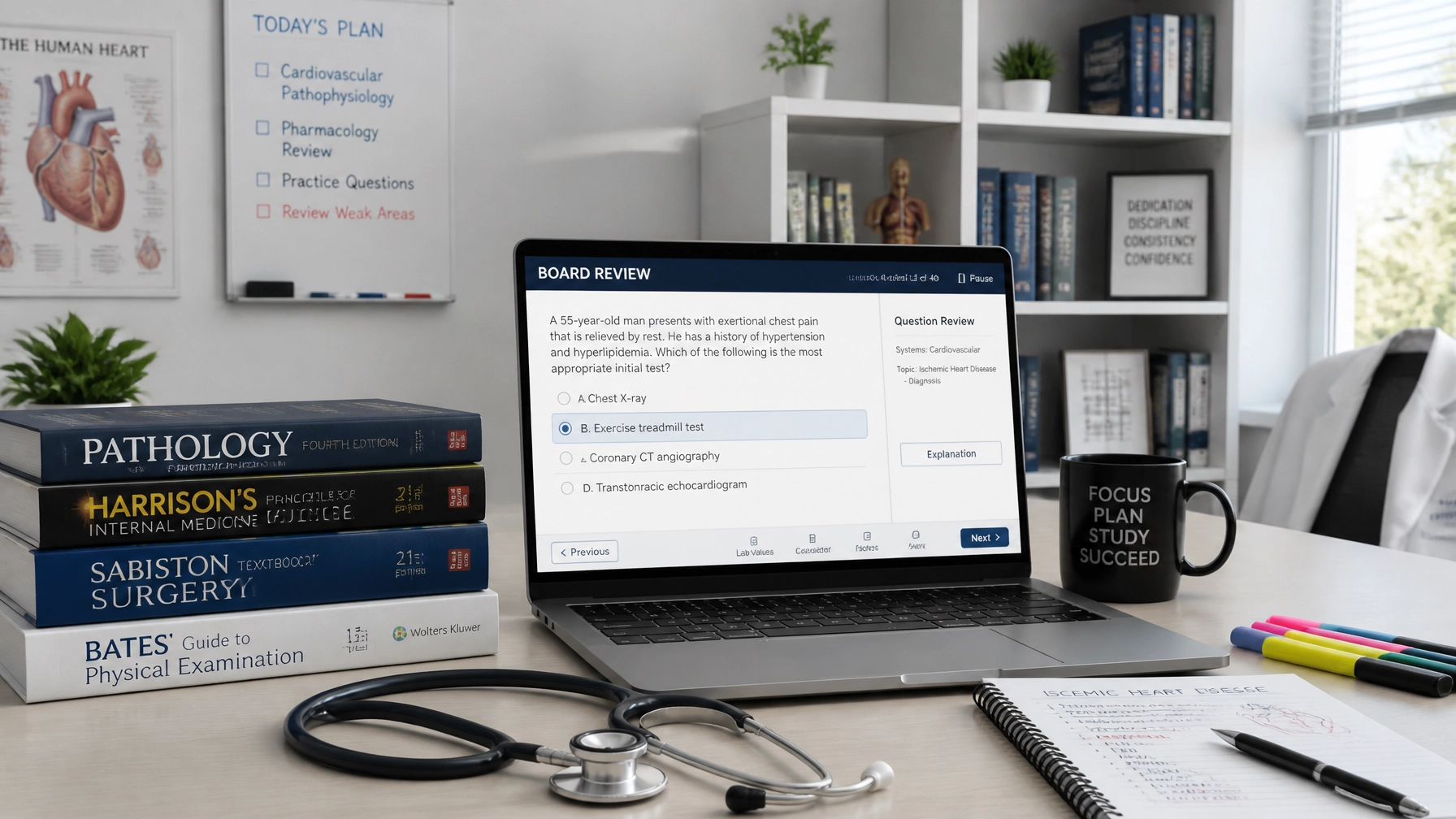
Clinical study materials including textbooks and a laptop for board review.

Cardiology Assessment

Scenario: Your patient is a 64-year-old male presenting to the Emergency Department with sudden onset, "tearing" chest pain that radiates to the mid-scapular region of the back. His past medical history is significant for long-standing, poorly controlled hypertension. On physical examination, his BP is 190/110 mmHg in the right arm and 165/95 mmHg in the left arm. He appears diaphoretic and in acute distress. A new early diastolic murmur is noted at the right sternal border.

Question: Which of the following is the most appropriate initial diagnostic study to confirm the suspected diagnosis in a hemodynamically stable patient?

A. Transthoracic Echocardiogram (TTE)
B. Computed Tomography Angiography (CTA)
C. Chest X-ray
D. Cardiac Catheterization

Explanation: The correct answer is B. Computed Tomography Angiography (CTA). This patient presents with classic signs of an Aortic Dissection, specifically involving the ascending aorta (Stanford Type A) given the new aortic regurgitation murmur. CTA of the chest and abdomen is the gold standard for diagnosis in stable patients due to its high sensitivity and specificity in identifying the intimal flap and the extent of the dissection. A (TTE) is useful for assessing aortic valve involvement or pericardial effusion but lacks the sensitivity of CTA for the entire aorta. C (Chest X-ray) may show a widened mediastinum but is not diagnostic. D (Cardiac Catheterization) is invasive and may delay definitive surgical or medical management.

OB/GYN Assessment

Scenario: Your patient is a 28-year-old female, G1P0, at approximately 7 weeks gestation by last menstrual period. She presents with sharp, left-sided pelvic pain and light vaginal spotting. Her vital signs show a HR of 115 bpm and BP of 90/60 mmHg. On pelvic exam, there is exquisite adnexal tenderness and cervical motion tenderness.

Question: What is the most critical next step in the management of this patient?

A. Quantitative beta-hCG
B. Transvaginal Ultrasound (TVUS)
C. Immediate surgical consultation
D. Methotrexate administration

Explanation: The correct answer is C. Immediate surgical consultation. While B (TVUS) and A (beta-hCG) are standard for diagnosing an Ectopic Pregnancy, this patient is showing signs of hemodynamic instability (tachycardia and hypotension), suggesting a ruptured ectopic pregnancy with intra-abdominal hemorrhage. This is a surgical emergency. D (Methotrexate) is only an option for hemodynamically stable patients with small, non-ruptured ectopic pregnancies.

A clinical ECG strip indicating a cardiac emergency.

Pharmacology Assessment

Scenario: Your patient is a 55-year-old male with a history of hyperlipidemia, currently managed with Atorvastatin 40mg daily. He was recently diagnosed with a fungal nail infection and started on oral Itraconazole. Two weeks later, he presents to the clinic complaining of severe generalized muscle aches and dark-colored urine.

Question: What is the most likely mechanism for this patient’s presentation?

A. Direct toxic effect of Itraconazole on skeletal muscle
B. Inhibition of CYP3A4 by Itraconazole leading to increased Atorvastatin levels
C. Induction of CYP2D6 by Atorvastatin leading to decreased fungal clearance
D. IgE-mediated hypersensitivity reaction

Explanation: The correct answer is B. Inhibition of CYP3A4 by Itraconazole leading to increased Atorvastatin levels. Itraconazole is a potent inhibitor of the cytochrome P450 3A4 enzyme system. Atorvastatin is a substrate of CYP3A4. By inhibiting the metabolism of the statin, Itraconazole causes a significant increase in serum statin concentrations, greatly increasing the risk of statin-induced myopathy and rhabdomyolysis, evidenced here by muscle aches and myoglobinuria (dark urine). A is incorrect as Itraconazole is not directly myotoxic. C is incorrect because statins are generally substrates, not strong inducers of CYP enzymes in this context. D is incorrect as the symptoms are classic for toxic myopathy, not an allergic reaction.

Maximize Your Professional Development

Choosing the right CME course is about more than just checking a box for the NCCPA or your state board. It is about acquiring high-quality clinical knowledge that improves patient outcomes while being a good steward of your professional resources. CME Review Courses provides the content you need: written by PAs for PAs: with the added benefit of flexible gift card options to equip your practice for the upcoming year.

Whether you are preparing for the PANRE, the PANRE-LA, or simply need to fulfill your AAPA Category 1 Pharmacology requirements, our packages are designed for efficiency. By including an Amazon or Apple gift card add-on, you ensure that every dollar of your education budget is utilized effectively to support your career.

Posted on

Daily CME Tips: PANRE-LA, Gift Card Add-Ons, and Getting Maximum Value from Your CME Budget

Course price: $499.99
Access: 30 months
PANRE Review Course credit: 100 hours of AAPA Category 1 Self-Assessment CME
Included preparation: 2,500+ board-style questions, three full-length mock exams, and comprehensive PANRE review content
Optional add-ons: Amazon or Apple Gift Cards from $100 to $1,500

The gift cards are optional paid add-ons, not free gifts. The selected gift card amount is added to the course purchase price. Amazon and Apple Gift Cards are processed by email, generally within 2–3 business days. Gift card packages are nonrefundable.

Daily CME Tip 1: Know Which Recertification Path You Are Preparing For

The traditional PANRE and PANRE-LA use the same general clinical content framework and question style, but the testing experience is different.

FeatureTraditional PANREPANRE-LA
FormatSingle-day, proctored examLongitudinal quarterly assessment
LocationPearson VUE testing centerOnline from a compatible device
ReferencesClosed bookOpen book; outside references are allowed
TimingYears 9–10 of the certification cycleApplication in year 6; assessment during years 7–9
Questions240 questions in one exam25 questions per quarter
Time pressureApproximately 1 minute per questionApproximately 5 minutes per question
Testing patternOne high-stakes scoreCumulative performance across quarters

The traditional PANRE requires rapid recall under time pressure. You must work through 240 questions in a single proctored examination. Preparation should include full-length simulations, pacing practice, and review of incorrect answers.

The PANRE-LA distributes the assessment over multiple quarters. It allows reference use, but that does not eliminate the need for preparation. Searching every question from the beginning can consume the available time and may indicate that the underlying knowledge base is not sufficiently developed.

Both pathways require preparation across the NCCPA PANRE/PANRE-LA Content Blueprint. Check the NCCPA PANRE-LA page and Key Dates for current eligibility and registration details.

PANRE/PANRE-LA Review Exam 1 book cover

PANRE/PANRE-LA Review Exam 2 book cover

Daily CME Tip 2: Use Your CME Budget for Both Preparation and Credit

A well-selected PANRE review course can serve two purposes:

  1. It provides structured preparation for PANRE or PANRE-LA.
  2. It supplies documented CME credit that can be logged toward certification maintenance.

The CME Review Courses PANRE Review Course is designated for 100 hours of AAPA Category 1 Self-Assessment CME upon completion of the required course work and evaluation. This 100-hour designation applies to the PANRE Review Course.

The separate Pharmacology Review Course carries its own 12 hours of AAPA Category 1 CME. Do not combine or attribute the pharmacology course’s credit to the PANRE Review Course.

Under NCCPA requirements, PAs must earn and log 100 CME credits during each two-year cycle, including at least 50 Category 1 credits. NCCPA applies a 50% additional weighting to qualifying AAPA Category 1 Self-Assessment CME when it is logged for national certification maintenance. A 100-credit self-assessment activity may therefore receive additional NCCPA weighting, but you should log the activity exactly as documented and verify the current rules through NCCPA and AAPA CME guidance.

State licensing rules may differ. The additional NCCPA weighting does not necessarily apply to state license renewal. Nurse practitioners should confirm whether their state accepts AAPA Category 1 credit. Physicians may use the clinical content, but the activity generally does not represent Category 1 physician CME; it may be applicable as Category 2 depending on the physician’s requirements.

Daily CME Tip 3: Treat Gift Card Add-Ons as Budget Allocation, Not a Reward

Searches for cme gift cards often create confusion about how these offers work. The practical distinction is simple:

  • The course is purchased at its listed price.
  • The Amazon or Apple Gift Card is selected as an additional purchase.
  • Available add-on amounts range from $100 to $1,500.
  • The add-on amount increases the total transaction.
  • The gift card is not part of the CME credit and does not increase your number of CME hours.

For example, if your employer provides a $1,000 CME allowance and you purchase the $499.99 PANRE Review Course with a $500 Amazon Gift Card add-on, the transaction total is approximately $999.99 before any applicable taxes or fees. The educational value remains the course and its 100 AAPA Category 1 credits. The gift card is a separate budget-use option.

Before ordering, confirm that your employer’s CME policy allows board review courses, digital educational content, and gift card add-ons. Policies vary by employer. Use the add-on only when the full purchase is eligible under your organization’s rules.

A practical approach is to review your remaining CME balance before the end of the budget year. If unused funds expire, applying them to a qualifying PANRE review course and an optional add-on may be more useful than allowing the balance to lapse. You still need to confirm reimbursement rules in advance.

Daily CME Tip 4: Avoid the Most Common PANRE Review Mistakes

Mistake 1: Preparing for only one format

Traditional PANRE preparation requires timed, closed-book practice. PANRE-LA preparation should include deliberate use of references without becoming dependent on them.

Correction: Complete some questions under traditional exam conditions, even if you plan to take PANRE-LA. This exposes knowledge gaps and improves retrieval speed.

Mistake 2: Reviewing answers passively

Reading explanations without committing to an answer creates familiarity, not reliable recall.

Correction: Hide the explanation, select an answer, and identify your reasoning before reviewing the rationale. Then record why each distractor was incorrect.

Mistake 3: Spending equal time on every topic

The NCCPA content distribution is not equal across organ systems. A study schedule that assigns identical time to every category may underprepare you for higher-weight areas such as cardiovascular, pulmonary, gastrointestinal, and musculoskeletal medicine.

Correction: Use the NCCPA Blueprint to organize study time. Spend additional time on high-weight systems and on topics where your practice exposure is limited.

Mistake 4: Assuming clinical experience replaces board preparation

Your local practice patterns may differ from the nationally accepted first-best answer. Cost, specialist availability, institutional protocols, and access to imaging can change what you do clinically.

Correction: Separate the board-standard answer from the action you might take in a resource-limited setting. Pay attention to the specific wording: initial test, next best step, definitive test, or most appropriate treatment.

Mistake 5: Confusing PANCE prep courses with PANRE preparation

PAtopia is designed for PA students preparing for PACKRAT, EOR, EOC, and PANCE examinations. It is not a substitute for the CME Review Courses PANRE Review Course and is not the source of the 100 AAPA Category 1 PANRE credit.

You can access PAtopia through the web version, the iOS app, or the Android app. It is useful for PA-school exam preparation, but keep the purpose of each resource clear.

PAtopia Internal Medicine EOR Review

Clinical Practice Questions

Question 1: PANRE-style cardiovascular vignette

Your patient is a 64-year-old man with hypertension and tobacco use who presents with sudden, tearing chest pain radiating to the interscapular region. BP is 190/110 mmHg in the right arm and 160/95 mmHg in the left arm. A new diastolic murmur is heard at the right sternal border. HR is 112/min. SaO₂ is 97% on room air.

What is the most appropriate initial diagnostic study?

A. Exercise stress test
B. Transthoracic echocardiography
C. CT angiography of the chest and abdomen
D. Coronary CT calcium score
E. Routine chest radiograph

Correct answer: C. CT angiography of the chest and abdomen.

This presentation is concerning for acute aortic dissection. CT angiography is rapidly available and provides detailed visualization of the thoracic and abdominal aorta in a hemodynamically stable patient.

Transthoracic echocardiography may not adequately visualize the entire aorta. A transesophageal echocardiogram is an alternative when the patient is unstable or CTA is contraindicated. An exercise stress test and coronary calcium score are inappropriate in suspected dissection. A chest radiograph may show a widened mediastinum but cannot establish the diagnosis.

Question 2: PANRE-LA strategy

Your PANRE-LA quarter opens on Monday. You recognize the clinical scenario but cannot recall the recommended antibiotic regimen. You have access to institutional guidelines and a current reference source.

What is the best approach?

A. Select an answer immediately based on a vague memory
B. Ask a colleague to choose the answer
C. Use a reliable reference efficiently, then answer independently
D. Skip every question requiring a reference
E. Search multiple sources until the answer is certain

Correct answer: C. Use a reliable reference efficiently, then answer independently.

PANRE-LA permits reference use, but consulting other individuals is not permitted. Use a reliable source efficiently, confirm the relevant recommendation, and apply it to the vignette. Excessive searching wastes time, while guessing without reviewing an available reference undermines the advantage of the format.

A Practical 30-Month Study and CME Plan

A 30-month access period allows you to divide the work into manageable phases:

  • Months 1–3: Complete a baseline assessment and identify weak organ systems.
  • Months 4–15: Study high-weight systems and complete targeted question blocks.
  • Months 16–24: Repeat missed questions and complete full-length simulations.
  • Months 25–30: Review explanations, refine pacing, complete the course evaluation, and document your CME.

Do not wait until the final months of your certification cycle. The purpose of a long access period is to support deliberate review while you continue clinical practice.

Final Checklist

Before purchasing or beginning a course, confirm:

  • You know whether you are eligible for PANRE-LA or traditional PANRE.
  • The course matches the NCCPA PANRE/PANRE-LA Content Blueprint.
  • You understand that the 100 AAPA Category 1 credits apply to the PANRE Review Course.
  • You complete the required evaluation and claim only the credit you actually earn.
  • You verify whether your state accepts AAPA Category 1 credit.
  • You confirm your employer’s policy for CME expenditures and gift card add-ons.
  • You understand that Amazon and Apple Gift Card options are paid add-ons, not free gifts.
  • You retain your CME documentation in case of NCCPA or state-board audit.

The PANRE Review Course with Gift Card options combines structured recertification preparation with 100 hours of AAPA Category 1 Self-Assessment CME, 30 months of access, and optional Amazon or Apple Gift Card add-ons. Use the course for the education and credit; use the add-on only as a transparent way to allocate an eligible CME budget.

About the Author : Jeremy Boroff, PA-C
Jeremy Boroff is an emergency medicine physician assistant with 24 years of clinical emergency medicine experience as a PA-C and seven additional years of experience as a Registered Respiratory Therapist. He is an author, PA educator, and CME developer who created the PANRE, PANCE, EOR, and specialty review courses at CME Review Courses.

Posted on

10 Reasons Your Pharmacology Review Isn’t Sticking (And How to Fix It)

Course Title: Pharmacology CME Review Package
Price: $499.99 – $1,999.00
Credits: 12.0 AAPA Category 1 CME Credits
Access: 30 Months
Format: Online Video Review and Practice Questions
Add-ons: $100 – $1,500 Amazon or Apple Gift Cards Available

Pharmacology remains one of the most challenging domains for clinical practitioners. Whether you are preparing for the PANCE, the PANRE, or simply maintaining your clinical competency, the sheer volume of medications, mechanisms, and side effects can lead to rapid cognitive fatigue. For many Physician Assistants and Nurse Practitioners, a standard review often fails to translate into long-term retention.

Our Pharmacology CME Review Package is designed to address these retention gaps while providing 12.0 AAPA Category 1 CME credits. If you find that your pharmacology knowledge is not "sticking," it is likely due to one of the following ten reasons.

1. Prioritizing Rote Memorization Over Mechanism

Memorizing drug names without understanding their mechanism of action (MOA) is a high-effort, low-reward strategy. When you understand how a drug interacts with a receptor or enzyme, the indications and adverse effects become logical conclusions rather than isolated facts. For instance, knowing that ACE inhibitors prevent the breakdown of bradykinin immediately explains the side effect of a dry cough.

2. Ignoring Suffixes and Class Prefixes

Many clinicians fail to utilize the systematic nomenclature of pharmacology. Grouping drugs by suffixes (e.g., -olol for beta-blockers, -flozin for SGLT2 inhibitors) allows you to learn the characteristics of an entire class once, rather than re-learning them for every individual agent.

3. Lack of Spaced Repetition

The "forgetting curve" is steep in pharmacology. Reviewing a topic once and moving on ensures that much of the information will be lost within 48 hours. Using spaced repetition: reviewing the material at increasing intervals: is essential for moving information from short-term to long-term memory.

4. Delayed Application of Practice Questions

Waiting until you "know the material" to start practice questions is a common mistake. Questions should be used as a primary learning tool, not just a final assessment. Early exposure to clinical vignettes helps identify exactly how the NCCPA or other boards will test the material.

5. Failure to Group by Clinical Indication

Studying drugs in alphabetical order or by manufacturer is inefficient. You must study pharmacology in the context of the organ systems they treat. Our courses are structured by system: Cardiology, Pulmonology, Neurology, and more: to mirror how you actually treat patients in the clinic.

6. Skipping Pharmacokinetic Fundamentals

If you do not understand half-life, volume of distribution, or the cytochrome P450 system, you will struggle with dosing and drug-drug interactions. These fundamentals provide the framework upon which all clinical pharmacology is built.

7. Passive vs. Active Review

Reading a textbook or watching a video without active engagement is passive. You must interact with the material. Our CME packages include interactive components and gift card add-ons to Amazon and Apple, allowing you to purchase additional tools like medical tablets or physical texts to enhance your active study sessions.

8. Over-reliance on Complex Mnemonics

While some mnemonics are helpful, creating a complex story for every drug adds an extra layer of information you have to memorize. If the mnemonic is harder to remember than the drug's side effect, it is counterproductive. Stick to simple, high-yield associations.

9. Not Linking Pharmacology to Clinical Scenarios

Abstract pharmacology is difficult to retain. You must visualize the patient. Seeing a drug's effect in the context of a "real-world" scenario, such as an elderly patient with multiple comorbidities, makes the information far more "sticky."

10. Using Outdated Resources

Guidelines for pharmacology change rapidly, particularly in areas like cardiology (anticoagulation) and endocrinology (diabetes management). Using materials from three years ago can lead to incorrect answers on exams and, more importantly, incorrect treatment in practice.


Clinical Assessment

The following scenarios are designed to test your application of clinical pharmacology.

Question 1

Patient: 64-year-old male
Symptoms: Progressive shortness of breath and peripheral edema
Vitals: HR 88, BP 142/88, SaO2 94% on RA
Scenario: Your patient has a history of Heart Failure with Reduced Ejection Fraction (HFrEF). You are considering adding a medication that has been shown to reduce mortality and hospitalizations by inhibiting neprilysin.

Which of the following is a mandatory requirement before initiating this therapy?
A. A 36-hour washout period after the last dose of an ACE inhibitor
B. Baseline serum potassium below 4.0 mEq/L
C. Discontinuation of all beta-blocker therapy
D. Documentation of an ejection fraction above 40%

Answer: A. A 36-hour washout period after the last dose of an ACE inhibitor.
Sacubitril/valsartan (Entresto) combines a neprilysin inhibitor with an ARB. Because both ACE inhibitors and neprilysin inhibitors increase bradykinin levels, simultaneous use or insufficient washout periods significantly increase the risk of life-threatening angioedema. A 36-hour window is required when transitioning from an ACE inhibitor to an ARNI.

Question 2

Patient: 28-year-old female
Symptoms: Sudden onset of wheezing and chest tightness
Vitals: HR 110, BP 120/78, RR 24, SaO2 92% on RA
Scenario: The patient is diagnosed with an acute asthma exacerbation. After administration of a short-acting beta-agonist (SABA), you decide to add an inhaled muscarinic antagonist.

What is the primary mechanism of action for the added medication?
A. Stabilization of mast cell membranes
B. Competitive inhibition of acetylcholine at muscarinic receptors
C. Non-selective blockade of beta-2 receptors
D. Inhibition of leukotriene synthesis

Answer: B. Competitive inhibition of acetylcholine at muscarinic receptors.
Ipratropium bromide is a Short-Acting Muscarinic Antagonist (SAMA). It works by blocking the bronchoconstrictor effects of acetylcholine on the smooth muscle of the airways, providing an additive bronchodilatory effect when used with SABAs in acute settings.

Question 3

Patient: 52-year-old male
Symptoms: Acute, severe pain and swelling in the first metatarsophalangeal joint
Vitals: HR 92, BP 138/86, Temp 99.1°F
Scenario: You diagnose the patient with an acute gouty flare. He has a history of stage 3 Chronic Kidney Disease (CKD).

Which of the following medications is most appropriate for acute management given his renal status?
A. High-dose Aspirin
B. Naproxen
C. Colchicine with dosage adjustment
D. Prednisone

Answer: D. Prednisone.
In patients with significant CKD, NSAIDs (like naproxen) should be avoided due to the risk of acute kidney injury and fluid retention. While colchicine can be used, it requires significant dosage reduction and carries a higher risk of toxicity in renal impairment. Corticosteroids are often the safest and most effective choice for acute gout in the setting of moderate to severe renal disease.

Question 4

Patient: 72-year-old female
Symptoms: Tremor at rest and bradykinesia
Vitals: HR 72, BP 130/80
Scenario: The patient is being treated for Parkinson’s disease with levodopa/carbidopa. She reports that the effects of the medication are wearing off before her next dose is due. You decide to add an entacapone.

What is the purpose of adding entacapone to her regimen?
A. To block central dopamine receptors
B. To inhibit COMT and decrease peripheral metabolism of levodopa
C. To increase the renal excretion of carbidopa
D. To cross the blood-brain barrier and convert directly to dopamine

Answer: B. To inhibit COMT and decrease peripheral metabolism of levodopa.
Entacapone is a COMT inhibitor. By inhibiting the peripheral breakdown of levodopa, more levodopa remains available to cross the blood-brain barrier, thereby extending the duration of action and reducing "off" time in patients with Parkinson's disease.

Question 5

Patient: 45-year-old male
Symptoms: Routine physical, no complaints
Vitals: HR 76, BP 148/94
Scenario: The patient has a new diagnosis of Stage 2 Hypertension. His medical history is significant for Type 2 Diabetes Mellitus with albuminuria.

Which medication class is the most appropriate first-line therapy for this patient?
A. Calcium Channel Blockers
B. Thiazide Diuretics
C. ACE Inhibitors
D. Beta-Blockers

Answer: C. ACE Inhibitors.
For patients with diabetes and evidence of albuminuria (or CKD), ACE inhibitors or ARBs are the first-line antihypertensive agents. Beyond blood pressure control, these agents provide essential renoprotective effects by reducing intraglomerular pressure and slowing the progression of diabetic nephropathy.


Maximize your study time and your CME budget. Our Pharmacology Review Course offers the most efficient way to earn 12.0 AAPA Category 1 CME credits while refreshing your clinical knowledge. With the option to add an Amazon or Apple Gift Card (up to $1,500), you can invest in the technology and resources you need for your practice.

For those preparing for the recertification exam, our PANRE Review Course provides 100 hours of AAPA Category 1 CME credit, ensuring you are fully prepared for the NCCPA requirements.

Posted on

One PANRE Review Mistake That Costs You Time, Money, and Category 1 Credits

The mistake: buying PANRE prep without verifying the CME designation

Course price: $499.99
Access period: 30 months
CME: Up to 100 hours of AAPA Category 1 Self-Assessment CME through the PANRE Review Course
Practice material: 2,500+ PANRE questions, 15 body-system modules, and three full-length mock exams

The most expensive PANRE preparation mistake is treating exam review and CME fulfillment as completely separate purchases.

A PA may buy a review product to prepare for the PANRE, then discover that the course provides little or no AAPA Category 1 credit. The result is predictable: you spend time studying, use part of your CME budget, and still need to purchase another activity to complete your Category 1 requirement.

Before purchasing any panre review course, verify three details:

  1. Whether the activity is designated for AAPA Category 1 CME.
  2. How many credits the specific course provides.
  3. Whether the course content is broad enough to support preparation across the NCCPA PANRE/PANRE-LA Content Blueprint.

The PANRE Review Course from CME Review Courses is designated for 100 hours of AAPA Category 1 Self-Assessment CME. That 100-hour designation applies specifically to the PANRE Review Course. It does not automatically apply to other products or to the separate Pharmacology Course.

Why this mistake costs more than expected

1. You pay twice for professional education

A narrow prep product may help you review selected topics but leave you short on Category 1 CME. You then purchase a second course, conference, or self-assessment activity to make up the difference.

This creates duplicated spending:

  • One purchase for PANRE preparation
  • Another purchase for Category 1 CME
  • Additional time spent comparing, registering for, and completing separate activities

A comprehensive course can combine those goals. The PANRE Review Course includes content across 15 body systems, including cardiology, dermatology, EENT, reproductive health, gastrointestinal medicine, musculoskeletal medicine, pulmonary medicine, neurology, genitourinary medicine, renal topics, emergency medicine, infectious disease, psychiatry, hematology, and endocrinology.

That structure is important because many practicing PAs are highly comfortable in their primary specialty but less familiar with topics outside daily practice.

PANRE exam review books by Jeremy Boroff, PA-C

2. You lose flexibility when your CME deadline approaches

Waiting until the end of a certification cycle creates unnecessary pressure. You may be forced to select a course based on availability rather than quality, or you may have limited time to complete the activity and correctly report the credit.

The PANRE Review Course provides 30 months of access, allowing you to use the material for both structured exam preparation and ongoing CME completion. You can begin with weaker body systems, return to missed questions, and use the mock exams to measure readiness.

A practical schedule may look like this:

  • Months 1–3: Complete a baseline assessment and identify weak systems.
  • Months 4–12: Work through system-based modules and explanations.
  • Months 13–20: Repeat missed questions and focus on high-yield deficiencies.
  • Months 21–30: Complete mock exams and final targeted review.

The exact schedule depends on your exam date and certification cycle. The important point is to start before the final months.

3. You may misclassify the credit

Not all CME is interchangeable. AAPA Category 1 credit, Category 1 Self-Assessment credit, Category 2 credit, and continuing education accepted by a nursing board may have different reporting rules.

The course accreditation statement identifies the PANRE activity as 100 AAPA Category 1 Self-Assessment CME credits. You must complete the course requirements and evaluation before claiming the credit. You should also confirm how the credit should be entered for your specific certification maintenance requirements.

Physicians may find the clinical content useful, but this activity meets Category 2 CME requirements for physicians. Nurse practitioner acceptance of AAPA Category 1 credit varies by state and employer. NPs should verify requirements with their state board of nursing before purchasing.

Do not assume that a product marketed as “CME” automatically fulfills every professional board’s Category 1 requirements.

What to look for in an efficient PANRE review course

A useful course should provide more than a collection of lectures or isolated fact sheets. Look for:

  • Broad system coverage that matches the NCCPA PANRE content areas
  • Active-recall questions rather than passive reading alone
  • Detailed answer explanations that clarify why the correct choice is preferred
  • Full-length practice exams to evaluate stamina and pacing
  • Performance tracking so you can identify weak categories
  • A clearly stated CME designation
  • Sufficient access time to complete both review and CME requirements

The CME Review Courses program includes more than 2,500 board-style questions, three 240-question mock exams, system-based modules, downloadable slides, question flagging, performance tracking, and unlimited retakes.

This approach is different from simply searching for generic pance prep courses and assuming that the same product is designed for PANRE recertification. PANCE and PANRE preparation overlap in clinical content, but your purchase should match your examination and CME goals.

CME with gift card add-ons: understand the pricing

CME Review Courses also offers optional cme gift cards as add-ons to the PANRE Review Course purchase.

You may add an Amazon or Apple Gift Card in amounts from $100 to $1,500, depending on the available selection at checkout.

The gift cards are:

  • Optional
  • Added to the course purchase price
  • Not included in the base course price
  • Not free gifts
  • Subject to the terms shown on the product page

The add-on is intended for customers using an employer-provided CME allowance or another approved professional development budget. Confirm that your employer allows this type of package before purchasing. Gift card amounts should be selected based on your available budget and applicable workplace policy.

Review the current PANRE Review Course with Gift Card options for pricing, access details, and available add-ons.

Clinical assessment: active recall practice

Clinical Vignette

Your patient is a 58-year-old woman who is 10 days postoperative from total knee arthroplasty. She presents with sudden dyspnea and pleuritic chest pain. HR is 124/min, BP is 108/68 mmHg, RR is 28/min, and SaO₂ is 89% on room air. She has unilateral left calf swelling and tenderness. She is alert and has no active bleeding.

Which diagnostic study is most appropriate?

A. D-dimer assay
B. CT pulmonary angiography
C. Transthoracic echocardiography
D. Bilateral lower-extremity venous ultrasound only

Answer and explanation

Correct answer: B. CT pulmonary angiography.

This patient has a high pretest probability for acute pulmonary embolism based on recent surgery, tachycardia, hypoxemia, pleuritic chest pain, and unilateral leg findings. She is hemodynamically stable enough for CT pulmonary angiography, the preferred diagnostic study when there is no major contraindication to iodinated contrast.

  • A. D-dimer assay is inappropriate in a patient with high clinical probability and recent surgery. A positive result would not establish the diagnosis, and a negative result is not the appropriate strategy in this setting.
  • C. Transthoracic echocardiography may identify right-heart strain and is useful in an unstable patient, but it does not reliably exclude PE in a stable patient.
  • D. Lower-extremity ultrasound may identify DVT, but a negative study would not rule out PE. It is not the preferred sole diagnostic test here.

Practical considerations still matter. Before CTA, assess renal function, contrast allergy history, and pregnancy status when relevant. If contrast is contraindicated, a V/Q scan may be considered. If the patient becomes hypotensive or develops shock, bedside echocardiography and immediate resuscitation priorities change the diagnostic sequence.

This is why active recall matters. Recognizing a familiar diagnosis is not enough; you must identify the next best step based on stability, probability, contraindications, and test performance.

A simple way to avoid the mistake

Before you buy any PANRE preparation product, use this checklist:

  • Confirm the exam: PANRE or PANRE-LA
  • Confirm the CME: Is it specifically AAPA Category 1?
  • Confirm the amount: Does it provide enough credit for your plan?
  • Confirm the content: Are all major NCCPA systems represented?
  • Confirm the practice volume: Are there enough questions to support active recall?
  • Confirm access: Can you complete the program before your deadline?
  • Confirm add-on pricing: Are any Amazon or Apple Gift Card options optional paid add-ons?
  • Confirm acceptance: Does the activity meet your employer, licensing, and certification requirements?

The goal is not to purchase the largest number of resources. The goal is to choose one structured resource that supports your preparation, provides clearly designated CME, and gives you enough time to use it properly.

Final takeaway

The PANRE review mistake that costs the most is failing to verify CME value before purchasing exam preparation.

A course that does not provide the Category 1 credit you need may leave you paying for a second activity later. It may also force you into rushed studying and create confusion about which credits can be reported.

The CME Review Courses PANRE Review Course combines structured PANRE preparation with 100 hours of AAPA Category 1 Self-Assessment CME, 30 months of access, more than 2,500 practice questions, and three full-length mock exams. Optional Amazon and Apple Gift Card add-ons from $100 to $1,500 are available, but they are paid add-ons: not free gifts.

Review the PANRE course and available CME gift card options before spending your CME budget elsewhere.

About the Author

Jeremy Boroff, PA-C is an Emergency Medicine physician assistant with 24 years of clinical experience as a PA and an additional seven years of experience as a Registered Respiratory Therapist. He is a PA educator, author, and CME developer who creates PANRE, PANCE, EOR, and specialty review courses for healthcare professionals. His clinical and educational work focuses on practical exam preparation, evidence-based decision-making, and efficient CME completion.

Posted on

CME with Gift Cards: 5 Things You Should Know About 2026 Compliance

Navigating the landscape of Continuing Medical Education (CME) requires more than just clinical knowledge; it demands an understanding of the evolving regulatory environment. As of 2026, the Accreditation Council for Continuing Medical Education (ACCME) has implemented significant policy changes regarding personal remuneration and gift cards. For Physician Assistants (PAs) and physicians, maintaining compliance while maximizing the value of your CME stipend is critical.

At CME Review Courses, we prioritize transparency and educational integrity. Our packages are designed to provide the high-quality review you need for the NCCPA Blueprint while offering flexible add-on options for further educational enrichment.

Course Details:

  • Price: Total package price varies based on the selected gift card add-on ($100–$1,500).
  • Duration: Access is provided for 1 year from the date of purchase.
  • Deliverables: 100 hours of AAPA Category 1 Self-Assessment Credit (for the PANRE Review course), over 1,600 board-style questions with detailed explanations, and comprehensive review modules.

5 Things You Should Know About 2026 CME Compliance

The shift in ACCME policy has caused confusion among clinicians. Here is what you need to know to ensure your education remains compliant and your documentation is beyond reproach.

1. The ACCME Policy Shift on Personal Remuneration

The primary change in 2026 is the ACCME’s prohibition on "personal remuneration" tied to accredited CME. This policy was designed to prevent clinicians from receiving what could be perceived as a personal financial kickback for choosing a specific educational provider. However, there is a clear distinction between a "free gift" and an "educational enrichment add-on." At CME Review Courses, the gift card is an optional add-on that you choose to include in your package to purchase additional educational materials, such as medical texts or diagnostic tools.

2. AAPA Category 1 Credit vs. ACCME Standards

While many PAs use ACCME-accredited courses, the PANRE Review Course at CME Review Courses is specifically designated for AAPA Category 1 Self-Assessment Credit. This distinction is important. AAPA sets its own standards for credit approval, often focusing on the self-assessment and clinical utility of the content. Our courses are written by physician assistants for physician assistants, ensuring that the content directly aligns with your practice and the NCCPA Blueprint.

3. Transparent Billing and "Educational Enrichment"

Compliance often comes down to how a package is structured. Providers that offer "CME with a Gift Card" as a single, opaque transaction may run into issues with institutional auditors. Our model allows you to select an Amazon or Apple Gift Card add-on ranging from $100 to $1,500. This amount is clearly added to the base price of the educational content. This transparency ensures that the transaction reflects a purchase of both education and a tool for further enrichment (e.g., buying a new iPad for clinical use or medical reference books).

4. Institutional Stipend Requirements

Most hospital systems and private practices have strict rules about how CME money is spent. They typically require that funds be used for tuition, registration, or educational materials. By selecting our Premium CME packages, you are investing in 100 hours of high-level board review and securing funds that can be used on platforms like Amazon or Apple to purchase the hardware or software necessary to complete the course and stay current in your field.

5. Risk of Non-Compliant "Free" Offers

In 2026, any provider offering a "free $500 gift card" with a CME purchase is likely in violation of current accreditation standards. These offers are red flags for compliance departments. You should look for providers that integrate these tools as "add-ons" or "enrichment options" rather than "prizes." This ensures that your credit remains valid and your professional standing is protected.


Clinical Vignette and Practice Questions

Applying these concepts to clinical practice is essential for mastery. Review the following scenario, which is representative of the complexity found in the NCCPA Blueprint.

Clinical Scenario: Acute Cardiology Management

Your patient is a 64-year-old male presenting to the Emergency Department with a 2-hour history of substernal chest pressure that radiates to his left jaw. He appears diaphoretic. His medical history is significant for hypertension and a 30-pack-year smoking history.

Vital Signs:

  • HR: 102 bpm
  • BP: 158/94 mmHg
  • RR: 20 breaths/min
  • SaO2: 94% on room air

An EKG is performed and demonstrates 2mm ST-segment elevation in leads V2, V3, and V4.

Question 1:
Which of the following is the most appropriate next step in the management of this patient?

A) Administer 325 mg of aspirin and prepare for immediate percutaneous coronary intervention (PCI).
B) Order serial troponins and wait for the first set of results before initiating treatment.
C) Administer prophylactic lidocaine to prevent ventricular arrhythmias.
D) Obtain a chest X-ray to rule out aortic dissection before giving antiplatelet therapy.

Explanation:
The correct answer is A. This patient is presenting with an ST-elevation myocardial infarction (STEMI) involving the anterior wall (V2-V4). The standard of care is immediate reperfusion therapy, preferably via PCI, within 90 minutes of medical contact. Aspirin (162–325 mg) should be administered immediately to reduce mortality. B is incorrect because waiting for cardiac biomarkers delays necessary reperfusion in a clear STEMI. C is incorrect as prophylactic lidocaine is no longer recommended and may increase the risk of asystole. D is incorrect; while a chest X-ray is useful, it should not delay the primary treatment for a confirmed STEMI.


Pharmacology and Internal Medicine Review

Our Pharmacology Review Course and Internal Medicine modules go deeper into these management protocols. Whether you are preparing for the PANRE-LA or the traditional PANRE, understanding the nuances of drug-drug interactions and contraindications is vital.

Question 2:
A 55-year-old female with a history of heart failure with reduced ejection fraction (HFrEF) and chronic kidney disease (CrCl 25 mL/min) requires initiation of an ACE inhibitor. Which of the following is a primary concern in this patient?

A) Hyperkalemia
B) Hypouricemia
C) Tachycardia
D) Hypernatremia

Explanation:
The correct answer is A. ACE inhibitors can cause significant potassium retention by inhibiting aldosterone secretion. This risk is markedly increased in patients with pre-existing renal impairment. Monitoring serum potassium and creatinine within 1–2 weeks of initiation is mandatory. B, C, and D are not typical adverse effects associated with ACE inhibitor therapy in this clinical context.


Conclusion

Staying compliant with 2026 ACCME and AAPA regulations does not mean you have to sacrifice the value of your CME funds. By choosing a transparent, add-on-based model like the one offered by CME Review Courses, you can fulfill your 100-hour AAPA Category 1 credit requirement and use your stipend for meaningful educational enrichment.

Explore our PANRE Review Packages and Pharmacology Review today to ensure you are ready for your next certification cycle.

Posted on

Are You Making These 5 Common PANRE-LA Timing Mistakes?

Price: $499.99
Duration of Access: 30 Months
Deliverables: 100 Hours of AAPA Category 1 Self-Assessment CME Credit, 1,672 Board-Style Questions, 17 Hours of Video Lecture

The Physician Assistant National Recertification Exam – Longitudinal Assessment (PANRE-LA) has fundamentally changed how PAs maintain certification. By removing the high-stakes environment of a testing center, the NCCPA has provided a more flexible, open-book alternative. However, this flexibility introduces a new variable: the strict 5-minute time limit per question.

While 300 seconds may seem generous for a single multiple-choice question, many PAs find themselves rushing or timing out due to preventable errors. If the timer expires before you select an answer, the question is marked incorrect and cannot be recovered. Effective pacing is as critical as clinical knowledge.

Below are the five most common timing mistakes PAs make during the PANRE-LA and how to avoid them.

1. Opening Questions Without a Focused Environment

One of the most frequent errors is treating the PANRE-LA too casually. Because you can access the assessment on a smartphone or tablet, there is a temptation to open a question during a busy shift or while multi-tasking at home.

The 5-minute timer begins the moment the question is opened. If a nurse interrupts you with a clinical update or your child needs immediate attention, those five minutes will evaporate. Never open a question unless you are in a distraction-free environment. Treat each question like a mini-board exam. Ensure your internet connection is stable and your devices are charged before you click "start."

The stress of searching reference materials during a timed assessment

2. Falling Into the "Search Spiral"

The PANRE-LA is open-book, allowing you to use printed or online references. However, the most dangerous mistake is over-relying on these resources. The "Search Spiral" occurs when you spend four minutes scrolling through UpToDate or clinical guidelines because you are looking for 100% certainty.

The goal is to answer the question, not to conduct a comprehensive literature review. You should spend no more than 60 to 90 seconds reading the stem and identifying the likely answer based on your clinical knowledge. Use references only to confirm a specific detail: such as a drug dosage, a diagnostic threshold, or a specific guideline recommendation. If you are still searching at the 4-minute mark, you must stop and commit to your best clinical judgment.

3. Failure to Select an Answer Before Time Expires

The NCCPA grading logic is specific: if the timer expires and you have not selected an answer, the question is automatically wrong. However, if you have selected a choice but failed to click "Submit," the system will grade the selected answer when time runs out.

A common mistake is leaving the options blank while searching for the "perfect" answer. You must develop a habit of selecting your most likely choice immediately after reading the stem. You can change this selection at any point before the timer hits zero. By clicking your "best guess" early, you provide yourself a safety net in case of a technical glitch or a sudden distraction that prevents you from finishing your search.

Managing the 5-minute countdown for PANRE-LA success

4. Poor Resource Organization

Efficiency in an open-book exam depends on how quickly you can find information. PAs who struggle with timing often do so because they are searching for the right website rather than the right answer.

Before starting your 25-question block for the quarter, have your primary resources open in separate browser tabs. Recommended resources include the NCCPA Blueprint, current specialty guidelines (e.g., AHA/ACC for cardiology, GOLD for COPD), and a trusted pharmacopeia. Navigating to these sites after the timer has started wastes valuable seconds.

5. Procrastination and the "End-of-Quarter" Rush

Each quarter provides 25 questions. Any questions that remain unopened at the end of the quarter are marked incorrect. PAs often wait until the final week of the quarter to complete their questions, leading to a high-pressure situation where they must rush through the material.

Rushing through questions increases the likelihood of misreading the stem or falling for "distractor" answers. Schedule a dedicated block of time: approximately two hours: early in the quarter to handle all 25 questions. This allows you to maintain a steady pace of roughly five minutes per question without the external pressure of a looming deadline.

Prepare with the Right Resources

Success on the PANRE-LA requires both clinical proficiency and familiarity with the NCCPA Blueprint. CME Review Courses provides a comprehensive PANRE Review Course designed by PAs for PAs.

This course offers 100 hours of AAPA Category 1 Self-Assessment CME credit, which the NCCPA automatically weights as 150 credits toward your maintenance requirements. For $499.99, you receive 30 months of access to 1,672 board-style questions and 17 hours of video lectures.

To further maximize your educational budget, we offer CME with Amazon gift card or CME with Apple gift card add-ons. You can add a gift card ranging from $100 to $1500 to your purchase, allowing you to use your CME funds effectively while preparing for your recertification.

PANRE Review Course Book Cover


Clinical Review Questions

Question 1

Your patient is a 64-year-old male with a history of hypertension and tobacco use who presents with the sudden onset of "ripping" chest pain that radiates to his back. His blood pressure in the right arm is 190/110 mmHg, and in the left arm, it is 160/95 mmHg. A chest X-ray reveals a widened mediastinum. What is the most appropriate next step in the definitive diagnosis of this patient?

A. Transesophageal echocardiography (TEE)
B. Transthoracic echocardiography (TTE)
C. Computed tomography angiography (CTA)
D. Electrocardiogram (ECG)

Correct Answer: C. Computed tomography angiography (CTA)
The clinical presentation of "ripping" chest pain radiating to the back combined with a blood pressure discrepancy between arms is highly suggestive of an aortic dissection. CTA is the gold standard for definitive diagnosis in hemodynamically stable patients due to its high sensitivity and specificity. TEE (A) is an excellent alternative, especially in unstable patients or those with renal failure, but CTA is typically the first-line definitive imaging. TTE (B) is insufficient for definitive diagnosis of the entire aorta. An ECG (D) should be performed to rule out myocardial infarction but is not diagnostic for dissection.

Question 2

Your patient is a 28-year-old female who presents with a 3-day history of increased vaginal discharge, pelvic pain, and fever (101.4°F). Physical exam reveals significant cervical motion tenderness and adnexal tenderness. She is otherwise hemodynamically stable. What is the recommended first-line outpatient antibiotic regimen for this patient?

A. Azithromycin 1g PO single dose
B. Ceftriaxone 500mg IM + Doxycycline 100mg BID x 14 days + Metronidazole 500mg BID x 14 days
C. Ciprofloxacin 500mg BID x 7 days
D. Doxycycline 100mg BID x 7 days

Correct Answer: B. Ceftriaxone 500mg IM + Doxycycline 100mg BID x 14 days + Metronidazole 500mg BID x 14 days
This patient presents with classic signs of Pelvic Inflammatory Disease (PID). The CDC-recommended outpatient regimen consists of a single dose of Ceftriaxone (to cover N. gonorrhoeae), followed by 14 days of Doxycycline (to cover C. trachomatis) and Metronidazole (to cover anaerobic organisms and Trichomonas vaginalis). Azithromycin (A) alone is insufficient for PID. Ciprofloxacin (C) is no longer recommended as first-line due to high rates of resistance. Doxycycline alone (D) does not provide the necessary broad-spectrum coverage for polymicrobial pelvic infections.

Posted on

PANRE-LA vs Traditional PANRE: What PAs Need to Know for 2026 and Beyond

Course Overview & Logistical Details

Price: Competitive package pricing tailored for efficient CME budget utilization.
Duration of Access: Comprehensive lifetime or multi-cycle access to support your ongoing recertification requirements.
Deliverables: Thousands of high-yield practice questions, detailed rationales, and structured review materials aligned with the NCCPA Blueprint.
Accreditation: The panre review course offers 100 hours of AAPA Category 1 credit.

When you are preparing for recertification, maximizing your professional development funds is just as important as mastering the clinical content. Through CME Review Courses, PAs can access rigorous study materials while optimizing their allowance using our popular cme gift cards add-on options.

When purchasing your preparation materials, whether you are looking into our flagship panre review course or specialized pance prep courses, you have the flexibility to select Amazon and Apple Gift Card add-ons ranging from $100 to $1,500. Please note that these gift card add-ons are paid add-ons included with your educational purchase and are NOT free gifts. They provide an efficient, transparent mechanism to utilize your remaining employer CME funds toward technology, literature, or personal professional tools that further enrich your education.


PANRE-LA vs Traditional PANRE: The Core Differences

Deciding between the Longitudinal Assessment (PANRE-LA) and the traditional, proctored PANRE is one of the most critical choices physician assistants face during their 10-year recertification cycle. Both exams rely on the same foundational NCCPA Blueprint, but their delivery, scoring mechanics, and logistical burdens differ significantly.

PANCE Review Book Cover

Traditional PANRE

  • Format: A single, high-stakes, closed-book exam consisting of 240 multiple-choice questions administered over four 60-minute blocks at a Pearson VUE test center.
  • Timing: Taken during years 9 or 10 of your 10-year cycle.
  • Scoring: Scored on a traditional scaled score from 200 to 800, with 379 required to pass.
  • Retakes: Up to three total attempts allowed within the window, with a mandatory 90-day waiting period between tests.

PANRE-LA

  • Format: An at-home, open-book longitudinal assessment delivered via the NCCPA portal. Participants answer 25 multiple-choice questions per quarter over at least 8 and up to 12 quarters (spanning years 7 through 9).
  • Timing: Enrollment must be initiated in year 6 of your recertification cycle.
  • Scoring: Cumulative scoring system on a scale of 1000 to 1500, requiring a minimum cumulative score of 1150 across your best 8 quarters.
  • CME Benefit: PANRE-LA grants 2 Category 1 CME credits per completed quarter directly from the NCCPA, though this is separate from the comprehensive 100 hours of AAPA Category 1 credit earned through dedicated preparatory packages like our panre review course.

Common Mistakes in PANRE Review

Many PAs encounter unnecessary hurdles during recertification due to avoidable missteps:

  1. Delaying Preparation Until Year 10: Waiting until the final year creates acute stress, whether you are cramming for the traditional PANRE or rushing to meet quarterly deadlines in PANRE-LA.
  2. Ignoring the NCCPA Blueprint: Studying outdated or broad textbooks instead of focusing strictly on the official content distribution leads to wasted study hours.
  3. Failing to Track CME Allowances: Not pairing exam preparation with structured CME packages means leaving hundreds of dollars in employer-provided CME funds on the table at year-end.

PANRE Exam 2 Book Cover


Facts About AAPA Category 1 Credit

Navigating continuing medical education requirements requires strict adherence to accreditation standards:

  • The panre review course provides 100 hours of AAPA Category 1 credit, satisfying major state and national recertification benchmarks.
  • While nurse practitioners and physicians also utilize our comprehensive materials, AAPA Category 1 credit applicability varies by state board for NPs, and physicians typically claim these hours as Category 2 credit. Always verify your specific state licensing board guidelines.

Clinical Practice Assessment

PA reviewing clinical data on a tablet in a modern hospital workstation

Your patient is a 58-year-old male with a history of hypertension and type 2 diabetes mellitus who presents to the emergency department with sudden-onset, tearing chest pain radiating to the back. His blood pressure is 180/100 mmHg in the right arm and 140/85 mmHg in the left arm. Heart rate is 95 bpm, and respiratory rate is 22 breaths/min. A diastolic decrescendo murmur is heard along the left sternal border. An immediate bedside ECG shows normal sinus rhythm with left ventricular hypertrophy.

Which of the following is the most appropriate initial imaging modality to confirm the diagnosis?

A) Transthoracic echocardiogram (TTE)
B) Computed tomography angiography (CTA) of the chest with IV contrast
C) Chest radiography (CXR)
D) Magnetic resonance angiography (MRA) of the chest


Answer and Clinical Justification

Correct Answer: B) Computed tomography angiography (CTA) of the chest with IV contrast

Explanation:
CTA of the chest with IV contrast is the imaging modality of choice for suspected aortic dissection in hemodynamically stable patients, offering high sensitivity and specificity (>95%) to visualize the intimal flap and true/false lumens. Transthoracic echocardiogram (TTE) has lower sensitivity for the descending aorta and is often used rapidly at the bedside only if the patient is unstable. Chest radiography (CXR) may show a widened mediastinum, but it lacks the diagnostic accuracy required to rule out or confirm aortic dissection definitively and should not delay definitive cross-sectional imaging. Magnetic resonance angiography (MRA) is highly accurate but is time-consuming, less accessible in emergency settings, and unsuitable for unstable patients.

Pragmatic clinical note: In suspected acute aortic dissection, time to diagnosis and strict blood pressure control (e.g., targeting a heart rate <60 bpm and systolic BP 100–120 mmHg with IV beta-blockers like esmolol or labetalol) take immediate priority before sending the patient for rapid CTA.

Posted on

Women’s Health EOR Study Guide: Tips for OB/GYN Questions

Price: Starting at $199 for PAtopia Access
Access Duration: 12 months
Deliverables: 1,000+ Practice Questions, Specialty-Specific EOR Modules, and Comprehensive NCCPA Blueprint Coverage

Preparing for the Women’s Health End of Rotation (EOR) exam requires a shift in focus from general medicine to the specific nuances of gynecologic, sexual, and reproductive health. This rotation often presents high-stakes clinical scenarios involving pregnancy complications, infectious disease management, and oncologic screenings. For students and practitioners alike, mastering this content is a precursor to success on the PANCE and eventually the PANRE Review Course.

At CME Review Courses, we provide the resources you need to transition from student to clinician efficiently. Our PANRE Review Course offers 100 hours of AAPA Category 1 credit, providing an essential baseline for certification maintenance. For those looking to maximize their educational budget, we offer CME gift cards as add-ons to our packages. You can add a $100 to $1500 Amazon or Apple gift card to your purchase, allowing you to invest in the technology or resources you need while fulfilling your educational requirements.

While you study for your EOR, keep in mind that our content is written by physician assistants for physician assistants. Whether you are using our pance prep courses or our pharmacology modules (which also offer Category 1 AAPA credit), the goal is clinical mastery and exam readiness.

Mastering Menstruation and Endocrine Disorders

Menstrual irregularities constitute a significant portion of the NCCPA Blueprint for the Women's Health EOR. You must be able to differentiate between structural and non-structural causes of abnormal uterine bleeding (AUB).

Clinical Tip: The PALM-COEIN Framework
When your patient presents with heavy or irregular bleeding, categorize the etiology immediately. Structural causes (PALM) include Polyps, Adenomyosis, Leiomyoma, and Malignancy. Non-structural causes (COEIN) include Coagulopathy, Ovulatory dysfunction, Endometrial issues, Iatrogenic causes, and Not yet classified.

Your patient with leiomyomas (fibroids) will typically present with a firm, enlarged, irregular uterus and heavy menses (menorrhagia). In contrast, adenomyosis often presents with a symmetric, "boggy," and tender uterus. Understanding these physical exam findings is critical for selecting the correct diagnostic imaging, which is almost always a transvaginal ultrasound first.

For secondary amenorrhea, your workup must be systematic. Your patient has missed three or more cycles. After you rule out pregnancy with a β-hCG: the most common cause of secondary amenorrhea: you must evaluate the hypothalamic-pituitary-ovarian axis. Check TSH, Prolactin, and FSH levels. If FSH is elevated in a patient under 40, you are looking at premature ovarian insufficiency.

Learn more about these endocrine pathways in the PAtopia Women's Health Module.

Navigating Gynecologic Infections and STIs

Infectious diseases in women's health are high-yield for both the EOR and pance prep courses. You must memorize the "classic" presentations and the microscopic findings for vaginal discharge.

A high-contrast medical illustration or microscopy view of vaginal discharge under a microscope, showing clue cells for bacterial vaginosis and budding yeast for candidiasis.

Clinical Tip: The Microscopy Triple Threat

  1. Bacterial Vaginosis (BV): Your patient reports a "fishy" odor that is worse after intercourse. On microscopy, you see clue cells (epithelial cells covered in bacteria). The pH is > 4.5, and the Whiff test is positive. First-line treatment is Metronidazole.
  2. Trichomoniasis: This is a protozoan STI. Your patient has a "strawberry cervix" and a frothy, green-yellow discharge. Microscopy reveals motile trichomonads. Treatment is Metronidazole, and you must treat the partner.
  3. Candidiasis: Your patient has thick, "cottage cheese" discharge and intense pruritus. Microscopy reveals hyphae and budding yeast on KOH prep. The pH is typically normal (< 4.5).

When evaluating Pelvic Inflammatory Disease (PID), remember the clinical diagnosis criteria: cervical motion tenderness (Chandelier sign), adnexal tenderness, or uterine tenderness. Do not wait for labs to start treatment if the clinical suspicion is high. Outpatient treatment typically involves Ceftriaxone 500mg IM once plus Doxycycline 100mg BID for 14 days, often with Metronidazole.

Focus on Neoplasms and Screening Guidelines

Oncology questions often focus on risk factors and screening intervals. You must know the current guidelines to avoid easy mistakes on the exam.

A physician assistant counseling a patient in a clinic. The patient is a woman in her 50s, and the PA is pointing to a chart about breast cancer screening and mammography.

Clinical Tip: Identifying High-Risk Neoplasms

  • Cervical Cancer: High-risk HPV strains (16 and 18) are the primary drivers. Know when to move from a screening Pap to a colposcopy. If your patient has HSIL or repeated ASC-US with positive HPV, a colposcopy is the next step.
  • Endometrial Cancer: This is the most common gynecologic malignancy in the US. Your patient is likely postmenopausal and presenting with any amount of vaginal bleeding. The primary risk factor is unopposed estrogen (obesity, PCOS, nulliparity). The diagnostic gold standard is an endometrial biopsy.
  • Ovarian Cancer: Often "the silent killer" because symptoms like bloating and early satiety are non-specific. If your patient is postmenopausal and you palpate an adnexal mass, it is cancer until proven otherwise.

For breast disorders, differentiate between a fibroadenoma (painless, rubbery, mobile mass in a young patient) and a cyst (tender, fluctuating with menses). In patients over 35 with a suspicious mass, a mammogram is the initial imaging of choice; in patients under 30, start with ultrasound to avoid unnecessary radiation.

Comprehensive neoplasm review is available in our PANRE Review Course.

High-Yield Pregnancy Complications

Obstetrics is a significant portion of the EOR. You must be able to manage emergencies and complications with precision.

A clinical photograph of a real-time obstetric ultrasound screen showing a developing fetus in the second trimester, with a medical professional's hand holding the transducer in the corner.

Clinical Tip: Differentiating Third-Trimester Bleeding
If your patient presents with third-trimester vaginal bleeding, you must distinguish between Placenta Previa and Placental Abruption.

  1. Placenta Previa: Painless, bright red bleeding. Do NOT perform a digital vaginal exam until an ultrasound has ruled this out, as you may provoke catastrophic hemorrhage.
  2. Placental Abruption: Painful, dark red bleeding with uterine tenderness and frequent contractions. This is often associated with hypertension, cocaine use, or trauma. It is a clinical diagnosis and a surgical emergency.

Hypertensive Disorders of Pregnancy:

  • Gestational Hypertension: BP > 140/90 after 20 weeks with no proteinuria.
  • Preeclampsia: BP > 140/90 after 20 weeks PLUS proteinuria or end-organ dysfunction (headache, vision changes, RUQ pain).
  • Eclampsia: Preeclampsia plus seizures. Treat with Magnesium Sulfate for seizure prophylaxis and Hydralazine or Labetalol for BP control.

For more practice on these obstetric emergencies, check out the PAtopia All-Access Pass.

Practice Question: Clinical Vignette

Your patient is a 26-year-old G1P0 at 8 weeks gestation who presents to the emergency department with sharp, left-sided pelvic pain and light vaginal spotting. She reports her last menstrual period was 8 weeks ago. She has a history of treated Pelvic Inflammatory Disease (PID) three years ago. On examination, she is alert and oriented. Her vitals are: HR 112 bpm, BP 104/62 mmHg, RR 18 bpm, SaO2 99% on room air. Physical exam reveals left-sided adnexal tenderness and mild cervical motion tenderness. A bedside transvaginal ultrasound shows an empty uterus and a small amount of free fluid in the pouch of Douglas.

What is the most appropriate next step in management for this patient?

A. Methotrexate 50mg/m² IM
B. Repeat β-hCG in 48 hours
C. Emergent surgical consultation for laparoscopy
D. Reassurance and follow-up in 1 week
E. Dilation and Curettage (D&C)


Explanation

The correct answer is C. Emergent surgical consultation for laparoscopy.

Your patient is presenting with a classic triad of ectopic pregnancy: abdominal pain, vaginal bleeding, and amenorrhea. Several factors in this vignette point toward a ruptured or unstable ectopic pregnancy, requiring immediate surgical intervention rather than medical management.

Why C is correct: The patient is tachycardic (HR 112) and has a borderline low blood pressure (104/62), suggesting hemodynamic instability or significant internal hemorrhage. The presence of free fluid in the pouch of Douglas on ultrasound further suggests a ruptured ectopic pregnancy. Given her symptoms and vital signs, she is not a candidate for medical management.

Why the others are incorrect:

  • A (Methotrexate): Methotrexate is used for medical management of stable, unruptured ectopic pregnancies. Contraindications include hemodynamic instability, evidence of rupture (free fluid), or a high initial β-hCG level. This patient’s tachycardia and free fluid make her an inappropriate candidate for Methotrexate.
  • B (Repeat β-hCG): While a repeat β-hCG is useful for evaluating a "pregnancy of unknown location" in a stable patient, this patient is symptomatic and showing signs of instability. Delaying treatment for 48 hours would be dangerous.
  • D (Reassurance): This is a life-threatening emergency. Reassurance is negligent in the setting of suspected ectopic pregnancy.
  • E (D&C): While a D&C can help differentiate between an early miscarriage and an ectopic pregnancy by looking for chorionic villi, it is not the primary treatment for a patient suspected of having a ruptured ectopic pregnancy with hemodynamic changes.

For more high-yield EOR prep and practice questions, download the PAtopia app or visit our website.

Gynecological, Sexual, and Reproductive Health End of Rotation Review Book Cover by Jeremy Boroff PA-C

About the Author

Jeremy Boroff, MPAS, PA-C is a veteran Physician Assistant with over 24 years of experience in Emergency Medicine. He is a dedicated educator, author, and the founder of CME Review Courses. Jeremy has authored multiple EOR and PANCE/PANRE review books designed to help PA students and practitioners excel in their clinical knowledge and board exams. His mission is to provide efficient, high-yield clinical education that respects the busy schedules of medical professionals.


Ready to Master the EOR?

Don't leave your exam results to chance. Access the most comprehensive PA student resources available today.

Ensure you are ready for the NCCPA Blueprint and secure your future as a PA with CME Review Courses.