Posted on

How to Choose the Best PANRE Review Course (Including Gift Card Add-On Options)

Price: $499.99 – $1,999.99 (Depending on Gift Card Add-On Selection)
Duration: 30 Months of Access
Deliverables: 100 Category 1 AAPA Credit Hours and 1,672 Board-Style Practice Questions

Selecting a panre review course is a critical decision for any Physician Assistant approaching their recertification window. The goal is twofold: you need to pass the exam with confidence and you need to satisfy your continuing medical education (CME) requirements efficiently. With the introduction of the PANRE-LA, the landscape of prep has changed, making longitudinal and on-demand resources more valuable than ever.

When evaluating pance prep courses and PANRE-specific materials, you should look for content that covers the entire NCCPA Blueprint while providing a high volume of Category 1 credits. Our PANRE Review Course provides 100 hours of AAPA Category 1 CME, designed specifically to help you master the material while checking off a massive portion of your CME cycle requirements.

1. Credit Volume and Quality

The most significant factor in choosing a course is the volume of accredited hours. While many courses offer 20 or 30 hours, a comprehensive review should offer more. Our program provides 100 hours of Category 1 AAPA credit. This credit is vital for PAs, though it is important to note that credit for nurse practitioners varies by state and for physicians, this counts as Category 2 CME.

2. Blueprint Alignment and Specialty Depth

The NCCPA Blueprint is the map for your exam. A high-quality course doesn't just skim the surface; it dives deep into the high-yield topics within Emergency Medicine, Family Medicine, Internal Medicine, Orthopedics, Dermatology, Psychiatry, Neurology, Cardiology, and OB/GYN.

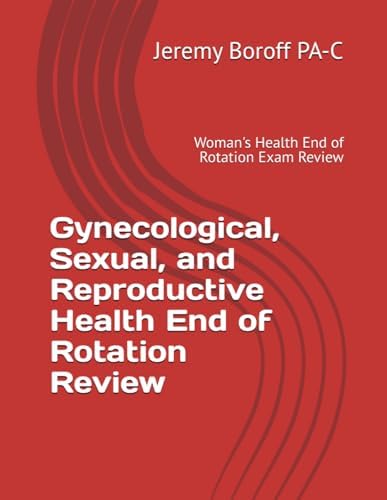
PANRE Review Exam 1 Book Cover

3. The Value of CME Gift Cards

Many PAs have employer-provided CME funds that must be used within a specific timeframe. To help you maximize the utility of these funds, we offer cme gift cards as add-ons. You can choose to add an Amazon or Apple Gift Card ranging from $100 to $1,500 to your purchase.

It is important to understand that these are not free gifts. These are add-ons that are included in the total purchase price of the CME package. This allows you to use your CME budget to acquire the review materials you need while also gaining a gift card that can be used to further enrich your professional education through books, hardware, or other supplies.

Clinical Assessment: Cardiology

To prepare for the PANRE, you must be able to recognize patterns and make rapid diagnostic decisions.

Your patient is a 62-year-old male presenting to the emergency department with "crushing" substernal chest pain that began 45 minutes ago. He is diaphoretic and nauseated. His past medical history includes hypertension and tobacco use. Vital signs are: BP 110/70 mmHg, HR 92 bpm, RR 20 bpm, and SaO2 96% on room air. An EKG is performed.

12-lead EKG showing ST-segment elevation in inferior leads

Based on the EKG findings, what is the most likely location of the myocardial infarction?

A) Anteroseptal
B) Lateral
C) Inferior
D) Posterior

The correct answer is C) Inferior. The EKG demonstrates ST-segment elevation in leads II, III, and aVF. These leads look at the inferior wall of the heart, which is primarily supplied by the Right Coronary Artery (RCA) in most patients. Anteroseptal infarcts would show changes in V1-V2, lateral in V5-V6, I, and aVL, and posterior infarcts typically present with ST-segment depressions in the anterior leads (V1-V3).

4. Resource Longevity and Flexibility

Most PAs prefer to study over a longer period rather than cramming into a 3-day weekend. Our PANRE Review Course provides 30 months of access. This is particularly beneficial for those taking the PANRE-LA, as you can refer back to the content for every quarterly assessment.

Clinical Assessment: Orthopedics

Orthopedics constitutes a significant portion of the blueprint. Diagnostic accuracy is essential for proper management.

Your patient is a 19-year-old female athlete who felt a "pop" in her right knee while pivoting during a soccer game. She experienced immediate pain and rapid onset of swelling. On physical exam, she has a positive Lachman test and a positive anterior drawer sign.

3D illustration of human knee highlighting ACL

What is the most likely diagnosis?

A) Anterior Cruciate Ligament (ACL) Tear
B) Medial Collateral Ligament (MCL) Tear
C) Meniscal Tear
D) Patellar Tendinitis

The correct answer is A) Anterior Cruciate Ligament (ACL) Tear. The clinical history of a non-contact pivoting injury with an audible "pop" and immediate swelling (hemarthrosis) is classic for an ACL tear. The Lachman test is the most sensitive physical exam maneuver for this injury. MCL tears usually involve a valgus stress injury, meniscal tears often involve locking or catching, and patellar tendinitis is an overuse injury presenting with localized pain at the inferior patella.

Utilizing Your CME Funds Efficiently

When you choose a review course, you are making an investment. Our packages are designed by PAs, for PAs, ensuring that the clinical vignettes and educational content are relevant to your daily practice and your board exams.

CME with Amazon and Apple Gift Card add-on illustration

By selecting a package with a gift card add-on, you can streamline your educational spending. Whether you need $500 or $1,500 in additional funds for your educational tools, our flexible options allow you to tailor the purchase to your specific budget needs.

Clinical Assessment: Neurology

Neurological emergencies require a systematic approach to diagnosis.

Your patient is a 74-year-old female brought in by EMS for sudden onset of right-sided weakness and aphasia. Her symptoms began 2 hours ago. Her blood pressure is 185/95 mmHg. A non-contrast CT of the head shows no evidence of hemorrhage.

What is the most appropriate next step in management?

A) Administer 325 mg of Aspirin
B) Assess for tPA (Alteplase) eligibility
C) Immediate neurosurgical consultation for evacuation
D) Start a heparin drip

The correct answer is B) Assess for tPA (Alteplase) eligibility. The patient is presenting within the 3 to 4.5-hour window for thrombolytic therapy in the setting of an acute ischemic stroke (confirmed by the absence of hemorrhage on non-contrast CT). Aspirin is used in stroke management but is secondary to the immediate assessment for reperfusion therapies. Neurosurgery is required for hemorrhagic strokes, and heparin is not indicated for acute ischemic stroke management in the ED.

Final Considerations

Choosing the right panre review course involves more than just picking the cheapest option. It involves finding a resource that:

  • Provides the necessary 100 hours of Category 1 AAPA credit.
  • Offers long-term access (30 months) to accommodate the PANRE-LA.
  • Includes a robust bank of practice questions (1,672+).
  • Allows for the addition of cme gift cards to maximize your professional development budget.

Explore our full range of specialty packages, including Family Medicine and Psychiatry, to find the review that best fits your clinical practice.

Posted on

How to Choose the Best PANRE Review (Compared: Live Courses vs. On-Demand Packages)

Internal Plan:

  1. Classification: Comparison/Product Showcase.
  2. Strategy: Contrast the rigid schedules of live PANRE conferences with the efficiency and financial benefits of on-demand packages.
  3. Imagery: Utilize generated hero image, a studying scenario image, and existing marketing assets for course books.
  4. Logistics: Lead with the PANRE Review Course specifics: $499.99, 30 months access, 1,672 questions, and 100 hours of AAPA Category 1 CME.

Logistical Details:

  • Price: $499.99
  • Access Duration: 30 months
  • CME Credit: 100 Hours of AAPA Category 1 Self-Assessment Credit
  • Deliverables: 17 Hours of Video Lecture, 1,672 Board-Style Questions with Detailed Explanations
  • Add-ons: Amazon or Apple Gift Cards ($100–$1500) available at checkout

Clinical Assessment: Cardiovascular System

Your patient is a 64-year-old male presenting with a 3-month history of exertional chest pressure that is relieved by rest. He has a history of hypertension and hyperlipidemia. During your physical exam, his HR is 72 bpm and BP is 138/84 mmHg. You perform an EKG which shows no acute ST-segment changes. You order a stress echocardiogram, which reveals exercise-induced wall motion abnormalities in the left ventricle that resolve with rest.

Which of the following is the most appropriate next step in the diagnostic workup?

A) Coronary Angiography
B) Holter Monitoring
C) High-sensitivity Troponin I
D) Chest X-ray

Correct Answer: A) Coronary Angiography

Explanation: The patient’s clinical presentation and the results of the stress echocardiogram are highly suggestive of stable angina with significant coronary artery disease. Coronary Angiography is the gold standard for definitive diagnosis and to assess the feasibility of revascularization (PCI or CABG). Holter monitoring is used for arrhythmias, not ischemic heart disease workup. High-sensitivity troponins are used to rule out acute myocardial infarction (NSTEMI/STEMI) in an acute setting, whereas this patient has stable exertional symptoms. A chest X-ray provides information on cardiac size or pulmonary congestion but does not diagnose coronary artery stenosis.


Comparing PANRE Review Formats: Live vs. On-Demand

Physician Assistants (PAs) nearing their recertification cycle must choose between intensive live courses and flexible on-demand packages. Both formats aim to prepare the clinician for the NCCPA Blueprint, but the logistical and financial impacts differ significantly.

Live PANRE Review Courses

Live courses often take the form of 3-to-4-day intensive conferences. These are high-yield, covering the entire NCCPA Blueprint in a short period.

  • Structure: They offer a rigid schedule which provides accountability. You are required to be present for 8–10 hours of lecture daily.
  • Interaction: Real-time Q&A with faculty is a primary benefit.
  • Costs: Tuition for live courses is often higher ($500–$800). Additionally, clinicians must account for travel, hotel accommodations, and the loss of income from taking time off clinical practice.
  • Pace: The pace is fast. If you require more time on complex topics like Cardiology or Neurology, the live format does not wait.

On-Demand PANRE Review Packages

On-demand packages, such as the PANRE Review Course from CME Review Courses, prioritize flexibility and long-term retention.

  • Structure: 100% self-paced. You can access the 17 hours of video lectures whenever your schedule allows: during lunch breaks, post-shift, or on weekends.
  • Retention: On-demand access for 30 months allows for spaced repetition. Instead of cramming the entire NCCPA Blueprint into one weekend, you can review specific organ systems as needed.
  • Efficiency: There are no travel costs or days off work required.
  • Quantifiables: Our course includes 1,672 board-style questions. This volume of practice is often greater than what is provided in a condensed live seminar.

A Physician Assistant using on-demand video lectures and gift card add-ons to study for the PANRE.

Maximizing Your CME Budget with Gift Card Add-ons

A distinct advantage of the on-demand model at CME Review Courses is the ability to leverage your employer’s CME allowance more effectively. Most live conferences only offer the educational credit. We offer CME with Amazon gift card and CME with Apple gift card add-ons.

When purchasing the PANRE Review Course, you can add a gift card ranging from $100 to $1,500 to your order. The total is bundled into one price. This allows you to secure your 100 hours of AAPA Category 1 Credit while obtaining a bonus that can be used to purchase additional educational materials, such as medical textbooks, tablet devices for clinical use, or office supplies.

Understanding the 100-Hour AAPA Category 1 Credit

The PANRE Review Course is designated for 100 AAPA Category 1 Self-Assessment CME credits. This is a critical distinction for PAs managing their NCCPA cycles.

  1. NCCPA Weighting: The NCCPA applies a 50% additional weighting to self-assessment credits. When you log these 100 credits, they automatically count as 150 credits toward your maintenance requirements.
  2. Breadth of Content: To earn these credits, the course covers the entire NCCPA Blueprint, including:
    • Emergency Medicine
    • Family Medicine
    • Internal Medicine
    • Orthopedics
    • Dermatology
    • Psychiatry
    • Neurology
    • Cardiology
    • OB/GYN

This content is developed by physician assistants who understand the specific clinical demands and testing patterns of the PANRE. While the primary target is the PA, Nurse Practitioners and Physicians frequently use these packages. For physicians, it counts as Category 2 CME. For NPs, the AAPA is an acceptable accredited organization for CE in many states, though individual state boards should be verified.


Clinical Assessment: Pulmonary System

Your patient is a 28-year-old female complaining of a persistent non-productive cough and shortness of breath for the past 4 weeks. She notes the symptoms are worse at night and when she is exercising. She has no significant past medical history. Her vital signs are stable, and physical exam reveals end-expiratory wheezing bilaterally. You perform spirometry, which shows a FEV1/FVC ratio of 65%. After administering a short-acting beta-agonist, the FEV1 increases by 14% and 250 mL.

What is the most likely diagnosis?

A) Chronic Obstructive Pulmonary Disease (COPD)
B) Asthma
C) Congestive Heart Failure
D) Sarcoidosis

Correct Answer: B) Asthma

Explanation: The diagnosis of Asthma is confirmed by the presence of reversible airway obstruction. Reversibility is defined as an increase in FEV1 of >12% and >200 mL following bronchodilator administration. COPD is generally characterized by irreversible or only partially reversible airflow obstruction and typically presents in older patients with a smoking history. Congestive Heart Failure would likely present with rales, edema, or EKG changes, and Sarcoidosis would more commonly show restrictive patterns or hilar adenopathy on imaging.


Visualizing the Curriculum

The depth of the PANRE Review is reflected in our comprehensive study guides and lecture materials. Below are the official review books that accompany our curriculum, authored by Jeremy Boroff, PA-C.

ResourceDescription
PANRE Exam 1 Book CoverPANRE Review Exam 1: Covers the first half of the NCCPA Blueprint with high-yield questions.
PANRE Exam 2 Book CoverPANRE Review Exam 2: Focuses on specialty systems and complex clinical patterns.

Final Verdict: Which Should You Choose?

The decision between a live course and an on-demand package depends on your learning style and logistical constraints.

Choose a Live Course if:

  • You struggle with self-discipline and need a forced schedule.
  • You live near a host city and do not mind the travel expenses.
  • You prefer face-to-face networking with other clinicians.

Choose the CME Review Courses On-Demand Package if:

  • You want 100 hours of Category 1 AAPA Credit that scales to 150 hours with NCCPA weighting.
  • You want 30 months of access to ensure you can review the 17 hours of video lectures multiple times.
  • You want to practice with over 1,600 board-style questions.
  • You want to maximize your budget with Amazon or Apple gift cards up to $1,500.
  • You need to study around a full-time clinical schedule without taking time off.

For many PAs, the efficiency of on-demand learning far outweighs the high cost and rigid timing of live conferences. By integrating the Pharmacology Course or other specialty modules like Emergency Medicine, you can tailor your education to your specific practice area while securing the necessary credits for recertification.

Posted on

The Simple Trick to Maximize Your CME Stipend with an Amazon Gift Card Before June 30th

The mid-year deadline is approaching rapidly. For many physician assistants and nurse practitioners, June 30th represents the final opportunity to utilize 2026 CME stipends before they expire or reset. If you have unused educational funds, letting them sit on the table is an inefficient use of your professional benefits.

At CME Review Courses, we provide an streamlined solution to maximize your stipend. By bundling our high-yield clinical content with an Amazon or Apple gift card, you secure necessary AAPA Category 1 CME credits while simultaneously equipping yourself with funds for additional educational materials, medical equipment, or technology.

Essential Course Logistics

PANRE Review Course (100 Hours AAPA Category 1 CME)

  • Price: $499.99 (Base)
  • Duration of Access: 30 Months
  • Deliverables: 1,672 Board-Style Questions and 17 Hours of Clinical Video Content
  • Gift Card Options: $100 to $1,500 add-ons available
  • Link: PANRE Review Course with Gift Card

Pharmacology CME Review Package (12 Hours AAPA Category 1 CME)

A physician assistant looking at a June 30th deadline on a calendar while holding a tablet with review questions.

The June 30th Strategy: CME with Gift Cards

Most healthcare employers provide an annual or semi-annual CME allowance. However, these funds are often "use it or lose it." If you have $1,000 or $2,000 remaining in your budget, purchasing a standard $400 course leaves a significant portion of your benefit untouched.

The simple trick to maximizing this stipend is selecting a CME with Gift Card package. This allows you to choose a package price that matches your remaining budget. For example, if you have $1,500 remaining, you can purchase the PANRE Review Course and add a $1,100 Amazon Gift Card. You receive 100 hours of AAPA Category 1 CME credit and a gift card delivered digitally, ensuring your entire 2026 stipend is utilized effectively before the June 30th cutoff.

Our packages cover essential clinical domains, including Emergency Medicine, Family Medicine, Internal Medicine, Orthopedics, and more. This content was developed by physician assistants for physician assistants, ensuring the clinical vignettes and questions are relevant to your daily practice and the NCCPA blueprint.

A tablet showing pharmacology review content with medication vials in the background.

Meeting Your Pharmacology Credit Requirements

Many states require specific pharmacology-focused CME for prescriptive authority renewal. Our Pharmacology CME Review Package offers 12 hours of AAPA Category 1 Self-Assessment CME.

For PAs logging credits with the NCCPA, self-assessment credits are weighted heavily. The NCCPA applies an additional 50% weighting to these credits. Therefore, a 12-hour self-assessment course effectively counts as 18 hours toward your 100-hour requirement. This is the most efficient way to satisfy both state pharmacology requirements and NCCPA maintenance cycles before the mid-year deadline.

Clinical Scenario 1: Cardiology and Pharmacology

Your patient is a 64-year-old male with a history of hypertension and chronic stable angina. He presents to the clinic for a follow-up. His current medications include Lisinopril, Amlodipine, and Metoprolol Succinate. Despite adherence, he reports occasional chest pressure when walking up stairs. His heart rate (HR) is 78 bpm and his blood pressure (BP) is 138/84 mmHg. You decide to add Ranolazine to his regimen.

Which of the following is a known side effect of Ranolazine that requires monitoring via EKG?

A) Shortened PR interval
B) Prolonged QT interval
C) Delta waves
D) First-degree AV block

Correct Answer: B) Prolonged QT interval.
Ranolazine is an anti-anginal medication that inhibits the late inward sodium current. One of its primary clinical concerns is the dose-dependent prolongation of the QT interval. Patients with pre-existing QT prolongation or those taking other QT-prolonging drugs should be monitored closely or avoid this medication. It does not typically cause PR shortening, delta waves (associated with WPW), or AV block.

A medical professional purchasing a CME package with an Amazon and Apple gift card visible.

Clinical Scenario 2: Emergency Medicine and Internal Medicine

Your patient is a 42-year-old female presenting to the Emergency Department with acute onset of right upper quadrant pain that radiates to the right scapula. She reports nausea and two episodes of non-bilious emesis. On physical exam, she exhibits a positive Murphy’s sign. Her vitals are: T 101.2°F, HR 105, BP 122/78, and SaO2 98% on room air. Lab work shows a leukocytosis of 14,000.

What is the initial diagnostic study of choice for this patient?

A) CT Scan of the Abdomen/Pelvis with IV contrast
B) HIDA Scan
C) Ultrasound of the Right Upper Quadrant
D) ERCP

Correct Answer: C) Ultrasound of the Right Upper Quadrant.
In cases of suspected acute cholecystitis, the initial imaging modality of choice is a RUQ ultrasound due to its high sensitivity for gallstones, gallbladder wall thickening, and pericholecystic fluid. A HIDA scan is typically reserved for cases where ultrasound is inconclusive but clinical suspicion remains high. CT scans are less sensitive for gallstones, and ERCP is a therapeutic/diagnostic tool for choledocholithiasis, not the primary screening tool for cholecystitis.

Secure Your Credits Before June 30th

The deadline for 2026 mid-year stipends is firm. Whether you are preparing for the PANRE, fulfilling your 100-hour AAPA Category 1 requirement, or seeking specific Pharmacology credits, CME Review Courses offers the most efficient delivery method.

By utilizing the Amazon or Apple Gift Card add-on, you ensure your educational budget is spent fully and effectively. Our 30-month access window ensures that even if you purchase today, the material will be available for your next board cycle.

Act now to meet the June 30th deadline and maximize your professional benefits.

Posted on

PANRE-LA Secrets Revealed: What Experts Don’t Want You to Know About Open-Book Testing

Course Name: PANRE Review Course
Price: $499.99 (Varies by Gift Card Add-on)
Deliverables: 100 Hours of AAPA Category 1 CME Credit
Access: Immediate On-Demand Access
Gift Card Options: $100 to $1,500 Amazon or Apple Gift Cards Available

The NCCPA’s Physician Assistant National Recertifying Examination Longitudinal Assessment (PANRE-LA) has transformed the recertification landscape. The transition from a high-stakes, single-day proctored exam to a multi-year, open-book format is often perceived as a "easier" path. However, the open-book nature of the PANRE-LA is a double-edged sword. Without a strategic approach, the "open-book" feature can lead to time mismanagement, cognitive fatigue, and unexpected failures.

To succeed, you must understand that the PANRE-LA is not a test of what you know: it is a test of how efficiently you can verify what you don't know while maintaining clinical accuracy under a ticking clock.

The 5-Minute Barrier: Why "Open-Book" is a Trap

The most significant secret of the PANRE-LA is the strict five-minute time limit per question. While five minutes sounds generous for a single clinical scenario, it evaporates quickly when you are navigating complex medical databases. If you do not have a pre-determined search hierarchy, you will find yourself three minutes into a search with four browser tabs open and no clear answer.

Experts know that the PANRE-LA is designed to test "core medical knowledge." This means if you are searching for basic diagnostic criteria for common conditions like Heart Failure or Community-Acquired Pneumonia, you are already behind. The open-book resource should only be used to confirm specific nuances: such as second-line antibiotic choices in penicillin-allergic patients or the specific timeframe for a diagnostic "window."

Time management for medical exams

Two Devices: The Logistical Secret

The NCCPA requires you to take the exam on one device. However, there is no rule against having a second device, such as a tablet or a separate laptop, open to your primary medical references. Toggling between tabs on a single screen is a recipe for technical lag and accidental browser closures.

By using a dedicated second device for your references, you keep the exam interface clear and minimize the risk of a "time-out" error. Your primary reference should be a robust, searchable database like UpToDate, Medscape, or your PANRE Review Course materials. Having a physical copy of a trusted review book can also serve as a fast backup if your internet connection fluctuates.

The Remediation Loophole: Feedback is Your Best Friend

One of the least discussed "secrets" is how the PANRE-LA handles incorrect answers. Unlike the traditional PANRE, the PANRE-LA provides immediate feedback. If you miss a question, you are told immediately. More importantly, the NCCPA will re-test you on that same topic in a subsequent quarter.

The "secret" here is that your higher score on the follow-up question counts toward your final performance. This means you should keep a dedicated log of every topic you miss. Immediately after completing a 25-question block, use your 100 hours of AAPA Category 1 CME credits to deep-dive into those specific areas. If you missed a question on the management of chronic kidney disease, that topic is guaranteed to reappear. Prepare for it.

Digital medical resources and workstation

Curating Your Search Skills: Search Strings over Sentences

To maximize the open-book advantage, you must master the art of the clinical search string. Typing "What is the best treatment for a patient with a UTI who is pregnant?" into a search bar takes too long.

Instead, practice using Boolean operators and medical keywords: "UTI pregnancy first-line treatment" or "nitrofurantoin pregnancy contraindication." You must be able to navigate to the "Management" or "Treatment" section of a clinical monograph within 30 seconds. If your current reference tool doesn't allow for rapid navigation, it is the wrong tool for the PANRE-LA.

Clinical Practice Scenarios

To prepare for the type of rapid-fire clinical reasoning required for the PANRE-LA, review the following vignettes.

Case Study 1: Cardiology

Your patient is a 64-year-old male presenting with a 2-day history of worsening dyspnea on exertion and orthopnea. He has a history of hypertension and a previous myocardial infarction. On physical exam, you note a heart rate of 102 bpm, BP 148/92 mmHg, and 2+ bilateral pitting edema to the mid-calf. Auscultation reveals an S3 gallop and crackles at the lung bases.

Which of the following is the most appropriate initial diagnostic test to confirm the suspected diagnosis?

A. Chest X-ray
B. B-type natriuretic peptide (BNP)
C. Echocardiogram
D. 12-lead EKG

Explanation:
The correct answer is B. B-type natriuretic peptide (BNP). In the setting of suspected acute heart failure, BNP or NT-proBNP is the most appropriate initial laboratory test to differentiate cardiac from non-cardiac causes of dyspnea. While a Chest X-ray (A) can show pulmonary congestion and an Echocardiogram (C) is necessary for determining the ejection fraction, the BNP provides immediate biochemical evidence of myocardial wall stress. An EKG (D) is useful for identifying underlying ischemia but is not diagnostic for heart failure.

Case Study 2: Endocrinology

Your patient is a 32-year-old female with a known history of Type 1 Diabetes Mellitus. She is brought to the emergency department by her husband, who states she has been "acting confused" and "breathing deeply." Her fingerstick glucose is 450 mg/dL. Her vitals show a BP of 100/60 mmHg and a HR of 115 bpm. An arterial blood gas reveals a pH of 7.20 and a bicarbonate of 12 mEq/L. Ketones are present in the urine.

After initiating aggressive fluid resuscitation, what is the next most critical step in management?

A. Start an insulin drip at 0.1 units/kg/hr
B. Administer intravenous bicarbonate
C. Check the serum potassium level
D. Administer a 10-unit bolus of regular insulin

Explanation:
The correct answer is C. Check the serum potassium level. In Diabetic Ketoacidosis (DKA), initiating insulin (A and D) will cause potassium to shift intracellularly, which can lead to life-threatening hypokalemia. You must ensure the serum potassium is >3.3 mEq/L before starting insulin therapy. Bicarbonate (B) is generally reserved for patients with a pH <6.9 and is not the next most critical step here.

Clinical patient examination

Integrating the NCCPA Blueprint

Success on the PANRE-LA requires alignment with the NCCPA Blueprint. You should not waste time studying "zebras" that fall outside the core content areas. Our PANRE Review Course is specifically structured around the NCCPA Blueprint, ensuring that your study time is spent on the topics most likely to appear in your quarterly question sets.

By purchasing the course with a gift card add-on, you can utilize your employer's CME budget to its fullest extent. You receive high-yield, PA-led instruction plus an Amazon or Apple gift card ($100-$1500) that can be used for further educational resources, such as high-resolution monitors for your two-device setup or a premium tablet for mobile referencing.

PANRE Review Exam Book

Summary for Success

The PANRE-LA is an exercise in efficiency. To master the open-book format:

  1. Curate your references before the quarter begins.
  2. Utilize two devices to minimize technical friction.
  3. Log your misses to capitalize on the remediation re-tests.
  4. Practice timed searches using high-yield question banks.

Our PANRE Review Course provides the foundation you need to answer 80% of the questions from memory, leaving your five-minute "open-book" window available for the remaining 20% that require precise verification.

Enroll in the PANRE Review Course today and claim up to 100 hours of AAPA Category 1 CME credit plus your educational gift card.

Posted on

How to Choose the Best Online Pharmacology CME for PAs (Compared)

Price: $499.99 for 30 months (Base Package)
Access: 30 months of continuous online access
Deliverables: 12.0 AAPA Category 1 Self-Assessment CME Credits (Pharmacology) or 100 AAPA Category 1 CME Credits (PANRE Review), Question Banks with Detailed Explanations

Physician assistants (PAs) must maintain NCCPA certification by earning 100 CME credits every two years. At least 50 of these must be Category 1 credits. While many general courses satisfy the basic credit requirement, selecting a high-yield pharmacology course requires evaluating accreditation, efficiency, and the utility of your CME budget.

Choosing an online pharmacology CME involves more than just clicking through slides. You must ensure the course meets specific state licensure requirements for prescriptive authority and provides enough clinical depth to assist in daily practice. This guide compares essential factors for selecting pharmacology CME and highlights how CME Review Courses streamlines this process.

Accreditation: AAPA Category 1 vs. Category 2

The most critical factor in your selection is the type of credit awarded. AAPA Category 1 credit is formally planned and accredited by the AAPA. Category 2 credit is self-reported and less formal. For most PAs, Category 1 is the priority to meet the 50-credit minimum for the NCCPA.

Our Pharmacology Review Course CME Package provides 12.0 hours of AAPA Category 1 Self-Assessment CME credit. Self-assessment credit is highly valuable because the NCCPA applies a 50% weighting bonus. This means your 12.0 credits effectively count as 18 credits toward your 100-hour requirement.

In contrast, general review courses or free pharmacology webinars often offer only Category 2 or standard Category 1 credit without the self-assessment bonus. If your goal is efficiency, self-assessment packages are superior.

Meeting State Prescriptive Authority Requirements

Many states, such as Ohio, require a specific number of pharmacology hours (often 12) related to medications for license renewal and prescriptive authority. When comparing providers, verify that the curriculum specifically mentions “pharmacology” in the accreditation statement.

The Pharmacology Review Course at CME Review Courses is designed specifically to fulfill these 12-hour requirements. It covers clinical therapeutics and basic science principles across multiple specialties, including Internal Medicine, Family Medicine, and Emergency Medicine.

Stethoscope with Apple and Amazon Gift Cards representing CME budget utility

Maximizing Your CME Budget: The Gift Card Add-On

Most employers provide a dedicated CME allowance. Often, this money is “use it or lose it.” Choosing a provider that allows you to maximize the value of these funds is a pragmatic financial decision.

CME Review Courses offers a unique structure where you can add an Amazon or Apple Gift Card (ranging from $100 to $1500) to your CME purchase. This allows you to further your education by purchasing medical textbooks, clinical equipment, or digital tools via Amazon or Apple. This turns your required certification maintenance into a broader investment in your professional toolkit.

Content Quality and Clinical Utility

A high-quality pharmacology course should do more than help you log hours; it should prepare you for the NCCPA exams (PANCE/PANRE) and clinical decision-making.

Our pharmacology content was written by PAs for PAs. It avoids the fluff often found in physician-led courses that may focus on research data rather than clinical application. The Pharmacology Review Course includes a 120-question bank with detailed explanations. For those seeking a more comprehensive review, the PANRE Review Course provides 100 hours of AAPA Category 1 CME credit, covering the full spectrum of the NCCPA blueprint.

PAs discussing clinical cases with a digital quiz interface

Comparison Table: Online Pharmacology CME Features

FeatureCME Review Courses (Pharmacology)Generic Online WebinarsLarge Conference Recordings
Credit TypeAAPA Category 1 Self-AssessmentAAPA Category 1 or 2AAPA Category 1
NCCPA BonusYes (50% Weighting)NoNo
Gift Card Add-onYes ($100 – $1500)NoNo
Access Duration30 MonthsVaries (often 12 months)Varies
Practice Questions120 Questions with RationaleMinimal to NoneNone
State ComplianceDesigned for 12-hr mandatesUnreliableVaries

Clinical Vignettes and Practice Questions

Testing your knowledge is the most effective way to ensure retention of pharmacologic principles. Below are practice questions typical of the content found in our pharmacology and PANRE review materials.

Clinical Vignette 1

Your patient is a 64-year-old male with a history of hypertension and chronic kidney disease (CKD) Stage 3. He presents for a follow-up. His current medications include lisinopril 20 mg daily. His blood pressure is 152/94 mmHg. Laboratory results show a serum potassium of 5.1 mEq/L and a serum creatinine of 1.9 mg/dL (baseline). You decide to add a diuretic.

Which of the following is the most appropriate next step in pharmacologic management?

A. Start Hydrochlorothiazide (HCTZ) 12.5 mg daily
B. Start Chlorthalidone 25 mg daily
C. Start Furosemide 20 mg daily
D. Start Spironolactone 25 mg daily

Explanation:
The correct answer is C. Start Furosemide 20 mg daily. Thiazide diuretics, such as HCTZ and chlorthalidone, lose their efficacy once the GFR drops below 30 mL/min (CKD Stage 4), and their effectiveness significantly diminishes even in Stage 3. Loop diuretics like furosemide are preferred in patients with advanced CKD or significant fluid overload who require diuresis.

  • Choice A and B are incorrect because thiazides are less effective in patients with reduced GFR and elevated creatinine levels.
  • Choice D is incorrect because spironolactone is a potassium-sparing diuretic. Given the patient’s current potassium level of 5.1 mEq/L and concurrent use of an ACE inhibitor (lisinopril), spironolactone poses a high risk for life-threatening hyperkalemia.

Clinical Vignette 2

Your patient is a 28-year-old female who presents with a 3-day history of dysuria, urgency, and suprapubic pain. She has no fever, chills, or flank pain. She has no known drug allergies and is not pregnant. A urine dipstick is positive for nitrites and leukocyte esterase.

Which of the following is the most appropriate first-line antibiotic for this patient?

A. Ciprofloxacin 500 mg BID for 3 days
B. Nitrofurantoin 100 mg BID for 5 days
C. Cephalexin 500 mg QID for 7 days
D. Doxycycline 100 mg BID for 7 days

Explanation:
The correct answer is B. Nitrofurantoin 100 mg BID for 5 days. According to current IDSA guidelines for uncomplicated cystitis, nitrofurantoin (Macrobid), Trimethoprim-sulfamethoxazole (if local resistance is <20%), and fosfomycin are considered first-line agents. Nitrofurantoin is highly effective against common uropathogens like E. coli.

  • Choice A is incorrect as fluoroquinolones (ciprofloxacin) are now reserved for more complex infections or when first-line agents cannot be used, due to the risk of significant side effects (tendon rupture, aortic dissection) and the desire to limit resistance.
  • Choice C is an alternative but is generally considered second-line for uncomplicated cystitis due to lower efficacy compared to first-line agents.
  • Choice D is used for urethritis (e.g., Chlamydia) but is not first-line for bacterial cystitis.

Clinical Vignette 3

Your patient is a 55-year-old male with a history of Type 2 Diabetes Mellitus and Heart Failure with reduced Ejection Fraction (HFrEF). His current A1c is 7.8% despite metformin 1000 mg BID. You want to add a second agent that provides both glycemic control and cardiovascular benefit.

Which medication class is most appropriate to add?

A. Glipizide (Sulfonylurea)
B. Pioglitazone (Thiazolidinedione)
C. Empagliflozin (SGLT2 inhibitor)
D. Sitagliptin (DPP-4 inhibitor)

Explanation:
The correct answer is C. Empagliflozin (SGLT2 inhibitor). SGLT2 inhibitors like empagliflozin and dapagliflozin have demonstrated significant mortality benefits in patients with HFrEF and are recommended for both glycemic control and heart failure management regardless of diabetic status.

  • Choice A is a sulfonylurea which carries a risk of hypoglycemia and does not provide cardiovascular protection.
  • Choice B is contraindicated in patients with symptomatic heart failure as it can cause fluid retention and exacerbate HFrEF.
  • Choice D is weight-neutral and generally safe, but saxagliptin (another DPP-4 inhibitor) has been linked to increased heart failure hospitalizations, and sitagliptin does not offer the same robust CV benefits as SGLT2 inhibitors.

Why Choose CME Review Courses?

When you buy our PANRE Review Course, you receive 100 hours of AAPA Category 1 CME credit. This is the most efficient way to satisfy your entire two-year requirement in one package. If you specifically need pharmacology hours, our dedicated Pharmacology Review Course provides the 12.0 self-assessment credits you need for state compliance and prescriptive authority.

All our courses are accessible for 30 months, allowing you to reference the material long after you have earned your credits. This is particularly useful for PAs working in Family Medicine or Internal Medicine who encounter complex polypharmacy daily.

PANRE/PANRE-LA Review Exam 1 Book Cover by Jeremy Boroff PA-C

Final Considerations for PAs

  1. Check Expiration Dates: Ensure the course you choose is valid through your next logging cycle.
  2. Verify Self-Assessment Status: Always prioritize self-assessment for the 50% NCCPA bonus.
  3. Utilize CME Allowances: Use the gift card add-on options to purchase medical gear or books to further your clinical education.
  4. Specialty Focus: Ensure the pharmacology content covers the specific organ systems relevant to your practice, such as Cardiology, Neurology, or Psychiatry.

Our curriculum is built to provide an authoritative yet helpful educational experience. Whether you are a PA, NP, or a physician looking for high-quality AAPA Category 1 CME, our packages provide the clinical depth and logistical convenience required in modern medicine.

Ready to secure your credits and maximize your CME budget? Browse our CME packages with Gift Card add-ons here.

Posted on

How to Use Your 2026 CME Stipend Before It Expires: The Ultimate PANRE Strategy

Price: $499.99 for the base course; total package price equals $499.99 plus the selected gift card amount ($100–$1,500).
Duration: 30 months of continuous access.
Deliverables: 100 hours of AAPA Category 1 Self-Assessment CME (PANRE Review), 12 hours of AAPA Category 1 Self-Assessment CME (Pharmacology), and a combined total of over 1,700 board-style questions.

As the 2026 fiscal year draws to a close, many physician assistants (PAs) and nurse practitioners find themselves with remaining CME stipend funds that will expire if not utilized. June 30th is the critical deadline for many clinicians who need to use their 2026 CME stipend for a PANRE preparation strategy before those funds disappear. This "use it or lose it" scenario presents a critical opportunity to secure high-yield educational resources and maximize your professional benefits. The most effective strategy for managing an expiring stipend is to invest in a comprehensive review course that covers the NCCPA Blueprint while providing long-term access and tangible value through gift card add-ons. If your goal is to turn expiring education funds into a practical recertification plan, June 30th needs to stay front and center.

Securing Your PANRE Success

The PANRE (Physician Assistant National Recertification Exam) remains a high-stakes milestone in your career. Preparation requires more than just a cursory review of medical topics; it necessitates a structured approach to the NCCPA Blueprint. Our PANRE Review Course is designed to be the core of your recertification strategy.

By selecting this course, you receive 100 hours of AAPA Category 1 Self-Assessment CME. It is vital to note that for NCCPA certification maintenance, self-assessment credits are weighted at 150%. This means that completing this single course fulfills 150 credits toward your NCCPA requirements, effectively streamlining your certification cycle.

PANRE Review Course Exam Book Cover

The Strategic Advantage of Gift Card Add-Ons

A common challenge with CME stipends is the fixed amount allocated by employers. If your stipend is $2,000 but the course you need is only $499, you risk leaving money on the table. Our "CME with Gift Card" model allows you to bridge this gap efficiently. You can add an Amazon or Apple gift card ranging from $100 to $1,500 to your purchase.

This approach serves two purposes. First, it ensures your entire 2026 stipend is utilized before the expiration date. If your employer requires CME funds to be used by June 30th, this becomes a practical way to execute your PANRE strategy before that deadline passes. Second, it provides you with funds to further enrich your education, whether that involves purchasing medical equipment, upgrading your hardware for better study access, or acquiring additional textbooks. This is an efficient, transparent way to use your CME money to its fullest potential, especially when June 30th is the critical cutoff for using 2026 CME stipend dollars.

Pharmacology Credits for Prescriptive Authority

In addition to the PANRE Review, maintaining prescriptive authority often requires dedicated pharmacology hours. Our Pharmacology Review Course provides 12.0 hours of AAPA Category 1 Self-Assessment CME. While the PANRE course is the heavy hitter for total hours, the pharmacology content is essential for meeting specific state-mandated requirements for nurse practitioners and PAs alike. This content was written by physician assistants for physician assistants, ensuring the clinical vignettes and pharmacology details are relevant to daily practice.

CME Gift Card Add-On Options

Practice Management and Long-Term Access

Professional training should not be a rushed endeavor. All our packages provide 30 months of access. This allows you to purchase the course now with your 2026 funds and continue using the materials well into 2028. Whether you are preparing for the traditional PANRE or the PANRE-LA, having a stable, updated question bank and lecture series at your disposal is invaluable.

The content covers a broad spectrum of medical specialties, including:

  • Cardiology
  • Emergency Medicine
  • Family Medicine
  • Internal Medicine (Hospitalist)
  • Orthopedics
  • Dermatology
  • Psychiatry
  • Neurology
  • OB/GYN

While the primary audience is physician assistants, physicians and nurse practitioners frequently find value in these packages. For physicians, these courses count as Category 2 CME. Nurse practitioners can claim Category 1 AAPA credit toward their certification, though they should verify specific state board acceptance.


Clinical Assessment and Vignette Review

Your patient is a 64-year-old male presenting to the emergency department with a 2-hour history of sudden-onset, "tearing" chest pain that radiates to his back between the scapulae. His past medical history is significant for poorly controlled hypertension. On physical examination, his blood pressure is 190/110 mmHg in the right arm and 165/95 mmHg in the left arm. His heart rate is 105 bpm. A new diastolic murmur is noted at the right sternal border. The patient appears diaphoretic and in significant distress.

What is the most appropriate initial diagnostic imaging study to confirm the suspected diagnosis in this patient?

A. Chest X-ray
B. Transthoracic Echocardiogram (TTE)
C. Computed Tomography Angiography (CTA) of the chest and abdomen
D. Magnetic Resonance Angiography (MRA)
E. Coronary Angiography

Correct Answer: C. Computed Tomography Angiography (CTA) of the chest and abdomen

Explanation:
The clinical presentation is highly suggestive of an acute aortic dissection. The key indicators are the sudden "tearing" pain, significant blood pressure discrepancy between arms, and the presence of a new aortic insufficiency murmur (diastolic murmur at the right sternal border). CTA of the chest and abdomen is the gold standard for rapid, definitive diagnosis in a stable or relatively stable patient. It provides detailed information regarding the extent of the dissection and involvement of major arterial branches.

  • A. Chest X-ray: While a widened mediastinum may be seen, it is neither sensitive nor specific enough to confirm a dissection.
  • B. TTE: This may show signs of aortic insufficiency or a pericardial effusion but is generally insufficient to visualize the entire thoracic aorta for a definitive dissection diagnosis; Transesophageal Echocardiogram (TEE) is preferred if CTA is unavailable or the patient is unstable.
  • D. MRA: Although highly accurate, the time required to perform MRA makes it inappropriate for an acute, life-threatening emergency.
  • E. Coronary Angiography: This is used for assessing coronary artery disease and is not the primary diagnostic tool for aortic dissection.

Your patient is a 28-year-old female who presents with a 3-day history of increasing lower abdominal pain, vaginal discharge, and dyspareunia. She reports having a new sexual partner in the last month and does not consistently use barrier protection. On examination, her temperature is 101.2°F (38.4°C). Pelvic examination reveals significant cervical motion tenderness and bilateral adnexal tenderness. A pregnancy test is negative. Microscopic examination of the vaginal discharge shows numerous polymorphonuclear leukocytes.

Which of the following is the most appropriate first-line outpatient antibiotic regimen for this patient?

A. Oral Azithromycin 1g as a single dose
B. Intramuscular Ceftriaxone 500mg once plus oral Doxycycline 100mg twice daily for 14 days
C. Oral Ciprofloxacin 500mg twice daily for 7 days
D. Oral Amoxicillin-Clavulanate 875mg twice daily for 10 days
E. Intramuscular Penicillin G Benzathine 2.4 million units once

Correct Answer: B. Intramuscular Ceftriaxone 500mg once plus oral Doxycycline 100mg twice daily for 14 days

Explanation:
The patient’s symptoms and physical findings (fever, cervical motion tenderness, adnexal tenderness) meet the clinical criteria for Pelvic Inflammatory Disease (PID). The recommended outpatient treatment regimen must provide broad-spectrum coverage against the most common pathogens, including Neisseria gonorrhoeae and Chlamydia trachomatis. IM Ceftriaxone 500mg plus oral Doxycycline (100mg BID for 14 days) is the standard of care. Metronidazole is often added if there is a suspicion of anaerobic infection or trichomoniasis.

  • A. Azithromycin: This is used for uncomplicated chlamydial urethritis/cervicitis but is insufficient as monotherapy for PID.
  • C. Ciprofloxacin: Fluoroquinolones are no longer recommended for gonorrhea due to high levels of resistance.
  • D. Amoxicillin-Clavulanate: Does not provide adequate coverage for the primary pathogens involved in PID.
  • E. Penicillin G Benzathine: This is the treatment for syphilis, not PID.

Your patient is a 45-year-old male with a history of chronic alcoholism who presents to the clinic complaining of recurrent episodes of epigastric pain that radiates to his back. The pain is often worse after meals. He also reports frequent, bulky, foul-smelling stools that are difficult to flush. A plain abdominal radiograph shows calcifications in the upper abdomen.

What is the most likely diagnosis?

A. Chronic Cholecystitis
B. Peptic Ulcer Disease
C. Chronic Pancreatitis
D. Celiac Disease
E. Pancreatic Adenocarcinoma

Correct Answer: C. Chronic Pancreatitis

Explanation:
The triad of chronic epigastric pain, steatorrhea (bulky, foul-smelling stools), and pancreatic calcifications seen on imaging is diagnostic for Chronic Pancreatitis. Alcoholism is the leading cause in adults. The calcifications are a result of long-standing inflammation and damage to the pancreatic parenchyma.

  • A. Chronic Cholecystitis: Typically presents with biliary colic associated with gallstones; it does not cause pancreatic calcifications or steatorrhea.
  • B. Peptic Ulcer Disease: Pain is often relieved or exacerbated by food but does not present with steatorrhea or abdominal calcifications.
  • D. Celiac Disease: Causes malabsorption and steatorrhea but does not cause epigastric pain radiating to the back or pancreatic calcifications.
  • E. Pancreatic Adenocarcinoma: While it can cause pain and weight loss, the presence of diffuse calcifications in a patient with chronic alcohol use more strongly points to chronic pancreatitis.

Maximizing your 2026 CME stipend requires a proactive approach. June 30th is the critical date to keep in mind if you are using 2026 CME funds to build your PANRE study plan. By choosing the PANRE Review Course with a Gift Card Add-On, you address your immediate educational needs, satisfy NCCPA credit requirements with weighted self-assessment hours, and ensure your professional development funds are fully utilized before they expire. If you are waiting to decide how to spend remaining CME money, do not lose sight of the June 30th deadline for putting those 2026 stipend funds toward a PANRE strategy.

Posted on

Why Everyone Is Talking About AAPA Category 1 Pharmacology Credit (and How to Get Yours Fast)

Course Name: Pharmacology CME Review Package
Price: $499.99 (Base Price)
Access Duration: 30 Months
Deliverables: 12 AAPA Category 1 Self-Assessment Credits, 120 Practice Questions, Pharmacology Lecture Videos
Gift Card Add-ons: $100 – $1500 (Amazon or Apple)

Staying current with pharmacology is not just a clinical necessity; it is a regulatory requirement for most practicing PAs and NPs. Whether you are maintaining your NCCPA certification or meeting state-specific requirements for prescriptive authority, the demand for high-quality, efficient pharmacology CME has never been higher.

Many states now mandate a specific number of pharmacology hours to maintain a license to prescribe controlled substances. Finding a course that fits into a busy clinical schedule while providing significant value for your CME budget is the primary challenge.

Clinical Scenario 1: Hypertension Management

Your patient is a 64-year-old African American male with a history of type 2 diabetes and newly diagnosed Stage 2 hypertension. His current blood pressure is 152/94 mmHg. His renal function is within normal limits (Cr 1.0, eGFR >60). You are initiating pharmacological therapy.

Which of the following is the most appropriate initial medication choice for this patient?

A) Lisinopril
B) Metoprolol
C) Amlodipine
D) Losartan

Correct Answer: C) Amlodipine
Amlodipine is a calcium channel blocker (CCB), which, along with thiazide-type diuretics, is recommended as first-line therapy for the African American population according to JNC 8 and AHA/ACC guidelines, even in patients with diabetes. While ACE inhibitors (Lisinopril) or ARBs (Losartan) are preferred for patients with chronic kidney disease (CKD) or albuminuria, they are less effective at reducing blood pressure in the African American population without those specific comorbidities compared to CCBs or diuretics. Beta-blockers like Metoprolol are no longer recommended as first-line therapy for uncomplicated hypertension.

A close-up of a healthcare provider's hands holding a tablet with a clear medical quiz interface showing a question about drug-drug interactions.

The Efficiency of Self-Assessment Credits

The Pharmacology CME Review Package is specifically designed to provide 12 AAPA Category 1 Self-Assessment CME credits. For Physician Assistants, these credits are particularly valuable. The NCCPA currently applies an additional 50 percent weighting to self-assessment credits. This means that completing this 12-credit course actually results in 18 credits being applied to your NCCPA certification maintenance total.

This course serves as a targeted review of essential pharmacological principles, focusing on drug-drug interactions, prescribing safety, and the management of common chronic conditions. It was written by physician assistants for physician assistants, ensuring the content is practical and relevant to daily practice.

Clinical Scenario 2: Endocrine Emergencies

Your patient is a 42-year-old female with a known history of Graves' disease who presents to the emergency department with tachycardia (HR 145), agitation, and hyperthermia (103.2°F). You suspect thyroid storm.

In addition to supportive care, which medication should be administered first to block the peripheral effects of thyroid hormone?

A) Propylthiouracil (PTU)
B) Propranolol
C) Methimazole
D) Lugol’s solution

Correct Answer: B) Propranolol
Propranolol is the correct initial choice to provide immediate symptomatic relief by blocking the peripheral adrenergic effects of the thyroid hormone, such as tachycardia and agitation. While Propylthiouracil (PTU) and Methimazole are used to stop the synthesis of new hormones, and Lugol’s solution blocks the release of stored hormones, the immediate life-threatening peripheral symptoms must be addressed first. Propranolol also has the added benefit of inhibiting the peripheral conversion of T4 to T3.

A professional healthcare setting where a physician assistant is consulting with an elderly patient regarding medication management.

Maximizing Your CME Budget with Gift Card Add-ons

One of the most efficient ways to utilize your employer-provided CME allowance is through the use of CME with Amazon and Apple Gift Card add-ons. This allows you to combine your educational purchase with a gift card ranging from $100 to $1500.

  • Amazon Gift Cards: These are processed within 2-3 business days and delivered via email. They allow you to purchase additional educational materials, medical equipment, or other resources to support your practice.
  • Apple Gift Cards: Ideal for those looking to upgrade their clinical hardware, such as a new iPad or MacBook, to facilitate on-the-go learning and EMR access.

The price of the gift card is included in the total package price. This provides a streamlined way to enrich your education while ensuring you get the most out of your professional development funds.

Who is This Course For?

While the content was created by PAs, it provides significant value across the healthcare spectrum:

  • Physician Assistants: Earn 12 AAPA Category 1 Self-Assessment credits (weighted to 18 NCCPA credits).
  • Nurse Practitioners: The AANP typically accepts AAPA Category 1 credits. NPs often use this course to meet their pharmacology-specific contact hour requirements for license renewal.
  • Physicians: Physicians can claim this course as Category 2 CME. It is frequently utilized by Internal Medicine and Family Medicine physicians for high-yield pharmacology updates.

Clinical Scenario 3: Cardiology and Anti-Coagulation

Your patient is a 72-year-old female with a history of non-valvular atrial fibrillation and a CHA2DS2-VASc score of 4. She is currently taking Dabigatran (Pradaxa). She presents to the ER with significant gastrointestinal bleeding.

Which agent is the specific reversal agent for Dabigatran?

A) Protamine sulfate
B) Idarucizumab
C) Andexanet alfa
D) Vitamin K

Correct Answer: B) Idarucizumab
Idarucizumab (Praxbind) is a monoclonal antibody fragment specifically designed to reverse the effects of Dabigatran. Protamine sulfate is used for heparin reversal. Andexanet alfa is the reversal agent for factor Xa inhibitors like Rivaroxaban and Apixaban. Vitamin K is used for Warfarin reversal.

An abstract, professional illustration representing a 'CME with Gift Card' package, using a clean blue and white color palette.

Comprehensive Learning Options

If you are looking for more than just pharmacology, the PANRE Review Course offers 100 hours of AAPA Category 1 credit. This course covers a broad range of topics including Emergency Medicine, Family Medicine, Internal Medicine, Orthopedics, Dermatology, Psychiatry, Neurology, Cardiology, and OB/GYN. Like the Pharmacology course, the PANRE Review also offers the option to add on Amazon or Apple gift cards.

The Pharmacology CME Review includes:

  • 120 High-Yield Questions: Designed to test application, not just rote memorization.
  • Lecture Videos: Focused, expert-led content covering key pharmacology topics.
  • 30-Month Access: Plenty of time to complete the course at your own pace.

Investing in your pharmacology knowledge is essential for patient safety and professional competence. By choosing a course that offers both high-quality accreditation and the added value of a gift card, you are making the most of your time and your CME budget.

Posted on

The Simple Trick to Improve Your PANCE Prep Course Scores Right Now

Price: $499.99 for the base PANRE Review Course
Duration: 30 months of on-demand access
Deliverables: 100 Hours of AAPA Category 1 Self-Assessment CME and 1,672 board-style questions

Successfully passing the PANCE or PANRE requires more than just high-volume reading. The sheer volume of the NCCPA Blueprint can be overwhelming for any Physician Assistant or student. While many enroll in multiple pance prep courses, the most common mistake is passive consumption of material. To increase your scores immediately, you must move from passive reading to active, blueprint-focused retrieval.

The following "simple trick" is the highest-yield adjustment you can make to your study routine: The Missed-Question Blueprint Loop.

The Missed-Question Blueprint Loop

Most students take a practice test, check their score, and move on. This is a wasted opportunity. To improve your scores, you must treat every missed question as a diagnostic tool for your knowledge gaps based on the NCCPA Blueprint.

  1. Categorize Your Errors: Every time you miss a question in your PANRE Review Course, immediately identify which section of the NCCPA Blueprint it falls under (e.g., Cardiology, GI, or Pulmonary).
  2. The "One Fact" Rule: For every missed question, find the one clinical fact you lacked to get it right. Is it the first-line treatment for a PID? The specific EKG finding for a PE?
  3. Active Recall Re-testing: Instead of re-reading the whole chapter, test yourself specifically on that "One Fact" 24 hours later, then 72 hours later.

By focusing strictly on the topics the NCCPA emphasizes, you stop wasting time on "low-yield" trivia and start mastering the core competencies required for certification.

A PA student focused on medical diagrams on a laptop

Applying the Blueprint to Clinical Scenarios

Practical application is the only way to solidify these concepts. Below are clinical vignettes designed to test your knowledge of high-yield NCCPA Blueprint topics. Use these to practice your active recall right now.


Practice Questions

Question 1
Your patient is a 54-year-old male with a history of HTN and tobacco use who presents to the emergency department with sudden-onset, "tearing" chest pain that radiates to his back. His vitals are: HR 110, BP 175/95 (left arm) and 150/80 (right arm), SaO2 96% on RA. A chest X-ray reveals a widened mediastinum. What is the most appropriate initial diagnostic study for a stable patient?

A. Transesophageal echocardiography (TEE)
B. CT angiography of the chest and abdomen
C. Aortic angiography
D. MRA of the chest

Question 2
Your patient is a 28-year-old female presenting with pelvic pain and vaginal discharge. On physical exam, there is significant cervical motion tenderness (Chandelier sign) and adnexal tenderness. Her temperature is 101.2°F. You suspect PID. According to current guidelines, what is the recommended outpatient antibiotic regimen?

A. Ceftriaxone 500mg IM + Doxycycline 100mg BID for 14 days + Metronidazole 500mg BID for 14 days
B. Ciprofloxacin 500mg BID for 10 days
C. Azithromycin 1g single dose
D. Penicillin G 2.4 million units IM

Question 3
Your patient is a 62-year-old male presenting with acute shortness of breath and pleuritic chest pain. He recently underwent a total hip arthroplasty. On exam, he is tachycardic (HR 115) and tachypneic. His SaO2 is 89% on RA. You suspect a pulmonary embolism (PE). What EKG finding, while not most common, is most classic for this condition?

A. Normal Sinus Rhythm
B. S1Q3T3 pattern
C. Right Bundle Branch Block
D. Diffuse ST-elevation

A patient holding his chest in a clinical setting


Explanations

Question 1: The correct answer is B. CT angiography of the chest and abdomen.
In a hemodynamically stable patient with suspected aortic dissection (suggested by "tearing" pain and asymmetric blood pressures), CT angiography is the gold standard for rapid and accurate diagnosis. It allows for the visualization of the intimal flap and the extent of the dissection. TEE (Choice A) is excellent for unstable patients or those with renal failure, but CT is preferred for initial mapping in stable cases. Aortic angiography (Choice C) was once the standard but has been largely replaced by non-invasive imaging.

Question 2: The correct answer is A. Ceftriaxone 500mg IM + Doxycycline 100mg BID for 14 days + Metronidazole 500mg BID for 14 days.
Current CDC guidelines for outpatient management of Pelvic Inflammatory Disease (PID) recommend a combination of Ceftriaxone for N. gonorrhoeae, Doxycycline for C. trachomatis, and Metronidazole to cover anaerobic organisms. Monotherapy with Ciprofloxacin (Choice B) is no longer recommended due to resistance. Azithromycin (Choice C) is insufficient for PID. Penicillin G (Choice D) is the treatment for syphilis, not PID.

Question 3: The correct answer is B. S1Q3T3 pattern.
While sinus tachycardia is the most common EKG finding in PE, the S1Q3T3 pattern (large S wave in lead I, Q wave in lead III, and inverted T wave in lead III) is the "classic" finding associated with acute right heart strain. Right Bundle Branch Block (Choice C) can occur but is less specific. Diffuse ST-elevation (Choice D) is more indicative of pericarditis.

Optimize Your CME Budget

Preparing for the PANCE or PANRE is a significant investment of time and resources. We offer an efficient way to use your CME money by providing high-quality content written by physician assistants for physician assistants.

Our PANRE Review Course provides 100 hours of AAPA Category 1 Credit. This is a critical distinction; when you log these 100 self-assessment credits with the NCCPA, they are automatically weighted at 150%, fulfilling a massive portion of your requirements in one step.

We also understand the value of professional incentives. Our CME with Amazon and Apple Gift Card add-ons allow you to bundle $100 to $1,500 into your purchase. This allows you to further enrich your education while maximizing your employer-provided CME allowance.

A stack of gift cards and a stethoscope representing CME value

Comprehensive Review Materials

To truly excel, you need resources that mirror the actual exam environment. Our PANRE Review Course with Gift Card includes 17 hours of video lectures and over 1,600 questions.

If you are focusing specifically on prescriptive authority, our Pharmacology CME Review with Gift Card Package offers 12 hours of Category 1 credit. Please note that while our courses provide Category 1 credit for PAs, physicians may find value in these packages as Category 2 CME. Nurse practitioners should verify state-specific acceptance of AAPA credits.

PANCE Review Book Cover

Summary of the Simple Trick

To raise your scores today, stop reading and start testing. Use the NCCPA Blueprint as your map, and use our board-style questions to find your "unknown unknowns." By cycling through your missed questions and understanding the clinical reasoning behind the correct answers, you ensure that test day is just another day of practice.

For more resources, view the full NCCPA Blueprint Content Areas or browse our CME with Gift Card options.

EKG Guide Book Cover

Posted on

CME Gift Cards Before the June 30 Deadline

If your department, employer, or CME budget follows a mid-year cycle, June 30 can be a real cutoff point for unused funds. If you wait too long, those dollars may disappear instead of being applied toward CME you actually need.

At CME Review Courses, you can use eligible CME funds on high-yield educational content and add Amazon or Apple gift cards to qualifying packages. That gives you a practical way to use remaining budget before the deadline while still prioritizing CME value.

Why June 30 Matters

Many clinicians hit the same problem every year:

  • CME funds are available now
  • Scheduling gets pushed back
  • The deadline arrives
  • Remaining money is lost

If you know your funding resets at mid-year, the simplest move is to act before June 30. Waiting until July may mean starting over with a new approval cycle or losing access to funds that were already available.

What You Can Use CME Funds For

CME Review Courses focuses on practical CME options for clinician exam prep and content review:

  • PANRE Review Course
  • Pharmacology CME Course
  • Amazon gift card add-ons
  • Apple gift card add-ons

This is especially useful if you are trying to maximize remaining budget while also getting meaningful educational content. The goal is straightforward: use the funds before they expire and get CME that you will actually use.

Best Fit for Clinicians Facing a Mid-Year Deadline

This approach makes sense if:

  • Your CME budget expires on June 30
  • You still need to use employer-provided education funds
  • You want a direct purchase tied to CME content
  • You want to avoid scrambling at the end of the month
  • You are planning ahead for PANRE review or pharmacology credit

Act Before Mid-Year Funds Expire

If your CME money is tied to a June 30 deadline, do not assume you can handle it later. End-of-cycle budget rules are often strict. Once the deadline passes, the unused balance may be gone.

Review your available funds now, confirm what your employer allows, and make your purchase before the end of June. That is the cleanest way to avoid losing money that is already set aside for your education.

Practice Questions

Question 1

Your employer gives you a CME allowance that expires on June 30. You have not used the remaining balance, and your approval process usually slows down at the end of the month. What is the most practical next step?

A. Wait until July and ask if the funds can be restored
B. Delay your purchase until your next license renewal cycle
C. Use the available CME funds before June 30 on eligible educational content
D. Ignore the deadline because CME budgets usually roll over automatically

Correct answer: C. Use the available CME funds before June 30 on eligible educational content.
If your funds expire at mid-year, the practical move is to use them before the deadline. Waiting until July risks losing the balance. The other options depend on assumptions that may not be true and are less reliable than acting before the cutoff.

Question 2

You want CME content that supports review needs and also offers the option to add value to the purchase before your mid-year budget expires. Which choice best matches that goal?

A. Postpone all CME purchases until later in the year
B. Choose a CME package that includes educational content with Amazon or Apple gift card add-on options
C. Use the budget on non-educational expenses first
D. Let the funds expire and request a larger budget next cycle

Correct answer: B. Choose a CME package that includes educational content with Amazon or Apple gift card add-on options.
This directly addresses the problem of unused CME funds before June 30. It ties the spending to CME content while helping you make full use of the available budget. The other choices either delay action or increase the chance that the funds will be lost.

Posted on

The Busy PA’s Guide to Mastering the PANRE-LA: Strategies to Pass Without the Stress

Price: $499.99
Duration: Lifetime Access
Deliverables: 100 Hours of AAPA Category 1 CME Credit, Comprehensive PANRE-LA Question Bank, High-Yield Video Content

The shift from the high-stakes, single-day PANRE to the longitudinal assessment (PANRE-LA) has changed the recertification landscape for physician assistants. While the 12-quarter format is designed to reduce the "one-and-done" exam anxiety, it introduces a new challenge: maintaining a consistent level of clinical readiness over a three-year period. For the busy PA balancing a full patient load, administrative duties, and personal life, the PANRE-LA can easily become another source of background stress.

The goal is not just to pass, but to do so efficiently without allowing the assessment to consume your limited free time. This requires a strategy that leverages high-yield review materials and maximizes the utility of your CME budget.

Strategy 1: Understanding the 12-Quarter Architecture

The NCCPA allows you to participate in up to 12 quarters, but your score is calculated based on your best 8 quarters. You must complete at least one quarter in the first year and one in the second. Each quarter consists of 25 multiple-choice questions with a five-minute time limit per question.

Efficiency is key. Many PAs make the mistake of over-studying for every individual quarter. Instead, focus on the PANRE Review Course, which provides 100 hours of AAPA Category 1 credit. This course is specifically aligned with the NCCPA Blueprint and covers the organ systems that dominate the assessment. By utilizing a structured review early in your year 7 cycle, you build a foundation that makes the quarterly questions a simple verification of knowledge rather than a frantic search for answers.

There is also a practical deadline issue. If you still have CME funds available, June 30 is the key date for spending your CME budget and securing credit before many annual allowance cycles close out. In the context of PANRE-LA preparation, that matters because delaying your purchase pushes both your study plan and your credit acquisition later into the cycle. Using the June 30 deadline to lock in your PANRE review materials now is a straightforward way to move PANRE-LA prep and CME completion forward at the same time.

Strategy 2: The Open-Book Myth

The PANRE-LA is technically open-book, but the five-minute timer is a significant constraint. If you are searching for the diagnostic criteria for Endocarditis or the first-line treatment for a Thyroid Storm while the clock is ticking, you are already behind.

Treat the "open-book" nature as a safety net, not a primary strategy. You should have your references organized and searchable. Our review materials, including the PANRE/PANRE-LA Review Exam books, are designed to be concise and high-yield, allowing you to quickly verify a fact without getting lost in a 2,000-page textbook.

PANRE/PANRE-LA Review Exam 1 Book Cover by Jeremy Boroff PA-C

Strategy 3: Maximize Your CME Budget

The most efficient way to handle recertification is to combine your clinical education with your professional allowance. CME Review Courses offers a unique way to utilize your CME stipend. You can add an Amazon or Apple Gift Card ($100 to $1500) to your purchase of the PANRE Review or Pharmacology Course.

For many clinicians, June 30 is the real deadline that drives action. If your employer-sponsored CME money expires at the end of the fiscal or allowance period, waiting until July can mean losing available funds and delaying both your CME credit acquisition and your PANRE-LA prep. If you know you need a structured review course, it is more efficient to use that budget before June 30 and turn the purchase into immediate progress on recertification prep.

This allows you to secure the high-quality review content needed to pass the PANRE-LA while also obtaining a gift card to purchase additional medical equipment, reference tablets, or other educational tools. Our Pharmacology Course also offers Category 1 AAPA credit, which is useful for clinicians managing annual CME requirements while preparing for the longitudinal assessment. The PANRE Review Course remains the course that provides 100 hours of AAPA Category 1 credit, making it a strong option if your goal is to address the June 30 CME deadline and PANRE-LA preparation in one purchase.

Strategy 4: Focused Clinical System Review

The PANRE-LA weights different organ systems according to the NCCPA Blueprint. Prioritize Cardiology, Pulmonology, GI, and Musculoskeletal systems.

  • Cardiology: Focus on EKG interpretation, HTN guidelines, and ACS management.
  • Pulmonology: Master the differences between Asthma/COPD and the management of Community-Acquired Pneumonia.
  • Internal Medicine: Our content is written by PAs for PAs, ensuring that the level of detail is appropriate for the clinical scenarios you will face in the PANRE-LA.

Comprehensive EKG Guide Book Cover for clinical reference

Strategy 5: Clinical Vignette Practice

The best way to prepare for a 25-question quarter is to practice with clinical vignettes that mirror the exam format. You should practice under timed conditions to get used to the 5-minute limit.

Clinical Practice Scenario 1: Cardiology

Your patient is a 64-year-old male presenting with a two-hour history of substernal chest pain that radiates to his left jaw. He appears diaphoretic. His vitals are HR 110, BP 145/92, SaO2 96% on room air. An EKG is performed and shows 3mm ST-segment elevation in leads V2, V3, and V4.

What is the most appropriate next step in the management of this patient?
A) Obtain a Stat Chest X-ray
B) Administer 325mg of Aspirin and activate the Cardiac Cath Lab
C) Order Cardiac Enzymes and wait for results before treatment
D) Start an IV Heparin drip and admit to the ICU

Explanation:
The correct answer is B) Administer 325mg of Aspirin and activate the Cardiac Cath Lab. The patient is presenting with a clear ST-Elevation Myocardial Infarction (STEMI) involving the anterior wall. Time is myocardium. Aspirin should be given immediately to inhibit further platelet aggregation, and the patient needs emergent reperfusion therapy (PCI). Waiting for cardiac enzymes (C) is contraindicated in the presence of clear EKG changes. A chest X-ray (A) may be part of the workup but should not delay the trip to the cath lab. Heparin (D) is an adjunct but not the definitive next step for reperfusion.

Clinical Practice Scenario 2: Orthopedics

Your patient is a 22-year-old female athlete who felt a "pop" in her right knee after a sudden change of direction during a soccer match. She experienced immediate swelling and a sensation of the knee "giving out." On examination, she has a positive Lachman test.

Which of the following is the most likely diagnosis?
A) Medial Meniscus Tear
B) Medial Collateral Ligament (MCL) Sprain
C) Anterior Cruciate Ligament (ACL) Rupture
D) Patellar Tendon Rupture

Explanation:
The correct answer is C) Anterior Cruciate Ligament (ACL) Rupture. The mechanism of injury (non-contact deceleration or change in direction), the audible "pop," immediate swelling (hemarthrosis), and the positive Lachman test: which is the most sensitive physical exam maneuver for ACL stability: all point to an ACL tear. Meniscal tears (A) typically have a more delayed swelling and present with locking or catching. MCL injuries (B) result from a valgus stress. Patellar tendon ruptures (D) present with an inability to extend the knee and a high-riding patella.

Clinical Practice Scenario 3: Dermatology

Your patient is a 45-year-old male with a history of obesity who presents with a warm, erythematous, and poorly demarcated area of skin on his right lower leg. The area is tender to palpation. He has a low-grade fever of 100.2°F. There is no evidence of fluctuance or purulent drainage.

What is the most appropriate pharmacological treatment for this patient?
A) Oral Cephalexin
B) Topical Mupirocin
C) Incision and Drainage (I&D)
D) Intravenous Vancomycin

Explanation:
The correct answer is A) Oral Cephalexin. The presentation is classic for non-purulent cellulitis, most commonly caused by Streptococcus pyogenes or Staphylococcus aureus. First-generation cephalosporins like Cephalexin are appropriate first-line oral treatments. Topical Mupirocin (B) is used for impetigo, not spreading cellulitis. I&D (C) is the treatment of choice for an abscess (purulent, fluctuant mass), which is not present here. IV Vancomycin (D) is reserved for severe infections, MRSA suspicion, or failed outpatient therapy; this patient is stable enough for oral treatment.

Conclusion: Reducing the PANRE-LA Friction

Mastering the PANRE-LA without stress comes down to preparation and resource management. By securing 100 hours of AAPA Category 1 credit through a comprehensive PANRE Review Course, you ensure that your knowledge base is current. By utilizing the Amazon or Apple Gift Card add-ons, you make your CME budget work harder for you.

If you still have CME money available, June 30 should be treated as a hard planning deadline. It is an opportunity to secure credit, use available funds efficiently, and put a structured PANRE-LA study system in place before you fall behind.

Don't wait until the last quarter to realize you are behind on your scoring. Don't wait until after June 30 to find out your CME budget window closed. Start with a solid foundation, use clinical vignettes to sharpen your diagnostic skills, and treat each 25-question quarter as a routine clinical task rather than a major exam.