
Posted on

Recertifying in 2026? The Stress-Free Timeline to Prep for the PANRE Without Burning Out

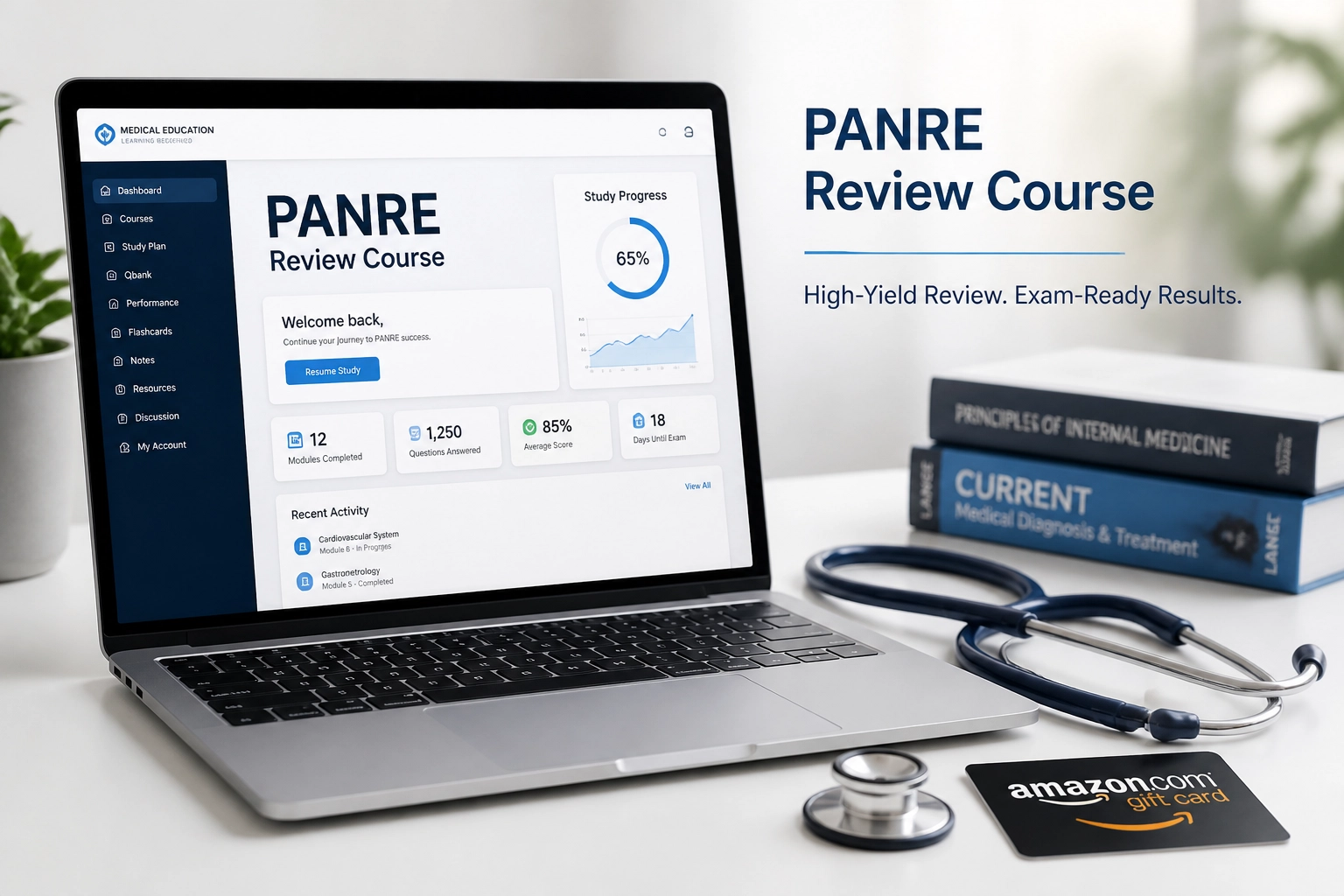
A professional Physician Assistant preparing for the 2026 PANRE in a stress-free environment.

Listen, 2026 sounds like a date from a sci-fi movie where we all have flying cars and robot assistants. But for you, it’s the year of the "big test." If you are a Physician Assistant due for recertification in 2026, the NCCPA is already counting down. You can feel that low-grade anxiety humming in the background of every patient encounter, right?

The good news? You don’t need to spend your entire 2026 living in a dark room with a highlighter and a stack of flashcards. You’re a professional. You’ve been doing the job. Now, you just need a strategy that doesn’t involve burning out before you even sit for the exam. We’ve built the most efficient path to getting that "C" back behind your "PA" while checking off your CME requirements in one shot.

The Logistics: What You Get

Course Title: PANRE Review Course CME Package
Price: $399.99
Access Duration: 30 months
Deliverables: 100 Hours of AAPA Category 1 Self-Assessment CME Credit
Content: 17 hours of high-yield video and 1,672 board-style practice questions

The 2026 PANRE Reality Check: When to Start?

The PANRE window for 2026 runs from January 2 to December 18, 2026. If you are in your 9th or 10th year of the cycle, you are eligible to pull the trigger. But let’s be real: waiting until December is a recipe for a holiday season ruined by cardiac physiology and dermatological eruptions.

Here is your stress-free timeline to dominate the exam:

Phase 1: 6 Months Out (The Foundation)

At this stage, your goal isn't mastery; it's exposure. Start by integrating the PANRE Review Course into your weekly routine.

  • Focus: High-yield categories. Cardiology, Pulmonology, and GI make up the bulk of your exam.
  • Action: Watch 2 hours of video per week. Our course covers everything from Emergency Medicine and Internal Medicine to Ortho, Derm, Psych, Neuro, and OB/GYN.
  • CME Bonus: By starting now, you can log those 100 hours of AAPA Category 1 Credit early. The NCCPA actually applies a 50% bonus weighting to these self-assessment credits, meaning your 100 hours magically turns into 150 hours in your portal.

Phase 2: 3 Months Out (The Deep Dive)

Now we shift from watching to doing.

  • Focus: Identifying your "blind spots." If you work in Orthopedics, you probably know your fractures, but when was the last time you managed a thyroid storm or a case of syphilis?
  • Action: Dive into the 1,672 practice questions. Our bank is designed by PAs who have been exactly where you are. We don't just give you the answer; we explain the "why."

Phase 3: 1 Month Out (The Polish)

This is where the nerves kick in. Stay calm.

  • Focus: Rapid-fire review of your weakest sections.
  • Action: Take the mock exams included in the course. If you’re consistently hitting 70% or higher, you are in excellent shape for the real thing.

Maximize your CME budget with 100 hours of AAPA Category 1 credit and gift card add-ons.

Maximizing the "Gift" in Gift Cards

Let’s talk about the CME budget. Most of us have a "use it or lose it" allowance from our employers. We offer a way to make that money work harder for you. When you buy the PANRE Review Course, you can add an Amazon or Apple Gift Card ($100 to $1,500) to your purchase.

The total cost is bundled together, allowing you to fulfill your educational needs while securing a little something extra for your own "further enrichment." Whether you need a new iPad for studying (Apple) or a new ergonomic chair for those long study sessions (Amazon), we’ve got you covered. It’s the most efficient way to use your professional development funds.


Clinical Review and Practice Questions

The following clinical scenarios are designed to reflect the depth and style of questions found in the PANRE Review Course.

Practice Question 1

Your patient is a 64-year-old male with a history of hypertension and tobacco use who presents to the emergency department with a sudden onset of "tearing" chest pain that radiates to his back. On physical exam, his BP is 185/105 mmHg in the right arm and 160/90 mmHg in the left arm. He appears diaphoretic and in moderate distress. A chest X-ray reveals a widened mediastinum.

Which of the following is the most appropriate initial pharmaceutical management for this patient?

A. Intravenous Nitroprusside
B. Intravenous Esmolol
C. Oral Lisinopril
D. Sublingual Nitroglycerin

Correct Answer: B. Intravenous Esmolol

In the setting of a suspected aortic dissection, the primary goal of initial therapy is to reduce both the heart rate and the blood pressure to decrease the shear stress on the aortic wall (dP/dt). Intravenous Esmolol is a short-acting beta-blocker that should be administered first to achieve a target heart rate of less than 60 bpm. Once the heart rate is controlled, vasodilators like Nitroprusside (Choice A) can be added if the systolic BP remains elevated. Giving a vasodilator before a beta-blocker can cause reflex tachycardia, which increases the shear stress and can worsen the dissection. Choice C (Lisinopril) is too slow-acting for this acute emergency. Choice D (Nitroglycerin) is the treatment of choice for acute coronary syndrome but is not the primary management for aortic dissection.

Cardiology remains a high-weight category on the PANRE blueprint.

Practice Question 2

Your patient is a 28-year-old female who presents with a 3-day history of a pruritic, "herald" patch on her trunk, followed by the development of multiple smaller, oval, erythematous plaques with a fine scale in a "Christmas tree" distribution on her back. She denies any recent medication changes or new soaps.

What is the most likely diagnosis?

A. Tinea Corporis
B. Pityriasis Rosea
C. Guttate Psoriasis
D. Secondary Syphilis

Correct Answer: B. Pityriasis Rosea

Pityriasis Rosea is a common, self-limiting skin condition characterized by the initial appearance of a large "herald patch" followed by a generalized eruption of smaller scaly lesions in a "Christmas tree" distribution along the cleavage lines of the trunk. Tinea Corporis (Choice A) usually presents as an annular lesion with central clearing and does not follow this specific distribution. Guttate Psoriasis (Choice B) often follows a streptococcal infection and presents with smaller, drop-like lesions, but lacks the herald patch. Secondary Syphilis (Choice D) can present with a similar trunk rash but typically involves the palms and soles and requires serological testing (RPR/VDRL) to confirm.

Practice Question 3

Your patient is a 45-year-old male presenting with acute onset of severe pain, swelling, and erythema of the first metatarsophalangeal (MTP) joint. He notes he attended a seafood boil the previous evening. Vitals are stable, but the joint is exquisite to touch.

Which of the following findings on synovial fluid analysis would confirm the diagnosis?

A. Positively birefringent, rhomboid-shaped crystals
B. Negatively birefringent, needle-shaped crystals
C. WBC count > 50,000 cells/mm³
D. Presence of Gram-positive cocci in clusters

Correct Answer: B. Negatively birefringent, needle-shaped crystals

Negatively birefringent, needle-shaped crystals (monosodium urate) are diagnostic for Gout, which frequently affects the first MTP joint (podagra). Positively birefringent, rhomboid-shaped crystals (Choice A) are characteristic of Pseudogout (calcium pyrophosphate deposition). A WBC count > 50,000 (Choice C) and Gram-positive cocci (Choice D) would point toward Septic Arthritis, which is a critical differential but is excluded by the presence of characteristic gout crystals and the classic clinical history of dietary triggers.

Conclusion

Don't let 2026 sneak up on you. By leveraging the PANRE Review Course, you get a PA-written curriculum that covers the entire NCCPA blueprint: from Internal Medicine to Dermatology. You earn 100 hours of AAPA Category 1 Credit that satisfies your maintenance requirements with room to spare. And by using the Amazon or Apple Gift Card add-on, you turn your CME budget into a personal win.

Recertification doesn't have to be a nightmare. It just needs a plan.

Explore the PANRE Review Course and Gift Card Packages here.

Posted on

PA-to-PA: Why Content Written by Fellow PAs is the Secret Weapon for Your Recertification

Let’s be honest: when you’re prepping for the PANRE, you don’t want to be taught by someone who has never sat in the "hot seat" of a busy clinic or the high-stakes environment of a Pearson VUE testing center. You want the insider trading. You want the high-yield, "just tell me what I need to know" secrets that only another Physician Assistant can provide. That is the exact philosophy behind the PANRE Review Course at CME Review Courses.

Written by PAs, for PAs, this content cuts through the fluff of traditional academic lecturing and gets straight to the clinical heart of the NCCPA blueprint. It’s efficient, it’s relevant, and quite frankly, it’s the secret weapon you didn't know you needed.

Quick Logistics: What You’re Getting

  • Price: $399.99
  • Duration of Access: 30 months
  • Quantifiable Deliverables: 1,672 Board-Style Review Questions, Answers, and Detailed Explanations
  • Credit: 100 Hours of AAPA Category 1 Self-Assessment CME Credit (Note: NCCPA applies an additional 50% weighting, making this worth 150 credits in your portal).

The Efficiency of the Peer Perspective

When a physician writes a board review, they often dive into the deep, dark rabbit holes of pathophysiology that you’ll likely never see on a recertification exam. When a PA writes it, we focus on the clinical presentation, the first-line diagnostic tests, and the "must-not-miss" treatments. We know exactly how the NCCPA likes to phrase questions because we’ve been there.

This course covers the entire spectrum of the PANRE blueprint, including Cardiology, Pulmonology, GI, Musculoskeletal, and beyond. Because it was developed by practicing PAs, the language is familiar and the focus is pragmatic. We don’t just give you a list of symptoms; we give you the "clinical gut feeling" that helps you differentiate between two similar-looking diagnoses under the pressure of the clock.

Peer Collaboration

Not Just for PAs: Value for the Whole Team

While our primary mission is helping our fellow PAs crush the PANRE, our content has become a favorite for other clinicians as well.

  • For Physicians: This course provides excellent clinical refreshers. While it does not count for Category 1 CME for physicians, it is highly valued for Category 2 CME.
  • For Nurse Practitioners: Many states and credentialing bodies (like the AANP) accept AAPA Category 1 credit for NP recertification. It’s a great way for NPs to get a deep dive into medical blueprints while earning their required hours.

Enrich Your Education (and Your Wallet)

We know you have a CME budget, and we want you to use it as efficiently as possible. This is why we offer our CME with Amazon and Apple Gift Card add-ons. You can add a gift card ranging from $100 to $1,500 to your purchase. The gift card cost is bundled into the total package price on one receipt, allowing you to use your employer-provided funds to secure both high-quality education and the tools (like a new tablet or medical equipment) you need to further your professional development.

Gift Card Add-ons


Clinical Assessment: Putting Knowledge into Practice

To give you a taste of the PA-to-PA style, let's look at a few clinical scenarios. These are the types of high-yield questions you will encounter among the 1,672 questions in our PANRE Review Course.

Scenario 1: Cardiology

Your patient is a 68-year-old male with a history of hypertension and tobacco use who presents to the clinic with complaints of progressive exertional chest pain over the last three months. He describes the pain as a "heavy pressure" that radiates to his left jaw, occurring after walking two blocks and resolving with rest. His current medications include lisinopril and amlodipine. On physical exam, his HR is 72 bpm and BP is 138/84 mmHg. Lungs are clear and S1/S2 are normal. EKG shows normal sinus rhythm with no ST-segment changes.

Which of the following is the most appropriate next step in the management of this patient?

A) Immediate referral for cardiac catheterization
B) Exercise stress echocardiography
C) Start high-intensity statin and aspirin, then re-evaluate in 4 weeks
D) Troponin I and CK-MB levels

Explanation:
The correct answer is B) Exercise stress echocardiography. The patient’s presentation is classic for stable angina. Since his baseline EKG is normal and he is capable of exercise, a stress test is the appropriate non-invasive next step to evaluate for inducible ischemia. A is incorrect as catheterization is generally reserved for unstable symptoms or high-risk findings on non-invasive testing. C is incorrect because while those medications are indicated, the diagnosis must be confirmed first. D is incorrect as cardiac enzymes are used for acute coronary syndrome (ACS) evaluation, and this patient is currently asymptomatic with a chronic, stable pattern.

Scenario 2: Dermatology

Your patient is a 24-year-old female who presents with a "stubborn rash" on her back. She states it began two weeks ago with a single, large, oval-shaped red patch on her abdomen, followed by a sudden eruption of smaller, similar-looking lesions across her trunk. She notes mild pruritus but is otherwise asymptomatic. On exam, you observe multiple salmon-colored, scaly papules and plaques following the cleavage lines of the back in a "Christmas tree" distribution.

What is the most likely diagnosis?

A) Tinea Corporis
B) Secondary Syphilis
C) Pityriasis Rosea
D) Guttate Psoriasis

Explanation:
The correct answer is C) Pityriasis Rosea. The "herald patch" followed by a secondary eruption in a "Christmas tree" distribution is pathognomonic. A is incorrect because tinea corporis usually presents as a single or few annular lesions with central clearing, not a widespread eruption. B is incorrect as secondary syphilis usually involves the palms and soles and often presents with lymphadenopathy. D is incorrect because guttate psoriasis typically follows a streptococcal infection and the scales are much thicker and more silvery.

Clinical Challenge

Scenario 3: Pulmonology

Your patient is a 55-year-old male smoker with a history of COPD who presents with increased shortness of breath and a productive cough for the past three days. He has noticed a change in the color and amount of his sputum. His SaO2 is 90% on room air (baseline 93%). On auscultation, you hear diffuse wheezing and diminished breath sounds. He is not in acute respiratory distress.

In addition to increasing his bronchodilator frequency, which of the following is the most appropriate treatment for this acute exacerbation?

A) Outpatient treatment with oral prednisone and a macrolide
B) Immediate intubation and mechanical ventilation
C) High-flow oxygen to achieve an SaO2 of 100%
D) Inhaled corticosteroids only

Explanation:
The correct answer is A) Outpatient treatment with oral prednisone and a macrolide. Management of a COPD exacerbation includes bronchodilators, systemic corticosteroids (prednisone), and often antibiotics if sputum purulence or volume increases. B is incorrect as he is not in acute failure. C is incorrect because over-oxygenating a COPD patient can lead to hypercapnia; the goal is usually 88-92%. D is incorrect as inhaled steroids are for maintenance, not the primary treatment for an acute flare.


Conclusion

Recertifying doesn't have to be a grind. By choosing a review course designed by your peers, you ensure that your study time is spent on the topics that actually matter for your practice and your exam. With 100 hours of AAPA Category 1 credit, a massive question bank, and the ability to add on a gift card for your own professional enrichment, the PANRE Review Course is the most efficient choice for today's Physician Assistant.

Don't just study: study smart with the PAs who have been where you are.

Posted on

How to Choose the Best PANRE Review Course: 100 AAPA Category 1 Credits and Gift Card Add-Ons Explained

Choosing a panre review course is a significant decision for any Physician Assistant. It isn't just about finding a study guide; it’s about strategically managing your certification cycle, maximizing your employer-provided CME budget, and ensuring you have the clinical knowledge to pass the NCCPA exam. With the transition to the PANRE-LA and the traditional PANRE still being a primary option for many, the demand for high-yield, credit-heavy courses has never been higher.

At CME Review Courses, we provide a comprehensive solution that balances rigorous clinical review with the logistical needs of a working professional. When you are looking for pance prep courses or a dedicated PANRE review, you need to look at three pillars: the quality of the content, the volume of AAPA Category 1 credits, and the flexibility of the purchasing options, including cme gift cards.

The Value of 100 AAPA Category 1 Credits

The NCCPA requires PAs to earn 100 CME credits every two years, with at least 50 of those being Category 1. However, there is a strategic advantage to choosing a course that offers exactly 100 hours of AAPA Category 1 Self-Assessment CME.

The NCCPA provides a 50% "weighting" bonus for self-assessment credits. This means that completing our 100-hour panre review course actually nets you 150 credits toward your NCCPA requirements. This one course can essentially fulfill your entire Category 1 requirement for the cycle and then some, allowing you to focus on your practice rather than hunting for piecemeal credits.

Our course is designed to be comprehensive, featuring 1,672 practice questions and content mapped directly to the NCCPA blueprint. This ensures that the time you spend earning these credits is directly applicable to the exam you will sit for.

Maximizing Your CME Budget: The Gift Card Add-On Explained

One of the most common questions we receive involves our gift card options. Many employers provide a flat annual CME allowance: often ranging from $1,500 to $3,000. If a review course only costs a few hundred dollars, you are essentially leaving "free" money on the table if you cannot find a way to utilize the full balance.

To solve this, we offer Amazon and Apple Gift Card add-ons ranging from $100 to $1500.

It is critical to understand that these gift cards are NOT free gifts. They are add-ons that are included in the total purchase price of your CME package. By adding a gift card to your PANRE Review Course with Gift Card purchase, you increase the total cost of the invoice to match your employer's reimbursement limit. You receive the 100 hours of AAPA Category 1 credit required for your certification and a gift card to purchase the hardware (like an iPad or MacBook) or medical texts you need for your clinical practice.

Modern medical professional desk with hardware purchased via CME gift cards.

Clinical Content: What to Expect

A high-quality panre review course must cover the breadth of medical specialties. Our curriculum is divided into blueprint-specific modules. Whether you are focusing on the Cardiovascular Blueprint or need a refresher on the Pulmonary Blueprint, the content is delivered in a concise, high-yield format.

The goal is not just to provide information but to teach you how to apply it to the clinical vignettes you will encounter on the exam. We prioritize the "must-know" diagnostic steps and first-line treatments that the NCCPA frequently tests.


Clinical Practice: Assessing Your Knowledge

To give you a sense of the depth and style of our pance prep courses, review the following clinical vignettes. These represent the types of questions found in our 1,672-question bank.

Case 1: Cardiology

Your patient is a 72-year-old male with a history of hypertension and tobacco use who presents to the clinic complaining of "fluttering" in his chest and mild shortness of breath for the past three days. He denies chest pain or syncope. On physical exam, his heart rate is 132 bpm and irregularly irregular. His blood pressure is 118/76 mmHg. An ECG confirms atrial fibrillation with a rapid ventricular response.

Which of the following is the most appropriate next step in the management of this patient’s stroke risk?

A) Start Aspirin 81mg daily
B) Perform immediate electrical cardioversion
C) Calculate the CHA2DS2-VASc score
D) Initiate Clopidogrel

Correct Answer: C) Calculate the CHA2DS2-VASc score.
Explanation: In patients with non-valvular atrial fibrillation, the CHA2DS2-VASc score is the standard tool for assessing thromboembolic risk and determining the need for oral anticoagulation (OAC). Aspirin is no longer recommended as monotherapy for stroke prevention in AFib. Immediate cardioversion is reserved for hemodynamically unstable patients. Clopidogrel is not the first-line choice for stroke prevention in the setting of AFib.

Case 2: Pulmonary

Your patient is a 28-year-old female who presents to the emergency department with sudden onset of pleuritic chest pain and dyspnea. She recently returned from a 12-hour international flight. She takes oral contraceptive pills but has no other significant medical history. Her vital signs are: HR 112 bpm, BP 110/70 mmHg, RR 24 bpm, and SaO2 91% on room air. Her physical exam reveals a swollen, tender left calf.

What is the gold standard diagnostic study for the suspected condition?

A) Chest X-ray
B) Ventilation-Perfusion (V/Q) scan
C) Pulmonary angiography
D) CT Angiography (CTA) of the chest

Correct Answer: C) Pulmonary angiography.
Explanation: While CT Angiography (CTA) is the most commonly used initial imaging modality for a suspected pulmonary embolism (PE) due to its availability and high sensitivity, pulmonary angiography remains the gold standard (though it is invasive and rarely performed). A V/Q scan is an alternative for patients with renal failure or contrast allergies. Chest X-rays are often normal in PE (the "Westermark sign" or "Hampton’s hump" are rare).

Holographic heart and lung anatomy used in PANRE review course clinical study.

Case 3: Gastroenterology

Your patient is a 45-year-old female who presents with severe epigastric and right upper quadrant (RUQ) pain that radiates to her right scapula. The pain began shortly after eating a fried chicken dinner. She also reports nausea and one episode of non-bilious emesis. On exam, she has significant tenderness in the RUQ, and she halts inspiration when the clinician palpates the RUQ.

Which of the following is the most likely diagnosis?

A) Acute pancreatitis
B) Acute cholecystitis
C) Peptic ulcer disease
D) Nephrolithiasis

Correct Answer: B) Acute cholecystitis.
Explanation: This patient is presenting with a classic "Murphy’s sign" (arrest of inspiration on RUQ palpation), which is highly suggestive of acute cholecystitis. The triggers (fatty meal) and radiation of pain to the scapula (Boas' sign) are characteristic. While pancreatitis presents with epigastric pain, it typically radiates to the back and is associated with elevated lipase.


Choosing the Right Module for Your Needs

Not every PA needs a full 100-hour review. If you are preparing for an End of Rotation (EOR) exam or want to focus on a specific area of weakness, we offer targeted blueprint reviews. Each of these also qualifies for AAPA Category 1 credits:

Medical specialty equipment representing blueprint modules for PANCE prep courses.

Logistical Benefits of CME Review Courses

When you purchase a panre review course from us, you aren't just getting a PDF. You are getting a system designed for the modern PA:

  1. Immediate Access: Start studying the moment you purchase.
  2. Quantifiable Deliverables: 1,672 questions ensure you have seen every angle of the blueprint.
  3. Financial Efficiency: Using cme gift cards ensures you use your entire employer allowance on the tools you need for professional success.
  4. Credit Awarding: Credits are awarded upon completion of an electronic evaluation. The 100 hours of Category 1 AAPA credit applies specifically to the PANRE Review course.

Final Thoughts on Selection

The best panre review course is the one that fits into your life while meeting your professional requirements. If you are nearing the end of your CME cycle and still need to fulfill your Category 1 requirements, the 100-hour course is the most efficient path forward.

If you have a CME budget that expires at the end of the year, adding an Amazon or Apple gift card to your purchase is a logical way to ensure you don't lose those funds. Whether you need the Musculoskeletal Blueprint or a broad PACKRAT Review, CME Review Courses provides the clinical depth and logistical flexibility to help you succeed.

Don't wait until the month before your exam. Start your review today and turn your CME budget into both a passing score and the technology you need for your clinic. For more information on our full catalog, visit cmereviewcourses.com.

Posted on

The Proven PANRE-LA Weekly Framework: How to Study 60 Minutes a Week and Actually Improve Your Scores

Physician Assistant in a clinical setting

Price: $399.99
CME Credit: 100 Hours of Category 1 AAPA Credit
Access: 30 Months
Deliverables: 1,672 Practice Questions, Comprehensive Blueprint Review, Gift Card Add-on Options ($100 – $1,500)

Maintaining certification is a clinical necessity, but it should not disrupt your practice or personal life. The Physician Assistant National Recertification Exam Longitudinal Assessment (PANRE-LA) provides a more flexible alternative to the traditional high-stakes exam, yet many PAs find themselves overwhelmed by the ongoing nature of the assessment. The most efficient strategy for success involves a structured, weekly framework that prioritizes high-yield content over bulk studying.

Our PANRE Review Course is designed specifically to support this longitudinal approach. By focusing on the NCCPA blueprint and utilizing the 100 hours of Category 1 AAPA credit included in the course, you can fulfill your CME requirements while systematically preparing for each quarterly set of questions.

The 60-Minute Weekly Framework

The PANRE-LA consists of 25 questions every quarter. If you approach these questions without a plan, you risk burnout or lower-than-desired scores. A 60-minute weekly framework allows for consistent exposure to clinical material without the need for intensive "cramming."

Phase 1: Blueprint Review (30 Minutes)

Spend the first half of your weekly hour reviewing a specific blueprint section. For example, focusing on the Cardiovascular Blueprint or Pulmonary Blueprint ensures you are refreshing your knowledge in the areas most likely to appear in the assessment. This targeted review prevents the common pitfall of studying topics that are clinically irrelevant to the recertification blueprint.

Phase 2: Active Testing (30 Minutes)

Utilize the 1,672 practice questions included in the PANRE Review Course. Answering 10 to 15 questions per week mimics the pace required for the PANRE-LA. Because the PANRE-LA provides immediate feedback, practicing with similar clinical vignettes prepares your mind for the specific question structure used by the NCCPA.

Medical desk with gift cards and stethoscope

Maximizing Your CME Dollars

Efficiency extends to how you utilize your employer-provided CME budget. Many PAs leave money on the table at the end of the year. Our CME with Gift Card options allow you to add an Amazon or Apple gift card ($100 to $1,500) to your purchase. This enables you to upgrade your clinical technology: such as a new iPad for patient education: while simultaneously securing your board review materials and 100 hours of Category 1 AAPA credit.

Physician assistants wrote this content for physician assistants. While nurse practitioners, CRNAs, and physicians find value in these packages, the PANRE Review Course is explicitly tailored to the PA profession's unique recertification requirements.

Stethoscope and clock showing time management

Clinical Vignettes and Practice Questions

The following scenarios represent the type of content found in our comprehensive review and common clinical presentations encountered in practice.

Clinical Scenario 1: Cardiology

Your patient is a 68-year-old male with a history of hypertension and hyperlipidemia who presents to the emergency department complaining of sudden onset palpitations and lightheadedness. His heart rate is 145 bpm, BP is 102/68 mmHg, and SaO2 is 98% on room air. The EKG reveals an irregular rhythm with no discernible P waves and narrow QRS complexes.

Which of the following is the most appropriate initial pharmacological intervention for rate control in this hemodynamically stable patient?

A. Adenosine
B. Diltiazem
C. Amiodarone
D. Synchronized cardioversion

Correct Answer: B. Diltiazem
Diltiazem is a non-dihydropyridine calcium channel blocker and is a first-line agent for rate control in atrial fibrillation with rapid ventricular response (RVR) in hemodynamically stable patients. Adenosine is used for stable supraventricular tachycardia (SVT) with a regular rhythm. Amiodarone is typically reserved for rhythm control or patients with heart failure. Synchronized cardioversion is indicated if the patient is hemodynamically unstable (e.g., hypotension, altered mental status, or acute pulmonary edema).

Clinical Scenario 2: Musculoskeletal

Your patient is a 24-year-old female who presents with knee pain after an injury during a soccer game. She describes a "popping" sensation followed by immediate swelling. On examination, the Lachman test is positive, and there is a significant anterior translation of the tibia compared to the femur.

Which of the following is the most likely diagnosis?

A. Medial collateral ligament (MCL) tear
B. Meniscal tear
C. Anterior cruciate ligament (ACL) tear
D. Posterior cruciate ligament (PCL) tear

Correct Answer: C. Anterior cruciate ligament (ACL) tear
An ACL tear classically presents with a "pop" and immediate effusion (hemarthrosis). The Lachman test is the most sensitive physical exam maneuver for confirming an ACL injury. MCL tears usually involve valgus stress and localized pain. Meniscal tears often present with delayed swelling and mechanical symptoms like locking or catching. PCL tears are less common and typically involve a "dashboard injury" with a positive posterior drawer test. For further review of these injuries, see our Musculoskeletal Blueprint.

PA and patient in consultation

Clinical Scenario 3: Dermatology

Your patient is a 42-year-old male presenting with a pruritic rash on his wrists and ankles. On physical examination, you observe flat-topped, purple, polygonal papules. Fine white lines are visible on the surface of some lesions.

What are these fine white lines called, and what condition are they associated with?

A. Herald patch; Pityriasis rosea
B. Wickham striae; Lichen planus
C. Auspitz sign; Psoriasis
D. Nikolsky sign; Pemphigus vulgaris

Correct Answer: B. Wickham striae; Lichen planus
Wickham striae are characteristic of Lichen planus, which is often described using the "6 Ps": planar (flat-topped), purple, polygonal, pruritic, papules, and plaques. A herald patch is the initial lesion of pityriasis rosea. Auspitz sign refers to pinpoint bleeding after scales are removed in psoriasis. Nikolsky sign is the sloughing of skin with light pressure, seen in pemphigus vulgaris.

Clinical Scenario 4: Pulmonology

Your patient is a 55-year-old male smoker with a history of COPD who presents with increased shortness of breath and a productive cough with green sputum for three days. His vitals are: HR 92, RR 22, Temp 100.8°F, and SaO2 89% on room air. Physical exam reveals bilateral wheezing and decreased breath sounds at the bases.

In addition to inhaled bronchodilators, which of the following is most indicated for this patient's acute exacerbation?

A. High-dose IV loop diuretics
B. Long-term oxygen therapy (LTOT)
C. Systemic corticosteroids and antibiotics
D. Immediate intubation

Correct Answer: C. Systemic corticosteroids and antibiotics
The management of an acute COPD exacerbation includes short-acting bronchodilators, systemic corticosteroids to reduce inflammation, and antibiotics if there is increased sputum purulence or volume. IV diuretics are for heart failure, not COPD. LTOT is for chronic management of stable patients meeting specific oxygen criteria. Intubation is reserved for patients with severe respiratory failure or altered mental status not responsive to non-invasive ventilation.

Implementation of the PANRE-LA Strategy

Using the PANRE Review Course allows you to segment your learning into these manageable sessions. Because our course is valid for 30 months, it covers the entire duration of your longitudinal assessment period. This ensures you have access to the latest clinical guidelines and updated practice questions whenever a new quarter begins.

The focus of the PANRE-LA is on clinical application rather than rote memorization. By utilizing a "60 minutes a week" framework, you transition from "studying for a test" to "continuous clinical improvement." This approach not only secures your certification but also enhances the care you provide to your patients.

Logistics recap:

  • Price: $399.99
  • Deliverables: 1,672 Questions and Blueprint Review
  • Incentives: Up to $1,500 Amazon or Apple Gift Cards
  • Credit: 100 hours of Category 1 AAPA credit

By selecting our PANRE Review Course, you are choosing a resource built by PAs for PAs. We understand the clinical demands of your role and provide the most efficient path to recertification.

Posted on

Looking for a PANRE Review Course? Here Are 10 Things to Check Before You Buy (Category 1, Blueprint Coverage, Feedback, and More)

Hero Image

Price: $399.99
Access: 30 Months
Deliverables: 100 Hours of AAPA Category 1 CME Credit, 1,672 Board-Style Questions, Comprehensive Blueprint Coverage

Selecting a PANRE review course is a significant professional investment that directly impacts your recertification success and clinical competency. For physician assistants, the choice must balance rigorous academic preparation with logistical efficiency. Before committing your CME budget, evaluate your options against these ten critical criteria to ensure the course meets NCCPA standards and your specific professional needs.

1. AAPA Category 1 Credit Availability

The most critical factor in a PANRE Review Course is the type of credit offered. Many courses offer Category 2 credit or general "contact hours" that do not fulfill the rigorous requirements for PA recertification. Our PANRE Review Course provides 100 hours of AAPA Category 1 CME Credit. This is a substantial allocation that allows you to satisfy a significant portion of your two-year cycle requirements in a single, focused program.

2. Comprehensive NCCPA Blueprint Coverage

A high-quality course must mirror the current NCCPA content blueprint. A narrow focus on common conditions is insufficient for the breadth of the PANRE. The CME Review Courses curriculum covers the full spectrum of required medical specialties:

  • Emergency Medicine
  • Family Medicine
  • Internal Medicine / Hospitalist
  • Orthopedics
  • Dermatology
  • Psychiatry
  • Neurology
  • Cardiology
  • OB/GYN

Blueprint Specialties

3. Utilization of CME Funds via Gift Card Add-Ons

Maximizing the utility of your employer-provided CME allowance is a pragmatic consideration. We offer an efficient way to use your funds by allowing the addition of Amazon or Apple Gift Cards ($100-$1500) to your purchase. This allows you to acquire the necessary technology: such as tablets or medical reference hardware: to further enrich your clinical education. You can view these options on our CME with Gift Card page.

4. Quantity and Quality of Practice Questions

Passive learning through reading or listening is less effective than active retrieval. A course should provide a robust question bank that simulates the actual exam environment. Our course includes 1,672 board-style review questions. These questions include detailed explanations that not only provide the correct answer but clarify the clinical reasoning required to rule out distractors.

5. Professional Author Perspective

The clinical perspective matters. Content for our courses is written by physician assistants for physician assistants. This ensures the teaching style aligns with PA training and the specific practical challenges PAs face in clinical rotations and during board examinations. While physicians and nurse practitioners also find high value in these materials, the primary pedagogical focus remains PA-centric.

6. Duration of Access

Recertification preparation often spans several months. Brief access windows are counterproductive. We provide 30 months of access to the PANRE Review Course materials. This extended duration allows you to review complex topics multiple times and ensures the content remains available as a clinical reference long after you have passed your exam.

7. Self-Assessment Credit Weighting

NCCPA provides additional incentives for self-assessment activities. The credits earned through our PANRE course are designated as AAPA Category 1 Self-Assessment CME. For NCCPA certification maintenance, these credits receive an additional 50% weighting. When you complete 100 hours of our course, it effectively counts as a significant boost toward your total credit requirements when logged with the NCCPA.

Gift Card Options

8. Flexibility for Other Healthcare Professionals

While designed for PAs, a quality course should offer value across the healthcare team. Nurse practitioners can claim credit for Category 1 AAPA credit in many states, though this varies by jurisdiction. For physicians, while these courses typically count as Category 2 CME rather than Category 1, the clinical content remains highly relevant for Internal Medicine or Emergency Medicine practice.

9. Mobile Accessibility and Learning Efficiency

A modern review course must be accessible across multiple devices. The ability to review Cardiology or Orthopedics content on a mobile device during clinical downtime is essential for busy professionals. Our platform is optimized for efficiency, delivering high-yield information without unnecessary academic filler.

10. Direct Clinical Application

The final check is whether the course improves your daily practice. A course should move beyond rote memorization to provide diagnostic and management pearls that are immediately applicable in the ER or family clinic. By focusing on the NCCPA blueprint, we ensure that the topics you study are the same ones you encounter in your patient populations.


Clinical Review: Practice Scenarios

Practice Question

Scenario 1

Your patient is a 28-year-old female presenting to the emergency department with acute onset of lower abdominal pain and vaginal spotting. Her last menstrual period was 6 weeks ago. Her BP is 105/65 mmHg, HR 110 bpm, and SaO2 98% on room air. Physical exam reveals adnexal tenderness and a palpable mass. A bedside ultrasound shows an empty uterus and a moderate amount of free fluid in the Morison's pouch.

What is the most appropriate next step in management?
A. Repeat beta-hCG in 48 hours
B. Discharge with instructions to follow up with OB/GYN
C. Immediate surgical consultation
D. Administration of Methotrexate

Correct Answer: C. Immediate surgical consultation
Explanation: The patient exhibits clinical signs of a ruptured ectopic pregnancy, indicated by tachycardia (HR 110), hypotension relative to her baseline, and free fluid on ultrasound. Surgical intervention is required for hemodynamic instability and evidence of hemoperitoneum. Choice A and Choice D are appropriate for stable, non-ruptured ectopic pregnancies. Choice B is contraindicated given the risk of hypovolemic shock.

Scenario 2

Your patient is a 62-year-old male with a history of hypertension and tobacco use who presents with sudden onset of "tearing" chest pain radiating to his back. His BP is 180/100 mmHg in the right arm and 150/90 mmHg in the left arm. A chest X-ray shows a widened mediastinum.

Which diagnostic study is the gold standard for confirming the suspected diagnosis?
A. Transthoracic echocardiogram (TTE)
B. Computed Tomography Angiography (CTA)
C. Electrocardiogram (ECG)
D. Cardiac enzymes

Correct Answer: B. Computed Tomography Angiography (CTA)
Explanation: The clinical presentation is highly suggestive of an aortic dissection, specifically noted by the blood pressure discrepancy between arms and the "tearing" sensation. CTA is the preferred imaging modality for rapid and accurate diagnosis in a stable patient. Choice A lacks the sensitivity of a CTA or Transesophageal echocardiogram (TEE). Choice C and Choice D are used to rule out myocardial infarction, which may co-exist but are not diagnostic for dissection.

Scenario 3

Your patient is a 45-year-old male complaining of a pruritic, "tapioca-like" vesicular eruption on the lateral aspects of his fingers and palms. He reports similar episodes during periods of high stress.

What is the most likely diagnosis?
A. Tinea manuum
B. Dyshidrotic eczema
C. Contact dermatitis
D. Scabies

Correct Answer: B. Dyshidrotic eczema
Explanation: Dyshidrotic eczema (pompholyx) characteristically presents as intensely pruritic, deep-seated vesicles on the palms, soles, and lateral fingers, often described as "tapioca-like." Stress is a common trigger. Choice A would typically show scaling and a positive KOH prep. Choice C usually presents with a clear history of exposure and a more eczematous, red plaque. Choice D would involve burrows and intense nocturnal pruritus, often in the web spaces.

Conclusion

Preparing for the PANRE requires a strategic approach. By choosing a course that provides 100 hours of AAPA Category 1 CME credit, comprehensive blueprint coverage, and the flexibility of Amazon or Apple gift card add-ons, you ensure that your time and financial resources are used effectively. Access the full PANRE Review Course today to begin your preparation with the most efficient tools available.

Posted on

Does the NCCPA PANRE Blueprint Really Matter in 2026? Here’s How to Use the Weighting to Study Smarter

Price: $399.99
Access Duration: 30 Months
Deliverables: 100 Hours of AAPA Category 1 Self-Assessment CME Credit, 17 Hours of Video Content, 1,672 Board-Style Questions

Successfully navigating the PANRE requires more than just clinical knowledge; it requires a strategic understanding of how the NCCPA weights each organ system. In 2026, the blueprint remains the definitive guide for your preparation. Attempting to master every rare orphan disease is a common pitfall that ignores the statistical reality of the exam.

The PANRE Review Course was designed by PAs for PAs to align specifically with these weightings. By focusing your limited study time on high-yield categories, you maximize your score while earning 100 hours of AAPA Category 1 CME.

The Blueprint Breakdown: Where the Points Are

The NCCPA content blueprint is not a suggestion; it is a roadmap. If you ignore the percentages, you are essentially guessing which topics will appear on your exam. Here is how the organ systems are currently distributed for the PANRE:

  • Cardiovascular System: 13%
  • Pulmonary System: 10%
  • Gastrointestinal System/Nutrition: 9%
  • Musculoskeletal System: 9%
  • Eyes, Ears, Nose, and Throat (EENT): 7%
  • Endocrine System: 7%
  • Genitourinary System: 7%
  • Neurologic System: 7%
  • Reproductive System (Male and Female): 7%
  • Infectious Diseases: 6%
  • Psychiatry/Behavioral Science: 5%
  • Dermatologic System: 5%
  • Hematologic System: 3%

blueprint breakdown

High-Yield Focus: Internal and Family Medicine Core

Combined, Cardiovascular, Pulmonary, GI, and Musculoskeletal systems account for 41% of your exam. This is why our PANRE Review Course emphasizes these Internal Medicine and Family Medicine core competencies. You cannot pass this exam by being "okay" at Cardiology; you must be proficient.

The weightings also indicate where not to spend excessive time. While Hematology (3%) is important for clinical practice, spending a week memorizing the nuances of rare thalassemias at the expense of Heart Failure (13%) is a poor use of resources. Our course provides 17 hours of video lecture that directly mirrors this blueprint, ensuring you stay focused on the "big hitters."

Clinical Practice: Assessing High-Yield Knowledge

The following vignettes represent the level of detail and clinical reasoning required for the PANRE. Test your knowledge on these high-yield blueprint topics.

Scenario 1: Cardiology (13%)

Your patient is a 68-year-old male with a history of hypertension and hyperlipidemia who presents to the clinic complaining of increased dyspnea on exertion and a dry cough when lying down at night. On physical exam, you note a displaced apical impulse and 2+ bilateral pitting edema in the lower extremities. Vital signs are: BP 155/90 mmHg, HR 88 bpm, RR 18, SaO2 94% on room air. An echocardiogram reveals an ejection fraction of 35%.

Which of the following medication classes is indicated to improve mortality in this patient?
A. Loop Diuretics
B. Calcium Channel Blockers
C. ACE Inhibitors
D. Digoxin

Scenario 2: Pulmonary (10%)

Your patient is a 24-year-old female with a history of mild intermittent asthma who presents for a follow-up. She reports using her albuterol inhaler four days a week over the last month. She has been awakened by wheezing three times in the past thirty days. Her FEV1 is 82% of predicted.

What is the most appropriate next step in the management of this patient’s asthma?
A. Maintain current therapy with PRN albuterol
B. Add a low-dose inhaled corticosteroid (ICS)
C. Start a long-acting beta-agonist (LABA) as monotherapy
D. Add an oral leukotriene receptor antagonist


Explanations and Clinical Justification

Scenario 1 Correct Answer: C. ACE Inhibitors

ACE Inhibitors (or ARBs/ARNIs) are the correct choice because they have been definitively proven to reduce mortality and morbidity in patients with Heart Failure with reduced Ejection Fraction (HFrEF). They inhibit the renin-angiotensin-aldosterone system, preventing maladaptive cardiac remodeling.

  • Loop Diuretics (A) are essential for symptom management (edema, congestion) but do not provide a mortality benefit.
  • Calcium Channel Blockers (B), specifically non-dihydropyridines, should be avoided in HFrEF as they can worsen heart failure.
  • Digoxin (D) may reduce hospitalizations but does not improve survival rates.

Scenario 2 Correct Answer: B. Add a low-dose inhaled corticosteroid (ICS)

The correct answer is to add a low-dose inhaled corticosteroid (ICS). This patient meets the criteria for mild persistent asthma (symptoms > 2 days/week and nocturnal awakenings 3–4 times/month). Low-dose ICS is the preferred controller therapy to reduce airway inflammation and prevent exacerbations.

  • Maintaining current therapy (A) is inappropriate as she is currently uncontrolled.
  • LABA monotherapy (C) is contraindicated in asthma due to an increased risk of asthma-related death.
  • Leukotriene receptor antagonists (D) are an alternative but are generally considered second-line to ICS.

Maximizing Your CME Budget with Gift Card Add-Ons

Preparing for the PANRE is a significant professional commitment. We believe that your educational budget should work harder for you. Our PANRE Review Course includes an optional gift card add-on feature.

When you purchase the course, you can add an Amazon or Apple Gift Card ranging from $100 to $1,500. This allows you to bundle your educational expenses with a tool for further enrichment: whether that is a new iPad for clinical reference or medical equipment for your practice. The total price is reflected on a single invoice, providing an efficient way to utilize your employer-sponsored CME allowance.

CME Gift Cards

The 150-Credit Bonus

One of the most efficient aspects of this course is how the NCCPA handles self-assessment credits. While the course provides 100 hours of AAPA Category 1 CME, the NCCPA applies a 50% weighting bonus when you log these specific credits for certification maintenance. This means completing this one course satisfies 150 credits toward your maintenance requirements, significantly reducing your administrative burden.

Whether you are a Physician Assistant in Family Medicine, Internal Medicine, or a specialized field like Orthopedics or Dermatology, the core blueprint remains your common hurdle. Use our 1,672 board-style questions and 17 hours of clinical video to ensure you aren't just studying, but studying the right material.

Quick Summary of Course Benefits:

  • Accreditation: 100 Hours AAPA Category 1 Self-Assessment CME.
  • Value: One purchase can satisfy up to 150 NCCPA credits.
  • Content: 1,672 board-style questions and 17 hours of blueprint-aligned video.
  • Flexibility: 30 months of access on any device.
  • Incentives: $100-$1500 Amazon or Apple Gift Card add-ons available.

Get Started with the PANRE Review Course Today

Posted on

PANRE-LA vs. PANRE: Which Recert Path Is Better for You in 2026 (and How to Prep for Either One)?

Course: PANRE Review Course
Price: $399.99
Access: 30 Months
Deliverables: 17 hours of video content, 1,672 Board-Style Practice Questions, and 100 Hours of AAPA Category 1 CME Credit.

Physician Assistants facing recertification in 2026 must choose between the traditional PANRE and the longitudinal PANRE-LA. Both pathways require rigorous preparation and a firm grasp of the NCCPA blueprint. While the delivery methods differ, the clinical knowledge required remains consistent. Choosing the right path depends on your clinical schedule, testing preferences, and CME needs.

The PANRE-LA: A Longitudinal Approach

The PANRE-LA is a longitudinal assessment consisting of 12 quarters. PAs receive 25 questions per quarter, which can be answered in any location. You have five minutes per question and may use reference materials. This "open-book" format does not reduce the difficulty of the questions; rather, it shifts the focus from rote memorization to clinical resource management and rapid decision-making.

For those in their 2026 cycle, participation requirements are strict. You must complete at least one quarter in each of the first two years to remain eligible. The NCCPA bases your final score on the best 8 of the first 12 quarters. If you achieve a passing score early, you may finish the process in two years.

The Traditional PANRE: A Standardized Experience

The traditional PANRE remains a four-hour, 240-question exam administered at Pearson VUE testing centers. This format is often preferred by PAs who wish to complete their recertification in a single day rather than spreading the obligation over multiple years. It requires high-stamina mental focus and a closed-book approach to the medical blueprint.

Comprehensive Prep with the PANRE Review Course

Regardless of the chosen pathway, the PANRE Review Course at CME Review Courses provides the necessary framework for success. This course is designed by PAs specifically for PAs, ensuring that the content is relevant to current clinical practice and board expectations.

The course offers 100 hours of AAPA Category 1 CME credit. Notably, the NCCPA applies a 50% weighting bonus to self-assessment credits. When you complete this course and log your 100 hours, it effectively counts as 150 hours toward your NCCPA requirements. This efficiency is critical for PAs balancing full-time clinical duties with certification maintenance.

100HoursCME


Clinical Assessment: Cardiovascular Medicine

Your patient is a 68-year-old male with a history of hypertension and diabetes who presents to the emergency department complaining of palpitations and lightheadedness. His heart rate is 142 bpm, blood pressure is 112/74 mmHg, and SaO2 is 98% on room air. The following ECG is obtained:

ECG_A_Fib

Which of the following is the most appropriate initial management for this patient?

A. Immediate synchronized cardioversion
B. Administration of intravenous diltiazem
C. Administration of intravenous adenosine
D. Permanent pacemaker insertion
E. Initiation of high-dose aspirin

Correct Answer: B. Administration of intravenous diltiazem

Explanation:
The correct answer is B. Administration of intravenous diltiazem. The ECG reveals atrial fibrillation with a rapid ventricular response (RVR). Since the patient is hemodynamically stable (BP 112/74), the initial goal is rate control. Calcium channel blockers like diltiazem or beta-blockers are first-line agents for achieving rate control in stable patients.

  • Choice A is incorrect because synchronized cardioversion is reserved for hemodynamically unstable patients (e.g., hypotension, altered mental status, or acute pulmonary edema).
  • Choice C is incorrect as adenosine is used for supraventricular tachycardia (SVT) with a regular rhythm, not the "irregularly irregular" rhythm of atrial fibrillation.
  • Choice D is incorrect because a pacemaker is indicated for symptomatic bradycardia or high-grade AV blocks, not tachyarrhythmias.
  • Choice E is incorrect because while anticoagulation is necessary for stroke prevention in AFib (calculated by CHA2DS2-VASc), aspirin is insufficient as a primary rate control or anticoagulation strategy in this setting.

Expanding Your Education: The Pharmacology Course

In addition to the 100-hour PANRE Review, we offer a dedicated Pharmacology Course. This course also provides Category 1 AAPA Credit. It is an essential supplement for PAs in states with specific pharmacology CME mandates and for Nurse Practitioners (NPs) who require pharmacology hours for their recertification.

While our primary audience is Physician Assistants, our content holds significant value for other medical professionals.

  • Nurse Practitioners: Category 1 AAPA credit is accepted by the ANCC and AANP in many states, though individual state boards should be consulted.
  • Physicians: While this course does not provide Category 1 CME for physicians, it is eligible for Category 2 CME. Many Internal Medicine and Emergency Medicine physicians utilize our packages for the high-yield clinical content written from a practical perspective.

Clinical Assessment: Dermatology

Your patient is a 24-year-old female who presents with a sudden onset of a pruritic rash on her arms and legs. She recently completed a course of sulfonamides for a urinary tract infection. On physical exam, you note multiple erythematous "target" lesions with a central vesicle. She has no mucosal involvement.

Target_Lesion

What is the most likely diagnosis?

A. Stevens-Johnson Syndrome (SJS)
B. Erythema Multiforme Minor
C. Toxic Epidermal Necrolysis (TEN)
D. Bullous Pemphigoid
E. Psoriasis Vulgaris

Correct Answer: B. Erythema Multiforme Minor

Explanation:
The correct answer is B. Erythema Multiforme Minor. This condition is characterized by the classic "target" (iris) lesions often triggered by infections (like Herpes Simplex Virus) or medications (like sulfonamides). The absence of mucosal involvement distinguishes EM Minor from EM Major.

  • Choice A and C are incorrect because SJS and TEN involve significant mucosal involvement and widespread skin sloughing (positive Nikolsky sign), which are absent here.
  • Choice D is incorrect because bullous pemphigoid typically presents in older adults with large, tense bullae rather than targetoid lesions.
  • Choice E is incorrect as psoriasis presents with silver-scaled plaques on extensor surfaces, not acute target lesions following medication use.

Maximize Your CME Budget: Gift Card Add-Ons

We recognize that PAs often have a set CME allowance from their employers. To help you further enrich your professional library or purchase necessary medical equipment, we offer Amazon and Apple Gift Card add-ons.

When purchasing the PANRE Review Course or any of our CME with Gift Card packages, you can add a gift card ranging from $100 to $1500 to your order. This allows you to utilize your CME funds efficiently, securing both high-quality education and the tools you need for your practice.

GiftCards

Why Our Content is Different

Our content is written by PAs who have navigated the same exams and clinical challenges you face. We cover the entire NCCPA blueprint, including:

  • Cardiology
  • Pulmonary Medicine
  • Gastrointestinal/Nutrition
  • Musculoskeletal
  • Reproductive Health
  • Neurology
  • Psychiatry
  • Emergency Medicine
  • Dermatology

Each module is designed to be high-yield, focusing on the most likely scenarios you will encounter on the PANRE or PANRE-LA and in daily practice. Our Orthopedics CME Package and Emergency Medicine modules are particularly highly rated for their clinical utility.

Conclusion

The decision between PANRE and PANRE-LA in 2026 should be based on your preferred learning style. However, the quality of your preparation is non-negotiable. With 1,672 board-style questions and 100 hours of AAPA Category 1 CME, the CME Review Courses PANRE Package is the most efficient way to maintain your certification and stay current in your clinical knowledge.

Lead with confidence in 2026. Secure your access to the PANRE Review Course today.

Posted on

PANRE vs. PANRE-LA: Which One is Better for Your 2026 Recertification?

Medical Desk Professional Hero Image

PANRE Review Course Cost: Starting at $500 (up to $2,500 with maximum gift card add-on)
Access Duration: 1 Year
Deliverables: 100 Hours of AAPA Category 1 CME Credit, 3 Full-Length Practice Exams, Comprehensive Video Library

The landscape of Physician Assistant recertification has shifted significantly with the introduction of the Physician Assistant National Recertification Examination Longitudinal Assessment (PANRE-LA). As you approach your 2026 recertification cycle, you are faced with a strategic decision: the traditional, high-stakes PANRE or the longitudinal, open-book PANRE-LA.

Both pathways lead to the same goal: maintaining your PA-C credentials: but the methodology and impact on your clinical schedule vary greatly. At CME Review Courses, we provide the resources necessary to navigate either path efficiently. Our PANRE Review Course is designed to provide high-yield content that aligns with the NCCPA blueprint, ensuring you are prepared regardless of which exam format you select.

The Traditional PANRE: Efficiency Through Intensity

The traditional PANRE remains the standard for PAs who prefer a "one and done" approach. This is a four-hour, computer-based exam consisting of 240 multiple-choice questions administered at a Pearson VUE testing center.

Advantages of the Traditional PANRE:

  • Time Compression: You complete your entire recertification requirement in a single day.
  • Predictability: The format has remained consistent for years, focusing on core medical and surgical knowledge.
  • Immediate Results: While official scores take time, the psychological weight of the exam is lifted immediately upon completion.

Disadvantages of the Traditional PANRE:

  • High-Stakes Pressure: The entire 10-year cycle hinges on a single four-hour performance.
  • Test Center Logistics: Requires travel to a proctored facility and adherence to strict testing protocols.
  • Closed Book: You must rely entirely on memorization and internal knowledge synthesis.

For those choosing the traditional route, our PANRE Review Course offers three full-length practice exams that mimic the stress and timing of the actual test. Practicing in a timed environment is critical for managing the 60-second-per-question pace required at the testing center.

Comparison of Exam Formats

The PANRE-LA: The Longitudinal Alternative

The PANRE-LA was developed to reduce the anxiety associated with high-stakes testing while promoting continuous learning. If you are eligible for the 2026 cycle, you will apply in year six of your maintenance cycle and begin the assessment in year seven.

Key Features of the PANRE-LA:

  • Longitudinal Format: The assessment is spread over 12 quarters (3 years). You receive 25 questions per quarter.
  • Open Book: You are permitted to use clinical resources, such as UpToDate or your CME Review Courses materials, during the exam.
  • Flexibility: You can complete questions at your own pace within the quarterly deadline, using any device with internet access.
  • Immediate Feedback: After answering a question, you are told if you were correct and provided with the clinical rationale.

The PANRE-LA focuses more on the application of knowledge than rote memorization. However, the time limit per question is still present (usually five minutes), meaning you cannot "learn" the topic from scratch during the exam. You must have a strong foundational understanding of the Musculoskeletal, Pulmonary, and Psychiatry blueprints to succeed within the time constraints.

Which Path Should You Choose for 2026?

The decision between PANRE and PANRE-LA often comes down to your personal learning style and clinical environment.

  1. Choose PANRE if: You are a strong standardized test-taker, you prefer to dedicate one intensive week to study rather than three years of quarterly tasks, or you have missed the application window for the longitudinal option.
  2. Choose PANRE-LA if: You experience significant test anxiety, you prefer to use clinical references as you would in real practice, or you want to identify and fix knowledge gaps in real-time.

Regardless of your choice, the content remains the same. The NCCPA blueprint dictates the material. Our Blueprint PANCE/PANRE Review covers every organ system in detail, written by physician assistants who have passed these exams themselves.

High-Yield Cardiology Illustration

Clinical Vignettes and Practice Questions

To maintain your edge, review the following clinical scenarios. These are representative of the difficulty level found in both the PANRE and PANRE-LA.

Question 1: Cardiology

Your patient is a 68-year-old male presenting with a 2-day history of progressive dyspnea on exertion and orthopnea. His past medical history is significant for hypertension and a previous myocardial infarction. On physical exam, his BP is 165/95 mmHg, HR is 105 bpm, and SaO2 is 91% on room air. You note bilateral 2+ pitting edema and jugular venous distention. S3 gallop is heard on auscultation. Chest X-ray reveals Kerley B lines and cardiomegaly.

What is the most appropriate initial pharmacological intervention for this patient's acute symptoms?

A) Metoprolol
B) Lisinopril
C) Furosemide
D) Amlodipine

Explanation:
The correct answer is C: Furosemide. The patient is presenting with signs and symptoms of acute decompensated heart failure (ADHF) with volume overload (orthopnea, edema, JVD, S3, Kerley B lines). Loop diuretics like furosemide are the first-line treatment to reduce preload and alleviate pulmonary congestion.

  • Metoprolol (A) is a beta-blocker and should not be initiated or increased during acute decompensation as it can further decrease cardiac output.
  • Lisinopril (B) is an ACE inhibitor used for long-term management but is not the primary agent for immediate volume reduction.
  • Amlodipine (D) is a calcium channel blocker with no role in the acute management of heart failure volume overload.

Question 2: Dermatology

Your patient is a 24-year-old female complaining of a "herald patch" on her trunk that appeared one week ago, followed by a widespread eruption of smaller, oval, erythematous scaling plaques in a "Christmas tree" distribution on her back. She reports mild pruritus. She is otherwise healthy and takes no medications.

What is the most likely diagnosis?

A) Tinea Corporis
B) Pityriasis Rosea
C) Guttate Psoriasis
D) Secondary Syphilis

Explanation:
The correct answer is B: Pityriasis Rosea. The classic presentation includes a single large "herald patch" followed by a secondary eruption in a Langer’s line (Christmas tree) distribution.

  • Tinea Corporis (A) usually presents as isolated annular lesions with central clearing and would not follow this widespread distribution.
  • Guttate Psoriasis (C) typically follows a streptococcal infection and presents with smaller, drop-like lesions without a herald patch.
  • Secondary Syphilis (D) can present with a trunk rash but typically involves the palms and soles and is associated with lymphadenopathy.

Question 3: Orthopedics

Your patient is a 45-year-old male who tripped and fell on an outstretched hand (FOOSH). He presents with pain and swelling over the radial aspect of the wrist. On examination, there is point tenderness in the anatomical snuffbox. Radiographs of the wrist are negative for a fracture.

What is the most appropriate next step in management?

A) Reassurance and return to activities as tolerated
B) Thumb spica splint and repeat imaging in 10-14 days
C) Immediate referral for surgical ORIF
D) MRI of the wrist within 24 hours

Explanation:
The correct answer is B: Thumb spica splint and repeat imaging in 10-14 days. Tenderness in the anatomical snuffbox is highly suggestive of a scaphoid fracture, even if initial X-rays are negative. Due to the risk of avascular necrosis (AVN) caused by the retrograde blood supply to the scaphoid, these patients must be immobilized and re-evaluated.

  • Reassurance (A) is inappropriate due to the risk of nonunion and AVN.
  • Surgical ORIF (C) is not indicated for an occult fracture; it is reserved for displaced or unstable fractures.
  • MRI (D) is a highly sensitive option but is often not the initial practical step in many clinical settings compared to splinting and delayed re-imaging, which is the standard board-exam answer.

Maximize Your CME Budget

Maintaining your certification is expensive. Between NCCPA fees and study materials, the costs add up quickly. CME Review Courses offers a unique way to utilize your employer-provided CME funds.

We offer CME with Gift Card add-ons. When you purchase our PANRE Review Course, you can add an Amazon or Apple gift card ranging from $100 to $1,500 to your package. This allows you to purchase the technology or educational tools (like a new iPad for the PANRE-LA) that you need to succeed.

Our system provides a "clean" receipt. The receipt reflects the total price of the educational package, which simplifies the reimbursement process with your employer.

CME Gift Card Options

Conclusion: Preparation is the Variable

Whether you choose the traditional PANRE or the PANRE-LA, the breadth of medical knowledge required is immense. The 2026 recertification cycle requires mastery of Internal Medicine, Emergency Medicine, Orthopedics, and more.

Our PANRE Review Course provides 100 hours of Category 1 AAPA CME credit, which satisfies your entire 2-year CME cycle requirement in one go. This content was written by PAs for PAs, focusing on what you actually need to know for the boards and your clinical practice.

Don't wait until 2026 to start your review. Browse our CME packages today and choose the gift card add-on that works for you.

Posted on

Are CME Gift Cards Still Allowed? What Every PA Needs to Know for 2026

A professional modern workspace with a stethoscope, a tablet showing a medical blueprint, and subtle digital gift card icons.

Price: $499.00 – $2,199.00 (Depending on gift card add-on level)
Access: 12 months of unlimited 24/7 online access
Deliverables: 100 Hours of AAPA Category 1 CME Credit (PANRE Review) or AAPA Category 1 Pharmacology Credit
Content: Over 1,000 high-yield practice questions and clinical blueprint review modules

If you are a Physician Assistant (PA) with a CME budget that expires at the end of this quarter, you are likely asking one question: Can I still get a gift card with my CME purchase in 2026? With changing regulations and employer oversight, many clinicians are worried that the days of the "Amazon CME gift card" are over.

The short answer is yes, you can still purchase CME with a gift card add-on, but you have to be smarter about how you do it. At CME Review Courses, we have designed our system to be compliant, educational, and employer-friendly. This post will break down the legality of these packages and how to maximize your 2026 CME allowance while preparing for your PANRE or PANRE-LA.

The Legality of CME Gift Cards in 2026

The primary concern regarding CME gift cards often comes down to two areas: IRS regulations and employer reimbursement policies.

IRS and Tax Considerations

From a tax perspective, the IRS has long maintained that gift cards are considered "cash equivalents." This means that if your employer pays for a course that includes a $1,500 Amazon gift card, that gift card value is technically considered taxable income to you. As of April 2026, these rules remain in place. It is the responsibility of the individual clinician to report these items according to their local tax laws and personal financial situation.

Employer Reimbursement Policies

Most hospital systems and private practices are happy to pay for your education. They want you to maintain your certification and stay up to date on the latest clinical guidelines. However, many HR departments flag receipts that explicitly list "Gift Card" as a line item. They do this to avoid the appearance of providing tax-free bonuses to employees.

A professional digital receipt showing a line item for 'AAPA Category 1 CME Credit Course' as standard for employer reimbursement.

The "Clean" Receipt System

This is where CME Review Courses excels. We provide what we call a "clean" receipt. When you purchase one of our CME with Gift Card packages, your receipt reflects the total cost of the educational program. It lists the AAPA Category 1 Credit hours and the course name (e.g., PANRE Review Course). This makes the reimbursement process seamless. Your employer sees a high-value educational investment, and you receive the educational tools: and the gift card add-on: you need to further your professional development.

Maximize Your Budget: $100 to $1,500 Add-ons

We offer the most flexible gift card options in the industry. Whether you have a small remaining balance or a full $2,500 annual allowance, you can tailor your purchase. We offer Amazon and Apple gift card add-ons ranging from $100 to $1,500.

These add-ons are integrated into our PANRE Review Course, which provides 100 hours of AAPA Category 1 Credit. This is the most efficient way to knock out your entire recertification requirement in one shot while also securing funds for clinical tools, medical textbooks, or the latest hardware to run your practice apps.

A collection of digital gift cards for Amazon and Apple displayed on a smartphone screen.

High-Yield Content Written by PAs for PAs

Unlike many generic board review programs, our content is written by PAs who have actually sat for the PANRE and PANRE-LA. We cover the core blueprint categories that matter most to your practice and your exam:

  • Emergency Medicine
  • Family Medicine
  • Internal Medicine (Hospitalist focus)
  • Orthopedics
  • Dermatology
  • Psychiatry
  • Neurology
  • Cardiology
  • OB/GYN

While our primary audience is physician assistants, we frequently see nurse practitioners and physicians purchase our Orthopedics CME Package and other specialty modules. While the credit is AAPA Category 1, many state nursing boards and medical boards accept these credits toward Category 2 or general education requirements.


Clinical Review: High-Yield Practice Scenarios

The following scenarios are designed to test your clinical knowledge across multiple specialties using the current medical standards as of April 2026.

A group of diverse physician assistants looking at a patient monitor in a clinical setting.

Case Scenario 1: Cardiology

Your patient is a 64-year-old male presenting to the emergency department with a 2-hour history of substernal chest pain. He describes the pain as "heavy" and radiating to his left jaw. He is diaphoretic and nauseated. His past medical history includes hypertension, type 2 diabetes, and tobacco use.
Vital Signs: BP 142/88 mmHg, HR 98 bpm, SaO2 96% on RA, Temp 98.6°F.
EKG: Shows 2mm ST-segment elevation in leads II, III, and aVF.

Which of the following is the most appropriate next step in management?
A. Administer 324 mg of chewable aspirin and activate the cardiac catheterization lab.
B. Obtain a STAT portable chest X-ray to rule out aortic dissection.
C. Order a high-sensitivity troponin and wait for results before treatment.
D. Administer sublingual nitroglycerin and discharge if the pain resolves.

Correct Answer: A. Administer 324 mg of chewable aspirin and activate the cardiac catheterization lab.
Explanation: This patient is presenting with an inferior wall ST-elevation myocardial infarction (STEMI). In the setting of a STEMI, time is muscle. The standard of care is immediate reperfusion therapy. Aspirin should be administered immediately (unless contraindicated) to inhibit further platelet aggregation. Activation of the cath lab for primary percutaneous coronary intervention (PCI) is the priority. Delaying for troponin results (Choice C) is inappropriate when the EKG is diagnostic. While a chest X-ray (Choice B) is often part of the workup, it should not delay the transport of a STEMI patient to the cath lab. Nitroglycerin (Choice D) may help with pain, but it is not definitive treatment and must be used with caution in inferior MIs due to potential right ventricular involvement and subsequent hypotension.

Case Scenario 2: Orthopedics

Your patient is a 19-year-old female athlete who presents with acute right knee pain after landing awkwardly from a jump during a basketball game. She felt a "pop" and experienced immediate swelling. She is unable to fully extend the knee and is walking with a significant limp.
Physical Exam: Significant joint effusion is noted. The Lachman test is positive with a soft endpoint. The anterior drawer test is also positive. McMurray's test is negative for joint line tenderness.

What is the most likely diagnosis?
A. Medial Meniscus Tear
B. Anterior Cruciate Ligament (ACL) Rupture
C. Medial Collateral Ligament (MCL) Strain
D. Patellar Tendon Rupture

Correct Answer: B. Anterior Cruciate Ligament (ACL) Rupture
Explanation: The clinical triad of a "pop," immediate swelling (hemarthrosis), and an unstable knee after a non-contact pivoting or landing injury is classic for an ACL tear. The Lachman test is the most sensitive physical exam maneuver for confirming an ACL rupture. While a meniscus tear (Choice A) can occur concurrently (O’Donoghue’s Triad), the positive Lachman and immediate effusion point specifically to the ACL. MCL strains (Choice C) typically present with valgus stress tenderness rather than a positive Lachman. Patellar tendon rupture (Choice D) would present with a high-riding patella (patella alta) and an inability to perform a straight leg raise, which is not described here. For more in-depth review, see our Musculoskeletal Blueprint Review.

Case Scenario 3: Endocrinology/Pharmacology

Your patient is a 52-year-old female with a 5-year history of Type 2 Diabetes Mellitus. Her current A1c is 8.2% despite adherence to Metformin 1000mg BID. She has a BMI of 34 kg/m² and a history of stable atherosclerotic cardiovascular disease (ASCVD). She is interested in a medication that might also help her lose weight.

Based on the 2026 standards of care, which class of medication is the most appropriate addition to her regimen?
A. Sulfonylureas (e.g., Glipizide)
B. GLP-1 Receptor Agonists (e.g., Semaglutide)
C. DPP-4 Inhibitors (e.g., Sitagliptin)
D. Thiazolidinediones (e.g., Pioglitazone)

Correct Answer: B. GLP-1 Receptor Agonists (e.g., Semaglutide)
Explanation: For patients with Type 2 Diabetes and established ASCVD, GLP-1 receptor agonists or SGLT2 inhibitors are recommended as high-priority additions due to their proven cardiovascular benefits. Furthermore, GLP-1 RAs provide significant weight loss benefits, which aligns with this patient's goals. Sulfonylureas (Choice A) are associated with weight gain and hypoglycemia. DPP-4 inhibitors (Choice C) are weight-neutral and do not offer the same cardiovascular protection. Thiazolidinediones (Choice D) can cause weight gain and fluid retention, making them less ideal for this patient.

Conclusion

Staying current in 2026 requires both clinical excellence and financial savvy. Whether you are preparing for the PANRE-LA or simply need to fulfill your 100 hours of AAPA Category 1 credit, our courses provide the highest return on investment. By utilizing our "clean" receipt system and flexible gift card add-ons, you can ensure your CME money is working as hard as you are.

Don't leave your CME funds on the table. Explore our CME with Gift Card packages today.

Posted on

Does a CME with Amazon Gift Card Add-On Really Matter in 2026?

In 2026, the landscape of Continuing Medical Education (CME) has shifted toward total transparency. If you are a Physician Assistant (PA) or Nurse Practitioner (NP) managing a busy clinical load, you’ve likely seen the evolution of cme gift cards. The question isn't just about whether these offers exist, they do, but whether they remain a practical tool for clinicians navigating the high demands of pance prep courses and the panre review course requirements.

The short answer is yes, they matter, but not for the reasons they used to. In the past, "free" incentives were the marketing norm. Today, compliance is the priority. When you look at a panre review course, the value is found in the quality of the 100 Category 1 AAPA credits and the ability to customize your purchase to fit your professional development budget.

Essential Course Logistics

Before diving into the clinical utility of these credits, let’s look at the hard data for our primary offering:

  • Course Title: Comprehensive PANRE/PANCE Review Course
  • Credit Value: 100 Category 1 AAPA Credits
  • Base Price: $1,495
  • Access Duration: 12 Months
  • Question Bank: 2,000+ clinical vignettes with detailed explanations
  • Add-On Options: Amazon or Apple Gift Cards ranging from $100 to $1500

It is vital to understand that these gift cards are NOT free gifts. In 2026, regulatory standards require that any incentive be an "add-on" to the purchase price. This means if you choose a course with a $500 Amazon gift card, that $500 is added to the total cost of your CME package. This ensures your receipt is fully itemized and transparent for your employer’s reimbursement department or for tax purposes.

Professional medical desk with stethoscope and cme gift cards for panre review course packages.

Why 100 Category 1 AAPA Credits are the Gold Standard

For PAs, the magic number is 100. Earning 100 Category 1 AAPA credits in a single, cohesive program is the most efficient way to satisfy the requirements for your NCCPA maintenance of certification cycle. Instead of chasing 5 credits here and 10 credits there, a comprehensive review course allows you to deep-dive into high-yield clinical topics while checking off your entire biennial requirement.

In 2026, the panre review course isn't just a hurdle; it’s an opportunity to sharpen your diagnostic skills in specialties like Internal Medicine and Emergency Medicine. Our course focuses on the updated NCCPA blueprint, ensuring you are not just "passing" but staying current with the latest clinical guidelines.

Clinical Focus: Internal Medicine and Nephrology

In the current medical environment, Internal Medicine requires a nuanced understanding of multi-system disease management. For the PANRE, you must be proficient in managing Chronic Kidney Disease (CKD) and its associated complications, such as secondary hyperparathyroidism and electrolyte imbalances.

The value of a structured review is that it forces you to revisit the pathophysiology you might skip in daily practice. When you utilize our pance prep courses, we focus on the "why" behind the guidelines.

Detailed human renal system anatomy visualization for internal medicine and pance prep courses.


Internal Medicine: Clinical Assessment and Practice Questions

Clinical Scenario 1

Your patient is a 64-year-old male with a history of long-standing Type 2 Diabetes Mellitus and Hypertension. He presents for a routine follow-up. His current medications include Metformin, Lisinopril, and Atorvastatin. On examination, his BP is 148/92 mmHg, and HR is 76 bpm. Laboratory results reveal a Serum Creatinine of 1.9 mg/dL (Baseline 1.2 mg/dL six months ago) and a GFR of 42 mL/min/1.73m². Urine albumin-to-creatinine ratio (UACR) is 350 mg/g.

Which of the following is the most appropriate next step in the management of this patient’s renal protection?

A) Discontinue Lisinopril due to the rise in Creatinine
B) Add an SGLT2 inhibitor
C) Increase the dose of Lisinopril
D) Start a Loop Diuretic

Correct Answer: B) Add an SGLT2 inhibitor

Explanation: Current clinical guidelines for CKD in patients with Type 2 Diabetes recommend the use of SGLT2 inhibitors (like Empagliflozin or Dapagliflozin) for patients with a GFR ≥20 mL/min/1.73m² and significant albuminuria (UACR >200 mg/g). These agents have shown significant benefit in slowing the progression of kidney disease and reducing cardiovascular events. While Lisinopril is already on board, increasing it (Choice C) may be considered, but adding an SGLT2 inhibitor provides a distinct mechanism of renal protection. Discontinuing the ACE inhibitor (Choice A) is incorrect unless the creatinine rise was >30% or hyperkalemia developed. A loop diuretic (Choice D) manages fluid but does not provide the same level of primary renal protection in this context.


Clinical Scenario 2

Your patient is a 58-year-old female complaining of progressive fatigue, generalized weakness, and "bone pain." She has a history of Stage 4 CKD (GFR 22 mL/min). Laboratory evaluation shows:

  • Calcium: 8.2 mg/dL (Low)
  • Phosphate: 5.8 mg/dL (High)
  • PTH: 450 pg/mL (High)
  • 25-hydroxyvitamin D: 28 ng/mL

What is the primary underlying pathophysiology for this patient’s elevated PTH?

A) Primary hyperparathyroidism due to a parathyroid adenoma
B) Decreased renal production of 1,25-dihydroxyvitamin D
C) Excessive intake of dietary phosphorus
D) Autonomic secretion of PTH from long-standing CKD

Correct Answer: B) Decreased renal production of 1,25-dihydroxyvitamin D

Explanation: This is a classic case of Secondary Hyperparathyroidism due to CKD. As kidney function declines, the conversion of 25-hydroxyvitamin D to its active form (1,25-dihydroxyvitamin D or calcitriol) decreases. This leads to decreased intestinal calcium absorption and hypocalcemia. Additionally, reduced renal phosphorus excretion leads to hyperphosphatemia. Both low calcium and high phosphorus stimulate the parathyroid glands to increase PTH secretion. Choice A refers to a primary gland issue. Choice C contributes but isn't the primary driver of the calcitriol deficiency. Choice D refers to Tertiary Hyperparathyroidism, which usually occurs after very long-standing secondary hyperparathyroidism, where the glands become autonomous.


The Reality of "CME Gift Cards" in 2026

When choosing a cme gift cards package, transparency is your best friend. In 2026, the medical education industry has moved away from "hidden" perks. At CME Review Courses, we emphasize that the Amazon or Apple gift card you select is a customizable add-on.

For example, a clinician might have a $2,500 annual CME allowance. If the base panre review course is $1,495, they have over $1,000 remaining in their budget. By selecting a $1,000 Amazon Gift Card add-on, the total purchase price becomes $2,495. The clinician receives the 100 Category 1 AAPA credits they need for recertification, and they maximize their employer's stipend to receive a gift card that can be used for clinical equipment, medical textbooks, or other professional tools.

Because the gift card is itemized as part of the "CME Package" on the receipt, it meets the standard for most institutional reimbursement policies that allow for bundled educational materials.

Clinician unboxing medical tablet purchased using cme gift cards and professional allowance.

Clinical Scenario 3

Your patient is a 45-year-old male presenting with acute onset of severe pain, redness, and swelling of the first metatarsophalangeal (MTP) joint. He reports the pain began last night after a heavy meal. He has a history of hypertension and is currently taking Hydrochlorothiazide (HCTZ). On exam, the joint is exquisitely tender and erythematous.

In addition to initiating an NSAID or Colchicine for the acute flare, which of the following is the most appropriate long-term management strategy regarding his medications?

A) Increase the dose of HCTZ to manage his BP better
B) Switch HCTZ to Losartan
C) Start Allopurinol immediately during the acute flare
D) Advise a high-protein, low-carbohydrate diet

Correct Answer: B) Switch HCTZ to Losartan

Explanation: Diuretics, specifically thiazides like HCTZ, are known to increase serum uric acid levels and can precipitate gout flares. Losartan, an Angiotensin Receptor Blocker (ARB), has a unique uricosuric effect, making it the preferred antihypertensive for patients with gout. Allopurinol (Choice C) should generally not be started during an acute flare (unless the patient is already taking it) as rapid changes in urate levels can worsen or prolong the flare. A high-protein diet (Choice D), especially one high in purines (meats/seafood), would be contraindicated.

Maximizing Your 100 Credits

The transition from a student to a seasoned clinician involves constant learning. Whether you are using our pance prep courses for your initial certification or the panre review course for your tenth year of practice, the goal remains the same: clinical excellence.

Our programs are designed to be high-yield. We focus on the heavy hitters: Cardiology, Pulmonology, GI, and Musculoskeletal: ensuring you don't waste time on minutiae that won't appear on the board or in your clinic. By integrating the cme gift cards add-on, we allow you to take control of your professional budget.

In 2026, it isn't about getting something for free; it's about getting the most value out of every dollar in your CME allowance. 100 Category 1 credits represent a massive amount of work and learning. Bundling that with a significant Amazon or Apple add-on ($100-$1500) simply makes financial sense for the modern clinician.

Visit CME Review Courses to explore our CME with gift card options and find the right package for your next recertification cycle. Whether you need the Orthopedics CME Package or a general Family Medicine review, we provide the credits and the flexibility you require.