Posted on

Why a High-Yield PANRE Review Course Will Change the Way You Study

The challenge of the Physician Assistant National Recertification Exam (PANRE) is not a lack of information, but an abundance of it. Most practicing Physician Assistants (PAs) operate in specialized environments: Orthopedics, Dermatology, or Cardiology: where their daily clinical focus is narrow and deep. When recertification looms, the prospect of relearning the entire breadth of primary care medicine across all organ systems is daunting. Traditional textbooks offer exhaustive detail that is often counterproductive to exam preparation. A high-yield review course shifts the focus from "learning everything" to "mastering what is tested."

Efficiency in studying is the primary differentiator between success and burnout. High-yield content is curated to mirror the NCCPA blueprint, ensuring that your limited study hours are spent on high-weight categories like Cardiovascular (13%) and Pulmonary (10%) systems rather than obscure pathologies rarely seen on the exam.

Course Logistics and Deliverables

To ensure you have the necessary tools for success, our PANRE Review Course is structured with the following specifications:

  • Price: $399.00
  • Duration of Access: 30 Months
  • AAPA Category 1 Credit: 100 Hours (Self-Assessment)
  • Deliverables: 17+ hours of video content and 1,672 board-style practice questions.

You can access the PANRE Review Course here to begin your preparation.

The Strategic Use of CME Funds

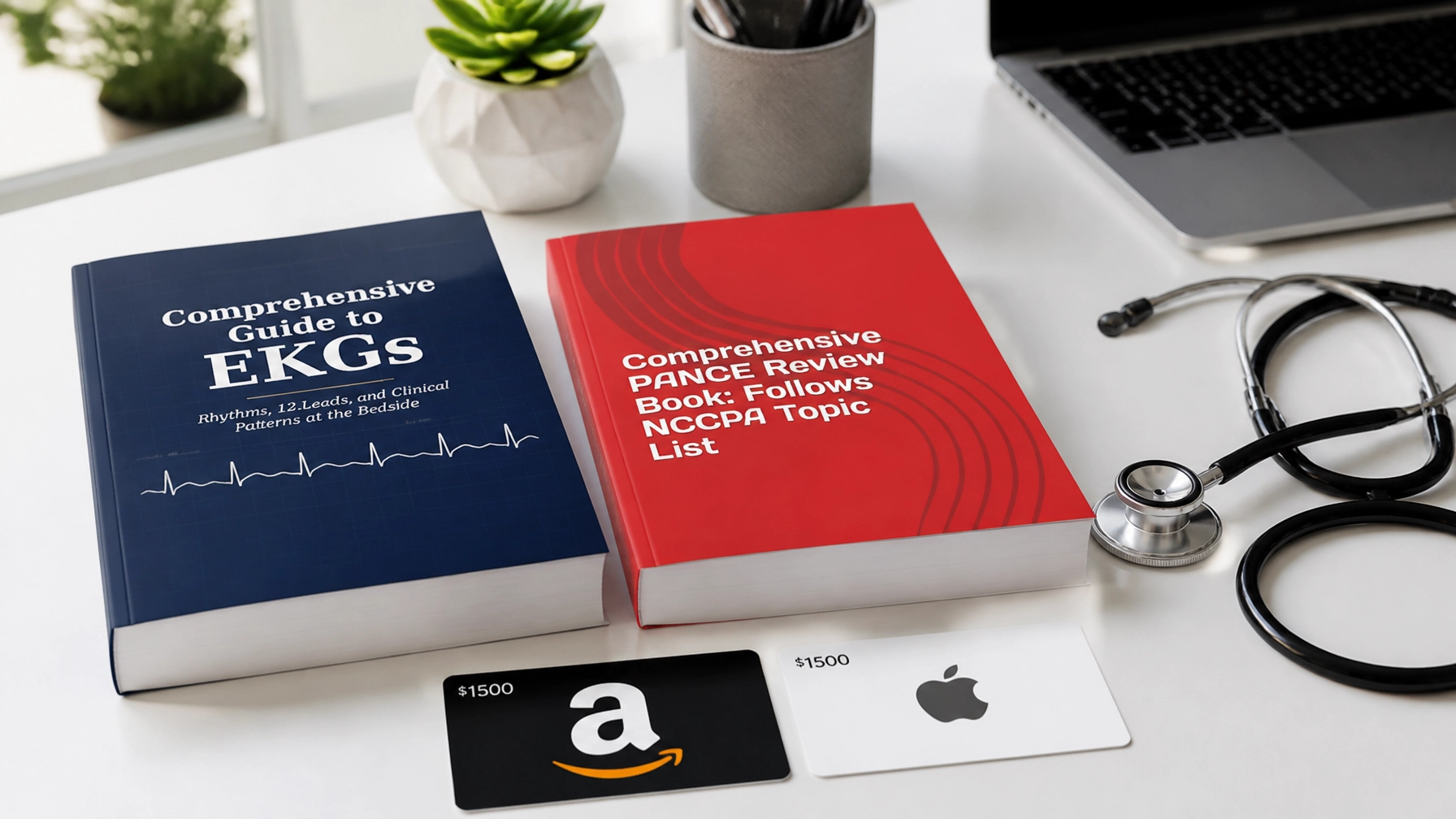
For many PAs, the end of the year or the end of a contract cycle means "use it or lose it" regarding CME allowances. We provide an efficient mechanism to utilize these funds while simultaneously preparing for your boards. Our CME with Gift Card options allow you to add an Amazon or Apple Gift Card: ranging from $100 to $1500: to your purchase.

This model allows you to bundle your educational materials with a gift card that can be used for further professional enrichment, such as purchasing clinical reference books, diagnostic tools, or hardware like an iPad for point-of-care ultrasound training. This approach maximizes the value of your employer-provided benefits.

AAPA Category 1 Credit Distinction

It is critical to distinguish between the credit types offered across our packages. Our PANRE Review Course offers 100 hours of AAPA Category 1 Self-Assessment credit. This specific designation is highly valuable for NCCPA maintenance because the NCCPA applies a 50% bonus weighting to self-assessment credits. Consequently, logging 100 hours of this course actually results in 150 hours of credit toward your cycle requirements.

While we also offer a Pharmacology CME Course, it is important to note that the 100-hour Category 1 credit designation applies only to the PANRE Review Course. The Pharmacology course is also Category 1 AAPA credit, but it does not carry the 100-hour self-assessment volume.

High-Yield Clinical Mastery

The following section transitions from logistical preparation to clinical application. High-yield study involves active recall and the application of medical knowledge to clinical vignettes. The following scenarios are designed to reflect the level of detail and diagnostic reasoning required for the PANRE.


Clinical Practice Scenarios

Scenario 1: Cardiovascular

Your patient is a 64-year-old male with a history of hypertension and tobacco use who presents to the Emergency Department with sudden onset, "tearing" chest pain that radiates to the back. On physical examination, his BP is 180/110 mmHg in the right arm and 155/95 mmHg in the left arm. A chest X-ray reveals a widened mediastinum.

Which of the following is the most appropriate initial step in the management of this patient?

A. Immediate administration of intravenous heparin
B. Emergent cardiology consultation for percutaneous coronary intervention (PCI)
C. Intravenous beta-blocker (e.g., Esmolol or Labetalol)
D. Urgent administration of thrombolytic therapy

The correct answer is C. Intravenous beta-blocker.

Explanation: This patient presents with classic signs of an Aortic Dissection, specifically a potential Type A or B dissection given the radiation to the back and blood pressure discrepancy between arms. The "tearing" sensation and widened mediastinum on X-ray are hallmark indicators. The most critical initial step in management is heart rate and blood pressure control to reduce shear stress on the aortic wall. Intravenous beta-blockers (like Esmolol) are preferred because they reduce the heart rate and the force of left ventricular contraction (dP/dt).

  • Option A is incorrect as anticoagulation would be contraindicated in an active dissection.
  • Option B is for Myocardial Infarction (MI), which is a common distractor for dissection.
  • Option D is absolutely contraindicated as it would lead to catastrophic bleeding in a dissection.

Scenario 2: Orthopedics

Your patient is a 28-year-old male who was involved in a high-speed motorcycle accident. He complains of excruciating pain in his right lower leg. On examination, the leg is tense and firm to the touch. Pain is significantly exacerbated by passive extension of the toes. Distal pulses (dorsalis pedis and posterior tibial) are currently palpable, but the patient reports numbness in the first web space of the toes.

What is the most definitive treatment for this patient’s condition?

A. Application of a posterior splint and elevation
B. Emergent fasciotomy
C. Intravenous morphine and reassessment in 4 hours
D. High-dose corticosteroid administration

The correct answer is B. Emergent fasciotomy.

Explanation: This scenario describes Acute Compartment Syndrome, a surgical emergency. The "5 Ps" (Pain, Pallor, Pulselessness, Paresthesia, Paralysis) are often late signs. The earliest and most sensitive sign is pain out of proportion to exam and pain with passive stretch. Numbness in the first web space indicates involvement of the deep peroneal nerve within the anterior compartment. Emergent fasciotomy is the only definitive treatment to relieve intra-compartmental pressure and prevent muscle necrosis and permanent nerve damage.

  • Option A (elevation) is actually contraindicated as it can further decrease the perfusion pressure to the limb.
  • Option C is dangerous because delaying treatment will lead to irreversible ischemia.
  • Option D has no role in the management of compartment syndrome.

Scenario 3: Pulmonary

Your patient is a 32-year-old female, currently 2 weeks postpartum, who presents with sudden onset shortness of breath and pleuritic chest pain. She has no significant past medical history except for a prolonged hospital stay following a Cesarean section. Her HR is 115 bpm, RR is 24/min, and SaO2 is 91% on room air. Her lungs are clear to auscultation. An EKG shows sinus tachycardia with an S1Q3T3 pattern.

What is the gold standard diagnostic study to confirm the suspected diagnosis?

A. Chest X-ray (PA and Lateral)
B. Ventilation-Perfusion (V/Q) Scan
C. Computed Tomographic Angiography (CTA) of the chest
D. D-dimer assay

The correct answer is C. Computed Tomographic Angiography (CTA) of the chest.

Explanation: The clinical picture is highly suggestive of a Pulmonary Embolism (PE), given the risk factor (postpartum state/post-surgical immobility) and symptoms (tachycardia, hypoxia, pleuritic pain). While the S1Q3T3 pattern is a classic board "pearl," it is actually relatively insensitive. CTA of the chest is the current gold standard and the preferred initial imaging modality in most clinical settings to confirm the diagnosis.

  • Option A is usually normal or non-specific in PE (though it may show Westermark sign or Hampton’s hump, these are rare).
  • Option B is an alternative for patients who cannot receive IV contrast (e.g., renal failure), but it is not the primary gold standard.
  • Option D is a screening tool with high negative predictive value but low specificity; it cannot confirm a PE.

Scenario 4: Neurology

Your patient is a 72-year-old male with a history of atrial fibrillation who is brought to the ED by his daughter. She states he was "fine" 45 minutes ago, but suddenly developed right-sided facial drooping, right-arm weakness, and difficulty speaking (aphasia). His blood pressure is 170/95 mmHg. A non-contrast head CT is performed and shows no evidence of intracranial hemorrhage.

Which of the following is the most appropriate next step in management, assuming no other contraindications exist?

A. Observation for 24 hours to see if symptoms resolve (TIA)
B. Immediate administration of intravenous alteplase (tPA)
C. Starting 325 mg of Aspirin orally
D. Aggressive blood pressure reduction to <120/80 mmHg

The correct answer is B. Immediate administration of intravenous alteplase (tPA).

Explanation: The patient is presenting with an Acute Ischemic Stroke, likely cardioembolic given his history of atrial fibrillation. He is well within the 3-hour to 4.5-hour window for thrombolysis. Once a non-contrast CT has ruled out hemorrhage, the standard of care is the administration of tPA (alteplase) to restore perfusion to the ischemic penumbra.

  • Option A is incorrect as stroke is a medical emergency; "time is brain."
  • Option C is appropriate for long-term management or if tPA is contraindicated, but it is not the immediate priority over thrombolysis.
  • Option D is incorrect; in the setting of acute ischemic stroke, we typically allow for "permissive hypertension" (up to 185/110 if giving tPA, or 220/120 if not) to maintain cerebral perfusion.

Scenario 5: Dermatology

Your patient is a 24-year-old female who presents with a "rash" on her back. She states it began 10 days ago with a single, large, oval, erythematous patch on her flank that was about 3 cm in diameter. Since then, multiple smaller, similar-looking lesions have appeared across her trunk in a "Christmas tree" distribution. The lesions are mildly pruritic.

What is the most likely diagnosis?

A. Tinea Corporis
B. Pityriasis Rosea
C. Secondary Syphilis
D. Guttate Psoriasis

The correct answer is B. Pityriasis Rosea.

Explanation: This is a textbook description of Pityriasis Rosea. The initial large lesion is the "Herald Patch," followed by a secondary eruption of smaller, scaly papules and plaques along skin tension lines (Langer's lines), creating the "Christmas tree" distribution. This is a self-limiting condition often thought to be associated with a viral prodrome (HHV-7).

  • Option A (Tinea) usually presents with central clearing and lacks the systemic Christmas tree distribution.
  • Option C (Syphilis) should be considered if lesions involve the palms and soles, but it usually doesn't start with a herald patch.
  • Option D (Guttate Psoriasis) often follows a streptococcal infection and has thicker, more silvery scales.

Conclusion

Mastering the PANRE requires a shift from passive reading to active, high-yield application. By utilizing a course that aligns with the NCCPA blueprint, you eliminate the cognitive load of sorting through irrelevant data. Furthermore, integrating your CME purchase with financial incentives like Amazon or Apple gift cards ensures that you are maximizing your professional development budget.

If you are ready to streamline your study process and earn 100 hours of AAPA Category 1 credit, explore our PANRE Review options today. For those specifically needing pharmacology-focused content, our Pharmacology Course is an excellent supplement to your clinical knowledge base.

Posted on

How to Earn Bonus AAPA Category 1 Credit with the PANRE-LA (The Easy Way)

Maintaining your NCCPA certification through the PANRE-LA (Physician Assistant National Recertification Exam – Longitudinal Assessment) provides a flexible alternative to the traditional high-stakes exam. While the format itself is designed to reduce stress, many Physician Assistants are unaware of the built-in efficiency for earning CME credits. By participating in the PANRE-LA, you are not just meeting a certification requirement; you are also accruing AAPA Category 1 Self-Assessment CME credits with a significant bonus multiplier.

The NCCPA and AAPA have designated the PANRE-LA as a Category 1 Self-Assessment activity. This designation is critical because self-assessment activities are weighted more heavily by the NCCPA. For every quarter in which you complete all 25 questions, you earn two Category 1 Self-Assessment credits. However, the NCCPA automatically applies a 50% bonus to all self-assessment activities. This means those two credits are automatically recorded as three credits in your NCCPA portal. Over the course of the assessment, these "bonus" credits accumulate with zero additional effort on your part, provided you complete the required quarters.

CME Course Logistics and Deliverables

If you are looking to maximize your CME utility alongside the PANRE-LA, our PANRE Review Course provides the most efficient way to secure your required hours while preparing for clinical practice.

  • Price: $399.99 (Base Course)
  • Duration of Access: 30 Months
  • Deliverables: 100 Hours of AAPA Category 1 CME Credit
  • Content: Over 1,200 lecture slides and 1,600+ practice questions, answers, and explanations.
  • Gift Card Options: Add-on Amazon or Apple Gift Cards from $100 to $1,500.

Maximizing Your CME Budget with Gift Card Add-ons

The PANRE Review Course is specifically designed for Physician Assistants who need to fulfill a large block of Category 1 credit quickly and efficiently. While the course provides 100 hours of AAPA Category 1 credit, we also offer specialized content in Pharmacology which also carries Category 1 AAPA credit.

Bonus CME Graphic

For those in Family Medicine, Internal Medicine, or Emergency Medicine, our packages cover the breadth of the PAEA and NCCPA blueprints, including Cardiology, Orthopedics, Dermatology, Psychiatry, Neurology, and OB/GYN. The content is written by PAs for PAs, ensuring the clinical pearls are relevant to your daily practice and board preparation.

One of the most popular features of our program is the CME with Gift Card option. This allows you to use your employer-provided CME fund to purchase high-quality educational material while adding an Amazon or Apple Gift Card to your package. The gift card amount is added to the total price of the CME purchase, allowing you to further enrich your education with books, electronics, or other professional tools.

Gift Card Add-ons

For Nurse Practitioners, it is important to note that AAPA Category 1 Credit acceptance varies by state. While many state boards accept these credits for license renewal, you must verify with your individual board. For Physicians, these courses count as Category 2 CME credit.


CLINICAL VIGNETTES AND ASSESSMENT

Case 1: Cardiology

Your patient is a 68-year-old male with a history of hypertension and HTN. He presents to the emergency department complaining of sudden onset palpitations and mild shortness of breath. His vitals are: HR 142 (irregular), BP 118/74, RR 20, SaO2 96% on room air. An ECG is performed.

ECG Assessment

Based on the presentation and the ECG showing absent P-waves and irregular QRS complexes, which of the following is the most appropriate initial management for rate control in this stable patient?

A. Synchronized cardioversion
B. Diltiazem
C. Adenosine
D. Amiodarone

Explanation:
B. Diltiazem is the correct answer. The patient is stable but tachicardic due to Atrial Fibrillation with rapid ventricular response (RVR). Calcium channel blockers like diltiazem or beta-blockers (e.g., metoprolol) are first-line agents for rate control in stable AFib. Synchronized cardioversion (A) is reserved for unstable patients (e.g., hypotension, altered mental status, acute heart failure). Adenosine (C) is used for regular, narrow-complex tachycardias like SVT. Amiodarone (D) is typically used for rhythm control or in patients with heart failure where other agents are contraindicated.

Case 2: Dermatology

Your patient is a 54-year-old female who presents for a routine physical. During the skin exam, you note a pigmented lesion on her left upper back. She states the lesion has been there for years but "might have gotten darker" recently.

Skin Lesion

The lesion is 7mm in diameter, has irregular borders, and displays multiple shades of brown and black. What is the most appropriate next step in management?

A. Shave biopsy
B. Excisional biopsy with 1-3 mm margins
C. Cryotherapy
D. Topical imiquimod

Explanation:
B. Excisional biopsy with 1-3 mm margins is the correct answer. Any lesion suspicious for melanoma (based on ABCDE criteria: Asymmetry, Border irregularity, Color variegation, Diameter >6mm, Evolution) should undergo an excisional biopsy. A shave biopsy (A) is contraindicated if melanoma is suspected because it may not provide the necessary depth (Breslow thickness) for staging. Cryotherapy (C) and imiquimod (D) are inappropriate for suspicious pigmented lesions and can delay a definitive diagnosis.

Case 3: Orthopedics

Your patient is a 22-year-old male who presents after a fall onto an outstretched hand (FOOSH) during a basketball game. He reports immediate pain and swelling in the right wrist. On exam, there is a prominent "dinner fork" deformity. Neuvascular status is intact. Radiographs confirm a distal radius fracture with dorsal displacement.

What is the most likely diagnosis?

A. Smith’s fracture
B. Colles’ fracture
C. Scaphoid fracture
D. Boxer’s fracture

Explanation:
B. Colles’ fracture is the correct answer. A Colles’ fracture is a distal radius fracture with dorsal displacement of the distal fragment, typically resulting from a FOOSH injury and creating the classic "dinner fork" deformity. A Smith’s fracture (A) involves volar displacement (the opposite of Colles’). A scaphoid fracture (C) involves pain in the anatomical snuffbox and often lacks the dinner fork deformity. A Boxer’s fracture (D) is a fracture of the fifth metacarpal neck.

Case 4: Emergency Medicine/Pulmonary

Your patient is a 28-year-old female with no significant medical history who presents with sudden onset sharp, pleuritic chest pain and dyspnea that began 2 hours ago. She recently returned from a 12-hour flight. Vitals: HR 112, BP 122/80, RR 24, SaO2 91% on room air. Her lungs are clear to auscultation.

What is the most appropriate initial diagnostic study to confirm the suspected diagnosis?

A. Chest X-ray
B. D-dimer
C. CT Angiography of the chest
D. Ventilation-Perfusion (V/Q) scan

Explanation:
C. CT Angiography of the chest is the correct answer. Given the patient’s high clinical suspicion for Pulmonary Embolism (PE): tachycardia, hypoxia, pleuritic pain, and recent long-duration travel (immobilization): CT Angiography is the gold standard for diagnosis. While a D-dimer (B) has high sensitivity, it is only useful for ruling out PE in low-probability patients. Chest X-ray (A) is often normal in PE cases (Westermark sign or Hampton's hump are rare). A V/Q scan (D) is typically reserved for patients with a contraindication to CT contrast, such as renal failure or severe allergy.

For more practice and to secure your 100 hours of AAPA Category 1 credit, visit our full PANRE Review Course catalog.

Posted on

Stop Wasting Time on Broad Reviews: 7 Quick Hacks for High-Yield PANRE Review

Professional medical study desk with stethoscope and tablet

Preparing for the PANRE or PANRE-LA requires a strategic approach that maximizes time efficiency and information retention. Broad, generic reviews often include extraneous "nice-to-know" information that is rarely tested, leading to cognitive fatigue and wasted study hours. For the practicing Physician Assistant, Nurse Practitioner, or Physician, every hour spent in review must translate directly to exam success and clinical utility.

Course Details:

  • Price: $399.99
  • Access Duration: 30 Months
  • Deliverables: 100 Hours of AAPA Category 1 CME Credit
  • Add-ons: Amazon or Apple Gift Cards ($100 – $1500)

Access the PANRE Review Course here.


1. Master the Blueprint, Ignore the Fluff

The NCCPA provides a specific blueprint for the PANRE. High-yield studying means prioritizing the organ systems with the highest percentage of questions: Cardiology (13%), Pulmonology (10%), and GI/Nutrition (9%). Broad reviews often give equal weight to rare conditions. Our PANRE Review Course is structured strictly around these weightings, ensuring you spend the most time where the most points are found.

2. Consolidate Your CME Credits

Efficiency isn't just about how you study; it’s about how you manage your professional requirements. Seeking out separate 5-hour or 10-hour courses to reach your 100-hour requirement is a logistical drain. The PANRE Review Course offers 100 hours of Category 1 AAPA credit in a single package. This fulfills your entire cycle's requirement while simultaneously preparing you for the exam.

3. Leverage CME Gift Card Add-ons

Maximize your employer-provided CME budget by utilizing gift card add-ons. You can add an Amazon or Apple Gift Card (ranging from $100 to $1500) to your purchase. This allows you to secure the high-yield review content you need while also obtaining the hardware or educational resources (like a new iPad for clinical use) necessary to enhance your practice.

Amazon and Apple Gift Cards with CME Certificate

4. Utilize Peer-Written Content

Content written by physicians for physicians often misses the specific nuances of the PA profession and the NCCPA exam style. Our content is written by physician assistants for physician assistants. This ensures the tone, depth of clinical detail, and focus areas align exactly with what you encounter in your daily practice and on the national recertification exam.

5. Prioritize Clinical Scenarios Over Rote Memorization

The PANRE is shifting toward clinical application rather than simple fact recall. If you are memorizing lists of symptoms without understanding the clinical presentation, you are wasting time. Focus on the "classic" presentation and the immediate next step in management.

6. Focus on "Must-Know" Differentials

In a broad review, you might spend hours on the pathophysiology of rare genetic disorders. For a high-yield review, your focus should be on distinguishing between common presentations, such as differentiating between a tension pneumothorax and a simple pneumothorax based on hemodynamic stability.

7. High-Volume Practice Questions

The most effective way to identify knowledge gaps is through active testing. Our courses provide clinical vignettes that force you to apply knowledge under pressure. Do not wait until you feel "ready" to start questions; use the questions to become ready.

Physician Assistant reviewing medical blueprints on a monitor


Clinical Assessment: Practice Scenarios

To illustrate the high-yield approach, review the following clinical vignettes. These scenarios mimic the logic required for success on the PANRE.

Scenario 1

Your patient is a 24-year-old male presenting to the Emergency Department following a fall onto an outstretched hand during a basketball game. He complains of intense shoulder pain and is holding his arm in slight abduction and external rotation. On physical exam, there is a loss of the normal rounded contour of the shoulder.

What is the most likely diagnosis and the most common associated nerve injury?

A) Posterior shoulder dislocation; Long thoracic nerve
B) Anterior shoulder dislocation; Axillary nerve
C) Acromioclavicular joint separation; Suprascapular nerve
D) Rotator cuff tear; Musculocutaneous nerve

Correct Answer: B) Anterior shoulder dislocation; Axillary nerve.
Anterior dislocations are the most common type of shoulder dislocation (over 95%). The classic presentation is an abducted and externally rotated arm with a "squared-off" shoulder appearance. The axillary nerve is the most commonly injured structure, which can lead to weakened deltoid contraction and decreased sensation over the lateral shoulder (regimental badge area). Posterior dislocations (Choice A) are rarer and usually associated with seizures or electrocution, typically presenting with the arm adducted and internally rotated.

Scenario 2

Your patient is a 68-year-old male with a history of hypertension and tobacco use who presents with sudden onset, tearing chest pain that radiates to his back between the scapulae. His blood pressure is 190/110 mmHg in the right arm and 160/95 mmHg in the left arm. Heart rate is 105 bpm, and SaO2 is 96% on room air.

Which of the following is the most appropriate initial diagnostic imaging study for this patient, assuming he remains hemodynamically stable?

A) Transesophageal echocardiogram (TEE)
B) CT Angiography (CTA) of the chest and abdomen
C) Portable Chest X-ray
D) Magnetic Resonance Angiography (MRA)

Correct Answer: B) CT Angiography (CTA) of the chest and abdomen.
The clinical presentation is highly suggestive of an Aortic Dissection, specifically given the "tearing" nature of the pain and the blood pressure discrepancy between arms. In a stable patient, CT Angiography is the gold standard for rapid and accurate diagnosis, as it identifies the presence of an intimal flap and the extent of the dissection. A TEE (Choice A) is an excellent alternative, particularly in unstable patients or those with renal failure who cannot receive contrast, but CTA is generally the preferred initial modality in stable patients in the ED setting. Chest X-ray (Choice C) may show a widened mediastinum but is not definitive.

Clinical exam room interaction between PA and patient


Conclusion

Stop drowning in broad medical textbooks. The path to passing the PANRE is through focused, high-yield content that respects your clinical experience and your time. By choosing a review course that offers 100 hours of AAPA Category 1 CME and provides the flexibility of Amazon or Apple Gift Card add-ons, you are making the most efficient use of your professional resources.

Ready to simplify your recertification?

Posted on

Boost Your Credit Count Instantly with These 5 AAPA Category 1 Credit Tips

Course: PANRE Review Course
Price: $399.99
Access: 30 months
Deliverables: 100 Hours of Category 1 AAPA CME Credit, 1,672 Board-Style Questions

Course: Pharmacology CME Review Package
Price: $399.99
Access: 30 months
Deliverables: 12 Hours of Category 1 AAPA CME Credit

Physician assistants operating in clinical practice face a recurring administrative challenge: maintaining NCCPA certification while managing a full patient load. The NCCPA requires 100 CME credits every two years, with a minimum of 50 credits being Category 1. Efficiently managing these requirements prevents last-minute scrambles and ensures that educational efforts translate directly into improved patient outcomes.

By utilizing high-yield review packages designed by peer PAs, you can streamline your credit acquisition while reinforcing the core medical knowledge necessary for the PANRE and daily clinical decision-making.

1. Utilize a 100-Hour Comprehensive Review

The most efficient method to satisfy your entire two-year Category 1 requirement is to enroll in a comprehensive review course that offers exactly 100 hours of credit. The PANRE Review Course at CME Review Courses is specifically structured to meet the full NCCPA cycle requirement in one package.

Instead of piecing together disparate one-hour webinars or articles, a singular 100-hour course allows you to deep-dive into the clinical blueprints of Emergency Medicine, Internal Medicine, Cardiology, and more. This approach ensures that your education covers the breadth of medical knowledge required for recertification while satisfying the logistical demands of your state board and the NCCPA simultaneously.

CME Credits Graphic

2. Target Specialty Requirements with Pharmacology Credits

Many states and specialty certifications have specific mandates for pharmacology education. For instance, PAs working in states with strict prescribing laws often require a set number of pharmacology-specific Category 1 credits for license renewal.

Our Pharmacology CME Review Package provides 12 hours of targeted Category 1 AAPA credit. This package is particularly valuable for PAs who have already satisfied their general clinical credits but need to fulfill pharmacotherapeutic requirements. Focusing on specific content areas like pharmacology ensures you are not just "counting hours" but are also meeting the granular legal requirements of your jurisdiction.

3. Maximize Your 2026 CME Budget with Gift Card Add-ons

Most employers provide a dedicated CME allowance that must be used within a fiscal year or it is forfeited. A major tip for boosting your credit count is to utilize your full allowance effectively. We offer an efficient way to use your CME money by allowing the purchaser to add a $100-$1500 Amazon or Apple Gift Card to their CME purchase.

This structure allows you to purchase the PANRE Review Course or Pharmacology Course and include an educational add-on that can be used to further enrich your medical library or clinical tools. This maximizes the value of your employer-provided benefits while ensuring you receive the high-quality Category 1 credits you need.

CME Gift Cards

4. Leverage Peer-Designed Learning Formats

The efficiency of a CME program is largely determined by its relevance. Content written by physician assistants for physician assistants eliminates the fluff often found in generic medical reviews. Our packages, such as the Internal Medicine Hospitalist CME Package and the Emergency Medicine CME Package, focus on high-yield, blueprint-specific information.

When the material aligns with your clinical reality, retention is higher, and the time spent "earning credits" becomes a genuine investment in your clinical proficiency. Our content covers 14 core medical blueprints, ensuring that whether you are in Orthopedics, Dermatology, or OB/GYN, the credits you earn are applicable to your practice.

5. Utilize Self-Assessment Credit Bonuses

While the PANRE Review Course provides 100 standard Category 1 credits, it is important to remember how the NCCPA weighs different types of learning. Self-assessment activities are often awarded a 50% additional credit bonus by the NCCPA.

By engaging with our 1,672 board-style questions, you are participating in active recall: the most effective form of medical study. This high volume of questions allows you to identify knowledge gaps rapidly, making your study sessions more efficient. This is particularly useful for PAs preparing for the traditional PANRE or those participating in the PANRE-LA (Longitudinal Assessment).


Clinical Case Assessment

Patient Examination

Your patient is a 64-year-old male with a history of COPD and hypertension who presents to the urgent care clinic with a three-day history of increased productive cough and progressive dyspnea. He denies fever or chills. His current medications include lisinopril and a tiotropium inhaler. On physical exam, his vitals are: HR 92, BP 138/88, Temp 98.4°F, and SaO2 91% on room air. Diffuse wheezing is noted bilaterally on auscultation. There is no peripheral edema or jugular venous distension. A chest X-ray shows hyperinflation but no acute infiltrates.

Which of the following is the most appropriate next step in the management of this patient’s acute exacerbation?

A. Initiate broad-spectrum intravenous antibiotics
B. Administer oral prednisone and a short-acting beta-agonist (SABA)
C. Start high-flow oxygen to maintain SaO2 at 100%
D. Prescribe a 14-day course of clarithromycin


Explanation

The correct answer is B. Administer oral prednisone and a short-acting beta-agonist (SABA).

B is correct because the patient is experiencing an acute exacerbation of COPD (AECOPD) characterized by increased cough and dyspnea. Standard management for moderate exacerbations includes systemic corticosteroids (oral prednisone) to reduce inflammation and SABAs to address acute bronchospasm. This approach has been shown to improve FEV1 and reduce the duration of the exacerbation.

A is incorrect because the patient is hemodynamically stable and does not have systemic signs of infection such as fever. In the absence of purulent sputum or signs of pneumonia on X-ray, intravenous antibiotics are not the initial priority over bronchodilators and steroids.

C is incorrect because in patients with chronic hypercapnic respiratory failure (common in COPD), targeting an SaO2 of 100% can lead to oxygen-induced hypercapnia due to the ventilation-perfusion mismatch and the Haldane effect. The target SaO2 for COPD patients should typically be 88-92%.

D is incorrect because while antibiotics can be used in AECOPD if there is increased sputum purulence or volume, a 14-day course is unnecessarily long and not first-line compared to addressing the immediate airway inflammation and bronchoconstriction with steroids and SABAs.


CME Review Courses provides the most efficient path for physician assistants to satisfy their 100-hour AAPA Category 1 CME requirements. Our packages are designed to maximize your educational budget while providing the high-yield clinical content necessary for exam success and clinical excellence.

Visit CME Review Courses today to explore our PANRE Review and Pharmacology options.

Posted on

How to Choose the Best Path: PANRE vs. PANRE-LA (Compared)

Price: $399.99 for 30 months of access
Deliverables: 1,600+ questions, answers, and detailed clinical explanations; 1,200+ lecture slides
CME Credit: 100 Hours of AAPA Category 1 CME (PANRE Review Course only)
Add-ons: Amazon or Apple Gift Cards available from $100 to $1500

As of 2026, the Physician Assistant National Recertification Exam (PANRE) landscape offers two distinct pathways for maintaining your certification. Choosing between the traditional PANRE and the longitudinal PANRE-LA depends on your test-taking style, schedule, and clinical environment. Both pathways require a solid foundation in the core medical blueprints.

The Traditional PANRE: High-Stakes Efficiency

The traditional PANRE remains a single-day, high-stakes assessment. It is administered at a Pearson VUE test center and consists of 240 multiple-choice questions delivered over four hours.

  • Format: 240 questions in four 60-minute blocks.
  • Location: Proctored testing center.
  • Scoring: Immediate unofficial results are often available, with official scores following shortly.
  • Best for: PAs who prefer to "get it over with" in one sitting and those who perform well under timed, proctored conditions.

The PANRE-LA: Longitudinal Flexibility

The PANRE-LA (Longitudinal Assessment) is designed to reduce testing anxiety and integrate learning into daily practice.

  • Format: 25 questions per quarter over 12 quarters (3 years).
  • Location: Anywhere with an internet connection; open-book format.
  • Scoring: Cumulative performance over the 12-quarter period.
  • Best for: PAs who want to avoid testing centers, utilize reference materials, and spread the assessment over several years.

Comparison Chart

Preparation Strategy for 2026

Regardless of the path you choose, the medical content remains consistent with the NCCPA blueprints. Our PANRE Review Course provides 100 hours of AAPA Category 1 CME credit, which is essential for those on the traditional 10-year cycle. This content was written by physician assistants for physician assistants, ensuring the clinical relevance is prioritized over theoretical fluff.

For those choosing the PANRE-LA, our PANRE/PANRE-LA Review Exams offer a targeted way to stay sharp each quarter. The ability to add an Amazon or Apple Gift Card to your purchase allows you to maximize your employer's CME budget efficiently while receiving high-yield educational materials.

Clinical Practice


Clinical Assessment and Practice Questions

The following clinical scenarios are designed to reflect the level of difficulty found in both the PANRE and PANRE-LA.

Cardiology Vignette

Your patient is a 68-year-old male with a history of hypertension and tobacco use who presents to the emergency department with a 2-hour history of substernal chest pressure radiating to his left jaw. Vitals show a BP of 152/94, HR of 98, and SaO2 of 96% on room air. An EKG reveals ST-segment elevation in leads II, III, and aVF.

Which of the following is the most appropriate next step in management?
A. Administer 324 mg of aspirin and arrange for emergent percutaneous coronary intervention (PCI).
B. Start a heparin drip and admit for observation.
C. Administer oral beta-blockers and schedule an exercise stress test.
D. Perform a d-dimer to rule out pulmonary embolism.

Explanation:
The correct answer is A. Administer 324 mg of aspirin and arrange for emergent percutaneous coronary intervention (PCI). This patient is presenting with an inferior wall ST-elevation myocardial infarction (STEMI). Standard of care requires immediate antiplatelet therapy and reperfusion therapy. PCI is the preferred method of reperfusion if it can be performed within 90 minutes of first medical contact. Heparin (Choice B) is used as an adjunctive therapy but does not replace the need for emergent reperfusion. Beta-blockers (Choice C) should be avoided in the acute phase if there are signs of heart failure or bradycardia and do not address the acute occlusion. A d-dimer (Choice D) is inappropriate given the clear EKG findings of a STEMI.

Gastrointestinal Vignette

Your patient is a 45-year-old female who presents with a 24-hour history of severe right upper quadrant pain that radiates to her right scapula. She reports associated nausea and one episode of non-bilious emesis. On physical exam, she has a positive Murphy’s sign. Her temperature is 101.2°F, and labs show a WBC of 14,000/µL.

What is the initial imaging study of choice for this patient?
A. CT scan of the abdomen and pelvis with IV contrast.
B. Ultrasound of the right upper quadrant.
C. HIDA scan.
D. Abdominal X-ray (flat and erect).

Explanation:
The correct answer is B. Ultrasound of the right upper quadrant. This patient's presentation is highly suggestive of acute cholecystitis (RUQ pain, fever, leukocytosis, and positive Murphy’s sign). Ultrasound is the initial imaging study of choice due to its high sensitivity for gallstones and gallbladder wall thickening/pericholecystic fluid. A HIDA scan (Choice C) is the gold standard for diagnosis if the ultrasound is inconclusive but is not the first-line study. A CT scan (Choice A) is less sensitive for gallstones and involves radiation exposure. Abdominal X-rays (Choice D) are rarely useful for diagnosing biliary disease.

CME Education

Pulmonology Vignette

Your patient is a 22-year-old female with a history of mild persistent asthma who presents for a follow-up. She reports using her albuterol inhaler four times per week and waking up twice a month due to cough. She is currently using a low-dose inhaled corticosteroid (ICS) daily.

Based on the current GINA guidelines, what is the most appropriate adjustment to her regimen?
A. Discontinue the ICS and use albuterol only as needed.
B. Increase to a medium-dose ICS.
C. Add a long-acting beta-agonist (LABA).
D. Maintain the current regimen and monitor.

Explanation:
The correct answer is C. Add a long-acting beta-agonist (LABA). The patient’s asthma is not well-controlled on low-dose ICS alone, as evidenced by using her rescue inhaler more than twice a week. Moving to Step 3 of asthma management involves adding a LABA to the low-dose ICS. Discontinuing the ICS (Choice A) would increase the risk of exacerbations. Increasing to a medium-dose ICS (Choice B) is an alternative but the combination of ICS-LABA is generally preferred for better symptom control. Maintaining the regimen (Choice D) is inappropriate as the patient remains symptomatic.

Endocrinology Vignette

Your patient is a 54-year-old male with Type 2 Diabetes Mellitus who presents for a routine visit. His current A1c is 8.2% despite compliance with Metformin 1000 mg twice daily. He has a history of atherosclerotic cardiovascular disease (ASCVD).

Which of the following medications should be added next?
A. Glipizide.
B. Pioglitazone.
C. Empagliflozin (SGLT2 inhibitor).
D. Sitagliptin (DPP-4 inhibitor).

Explanation:
The correct answer is C. Empagliflozin (SGLT2 inhibitor). For patients with Type 2 Diabetes and established ASCVD, SGLT2 inhibitors or GLP-1 receptor agonists with proven cardiovascular benefit are recommended regardless of the baseline A1c or metformin use. Empagliflozin has demonstrated a reduction in major adverse cardiovascular events. Sulfonylureas like glipizide (Choice A) and DPP-4 inhibitors like sitagliptin (Choice D) do not provide the same cardiovascular protection. Pioglitazone (Choice B) should be used with caution in patients with or at risk for heart failure.

Maximizing Your 2026 CME Funds

Whether you are preparing for a quarterly PANRE-LA assessment or the full PANRE Review Course, our packages are designed to provide the most efficient use of your time and money. Our Family Medicine and Internal Medicine packages offer Category 2 CME for physicians and nurse practitioners, while our PANRE-specific content provides the required Category 1 credits for PAs.

By utilizing the CME with Gift Card option, you can receive up to a $1500 Amazon or Apple Gift Card with your purchase, facilitating further educational enrichment through the purchase of medical equipment, textbooks, or technology needed for your practice. All content is written by PAs who understand the specific demands of these exams and the realities of clinical practice.

Posted on

Do You Really Need a CME Gift Card? Here’s the Truth About Maximizing Your 2026 Budget

Price: Starting at $599 up to $2,099 (depending on gift card value).
Duration: 12 months of unlimited online access.
Deliverables: 100 Hours of AAPA Category 1 CME Credit (PANRE Review), Pharmacology Category 1 Credit, and $100–$1,500 Amazon or Apple Gift Card.

Maximizing a professional development budget requires strategic planning, particularly for Physician Assistants (PAs) and Nurse Practitioners (NPs) who have fixed annual CME stipends. For many, a significant portion of this stipend remains unused at the end of the fiscal year or is spent on travel costs that do not directly contribute to clinical knowledge. The inclusion of an Amazon or Apple gift card add-on provides a mechanism to convert these professional funds into tangible educational resources. By adding a gift card ranging from $100 to $1,500 to a CME purchase, clinicians can acquire medical equipment, textbooks, or technology necessary for their practice while fulfilling mandatory certification requirements.

The Value of the 2026 CME Budget

Most hospital systems and private practices allocate between $1,500 and $3,000 annually for professional development. A common inefficiency in the use of these funds is the failure to consolidate credit acquisition with resource procurement. Our PANRE Review Course is designed to solve this by offering 100 hours of AAPA Category 1 Credit in a single package. This allows PAs to meet their entire two-year requirement in one cycle while utilizing the gift card add-on to purchase peripheral tools, such as high-quality stethoscopes or tablets for bedside patient education.

Gift Card Add-ons

For Nurse Practitioners, while AAPA Category 1 Credit is widely accepted, credit reciprocity varies by state. It is the responsibility of the individual NP to verify with their state board if these credits satisfy local requirements. Physicians often purchase these packages for the high-yield clinical content, though they should note that the credits count as Category 2 CME for MDs and DOs.

High-Yield Content for PANRE and Beyond

The content within our review courses is written by Physician Assistants specifically for Physician Assistants. This ensures the material aligns with the NCCPA blueprint and focuses on the clinical decision-making required for both the traditional PANRE and the PANRE-LA. The curriculum covers a broad range of specialties, ensuring relevance for clinicians in various settings:

  • Cardiology: Focus on ECG interpretation, hypertension management (JNC 8 vs. ACC/AHA guidelines), and heart failure protocols.
  • Orthopedics: High-yield reviews of joint pathologies, fracture management, and physical exam maneuvers.
  • Dermatology: Recognition of malignant versus benign lesions and evidence-based topical treatments.
  • Internal Medicine & Hospitalist Medicine: Management of acute exacerbations of chronic diseases, electrolyte imbalances, and inpatient protocols.

Medical Specialty Catalog

The Pharmacology Review Course is another critical component for clinicians seeking to maintain their prescribing authority. This course also provides AAPA Category 1 Credit and focuses on the latest therapeutic updates, drug-drug interactions, and prescribing safety. Utilizing the gift card add-on with this course allows clinicians to stay current with pharmacological standards while maximizing the value of their CME stipend.


Clinical Education and Practice Questions

Case 1: Cardiology

Your patient is a 64-year-old male with a history of hypertension and Type 2 Diabetes Mellitus who presents for a routine follow-up. His home blood pressure readings have averaged 152/94 mmHg over the last two weeks. Today, his clinic BP is 156/96 mmHg, Heart Rate is 72 bpm, and SaO2 is 98% on room air. He is currently taking Lisinopril 20mg daily. Laboratory results show a Serum Creatinine of 1.1 mg/dL and a Potassium of 4.2 mEq/L.

Which of the following is the most appropriate next step in the management of this patient’s hypertension?
A) Increase Lisinopril to 40mg daily.
B) Add Amlodipine 5mg daily.
C) Discontinue Lisinopril and start Losartan 50mg daily.
D) Add Spironolactone 25mg daily.

The correct answer is B: Add Amlodipine 5mg daily.
Current clinical guidelines suggest that for patients who are not at goal on a single agent, adding a second drug from a different class is often more effective than maximizing the dose of the initial agent. In patients with diabetes and hypertension, the combination of an ACE inhibitor (Lisinopril) and a Calcium Channel Blocker (Amlodipine) or a thiazide diuretic is recommended. Option A is less effective than dual-class therapy. Option C is inappropriate as both are RAS blockers and should not be switched unless there is a specific contraindication like a cough. Option D is typically reserved for resistant hypertension after a three-drug regimen including a diuretic is attempted.

Case 2: Orthopedics

Your patient is a 19-year-old female athlete who presents with acute right knee pain after a non-contact pivoting injury during a soccer match. She reports hearing a "pop" followed by immediate swelling. On examination, there is a significant joint effusion. The Lachman test is positive, and the anterior drawer test shows increased laxity compared to the contralateral side. The McMurray test is negative.

What is the most likely diagnosis?
A) Medial Collateral Ligament (MCL) tear.
B) Medial Meniscus tear.
C) Anterior Cruciate Ligament (ACL) tear.
D) Patellar Dislocation.

The correct answer is C: Anterior Cruciate Ligament (ACL) tear.
The clinical history of a non-contact pivoting injury, an audible "pop," and immediate swelling (hemarthrosis) is classic for an ACL tear. The Lachman test is the most sensitive physical exam maneuver for confirming ACL insufficiency. MCL tears usually involve a valgus stress injury and would show laxity with valgus stress testing. Meniscus tears typically present with delayed swelling and a positive McMurray test. Patellar dislocations often involve a visible deformity that may have spontaneously reduced, but the primary finding would be tenderness along the medial patellofemoral ligament.

Case 3: Dermatology

Dermatology Lesion

Your patient is a 72-year-old male presenting with a lesion on his left forearm that has been changing over the past six months. He has a history of significant sun exposure. Physical examination reveals an asymmetric, 8mm pigmented macule with irregular borders and multiple shades of brown and black. There is no associated lymphadenopathy.

Which of the following is the most appropriate next step?
A) Perform a shave biopsy of the most suspicious area.
B) Perform an excisional biopsy with narrow margins.
C) Treat with topical 5-Fluorouracil for 4 weeks.
D) Cryotherapy to the lesion.

The correct answer is B: Perform an excisional biopsy with narrow margins.
The lesion described follows the ABCDE criteria for melanoma: Asymmetry, Border irregularity, Color variegation, Diameter >6mm, and Evolving. The definitive diagnostic step for a suspected melanoma is a full-thickness excisional biopsy with 1–3 mm margins. This allows the pathologist to determine the Breslow depth, which is the most important prognostic factor. Shave biopsies (Option A) are contraindicated for suspected melanoma as they may "transect" the lesion and prevent accurate depth measurement. Topical 5-FU (Option C) and cryotherapy (Option D) are used for actinic keratoses or superficial basal cell carcinomas but are inappropriate and dangerous for suspected melanoma.

Case 4: Infectious Disease

Your patient is a 28-year-old female presenting with a 3-day history of dysuria, urinary frequency, and urgency. She denies fever, chills, or flank pain. Her last menstrual period was 2 weeks ago. Physical examination reveals mild suprapubic tenderness but no costovertebral angle tenderness. A urine dipstick is positive for nitrites and leukocyte esterase.

What is the most appropriate first-line treatment for this patient?
A) Ciprofloxacin 500mg BID for 7 days.
B) Nitrofurantoin 100mg BID for 5 days.
C) Ceftriaxone 250mg IM once.
D) Doxycycline 100mg BID for 7 days.

The correct answer is B: Nitrofurantoin 100mg BID for 5 days.
This patient presents with an uncomplicated cystitis. Nitrofurantoin (Macrobid) is a first-line agent due to its high efficacy and minimal impact on vaginal flora. Trimethoprim-sulfamethoxazole (Bactrim) is also first-line if local resistance rates are low (<20%). Ciprofloxacin (Option A) is no longer considered first-line for uncomplicated cystitis due to the risk of significant side effects and the need to preserve fluoroquinolones for more severe infections like pyelonephritis. Ceftriaxone (Option C) is used for gonococcal infections or complicated pyelonephritis. Doxycycline (Option D) is used for urethritis but is not a first-line agent for E. coli cystitis.

Conclusion

Selecting a CME course involves more than just fulfilling a credit requirement. It is an opportunity to maximize professional benefits and clinical proficiency. Our packages offer a comprehensive review of the NCCPA Blueprint, providing the 100 hours of AAPA Category 1 Credit needed for recertification, alongside the financial flexibility of an Amazon or Apple gift card add-on. This combination ensures that PAs, NPs, and physicians can efficiently manage their education and their budget simultaneously.

Posted on

The Simple Trick to Knock Out 100 Category 1 AAPA Credits (Plus a $1,500 Apple Gift Card Add-On)

The two-year CME cycle for Physician Assistants can feel like a constant race against the clock. Between clinical shifts, administrative paperwork, and personal life, finding the time to hunt down individual credits is a logistical nightmare. Every PA knows the pressure of the NCCPA requirement: 100 credits every two years, at least 50 of which must be Category 1.

If you are looking for a way to streamline this process, the "trick" isn't about cutting corners; it’s about consolidation. Instead of piecing together 1-hour webinars or weekend conferences, you can knock out your entire Category 1 requirement in a single, comprehensive review.

Course Name: Family Medicine CME Package
Credit Value: 100 Hours of Category 1 AAPA Credit
Access Duration: 12 Months
Deliverables: Comprehensive Video Modules, 1,000+ Practice Questions, PDF Handouts
Gift Card Add-Ons: $100 to $1,500 Apple or Amazon Gift Cards available for purchase

The Strategy: 100 Credits in One Place

When you utilize a panre review course designed for total credit coverage, you eliminate the need to track multiple certificates from various sources. Our Family Medicine CME Package is specifically designed to provide 100 Category 1 AAPA credits. This covers your entire two-year requirement for Category 1 credits in one purchase.

The content is mapped directly to the PANCE/PANRE blueprints, ensuring that while you are earning your credits, you are also preparing for your recertification exam. This dual-purpose approach is the most efficient use of a PA’s limited time.

Understanding the Gift Card Add-On

One of the most frequent questions we receive is regarding the cme gift cards. It is important to clarify the structure of these offers. We offer the ability to include an Amazon or Apple Gift Card add-on ranging from $100 up to $1,500.

These are NOT free gifts. These gift cards are added to the total purchase price of your CME package. This allows PAs to use their employer-provided CME allowance to its full potential. If your employer provides a $3,000 annual CME budget and you have only spent $1,000 on credits, you can choose a gift card add-on to utilize the remaining funds for tech upgrades or clinical resources. You can view all options at CME with Gift Card.

Clinician desk with cme gift cards for Apple and Amazon next to a stethoscope and PANRE review course dashboard.

Clinical Focus: Dermatology for the Primary Care and ER PA

To give you a taste of the educational content within our pance prep courses, we are focusing today on high-yield Dermatology. On the PANRE, Dermatology accounts for a significant portion of the blueprint. You must be able to differentiate between inflammatory conditions and infectious processes quickly.

Psoriasis Pathophysiology and Management

Psoriasis is a chronic systemic inflammatory disease with a strong genetic component. The most common form, plaque psoriasis, is characterized by well-demarcated, erythematous plaques with silvery scales. This is due to keratinocyte hyperproliferation.

When managing these patients, you must consider the "Rule of Tens." If more than 10% of the Body Surface Area (BSA) is involved, topical treatments (like high-potency corticosteroids) are usually insufficient, and systemic therapy or phototherapy is indicated.

Clinical Pearls for Psoriasis:

  • Auspitz Sign: Pinpoint bleeding when a scale is removed.
  • Koebner Phenomenon: New lesions appearing at the site of skin trauma.
  • Arthritis: Up to 30% of patients with psoriasis will develop psoriatic arthritis, often involving the distal interphalangeal (DIP) joints.

Clinical Practice Questions

Test your knowledge with these clinical vignettes. These reflect the style of questions found in our panre review course.

Question 1
Your patient is a 34-year-old male presenting with a persistent, itchy rash on his elbows and knees. On physical exam, you note well-demarcated erythematous plaques with overlying silvery scales. You notice that when you scrape one of the scales, several small droplets of blood appear. What is this clinical finding called?
A) Nikolsky sign
B) Auspitz sign
C) Koebner phenomenon
D) Darier sign

Explanation:
B) Auspitz sign is the correct answer. This is a classic finding in psoriasis where the removal of a scale results in pinpoint bleeding from the exposed dermal papillae. Nikolsky sign refers to the sloughing of skin with slight pressure (seen in Pemphigus Vulgaris or SJS). Koebner phenomenon is the development of lesions in areas of trauma. Darier sign is the formation of a wheal upon stroking the skin (seen in mastocytosis).

Question 2
Your patient is a 28-year-old female who presents with a "herald patch" on her trunk, followed one week later by a generalized eruption of smaller, oval, erythematous scaling plaques in a "Christmas tree" distribution on her back. She denies recent illness. What is the most likely diagnosis?
A) Secondary syphilis
B) Tinea corporis
C) Pityriasis rosea
D) Guttate psoriasis

Explanation:
C) Pityriasis rosea is the correct answer. The presence of a larger herald patch followed by a Christmas tree distribution is pathognomonic. Secondary syphilis would typically involve the palms and soles and require a RPR/VDRL. Tinea corporis would show a central clearing and positive KOH prep. Guttate psoriasis often follows a streptococcal infection and presents with small "drop-like" lesions.

Medical illustration of psoriasis skin cross-section for pance prep courses studying dermatology clinical signs.

Question 3
Your patient is a 45-year-old male with a history of obesity and hypertension who presents with a velvety, hyperpigmented, intertriginous plaque on the back of his neck. He mentions he has been feeling more thirsty than usual lately. What is the most appropriate next step in management?
A) Biopsy of the lesion
B) Topical antifungal cream
C) Hemoglobin A1c testing
D) Topical hydrocortisone 2.5%

Explanation:
C) Hemoglobin A1c testing is the correct answer. The lesion described is Acanthosis Nigricans, which is strongly associated with insulin resistance and Type 2 Diabetes Mellitus. While it can rarely be associated with internal malignancy (gastric adenocarcinoma), the most common cause is metabolic syndrome. Evaluation for diabetes is the priority.

Question 4
Your patient is a 19-year-old male athlete presenting with a circular, erythematous, pruritic rash with a raised border and central clearing on his right thigh. A KOH prep of skin scrapings shows septate hyphae. What is the first-line treatment?
A) Topical Ketoconazole
B) Oral Griseofulvin
C) Topical Clobetasol
D) Oral Cephalexin

Explanation:
A) Topical Ketoconazole (or other topical azoles/allylamines) is the correct answer for Tinea Corporis. Oral Griseofulvin is typically reserved for Tinea Capitis. Topical Clobetasol (a steroid) should be avoided as it can cause "tinea incognito" by suppressing the inflammation while the fungus flourishes. Cephalexin is an antibiotic and has no role in treating fungal infections.

Question 5
Your patient is a 62-year-old female presenting with a "pearly" papule on her right cheek that has a central ulceration and telangiectasias. She states the lesion has been growing slowly over the past year and occasionally bleeds. What is the most likely diagnosis?
A) Squamous cell carcinoma
B) Basal cell carcinoma
C) Malignant melanoma
D) Seborrheic keratosis

Explanation:
B) Basal cell carcinoma is the correct answer. The description of a pearly papule with telangiectasias and a "rodent ulcer" appearance is classic for BCC, the most common skin cancer. Squamous cell carcinoma usually appears more crusty, scaly, or ulcerated without the pearly sheen. Melanoma is typically pigmented with irregular borders. Seborrheic keratosis has a "stuck-on" appearance.

Maximize Your CME Allowance

When choosing a pance prep course, you aren't just paying for the credits; you are paying for the quality of the review. Our courses are designed by practicing PAs who understand the clinical realities of the job.

Whether you need to focus on Cardiovascular, Pulmonary, or Emergency Medicine, our modules provide the depth required for both the boards and daily practice.

By purchasing the 100-credit package, you fulfill your Category 1 requirements for the cycle and can add an Apple or Amazon gift card to your order. Again, these cme gift cards are add-ons and are not free. They are integrated into the total cost, allowing you to maximize your professional development funds in a way that benefits your clinical practice and your personal workflow.

Don't wait until the month before your NCCPA deadline. Get your 100 Category 1 AAPA credits finished today so you can focus on what matters: your patients.

Clinician completing 100 Category 1 AAPA credits using a comprehensive panre review course at home.

Summary of Benefits

  • Total Compliance: 100 Category 1 AAPA credits in one course.
  • Board Prep: Content covers the entire PANCE/PANRE blueprint.
  • Flexibility: 12 months of access to all materials.
  • Add-On Value: Custom gift card amounts ($100-$1,500) available at checkout to maximize your employer's CME budget.

To get started, visit CME Review Courses and select the package that fits your needs. Use the simple trick of consolidation to take the stress out of your CME cycle.

Posted on

PANRE-LA Requirements Explained in Under 3 Minutes

Price: $399.99
Duration of Access: 30 Months
Deliverables: 100 Hours of Category 1 AAPA CME Credit

The PANRE-LA (Longitudinal Assessment) has changed the landscape of Physician Assistant recertification. Instead of a high-stakes, once-every-ten-years proctored exam, the NCCPA now offers a more manageable, open-resource format. However, the flexibility of the PANRE-LA comes with specific logistical requirements and deadlines that you must navigate to maintain your PA-C credential.

At CME Review Courses, we provide a PANRE/PANRE-LA Review specifically designed by PAs for PAs. We understand that you need to maximize your study time and your CME budget, which is why our packages include up to 100 hours of AAPA Category 1 CME credit and the option to add on Amazon or Apple gift cards worth up to $1,500.

The PANRE-LA Timeline and Structure

The PANRE-LA is designed to be completed over a three-year period, starting in the seventh year of your ten-year certification maintenance cycle.

PANRE-LA Timeline

1. Eligibility and Application

You are eligible to apply for the PANRE-LA during the sixth year of your recertification cycle. For those due to recertify in 2030, the application window is July 1, 2026, through December 18, 2026. The application fee is currently $350. If you miss this window, you will likely be required to take the traditional PANRE.

2. The 12-Quarter Format

The assessment is spread across 12 quarters (three years).

  • 25 Questions per Quarter: You are assigned 25 questions every three months.
  • 5 Minutes per Question: Each question has a five-minute time limit.
  • Open Resource: You are permitted to use clinical resources, textbooks, or online databases to find answers. This reflects real-world clinical practice where PAs utilize evidence-based tools at the point of care.
  • Flexibility: You can complete all 25 questions at once or answer them one by one throughout the quarter.

3. Scoring and Completion

Your final score is calculated based on your performance over your best 8 quarters. This built-in buffer allows for life events or poor performance in a few quarters without jeopardizing your certification.

  • Passing Score: 1150.
  • Scale: 1000 to 1500.
  • Fast-Tracking: If you achieve a passing score before the 12th quarter, you may be finished early. However, you must participate in at least one quarter in the first year and one quarter in the second year to remain eligible.

Why PAs Prefer PANRE-LA Review Courses

While the PANRE-LA is open-resource, the five-minute time limit per question can be a bottleneck if you are unfamiliar with the core content. Efficiently navigating clinical resources requires a strong baseline of knowledge. Our PANRE Review Course provides that baseline, covering Internal Medicine, Family Medicine, Emergency Medicine, and more.

Medical Education Efficiency

Our content is written by PAs who have been through the process. We focus on high-yield clinical vignettes that mirror the style of the NCCPA questions. By using our PANRE-LA Review Exams, you can earn your 100 hours of Category 1 AAPA credit while simultaneously preparing for your quarterly question sets.

Maximizing Your CME Budget

Most PAs receive an annual CME allowance from their employers. Our CME with Gift Card options allow you to use that allowance efficiently. You can purchase the Internal Medicine Hospitalist CME Package or the Family Medicine Package and add a gift card to help fund your educational equipment, such as a new laptop or medical reference books.

CME Gift Cards

Clinical Review: Practice Questions

The following scenarios are designed to test your clinical reasoning in the format you will encounter during the PANRE-LA.

Question 1: Cardiology

Your patient is a 64-year-old male presenting for a routine physical. He has a history of hypertension and smoking. On examination, a harsh, mid-systolic crescendo-decrescendo murmur is heard at the second right intercostal space, radiating to the carotids. He reports occasional lightheadedness during exertion but denies chest pain or syncope. His HR is 72 bpm, and BP is 138/84 mmHg.

What is the most appropriate next step in management?

A) Transthoracic Echocardiography
B) Exercise Stress Test
C) Cardiac Catheterization
D) Observation and 6-month follow-up

Explanation: Transthoracic Echocardiography is the correct answer. The physical exam findings are classic for aortic stenosis. Echocardiography is the gold standard for initial diagnosis, allowing for the assessment of the valve area, pressure gradients, and left ventricular function. An exercise stress test (B) is often contraindicated in symptomatic patients with severe aortic stenosis due to the risk of sudden cardiac death. Cardiac catheterization (C) is reserved for pre-surgical planning or when non-invasive tests are inconclusive. Observation (D) is inappropriate given the onset of symptoms (lightheadedness).

Question 2: Dermatology

Your patient is a 32-year-old female complaining of a persistent, intensely pruritic rash on her wrists and between her fingers. She notes the itching is significantly worse at night. On examination, you observe small, erythematous papules and several thin, linear tracks. Other members of her household are beginning to experience similar symptoms.

What is the first-line treatment for this patient?

A) Permethrin 5% cream
B) Oral Fluconazole
C) Triamcinolone 0.1% ointment
D) Hydrocortisone 1% cream

Explanation: Permethrin 5% cream is the correct answer. The presentation of nocturnal pruritus, linear burrows in the web spaces of the fingers, and similar symptoms in household contacts is pathognomonic for scabies. Permethrin is the first-line topical treatment and should be applied from the neck down and washed off after 8-14 hours. Oral Fluconazole (B) is an antifungal and ineffective against mites. Topical steroids (C and D) may temporarily reduce inflammation but will not eradicate the infestation.

Question 3: Infectious Disease

Your patient is a 24-year-old male presenting with a 3-day history of fever, sore throat, and significant fatigue. Physical examination reveals posterior cervical lymphadenopathy and pharyngeal exudates. You also note mild splenomegaly. A rapid strep test is negative.

What is the most appropriate diagnostic test to confirm the suspected diagnosis?

A) Heterophile Antibody Test (Monospot)
B) Throat Culture
C) Anti-Streptolysin O (ASO) Titer
D) Liver Function Tests

Explanation: Heterophile Antibody Test (Monospot) is the correct answer. The constellation of fever, pharyngitis, posterior cervical lymphadenopathy, and splenomegaly in a young adult strongly suggests Infectious Mononucleosis, typically caused by the Epstein-Barr virus (EBV). The Heterophile Antibody Test is the standard initial diagnostic tool. A throat culture (B) would be used if Group A Streptococcus was suspected, but the posterior lymphadenopathy and splenomegaly point toward EBV. ASO titer (C) identifies previous streptococcal infections. Liver function tests (D) may show elevations in mononucleosis but are not the primary confirmatory test.

Cardiology and Clinical Charting

Final Thoughts on PANRE-LA Preparation

Maintaining your certification does not have to be an overwhelming burden. The PANRE-LA provides a path that rewards clinical experience and the ability to use resources effectively. By choosing a review course that offers high-yield content and significant CME credit, you are setting yourself up for success across all 12 quarters.

If you are a nurse practitioner, keep in mind that AAPA Category 1 credit can often be used for your recertification requirements, though this varies by state. Physicians looking for Category 2 credit will also find high value in our Cardiology Review and Emergency Medicine CME modules.

Ready to start? Browse our full catalog of CME packages and find the one that fits your clinical practice and your budget.

Posted on

Pharmacology 101: How to Earn 100 Credits and Add a $1500 Gift Card to Your CME Purchase

Price: $399.99 for the PANRE Review Course CME Package
Credits: 100 Hours of AAPA Category 1 CME
Access: 12 months of online access
Deliverables: Comprehensive video modules, searchable PDF handouts, and an extensive question bank.

Pharmacology is the backbone of clinical practice, yet it remains one of the most challenging content areas on the NCCPA blueprint. Whether you are preparing for your initial certification or your tenth recertification cycle, mastering drug classes, mechanisms of action, and contraindications is essential. At CME Review Courses, we provide the tools you need to master these concepts while fulfilling your professional requirements efficiently.

When you purchase our PANRE review course, you aren't just getting a study guide; you are securing 100 hours of AAPA Category 1 CME credit. This is designed to satisfy your entire two-year CME cycle in a single purchase. Additionally, we offer a unique administrative feature: the ability to include a $100 to $1500 Amazon or Apple Gift Card as an add-on to your purchase. It is important to note that these gift cards are NOT free gifts. They are an add-on to the total price of your CME package, allowing you to maximize your employer-provided CME budget.

Mastering the Pharmacology Blueprint

The NCCPA blueprint allocates a significant portion of the PANCE and PANRE exams to the application of pharmacological principles across all organ systems. From managing hypertension in the cardiovascular system to treating complex endocrine disorders, your ability to select the correct first-line agent is critical.

Our pharmacology review CME focuses on high-yield clinical pearls. We don't just ask you to memorize drug names; we teach you the "why" behind the choice. Understanding why a patient with chronic kidney disease (CKD) should avoid certain NSAIDs, or why a patient on an ACE inhibitor shouldn't be started on a potassium-sparing diuretic without close monitoring, is what separates a proficient clinician from one who is simply guessing.

3D drug molecule above a medical tablet for pharmacology review and PANCE prep.

The 100-Credit Advantage

For PAs, the 100-hour requirement for AAPA Category 1 credits can be a logistical headache. Our PANRE review course simplifies this by providing exactly what the NCCPA requires. By completing the course and the associated assessments, you earn your credits in a streamlined fashion.

If you are specifically looking for a deeper dive into medications, our pharmacology review CME question bank offers targeted practice that mirrors the difficulty level of the actual board exams. This is especially useful for clinicians in Family Medicine or Internal Medicine, where polypharmacy and drug-to-drug interactions are daily challenges.

Customizing Your Purchase with CME Gift Cards

One of the most frequent questions we receive is about our cme gift cards. Most healthcare employers provide an annual CME allowance. If you have funds remaining in your budget, you can add an Amazon or Apple Gift Card to your purchase.

  • Customizable Values: Add anywhere from $100 up to $1500.
  • Transparency: These are NOT free. The cost of the gift card is added to the total price of the educational package.
  • Documentation: For those who need specific formatting for reimbursement, we offer options such as CME with gift card not on receipt to help you comply with your individual employer's reimbursement policies.

By utilizing these pance prep courses with add-on incentives, you can upgrade your clinical knowledge and your technology suite (via Apple) or home office (via Amazon) simultaneously.

Modern workspace for PA clinical studies featuring CME gift cards for tech and home office gear.

Clinical Vignettes: Pharmacology in Practice

To give you a taste of the pharmacology CME content included in our courses, let's look at a few clinical scenarios you might encounter on your boards or in the clinic.

Scenario 1: Cardiovascular Management

Your patient is a 64-year-old male with a history of heart failure with reduced ejection fraction (HFrEF) and a current ejection fraction of 35%. He is currently taking Lisinopril, Carvedilol, and Furosemide. His blood pressure is 138/84 mmHg and his HR is 62 bpm. He complains of persistent shortness of breath with mild exertion. Which of the following medications, if added to his regimen, has been shown to reduce mortality and hospitalization in this patient population?

A) Diltiazem
B) Spironolactone
C) Isosorbide mononitrate
D) Hydrochlorothiazide

Correct Answer: B) Spironolactone
Explanation: In patients with HFrEF (NYHA Class II-IV) who are already on optimal therapy with ACE inhibitors and beta-blockers, the addition of an aldosterone antagonist like Spironolactone has been shown to significantly reduce mortality and morbidity. Diltiazem (a calcium channel blocker) is generally avoided in HFrEF. Isosorbide mononitrate may help with symptoms but does not carry the same mortality benefit as spironolactone in this specific context.

Scenario 2: Endocrine Pharmacology

Your patient is a 52-year-old female with Type 2 Diabetes Mellitus. Her current A1c is 8.2% despite maximal doses of Metformin. She has a BMI of 34 kg/m² and a history of Atherosclerotic Cardiovascular Disease (ASCVD). You want to initiate a second-line agent that provides both glycemic control and cardiovascular benefit. Which class is the most appropriate next step?

A) Sulfonylureas
B) DPP-4 inhibitors
C) GLP-1 receptor agonists
D) Meglitinides

Correct Answer: C) GLP-1 receptor agonists
Explanation: For patients with Type 2 DM and established ASCVD, the ADA guidelines recommend the use of either a GLP-1 receptor agonist (like Liraglutide or Semaglutide) or an SGLT2 inhibitor. These classes have proven cardiovascular benefits beyond glucose lowering. Sulfonylureas and Meglitinides carry a higher risk of hypoglycemia and do not offer cardiovascular protection.

Physician Assistant reviewing cardiology pharmacology interactions in a PANRE review course.

Scenario 3: Infectious Disease

Your patient is a 28-year-old male presenting with a purulent skin abscess on his left thigh. He has no significant past medical history and no known drug allergies. After performing an incision and drainage (I&D), you decide to start empirical oral antibiotics to cover for Methicillin-resistant Staphylococcus aureus (MRSA). Which of the following is the most appropriate choice?

A) Cephalexin
B) Trimethoprim-sulfamethoxazole
C) Amoxicillin-clavulanate
D) Azithromycin

Correct Answer: B) Trimethoprim-sulfamethoxazole
Explanation: Trimethoprim-sulfamethoxazole (Bactrim) is a first-line oral agent for the treatment of community-acquired MRSA skin infections. Cephalexin and Amoxicillin-clavulanate provide excellent coverage for Methicillin-sensitive S. aureus (MSSA) and Streptococcus but are ineffective against MRSA. Azithromycin has high rates of resistance among Staphylococcal species.

Why Choose CME Review Courses?

Preparation for the PANCE or PANRE requires a systematic approach. Our curriculum is built around the NCCPA blueprint content areas, ensuring you spend your time on the topics that matter most.

If you are working in a specialty like Psychiatry or Family Medicine, the breadth of pharmacology can be overwhelming. Our modules break down complex pharmacokinetics and pharmacodynamics into digestible, clinically relevant segments.

The convenience of our platform allows you to study at your own pace. With the 100-hour AAPA Category 1 CME credit package, you can be confident that you are meeting your professional obligations while genuinely improving your patient care.

Investing in Your Career and Your Tech

When choosing between various cme with gift card options, remember the value of the education provided. While the $1500 gift card add-on is a fantastic way to utilize your CME budget for an Amazon or Apple purchase, the primary goal is your success on the PANRE/PANCE.

Our courses are updated regularly to reflect the latest guidelines in Gastrointestinal, Genitourinary, and EENT medicine. By integrating high-quality video content with rigorous practice questions, we provide a comprehensive solution for the modern PA.

Modern PA learning medical knowledge and earning AAPA Category 1 credits via PANCE prep courses.

Final Thoughts for the Busy Clinician

Time is your most valuable asset. Spending weeks piecing together 100 hours of CME from various free sources is often more "expensive" in terms of lost time than simply purchasing a comprehensive review course. By choosing the PANRE Review Course with Gift Card Add-on, you solve two problems at once: you get the best board prep available, and you maximize your contract benefits through our boardvitals cme gift card and audio digest cme gift card equivalent options.

Don't wait until the end of your cycle to scramble for credits. Secure your 100-hour CME package today, add the gift card that fits your budget, and get back to what matters most: treating your patients with confidence and up-to-date pharmacological knowledge.

Posted on

How to Spend Your CME Budget Like a Pro with Gift Card Add-Ons

Professional workspace with medical tools and gift cards

Price: $500.00 – $2,500.00 (Depending on Gift Card Add-on Selection)
Duration of Access: 1 Year
Quantifiable Deliverables: 100 Hours of AAPA Category 1 CME Credit (PANRE Course), Comprehensive Blueprint Review, and Practice Question Bank.

It’s that time of year again. Your CME allowance is sitting in your hospital’s account like a ticking time bomb. If you don’t spend it by December 31st, it vanishes into the administrative ether, likely to be repurposed for "breakroom upgrades" you’ll never see. As a Physician Assistant, you’ve earned that money through countless hours of patient care, charting, and managing the occasional patient who thinks their Google search is equivalent to your clinical degree.

Spending your CME budget shouldn't feel like a chore. It should feel like a strategic investment in both your career and your sanity. At CME Review Courses, we’ve perfected the art of the "efficient purchase." We offer high-yield PANRE review and pharmacology content paired with gift card add-ons that allow you to upgrade your clinical toolkit: or your living room: simultaneously.

The Strategy: Maximizing the Value of Every CME Dollar

Most CME packages give you a login and a handshake. We give you a login and an Amazon or Apple Gift Card.

Here is how it works: You select your course, choose a gift card add-on ranging from $100 to $1,500, and complete your purchase. You receive your receipt for the total amount, which you then submit to your employer for reimbursement. This is a common practice for PAs and NPs looking to maximize their professional development funds. Whether you need a new iPad for charting (or "charting" in bed), a high-end stethoscope, or just enough Amazon credit to never pay for diapers again, the gift card add-on is the smartest way to handle your allowance.

Gift card balance on phone with clinical tools

PANRE Review Course: 100 Hours of Category 1 AAPA Credit

If you are staring down the barrel of the PANRE or the PANRE-LA, you need more than just a quick refresher. Our PANRE Review Course provides 100 hours of AAPA Category 1 CME credit. This content was written by PAs, for PAs. We know the blueprint because we live the blueprint. We cover the high-stakes topics you’ll actually see on the exam:

  • Emergency Medicine
  • Family Medicine
  • Internal Medicine/Hospitalist
  • Orthopedics
  • Dermatology
  • Psychiatry
  • Neurology
  • Cardiology
  • OB/GYN

The Pharmacology Course

For those who need to brush up on their prescribing chops or meet specific state requirements, our Pharmacology Course is the gold standard. It also counts as AAPA Category 1 CME credit. While Nurse Practitioners and Physicians often find immense value in our content, it’s important to note that NPs should check their specific state board requirements for Category 1 AAPA credit acceptance. For physicians, our courses typically count as Category 2 CME.


Clinical Vignette #1: Dermatology Assessment

Your patient is a 42-year-old male with a history of obesity who presents with a persistent, itchy rash on his elbows and knees. On physical exam, you observe well-demarcated, erythematous plaques with an overlying silvery scale. When you attempt to scrape one of the scales, several small bleeding points appear.

Which of the following is the most likely diagnosis?
A. Atopic Dermatitis
B. Psoriasis Vulgaris
C. Tinea Corporis
D. Lichen Planus

Patient showing plaque on elbow to healthcare provider

Correct Answer: B. Psoriasis Vulgaris

Explanation: The clinical presentation of well-demarcated erythematous plaques with silvery scales is classic for Psoriasis Vulgaris. The bleeding points noted after scraping the scale are known as the Auspitz sign, which is highly suggestive of psoriasis.

  • Atopic Dermatitis (A) typically presents as ill-defined, pruritic, erythematous patches in flexural areas (like the antecubital fossa), not the extensor surfaces like the elbows and knees.
  • Tinea Corporis (C) would present as an annular (ring-shaped) lesion with central clearing and a raised border.
  • Lichen Planus (D) is characterized by the "6 Ps": planar, purple, polygonal, pruritic, papules, and plaques, often involving the wrists and shins, but it does not typically show the silver scale or Auspitz sign.

Why "High-Yield" Matters for the Busy Clinician

As a PA, you don’t have time to sift through 50-page white papers on the molecular weight of modern statins. You need to know which statin to prescribe to the 65-year-old with a high ASCVD score and a history of myalgias.

Our courses, such as the Gastrointestinal Blueprint Review and the Pulmonary Blueprint Review, focus on the "must-know" facts that populate the NCCPA blueprints. We prioritize clinical pearls over academic filler.

By using your CME budget on a package that includes a $1,500 Apple Gift Card, you’re not just getting the 100 hours of credit you need to maintain your "C"; you’re also getting the hardware you need to consume that content efficiently.

A Note for Nurse Practitioners and Physicians

While our primary focus is the PA community, our Internal Medicine/Hospitalist and Cardiology content is used frequently by NPs and MDs. For NPs, AAPA Category 1 credit is accepted by the ANCC and AANP in most states, but you should always verify with your state board. For MDs and DOs, these hours generally count as Category 2 credit, which is still a vital part of your recertification and licensure maintenance.


Clinical Vignette #2: Cardiovascular Management

Your patient is a 68-year-old female with a history of HTN and Type 2 DM who presents to the ED with a sudden onset of palpitations and shortness of breath. Her HR is 142 bpm, BP is 112/74 mmHg, and SaO2 is 94% on room air. An ECG is performed immediately.

ECG Findings: The rhythm is irregularly irregular with a narrow QRS complex. There are no discernible P-waves.

What is the most appropriate next step in the management of this patient's rate control?
A. Immediate synchronized cardioversion
B. IV Diltiazem
C. IV Adenosine
D. PO Digoxin

Healthcare professional reviewing an ECG monitor

Correct Answer: B. IV Diltiazem

Explanation: The patient is in Atrial Fibrillation with Rapid Ventricular Response (RVR). Since she is hemodynamically stable (BP 112/74), the goal is rate control. IV Diltiazem (a non-dihydropyridine calcium channel blocker) is a first-line agent for achieving rapid rate control in stable patients.

  • Immediate synchronized cardioversion (A) is reserved for patients who are hemodynamically unstable (e.g., hypotension, altered mental status, signs of shock).
  • IV Adenosine (C) is used for the treatment of stable supraventricular tachycardia (SVT), which would show a regular rhythm on ECG, not the irregularly irregular rhythm seen in AFib.
  • PO Digoxin (D) is not appropriate for acute rate control in the ED setting due to its slow onset of action.

Maximizing Your "CME Money"

Let’s be real: your CME money is part of your total compensation package. If you don't use it, you're essentially taking a pay cut.

When you purchase a CME with Gift Card package, you are streamlining your administrative life. You get one receipt, one set of credits, and one significant perk.

The Blueprint Advantage

Our specialty reviews, like the Psychiatry Blueprint Review or the Neurology Blueprint Review, are designed to be consumed in chunks. We understand that you’re likely studying between patients or late at night after the kids have gone to bed. Our platform is mobile-friendly and easy to navigate, ensuring that your study time is as productive as possible.


Clinical Vignette #3: Infectious Disease

Your patient is a 24-year-old female presenting with a 3-day history of dysuria, urinary frequency, and urgency. She denies fever, chills, or flank pain. Her vital signs are stable. A urinalysis reveals positive nitrites and leukocyte esterase. She has no known drug allergies and has not been treated for a UTI in the past year.

Which of the following is the most appropriate first-line treatment?
A. Nitrofurantoin (Macrobid) 100mg BID for 5 days
B. Ciprofloxacin 500mg BID for 7 days
C. Ceftriaxone 250mg IM once
D. Doxycycline 100mg BID for 7 days

Correct Answer: A. Nitrofurantoin (Macrobid) 100mg BID for 5 days

Explanation: This patient has an uncomplicated urinary tract infection (cystitis). According to current guidelines, Nitrofurantoin (Macrobid) is a first-line treatment for uncomplicated cystitis.

  • Ciprofloxacin (B) is effective but is no longer considered first-line for uncomplicated cystitis due to the risk of significant side effects (tendon rupture, C. diff) and the desire to preserve fluoroquinolones for more serious infections.
  • Ceftriaxone (C) is typically used for pyelonephritis or more severe infections requiring parenteral therapy.
  • Doxycycline (D) is not a primary treatment for cystitis; it is more commonly used for urethritis (e.g., Chlamydia).

Conclusion: Don't Let Your Allowance Go to Waste

The PANRE and your annual CME requirements don't have to be a source of stress. By choosing a provider that understands the practical needs of the modern Physician Assistant, you can knock out your credits, master the NCCPA blueprint, and walk away with a significant gift card add-on that makes the whole process a lot more palatable.

Check out our full range of courses today:

Spend your CME budget like a pro. Your career: and your Amazon cart( will thank you.)