Posted on

CME Gift Cards Matter: Why Adding a $1,500 Apple Gift Card to Your PANRE Review Course is a Total Game Changer

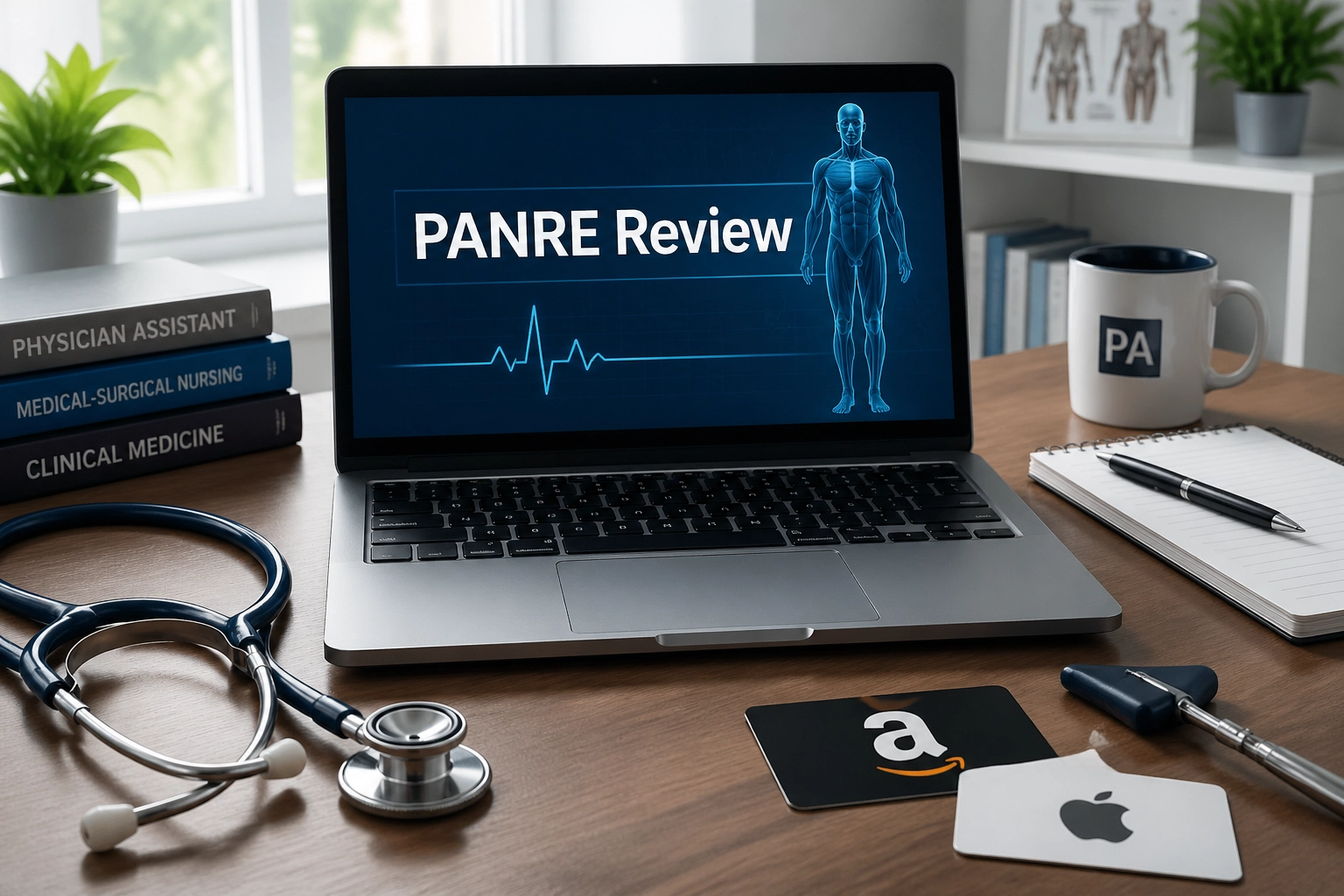
When it comes to recertification, Physician Assistants (PAs) are often looking for the most efficient way to balance clinical hours, personal life, and the looming deadline of the PANRE or PANRE-LA. We know that the goal is simple: pass the exam and get your credits. However, there is a way to make your professional development budget work harder for you. By choosing a PANRE review course that allows you to add a $1,500 Apple gift card to your purchase, you aren't just preparing for an exam: you are upgrading your clinical toolkit.

At CME Review Courses, we understand that high-quality education is the priority, but the logistics of how you spend your CME allowance matter too. Whether you need a new iPad for patient education, a MacBook for charting, or the latest iPhone to stay connected, bundling an Apple gift card with your study materials is a strategic move.

The Logistics: What You Get

Before we dive into the clinical value of the course, let’s look at the numbers. We believe in transparency, so here are the essential details for our flagship bundle:

  • Price: Total cost varies based on the gift card add-on selected (Options range from $100 to $1,500).
  • Access: 12 months of unlimited access to all course materials.
  • Deliverables: Comprehensive video lectures covering the NCCPA blueprint, 1,600+ practice questions, and high-yield PDF study guides.
  • Credits: 100 hours of AAPA Category 1 CME credit upon completion of the PANRE review course.
  • Gift Card Options: Add-on options for Amazon or Apple gift cards.

Important Note: It is essential to understand that these gift cards are NOT free gifts. They are add-ons that are included in the total purchase price of your educational package. These bundles are designed to help you utilize your employer-provided CME budget effectively. Because these are bundled with educational content, they are typically non-refundable once the gift card has been issued.

Modern PA workspace with tablet and stethoscope, highlighting tech for a panre review course with gift card add-ons.

Why the $1,500 Apple Gift Card is a Strategic Choice

Most healthcare institutions provide an annual CME allowance ranging from $1,500 to $3,500. If you don't use it, you lose it. By selecting a PANRE review course that includes a significant gift card add-on, you are essentially pre-paying for technology you need for your practice.

The $1,500 Apple gift card add-on is particularly popular because of the high cost of Apple hardware. Many PAs use this option to refresh their hardware every few years without out-of-pocket expenses.

Regulatory Compliance and Itemization
We follow strict ACCME and AAPA guidelines. These gift card incentives are itemized on your receipt. Many PAs ask about how these appear for reimbursement purposes. We offer various receipt options to ensure you stay within the policy of your specific institution. For more details on how this works, you can view our CME with gift card information page. Always verify with your employer that bundled CME incentives are permitted under your specific contract.

Educational Excellence: 100 AAPA Category 1 Credits

While the gift card is a great perk, the core of this bundle is the education. To maintain your NCCPA certification, you need to stay sharp on the current blueprint. Our panre review course provides 100 hours of AAPA Category 1 CME credit. This is a massive "one-and-done" solution for your cycle requirements.

Our curriculum covers the high-yield topics you will encounter on the exam, from Cardiovascular to Infectious Disease. We focus on the "Must-Know" facts that separate a passing score from a failing one.

Anatomical illustration of cardiovascular and pulmonary systems for panre review course educational content.


Clinical Vignettes: Test Your Knowledge

To give you a taste of the quality of our pance prep courses and PANRE materials, let’s look at three clinical scenarios you might face on the exam.

Case 1: Cardiology

Your patient is a 64-year-old male with a history of hypertension and tobacco use who presents to the Emergency Department with sudden onset substernal chest pain. The pain radiates to his left jaw and is associated with diaphoresis.

Vitals:

  • BP: 155/92 mmHg
  • HR: 98 bpm
  • RR: 20 bpm
  • SaO2: 95% on room air

An EKG is performed and shows ST-segment elevation in leads II, III, and aVF.

Question: Which of the following is the most appropriate next step in the management of this patient?
A) Immediate administration of a beta-blocker
B) Emergent Cardiology consultation for Percutaneous Coronary Intervention (PCI)
C) Administration of IV Furosemide
D) Observation and serial troponins

Correct Answer: B) Emergent Cardiology consultation for Percutaneous Coronary Intervention (PCI)

Explanation: The patient is presenting with an inferior ST-elevation myocardial infarction (STEMI). The standard of care for a STEMI is immediate reperfusion therapy, with PCI being the preferred method if available within 90 minutes of medical contact. Beta-blockers (Choice A) are part of the long-term management of MI but should be avoided in the acute phase if there are signs of heart failure or risk of cardiogenic shock. Furosemide (Choice C) is used for acute pulmonary edema, which is not the primary issue here. Serial troponins (Choice D) are necessary for NSTEMI, but a STEMI requires immediate action regardless of initial enzyme levels.

Case 2: Gastroenterology

Your patient is a 42-year-old female who presents with a 2-day history of right upper quadrant (RUQ) pain, nausea, and vomiting. The pain is steady and started after eating a high-fat meal. On physical exam, she has significant tenderness in the RUQ, and inspiration is inhibited when the clinician palpates the area (positive Murphy’s sign).

Vitals:

  • Temp: 101.4°F (38.5°C)
  • BP: 128/78 mmHg
  • HR: 105 bpm

Question: What is the initial diagnostic study of choice for this patient?
A) CT scan of the abdomen and pelvis
B) Hepatobiliary iminodiacetic acid (HIDA) scan
C) Right upper quadrant ultrasound
D) Endoscopic retrograde cholangiopancreatography (ERCP)

Correct Answer: C) Right upper quadrant ultrasound

Explanation: This patient’s presentation is highly suggestive of acute cholecystitis. The RUQ ultrasound is the initial test of choice because it is non-invasive, cost-effective, and highly sensitive for detecting gallstones and gallbladder wall thickening or pericholecystic fluid. A HIDA scan (Choice B) is the gold standard if the ultrasound is inconclusive. CT scans (Choice A) can show cholecystitis but are not the first-line preference due to radiation and lower sensitivity for stones. ERCP (Choice D) is an intervention used for choledocholithiasis (stones in the common bile duct), not primary cholecystitis.

Case 3: Pulmonology

Your patient is a 28-year-old male with a history of mild intermittent asthma who presents with increased shortness of breath and wheezing over the last week. He has been using his Albuterol inhaler four times a day for the last three days. He denies fever or productive cough.

Vitals:

  • RR: 22 bpm
  • SaO2: 94% on room air
  • HR: 92 bpm

Question: According to the current GINA guidelines, which of the following is the most appropriate adjustment to his therapy?
A) Add a long-acting beta-agonist (LABA) alone
B) Start a daily low-dose inhaled corticosteroid (ICS) or PRN ICS-formoterol
C) Prescribe a 10-day course of oral Prednisone and continue current SABA
D) Switch to a nebulizer for home use

Correct Answer: B) Start a daily low-dose inhaled corticosteroid (ICS) or PRN ICS-formoterol

Explanation: The patient’s asthma is no longer well-controlled, as evidenced by the frequency of his SABA use (Albuterol). Current guidelines emphasize the early introduction of ICS to reduce airway inflammation and the risk of severe exacerbations. Using a LABA alone (Choice A) is contraindicated in asthma due to increased risk of death. While oral steroids (Choice C) may be used for acute severe exacerbations, the first step in maintenance therapy for this patient is adding an ICS. Nebulizers (Choice D) offer no significant clinical advantage over a properly used MDI with a spacer for routine management.

PA in a clinical setting using a tablet to review charts, illustrating the value of cme gift cards for tech.

Maximizing Your CME Gift Cards

Choosing a cme gift cards package is about more than just the exam. It’s about professional efficiency. When you invest in a panre review course, you are fulfilling your 100-hour requirement with high-quality, clinical content that directly applies to your daily practice.

The addition of the $1,500 Apple gift card allows you to stay at the forefront of medical technology. Many of our students use these gift cards to purchase:

  1. iPad Pro: For viewing medical imaging and patient education.
  2. Apple Watch: To track fitness and manage notifications during busy clinical shifts.
  3. MacBook Air: For completing CME, writing notes, and performing research.

By bundling these into your purchase, you ensure that your entire CME allowance is utilized, providing you with both the knowledge to pass your exam and the tools to succeed in your clinic.

Conclusion

Don't let your CME budget go to waste. If you are a PA preparing for the PANRE, look for a course that offers the most comprehensive review along with the maximum value for your allowance. With 100 Category 1 AAPA credits and the ability to add a $1,500 Apple gift card, our review course is designed to be the ultimate professional development package.

Visit our products page today to explore our blueprint-specific courses and select the gift card add-on that best fits your needs. Whether it's Gastrointestinal, Neurology, or a full comprehensive review, we have the resources to help you succeed.

Posted on

PANRE Review Matters: Why PAs Should Only Buy Content Written by Other PAs

Physician Assistant Reviewing Clinical Content

Physician assistants (PAs) operate within a unique clinical scope that demands both broad generalist knowledge and specialized procedural skills. When it comes to the Physician Assistant National Recertification Exam (PANRE), the stakes are high. Preparing for this examination requires more than just a review of medical facts; it requires a strategic alignment with the NCCPA blueprint. This is why content written by PAs for PAs is the gold standard for exam preparation. Unlike content curated by physicians or general medical writers, PA-authored material focuses specifically on the "need-to-know" clinical pearls and the unique testing style of the PANRE.

At CME Review Courses, we specialize in providing high-yield, peer-authored education designed to maximize your study time and your CME budget.

Logistics and Deliverables:

  • Course Title: PANRE Review Course
  • Credit: 100 Hours of AAPA Category 1 CME Credit
  • Price: $499.00 – $1,999.00 (Depending on Gift Card Add-on)
  • Access Duration: 12 Months of Unlimited Access
  • Gift Card Options: $100 to $1,500 Amazon or Apple Gift Cards
  • Content Coverage: Internal Medicine, Family Medicine, Emergency Medicine, Orthopedics, Dermatology, Psychiatry, Neurology, Cardiology, and OB/GYN.

Why the PA Perspective is Essential for PANRE Success

The PANRE is not the USMLE, nor is it a specialty board exam. It is a specific assessment of the core medical knowledge required for a PA to maintain certification. Physicians often focus on deep physiological mechanisms or tertiary care interventions that are rarely the focus of the PANRE. Conversely, a PA who has sat for the PANCE and multiple PANRE cycles understands the specific "tricks" of the exam: how certain descriptors (e.g., "barking cough" or "slapped-cheek rash") point directly to a diagnosis.

When you use the PANRE Review Course, you are learning from colleagues who understand the pressures of the clinic and the specific format of the NCCPA questions. Our authors prioritize clinical intervention and pharmaceutical therapeutics, which comprise a significant portion of your exam score.

Collaborative PA Learning Environment

Clinical Vignette 1: Cardiology

Your patient is a 68-year-old male with a history of hypertension and tobacco use who presents to the emergency department with sudden onset substernal chest pain radiating to his left jaw. His HR is 112 bpm, BP is 154/92 mmHg, and SaO2 is 96% on room air. An EKG reveals 2mm ST-segment elevation in leads V1 through V4.

Which of the following is the most appropriate next step in the management of this patient?

A) Obtain a chest X-ray to rule out aortic dissection.
B) Administer 325 mg of aspirin and activate the cardiac catheterization lab.
C) Order serial troponins and admit to the telemetry floor.
D) Perform an emergency bedside echocardiogram.

Explanation:
The correct answer is B) Administer 325 mg of aspirin and activate the cardiac catheterization lab.

In the setting of an ST-elevation myocardial infarction (STEMI) involving the anterior wall (V1-V4), "time is muscle." The standard of care is immediate reperfusion therapy. Aspirin is the first-line pharmaceutical intervention to reduce mortality, and primary percutaneous coronary intervention (PCI) is the preferred reperfusion strategy if available within 90 minutes. A chest X-ray (Choice A) is not indicated before reperfusion in a clear STEMI. Serial troponins (Choice C) are used for NSTEMI or unstable angina; waiting for cardiac markers in a clear STEMI delays life-saving care. While an echo (Choice D) can show wall motion abnormalities, it should not delay the path to the cath lab.

Maximizing Your CME Budget with Gift Card Add-ons

We understand that PAs are often given a fixed CME allowance. Efficiently using these funds is a priority for every professional. Our CME with Gift Card packages are designed to allow you to invest in your education while also receiving a tangible benefit for your personal or professional use.

By choosing a package with an Amazon or Apple Gift Card, you can purchase the medical equipment, textbooks, or technology (like an iPad for clinical use) that you need to further your career. This allows for a single, itemized receipt that covers your education and provides you with the flexibility to buy the tools you need.

Efficient CME Earning with Gift Cards

Clinical Vignette 2: Dermatology

Your patient is a 24-year-old female presenting with a mildly pruritic rash on her trunk. She reports that it began two weeks ago with a single, large, oval-shaped scaly patch on her back. She now has multiple smaller, salmon-colored lesions following the cleavage lines of her skin in a "Christmas tree" distribution. She denies any new medications or recent travel.

Which of the following is the most likely diagnosis?

A) Tinea Corporis
B) Secondary Syphilis
C) Pityriasis Rosea
D) Guttate Psoriasis

Explanation:
The correct answer is C) Pityriasis Rosea.

The clinical presentation of a "herald patch" (the initial large oval lesion) followed by a secondary eruption in a "Christmas tree" distribution is classic for Pityriasis Rosea. This condition is typically self-limiting and requires no specific treatment other than symptom management for pruritus. Tinea Corporis (Choice A) usually presents as an annular lesion with central clearing but lacks the herald patch and systemic distribution. Secondary Syphilis (Choice B) often involves the palms and soles and should be considered if the patient is at high risk, but the herald patch specifically points to PR. Guttate Psoriasis (Choice D) often follows a streptococcal infection and presents with small, drop-like lesions but does not follow cleavage lines.

Dermatological Herald Patch Detail

Specialized Pharmacology Credit

In addition to our comprehensive PANRE review, we offer a dedicated Pharmacology Course that provides AAPA Category 1 Credit. This is vital for PAs in states with specific pharmacology requirements for licensure renewal. Like our other courses, this content is written by PAs who understand the practical applications of pharmacokinetics and pharmacodynamics in a clinical setting.

It is important to note that while our PANRE Review Course offers 100 hours of Category 1 AAPA credit, the pharmacology course provides a specific subset of credits focused on medication management. Both are efficient ways to meet your annual or biennial requirements.

Clinical Vignette 3: Internal Medicine/OBGYN

Your patient is a 29-year-old female, G2P1 at 34 weeks gestation, who presents to the clinic complaining of severe headaches and "seeing spots." Her BP in the office is 162/108 mmHg. A urinalysis shows 3+ proteinuria.

What is the most appropriate immediate management for this patient?

A) Schedule a follow-up visit in one week to recheck blood pressure.
B) Start oral Labetalol and recommend bed rest at home.
C) Hospitalize the patient and initiate Magnesium Sulfate for seizure prophylaxis.
D) Perform an immediate Cesarean section.

Explanation:
The correct answer is C) Hospitalize the patient and initiate Magnesium Sulfate for seizure prophylaxis.

This patient is presenting with preeclampsia with severe features (BP >160/110 and visual disturbances). Management requires hospitalization for close monitoring of both mother and fetus. Magnesium sulfate is the standard of care to prevent the progression to eclampsia (seizures). While delivery is the definitive treatment (Choice D), at 34 weeks, stabilization and administration of corticosteroids for fetal lung maturity are often prioritized unless maternal or fetal distress is imminent. Waiting one week (Choice A) is dangerous due to the risk of stroke or eclampsia. Oral medications alone (Choice B) are insufficient for managing severe features.

Practical Content for Practical Professionals

Our content covers the breadth of the PA blueprint, including Musculoskeletal, Neurology, and Psychiatry. By focusing on the core concepts that appear on the exam, we eliminate the "fluff" and get straight to the facts.

Physicians, Nurse Practitioners, and CRNAs have also utilized our courses for their educational value. While the 100 hours of AAPA Category 1 Credit is specifically designated for PAs, NPs may be able to claim credit depending on their state board regulations. Physicians can use this content for Category 2 CME credit.

100 Hours AAPA Category 1 Credit Badge

Conclusion

Choosing the right review course is the difference between a stressful exam experience and a confident one. By choosing content written by physician assistants for physician assistants, you ensure that your study hours are spent on high-yield material that reflects the reality of the PANRE.

Maximize your professional development and your CME funds today by choosing a CME Review Course package that fits your needs. Whether you need 100 hours of credit to meet your NCCPA requirements or you want to upgrade your home office with an Amazon gift card add-on, we have the solution designed by your peers.

Invest in yourself. Invest in your profession. Browse our PANRE Review Course here.

Posted on

7 Mistakes You’re Making With Daily PANRE/PANCE Review (and How to Fix Them) While Using CME Gift Cards Add-Ons $100–$1,500 (They’re Add-Ons, Not Freebies)

Preparing for the PANCE or PANRE is a marathon, not a sprint. Every PA knows the pressure of balancing a full patient load with the need to stay current on clinical guidelines. If you are currently studying, you are likely looking for the most efficient way to earn your 100 Category 1 AAPA credits while ensuring you don't have to retake the exam.

Before we dive into the common pitfalls of daily review, let’s look at the logistics of our most popular prep option:

  • Course Title: Comprehensive PANRE Review Course
  • Credit Type: 100 Category 1 AAPA Credits
  • Access: Digital/Online
  • Add-On Options: Amazon or Apple Gift Cards ($100–$1,500)
  • Important Disclosure: The cme gift cards are available as a paid add-on to your purchase. They are NOT free gifts. The total price of your package reflects the cost of the educational materials plus the value of the gift card you choose to add. This allows you to utilize your employer's CME allowance for both high-quality pance prep courses and a versatile gift card for your professional needs.

1. Misunderstanding the "Gift" in CME Gift Cards

The biggest mistake PAs make before they even start studying is a logistical one. Many believe that cme gift cards are "freebies" tacked onto a course. This is a misconception that can lead to issues with reimbursement. At CME Review Courses, we are transparent: these are add-ons.

When you purchase a panre review course, you can choose to add an Amazon or Apple gift card ranging from $100 to $1,500. You are paying for the educational value and the card simultaneously. This is a strategic way to maximize your annual CME budget. If you have $2,500 in CME funds, you can purchase the course and an add-on gift card to ensure no money is left on the table.

CME gift card add-on on a clinic desk with a stethoscope for professional education budget management.

2. Speed Reading Through Negative Phrasing

In the heat of a daily practice session, it is easy to fly through questions. However, the NCCPA loves to use negative phrasing. "Which of the following is LEAST likely to be the diagnosis?" or "All of the following are indicated EXCEPT…"

If you are skimming, your brain naturally looks for the "correct" association. You see "ST-elevation" and "chest pain" and immediately click "MI," missing the fact that the question asked what is not a standard treatment.

How to fix it: Slow down and highlight the negative qualifier. In our pance prep courses, we emphasize the "read the last sentence first" strategy to identify exactly what the question is asking before you get bogged down in the clinical vignette.

3. Ignoring the "Next Step in Management" vs. "Gold Standard"

PAs often confuse the "gold standard" diagnostic test with the "initial" or "most appropriate next step." For example, while a CT scan might be the gold standard for certain pathologies, the "next step" might be as simple as an EKG or a bedside ultrasound.

Clinical Vignette 1: Internal Medicine
Your patient is a 54-year-old male with a history of hypertension and tobacco use. He presents with sudden onset, tearing chest pain radiating to the back. BP is 190/110 mmHg, HR is 115 bpm.
Question: What is the most appropriate initial diagnostic study?
A. Transesophageal echocardiogram (TEE)
B. CT Angiogram of the chest and abdomen
C. Chest X-ray
D. MRI of the aorta

Explanation: Correct Answer C. While CT Angiography (B) or TEE (A) are highly sensitive and specific for diagnosing aortic dissection, the chest X-ray is the most appropriate initial study in most clinical settings to look for a widened mediastinum, even though its sensitivity is lower. Always prioritize the "initial" step when asked.

4. Passive Studying Without Active Recall

Reading through a Family Medicine CME Package is helpful, but passive reading does not lead to long-term retention. If you are just highlighting a blueprint and not testing yourself, you are making a mistake.

How to fix it: Use active recall. After reviewing a section, such as the Pulmonary Blueprint, close the book and write down the top three diagnostic findings for each pathology listed. Our panre review course includes 100 Category 1 AAPA credits designed to be earned through engaging with the material, not just letting it play in the background.

Physician silhouette using active recall to study the pulmonary blueprint for a PANRE review course.

5. Neglecting the High-Yield Blueprints

Not all topics are created equal. The PANCE and PANRE blueprints are weighted. If you spend three days mastering the intricacies of rare hematological disorders while ignoring Cardiology or Pulmonology, you are misallocating your time.

How to fix it: Use targeted study guides like the Endocrine Blueprint or the GI Blueprint. Focus on the areas that make up the largest percentage of the exam first.

Clinical Vignette 2: Endocrinology
Your patient is a 28-year-old female presenting with palpitations, heat intolerance, and a 10lb weight loss over the last month. On exam, you note a diffuse, non-tender enlargement of the thyroid and exophthalmos. Labs show a suppressed TSH and elevated T4.
Question: What is the most likely underlying mechanism of this patient’s condition?
A. Autoimmune destruction of thyroid follicles
B. TSH-secreting pituitary adenoma
C. Antibodies stimulating the TSH receptor
D. Viral infection of the thyroid gland

Explanation: Correct Answer C. This patient has Graves' disease, which is characterized by thyrotropin receptor antibodies (TRAb) that stimulate the TSH receptor, leading to overproduction of thyroid hormone. Option A describes Hashimoto’s, B describes a secondary hyperthyroidism (rare), and D describes subacute thyroiditis (usually painful).

6. Overlooking the 100 Category 1 AAPA Credit Requirement

Many PAs wait until the last minute to scramble for credits. This leads to "binge-earning" credits without actually learning the material.

How to fix it: Choose a course that integrates the credit-earning process with your review. Our CME with gift card options allow you to earn your 100 Category 1 AAPA credits systematically. By doing 1-2 hours of review daily, you complete your requirements months before the deadline, reducing stress and improving exam performance.

An hourglass representing the systematic progress of earning 100 Category 1 AAPA credits for PANCE prep.

7. Studying in a Vacuum (Lack of Clinical Application)

The PANCE/PANRE is moving more toward clinical application and away from rote memorization of "buzzwords." If you are only looking for "currant jelly sputum" to diagnose Klebsiella, you will struggle when the exam describes a patient with a "thick, bloody mucoid cough" instead.

Clinical Vignette 3: Emergency Medicine
Your patient is a 62-year-old female with a history of atrial fibrillation who presents with sudden onset of severe abdominal pain. On examination, the pain seems out of proportion to the physical exam findings. Her abdomen is soft and non-distended.
Question: What is the most likely diagnosis?
A. Acute cholecystitis
B. Mesenteric ischemia
C. Diverticulitis
D. Perforated peptic ulcer

Explanation: Correct Answer B. Mesenteric ischemia typically presents as severe abdominal pain "out of proportion to exam" in a patient with risk factors like atrial fibrillation (which can lead to embolic events). The other options would typically present with more significant focal tenderness or peritoneal signs on physical examination.


Maximize Your Review with the Right Tools

To avoid these mistakes, you need a structured environment. Our pance prep courses are designed to provide that structure. Whether you need to focus on the Musculoskeletal Blueprint or the Infectious Disease section, we provide the depth required to pass.

Remember, when selecting your course, the cme gift cards between $100 and $1,500 are add-ons, not free gifts. This distinction is vital for your professional record-keeping and budget management.

Organized PA workspace for studying a PANRE review course while managing professional CME gift card add-ons.

Summary of the Fixes:

  1. Budget Wisely: Use the $100–$1,500 gift card add-ons to maximize your CME allowance.
  2. Read Carefully: Watch for "Except" and "Least Likely."
  3. Prioritize Initial Steps: Don't skip to the gold standard if the question asks for the "initial" action.
  4. Stay Active: Use active recall instead of passive reading.
  5. Follow the Blueprint: Weight your study time according to the NCCPA's distribution.
  6. Earn as You Go: Secure your 100 Category 1 AAPA credits through the panre review course.
  7. Think Clinically: Practice with vignettes that mimic real-world scenarios.

By avoiding these seven mistakes and utilizing a comprehensive review package, you ensure that your next PANRE or PANCE attempt is your last for a long time. Explore our CME with gift card options today and take the stress out of your recertification cycle.

Posted on

5 Steps How to Use Your CME Money and Get a $1,500 Amazon Gift Card (Easy Guide for PAs)

5 Steps to Maximize CME

Managing your continuing medical education (CME) budget is a critical professional skill for physician assistants. Most employers provide an annual CME allowance ranging from $1,500 to $3,000. If this money is not spent by the end of the fiscal year, it is typically lost. To maximize the value of these funds, you must choose a program that provides both high-yield clinical education and a tangible return on your investment.

The PANRE Review Course at CME Review Courses is designed specifically for this purpose.

Course Logistics:

  • Price: $399.99 (Course only)
  • Access Duration: 30 months
  • Deliverables: 100 hours of AAPA Category 1 Credit, 1,672 board-style review questions, and comprehensive coverage of the NCCPA Blueprint.
  • Gift Card Options: $100 to $1,500 Amazon, Apple, or Best Buy add-ons.

Step 1: Choose the PANRE Review Course

The first step in maximizing your budget is selecting the right clinical content. The PANRE Review Course offers 100 hours of AAPA Category 1 Self-Assessment CME credit. This is significant because the NCCPA provides an additional 50% weighting for self-assessment credits. When you log 100 hours of this course, it effectively counts as 150 credits toward your certification maintenance requirements.

This course is not just for those preparing for the PANRE. It covers Internal Medicine, Family Medicine, Emergency Medicine, and specialties including Cardiology, Orthopedics, and Dermatology. It was written by physician assistants for physician assistants, ensuring the content is relevant to your daily clinical practice.

Step 2: Select the $1,500 Gift Card Add-on

Once you have selected the PANRE Review Course, you have the option to add a gift card to your purchase. This is the most efficient way to use the remainder of your employer’s CME allowance.

You can select an Amazon Gift Card, Apple Gift Card, or Best Buy Gift Card in denominations starting at $100 and going up to $1,500. If your employer provides a $2,000 allowance, you can purchase the course and a $1,500 gift card, bringing your total closer to your limit and ensuring you do not leave money on the table.

Gift Card Options

Step 3: Secure Your Non-Itemized Receipt

The most frequent question regarding gift card add-ons is how to handle the reimbursement process. Many administrative offices require a simple receipt that lists the name of the educational package.

When you purchase a CME package with a gift card add-on from CME Review Courses, you receive a non-itemized receipt. The receipt reflects the total price of the "CME Review Package." It does not separate the cost of the educational materials from the gift card. This allows you to submit a single professional document to your employer for the full amount of your allowance.

Step 4: Submit for Reimbursement

Submit your non-itemized receipt to your hospital’s medical staff office or your clinic’s practice manager. Because the receipt is for a comprehensive CME Review Course that provides 100 hours of AAPA Category 1 Credit, it meets the standard requirements for educational reimbursement.

This process is straightforward and avoids the complications of submitting multiple smaller receipts for books or travel. By consolidating your educational needs into one purchase, you simplify the administrative burden for both yourself and your employer.

The 5 Step Process

Step 5: Complete Your Education and Use Your Bonus

After reimbursement, you have full access to the course content for 30 months. This long-term access is ideal for PAs who want to review specific organ systems like the Endocrine system or Neurology at their own pace.

Meanwhile, your $1,500 Amazon Gift Card is yours to use. Whether you need new medical equipment, reference books, or technology to support your clinical practice, the gift card provides the flexibility to purchase what you need when you need it.


Clinical Review: Cardiology and Internal Medicine

The following clinical scenario is representative of the high-yield questions found in the PANRE Review Course question bank.

Clinical Review

Your patient is a 64-year-old male presenting to the emergency department with a 3-hour history of substernal chest pain that radiates to his left jaw. He describes the pain as "heavy" and rate it an 8/10. His medical history is significant for hypertension and type 2 diabetes mellitus. Vital signs are: BP 155/95 mmHg, HR 98 bpm, RR 20 bpm, and SaO2 94% on room air. An ECG is performed immediately and demonstrates 3 mm ST-segment elevation in leads II, III, and aVF.

Which of the following is the most appropriate next step in the management of this patient?

A) Administer 324 mg of chewed aspirin and activate the cardiac catheterization lab.
B) Obtain a STAT chest X-ray to rule out aortic dissection.
C) Administer IV metoprolol to reduce myocardial oxygen demand.
D) Order a troponin I and wait for the results before initiating therapy.

Explanation

The correct answer is A) Administer 324 mg of chewed aspirin and activate the cardiac catheterization lab.

This patient is presenting with a classic ST-segment elevation myocardial infarction (STEMI) involving the inferior wall (leads II, III, aVF). In the setting of a STEMI, time is myocardium. The standard of care is immediate reperfusion therapy. Aspirin should be administered immediately (162-325 mg) to inhibit further platelet aggregation. The "door-to-balloon" time goal for primary percutaneous coronary intervention (PCI) is less than 90 minutes. Therefore, activating the cardiac catheterization lab must occur as soon as the ECG confirms the diagnosis.

  • B is incorrect: While an aortic dissection can present with chest pain, the ECG findings of ST-elevation are diagnostic of STEMI. Delaying reperfusion to obtain a chest X-ray would increase the risk of myocardial necrosis.
  • C is incorrect: Beta-blockers should be used with caution in the acute phase of an MI, especially if there is any concern for heart failure or bradycardia. More importantly, they are not the primary emergent intervention for a STEMI.
  • D is incorrect: You do not wait for cardiac enzymes to return if the ECG is diagnostic of a STEMI. Biomarkers are useful for NSTEMI or when the ECG is non-diagnostic, but they should not delay the transport of a STEMI patient to the catheterization lab.

For more practice with cardiology and other NCCPA blueprint areas, explore our Pharmacology Review CME and Question Bank. Our courses provide the clinical depth needed to succeed on your exams and in your daily practice.

Posted on

AAPA Category 1 Credit Secrets Revealed: How to Earn Your 100 Credits Plus a Gift Card Bonus

For Physician Assistants, the pressure to maintain certification through the NCCPA is a constant professional demand. The requirement for Category 1 CME credits often leads to a frantic search for high-yield content that satisfies licensing boards and employer requirements simultaneously. However, there are specific strategies: often overlooked: that allow PAs to maximize their educational budget while securing substantial personal benefits.

Price: Starting at $1,199 (Varies by Gift Card Add-on)
Duration of Access: 30 Months
Deliverables: 100 AAPA Category 1 CME Credits, 1,600+ Board-Style Questions

The 100-Credit Advantage and NCCPA Weighting

The first "secret" of efficient CME procurement is understanding how the NCCPA weighs specific types of credits. Our PANRE Review Course is designated for 100 AAPA Category 1 Self-Assessment CME credits. While 100 credits already fulfill a massive portion of your 100-hour requirement every two years, the NCCPA provides an additional incentive.

When you log Category 1 Self-Assessment credits, the NCCPA applies a 50 percent weighting bonus. This means that 100 hours of self-assessment credit actually counts as 150 hours toward your total requirement. This is the most efficient way to maintain your "C" status without having to source dozens of smaller 1-hour or 2-hour modules. By completing this single course, you effectively secure your primary credit needs for an entire cycle, leaving you only with the task of fulfilling Category 2 hours, which are significantly easier to obtain through daily clinical practice and reading.

Maximizing Your CME Budget with Gift Card Add-ons

Most healthcare employers provide an annual CME allowance, typically ranging from $1,500 to $3,500. A common mistake is letting these funds expire or spending them on expensive travel and lodging that provides no long-term educational resource.

The CME with Gift Card model allows you to purchase the necessary Category 1 credits while adding on an Amazon or Apple Gift Card valued between $100 and $1,500. This enables you to use your employer’s educational funds to purchase hardware: such as an iPad for viewing clinical images or medical textbooks: that enriches your practice long after the course is finished.

giftCardReimbursement

The Seamless Reimbursement Strategy

A primary concern for many PAs is the documentation required for reimbursement. Employers typically require a receipt that clearly lists the "CME Course" but often scrutinize itemized breakdowns that show gift card values.

The secret to our system is the non-itemized receipt. When you purchase a package, your receipt reflects the total price as a single line item for "CME Course and Educational Materials." This ensures that your reimbursement process is straightforward. Since the gift card is an "add-on" designed to help you purchase further educational tools, it is bundled into the overall educational package price. This transparency with the total cost and the educational designation of the course makes it a standard, reimbursable expense for most clinical departments.

Targeted Content for PAs by PAs

While the credits and gift cards are significant logistical advantages, the quality of the medical content determines your success on the PANRE or PANRE-LA. Our content covers the breadth of the NCCPA blueprint, including:

  • Cardiology
  • Emergency Medicine
  • Internal Medicine / Hospitalist
  • Family Medicine
  • Orthopedics
  • Dermatology
  • Psychiatry
  • Neurology
  • OB/GYN

This content was written specifically by PAs who have taken these exams and understand the clinical pearls necessary for both the boards and daily practice. While Nurse Practitioners and Physicians often find immense value in our Cardiovascular Blueprint and Dermatology Blueprint, it is important to note that the 100 hours of AAPA Category 1 Credit are specifically attributed to the PANRE Review course. Our Pharmacology course also provides Category 1 credit, but the 100-hour block is unique to the comprehensive review package.

CLINICAL REVIEW AND ASSESSMENT

The following sections provide clinical vignettes designed to mirror the style and difficulty of the questions found in our 1,600+ question bank. These scenarios focus on high-yield topics from the NCCPA blueprint.

Case 1: Cardiovascular Medicine

Your patient is a 64-year-old male presenting to the Emergency Department with sudden onset substernal chest pain that radiates to his left jaw. He describes the pain as a heavy pressure, rated 9/10. He is diaphoretic and nauseated. His past medical history is significant for hypertension, type 2 diabetes mellitus, and a 40-pack-year smoking history.

Vitals:

  • HR: 108 bpm
  • BP: 152/94 mmHg
  • RR: 22 bpm
  • SaO2: 94% on room air.

An immediate ECG is performed and shown below.

ECG_Inferior_MI

What is the most appropriate next step in the management of this patient?

A) Administer 324 mg of aspirin, nitroglycerin, and initiate a stat Cardiology consultation for percutaneous coronary intervention (PCI).
B) Order a chest X-ray to rule out aortic dissection before administering any antiplatelet therapy.
C) Administer IV beta-blockers to reduce myocardial oxygen demand and recheck ECG in 30 minutes.
D) Perform a bedside ultrasound to check for pericardial effusion and delay aspirin until the results are available.

Explanation:
The correct answer is A) Administer 324 mg of aspirin, nitroglycerin, and initiate a stat Cardiology consultation for PCI.

The ECG reveals ST-segment elevation in leads II, III, and aVF, which is diagnostic of an acute inferior myocardial infarction (STEMI). In the setting of an acute STEMI, time is myocardium. Aspirin should be administered immediately (chewed for faster absorption) to inhibit platelet aggregation. Nitroglycerin is used to reduce preload and provide symptomatic relief, though it should be used with caution if a right ventricular infarct is suspected (often associated with inferior MI). However, the definitive treatment is reperfusion, preferably via PCI within 90 minutes of medical contact.

  • Choice B is incorrect because while aortic dissection is in the differential for chest pain, the ECG is already diagnostic of STEMI, and delaying treatment for a chest X-ray increases the risk of myocardial necrosis.
  • Choice C is incorrect as beta-blockers are no longer recommended in the acute phase of an MI if the patient shows signs of heart failure or is at risk for cardiogenic shock; furthermore, they do not take precedence over reperfusion.
  • Choice D is incorrect because bedside ultrasound should not delay the standard of care for a confirmed STEMI on ECG.

Case 2: Dermatology

Your patient is a 32-year-old female who presents to your Family Medicine clinic with a chronic skin condition. She reports that she has had these "patches" on her elbows and knees for several years, but they have recently become more itchy and embarrassing. She notes that the lesions seem to improve slightly with sun exposure but worsen during periods of high stress.

Physical Exam:
You observe well-demarcated, erythematous plaques with thick, silvery scales on the bilateral extensor surfaces of the elbows and the scalp. When you attempt to scrape one of the scales, several small points of bleeding appear.

Psoriasis_Image

Which of the following clinical signs did you elicit during the physical exam, and what is the first-line treatment for this patient?

A) Auspitz sign; high-potency topical corticosteroids.
B) Koebner phenomenon; oral terbinafine.
C) Nikolsky sign; oral prednisone.
D) Darier sign; topical ketoconazole.

Explanation:
The correct answer is A) Auspitz sign; high-potency topical corticosteroids.

The clinical description of well-demarcated erythematous plaques with silvery scale on extensor surfaces is classic for plaque psoriasis. The appearance of punctate bleeding after the removal of a scale is known as the Auspitz sign. For localized plaque psoriasis, high-potency topical corticosteroids (such as clobetasol propionate) are the first-line therapy to reduce inflammation and plaque thickness.

  • Choice B is incorrect; the Koebner phenomenon refers to the development of skin lesions at sites of trauma, which can occur in psoriasis, but the bleeding described is the Auspitz sign. Terbinafine is for fungal infections.
  • Choice C is incorrect; the Nikolsky sign (sloughing of the epidermis with lateral pressure) is seen in conditions like Pemphigus Vulgaris or Stevens-Johnson Syndrome.
  • Choice D is incorrect; the Darier sign (wheal formation upon stroking skin) is associated with mastocytosis.

Case 3: Neurology

Your patient is a 72-year-old male brought to the Emergency Department by his wife. She states that approximately 45 minutes ago, he suddenly developed difficulty speaking and noticed that the right side of his face was drooping. He also complained of weakness in his right arm. He has a history of atrial fibrillation, for which he is supposedly taking "a blood thinner," and chronic hypertension.

Physical Exam:

  • Mental Status: Alert but appears frustrated; has difficulty producing words (expressive aphasia).
  • Cranial Nerves: Right-sided facial droop, sparing the forehead.
  • Motor: 2/5 strength in the right upper extremity; 4/5 strength in the right lower extremity.
  • Sensory: Decreased sensation to light touch on the right side.

What is the most critical initial diagnostic study required to determine the management of this patient?

A) Non-contrast Head CT scan.
B) MRI of the brain with diffusion-weighted imaging (DWI).
C) Carotid duplex ultrasound.
D) Lumbar puncture to rule out subarachnoid hemorrhage.

Explanation:
The correct answer is A) Non-contrast Head CT scan.

In the setting of acute stroke symptoms, the most critical initial step is to differentiate between ischemic and hemorrhagic stroke. A non-contrast Head CT is the gold standard for the rapid identification of intracranial hemorrhage. This must be completed and interpreted quickly to determine if the patient is a candidate for thrombolytic therapy (tPA/TNK), provided they are within the appropriate time window (usually 3 to 4.5 hours from the "last known well" time).

  • Choice B is incorrect because while MRI is more sensitive for early ischemic changes, it takes significantly longer to perform and is not the initial step in the acute "Code Stroke" protocol.
  • Choice C is incorrect as carotid imaging is part of the workup to find the source of an embolic stroke but is not performed in the acute stabilization phase.
  • Choice D is incorrect because a CT scan will identify the vast majority of subarachnoid hemorrhages; lumbar puncture is reserved for cases where clinical suspicion is high but the CT is negative.

Utilizing Your CME Credits Efficiently

Securing your 100 AAPA Category 1 Credits through our Family Medicine CME Package or the comprehensive PANRE review allows you to focus on your clinical practice rather than credit tracking. By utilizing the gift card add-on, you effectively reinvest your employer's CME allowance back into your professional toolkit.

Whether you are preparing for the traditional PANRE, the PANRE-LA, or are a Nurse Practitioner looking for high-quality clinical review, our courses provide a rigid, blueprint-focused education. Our system is designed to provide the maximum educational output with the minimum administrative burden, ensuring your receipts are accepted and your credits are logged with the NCCPA weighting bonus automatically applied.

Invest in your education and your gear simultaneously. Use your CME money before it expires and ensure your certification remains current with the most efficient review course available.

Posted on

Traditional PANRE Vs PANRE-LA Review Course: Which Is Better For Your Recertification?

Price: $399.99 (Base Course)
Duration of Access: 30 Months
Deliverables: 100 Category 1 AAPA Credits, 1,672 Board-Style Questions

The landscape of Physician Assistant recertification changed significantly with the introduction of the PANRE-LA. Choosing between the traditional PANRE and the longitudinal assessment (PANRE-LA) requires an understanding of your personal testing strengths and clinical schedule. Regardless of which path you choose, high-yield preparation is necessary to maintain your PA-C certification.

At CME Review Courses, we provide a comprehensive PANRE Review Course designed to meet the requirements of both exam formats. Our program is built by physician assistants for physician assistants, ensuring the content is relevant to your clinical practice.

Traditional PANRE vs. PANRE-LA: The Breakdown

The Traditional PANRE is a high-stakes, four-hour exam administered in a single day at a Pearson VUE testing center. It consists of 240 multiple-choice questions. This format is often preferred by PAs who want to "get it over with" and have a high degree of confidence in their broad medical knowledge under timed conditions.

The PANRE-LA is a longitudinal assessment consisting of 25 questions every quarter over the course of 12 quarters (three years). You can complete the questions on your own device at any time during the quarter. This format is "open-book," meaning you can use clinical resources during the assessment. However, each question is timed (five minutes), so you must still have a strong foundational knowledge to navigate the materials efficiently.

Why Our Review Course Fits Both Formats

Whether you are cramming for a one-day exam or looking for a reliable resource to help you answer PANRE-LA questions quarterly, our course provides the depth required.

  1. 100 AAPA Category 1 CME Credits: The PANRE Review Course offers 100 hours of AAPA Category 1 Credit. For NCCPA certification maintenance, these self-assessment credits are weighted at 1.5x, meaning you can satisfy a significant portion of your CME requirements with a single course.
  2. 1,672 Practice Questions: Exposure to a high volume of questions is the most effective way to prepare. Our database covers every organ system on the NCCPA blueprint, including Cardiology, Pulmonology, GI, and Emergency Medicine.
  3. 30-Month Access: With nearly three years of access, our course supports you through multiple years of the PANRE-LA cycle or provides an extended window for traditional PANRE prep.

CME Credits Graphic

Maximizing Your CME Budget with Gift Card Add-Ons

We offer a pragmatic solution for PAs who have annual CME stipends that must be used or lost. You can add an Amazon or Apple Gift Card ranging from $100 to $1,500 to your purchase.

One of the primary advantages of our system is the non-itemized receipt. When you purchase a CME package with a gift card add-on, your receipt will show a single total for "Educational Training" or "CME Course." This allows for a simplified reimbursement process through your employer, effectively allowing you to use your CME funds for both your education and the technology or resources you need to stay current in practice.

Gift Cards and Medical Gear


Clinical Review and Practice Questions

The following scenarios are designed to reflect the level of detail found in the PANRE and PANRE-LA assessments.

Scenario 1: Cardiovascular Medicine

Your patient is a 68-year-old male with a history of hypertension and tobacco use who presents with a sudden onset of tearing chest pain radiating to his back. His blood pressure in the right arm is 185/105 mmHg and in the left arm is 155/90 mmHg. HR is 110 bpm. An EKG shows left ventricular hypertrophy but no acute ST-segment changes.

Which of the following is the most appropriate initial pharmacological intervention?

A. Intravenous Nitroprusside
B. Intravenous Esmolol
C. Oral Amlodipine
D. Intravenous Hydralazine

Correct Answer: B. Intravenous Esmolol
In the setting of a suspected aortic dissection, the primary goal is to reduce heart rate and blood pressure to minimize "shear stress" on the aortic wall. A beta-blocker like Esmolol or Labetalol should be administered first to bring the heart rate below 60 bpm. Nitroprusside (Choice A) should only be added after heart rate control is achieved, as it can cause reflex tachycardia, which increases aortic wall stress. Oral medications (Choice C) are too slow for an acute dissection. Hydralazine (Choice D) can cause reflex tachycardia and is not the first-line agent here.

Scenario 2: Emergency Medicine / Pulmonary

Clinical Encounter

Your patient is a 24-year-old female who was brought to the ED after a motor vehicle collision (MVC). She is complaining of significant right-sided chest pain and shortness of breath. On exam, she has decreased breath sounds on the right side and hyperresonance to percussion. Her BP is 88/54 mmHg, HR 125 bpm, and SaO2 is 88% on room air. You note tracheal deviation to the left.

What is the most immediate next step in management?

A. Obtain a portable chest X-ray
B. Perform a needle thoracostomy
C. Insert a chest tube (tube thoracostomy)
D. Perform an arterial blood gas (ABG)

Correct Answer: B. Perform a needle thoracostomy
The clinical presentation of hypotension, tachycardia, decreased breath sounds, and tracheal deviation is diagnostic of a tension pneumothorax. This is a clinical diagnosis that requires immediate decompression. You should not wait for an X-ray (Choice A) as the patient is hemodynamically unstable. While a chest tube (Choice C) is the definitive treatment, a needle thoracostomy (typically in the 2nd intercostal space at the midclavicular line or 4th/5th intercostal space at the anterior axillary line) is the fastest way to relieve pressure and stabilize the patient. An ABG (Choice D) would delay life-saving treatment.

Scenario 3: Dermatology

Your patient is a 32-year-old male presenting with a pruritic rash on his wrists and between his fingers. He reports the itching is significantly worse at night. On physical exam, you observe small, erythematous papules and linear tracks (burrows) in the interdigital webs.

What is the first-line treatment for this condition?

A. Oral Fluconazole
B. Topical Triamcinolone
C. Topical Permethrin 5% cream
D. Oral Cephalexin

Correct Answer: C. Topical Permethrin 5% cream
The description of nocturnal pruritus and linear burrows in the finger webs is classic for Scabies. The first-line treatment is Permethrin 5% cream, applied from the neck down and washed off after 8–14 hours. Fluconazole (Choice A) is for fungal infections. Triamcinolone (Choice B) is a steroid and would not treat the underlying mite infestation. Cephalexin (Choice D) is an antibiotic for bacterial infections, which might be used only if there was a secondary cellulitis from scratching.

Summary

The choice between Traditional PANRE and PANRE-LA depends on your schedule and testing preference. The CME Review Courses PANRE Package provides the 100 Category 1 AAPA credits you need, regardless of your chosen exam path. By utilizing the Amazon or Apple Gift Card options with a non-itemized receipt, you can efficiently use your CME funds to maximize both your education and your professional resources.

Posted on

Maximizing Your CME: How to Get a Gift Card Without the Itemized Headache

Course Title: PANRE Review Course (100 Hours of Category 1 AAPA CME)
Price: Starting at $399.99 (varies with gift card add-on)
Access: 30 Months
Deliverables: 100 AAPA Category 1 CME Credits, Comprehensive Blueprint Review, Optional Amazon/Apple Gift Card Add-on ($100 – $1,500)

Navigating the logistics of CME reimbursement is often the most frustrating part of professional development for Physician Assistants. While your employer likely provides a dedicated budget for your education, the process of claiming those funds can involve bureaucratic hurdles, particularly when you are looking to maximize the value of your allowance.

At CME Review Courses, we have streamlined the purchasing process to ensure that you can focus on passing your exams rather than battling with your HR department over itemized receipts.

The Advantage of the Non-Itemized Receipt

Most CME providers issue receipts that break down every individual component of your purchase. If you select a course that includes a promotional item or a gift card, a standard receipt will typically list the course price and the gift card value as separate line items. This itemization often leads to administrative rejection, as many employers have strict policies against reimbursing gift cards even if they are part of a bundled educational package.

Our system is designed to bypass this headache. When you purchase the PANRE Review Course with a Gift Card add-on, we provide a single, comprehensive receipt. The total amount: including your course access and the gift card: is bundled into one line item labeled as "CME Course."

This non-itemized approach allows you to use your full CME allowance efficiently. Whether you need an Amazon or Apple gift card to purchase a new laptop for studying, a new tablet for the clinic, or medical textbooks, our bundled receipt ensures that your employer sees a single charge for your professional education. This is a pragmatic, real-world solution for PAs who want to enrich their education and their clinical toolkit without the red tape.

Gift Cards

PANRE Review: 100 Hours of AAPA Category 1 Credit

The PANRE Review Course is specifically engineered for PAs preparing for the Physician Assistant National Recertification Exam or those looking to satisfy their 100-hour CME requirement in one efficient block. This course is accredited for 100 hours of AAPA Category 1 CME credit.

The content is written by physician assistants for physician assistants. We cover the entire NCCPA blueprint, ensuring that your study time is high-yield. We avoid the fluff often found in generic medical reviews and focus on the clinical diagnostic and management details you need for the exam.

Our curriculum includes in-depth reviews of:

  • Cardiovascular System
  • Pulmonary Medicine
  • Gastrointestinal/Nutrition
  • Musculoskeletal System
  • Neurology
  • Psychiatry
  • Internal Medicine Hospitalist content

While specifically designed for the PANRE, this course also offers significant value for nurse practitioners and physicians. While physicians can claim this as Category 2 CME, many find the clinical blueprints: such as our Cardiovascular Blueprint: to be excellent refreshers for daily practice.


Clinical Review: Cardiovascular System

Your patient is a 68-year-old male presenting with a history of progressive exertional dyspnea and occasional lightheadedness. On physical examination, you note a harsh systolic crescendo-decrescendo murmur heard best at the second right intercostal space. The murmur radiates to the carotids. His blood pressure is 110/90 mmHg, and his pulse is weak and delayed (pulsus parvus et tardus).

Which of the following is the most appropriate next step in the diagnostic workup?

A) Exercise stress test
B) Transthoracic Echocardiogram
C) Cardiac catheterization
D) 24-hour Holter monitor

Explanation

The correct answer is B) Transthoracic Echocardiogram.

The clinical presentation is classic for Aortic Stenosis (AS). The "harsh systolic crescendo-decrescendo murmur" at the right upper sternal border with radiation to the carotids, combined with the "pulsus parvus et tardus," strongly indicates significant outflow obstruction at the aortic valve. A transthoracic echocardiogram (TTE) is the initial diagnostic test of choice to evaluate the valve area, pressure gradients, and left ventricular function.

  • Choice A (Exercise stress test) is contraindicated in patients with symptomatic, severe aortic stenosis due to the risk of sudden cardiac death or syncope.
  • Choice C (Cardiac catheterization) may be used prior to surgical intervention to evaluate coronary anatomy, but it is not the first-line diagnostic step.
  • Choice D (Holter monitor) would evaluate for arrhythmias but does not address the structural valvular pathology suggested by the murmur.

EKG Rhythm


Efficient Use of CME Funds

Many PAs find themselves at the end of the year with unused CME money. If your employer offers a "use it or lose it" budget, purchasing a high-credit course like our PANRE Review is the most logical choice. By adding an Amazon or Apple Gift Card (available in increments from $100 to $1,500), you effectively convert your employer’s educational budget into tangible tools for your practice.

The access period for our courses is 30 months, which is significantly longer than many competitors. This allows you to revisit the content as a clinical reference long after you have earned your credits or passed your exam.


Clinical Review: Dermatology

Your patient is a 24-year-old female presenting with an acute onset of "target-like" lesions on the palms of her hands and her forearms. She describes them as mildly itchy but not painful. She was treated for a "cold sore" (herpes simplex virus) approximately 10 days ago. Vital signs are stable, and there is no mucosal involvement or systemic symptoms like fever or malaise.

What is the most likely diagnosis?

A) Stevens-Johnson Syndrome (SJS)
B) Erythema Multiforme (Minor)
C) Psoriasis
D) Secondary Syphilis

Explanation

The correct answer is B) Erythema Multiforme (Minor).

The presence of classic "target" (iris) lesions, especially on the distal extremities following a herpes simplex virus (HSV) outbreak, is the hallmark of Erythema Multiforme (EM). EM Minor is characterized by these skin lesions without significant mucosal involvement or systemic toxicity. HSV is the most common precipitating factor.

  • Choice A (SJS) involves more than 10% of the body surface area and almost always includes severe mucosal involvement (at least two sites) and systemic symptoms; it is often drug-induced rather than viral.
  • Choice C (Psoriasis) typically presents as well-demarcated erythematous plaques with silvery scales, most commonly on extensor surfaces, not targetoid lesions on the palms.
  • Choice D (Secondary Syphilis) can cause lesions on the palms and soles (typically coppery-red macules), but the classic "target" morphology and the preceding HSV infection point directly to EM.

Target Lesion


Maximizing Value and Education

When selecting a CME provider, you should prioritize courses that provide high-quality medical content and logistical ease. CME Review Courses offers both. Our content is high-yield, blueprint-focused, and accessible for 30 months.

More importantly, our non-itemized receipt system solves the reimbursement problem that plagues many PAs. By bundling your study materials and your gift card add-on into one "CME Course" total, we ensure that you can maximize your benefits without the stress of itemized administrative reviews.

If you are a Physician Assistant preparing for the PANRE, or a Nurse Practitioner looking for valid AAPA Category 1 credits (check your state board for specific reciprocity rules), our CME with Gift Card packages are the most efficient way to use your professional development funds.

Key Features Recap:

  • 100 Hours of AAPA Category 1 CME Credit for the PANRE course.
  • Non-itemized receipt showing one total for "CME Course."
  • Amazon or Apple Gift Cards up to $1,500.
  • 30 months of access to all high-yield blueprints.
  • Peer-written content by and for Physician Assistants.

Stop fighting with HR over your receipts. Invest in your education and get the tools you need for clinical success today.

Posted on

PANRE Review: Why the $1,500 Gift Card Option is a Total Game Changer

Hero Image

Course Title: PANRE Review Course (100 Hours of Category 1 AAPA CME)
Base Price: $399.99
Access Duration: 30 Months
Deliverables: 100 AAPA Category 1 CME Credits, 1,672 Board-Style Questions
Gift Card Add-ons: $100 to $1,500 (Amazon or Apple)

Navigating the logistics of the Physician Assistant National Recertification Exam (PANRE) or the PANRE-LA requires a strategic approach to both time management and resource allocation. Most Physician Assistants receive an annual CME allowance from their employers. Utilizing this allowance effectively often involves finding a high-yield study resource that satisfies both the state licensure requirements and the NCCPA maintenance of certification (MOC) cycles. The PANRE Review Course at CME Review Courses is designed to maximize this utility by bundling high-density medical content with educational incentives.

The Efficiency of the Non-Itemized Receipt

A significant hurdle in CME reimbursement is the itemization of expenses. Many healthcare organizations have rigid accounting systems that struggle with multi-part purchases or separate line items for gift cards. To solve this, CME Review Courses provides a non-itemized receipt. When you select a CME with Gift Card package, the final invoice reflects the total price of the educational bundle. This approach simplifies the reimbursement process, allowing the entire purchase: including the gift card add-on: to be processed as a single educational expense.

The gift card itself is intended to further enrich your education. Whether you use a $1,500 Amazon gift card to purchase medical textbooks and equipment or an Apple gift card for a new iPad to view clinical algorithms on the go, the value is integrated into your professional development.

Gift Cards and Stethoscope

High-Yield PANRE Content

The curriculum of the PANRE Review Course is built specifically for the NCCPA blueprint. While the content was written by physician assistants for physician assistants, it has found extensive use among Nurse Practitioners, CRNAs, and Physicians. For PAs, this course provides 100 hours of AAPA Category 1 CME credit. This is a critical distinction; while many courses offer credits, the volume of 100 Category 1 hours in a single package is specifically targeted toward satisfying large portions of the NCCPA's 100-hour CME requirement in one cycle.

The course content is categorized by specialty to allow for focused study:

  • Emergency Medicine
  • Family Medicine
  • Internal Medicine / Hospitalist
  • Cardiology
  • Orthopedics
  • Dermatology
  • Psychiatry
  • Neurology
  • OB/GYN

Accessing this content for 30 months ensures that the learner can review the material during the initial PANRE preparation and continue to use it as a clinical reference in daily practice.

PA at Workstation

Clinical Assessment: Cardiology

Your patient is a 68-year-old male with a history of hypertension and hyperlipidemia who presents to the clinic complaining of progressive dyspnea on exertion and occasional lightheadedness. On physical examination, you note a harsh systolic crescendo-decrescendo murmur heard best at the second right intercostal space, radiating to the carotids. S2 is diminished. His blood pressure is 112/88 mmHg and HR is 76 bpm.

What is the most likely diagnosis and the most appropriate next step in management?

A) Mitral Regurgitation; Transthoracic Echocardiogram
B) Aortic Stenosis; Transthoracic Echocardiogram
C) Aortic Regurgitation; Cardiac Catheterization
D) Pulmonic Stenosis; Exercise Stress Test

Correct Answer: B) Aortic Stenosis; Transthoracic Echocardiogram.
The clinical presentation of a harsh systolic crescendo-decrescendo murmur at the right upper sternal border radiating to the carotids is pathognomonic for Aortic Stenosis (AS). The "SAD" triad (Syncope, Angina, Dyspnea) represents the classic symptom progression. A transthoracic echocardiogram (TTE) is the initial diagnostic study of choice to evaluate the valve area and pressure gradient. Mitral Regurgitation (Choice A) would present as a holosystolic murmur at the apex. Aortic Regurgitation (Choice C) presents as a diastolic blowing murmur. Pulmonic Stenosis (Choice D) is less common in this age group and would be heard best at the left upper sternal border.

Maximizing CME Reimbursement Logistics

The ability to add a gift card ranging from $100 to $1,500 allows PAs to utilize their remaining CME budget before it expires at the end of a fiscal year. Because the receipt is non-itemized, the transaction is categorized as a single "Professional Education Course." This is particularly helpful for PAs in large hospital systems where procurement departments are strict about individual line items.

Digital Invoice on Laptop

Clinical Assessment: Internal Medicine

Your patient is a 54-year-old female with a history of Type 2 Diabetes Mellitus who presents with a 2-day history of burning on urination and increased frequency. She denies fever, chills, or flank pain. Vitals are: Temp 98.6°F, BP 130/82 mmHg, HR 72 bpm, SaO2 98% on room air. Physical exam reveals mild suprapubic tenderness but no costovertebral angle (CVA) tenderness. Urinalysis shows positive nitrites and leukocyte esterase.

Which of the following is the most appropriate first-line treatment for this patient?

A) Ciprofloxacin 500mg BID for 7 days
B) Nitrofurantoin 100mg BID for 5 days
C) Ceftriaxone 1g IM once
D) Phenazopyridine 200mg TID for 2 days

Correct Answer: B) Nitrofurantoin 100mg BID for 5 days.
Nitrofurantoin (Macrobid) is a first-line treatment for uncomplicated cystitis. Trimethoprim-sulfamethoxazole (Bactrim) is also a first-line option if local resistance is <20%. Fluoroquinolones like Ciprofloxacin (Choice A) should be reserved for more complicated cases or when first-line agents cannot be used due to the risk of significant side effects (e.g., tendon rupture, C. diff). Ceftriaxone (Choice C) is typically used for pyelonephritis or complicated UTI requiring parenteral therapy. Phenazopyridine (Choice D) is a urinary analgesic that provides symptomatic relief but does not treat the underlying infection.

Professional Utility for NPs and Physicians

While the primary target of the PANRE Review Course is the physician assistant, other clinicians find significant value in the content.

  • Nurse Practitioners (NPs): Many states recognize AAPA Category 1 Credit for NP recertification and licensure requirements. NPs should verify with their state boards, but the cardiology, dermatology, and family medicine modules are highly relevant to primary care practice.
  • Physicians: While this course counts as Category 2 CME for physicians, many Internal Medicine and Family Medicine physicians purchase the package for the board-review-style questions and the CME with Amazon gift card or Apple options to offset the cost of clinical tools.

Clinician in Hallway

Clinical Assessment: Emergency Medicine

Your patient is a 28-year-old male brought to the Emergency Department by EMS after a high-speed motor vehicle collision (MVC). He was the unrestrained driver. He is complaining of significant chest pain and shortness of breath. Vitals: BP 90/60 mmHg, HR 124 bpm, RR 28 bpm, SaO2 89% on 15L non-rebreather. Physical exam reveals decreased breath sounds on the right side and tracheal deviation to the left.

What is the immediate next step in management?

A) Obtain a portable chest X-ray
B) Perform a needle thoracostomy
C) Perform a FAST exam
D) Endotracheal intubation

Correct Answer: B) Perform a needle thoracostomy.
The patient exhibits signs of a Tension Pneumothorax: hypotension (obstructive shock), tachycardia, decreased breath sounds, and tracheal deviation. This is a clinical diagnosis. You must not wait for a chest X-ray (Choice A) as the delay can be fatal. Immediate decompression via needle thoracostomy in the second intercostal space (mid-clavicular line) or the fifth intercostal space (mid-axillary line) is required, followed by tube thoracostomy. While a FAST exam (Choice C) is part of the ATLS protocol, it does not take precedence over decompressing a tension pneumothorax. Intubation (Choice D) may eventually be necessary but will not resolve the obstructive shock caused by the tension pneumothorax.

Conclusion

The PANRE Review Course provides an efficient, comprehensive pathway to achieving 100 hours of AAPA Category 1 CME credit. By utilizing the CME with Gift Card options and the non-itemized receipt, PAs can effectively manage their professional development funds while preparing for the PANRE or PANRE-LA. With 30 months of access and over 1,600 practice questions, this package represents a long-term investment in clinical proficiency.

Posted on

Your Quick-Start Guide to 100 AAPA Category 1 Credits: Why Your PANRE Review Course Needs a Gift Card Add-On

If you are a Physician Assistant approaching your recertification window, you know the drill. The PANRE (Physician Assistant National Recertifying Exam) isn't just a test; it is a significant professional milestone that requires a strategy. You need a review that is efficient, high-yield, and: perhaps most importantly: financially savvy.

At CME Review Courses, we specialize in streamlining this process. Our panre review course is designed to provide you with exactly what you need to pass your boards while maximizing your employer-provided CME budget.

The Essentials: What You Get

Before we dive into the clinical content, let’s look at the hard numbers for the PANRE Review Course:

  • Credit Value: 100 AAPA Category 1 Self-Assessment CME Credits.
  • Question Bank: 1,672 board-style review questions with detailed rationales.
  • Access Duration: 30 months of unlimited access.
  • Format: Comprehensive video lectures and electronic evaluation.
  • Deliverables: Instant access to materials and a credit certification upon completion of the evaluation form.

The Power of 100 AAPA Category 1 Self-Assessment Credits

Not all CME credits are created equal. When you choose a course that offers 100 AAPA Category 1 Self-Assessment credits, you are making a strategic move for your NCCPA dashboard.

The NCCPA currently applies a 50% weighting bonus to self-assessment credits. This means that when you log 100 self-assessment credits, the NCCPA records them as 150 credits toward your 100-credit cycle requirement. This effectively clears your CME requirements for the cycle in one fell swoop, allowing you to focus entirely on clinical practice and exam preparation rather than hunting for piecemeal credits.

The Strategic Add-On: CME Gift Cards

Most PAs have a dedicated CME allowance from their employers. Often, this is a "use it or lose it" fund. This is where our cme gift cards add-on becomes an essential tool for your professional development.

When purchasing your course, you have the option to include an Amazon or Apple Gift Card add-on, ranging from $100 to $1,500.

Important Note: These gift cards are NOT free gifts. They are add-ons that are included in the total purchase price of your educational package. By selecting a CME with gift card package, you are utilizing your CME budget to secure both world-class board prep and a versatile gift card that can be used for further professional resources, medical equipment, or technology upgrades.

We provide a single receipt for the total package price, which simplifies the reimbursement process with your employer. The gift cards are delivered digitally via email within 2-3 business days after your purchase is processed.

Professional desk with CME gift card options and PANRE review course certification materials.


Clinical Review: Focus on Musculoskeletal Medicine

The NCCPA blueprint for the PANRE covers a vast array of topics, but Musculoskeletal (MSK) conditions consistently represent a significant portion of the exam. Whether you work in Orthopedics, Emergency Medicine, or Family Practice, mastering these concepts is vital.

Knee Injuries: The "Pop" and the Pivot

When a patient presents with an acute knee injury, the history is your most valuable diagnostic tool. You must distinguish between ligamentous tears, meniscal injuries, and bony fractures.

  • Anterior Cruciate Ligament (ACL) Tear: Typically involves a non-contact pivoting injury. Your patient will often report hearing or feeling a "pop" followed by immediate swelling (hemarthrosis). The Lachman test is the most sensitive physical exam maneuver.
  • Meniscal Tear: Often occurs during a twisting injury with the foot planted. Unlike the ACL, swelling is usually delayed (occurring over 6–24 hours). Patients complain of "locking" or "catching." The McMurray test is the classic exam finding.

Anatomical view of a knee joint highlighting the ACL for musculoskeletal PANRE review course study.

Shoulder Pathology: Weakness vs. Pain

In the aging population or the overhead athlete, shoulder pain is a frequent complaint.

  • Rotator Cuff Tendonitis: Pain is usually associated with overhead activity and is located in the subacromial space. Strength is generally preserved, though limited by pain.
  • Rotator Cuff Tear: This involves actual weakness. If your patient cannot maintain the arm in an abducted position (the Drop Arm test), a significant tear is likely.

For a deeper dive into these topics, you can view our Musculoskeletal Preview or explore the full Musculoskeletal Blueprint.


Clinical Vignettes and Practice Questions

Testing your knowledge with board-style questions is the cornerstone of effective pance prep courses. Here are several scenarios to help you gauge your readiness.

Scenario 1: The Acute Knee

Your patient is a 22-year-old female soccer player who experienced a sudden change in direction followed by a "pop" in her right knee. She was unable to continue playing and noted significant swelling within 30 minutes. On exam, she has a positive Lachman test and a positive pivot shift.

What is the most likely diagnosis?
A. Medial collateral ligament tear
B. Posterior cruciate ligament tear
C. Anterior cruciate ligament tear
D. Medial meniscal tear

Correct Answer: C. Anterior cruciate ligament tear
The classic triad of a "pop" sound, immediate swelling (indicating hemarthrosis), and a positive Lachman test is highly suggestive of an ACL tear. MCL injuries usually involve a valgus stress and do not typically cause immediate, massive effusion. Meniscal tears usually present with delayed swelling and mechanical symptoms like locking.

Scenario 2: Hand and Wrist

Your patient is a 45-year-old computer programmer who complains of numbness and tingling in her thumb, index, and middle fingers. The symptoms are worse at night and sometimes wake her from sleep. On exam, you note a positive Tinel’s sign at the wrist and a positive Phalen’s maneuver. There is mild thenar atrophy.

What is the initial recommended treatment for this condition?
A. Surgical decompression
B. Corticosteroid injection
C. Neutral-position wrist splinting at night
D. Oral NSAIDs only

Correct Answer: C. Neutral-position wrist splinting at night
This patient has Carpal Tunnel Syndrome. Conservative management with night splinting is the first-line treatment, especially for symptoms that are primarily nocturnal. Corticosteroid injections or surgery are reserved for patients who fail conservative therapy or have significant motor deficits (though thenar atrophy suggests chronicity, splinting is still an appropriate initial conservative step alongside a specialist referral).

Scenario 3: Shoulder Pain

Your patient is a 68-year-old male who reports chronic right shoulder pain that is worse when he reaches into his back pocket or tries to comb his hair. He denies a specific injury. On physical exam, he has limited active range of motion, but his passive range of motion is also significantly restricted in all planes, particularly external rotation.

What is the most likely diagnosis?
A. Rotator cuff tear
B. Adhesive capsulitis
C. Subacromial bursitis
D. Bicipital tendonitis

Correct Answer: B. Adhesive capsulitis
Adhesive capsulitis (frozen shoulder) is characterized by a decrease in both active and passive range of motion. In rotator cuff tears or bursitis, passive range of motion is typically preserved because the restriction is due to pain or muscle weakness, not a physical contraction of the joint capsule.

Physician Assistant performing a shoulder range of motion exam during a clinical PANCE prep course session.

Scenario 4: Pediatric Orthopedics

Your patient is a 12-year-old obese male who presents with a dull ache in his left knee and a slight limp. He denies any recent trauma. On exam, you note that his left hip is externally rotated and he has limited internal rotation of the left hip. There is no swelling or tenderness of the knee itself.

What is the most appropriate next step in management?
A. Knee X-ray (AP and Lateral)
B. Non-weight bearing and urgent orthopedic referral
C. Reassurance and follow-up in 2 weeks
D. Physical therapy for a suspected quadriceps strain

Correct Answer: B. Non-weight bearing and urgent orthopedic referral
This is a classic presentation of Slipped Capital Femoral Epiphysis (SCFE). SCFE often presents as referred knee pain in an adolescent, particularly those who are overweight. The loss of internal rotation of the hip is a hallmark finding. Because SCFE is an orthopedic emergency due to the risk of avascular necrosis, the patient must be made non-weight bearing immediately and referred for surgical pinning.


Why Choose CME Review Courses?

Preparing for the PANRE or PANCE shouldn't be a logistical nightmare. By choosing our orthopedics CME package with gift card or our comprehensive PANRE review, you get a dual-purpose solution.

  1. High-Quality Education: Our content is curated by experts to match the NCCPA blueprint. We focus on the "must-know" facts that translate to points on exam day.
  2. Credit Efficiency: Earning 100 AAPA Category 1 credits in one course means you spend less time tracking down small certificates and more time focusing on your practice.
  3. Financial Value: Our cme gift cards allow you to maximize your professional allowance. Whether you need an audio digest cme gift card experience or a boardvitals cme gift card alternative, we offer the flexibility you need. Remember, the Amazon or Apple gift card is an add-on that you choose to include in your package.

Don't wait until your recertification window is closing. Secure your study materials, earn your 100 credits, and take advantage of our gift card add-on options today.

Explore our full catalog of CME with gift card 2025 and 2026 options and see why thousands of PAs trust us for their board prep needs. For more information on our products, visit our sitemap or browse our product tags.

Posted on

PANRE Review Course Secrets Revealed: Earning 100 Credits with a Gift Card Add-On

Managing your recertification cycle while balancing a full patient load is a logistical challenge every Physician Assistant faces. The PANRE (Physician Assistant National Recertifying Examination) is a high-stakes hurdle, but the preparation process doesn't have to be a drain on your time or your wallet. At CME Review Courses, we focus on maximizing efficiency.

The "secret" to a successful recertification cycle isn't just studying harder; it’s studying smarter by utilizing the 100 Category 1 AAPA credit weighting system and maximizing your employer-provided CME budget.

Course Logistics and Deliverables

  • Course Title: PANRE Review Course with 100 Credits
  • Credit Amount: 100 Category 1 AAPA Self-Assessment Credits
  • Question Bank: 1,672 board-style practice questions with detailed rationales
  • Access Duration: 12 months of unlimited access
  • Format: Comprehensive video lectures and digital practice exams
  • Add-On Options: Amazon or Apple Gift Cards ($100–$1,500) available at checkout

The 1.5x Multiplier: Why 100 Credits is the Magic Number

When you enroll in our panre review course, you aren't just getting 100 hours of material. You are taking advantage of a specific NCCPA policy regarding self-assessment credits. For the purposes of NCCPA certification maintenance, AAPA Category 1 self-assessment credits are weighted at 150%.

This means when you complete and log your 100 credits from our course, the NCCPA automatically applies 150 credits toward your 100-credit-per-cycle requirement. Essentially, one comprehensive review course can satisfy your entire CME requirement for a two-year cycle with credits to spare. This allows you to focus entirely on the pance prep courses material and clinical excellence rather than hunting for piecemeal credits through various webinars.

Maximizing Your CME Budget with Gift Card Add-Ons

Most PAs receive an annual CME allowance from their employers. Often, this budget is "use it or lose it." If you have $2,500 to spend and the review course you need is only $600, you are essentially leaving money on the table.

Our platform allows you to customize your purchase. You can select a cme gift cards add-on ranging from $100 up to $1,500. It is vital to understand that these are NOT free gifts. The value of the Amazon or Apple gift card is added to the total purchase price of your educational package. This allows you to combine your professional development needs with a tangible tool for your practice: whether that’s a new iPad for patient education or office supplies from Amazon: all within a single transaction covered by your CME allowance.

Physician Assistant desk with a tablet and stethoscope highlighting CME gift card benefits.


Clinical Vignette 1: Cardiovascular Medicine

Your patient is a 64-year-old male with a history of hypertension and Type 2 Diabetes Mellitus who presents for a routine follow-up. He currently takes Lisinopril 20mg daily and Metformin 1000mg BID. His blood pressure today is 148/92 mmHg. Physical exam reveals no peripheral edema, and lungs are clear to auscultation. Laboratory results show a Serum Creatinine of 1.2 mg/dL and a potassium of 4.4 mEq/L. According to the JNC 8 guidelines and current clinical standards, what is the most appropriate next step in managing his blood pressure?

A) Increase Lisinopril to 40mg daily
B) Add Amlodipine 5mg daily
C) Add Hydrochlorothiazide 12.5mg daily
D) Add Spironolactone 25mg daily

Correct Answer: B) Add Amlodipine 5mg daily

Explanation: While increasing the ACE inhibitor is an option, adding a second class of medication often achieves better blood pressure control with fewer side effects than maximizing a single agent. For a patient with DM and HTN, ACE inhibitors and Calcium Channel Blockers (CCBs) are first-line. Amlodipine, a dihydropyridine CCB, is highly effective. HCTZ is also a first-line option, but CCBs often provide superior stroke risk reduction in certain demographics. Spironolactone is typically reserved for resistant hypertension (Step 4 therapy) once an ACE/ARB, CCB, and thiazide are already optimized.


Blueprint-Aligned Preparation

The PANRE is not an exam that rewards general knowledge; it rewards knowledge specifically mapped to the NCCPA blueprint. Our panre review course covers the high-yield topics you will encounter:

  1. Cardiovascular System (13%)
  2. Pulmonary System (10%)
  3. Gastrointestinal System/Nutrition (9%)
  4. Musculoskeletal System (8%)
  5. Neurology (7%)

By focusing your energy on these heavily weighted sections, you ensure that your study time translates directly to points on exam day. Our 1,672 practice questions are designed to mirror the phrasing and "most likely diagnosis" style of the actual boards.

Glowing anatomical torso visualization representing the NCCPA blueprint for a PANRE review course.

Clinical Vignette 2: Pulmonary Medicine

Your patient is a 28-year-old female complaining of a persistent non-productive cough, occasional wheezing, and chest tightness that worsens at night. She notes these symptoms occur about three times per week. She has had to use her Albuterol inhaler three times in the last week. She reports no limitations in daily activities and has not had any systemic steroid use in the past year. Her FEV1 is 82% of predicted. What is the most appropriate classification and treatment plan for this patient?

A) Intermittent Asthma; SABA PRN
B) Mild Persistent Asthma; Low-dose ICS plus SABA PRN
C) Moderate Persistent Asthma; Low-dose ICS plus LABA
D) Mild Persistent Asthma; Low-dose ICS-Formoterol as MART

Correct Answer: D) Mild Persistent Asthma; Low-dose ICS-Formoterol as MART

Explanation: Under the latest GINA (Global Initiative for Asthma) guidelines, the preferred "Step 2" treatment for mild persistent asthma is as-needed low-dose ICS-Formoterol. This patient meets the criteria for mild persistent asthma because her symptoms occur more than twice a week but not daily. While traditional SABA-only therapy was once the standard for intermittent asthma, the current evidence favors the inclusion of an anti-inflammatory (ICS) even in mild cases to reduce the risk of severe exacerbations.


Why Choose a Self-Assessment Course?

Many PAs opt for live conferences, which are excellent for networking but often lack the depth required for board preparation. A self-assessment course like our Musculoskeletal Blueprint or the comprehensive 100-hour package provides a structured environment where you can identify your weaknesses.

Our evaluation form process ensures that you reflect on what you’ve learned, which is a requirement for the AAPA Category 1 designation. You can access the evaluation form here once you have completed the course material.

Clinical Vignette 3: Emergency Medicine / Orthopedics

Your patient is a 19-year-old male who was brought to the ED after an MVC. He is complaining of severe pain in his right mid-thigh. On exam, there is obvious deformity and significant swelling. His distal pulses are 2+ and equal bilaterally, and sensation is intact. An X-ray confirms a mid-shaft femoral fracture. While waiting for the orthopedic consult, the patient begins to complain of increasing pain that is out of proportion to the injury, despite receiving IV morphine. On passive stretch of the toes, the patient screams in pain. What is the next most appropriate step?

A) Administer more IV analgesics
B) Perform a needle manometry to measure compartmental pressure
C) Place the limb in a traction splint
D) Consult surgery for immediate fasciotomy

Correct Answer: B) Perform a needle manometry to measure compartmental pressure

Explanation: The clinical picture is highly suggestive of acute compartment syndrome, particularly with "pain out of proportion" and pain with passive stretch. While the diagnosis is often clinical, measuring the compartment pressure (manometry) is the standard next step to confirm the diagnosis and determine the delta pressure (diastolic BP minus compartment pressure). If the delta pressure is less than 30 mmHg, a fasciotomy (Choice D) is indicated. A traction splint (Choice C) is used for femur fractures but does not address the underlying compartment syndrome and may actually worsen it if not monitored.

Clinical setting showing compartment syndrome monitoring for PANCE prep courses clinical study.

The Value of Flexible Learning

Preparation for the PANRE shouldn't be a source of burnout. By utilizing our pance prep courses, you can study in 20-minute blocks or 4-hour marathons: whatever fits your clinical schedule.

Remember, when you go to checkout:

  1. Select your primary course (e.g., the 100-hour PANRE review).
  2. Choose your cme gift cards add-on amount ($100–$1,500).
  3. Ensure your total reflects the course plus the gift card add-on.
  4. Submit your receipt to your employer for reimbursement.

This method ensures you get the high-quality orthopedics CME or general review you need, satisfies your NCCPA credit requirements for the entire cycle, and allows you to utilize your full professional allowance for an Amazon or Apple add-on.

Final Clinical Practice: Infectious Disease

Your patient is a 32-year-old male presenting with a painless, indurated ulcer on the glans penis. He reports having unprotected intercourse with a new partner three weeks ago. On physical exam, bilateral non-tender inguinal lymphadenopathy is noted. A rapid plasma reagin (RPR) is ordered but returns negative. What is the most likely explanation?

A) The patient does not have Syphilis.
B) The RPR is a false negative due to the prozone phenomenon.
C) The RPR was performed too early in the course of the infection.
D) The patient has Lymphogranuloma Venereum (LGV).

Correct Answer: C) The RPR was performed too early in the course of the infection.

Explanation: Primary syphilis presents with a painless chancre. Non-treponemal tests like RPR and VDRL have lower sensitivity (70-90%) in the primary stage compared to secondary syphilis. It can take several weeks after the appearance of a chancre for the RPR to become reactive. If clinical suspicion is high, a treponemal test (like FTA-ABS) should be performed, or the RPR should be repeated in 1-2 weeks. The prozone phenomenon (Choice B) typically occurs in secondary syphilis when very high antibody titers interfere with the test.

Stay focused on the blueprint, maximize your credits with our weighted self-assessment material, and make the most of your CME budget with our gift card add-on options.

For more information on specific specialty modules, visit our sitemap or browse our product categories.