Posted on

CME Gift Card Secrets Revealed: How to Maximize Your 2026 Allowance

Most physician assistants face a common end-of-year dilemma: a CME allowance that is about to expire. In 2026, the average CME allowance for PAs remains approximately $2,000 to $3,000. If you do not utilize these funds, they are typically forfeited back to your employer.

The most efficient way to maximize this benefit is by combining your required medical education with practical tools for your personal or professional life. We offer a system that allows you to add on Amazon or Apple gift cards ranging from $100 to $1500 to your CME purchase.

Logistical Details:

  • Price: Courses start at $399.99 (add-ons extra)
  • Access: 30 months for most packages
  • Deliverables: 100 Hours of AAPA Category 1 Credit (PANRE Course) or 720 practice questions (Exams Bundle)
  • Receipts: Two separate receipts provided (Clean Receipt System)

The "Clean" Receipt System: Avoiding Reimbursement Hurdles

Clean Receipt System

One of the biggest concerns for PAs when purchasing CME with a gift card add-on is employer reimbursement. Many HR departments or clinical managers may flag receipts that explicitly show a gift card purchase.

To solve this, we utilize a "Clean" Receipt System. When you purchase a package with a gift card add-on, we provide you with two separate receipts:

  1. Itemized Receipt: Shows the full breakdown, including the gift card add-on.
  2. Educational Receipt: Shows the total amount paid as an "Educational Course Fee" without mentioning the gift card.

This allows you to submit a professional, streamlined receipt for reimbursement that clearly justifies the total expenditure as an investment in your clinical education. Whether you choose the PANRE/PANRE-LA Review Exams or a specialty package like Neurology, your reimbursement process remains straightforward.

Choosing the Right Package for 2026

PA Studying

When selecting a course, you must prioritize the type of credit required for your certification cycle.

100 Hours of AAPA Category 1 Credit

For PAs in a recertification cycle, the PANRE Review Course is the most robust option. It provides 100 hours of AAPA Category 1 Credit. It is important to note that the NCCPA applies an additional 50% weighting to self-assessment credits. This means 100 hours can effectively count as 150 hours toward your requirements, significantly accelerating your progress.

PANRE/PANRE-LA Practice Exams

If you are specifically prepping for the new PANRE-LA format, you need realistic simulations. Our exam bundle includes:

  • 720 total questions across 3 full-length exams.
  • 5-answer multiple-choice format (matching the actual NCCPA format, unlike many 4-answer banks).
  • Blueprint-matched distribution ensuring you aren't over-studying low-yield topics.

Pharmacology and Specialty CME

For those who do not need 100 hours but require focused updates, our Pharmacology Course provides AAPA Category 1 Credit specifically in pharmacotherapeutics. We also offer specialized content in:


Clinical Assessment: Dermatology

Dermatology Question

Patient Scenario:
Your patient is a 24-year-old female presenting with a sudden onset of a single, large, oval-shaped erythematous patch on her trunk, followed two days later by a "Christmas tree" distribution of smaller papules and scales across her back. She reports mild pruritus but is otherwise asymptomatic. She has no significant past medical history and takes no medications. Her vitals are: BP 118/76, HR 72, RR 14, T 98.6°F.

Question:
What is the most appropriate initial management for this patient?

A) Prescription for oral acyclovir
B) Application of high-potency topical steroids to the entire trunk
C) Reassurance and symptomatic treatment with antihistamines
D) Immediate punch biopsy of the herald patch
E) Referral to oncology for suspected Mycosis Fungoides

Explanation:
Correct Answer: C) Reassurance and symptomatic treatment with antihistamines.

This patient presents with the classic progression of Pityriasis Rosea. The initial large lesion is the "herald patch," typically followed by a secondary eruption in a Langer's line distribution (Christmas tree pattern). The condition is self-limiting and usually resolves within 6-12 weeks. Management is focused on patient education and managing pruritus with topical calamine lotion or oral antihistamines.

  • A is incorrect because while some studies suggest acyclovir may shorten the duration, it is not the standard initial management for a healthy, mildly symptomatic patient.
  • B is incorrect because high-potency steroids are unnecessary and can cause skin atrophy; low-to-medium potency may be used if itching is severe.
  • D is incorrect as the clinical presentation is diagnostic, and a biopsy is not indicated unless the presentation is atypical or fails to resolve.
  • E is incorrect because the acute onset and classic distribution do not suggest cutaneous T-cell lymphoma.

Clinical Assessment: Cardiology

Patient Scenario:
Your patient is a 68-year-old male with a history of hypertension and Type 2 Diabetes who presents to the clinic for a routine follow-up. He reports recent episodes of lightheadedness and "feeling his heart skip a beat." On physical exam, his pulse is irregularly irregular. An ECG is performed and confirms atrial fibrillation with a ventricular rate of 88 bpm. His vitals are: BP 134/82, HR 88 (irregular), SaO2 98% on room air.

Question:
Using the CHA2DS2-VASc scoring system, what is this patient's score and the recommended next step for stroke prevention?

A) Score of 1; Aspirin 81mg daily
B) Score of 2; No anticoagulation required
C) Score of 3; Initiation of a Direct Oral Anticoagulant (DOAC)
D) Score of 4; Initiation of Warfarin with a target INR of 2.5-3.5
E) Score of 5; Dual Antiplatelet Therapy (DAPT)

Explanation:
Correct Answer: C) Score of 3; Initiation of a Direct Oral Anticoagulant (DOAC).

The patient's CHA2DS2-VASc score is calculated as follows: Age 65-74 (1 point), Hypertension (1 point), and Diabetes Mellitus (1 point), for a total of 3. According to current guidelines, a score of 2 or greater in men (or 3 or greater in women) warrants oral anticoagulation to reduce the risk of thromboembolism.

  • A and B are incorrect as they underestimate the score and the risk.
  • C is the correct management, with DOACs (like Apixaban or Rivaroxaban) generally preferred over Warfarin unless the patient has mechanical heart valves or moderate-to-severe mitral stenosis.
  • D is incorrect because Warfarin is no longer first-line for non-valvular AFib, and the target INR for standard AFib is 2.0-3.0.
  • E is incorrect as DAPT is not indicated for stroke prevention in stable atrial fibrillation.

Final Thoughts on 2026 CME Planning

Maximizing your CME allowance requires a proactive approach. By utilizing the gift card add-on options, you can convert your employer-provided funds into versatile assets like Amazon or Apple credits while simultaneously fulfilling your AAPA Category 1 requirements.

Don't let your 2026 allowance go to waste. Use our clean receipt system to ensure your reimbursement is processed without delay, and gain lifetime access to high-yield clinical content written by PAs, for PAs.

Posted on

Master the PANRE: 3 Full-Length Practice Exams (Plus a Gift Card Bonus!)

Price: Starting at $399.99
Deliverables: 3 Full-Length Exams (720 Total Questions)
Access: Lifetime ownership (Google Slides and Word formats)
Bonus: Amazon or Apple Gift Cards up to $1500

Recertification is a marathon, not a sprint. For many Physician Assistants, the PANRE (Physician Assistant National Recertification Exam) or the newer PANRE-LA (Longitudinal Assessment) represents a significant hurdle in professional maintenance. Whether you are a seasoned clinician or preparing for your first recertification cycle, the strategy remains the same: high-fidelity practice.

At CME Review Courses, we understand that your time and CME budget are valuable. That is why we have launched our latest resource: the PANRE/PANRE LA Review Exams with Gift Card Add On. This isn't just another question bank with a monthly subscription fee. It is a comprehensive, blueprint-matched simulation of the actual exam that you own forever.

Why High-Fidelity Practice Matters for the PANRE

Most question banks on the market use a 4-answer multiple-choice format. While this is helpful for general knowledge, it does not prepare you for the cognitive load of the actual NCCPA exams. The real PANRE utilizes a 5-answer multiple-choice format. That extra distractor changes the dynamics of elimination and clinical reasoning.

Our new PANRE Review Exams provide 720 questions across three distinct, full-length practice exams. Each exam contains 240 questions, mirroring the exact structure of the board exam you will sit for.

Clinical Scenario

The Blueprint Advantage: No Filler, All Content

One of the biggest frustrations for PAs in review is "over-studying" topics that represent a tiny fraction of the exam. If you spend three days mastering rare dermatological conditions that only make up 4% of the blueprint, you are mismanaging your prep time.

Our exams are built strictly according to the NCCPA Content Blueprint. This means the distribution of questions across the 15 organ systems is mathematically precise:

  • Cardiovascular System: 11% (26 questions per exam)
  • Pulmonary System: 9% (22 questions per exam)
  • Gastrointestinal System / Nutrition: 8% (19 questions per exam)
  • Musculoskeletal System: 8% (19 questions per exam)
  • …and so on, down to the 4% required for Dermatology and Genitourinary.

By practicing with these specific percentages, you develop a "rhythm" for the exam. You will know exactly how much focus the boards place on Cardiology versus Psychiatry, ensuring your study hours are spent where they yield the highest point return.

Maximize Your CME Budget with the "Clean" Receipt System

We know how the reimbursement process works. Most employers offer a fixed CME allowance, but using it effectively can be a headache. Our CME with Gift Card system is designed for maximum efficiency.

When you purchase the PANRE Review Exams, you can add an Amazon or Apple Gift Card ranging from $100 to $1500. This allows you to use your remaining CME funds to purchase additional educational tools, hardware, or resources to further your career.

The "Clean" Receipt System:
We provide a dual-receipt system. You will receive one receipt that reflects the total purchase including the gift card, and a second "clean" receipt that lists only the educational product. This makes the reimbursement process through your hospital or clinic administration straightforward and professional. No more leaving money on the table at the end of the fiscal year.

Gift Card and Receipts

Ownership vs. Subscription

In an era where every medical resource requires a monthly login and a recurring fee, we decided to do things differently. When you buy this bundle, you receive the files in Google Slides and Microsoft Word formats.

  • No platform login needed.
  • No subscription expiration.
  • Study offline or online.
  • Highlight, annotate, and keep them for your next cycle.

This content was written by Physician Assistants for Physician Assistants. We’ve been in the trenches, we’ve taken the boards, and we know what you need to succeed.


Practice Like You Perform: Clinical Vignettes

To give you a taste of the caliber of questions in our 720-question bundle, let’s dive into a few clinical scenarios. These are formatted exactly like the questions you will find in our PANRE Review Exams.

Blueprint Distribution

Practice Question 1: Cardiology (11% of Blueprint)

Your patient is a 64-year-old male with a history of hypertension and tobacco use who presents to the emergency department with sudden onset, tearing chest pain that radiates to his back. His blood pressure in the right arm is 190/110 mmHg, and in the left arm, it is 155/95 mmHg. A chest X-ray reveals a widened mediastinum.

What is the most appropriate initial pharmacological intervention for this patient?
A. Intravenous Nitroprusside
B. Intravenous Labetalol
C. Intravenous Heparin bolus
D. Oral Amlodipine
E. Sublingual Nitroglycerin

Correct Answer: B. Intravenous Labetalol
In a patient with suspected Aortic Dissection, the primary goal is to reduce the shear stress on the aortic wall. This requires rapid reduction of both heart rate (HR) and blood pressure (BP). Intravenous Labetalol is a first-line agent because it provides both alpha- and beta-adrenergic blockade, lowering the heart rate and the blood pressure simultaneously. Nitroprusside (A) is a potent vasodilator, but it can cause reflex tachycardia, which increases shear stress; therefore, it should only be used after beta-blockade is established. Heparin (C) is contraindicated as it would worsen the hemorrhage within the aortic wall. Amlodipine (D) and Nitroglycerin (E) are not appropriate for the acute, hypertensive emergency management of a dissection.

Practice Question 2: Pulmonary System (9% of Blueprint)

Your patient is a 28-year-old female with a history of asthma who presents with increased shortness of breath and wheezing for the past 48 hours. She has been using her albuterol inhaler every 2 hours without significant relief. On physical exam, she is tachycardic (HR 115) and has a respiratory rate of 28. Diffuse expiratory wheezing is heard globally. Her SaO2 is 93% on room air.

Which of the following is the most appropriate next step in the management of this acute asthma exacerbation?
A. Start a 5-day course of oral Prednisone
B. Administer inhaled Ipratropium bromide with Albuterol
C. Order an emergent Chest X-ray
D. Prescribe a Long-Acting Beta-Agonist (LABA)
E. Discharge with a Peak Flow Meter for home monitoring

Correct Answer: B. Administer inhaled Ipratropium bromide with Albuterol
For an acute asthma exacerbation that is not responding to SABA (short-acting beta-agonist) alone, the addition of an anticholinergic like Ipratropium bromide (DuoNeb) is indicated in the acute setting to provide synergistic bronchodilation. Oral Prednisone (A) will be necessary, but it takes 4-6 hours to begin having a clinical effect and does not address the immediate airway obstruction as effectively as the combination nebulizer. Chest X-ray (C) is generally not required for uncomplicated asthma exacerbations unless pneumonia or pneumothorax is suspected. LABAs (D) are for maintenance therapy and have no role in acute rescue. The patient is currently too unstable for discharge (E).

Practice Question 3: Gastrointestinal System (8% of Blueprint)

Your patient is a 42-year-old female presenting with severe, steady epigastric pain that radiates to her back. The pain began acutely after a heavy meal. She reports nausea and multiple episodes of non-bloody emesis. On exam, she has marked epigastric tenderness but no rebound or guarding. Her serum lipase is 1,200 U/L (Reference: 0-160 U/L).

What is the most important initial step in the management of this patient’s condition?
A. Immediate surgical consultation for cholecystectomy
B. Aggressive intravenous fluid resuscitation
C. Administration of prophylactic Broad-spectrum antibiotics
D. Morphine for pain management
E. Initiation of total parenteral nutrition (TPN)

Correct Answer: B. Aggressive intravenous fluid resuscitation
The patient has Acute Pancreatitis, as evidenced by her clinical presentation and a lipase level more than three times the upper limit of normal. The cornerstone of early management is aggressive intravenous fluid resuscitation to maintain pancreatic perfusion and prevent necrosis. While pain management (D) is important, it is secondary to fluid resuscitation in terms of preventing complications like organ failure. Surgical consultation (A) is not the immediate priority unless there is evidence of infected necrosis or gallstone pancreatitis requiring ERCP. Prophylactic antibiotics (C) are not recommended for interstitial pancreatitis. TPN (E) is reserved for severe cases where oral or enteral feeding is not possible for an extended period.


Take the Next Step in Your Career

The PANRE doesn't have to be a source of anxiety. With the right tools, you can walk into the testing center (or sit down for your PANRE-LA questions) with total confidence.

If you are looking for even more comprehensive review, don't forget that our full PANRE Review Course offers 100 hours of AAPA Category 1 CME credit. This 100-hour course is the perfect companion to these 720 practice questions, giving you both the didactic depth and the simulation training you need.

We also offer specialized content for those working in specific fields, such as our Pharmacology CME Course (also Category 1 AAPA credit) and our Orthopedics CME Package.

Click here to get the PANRE/PANRE LA Review Exams and your Gift Card Add-On today! Use your CME budget before it expires and secure your certification for the next cycle.

Posted on

How to Integrate 100 Category 1 AAPA Credits With Your Next Amazon CME Gift Card Add-On

Maintaining your certification as a Physician Assistant requires a strategic approach to Continuing Medical Education (CME). Every two years, you need to log 100 credits, and at least 50 of those must be Category 1. However, many PAs choose to go above and beyond the minimum requirements to ensure they are fully prepared for the PANCE or PANRE. Our panre review course is designed to provide 100 AAPA Category 1 Self-Assessment CME credits in a single, comprehensive package.

When you purchase this course, you have the option to include a cme gift cards add-on, ranging from $100 to $1,500. It is essential to understand that these Amazon or Apple gift cards are not free gifts. They are add-ons included in the total purchase price of your educational package, allowing you to maximize your employer-provided CME budget while receiving high-quality clinical review materials.

Course Logistics and Deliverables

  • Course Title: PANRE Review Course (AAPA Reference Number: CME-203981 / CME-208242).
  • Credit Amount: 100 AAPA Category 1 Self-Assessment CME Credits.
  • Format: 100% Online, self-paced modules covering all 13 NCCPA Blueprint sections.
  • Access: Immediate access upon purchase.
  • Gift Card Options: Amazon or Apple add-ons from $100 to $1,500 (included in total package price).
  • Question Bank: Thousands of board-style practice questions with detailed rationales.

Stethoscope and laptop on a desk showing CME gift cards integrated with medical review courses.

Integrating CME Credits with Gift Card Add-Ons

The process of integrating your 100 Category 1 AAPA credits with an Amazon or Apple gift card add-on is straightforward. By selecting a premium package, you essentially bundle your clinical education with a versatile procurement tool. This is particularly useful for PAs who have a set annual CME allowance and wish to utilize those funds for both high-level board preparation and necessary professional resources.

To start, you navigate to our CME with Gift Card page. You will select the panre review course that offers the specific credit amount you need. During the selection process, you will see a dropdown menu for the gift card add-on. You can choose an amount that fits your remaining budget. Once the transaction is complete, you receive your course login credentials, and the gift card is processed and sent to your email.

Clinical Focus: Internal Medicine and the NCCPA Blueprint

The panre review course covers the entire spectrum of medical specialties. For many PAs, the Internal Medicine sections: specifically Cardiovascular and Endocrine systems: represent the most challenging portions of the exam. Our curriculum focuses on high-yield topics that appear frequently on the PANCE and PANRE.

Cardiovascular Blueprint Highlights

When reviewing for the boards, you must be proficient in managing hypertension, dyslipidemia, and valvular diseases. Our Cardiovascular Blueprint section breaks down complex hemodynamics into digestible, exam-ready facts. You will learn to differentiate between types of heart failure and identify the appropriate pharmacological interventions based on the latest ACC/AHA guidelines.

Endocrine System Essentials

The Endocrine Blueprint covers everything from Thyroid disorders to Diabetes Mellitus. Understanding the nuances of HgbA1c targets, insulin titration, and the management of acute complications like DKA or HHS is vital for clinical practice and board success.

Medical illustration of heart and endocrine organs for PANCE and PANRE review curriculum.

Clinical Vignettes and Practice Questions

To succeed on the PANCE or PANRE, you must be able to apply medical knowledge to clinical scenarios. Below are several vignettes designed to test your knowledge in key blueprint areas.

Vignette 1: Cardiology

Your patient is a 68-year-old male presenting with progressive dyspnea on exertion and orthopnea. On physical exam, you note a 3/6 systolic murmur at the right second intercostal space that radiates to the carotids. His BP is 130/85, HR is 78, and SaO2 is 94% on room air. An echocardiogram reveals a narrowed aortic valve orifice.

Which of the following is the most definitive treatment for this patient?
A. Start a high-intensity statin
B. Initiation of Beta-blocker therapy
C. Surgical Aortic Valve Replacement (SAVR)
D. Annual monitoring with serial echocardiograms

Correct Answer: C. Surgical Aortic Valve Replacement (SAVR)
Explanation: The patient presents with the classic triad of symptoms for Aortic Stenosis (SAD: Syncope, Angina, Dyspnea). Once symptoms develop, the prognosis is poor without surgical intervention. Statins (A) and Beta-blockers (B) do not fix the mechanical obstruction. Monitoring (D) is only appropriate for asymptomatic patients with mild to moderate disease.

Vignette 2: Endocrinology

Your patient is a 42-year-old female complaining of heat intolerance, palpitations, and weight loss despite an increased appetite. Physical exam reveals a diffuse, non-tender enlargement of the thyroid gland and a fine tremor of the hands. Lab results show a suppressed TSH and elevated Free T4.

Which of the following is the most likely diagnosis?
A. Hashimoto’s Thyroiditis
B. Graves’ Disease
C. Subacute Thyroiditis
D. De Quervain's Thyroiditis

Correct Answer: B. Graves’ Disease
Explanation: Graves’ Disease is the most common cause of hyperthyroidism and typically presents with diffuse goiter and thyrotoxicosis symptoms. Hashimoto’s (A) causes hypothyroidism. Subacute (C) and De Quervain’s (D) thyroiditis are typically associated with a painful thyroid gland and a transient hyperthyroid phase followed by hypothyroidism.

Physician assistant analyzing X-rays and EKG data as part of clinical practice vignettes.

Vignette 3: Pulmonology

Your patient is a 55-year-old male with a 40-pack-year smoking history presenting with a chronic cough productive of thick sputum for the past four months. He has had similar episodes over the last two years. PFTs show an FEV1/FVC ratio of 0.65.

What is the most appropriate initial long-term management for this patient?
A. Short-acting Beta-agonist (SABA) as needed
B. Long-acting Muscarinic Antagonist (LAMA)
C. Inhaled Corticosteroid (ICS) monotherapy
D. Oral Prednisone for 14 days

Correct Answer: B. Long-acting Muscarinic Antagonist (LAMA)
Explanation: The patient meets the clinical criteria for Chronic Bronchitis (COPD). For patients with symptomatic COPD and an FEV1/FVC < 0.70, long-acting bronchodilators like LAMAs or LABAs are the gold standard for maintenance. SABAs (A) are for rescue use only. ICS monotherapy (C) is not recommended in COPD, and chronic oral steroids (D) lead to excessive side effects.

Maximizing Your CME Strategy

When you choose our pance prep courses, you are investing in more than just a certificate. You are gaining access to a pedagogical framework that has helped thousands of PAs pass their boards on the first attempt. By integrating the cme gift cards add-on, you streamline your professional development.

Whether you need to brush up on Dermatology or dive deep into Infectious Disease, our courses provide the 100 Category 1 AAPA credits you need to stay compliant with NCCPA regulations.

Medical tools and gift cards representing 100 Category 1 AAPA credits with a gift card add-on.

How to Complete Your Purchase

Follow these steps to ensure you receive your 100 credits and your gift card add-on:

  1. Visit the Purchasing Instructions page for a detailed walkthrough.
  2. Select the PANRE Review Course with the 100-hour credit designation.
  3. Choose your desired Amazon or Apple gift card amount ($100-$1,500).
  4. Complete the checkout process. Remember, the gift card price is included in the total package price and is not a free gift.
  5. Check your email for access links and your digital gift card.
  6. Complete the course and the evaluation form to receive your certificate.

Using your CME allowance effectively is a hallmark of a savvy medical professional. By choosing a package that integrates high-quality panre review course content with the practical utility of cme gift cards, you ensure that your time and budget are used to their maximum potential. Our evidence-based modules and board-style questions are the keys to maintaining your "C" and providing the best possible care for your patients.

Posted on

Why CME Gift Card Add-Ons Will Change the Way You Budget for Your PANRE Review Course

Budgeting for your PANRE (Physician Assistant National Recertification Examination) is often a source of stress for many PAs. Between exam fees, time off work, and the cost of high-quality study materials, the financial burden adds up quickly. However, the landscape of professional education is shifting. By utilizing cme gift cards as part of a comprehensive panre review course, you can effectively streamline your professional development expenses while meeting your licensure requirements.

At CME Review Courses, we understand that your time and your CME stipend are valuable. That is why our programs are designed not just to help you pass the boards, but to maximize the utility of every dollar you spend.

The Logistics of Your Success

Before we dive into the clinical applications and budgeting strategies, here are the essential details of our flagship offer:

  • Deliverable: 100 hours of AAPA Category 1 CME credit.
  • Access: 12 months of unlimited access to the course materials.
  • Question Bank: Over 1,000 high-yield practice questions.
  • Add-On Options: Amazon or Apple gift cards ranging from $100 to $1,500.
  • Pricing: Packages vary based on the selected gift card add-on amount; the gift card is NOT a free gift but is included in the total purchase price for transparent itemization.

Study desk with laptop, stethoscope, and cme gift cards for a panre review course purchase.

Changing the Budgeting Paradigm

The traditional way to approach the PANRE is to pay for a review course out of pocket or through an employer stipend, then separately purchase the technology or resources you need to actually study (like a new tablet or reference books). By choosing a panre review course that includes a gift card add-on, you are essentially bundling your educational costs.

1. Maximizing Your Employer Stipend

Most PAs receive an annual CME allowance. If you have $2,500 to spend and a standard course costs $1,000, you are left with $1,500 that might "expire" if not used. By selecting a package that includes a $1,500 Amazon or Apple gift card add-on, you utilize your full stipend. You receive the 100 hours of Category 1 AAPA credit you need for recertification, and the gift card provides the funds to purchase a new iPad for rounding, medical texts, or even home office supplies necessary for your study environment.

2. Transparency and Compliance

It is vital to understand that these gift cards are not free gifts. They are add-ons included in the total price of the educational package. This distinction is critical for your records and for institutional compliance. Following ACCME guidelines, our receipts itemize the purchase, ensuring that you have clear documentation for your employer or tax purposes. You can find more details on our purchasing instructions page.

3. Consolidating Credits

Earning 100 Category 1 AAPA credits in a single course is a massive logistical win. Instead of hunting for 5 credits here and 10 credits there, our Family Medicine CME Package or comprehensive PANRE review allows you to knock out your entire requirement in one go. This saves you the "opportunity cost" of spending dozens of hours searching for accredited content.

Clinical Application: Emergency Medicine Focus

To be successful on the PANRE, you must be able to pivot quickly between specialties. Let’s look at a common Emergency Medicine scenario you might encounter on the exam and in clinical practice.

Clinical Vignette 1

Your patient is a 64-year-old male presenting to the ED with acute onset of substernal chest pressure that radiates to the left jaw. He is diaphoretic and nauseated. His past medical history includes HTN, DMII, and tobacco use (30 pack-years).

Vital Signs:

  • BP: 155/92 mmHg
  • HR: 104 bpm
  • RR: 22 bpm
  • SaO2: 94% on room air

An EKG is performed immediately and shows 3mm ST-segment elevation in leads V2, V3, and V4.

Question: What is the most appropriate next step in the management of this patient?
A) Obtain a Stat Chest X-ray
B) Administer 324mg of Aspirin and activate the cardiac catheterization lab
C) Order a D-dimer to rule out PE
D) Perform a repeat EKG in 30 minutes

Explanation: The correct answer is B) Administer 324mg of Aspirin and activate the cardiac catheterization lab. This patient is presenting with a classic ST-elevation myocardial infarction (STEMI) involving the anterior wall. Time is myocardium. Aspirin should be given immediately to inhibit platelet aggregation, and reperfusion therapy (primary PCI) is the gold standard of care. Delaying for a chest X-ray or a D-dimer (Choices A and C) is inappropriate when the diagnosis is clear on EKG. Choice D is incorrect because waiting 30 minutes for a repeat EKG delays definitive treatment for a confirmed STEMI.

Visual of a glowing heart and EKG for cardiovascular topics in a panre review course.

Utilizing Gift Cards for Specialty Resources

When you purchase a CME with gift card package, you aren't just getting credits. You are getting the means to specialize. If you find yourself struggling with specific blueprints, such as the Cardiovascular Blueprint or the Pulmonary Blueprint, you can use your Apple or Amazon add-on to purchase specialized medical apps or digital textbooks that complement our course material.

Internal Medicine: A Deep Dive into Chronic Management

The PANRE isn't just about acute emergencies; it heavily tests your ability to manage chronic conditions in an Internal Medicine or Family Medicine setting.

Clinical Vignette 2

Your patient is a 52-year-old female who returns for a follow-up regarding her HTN and DMII. Despite lifestyle modifications and her current regimen of Metformin 1000mg BID and Lisinopril 20mg daily, her BP remains elevated at 148/94 mmHg and her A1c has increased to 8.2%. Her BMI is 34. Her serum creatinine is 1.1 mg/dL (Baseline 1.0).

Question: According to current guidelines, which of the following is the best medication to add to her regimen to address both her glycemic control and cardiovascular risk?
A) Glipizide
B) Sitagliptin
C) Empagliflozin
D) Pioglitazone

Explanation: The correct answer is C) Empagliflozin. As an SGLT2 inhibitor, Empagliflozin has been shown to provide significant cardiovascular and renal benefits in patients with DMII, particularly those with a higher BMI or established cardiovascular risk. It also assists with blood pressure reduction. Glipizide (Choice A) carries a risk of hypoglycemia and weight gain. Sitagliptin (Choice B) is weight neutral but does not offer the same CV benefits as SGLT2 inhibitors. Pioglitazone (Choice D) can cause fluid retention and weight gain, making it less ideal for this patient.

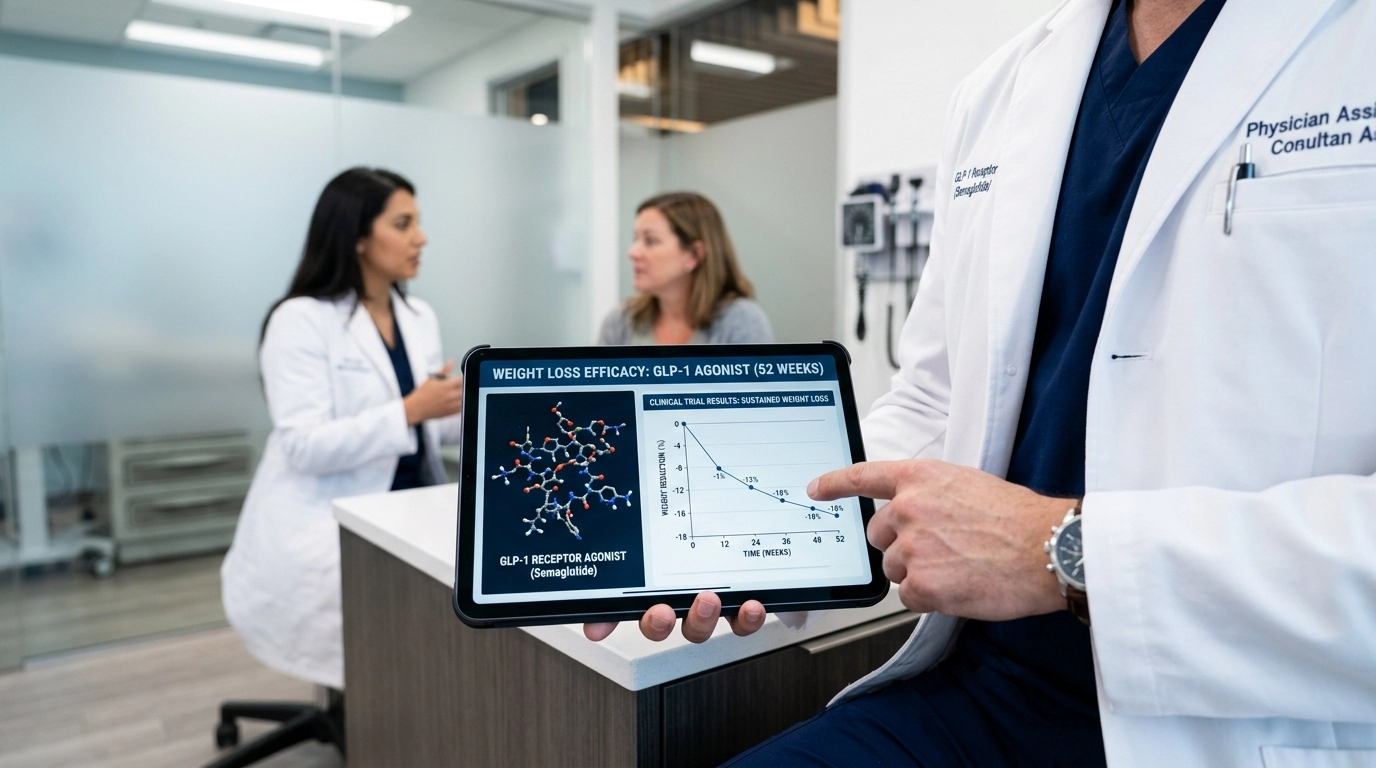
Physician assistant educating a patient with a tablet while preparing for pance prep courses.

Why Choose CME Review Courses?

When you are looking for pance prep courses or a panre review course, the market is saturated. What sets CME Review Courses apart is our commitment to the PA profession. We provide:

  • AAPA Category 1 Credits: All 100 hours are high-value and recognized for your 10-year recertification cycle.
  • Blueprint-Specific Content: We don’t give you fluff. We focus on the NCCPA blueprints, including Infectious Disease, Neurology, and Musculoskeletal.
  • Flexibility: Whether you need an Emergency Medicine EOR review or a broad PACKRAT review course, we have tailored options.
  • The Add-On Advantage: The ability to include an Amazon or Apple gift card ($100-$1500) into your purchase helps you manage your professional budget more effectively.

Navigating Complex Patient Profiles

The exam often tests your ability to manage patients with multi-system involvement. This is where your pance prep courses training really pays off.

Clinical Vignette 3

Your patient is a 28-year-old female presenting with a 2-day history of increased frequency of urination, urgency, and suprapubic pain. She denies fever, chills, or flank pain. She is sexually active and uses oral contraceptives. Her last menstrual period was 2 weeks ago.

Vital Signs:

  • Temp: 98.6°F
  • BP: 118/76 mmHg
  • HR: 72 bpm

A urinalysis shows positive nitrites and leukocyte esterase.

Question: What is the most appropriate first-line treatment for this patient, assuming local resistance patterns are low?
A) Ciprofloxacin
B) Nitrofurantoin
C) Ceftriaxone
D) Doxycycline

Explanation: The correct answer is B) Nitrofurantoin. This patient has an uncomplicated cystitis. Nitrofurantoin (Macrobid) is considered a first-line agent due to its high efficacy and minimal impact on vaginal flora. Ciprofloxacin (Choice A) is no longer a first-line choice for uncomplicated UTI due to the potential for serious side effects and the need to reserve fluoroquinolones for more severe infections. Ceftriaxone (Choice C) is typically reserved for pyelonephritis or complicated cases. Doxycycline (Choice D) is more appropriate for urethritis (e.g., Chlamydia) rather than simple cystitis.

Microscope and petri dish illustrating clinical diagnostics in a panre review course.

Financial Savvy for the Modern PA

In the year 2026, the cost of medical education continues to rise. Being a "smart" PA means more than just knowing your clinical guidelines: it means managing your career like a business. By selecting a panre review course with cme gift cards added on, you are making a strategic financial decision.

  • No Out-of-Pocket Waste: Use the money your hospital already set aside for you.
  • Equip Your Practice: Use the Apple gift card to buy the latest medical apps or an Apple Watch to track your steps during a 12-hour shift. Use the Amazon card for anything from a new stethoscope to coffee for those late-night study sessions.
  • Earn 100 Credits: Stop worrying about your CME cycle for the next two years.

For a full list of our courses and to see how you can customize your package, visit our main site at cmereviewcourses.com. Whether you need to brush up on the Gastrointestinal Blueprint or the Psychiatry Blueprint, we have the resources to ensure you are prepared.

Conclusion

Your PANRE review doesn't have to be a drain on your personal finances. By integrating gift card add-ons into your educational plan, you leverage your professional benefits to their fullest extent. Remember, these are not "free" gifts: they are a smart, itemized part of a comprehensive 100-hour AAPA Category 1 CME package designed to help you succeed.

Invest in your education, equip your practice, and pass your boards with confidence. Explore our CME with gift card options today and change the way you budget for your professional future.

Posted on

The Ultimate Guide to PANRE Review: Everything You Need to Succeed on the First Try

Hero Image

Course Price: $399.99 (Base)
Access Duration: 30 Months
Deliverables: 100 Hours of AAPA Category 1 Credit, 1,672 Board-Style Questions

Preparing for the Physician Assistant National Recertification Exam (PANRE) or the PANRE-LA requires a strategic approach to the NCCPA blueprint. This guide outlines the essential components of a successful review, the logistics of obtaining high-volume CME credit, and how to maximize your employer-provided CME budget.

High-Yield PANRE Review Strategies

Effective PANRE preparation focuses on the thirteen core organ systems identified by the NCCPA. At CME Review Courses, our content is developed by physician assistants who have successfully navigated the recertification process. This professional perspective ensures that the material is high-yield and clinical in nature.

The PANRE Review Course covers essential clinical domains:

  • Cardiology and Pulmonology: Focusing on EKG interpretation and obstructive vs. restrictive disease.
  • Emergency Medicine and Orthopedics: Managing acute traumas and musculoskeletal injuries.
  • Internal Medicine and Hospitalist Care: Managing complex, multi-system chronic diseases.
  • Dermatology, Psychiatry, and Neurology: Identifying classic presentations and standard pharmacologic interventions.

Clinical Confidence

100 Hours of AAPA Category 1 Credit

A primary benefit of the PANRE Review Course is the awarding of 100 hours of AAPA Category 1 Credit. This is a significant volume of credit that can satisfy the majority of your two-year cycle requirements in a single course.

It is important to note that the NCCPA applies an additional 50% weighting to self-assessment credits. When you log 100 hours of Category 1 self-assessment credit from this course, it is recognized as 150 credits toward your NCCPA requirement. This efficiency allows you to focus more on clinical practice and less on administrative credit tracking.

While the PANRE course provides 100 hours of Category 1 credit, our Pharmacology Review Course provides specialized credit focused strictly on pharmacotherapeutics. Note that credit for Nurse Practitioners and Physicians may vary; MDs and DOs typically claim these hours as Category 2 CME.

Maximizing CME Budgets with Gift Card Add-ons

Many PAs and NPs receive an annual CME allowance that must be used or lost. We offer an efficient way to utilize these funds. Our packages allow for Amazon or Apple Gift Card add-ons ranging from $100 to $1,500.

When you purchase a package, the gift card is included as part of the educational bundle. This allows you to purchase necessary educational tools, such as medical texts, tablets, or other clinical equipment, through the gift card while staying within your professional development budget. Detailed purchasing instructions are available to ensure your receipt reflects the total package price for reimbursement purposes.

Gift Card Add-ons

Practice Questions and Clinical Vignettes

Active recall is the most effective method for long-term retention of medical knowledge. The following clinical vignettes represent the style and depth of the 1,672 questions included in our comprehensive question bank.

Clinical Scenario 1: Cardiology

Your patient is a 64-year-old male presenting to the emergency department with sudden onset substernal chest pain that radiates to his left jaw. He is diaphoretic. Vital signs are HR 102, BP 148/92, and SaO2 96% on room air. An EKG is performed immediately.

Which of the following EKG findings is most indicative of an acute posterior wall myocardial infarction?
A. ST-segment elevation in leads II, III, and aVF
B. ST-segment depression in leads V1 through V3 with tall R waves
C. Pathologic Q waves in leads I and aVL
D. New-onset left bundle branch block (LBBB)

Correct Answer: B. ST-segment depression in leads V1 through V3 with tall R waves.
In the setting of a posterior MI, the anterior leads (V1-V3) show "mirror images" of the posterior wall activity. Therefore, instead of ST-elevation and Q waves, you see ST-depression and tall R waves. Choice A indicates an inferior wall MI. Choice C suggests a lateral wall MI. Choice D is often associated with an anterior MI but is less specific for the posterior wall.

Cardiology Visual

Clinical Scenario 2: Orthopedics

Your patient is a 22-year-old female athlete who felt a "pop" in her knee while pivoting during a soccer match. She presents with immediate swelling and an inability to bear weight. On physical exam, she has a positive Lachman test.

What is the most likely diagnosis?
A. Medial collateral ligament (MCL) tear
B. Meniscal tear
C. Anterior cruciate ligament (ACL) tear
D. Patellar tendon rupture

Correct Answer: C. Anterior cruciate ligament (ACL) tear.
The classic presentation of a pivoting injury followed by an audible "pop" and immediate hemarthrosis (swelling) is highly suggestive of an ACL tear. The Lachman test is the most sensitive physical exam maneuver for this injury. MCL tears (Choice A) usually result from a valgus stress. Meniscal tears (Choice B) often present with delayed swelling and mechanical symptoms like locking. Patellar tendon ruptures (Choice D) present with an inability to extend the knee and a high-riding patella.

Clinical Scenario 3: Dermatology

Your patient is a 34-year-old male presenting with a pruritic, "tapioca-like" vesicular rash on the lateral aspects of his fingers and palms. He mentions that the rash seems to flare during periods of high stress.

What is the most appropriate first-line treatment for this condition?
A. Oral Griseofulvin
B. Topical Clobetasol propionate
C. Oral Acyclovir
D. Topical Permethrin

Correct Answer: B. Topical Clobetasol propionate.
The description of "tapioca-like" vesicles on the hands is pathognomonic for dyshidrotic eczema (pompholyx). First-line treatment consists of high-potency topical corticosteroids. Griseofulvin (Choice A) is used for fungal infections. Acyclovir (Choice C) is for viral infections like HSV. Permethrin (Choice D) is the treatment for scabies.

Conclusion

Navigating the PANRE requires a dedicated study plan and access to peer-reviewed, PA-specific content. By utilizing the 100-hour AAPA Category 1 CME credit course from CME Review Courses, you can ensure both exam readiness and compliance with NCCPA standards. Integrating a gift card add-on provides a pragmatic solution for maximizing your annual CME budget while preparing for your recertification exam.

Posted on

CME with Amazon Gift Card vs. Apple: Which Is Better For Your Professional Development?

CME with Amazon Gift Card vs. Apple

Price: $399.99 – $1,899.99
Duration of Access: 30 Months
Deliverables: 100 Hours of AAPA Category 1 CME Credit (PANRE Course), Comprehensive Question Bank, 30-Month Access

If you are a Physician Assistant, Nurse Practitioner, or Physician with an annual CME budget, you know the "use it or lose it" pressure. At CME Review Courses, we believe that money shouldn't just buy you a certificate; it should help you build your clinical practice and your lifestyle. That is why we offer the industry’s most flexible CME with Gift Card add-ons.

Whether you are preparing for the PANRE (Physician Assistant National Recertification Exam) or simply need to refresh your knowledge in Internal Medicine or Pharmacology, our packages allow you to add a $100 to $1,500 Amazon or Apple gift card to your purchase.

But which one should you choose? Let’s break down how to maximize your professional development funds.

Amazon Gift Cards: The Generalist’s Choice

Choosing an Amazon Gift Card with your CME purchase is like walking into the world’s largest department store for medical professionals. For most PAs and NPs, the Amazon option is the ultimate tool for practical professional development.

Amazon vs Apple CME

Why Choose Amazon?

  1. Clinical Resources: You can use your gift card to purchase the latest editions of medical textbooks, diagnostic tools (like a high-end Littmann stethoscope), or even medical scrubs.
  2. Home Office Upgrades: With 30 months of access to our courses, you’ll be spending time at your desk. Amazon allows you to upgrade your ergonomics with a new chair, a second monitor for viewing PANRE Review content, or a high-quality webcam for telehealth rotations.
  3. Daily Efficiency: Sometimes professional development means being more efficient at home so you can focus on your studies. If your $1,500 gift card covers your household essentials for a month, that is more time and mental energy you can dedicate to mastering the NCCPA Blueprint.

Apple Gift Cards: The Tech-Focused Clinician

The Apple Gift Card option is specifically tailored for those who integrate technology directly into their clinical workflow. If you use an iPad for patient education or an Apple Watch to track your vitals during a long hospitalist shift, this is your best bet.

Why Choose Apple?

  1. Hardware for Education: Use your add-on to purchase an iPad Pro or a MacBook. These are ideal for running our Pharmacology Review CME software and reviewing high-resolution dermatology images.
  2. Medical Apps: The App Store is filled with premium clinical decision support tools. An Apple Gift Card can cover subscriptions to drug databases, anatomy apps, or productivity tools that keep your practice organized.
  3. Ecosystem Integration: For many PAs working in Cardiology or Neurology, having all their medical data synced across devices is a game-changer.

The Reimbursement Hack: Non-Itemized Receipts

One of the most frequent questions we get is: "How do I explain the gift card to my employer?"

The answer is simple: You don't have to.

At CME Review Courses, we provide a non-itemized receipt. When you purchase a PANRE Review Course with a $1,500 gift card add-on, your receipt will show a single line item for the "CME Course." This allows for a clean, efficient reimbursement process through your employer or hospital system. We focus on the content and value of the credits, ensuring you get the education you need and the tools you want without the administrative headache.

Professional Reimbursement Receipt

PANRE Review: 100 Hours of AAPA Category 1 Credit

While the gift card is a great perk, the core of our program is the educational value. Our PANRE Review Course offers 100 hours of AAPA Category 1 CME credit. This content was written by physician assistants for physician assistants, ensuring that every minute you spend studying is high-yield and relevant to the exam.

We cover the entire NCCPA blueprint, including:

  • Cardiology
  • Pulmonology
  • Gastrointestinal/Nutrition
  • Orthopedics
  • Dermatology
  • Psychiatry & Behavioral Health

While the 100 hours of Category 1 credit apply specifically to the PANRE course, we also offer a high-yield Pharmacology Course that provides Category 1 AAPA credit, which is essential for maintaining your license and fulfilling state-specific requirements.

PANRE Course Dashboard


Clinical Assessment: High-Yield Practice Questions

In our PANRE Review, we use a direct clinical vignette format to prepare you for the reality of the boards and the bedside.

Clinical Consultation Scene

Scenario 1
Your patient is a 64-year-old male with a history of hypertension and tobacco use who presents with a 4-hour history of sudden, severe "tearing" chest pain that radiates to his back. On physical exam, his BP is 185/105 mmHg in the right arm and 160/90 mmHg in the left arm. A new diastolic murmur is noted at the right sternal border.

What is the most appropriate next step in the management of this patient?
A. Immediate administration of intravenous thrombolytics
B. Stat Transthoracic Echocardiogram (TTE)
C. Intravenous beta-blockade with esmolol or labetalol
D. Emergency consultation for cardiac catheterization

Answer and Explanation:
The correct answer is C. Intravenous beta-blockade with esmolol or labetalol.

This patient is presenting with a classic clinical picture of an Aortic Dissection. The key to management is heart rate and blood pressure control to reduce the shear stress (dP/dt) on the aortic wall. Beta-blockers should be initiated before any vasodilators to prevent reflex tachycardia, which can worsen the dissection. A is contraindicated as it would lead to catastrophic bleeding. B is less sensitive than a CT Angiogram or TEE for dissection. D is for an acute MI, which is not the primary suspicion here given the BP discrepancy and tearing pain.

Scenario 2
Your patient is a 28-year-old female presenting with a "velvety" brown, hyperpigmented plaque on the posterior aspect of her neck. She has a BMI of 32 and mentions she has been feeling more fatigued than usual lately.

Which of the following is the most likely underlying condition associated with this physical exam finding?
A. Adrenal insufficiency
B. Insulin resistance
C. Squamous cell carcinoma
D. Hypothyroidism

Answer and Explanation:
The correct answer is B. Insulin resistance.

The skin finding is Acanthosis Nigricans. It is frequently associated with obesity and insulin resistance (Type 2 Diabetes Mellitus). While it can rarely be a paraneoplastic sign of internal malignancy (typically gastric adenocarcinoma), in a 28-year-old with a high BMI, metabolic syndrome is the most likely association. A would present with more generalized hyperpigmentation. C and D do not typically manifest with this specific velvety plaque.

Who Should Buy These Packages?

While our content is written by PAs, our CME packages are bought and used by a wide variety of clinicians:

  • Physician Assistants: Primarily for the 100 hours of AAPA Category 1 credit needed for PANRE/PANCE.
  • Nurse Practitioners: In many states, Category 1 AAPA credit is accepted for NP certification maintenance.
  • Physicians: Internal Medicine and Hospitalist physicians find great value in the content. While this counts as Category 2 CME for physicians, the gift card add-ons make it an efficient way to utilize remaining annual budgets.

Conclusion

Whether you choose the Amazon Gift Card for its versatility or the Apple Gift Card to upgrade your clinical tech, the real winner is your professional development. You get high-quality, PA-written education, 100 hours of Category 1 credit for your PANRE, and the gear you need to succeed: all on one clean, non-itemized receipt.

Don't let your CME budget go to waste. Browse our CME with Gift Card packages today and get the most out of your medical education.

Posted on

PANRE Review Secrets Revealed: How to Master the New NCCPA Blueprint Without Burnout

PANRE Review Secrets

Recertification is a marathon, not a sprint. Whether you are preparing for the traditional Physician Assistant National Recertification Exam (PANRE) at a testing center or navigating the longitudinal PANRE-LA over several years, the pressure to maintain clinical competency while managing a full patient load is immense. The NCCPA blueprint continues to evolve, shifting focus toward core medical knowledge that reflects real-world clinical practice.

To succeed, you don't need to memorize every rare genetic disorder. You need high-yield content that mirrors the cases you see in the ER, the family clinic, and the hospital wards. At CME Review Courses, we provide a streamlined, efficient path to both your recertification and your CME requirements.

PANRE Review Course Deliverables

  • Price: $399.99
  • Duration: 30 Months of Full Access
  • Deliverables: 100 Hours of AAPA Category 1 CME Credit
  • Gift Card Add-ons: $100 to $1,500 Amazon or Apple Gift Cards available
  • Content Access: Immediate digital access to all specialty modules

Decoding the New NCCPA Blueprint

The modern PANRE blueprint isn't just a list of diseases; it is a hierarchy of clinical knowledge. The NCCPA utilizes assessment levels to categorize how deeply you need to know a specific topic. Understanding these levels is the "secret" to not over-studying low-yield details.

  1. Level 1: You must recognize the most likely diagnosis based on signs, symptoms, and risk factors. You also need to know when to refer the patient to a specialist.
  2. Level 2: This is the "sweet spot" for the majority of the exam. You must recognize signs and symptoms, interpret diagnostic studies (labs, imaging, EKGs), and identify first-line treatments.

Our PANRE Review Course is specifically structured around these levels. We don't waste your time with tertiary treatments or obscure surgical techniques that are outside the scope of a PA’s core recertification.

Clinical Knowledge Levels
Effective study requires focusing on the core "Level 2" competencies of the NCCPA blueprint.

Written by PAs, for PAs

Most board review courses are written by academic physicians who haven't sat for a PA board exam in decades. Our content is different. It was written by physician assistants for physician assistants.

We understand the specific phrasing of NCCPA questions and the "classic" presentations that show up on the boards. Our course covers the heavy-hitting specialties that make up the bulk of the blueprint:

  • Emergency Medicine
  • Family Medicine
  • Internal Medicine / Hospitalist
  • Orthopedics
  • Cardiology
  • Dermatology
  • Psychiatry
  • Neurology
  • OB/GYN

Because we cover such a wide breadth of clinical medicine, our packages are also frequently used by Nurse Practitioners and Internal Medicine Physicians. While physicians can only claim Category 2 credit, the clinical value remains high for anyone practicing in a generalist or acute care setting.

The Strategy of the CME Gift Card Add-On

One of the most frequent questions we receive is how to maximize a professional development budget. Many employers offer a set "CME money" amount (often $1,500 to $2,500) that must be used or lost.

We offer an efficient way to use these funds. You can purchase the PANRE Review Course and add an Amazon or Apple Gift Card worth up to $1,500. This allows you to get your 100 hours of AAPA Category 1 CME and the tools you need for further education: like a new iPad for clinical note-taking or medical textbooks from Amazon: all in one transaction.

This is a pragmatic way to ensure you are getting the most value out of your employment benefits. Our receipts are professional and itemized, ensuring a smooth reimbursement process with your hospital or group's HR department.

CME Gift Card Strategy
Maximize your professional development budget with integrated gift card add-ons.


Clinical Review: Practice Questions

To get you in the mindset of the blueprint, let’s look at a few high-yield scenarios.

Vignette 1: Cardiovascular Medicine

Your patient is a 68-year-old male presenting to the clinic with a history of hypertension and a 40-pack-year smoking history. He complains of a "dull ache" in his mid-back that started yesterday. He denies any chest pain or shortness of breath. On physical exam, his BP is 155/92 mmHg, HR 88 bpm. You palpate a pulsatile mass in the epigastric region.

What is the most appropriate initial diagnostic study for this patient?
A. Contrast-enhanced CT of the abdomen
B. Abdominal Ultrasound
C. MRI of the thoracic spine
D. Chest X-ray (AP/Lateral)

Explanation:
The correct answer is B. Abdominal Ultrasound. This patient’s presentation is classic for an Abdominal Aortic Aneurysm (AAA). An ultrasound is the preferred initial screening and diagnostic tool because it is non-invasive, cost-effective, and has a high sensitivity for detecting AAAs.

  • A is incorrect: While a CT is excellent for surgical planning or identifying a rupture, an ultrasound is the standard initial study for a stable patient with a suspected AAA.
  • C and D are incorrect: These are unrelated to the suspected vascular pathology and would delay the necessary diagnosis.

Vignette 2: Orthopedics

Your patient is a 24-year-old female who was playing soccer when she planted her foot to change direction and felt a "pop" in her right knee. She experienced immediate swelling and an inability to bear weight. On exam, she has a positive Lachman’s test and a positive anterior drawer sign.

Which of the following is the most likely diagnosis?
A. Medial Meniscus Tear
B. Posterior Cruciate Ligament (PCL) Tear
C. Anterior Cruciate Ligament (ACL) Tear
D. Medial Collateral Ligament (MCL) Sprain

Explanation:
The correct answer is C. Anterior Cruciate Ligament (ACL) Tear. The classic "non-contact deceleration" injury with an audible "pop" and immediate effusion (hemarthrosis) is highly suggestive of an ACL tear. The Lachman’s test is the most sensitive physical exam maneuver for this injury.

  • A is incorrect: Meniscal tears typically involve delayed swelling and mechanical symptoms like locking or catching.
  • B is incorrect: PCL injuries usually result from a direct blow to the proximal tibia (dashboard injury) and have a positive posterior drawer sign.
  • D is incorrect: MCL injuries result from a valgus stress and present with tenderness along the medial joint line, not necessarily an immediate effusion.

Clinical Orthopedic Exam
Mastering the physical exam maneuvers like the Lachman’s test is essential for Level 2 blueprint questions.


Why 100 Hours of Category 1 CME Matters

For PAs, the NCCPA requires 100 hours of CME every two years, at least 50 of which must be Category 1. Our PANRE Review Course provides 100 hours of Category 1 AAPA credit in a single package.

This means that with one course, you fulfill your entire two-year requirement for the NCCPA while simultaneously preparing for your boards. It is the most time-efficient way to handle your professional obligations.

For Nurse Practitioners, AAPA credit is often accepted by state boards and the AANP/ANCC, though we always recommend checking your specific state regulations. Similarly, while physicians can find significant clinical value in our EM, FM, and Cardiology modules, these credits count as Category 2 CME for MDs/DOs.

High-Yield Content Overload?

We focus on clinical "pearls" that help you differentiate between similar pathologies. For instance, in our Dermatology module, we don't just show you pictures; we explain the "Buzzwords" the NCCPA loves:

  • Pityriasis Rosea: Herald patch and Christmas tree distribution.
  • Erythema Multiforme: Targetoid lesions often following HSV infection.
  • Actinic Keratosis: Sandpaper texture, precursor to Squamous Cell Carcinoma.

In Internal Medicine, we simplify complex topics like acid-base disturbances and electrolyte management: areas where many PAs lose points on the exam.

Vignette 3: Emergency Medicine

Your patient is a 42-year-old male brought to the ED by EMS after being found down in an alley. He is lethargic and smells of alcohol. Vital signs: BP 110/70, HR 112, RR 10, Temp 97.6°F. His pupils are pinpoint. He has shallow respirations.

What is the first-line medication that should be administered?
A. Flumazenil
B. Dextrose 50%
C. Naloxone
D. Thiamine

Explanation:
The correct answer is C. Naloxone. The triad of lethargy (coma), pinpoint pupils (miosis), and respiratory depression is the classic presentation for an opioid overdose. Naloxone is the definitive first-line treatment to reverse the respiratory depression.

  • A is incorrect: Flumazenil reverses benzodiazepines but can trigger intractable seizures in chronic users and is rarely used as a first-line "coma cocktail" drug.
  • B and D are incorrect: While these may be part of the "unresponsive patient" protocol (checking for hypoglycemia or preventing Wernicke’s), they do not address the immediate life-threatening respiratory depression caused by opioids.

Conclusion: Take the Stress Out of Recertification

Mastering the PANRE doesn't have to mean months of social isolation and burnout. By focusing on high-yield, PA-written content, you can study smarter.

With 30 months of access, 100 hours of AAPA Category 1 CME, and the ability to add up to a $1,500 Amazon or Apple Gift Card, the CME Review Courses PANRE Package is the definitive resource for the modern Physician Assistant.

Don't let your CME money go to waste. Invest in a course that understands your profession, respects your time, and gives you the tools to excel in your clinical practice and on your board exams.

PA at Work
Join the thousands of PAs who have simplified their recertification process with our high-yield review.

Posted on

5 Steps How to Maximize Your CME Budget and Get an Amazon Gift Card (Easy Guide for PAs)

Hero Image

Course: PANRE Review Course
Price: $399.99 (Base Course)
Duration: 30 Months of Access
Deliverables: 17 Hours of Video Content, 1,672 Board-Style Questions
Credits: 100 Hours of AAPA Category 1 CME Credit

Navigating the annual CME allowance provided by your employer can be a logistical headache. As a Physician Assistant, you need high-yield content that prepares you for the PANRE while also making the most of your allocated funds. At CME Review Courses, we provide an efficient way to convert your education budget into both knowledge and practical value through our CME gift card add-on program.

Here is a 5-step guide to maximizing your CME budget using our specialized PANRE Review Course.


Step 1: Verify Your Employer’s CME Policy

Before making any purchase, review your employment contract or hospital bylaws regarding CME reimbursement. Most institutions provide an annual stipend (typically between $1,500 and $3,000) for professional development. Understand the deadline for submission and the specific documentation required for reimbursement.

Maximize Budget

Step 2: Select the PANRE Review Course

The foundation of your purchase should be a high-quality, peer-reviewed educational program. Our PANRE Review Course is written by PAs for PAs. It is specifically designed to cover the NCCPA blueprint, including high-stakes areas like Cardiology, Pulmonology, and GI.

When you purchase this course, you are acquiring 100 hours of AAPA Category 1 CME credit. A critical benefit for PAs is that the NCCPA applies a 50% weighting to self-assessment CME. This means these 100 hours of credit can actually count for 150 hours toward your certification maintenance requirements, providing a massive boost to your cycle requirements in a single course.

Step 3: Add Your Educational Gift Card

Once the PANRE Review Course is in your cart, you can select a gift card add-on. We offer Amazon and Apple gift cards in increments ranging from $100 to $1,500.

These gift cards are intended to further enrich your education by allowing you to purchase medical equipment, textbooks, or technology (like an iPad for patient education) that your specific employer might not directly reimburse. By bundling the gift card with your CME course, you utilize your full stipend before the fiscal year ends.

Step 4: Utilize the "Clean Receipt" System

The biggest pitfall PAs face with bundled CME packages is reimbursement rejection due to itemization. Many hospital accounting departments will not reimburse a receipt that shows a gift card purchase.

We solve this through our "Clean Receipt" system. Upon purchase, you receive two separate receipts:

  1. The Itemized Receipt: This shows the full breakdown of the course and the gift card add-on.
  2. The "Clean" Receipt: This shows a single line item for the "Educational Professional Development Package" or "CME Review Course" for the total amount spent.

This dual-receipt system allows you to submit the documentation required by your employer without the administrative friction caused by visible gift card line items.

Receipt Concept

Step 5: Access Your Content and Claim Credits

After following the purchasing instructions, your course is unlocked immediately. You have 30 months to review the 1,672 board-style questions and 17 hours of video.

To claim your 100 hours of AAPA Category 1 CME credit, you must complete the course evaluation. This credit is vital for your PANRE or PANRE-LA preparation, ensuring you are current on the latest clinical guidelines across all major organ systems.

Study Focus


Clinical Review: Practice Scenarios

To ensure you are prepared for the clinical rigor of the PANRE, we include practice vignettes in our reviews. Testing your knowledge in a clinical context is the most effective way to prepare for the NCCPA exam.

Clinical Vignette

Scenario 1

Your patient is a 64-year-old male with a history of hypertension and tobacco use who presents to the emergency department with sudden onset, tearing chest pain radiating to his back. His blood pressure is 190/110 mmHg in the right arm and 165/95 mmHg in the left arm. Heart rate is 105 bpm.

Which of the following is the most appropriate initial diagnostic study to confirm the suspected diagnosis?

A. Chest X-ray
B. Transesophageal echocardiogram (TEE)
C. CT Angiography of the chest and abdomen
D. Electrocardiogram (ECG)

Correct Answer: C. CT Angiography of the chest and abdomen.
CT Angiography is the gold standard for diagnosing aortic dissection in hemodynamically stable patients due to its high sensitivity and specificity. While a chest X-ray might show a widened mediastinum, it is not diagnostic. TEE is highly accurate but often reserved for unstable patients who cannot be moved to CT. An ECG is necessary to rule out myocardial infarction but will not confirm a dissection.

Scenario 2

Your patient is a 28-year-old female presenting with a "butterfly" rash across her malar eminences, joint pain in her hands, and extreme fatigue for the past three weeks. Laboratory findings show a positive ANA and anti-double-stranded DNA (anti-dsDNA) antibodies.

What is the most likely diagnosis for this patient?

A. Rheumatoid Arthritis
B. Systemic Lupus Erythematosus (SLE)
C. Rosacea
D. Scleroderma

Correct Answer: B. Systemic Lupus Erythematosus (SLE).
The malar rash combined with joint pain and positive anti-dsDNA antibodies is pathognomonic for SLE. Rheumatoid arthritis typically involves symmetric joint destruction without the malar rash or anti-dsDNA. Rosacea causes facial flushing but lacks systemic symptoms and autoantibodies. Scleroderma involves skin thickening and anti-Scl-70 antibodies.

Scenario 3

Your patient is a 45-year-old male with a history of alcohol use disorder presenting with epigastric pain that radiates to the back. He reports nausea and multiple episodes of emesis. On physical exam, you note Cullens’s sign. Lab results show an elevated serum lipase three times the upper limit of normal.

What is the most appropriate next step in the management of this patient?

A. Immediate surgical consultation for cholecystectomy
B. Aggressive intravenous fluid resuscitation and pain management
C. Oral administration of pancreatic enzymes
D. Outpatient follow-up with a gastroenterologist

Correct Answer: B. Aggressive intravenous fluid resuscitation and pain management.
Acute pancreatitis management is primarily supportive. Aggressive IV hydration is the most critical intervention to prevent pancreatic necrosis and organ failure. Surgery is only indicated if there is a specific biliary cause or complications. Pancreatic enzymes are used for chronic, not acute, pancreatitis. This patient requires inpatient admission, not outpatient follow-up.


Conclusion

Maximizing your CME budget doesn't have to be complicated. By choosing the PANRE Review Course, you secure 100 hours of AAPA Category 1 CME, prepare thoroughly for your recertification exam, and utilize your full employer stipend with an Amazon or Apple gift card add-on.

For those focusing specifically on pharmacology requirements, we also offer a Pharmacology Review CME course that provides specialized credit in that area.

Plan your education, secure your gift card, and maintain your certification with confidence.

Posted on

Are You Making These Common PANRE-LA Mistakes? 3 Ways to Maximize Your Quarterly CME

Physician Assistant studying for PANRE-LA with a gift card

Price: $399.99
Access: 30 months
Deliverables: 1,672 board-style review questions and 17 hours of video content
Accreditation: 100 hours of AAPA Category 1 Self-Assessment CME Credit

The PANRE-LA (Physician Assistant National Recertification Exam – Longitudinal Assessment) has shifted the way physician assistants maintain certification. Moving away from the high-stakes, once-every-ten-years proctored exam, the longitudinal model offers 25 questions every quarter. However, this flexibility introduces new administrative and clinical risks. Many PAs are failing to optimize their CME budget or are falling into policy traps that could jeopardize their certification.

Product Overview: The Efficient Path to PANRE-LA Success

Our PANRE Review Course is specifically designed to align with the current NCCPA blueprint. While the PANRE-LA allows for open-resource testing, the three-minute time limit per question requires immediate clinical recognition. Relying on search engines during the exam is a high-risk strategy that leads to timed-out questions and decreased scores.

The course provides 100 hours of AAPA Category 1 Self-Assessment credit. This is a critical distinction for PAs, as the NCCPA applies a 50% weighting bonus to self-assessment credits, effectively turning these 100 hours into 150 hours toward your cycle requirements. The content covers the entirety of the thirteen blueprint sections, including Cardiology, Pulmonology, and GI, ensuring you are prepared for the quarterly question sets.

For those focusing specifically on the high-yield pharmacology requirements, we also offer a Pharmacology Review CME which provides 20 hours of AAPA Category 1 CME. This course is an ideal supplement for mastering the pharmacological management questions that represent a significant portion of the PANRE-LA.

CME Gift Card Add-ons

Maximizing Your CME Budget with Gift Card Add-Ons

One of the most effective ways to utilize your employer-provided CME allowance is through our CME with Gift Card packages. We offer the ability to add an Amazon, Apple, or Best Buy gift card ranging from $100 to $1,500 to your purchase.

A frequent concern among PAs is the reimbursement process. We address this by providing a clean, non-itemized receipt. Your reimbursement documentation will reflect the total price of the "CME Course," ensuring a smooth approval process with your administration or hospital system. This allows you to enrich your clinical education while receiving a tangible bonus to upgrade your technology or professional library.


3 Common PANRE-LA Mistakes and How to Avoid Them

1. Mismanaging the "Cushion" and Quarterly Deadlines

The PANRE-LA structure consists of 12 quarters. The NCCPA only counts your best 8 quarters toward your final score. A common mistake is a lack of urgency in the early quarters. PAs who skip quarters or perform poorly in the first year lose their "safety net," placing extreme pressure on the final four quarters of the cycle.

Furthermore, failing to meet the Administrative Certification Extension (ACE) deadline is a logistical pitfall. If you do not complete your annual certification maintenance requirements between January 1 and January 31, you risk being withdrawn from the PANRE-LA entirely.

PANRE-LA Deadlines and Calendar

The Solution: Treat every quarter as if it is your final score. Use our question bank of 1,672 questions to stay sharp. By the time your quarterly questions open, your clinical reflexes should be fast enough to answer within the three-minute window without external searching.

2. Policy Violations: AI and Content Sharing

With the rise of AI tools, some PAs have attempted to use LLMs to solve PANRE-LA questions in real-time. This is a direct violation of NCCPA policy. Entering intact test items, answer options, or rationales into search engines or AI tools is prohibited and can lead to the revocation of your certification.

The NCCPA monitors for these behaviors. Instead of risking your license on an AI that may hallucinate medical data, utilize a peer-reviewed, PA-authored course. Our content was written by physician assistants for physician assistants, ensuring the terminology and clinical logic match the actual exam experience.

3. Inefficient Use of CME Funds

Many PAs wait until the end of their two-year cycle to "scramble" for credits. This often leads to purchasing generic, low-yield credits that do not help with the PANRE-LA. By investing in the 100-hour PANRE Review Course early, you satisfy your Category 1 requirements and gain a study tool that lasts for 30 months: covering your entire longitudinal assessment period.

Using a clean receipt for a package that includes a $1,500 gift card is the most efficient way to handle your professional development funds. It covers your education, your certification credits, and your technology needs in a single transaction.

Clean non-itemized receipt for CME reimbursement


Clinical Review: Practice Questions

The following scenarios represent common clinical presentations found in the PANRE-LA blueprint.

Question 1

Your patient is a 54-year-old male with a history of hypertension and tobacco use who presents with sudden onset of "ripping" chest pain that radiates to the back. His blood pressure in the right arm is 190/110 mmHg and 160/95 mmHg in the left arm. A chest X-ray reveals a widened mediastinum. What is the most appropriate initial pharmacological intervention?

A) Intravenous Heparin bolus
B) Intravenous Labetalol
C) Sublingual Nitroglycerin
D) Oral Aspirin 325 mg

Correct Answer: B) Intravenous Labetalol
Explanation: This patient presents with classic signs of an aortic dissection (tearing pain, blood pressure discrepancy, widened mediastinum). The immediate goal is to reduce heart rate (HR) and blood pressure (BP) to decrease shear stress on the aorta. Labetalol is a first-line agent because it provides both alpha and beta-blockade. Heparin is contraindicated as it may worsen bleeding into the false lumen. Nitroglycerin can cause reflex tachycardia, which increases shear stress, and should only be used after heart rate is controlled with a beta-blocker.

Question 2

Your patient is a 28-year-old female complaining of a "fishy" vaginal odor that is more noticeable after intercourse. She denies pruritus or dysuria. Physical exam shows a thin, grayish-white discharge coating the vaginal walls. The pH of the discharge is 5.0. Whiff test with KOH is positive. What is the first-line treatment for this condition?

A) Fluconazole 150 mg PO once
B) Metronidazole 500 mg PO BID for 7 days
C) Ceftriaxone 500 mg IM once
D) Azithromycin 1g PO once

Correct Answer: B) Metronidazole 500 mg PO BID for 7 days
Explanation: The clinical presentation (grayish discharge, pH > 4.5, positive whiff test) is diagnostic for Bacterial Vaginosis (BV). Metronidazole (oral or vaginal) or Clindamycin are the recommended first-line treatments. Fluconazole is for candidiasis, which typically presents with a pH < 4.5 and thick "cottage cheese" discharge. Ceftriaxone and Azithromycin are used for Neisseria gonorrhoeae and Chlamydia trachomatis, respectively.

Question 3

Your patient is a 62-year-old male presenting with a 3-month history of a persistent, scaly, non-healing lesion on the bridge of his nose. He has a history of significant sun exposure. On exam, you note a 6 mm erythematous, keratotic papule with a "sandpaper" texture. There is no evidence of pearly borders or telangiectasias. What is the most likely diagnosis?

A) Basal Cell Carcinoma
B) Seborrheic Keratosis
C) Actinic Keratosis
D) Malignant Melanoma

Correct Answer: C) Actinic Keratosis
Explanation: Actinic Keratosis is a pre-malignant lesion caused by UV exposure, often described as having a "sandpaper" or gritty feel. It is a precursor to Squamous Cell Carcinoma. Basal Cell Carcinoma would typically show pearly borders and telangiectasias. Seborrheic Keratosis usually appears as a "stuck-on" waxy lesion. Melanoma would typically present with asymmetry, irregular borders, and color variegation.


Conclusion

Succeeding in the PANRE-LA requires more than just clinical knowledge; it requires administrative diligence and strategic use of your CME resources. Avoid the pitfalls of AI violations and missed deadlines by staying organized and using a high-yield review program.

By choosing our PANRE Review Course, you secure 100 hours of AAPA Category 1 credit, access 1,672 practice questions, and can take advantage of our gift card add-on program with clean receipts. This is the most efficient way to maintain your PA-C credentials while maximizing your professional benefits.

Posted on

The Ultimate Guide to High-Yield CME: Everything You Need to Succeed on the 2025 Blueprint

Maintaining your certification while balancing a full-time clinical load requires an efficient approach to continuing medical education. The 2025 PANRE Blueprint has narrowed its focus, and your study time should follow suit. At CME Review Courses, we provide the tools necessary to bridge the gap between clinical practice and board-style exam performance.

Price: $399.99
Access: 30 months
Deliverables: 100 Hours of Category 1 AAPA Credit
Gift Card Add-ons: $100 – $1,500 (Amazon or Apple)

High-Yield Alignment with the 2025 Blueprint

The NCCPA has structured the current blueprint to reflect the diseases most commonly encountered in practice. Our PANRE Review Course is built directly from these specifications, ensuring that you do not waste time on low-yield topics that are unlikely to appear on your exam.

According to the current blueprint, the highest-weighted organ systems include:

  • Cardiology (13%): Focusing on 45 distinct disorders ranging from HTN management to complex valvular disease.
  • Gastrointestinal and Nutrition (11%): Covering 37 disorders including IBD, malabsorption, and hepatobiliary pathology.
  • Pulmonary (10%): Addressing 18 critical disorders such as COPD, asthma, and restrictive lung diseases.
  • Musculoskeletal (8%): Essential clinical knowledge for 28 orthopedic and rheumatologic conditions.

Blueprint Focus

Content Written by PAs for PAs

There is a distinct difference between general medical review and content tailored to the Physician Assistant scope of practice. Our courses are written by practicing PAs who understand the nuances of the PANRE. This perspective ensures that the explanations resonate with your daily clinical experience while adhering to the rigorous standards of the board exam.

Whether you are in Family Medicine, Emergency Medicine, or a specialty like Cardiology or Orthopedics, our content provides the depth required for recertification without the "fluff" found in many physician-targeted products. While physicians and nurse practitioners often purchase our packages for the clinical value, the PANRE Review Course is specifically optimized for the 100 hours of AAPA Category 1 credit needed by PAs.

Efficiency and Practicality: Using Your CME Money Wisely

We recognize that most PAs receive an annual CME allowance from their employer. A common challenge is maximizing these funds before they expire. Our platform offers an efficient way to fulfill your 100-hour requirement while adding value to your personal education through gift card add-ons.

When you purchase a CME with Gift Card package, you can select an Amazon or Apple gift card ranging from $100 to $1,500.

The "Clean Receipt" Guarantee:
One of the primary concerns with gift card add-ons is the reimbursement process. Employers often reject receipts that itemize a gift card. We provide a clean receipt that shows the total purchase price for the "CME Review Course" only. This ensures that your reimbursement process remains seamless and compliant with standard employer educational benefit policies.

Gift Card and Receipt

Maximizing the 30-Month Access

Clinical guidelines evolve. By offering 30 months of access, we ensure that you have the most up-to-date information through your entire recertification cycle. This extended access period is particularly beneficial for those preparing for the PANRE-LA, as it allows you to reference high-yield modules quarterly.

For those needing focused pharmacology credit, our Pharmacology CME Review provides 12 hours of Category 1 AAPA credit, which is essential for maintaining prescriptive authority in many states.

Study Environment

Clinical Vignette and Assessment

The most effective way to test your knowledge of the 2025 Blueprint is through clinical vignettes. Below is a practice scenario representative of the high-yield cardiology section.

Clinical Scenario

Your patient is a 68-year-old male presenting with a 3-day history of progressive shortness of breath and a non-productive cough. He reports having to sleep upright in a recliner for the last two nights. His past medical history is significant for hypertension and a myocardial infarction four years ago.

Vitals:

  • HR: 112 bpm
  • BP: 158/94 mmHg
  • RR: 24 breaths/min
  • SaO2: 91% on room air
  • Temp: 98.6°F

On physical examination, you note bilateral 2+ pitting edema of the lower extremities and crackles at the lung bases bilaterally. A bedside echocardiogram reveals a reduced ejection fraction of 35%.

Which of the following is the most appropriate next step in the acute management of this patient?

A. Start oral Lisinopril 10mg daily
B. Administer IV Furosemide
C. Begin aggressive IV fluid resuscitation
D. Order an outpatient pulmonary function test (PFT)


Explanation

Correct Answer: B. Administer IV Furosemide

IV Furosemide is the correct choice for the acute management of decompensated heart failure with volume overload. The patient exhibits classic symptoms and signs of pulmonary edema (orthopnea, crackles, hypoxia) and systemic venous congestion (lower extremity edema). In the acute setting, rapid diuresis is necessary to improve respiratory status and reduce preload.

  • A (Lisinopril): While ACE inhibitors are a cornerstone of long-term HFrEF management, oral medications are not appropriate for the acute stabilization of a patient in respiratory distress from pulmonary edema.
  • C (IV fluids): This would worsen the patient's volume overload and exacerbate the pulmonary edema.
  • D (Outpatient PFT): This patient requires emergent acute care, and PFTs are not used for the diagnosis or management of acute heart failure.

Clinical Vignette

Integrating Real-World Factors

When preparing for the PANRE, it is important to remember that the exam often tests the "best next step" in management. This involves balancing diagnostic accuracy with cost-effectiveness and patient safety. For example, in the scenario above, the bedside ultrasound (echocardiogram) provided immediate data without the radiation exposure of a CT or the delay of formal laboratory results like BNP, which, while helpful, should not delay life-saving treatment in a clinically clear case of volume overload.

Conclusion

Success on the 2025 PANRE Blueprint depends on high-yield content and efficient study habits. By utilizing the PANRE Review Course, you gain access to 100 hours of AAPA Category 1 CME written by your peers. Take advantage of the 30-month access and the $1,500 gift card add-on with a clean receipt to make the most of your professional development funds this year.

Visit CME Review Courses to select your package and begin your high-yield review today.