Posted on

AAPA Category 1 Credit vs. Category 2: Which Is Better For Your License?

PANRE Review Course Details:

  • Price: $399.99
  • Access: 30 months
  • Deliverables: 100 Hours of AAPA Category 1 Credit
  • Add-ons: Amazon or Apple Gift Cards ($100 – $1500)

Understanding the Hierarchy of CME

For Physician Assistants and Nurse Practitioners, navigating the requirements of the NCCPA and state boards can be a logistical challenge. The primary distinction you must understand is between AAPA Category 1 Credit and Category 2 credit. While both contribute to your overall professional development, their weight in the eyes of certifying bodies and state licensing boards is significantly different. Failing to distinguish between these can lead to certification lapses or the need for emergency credit acquisition during a recertification cycle.

At CME Review Courses, we provide an efficient way to meet these requirements. Our PANRE Review Course provides 100 hours of AAPA Category 1 Credit, which is more than enough to satisfy the biennial NCCPA requirement for Category 1 credits.

What is AAPA Category 1 Credit?

AAPA Category 1 Credit is formally accredited continuing medical education. To carry this designation, an educational activity must be reviewed and approved by the American Academy of Physician Associates (AAPA). This ensures the content meets high standards for clinical accuracy, relevance to the PA profession, and educational design.

For PAs, the NCCPA requires a total of 100 CME credits every two years. At least 50 of these credits must be Category 1. Because Category 1 credits are audited and require formal documentation from the provider, they are the gold standard for maintaining your license and certification.

Comparison of AAPA Category 1 vs Category 2 credits

Types of Category 1 Credit

Within the Category 1 umbrella, there are specialized types that can accelerate your progress:

  • Regular Category 1: Standard lectures and board reviews.
  • Self-Assessment Category 1: Activities that involve a pre-test and post-test. The NCCPA provides a 50% "bonus" for these; for every 10 credits earned, you are credited 15.
  • Performance Improvement (PI-CME): Activities that involve reviewing your clinical practice. The first 20 PI-CME credits logged in a cycle are doubled by the NCCPA.

Our courses are designed by PAs for PAs, ensuring that the content you consume directly applies to the NCCPA Blueprint topics you will face during your exam.

What is Category 2 Credit?

Category 2 credit is any medically related activity that has not been formally designated for Category 1 credit. These credits are self-reported and do not require certificates of completion. Common examples include:

  • Reading medical journals or textbooks.
  • Precepting students in a clinical setting.
  • Consulting with peers on specific patient cases.
  • Watching non-accredited medical documentaries or educational videos.

While you can use Category 2 credits to fulfill the "remaining 50" credits of your 100-hour NCCPA requirement, they cannot replace the mandatory 50 hours of Category 1. Many clinicians prefer to earn all 100 hours through Category 1 programs, such as our PANRE Review Package, to ensure they are fully protected in the event of an audit.

Strategic CME Planning for PAs and NPs

If you are an Internal Medicine Physician, Nurse Practitioner, or CRNA, you also find significant value in these packages. For NPs, AAPA Category 1 credits are often accepted by the AANP and ANCC for certification renewal, though specific requirements vary by state. Physicians can use our programs for Category 2 credit, providing a comprehensive review of clinical topics even if the formal Category 1 status is specific to the PA profession.

If your employer gives you an annual CME stipend, the June 30 "Use it or Lose it" deadline matters. Many professional development budgets do not roll over into the next cycle. If you wait until July, your available funds may be gone even though your license and certification requirements remain. The practical move is to secure your AAPA Category 1 Credit before that deadline so your stipend is converted into completed education instead of unused budget.

One of the most efficient ways to utilize your employer-provided CME stipend is by choosing a package that includes an Amazon or Apple Gift Card add-on. This allows you to purchase the 100 hours of Category 1 credit you need for your license while also acquiring the hardware (like a new iPad for clinical use) or resources (medical textbooks) necessary to enrich your practice. If your funding expires on June 30, this is the time to act rather than risking a last-minute scramble for qualifying credits.

CME package with Amazon and Apple Gift Card options

Essential Clinical Content Coverage

Our courses do not just provide credits; they provide clinical competency. We offer deep-dive reviews into specific systems that are high-yield for the PANRE and general clinical practice:

  • Emergency Medicine: Management of acute crises.
  • Internal Medicine: Chronic disease management and inpatient care.
  • Orthopedics: Musculoskeletal trauma and joint pathology.
  • Dermatology: Recognition of malignant vs. benign lesions.
  • Cardiology: EKG interpretation and heart failure management.

Clinical Scenario: Clinical Assessment & Management

To demonstrate the clinical depth of our review content, consider the following patient presentation.

Patient Presentation

Your patient is a 64-year-old male with a history of hypertension and Type 2 Diabetes Mellitus who presents to the clinic complaining of "heavy" chest pain and shortness of breath that started 45 minutes ago while he was gardening. He describes the pain as a pressure-like sensation radiating to his left jaw.

Vital Signs:

  • BP: 158/94 mmHg
  • HR: 102 bpm
  • RR: 22 bpm
  • SaO2: 94% on room air
  • Temp: 98.6°F

An EKG is performed immediately, showing 2mm ST-segment elevation in leads II, III, and aVF.

Question

What is the most appropriate next step in the immediate management of this patient?

A) Administer 324mg of non-enteric coated aspirin and activate the cardiac catheterization lab.
B) Order a STAT troponin and wait for the results before starting anticoagulation.
C) Administer 0.4mg of sublingual nitroglycerin and repeat the EKG in 30 minutes.
D) Initiate fibrinolytic therapy with alteplase as the primary reperfusion strategy.

Explanation

The correct answer is A: Administer 324mg of non-enteric coated aspirin and activate the cardiac catheterization lab.

This patient is presenting with an inferior ST-segment elevation myocardial infarction (STEMI), as evidenced by the ST elevation in the inferior leads (II, III, aVF). In the setting of a STEMI, time is myocardium. Immediate administration of chewed aspirin reduces platelet aggregation and mortality. Activation of the cath lab for primary percutaneous coronary intervention (PCI) is the definitive management, with a goal "door-to-balloon" time of less than 90 minutes.

  • Choice B is incorrect because you do not wait for cardiac biomarkers in the presence of clear ST-segment elevation on EKG; doing so delays life-saving reperfusion.
  • Choice C is a supportive measure, but it does not address the underlying coronary occlusion and waiting 30 minutes for a repeat EKG is inappropriate in an evolving STEMI.
  • Choice D is incorrect if a cardiac catheterization lab is available. PCI is the preferred reperfusion strategy over fibrinolytics unless the transfer time to a PCI-capable center exceeds 120 minutes.

Practice Question: CME Planning Before the June 30 Deadline

Patient Presentation

Your patient is a 41-year-old physician assistant who presents for a routine occupational health visit and mentions she still has $1,200 left in her employer CME stipend. She needs to complete NCCPA requirements this cycle and says her hospital uses a June 30 "Use it or Lose it" policy for educational funds. She currently has 28 hours of Category 1 credit and 12 hours of Category 2 credit logged for the cycle.

Vital Signs:

  • BP: 122/76 mmHg
  • HR: 74 bpm
  • RR: 14 bpm
  • SaO2: 99% on room air
  • Temp: 98.4°F

She asks which strategy is most appropriate before the stipend deadline.

Question

What is the best recommendation?

A) Wait until after June 30 and use Category 2 activities later in the year to replace the Category 1 requirement.
B) Use the remaining stipend now to secure a course that provides enough AAPA Category 1 Credit to meet NCCPA requirements before the funds expire.
C) Ignore the stipend deadline because any medically related reading can be converted into Category 1 credit later.
D) Use the stipend only for equipment and plan to sort out CME requirements at the end of the cycle.

Explanation

The correct answer is B: Use the remaining stipend now to secure a course that provides enough AAPA Category 1 Credit to meet NCCPA requirements before the funds expire.

This is the most practical and compliant approach. She still needs substantial Category 1 credit, and employer CME funds may disappear after June 30. Securing an accredited course before the deadline converts expiring budget into required education. Since the NCCPA requires at least 50 Category 1 credits in a two-year cycle, relying on Category 2 activities alone is not enough.

  • Choice A is incorrect because Category 2 cannot replace the minimum Category 1 requirement.
  • Choice C is incorrect because self-directed reading is generally Category 2, not formally designated Category 1.
  • Choice D is incorrect because delaying the CME purchase risks losing the stipend and creating a more expensive last-minute problem.

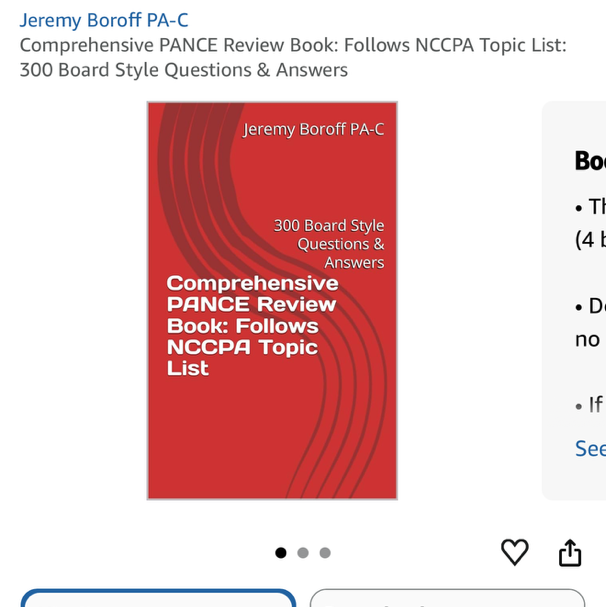
PANRE Review Course Exam Book Cover

Why Category 1 Wins Every Time

When asked which credit is "better" for your license, the answer is unequivocally AAPA Category 1 Credit. While Category 2 is useful for logging informal learning, Category 1 is the legal and professional currency of your certification.

By choosing the CME Review Courses PANRE Review, you eliminate the stress of credit tracking. You receive 100 hours of high-quality, clinical Category 1 credit in one package, accessible for 30 months, and written by PAs who understand the demands of the modern clinical environment.

Whether you are preparing for the traditional PANRE, the PANRE-LA, or simply looking to sharpen your skills in Pharmacology, our courses provide the structure and rigor required for professional excellence.

Summary of Requirements

  • Total Credits Needed: 100 every 2 years.
  • Minimum Category 1: 50 credits.
  • Maximum Category 2: 50 credits (can be replaced by Category 1).
  • Our Solution: 100 Hours of Category 1 AAPA credit in one course.

Maximize your CME budget today by adding an Amazon or Apple gift card to your purchase, ensuring you have the tools you need for the next two years of practice. If your stipend follows a June 30 "Use it or Lose it" cycle, secure your Category 1 credits before those funds vanish.

Posted on

Looking For Internal Medicine CME? Here Are 5 Things You Should Know About Adding Gift Cards

Price: Starting at $399.99
Access: 30 Months
Deliverables: 100 Hours of Category 1 AAPA CME Credit (PANRE Review Course), Specialty-Specific Modules, Question Banks

Finding high-quality Internal Medicine CME that fits your budget and educational needs can be a logistical challenge. Whether you are preparing for the panre review course or simply looking to update your clinical knowledge in a hospitalist setting, the method you use to purchase your credits matters. At CME Review Courses, we provide an efficient way to utilize your CME allowance while gaining access to comprehensive medical education.

Our Internal Medicine and PANRE packages are designed by physician assistants for physician assistants, though physicians and nurse practitioners frequently utilize our content for its clinical depth. If you are considering a CME package with a gift card component, there are specific nuances you must understand regarding the structure of these offers.

1. The 100-Hour Category 1 AAPA Credit Benchmark

For physician assistants, the primary goal of any comprehensive pance prep courses or recertification effort is meeting the NCCPA requirements. Our PANRE Review Course provides 100 hours of Category 1 AAPA CME credit. This is a significant deliverable, as it fulfills the entire Category 1 requirement for a two-year cycle in a single, streamlined program.

While the content covers a broad spectrum of the NCCPA blueprint, the Internal Medicine Hospitalist CME package is specifically tailored for those working in inpatient settings. It is important to note that the 100 hours of Category 1 credit apply specifically to the PANRE Review course. Other specialty packages, like the Pharmacology course, also offer Category 1 AAPA credit, but the 100-hour block is the hallmark of the comprehensive review.

PANRE Review Exam Book Cover

2. CME Gift Cards: Amazon and Apple Options

One of the most popular features of our platform is the ability to include cme gift cards with your purchase. We offer add-ons for both Amazon and Apple gift cards. These are not just nominal tokens; you can choose add-on values ranging from $100 to $1500.

This allows clinicians to maximize their educational budget. If you have remaining CME funds at the end of the year, adding a gift card to your educational purchase ensures you have the resources to buy additional medical equipment, textbooks, or technology (like an iPad for patient education) that further enriches your practice.

3. Understanding the "Add-on" vs. "Free Gift" Distinction

It is a common misconception in the industry that gift cards provided with CME are "free gifts." At CME Review Courses, we maintain total transparency: these are NOT free gifts. They are specifically designated as gift card add-ons.

When you select a package, you are choosing to increase the total purchase price to include the value of the gift card. This is an essential distinction for your financial records. You are purchasing a bundled educational product where the gift card is a component of the total price, allowing for a single transaction that covers both your clinical education and your supplemental educational resources.

4. Value for Physicians and Nurse Practitioners

While our content is written by PAs, it holds substantial value for the entire healthcare team.

  • Physicians: Many internal medicine physicians purchase our packages for the high-yield clinical content. It is important to remember that for physicians, this counts as Category 2 CME, not Category 1.
  • Nurse Practitioners: The portability of AAPA Category 1 credit to NP requirements varies by state. Many NPs find that their state boards accept AAPA Category 1 credit, making our Internal Medicine and Pharmacology packages a viable option for their recertification needs.

EKG Guide Book Cover

5. Specialty Content and Clinical Depth

Internal medicine is a vast field. Our courses don't just graze the surface; they dive into the complexities of Cardiology, Neurology, Gastroenterology, and more. For those specifically looking for hospitalist-focused education, our Internal Medicine Hospitalist CME Package provides 30 months of access to content that reflects real-world clinical scenarios.

This long-term access is a critical feature. Medicine evolves, and having the ability to revisit core modules: especially our pharmacology and EKG guides: ensures that your clinical decision-making remains sharp long after you have claimed your credits.


Internal Medicine Clinical Assessment

To maintain professional competence, it is essential to regularly test your diagnostic and management skills. Below are two clinical vignettes focused on common Internal Medicine presentations.

Clinical Scenario 1: Cardiovascular Management

Your patient is a 67-year-old male with a history of hypertension and chronic kidney disease (CKD Stage 3). He presents to the clinic with a three-day history of increased shortness of breath and bilateral lower extremity edema. On physical exam, his HR is 92 bpm, BP is 158/94 mmHg, and SaO2 is 93% on room air. You note jugular venous distention and 2+ pitting edema to the mid-calf.

Which of the following is the most appropriate initial diagnostic step to confirm the suspected diagnosis?

A) Chest X-ray
B) Serum B-type Natriuretic Peptide (BNP)
C) 12-Lead EKG
D) Transthoracic Echocardiogram

Explanation

The correct answer is B) Serum B-type Natriuretic Peptide (BNP). In the setting of acute-on-chronic heart failure, a BNP or NT-proBNP level is the most useful initial diagnostic test to differentiate cardiac dyspnea from pulmonary causes. While a Chest X-ray (Choice A) can show pulmonary congestion or Kerley B lines, it is less sensitive than BNP in early or mild presentations. A 12-lead EKG (Choice C) is necessary to rule out arrhythmia or ischemia as a trigger but does not confirm the diagnosis of heart failure. A Transthoracic Echocardiogram (Choice D) is the gold standard for evaluating ejection fraction and valvular function but is typically performed after the initial clinical stabilization and diagnostic workup.

Clinical Scenario 2: Endocrine Emergency

Your patient is a 24-year-old female with Type 1 Diabetes Mellitus. She is brought to the Emergency Department by her roommate due to altered mental status and vomiting. The patient has been "sick with the flu" for the past 24 hours and has not been able to keep down food or her long-acting insulin. Her vitals show HR 120 bpm, BP 104/60 mmHg, and RR 28 bpm (deep and labored). Her breath has a fruity odor.

Laboratory results reveal a blood glucose of 450 mg/dL, arterial pH of 7.15, and positive serum ketones. What is the immediate priority in the management of this patient?

A) Subcutaneous injection of rapid-acting insulin
B) Intravenous bolus of 50% Dextrose (D50)
C) Aggressive fluid resuscitation with Normal Saline
D) Intravenous Sodium Bicarbonate infusion

Explanation

The correct answer is C) Aggressive fluid resuscitation with Normal Saline. The immediate priority in Diabetic Ketoacidosis (DKA) is the restoration of intravascular volume to improve tissue perfusion and renal clearance of glucose and ketones. Fluid deficit in DKA can be significant (6-10 liters). Subcutaneous insulin (Choice A) is inappropriate for the initial management of DKA; intravenous regular insulin is required, but only after potassium levels are confirmed and fluid resuscitation has begun. D50 (Choice B) is contraindicated in a hyperglycemic crisis. Sodium Bicarbonate (Choice D) is generally reserved for patients with a pH < 6.9 due to the risks of paradoxical CNS acidosis and hypokalemia.

PANCE Review Book Cover


Conclusion

Navigating the requirements for Internal Medicine CME doesn't have to be a burden. By choosing a package that combines high-yield clinical review with the flexibility of cme gift cards, you can efficiently manage your professional development. Whether you are aiming for the 100 hours of Category 1 AAPA credit through our PANRE Review Course or looking for specialty-specific updates, CME Review Courses offers the clinical depth required for modern practice.

Ensure your credits are secured and your educational tools are updated by exploring our CME with Gift Card packages today.

Posted on

How to Secure 100 AAPA Category 1 Credits and a CME Gift Card Add-On Before June 30

For many physician assistants, June 30 marks a critical deadline. While the NCCPA's national logging cycle concludes at the end of the calendar year, many hospital systems, private practices, and corporate healthcare employers operate on a fiscal year that ends in June. If you have unspent CME funds, you face a "use it or lose it" scenario.

Securing high-yield educational material that provides a significant amount of credit in a single purchase is the most efficient way to maximize your professional development budget. Our panre review course is designed specifically for this purpose, offering a substantial credit volume and the option to enhance your learning tools through gift card add-ons.

Product: 100-Hour PANRE Review Course
Price: Starting at $1,495
Deliverables: 100 AAPA Category 1 CME Credits
Add-Ons: $100 – $1500 Amazon or Apple Gift Cards
Access: 12 months of digital access

Maximizing Your CME Budget with Gift Card Add-Ons

When evaluating pance prep courses or recertification materials, the primary goal is exam readiness. However, professional education often requires additional hardware or reference materials, such as a new iPad for clinical rotations or medical texts from Amazon.

At CME Review Courses, we offer cme gift cards as optional add-ons to your course purchase. It is important to note that these are not "free gifts." They are value-added components that allow you to bundle your educational needs into a single transaction. You can choose to add an Amazon or Apple Gift Card ranging from $100 to $1500 to your purchase of the 100-hour PANRE course. This allows you to further enrich your education by purchasing the specific tools you need to succeed in your practice.

Amazon and Apple gift card add-ons for CME courses

Understanding the 100 AAPA Category 1 Credits

The 100-hour PANRE Review Course is specifically accredited for 100 hours of AAPA Category 1 CME credit. This credit is essential for maintaining your NCCPA certification and meeting state licensure requirements.

While our Pharmacology Course also offers Category 1 credit, the 100-hour designation applies specifically to the comprehensive PANRE Review Course. For Nurse Practitioners, please note that while many state boards accept AAPA Category 1 credit, requirements vary by state. Physicians may also find value in these packages, though the credit typically counts as Category 2 CME for MDs and DOs.

The curriculum is built to align with the NCCPA Blueprint, covering essential specialties including Cardiology, Emergency Medicine, Internal Medicine, and more. All content was written by physician assistants for physician assistants, ensuring the clinical vignettes and focus areas are practical for your daily practice.


Clinical Review: Emergency Medicine and Cardiology

To demonstrate the depth of the panre review course, we provide clinical vignettes modeled after the types of questions you will encounter on the exam. These scenarios focus on high-stakes decision-making in the Emergency Department and Internal Medicine settings.

A PA evaluating an EKG in a clinical setting

Clinical Vignette 1: Cardiovascular Emergency

Your patient is a 64-year-old male presenting to the Emergency Department with sudden onset substernal chest pressure that radiates to his left jaw. He appears diaphoretic and pale. His medical history is significant for hypertension and type 2 diabetes mellitus.

Vitals:

  • HR: 112 bpm
  • BP: 158/94 mmHg
  • RR: 22 bpm
  • SaO2: 94% on room air

An EKG is performed immediately, revealing 3mm ST-segment elevation in leads V2, V3, and V4.

Which of the following is the most appropriate next step in management?

A) Obtain a Stat Chest X-ray
B) Administer 324 mg of chewed Aspirin and activate the Cardiac Catheterization Lab
C) Order serial Troponins and wait for results before intervention
D) Administer a 2L Normal Saline bolus

Correct Answer: B) Administer 324 mg of chewed Aspirin and activate the Cardiac Catheterization Lab.

Explanation: This patient is presenting with an acute ST-Elevation Myocardial Infarction (STEMI) involving the anterior wall (V2-V4). The priority is rapid reperfusion. Chewed aspirin should be administered immediately to inhibit further platelet aggregation. Activation of the cath lab is the definitive treatment to restore blood flow. Waiting for cardiac enzymes (Choice C) is contraindicated in the setting of clear EKG evidence of STEMI, as "time is muscle." While a chest X-ray (Choice A) may eventually be useful to rule out other pathology, it must not delay the trip to the cath lab.

Clinical Vignette 2: Internal Medicine / Pulmonology

Your patient is a 72-year-old female with a history of COPD and tobacco use (50 pack-years) who presents with increased shortness of breath and a productive cough over the last three days. She notes her sputum has changed from clear to green.

Vitals:

  • Temp: 101.2°F
  • HR: 105 bpm
  • BP: 132/82 mmHg
  • RR: 24 bpm
  • SaO2: 89% on room air (Baseline is 92%)

Physical exam reveals diffuse wheezing and decreased breath sounds at the right base. A chest X-ray shows a new focal infiltrate in the right lower lobe.

Which of the following is the most appropriate outpatient antibiotic regimen for this patient, assuming no recent hospitalizations?

A) Amoxicillin 1g TID
B) Levofloxacin 750mg daily
C) Doxycycline 100mg BID
D) Nitrofurantoin 100mg BID

Correct Answer: B) Levofloxacin 750mg daily.

Explanation: This patient is experiencing a COPD exacerbation complicated by community-acquired pneumonia (CAP). According to current guidelines, patients with significant comorbidities (like COPD) require broader coverage than a healthy individual. A respiratory fluoroquinolone (like Levofloxacin) or a combination of a beta-lactam plus a macrolide is indicated. Amoxicillin alone (Choice A) or Doxycycline alone (Choice C) are often sufficient for uncomplicated CAP in healthy patients but are less ideal for those with structural lung disease like COPD. Nitrofurantoin (Choice D) is used for urinary tract infections and has no role in treating pneumonia.

Physician assistant reviewing practice questions on a tablet

Structuring Your Study Plan

Effective board preparation requires more than just reading; it requires active recall through practice questions. Our courses include thousands of questions designed to mimic the complexity of the NCCPA exams.

Whether you are preparing for the PANCE or the PANRE, consistency is key. We recommend the following approach:

  1. Baseline Assessment: Take a practice exam to identify weaknesses in the NCCPA Blueprint categories.
  2. Specialty Focus: Spend dedicated time on high-yield areas like Cardiology (13%) and Pulmonology (10%).
  3. Active Testing: Use our question bank daily.
  4. CME Credit Redemption: Once you complete the requirements, you can immediately claim your 100 AAPA Category 1 credits.

Use Your CME Funds Before the Deadline

Don't let your employer-provided CME funds expire on June 30. By choosing the 100-hour PANRE Review Course, you secure your 2-year cycle's worth of Category 1 credit in one step. Adding an Apple or Amazon gift card allows you to get the hardware or supplemental books you need for your clinical practice, all within your approved CME budget.

Explore our full range of CME with Gift Card packages and find the level that fits your needs. Our materials are developed by experienced PAs who understand the rigors of the profession and the specific requirements of the recertification process.

For more targeted review, you may also consider our specialty-specific materials, such as the Emergency Medicine EOR or our comprehensive guide to EKGs and clinical patterns.


Posted on

Why CME Gift Cards Will Change the Way You Use Your Professional Development Funds

Course Title: PANRE Review Course & 100-Hour AAPA Category 1 CME Bundle
Price: $499.00 – $1,999.00 (Based on Gift Card Selection)
Access Duration: 12 Months of Unlimited Access
Deliverables: 100 Hours of AAPA Category 1 CME Credit, Comprehensive PANRE/PANRE-LA Review Content, and Practice Question Bank

Managing professional development funds requires strategic planning to avoid losing allocated employer stipends at the end of the fiscal year. For many physician assistants, June 30th is the cutoff for using annual CME money. A typical CME allowance is a "use-it-or-lose-it" benefit ranging from $1,500 to $3,000 annually. If those funds are not spent by the deadline, they usually revert to the employer and provide no value to your clinical practice or license maintenance.

CME gift cards and CME with Amazon gift card add-ons are one of the most practical ways to use remaining stipend dollars before June 30th. By integrating a gift card into your educational purchase, you obtain high-yield CME content and preserve more of your remaining budget in a form you can apply to clinical tools, technology, and reference materials that support your work.

The Value of Add-On Incentives for Physician Assistants

The primary goal of any CME purchase is the acquisition of high-quality, clinical knowledge that directly impacts patient outcomes. However, the logistical reality of PA practice often involves out-of-pocket costs for clinical tools that are not covered by standard equipment budgets.

When you select a PANRE Review package that includes a gift card add-on, you are effectively pre-funding your professional needs for the upcoming year. At CME Review Courses, we offer gift card options ranging from $100 to $1,500. These are added directly to the cost of the course, allowing you to use the rest of your CME budget in a single transaction before the June 30th deadline many employers enforce.

If you still have unused stipend money late in June, gift card add-ons are often the best way to spend those remaining funds while still purchasing substantive educational content.

Medical pharmacology course interface with an Apple Gift Card on a clinic desk.

Enriching Your Education Through Flexible Funds

A common question among PAs is how to best utilize an Amazon or Apple gift card for professional growth. Consider the following applications:

  • Clinical Technology: Upgrading to a newer iPad for mobile EMR access or point-of-care ultrasound (POCUS) apps.
  • Medical Equipment: Purchasing high-end stethoscopes, ophthalmoscopes, or specialized surgical shears.
  • Reference Materials: Buying the latest editions of Harrison's Principles of Internal Medicine or the Current Medical Diagnosis and Treatment (CMDT) guide.
  • Workspace Optimization: Investing in ergonomic office chairs or standing desks for charting in your home office.

100 Hours of Category 1 AAPA Credit: The Gold Standard

The PANRE Review Course is specifically designed to meet the rigorous demands of the NCCPA recertification process. This course provides 100 hours of Category 1 AAPA credit, which is a significant portion of the total requirement for a single cycle.

100 Hours of Category 1 AAPA CME Credit graphic.

While the content is written by physician assistants for physician assistants, the educational depth makes it valuable for other providers as well. Internal Medicine Physicians often purchase these packages for Category 2 credit, and Nurse Practitioners frequently utilize our Pharmacology Course to meet state-specific requirements for pharmacology-based Category 1 credit.

Course Content Areas

Our curriculum covers a broad range of high-yield clinical topics, ensuring you are prepared for both the traditional PANRE and the PANRE-LA (Longitudinal Assessment). The content includes:

  • Cardiovascular System: Mastery of EKG interpretation, hypertension management, and acute coronary syndromes.
  • Emergency Medicine: Triage protocols, trauma management, and pediatric emergencies.
  • Internal Medicine: Comprehensive review of endocrine, GI, and pulmonary disorders.
  • Dermatology: Visual diagnosis of malignant and benign skin lesions.
  • Orthopedics: Joint-specific examination techniques and fracture management.

PANRE/PANRE-LA Review Exam 1 Book Cover by Jeremy Boroff PA-C

Clinical Vignette Assessment: Cardiovascular and Internal Medicine

If you are trying to use remaining CME funds before June 30th, the goal should still be education that helps you in practice and on exam-style questions. The following clinical vignette and practice questions are designed to test high-yield PANRE topics while reinforcing the value of choosing CME that gives you both credit and practical purchasing flexibility.

Clinical Vignette

Your patient is a 57-year-old male presenting to urgent care with fever, productive cough, right-sided pleuritic chest pain, and increasing fatigue for 4 days. He has a history of Type 2 DM and HTN. On exam, he appears mildly ill and is speaking in full sentences.

Vital Signs:

  • Temp: 101.8°F
  • HR: 104 bpm
  • BP: 128/76 mmHg
  • RR: 22/min
  • SaO2: 93% on room air

Lung exam demonstrates focal crackles at the right lower lobe. Which of the following is the most appropriate initial diagnostic study?

A) CT angiography of the chest
B) Portable echocardiogram
C) Chest radiograph
D) D-dimer

Answer: C) Chest radiograph.
This presentation is most consistent with community-acquired pneumonia. Chest radiograph is the appropriate initial diagnostic study to confirm an infiltrate and assess the extent of disease.

  • Choice A is incorrect: CT angiography is not the first-line study when the clinical picture is more consistent with pneumonia than PE, and it adds cost and radiation.
  • Choice B is incorrect: Echocardiogram does not evaluate the likely pulmonary source of this patient’s symptoms.
  • Choice D is incorrect: D-dimer is nonspecific and not the best first step when exam findings and symptoms point toward pneumonia.

The following practice questions are designed to test your mastery of high-yield PANRE topics. Use these scenarios to gauge your current knowledge level and identify areas requiring further review.

Question 1

Your patient is a 64-year-old male presenting to the emergency department with a sudden onset of substernal chest pain that radiates to his left jaw. He appears diaphoretic and is clutching his chest. His past medical history is significant for HTN, HLD, and a 30-pack-year smoking history.

Vital Signs:

  • HR: 112 bpm
  • BP: 158/94 mmHg
  • SaO2: 94% on room air
  • RR: 22/min

An EKG is performed and shows 2.5 mm ST-segment elevation in leads II, III, and aVF. Which of the following is the most appropriate next step in management?

A) Administration of IV Nitroglycerin
B) Immediate referral for Primary Percutaneous Coronary Intervention (PCI)
C) Performance of a chest X-ray to rule out aortic dissection
D) Administration of oral Beta-blockers

Answer: B) Immediate referral for Primary Percutaneous Coronary Intervention (PCI).
The patient’s EKG findings (ST-elevation in leads II, III, and aVF) are diagnostic of an Inferior ST-Elevation Myocardial Infarction (STEMI). The standard of care for a STEMI is immediate reperfusion therapy, with Primary PCI being the preferred method if available within 90 minutes of first medical contact.

  • Choice A is incorrect: While Nitroglycerin is used for symptom relief in ACS, it should be used with extreme caution in inferior wall MI due to the high risk of profound hypotension if right ventricular involvement is present.
  • Choice C is incorrect: While aortic dissection is a differential, the EKG findings here are definitive for STEMI and should not delay reperfusion.
  • Choice D is incorrect: Beta-blockers are part of long-term management but are not the primary emergent intervention for an acute STEMI.

PANRE/PANRE-LA Review Exam 2 Book Cover by Jeremy Boroff PA-C

Question 2

Your patient is a 28-year-old female presenting to the clinic with complaints of increased thirst, frequent urination, and unexplained weight loss of 10 lbs over the last month. She has no significant past medical history.

Vital Signs:

  • HR: 88 bpm
  • BP: 110/70 mmHg
  • Temp: 98.6°F

A fingerstick glucose in the office is 312 mg/dL. You suspect Type 1 Diabetes Mellitus. Which of the following laboratory findings would most strongly support this diagnosis?

A) Elevated C-peptide levels
B) Presence of Glutamic Acid Decarboxylase (GAD65) autoantibodies
C) Hemoglobin A1c of 6.2%
D) Decreased serum ketones

Answer: B) Presence of Glutamic Acid Decarboxylase (GAD65) autoantibodies.
Type 1 Diabetes Mellitus is characterized by autoimmune destruction of the pancreatic beta cells. The presence of autoantibodies, such as GAD65, insulinoma-associated protein 2 (IA-2), or zinc transporter 8 (ZnT8), confirms the autoimmune etiology.

  • Choice A is incorrect: C-peptide is a byproduct of insulin production. In Type 1 DM, C-peptide levels are typically low or undetectable due to lack of endogenous insulin production.
  • Choice C is incorrect: An A1c of 6.2% is in the pre-diabetic range (5.7%–6.4%), whereas this patient has an acute symptomatic presentation with a random glucose >200 mg/dL, which is diagnostic of diabetes.
  • Choice D is incorrect: Ketones are often elevated (ketonemia or ketonuria) in Type 1 DM, especially if the patient is progressing toward Diabetic Ketoacidosis (DKA).

Maximizing Your CME Money Efficiency

Purchasing a CME bundle with a gift card is the most efficient way to use your employer-provided funds. If your stipend expires at the end of June, June 30th is the deadline you need to act on now. It ensures that your stipend is converted into useful CME content and practical purchasing value instead of expiring unused.

Our courses are designed to be pragmatic and high-yield. Whether you are preparing for the NCCPA Blueprint exam or simply need to refresh your clinical skills in Dermatology or Neurology, CME Review Courses provides the content you need with the financial flexibility you deserve.

By choosing a course with a $500, $1,000, or $1,500 Amazon gift card, you are using remaining June CME funds in one of the most practical ways available while still investing in your future clinical success and professional toolkit.

Posted on

7 Mistakes You’re Making with Your CME Budget (And How to Fix Them with Gift Card Add-Ons)

Price: $399.99 (Base Course)
Duration: 30 Months of Full Access
Deliverables: 100 Hours of Category 1 AAPA CME (PANRE Review), 1672 Practice Questions, 17+ Hours of Blueprint-based Content

Managing your annual CME budget is more than just a box-ticking exercise for your employer; it’s a strategic opportunity to invest in your clinical mastery and future certification success. Whether you are a veteran PA preparing for your next PANRE or a new graduate navigating your first pance prep courses, how you allocate your funds matters.

Many clinicians fall into common traps that leave them either under-prepared for the NCCPA Blueprint or with unused funds at the end of the fiscal year. By utilizing cme gift cards as part of an integrated educational package, you can maximize the utility of your budget while ensuring you have the tools needed to pass your exams.

Here are the seven most common mistakes PAs and NPs make with their CME budgets and how to fix them.

1. Chasing "Free" Gifts Instead of Educational Value

One of the most significant errors is selecting a course based solely on a "free" incentive. It is important to clarify: the Amazon and Apple gift cards offered at CME Review Courses are NOT free gifts. They are add-ons that you choose to include in your package.

When you purchase our panre review course, you are paying for high-yield medical education. The option to add a $100 to $1,500 gift card allows you to bundle your educational needs with tools: like a new iPad for viewing lectures or medical reference books from Amazon: that further enrich your learning.

2. Underestimating the Volume of Questions Needed

Preparation for the PANRE or PANCE requires more than just passive listening. A common mistake is buying a budget-friendly course that only offers a few hundred questions. To truly master the NCCPA Blueprint, you need volume and variety.

Our comprehensive PANRE Review Course includes 1,672 PANCE-style multiple-choice questions. Each question is accompanied by a detailed explanation that doesn't just give you the answer but explains the clinical reasoning behind it.

A isometric illustration showing CME budget add-ons

3. Ignoring Content Access Duration

Most CME courses provide 6 to 12 months of access. For a PA in the middle of a busy recertification cycle, that window can close remarkably fast. If you don't pass on the first attempt or if your study schedule gets derailed by clinical duties, you're forced to pay again.

We provide 30 months of access to our materials. This ensures that whether you are a student using the PACKRAT Review Course or a practicing PA prepping for the PANRE-LA, your resources are available when you actually need them.

4. Failing to Align with the NCCPA Blueprint

Studying "everything" is the fastest way to burn out. A frequent mistake is using broad Internal Medicine resources that don't weigh topics according to the actual exam distribution. For instance, the NCCPA weighs Cardiovascular and Pulmonary systems heavily.

Our content is meticulously organized by the NCCPA Blueprint. From Cardiovascular to Infectious Disease, each section is designed to mirror the exam’s breakdown, ensuring you spend the most time on the topics that appear most frequently.

5. Not Maximizing Category 1 Credits

Every PA knows the pressure of the 100-hour CME cycle. A common mistake is piecing together 1-hour or 2-hour credits from various free webinars. This is inefficient.

The PANRE Review Course offers 100 hours of Category 1 AAPA CME credit in one single, cohesive package. It is the most efficient way to meet your certification requirements while simultaneously preparing for your high-stakes exam.

6. Overlooking Specialty Gaps

If you work in a subspecialty like Orthopedics or Dermatology, your general Internal Medicine skills may have atrophied. Many PAs forget to buy CME that addresses these gaps.

Our packages, including the Internal Medicine Hospitalist CME, are written by PAs for PAs to bridge these exact gaps. We focus on the high-yield clinical pearls you need for the floors and the boards.

Physician Assistant reviewing a patient's chart at the bedside

7. Leaving CME Money on the Table

If your employer provides a $2,500 CME allowance and you only spend $400 on a basic course, you are effectively turning down part of your compensation package.

By using the gift card add-on model, you can scale your purchase to match your specific budget. Whether you need an Amazon Gift Card for $1,000 to stock your medical library or an Apple Gift Card for a new MacBook, you can tailor your CME purchase to ensure no part of your allowance goes to waste.


Internal Medicine Clinical Case Study

Practice Question for PANRE Review

Scenario:
Your patient is a 72-year-old male with a history of hypertension, Type 2 Diabetes, and a previous myocardial infarction (MI) three years ago. He presents to the Emergency Department with a 3-day history of worsening dyspnea on exertion and orthopnea, now requiring three pillows to sleep.

Physical Exam:

  • BP: 158/94 mmHg
  • HR: 102 bpm
  • SaO2: 91% on room air
  • Exam: Positive Jugular Venous Distension (JVD) at 45 degrees, 2+ bilateral pitting edema to the mid-shin, and an audible S3 gallop on cardiac auscultation. Bibasilar crackles are noted on lung exam.

Question:
Which of the following is the most appropriate initial diagnostic test to confirm the suspected diagnosis and assess the severity of this patient's condition?

A) Chest X-ray
B) Transthoracic Echocardiogram
C) Plasma B-type Natriuretic Peptide (BNP)
D) Twelve-lead EKG

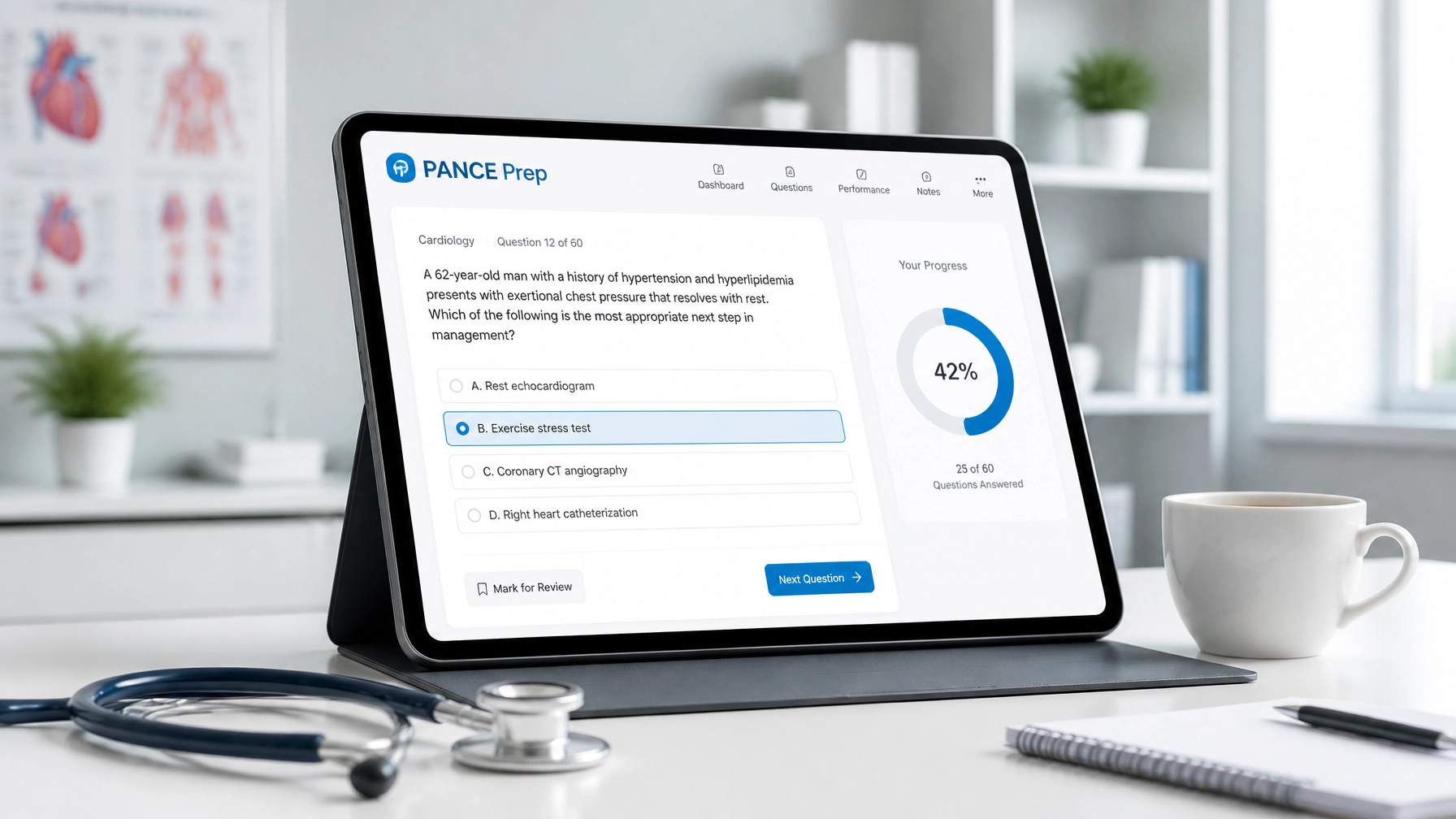
PANCE/PANRE practice question on a digital screen

Explanation

Correct Answer: B) Transthoracic Echocardiogram

Transthoracic Echocardiogram is the correct answer because it is the "gold standard" for the initial evaluation of suspected heart failure. It allows for the measurement of the Left Ventricular Ejection Fraction (LVEF), which differentiates between Heart Failure with Reduced Ejection Fraction (HFrEF) and Heart Failure with Preserved Ejection Fraction (HFpEF). It also assesses valvular function and wall motion abnormalities, which are critical given this patient’s history of MI.

  • A) Chest X-ray: While a CXR is useful for identifying pulmonary congestion, cardiomegaly, or Kerley B lines, it cannot confirm the underlying cardiac etiology or assess ejection fraction.
  • C) Plasma BNP: BNP is highly sensitive for diagnosing heart failure in an acute setting (helping to rule it out if low), but it is a biomarker of wall stress and does not provide the structural or functional assessment required for a definitive diagnosis and management plan.
  • D) Twelve-lead EKG: An EKG should be performed in all patients with suspected heart failure to look for evidence of previous MI, LVH, or arrhythmias (like A-fib), but it is not a confirmatory test for the diagnosis of heart failure itself.

Take Control of Your Education

Don't settle for generic CME that doesn't move the needle on your clinical knowledge. Our Family Medicine CME Package and PANRE Review Course provide the most efficient path to 100 hours of Category 1 AAPA credit.

Ready to maximize your budget? Choose your gift card add-on ($100-$1500) and get 30 months of access to the best pance prep courses available.

PANRE Review Exam Book Cover

Posted on

Internal Medicine Matters: How to Earn 100 AAPA Category 1 Credits with a Gift Card Add-On

Managing a high-volume internal medicine panel requires more than just clinical intuition; it requires staying current with the latest evidence-based guidelines and maintaining your professional certifications. For Physician Assistants (PAs), the pressure to balance patient care with CME requirements is constant. Our PANRE Review Course is designed to solve this problem efficiently by providing high-yield content and a significant credit volume.

Logistical Details

  • Course Title: PANRE Review Course CME Package
  • Credits: 100 AAPA Category 1 Self-Assessment CME Credits
  • Base Price: $399.99
  • Access Duration: 30 Months
  • Deliverables: 1,600+ Board-style questions with detailed explanations and clinical video content.
  • Optional Add-On: Amazon or Apple Gift Cards ($100 – $1,500)

The Efficiency of 100 Category 1 Credits

The primary challenge for PAs is accumulating the necessary Category 1 credits for NCCPA maintenance. While many courses offer 10 or 20 credits, our PANRE Review Course provides 100 AAPA Category 1 Credits in a single package. This is a self-assessment course approved by the AAPA Review Panel. This high volume of credits allows you to satisfy a massive portion of your requirements through one consolidated educational resource.

This course is specifically structured around the NCCPA Blueprint, covering the core organ systems you encounter daily in Internal Medicine, such as Cardiology, Pulmonology, and Endocrinology. It is written by physician assistants who understand the practical needs of the profession.

Amazon and Apple Gift Card Add-ons for CME

CME with Gift Card Add-Ons

A unique feature of our packages is the ability to customize your purchase with cme gift cards. We offer the option to include an Amazon or Apple Gift Card ranging from $100 to $1,500 as an add-on to your CME purchase.

It is important to clarify: These gift cards are NOT free gifts. They are add-ons that increase the total price of your package. This structure allows you to use your employer-provided CME allowance or "use it or lose it" professional development funds to secure both high-quality education and a gift card that can be used for further educational tools, such as medical textbooks, hardware, or diagnostic equipment.

The gift cards are processed and delivered via email within 2–3 business days after purchase. Because they are considered a digital product add-on, they are non-refundable once issued. This is a common strategy used by Internal Medicine PAs and physicians to maximize the utility of their annual CME budgets.


Internal Medicine Clinical Review

The following section provides a sample of the high-yield clinical content found in our pance prep courses and panre review course. Use these vignettes to test your knowledge of common Internal Medicine presentations.

PANRE Review Course Book 1

Clinical Vignette 1: Cardiovascular Medicine

Your patient is a 68-year-old male with a history of hypertension and long-standing tobacco use who presents with a three-month history of progressive shortness of breath on exertion and occasional paroxysmal nocturnal dyspnea. On physical exam, you note a displaced apical impulse and a 2/6 holosystolic murmur at the apex that radiates to the axilla. His blood pressure is 148/92 mmHg and HR is 88 bpm.

Which of the following is the most appropriate initial diagnostic study to evaluate this patient's suspected diagnosis?

A) Cardiac Catheterization
B) Transthoracic Echocardiogram (TTE)
C) Exercise Stress Test
D) Chest X-ray (CXR)

Explanation:
B) Transthoracic Echocardiogram (TTE) is the correct choice. The clinical presentation of progressive dyspnea, paroxysmal nocturnal dyspnea, and a displaced apex is highly suggestive of heart failure (HF), while the holosystolic murmur at the apex indicates mitral regurgitation. A TTE is the gold standard initial non-invasive test to evaluate left ventricular ejection fraction (LVEF), assess valvular structure, and determine the etiology of heart failure.

While a CXR (Choice D) may show cardiomegaly or pulmonary congestion, it does not provide functional data on the heart. Cardiac catheterization (Choice A) is an invasive procedure usually reserved for determining the presence of coronary artery disease once the diagnosis of HF is established. An exercise stress test (Choice C) would be inappropriate and potentially dangerous in a patient with symptomatic, uncompensated heart failure.

Clinical Vignette 2: Nephrology/Electrolytes

Your patient is a 54-year-old female with Type 2 Diabetes Mellitus and Stage 3 Chronic Kidney Disease (CKD). She presents for a routine follow-up. Her laboratory results show a Potassium level of 5.8 mEq/L (Normal: 3.5–5.0 mEq/L). Her medications include Metformin and Lisinopril. She is asymptomatic and her EKG shows normal sinus rhythm without peaked T-waves.

What is the most appropriate next step in the management of this patient’s hyperkalemia?

A) Immediate administration of intravenous calcium gluconate
B) Discontinuation of Lisinopril and dietary education
C) Administration of oral sodium polystyrene sulfonate (Kayexalate)
D) Immediate hemodialysis

Explanation:
B) Discontinuation of Lisinopril and dietary education is the correct answer. The patient has mild-to-moderate hyperkalemia (5.8 mEq/L) without EKG changes or symptoms. ACE inhibitors, such as Lisinopril, are well-known to cause hyperkalemia, especially in patients with pre-existing CKD. The first step is to remove the offending agent and counsel the patient on a low-potassium diet.

Calcium gluconate (Choice A) is only indicated when there are EKG changes (like peaked T-waves) to stabilize the cardiac membrane; it does not lower the potassium level itself. Sodium polystyrene sulfonate (Choice C) is no longer recommended as a primary first-line treatment for chronic management due to the risk of bowel necrosis and limited efficacy in acute settings. Hemodialysis (Choice D) is reserved for life-threatening hyperkalemia refractory to medical management, which is not the case here.

PANRE Review Course Book 2

Clinical Vignette 3: Endocrinology

Your patient is a 45-year-old male with a BMI of 34 kg/m² who was recently diagnosed with Type 2 Diabetes Mellitus. His initial HbA1c is 8.2%. He has no history of cardiovascular disease, heart failure, or renal impairment. You are initiating pharmacological therapy.

Which of the following is the first-line medication recommended by current guidelines for this patient?

A) Glipizide
B) Metformin
C) Empagliflozin
D) Pioglitazone

Explanation:
B) Metformin is the correct answer. Per the ADA and AACE guidelines, Metformin remains the first-line pharmacological treatment for Type 2 Diabetes Mellitus due to its high efficacy, low risk of hypoglycemia, weight neutrality (or slight weight loss), and low cost.

Glipizide (Choice A), a sulfonylurea, carries a significant risk of hypoglycemia and weight gain. Empagliflozin (Choice C), an SGLT2 inhibitor, is an excellent second-line choice, particularly in patients with heart failure or CKD, but Metformin remains the starting point for most patients unless contraindicated. Pioglitazone (Choice D) is associated with weight gain and fluid retention, making it a less favorable initial option for a patient with a high BMI.


Optimizing Your CME Strategy

Internal Medicine is the backbone of clinical practice, and our panre review course reflects that importance. By choosing the 100-credit package, you are not just buying "credits"; you are investing in a comprehensive review of the material you need to know for the NCCPA exams.

When you add an Amazon or Apple Gift Card to your purchase, you streamline your professional expenses. This allows you to acquire the 100 AAPA Category 1 credits required for your PANRE while simultaneously securing funds for other professional needs.

For those in other specialties, we also offer content covering Emergency Medicine, Family Medicine, Orthopedics, Dermatology, Psychiatry, Neurology, Cardiology, and OB/GYN. While primarily written for physician assistants, many nurse practitioners, CRNAs, and physicians find significant value in our question banks and clinical reviews. Note that for physicians, these credits count as Category 2 CME.

Invest in your education and your practice today. Choose the CME package that provides the highest volume of credits and the flexibility of gift card add-ons.

Posted on

Looking For Online Pharmacology CME for PAs? Here Are 10 Things You Should Know

Finding high-quality online pharmacology CME for PAs is a recurring necessity for maintaining national certification and state licensure. Pharmacology requirements are often specific and stringent, particularly for those with prescriptive authority. Understanding the nuances of accreditation, credit weighting, and content relevance is essential for an efficient educational experience.

Below are the logistical details for our primary pharmacology offering:

  • Price: $399.99
  • Duration of Access: 30 Months
  • Deliverables: 12 AAPA Category 1 Self-Assessment CME Credits, 120-question pharmacology bank with detailed explanations, lecture videos, and gift card add-on availability.

1. Verification of AAPA Category 1 Pharmacology Credit

The most critical factor when selecting an online course is verifying its accreditation status. To satisfy NCCPA and state board requirements, the activity must be formally reviewed and approved. Our Pharmacology CME Review Package has been reviewed by the AAPA Review Panel and is compliant with AAPA CME Criteria. It is designated for 12 AAPA Category 1 Self-Assessment CME credits. PAs must ensure the certificate explicitly states the credit type and the AAPA reference number (e.g., CME-209464) to avoid issues during an audit.

2. The 1.5x Multiplier for Self-Assessment Credits

Not all Category 1 credits are weighted equally by the NCCPA. Self-assessment activities are specifically designed to provide an active learning experience. For NCCPA certification maintenance purposes, the NCCPA applies an additional 50 percent weighting to these credits. When you log the 12 credits earned from our pharmacology course, they automatically count as 18 credits toward your 100-hour cycle requirement. This makes self-assessment pharmacology courses one of the most time-efficient ways to manage your CME.

3. State-Specific Prescriptive Authority Requirements

While the NCCPA does not mandate a specific number of pharmacology hours, many state medical boards do. For example, states like Maryland and Ohio require a minimum number of pharmacology-focused Category 1 hours for license renewal. These requirements often link directly to your ability to maintain prescriptive authority and DEA registration. Our course content focuses on drug mechanisms, indications, dosing, and adverse effects, specifically to help practitioners meet these state-level mandates.

4. Applicability for NPs and Physicians

While our content is written by physician assistants for physician assistants, other healthcare providers find significant value in these packages.

  • Nurse Practitioners: The AANP generally accepts AAPA Category 1 credit for NP continuing education, though requirements vary by state. NPs should verify with their individual state board of nursing before purchase.
  • Physicians: For MDs and DOs, this activity meets the requirements for Category 2 CME. It does not count as Category 1 credit for physicians.

5. Integration of Specialized Clinical Content

Pharmacology is not a monolithic subject. It must be applied across various clinical environments. Our pharmacology review covers essential prescribing principles across nine core specialties: Emergency Medicine, Family Medicine, Internal Medicine, Orthopedics, Dermatology, Psychiatry, Neurology, Cardiology, and OB/GYN. This breadth ensures that whether you work in a surgical subspecialty or primary care, the pharmacological principles remain relevant to your daily practice.

A digital tablet displaying a pharmacology review interface.

6. Maximizing Your CME Stipend with Gift Cards

Many PAs receive an annual CME stipend that must be used within a specific fiscal year. June is the final month to use many CME stipends, so if your funds expire mid-year or on June 30, this is the time to use them. If you still have professional development money available, consider applying it to our Pharmacology CME Review Package before June 30 so you can secure 12 AAPA Category 1 Self-Assessment CME credits, a 120-question pharmacology bank, and extended access for ongoing review. To help clinicians further enrich their education, we also offer CME with Amazon and Apple Gift Card add-ons. You can add a gift card ranging from $100 to $1500 to your purchase. The total cost is included in the package price, allowing you to utilize your professional development funds effectively. Please note that gift card packages are non-refundable once the card has been processed and emailed.

7. The Importance of a Robust Question Bank

Passive learning through reading or watching videos is often insufficient for long-term retention of complex pharmacological data. Our course includes a 120-question bank. These questions are designed to simulate real-world clinical scenarios, forcing the learner to apply basic science and pharmacologic principles to patient care. Each question includes a detailed explanation of the correct answer and why the distractors are incorrect.

8. On-Demand Flexibility and Extended Access

Clinical schedules are unpredictable. An effective online pharmacology course must be accessible on-demand. Our courses provide 30 months of access, allowing you to complete the 120 questions and the associated lectures at your own pace. This duration is particularly beneficial for PAs who wish to revisit specific modules as clinical questions arise in their practice.

9. Written by PAs for PAs

Peer-to-peer education often provides more practical, "in-the-trenches" insight than purely academic courses. Our content is developed by experienced Physician Assistants who understand the specific challenges of the PA profession, including the nuances of the NCCPA Blueprint and the practicalities of clinical practice. This ensures the medical terminology and abbreviations (e.g., HR, SaO2, PID) are used fluently and in the correct clinical context.

10. Distinguishing Between Pharmacology and PANRE Review

It is essential to distinguish between specialized pharmacology courses and comprehensive exam review courses. While the Pharmacology CME Review provides 12 hours of Category 1 credit, our PANRE Review Course provides 100 hours of AAPA Category 1 credit. If you are preparing for the traditional PANRE or the PANRE-LA, the 100-hour course offers a more comprehensive review of the entire NCCPA Blueprint, whereas the pharmacology course is a targeted tool for prescribing requirements.

A physician assistant checking a digital gift card on a smartphone.


Clinical Assessment: Pharmacology Practice Questions

The following scenarios are designed to test your clinical application of pharmacological principles.

Question 1

Your patient is a 64-year-old male with a history of hypertension and chronic kidney disease (Stage 3). He presents with an acute gouty flare in his left first metatarsophalangeal joint. His current medications include lisinopril and hydrochlorothiazide. His serum creatinine is 2.1 mg/dL (baseline 1.9 mg/dL). Which of the following is the most appropriate first-line treatment for his acute gout flare?

A. Indomethacin
B. Naproxen
C. Prednisone
D. Allopurinol

Explanation: Prednisone is the correct choice because the patient has Stage 3 chronic kidney disease (CKD). NSAIDs, such as indomethacin and naproxen, are contraindicated or should be used with extreme caution in patients with significant renal impairment due to the risk of further decreasing the glomerular filtration rate (GFR). Allopurinol is used for urate-lowering therapy in the maintenance phase of gout, not for the treatment of an acute flare. In patients with CKD, systemic or intra-articular corticosteroids are the preferred first-line agents for acute inflammation.

Question 2

Your patient is a 28-year-old female who is currently 10 weeks pregnant. She presents to the clinic with symptoms of a urinary tract infection, including dysuria and frequency. A urine culture is pending, but a dipstick is positive for nitrites and leukocyte esterase. She has no known drug allergies. Which of the following antibiotics should be avoided in this patient?

A. Ciprofloxacin
B. Nitrofurantoin
C. Cephalexin
D. Amoxicillin

Explanation: Ciprofloxacin should be avoided. Fluoroquinolones are generally contraindicated in pregnancy due to potential risks to fetal cartilage development. Cephalexin and Amoxicillin are Category B and generally considered safe. Nitrofurantoin is also commonly used in the first trimester but should be avoided near term (38-42 weeks) due to the risk of neonatal hemolysis. In this scenario, a fluoroquinolone is the most appropriate answer to exclude.

Question 3

Your patient is a 55-year-old male with a history of permanent atrial fibrillation and a CHADS2-VASc score of 3. He is currently taking dabigatran for stroke prevention. He is scheduled for an elective inguinal hernia repair. According to standard clinical guidelines, when should dabigatran be discontinued prior to a procedure with a standard risk of bleeding, assuming a normal GFR?

A. 12 hours prior
B. 24 hours prior
C. 72 hours prior
D. 5 days prior

Explanation: 24 hours prior is the standard recommendation for a patient with normal renal function (CrCl > 50 mL/min) undergoing a procedure with a standard risk of bleeding. Dabigatran has a relatively short half-life compared to warfarin (which requires 5 days for discontinuation). If the procedure carried a high risk of bleeding or if the patient had significant renal impairment, the discontinuation window would be extended to 48-72 hours. 12 hours is insufficient to ensure adequate clearance of the anticoagulant effect.

Medical professionals reviewing clinical data.

Question 4

Your patient is a 45-year-old female with a history of depression who is currently taking phenelzine (an MAOI). She presents with a severe headache, palpitations, and a blood pressure of 190/110 mmHg. She mentions she attended a wine and cheese party earlier this evening. This clinical presentation is most likely due to an interaction with which substance?

A. Tryptophan
B. Tyramine
C. Phenylalanine
D. Gluten

Explanation: Tyramine is the correct answer. MAOIs (Monoamine Oxidase Inhibitors) like phenelzine prevent the breakdown of tyramine, which is found in aged cheeses, red wine, and cured meats. High levels of tyramine cause a massive release of norepinephrine, leading to a hypertensive crisis, characterized by severe headache, tachycardia, and significantly elevated blood pressure. Tryptophan and phenylalanine do not cause this specific "cheese effect" hypertensive reaction.

Question 5

Your patient is a 67-year-old male with systolic heart failure and chronic atrial fibrillation. His medications include furosemide, lisinopril, metoprolol, and digoxin. He presents with nausea, yellow-tinted vision, and intermittent confusion. HR is 48, BP 102/64, and ECG shows frequent premature ventricular contractions. Which of the following is the most likely cause of his presentation?

A. Beta-blocker toxicity
B. Hypercalcemia
C. Digoxin toxicity
D. Serotonin syndrome

Explanation: Digoxin toxicity is the correct answer. The combination of nausea, visual disturbances, bradycardia, confusion, and ventricular ectopy is classic. In real practice, you would check a digoxin level, renal function, and potassium because reduced clearance and electrolyte abnormalities commonly precipitate toxicity. Beta-blocker toxicity can cause bradycardia, but it does not typically cause yellow vision. Hypercalcemia and serotonin syndrome do not fit this clinical picture.


Selecting an online pharmacology CME for PAs requires a focus on accreditation, NCCPA weighting, and the inclusion of high-quality assessment tools. June is the final month to use many CME stipends, and if your funds expire on June 30, this pharmacology review is a practical way to use them before the deadline. By choosing a course that offers AAPA Category 1 pharmacology credit and incorporates practical clinical vignettes, PAs can fulfill their regulatory requirements while enhancing their clinical competency.

Posted on

Why Everyone Is Talking About This PANRE Review Course (And the $1500 Amazon Gift Card Add-On Option)

Course Title: PANRE Review Course (100 Hours of Category 1 AAPA CME)
Total Credits: 100 Category 1 AAPA Credits
Price: Starting at $499.00 (Gift card add-on packages range from $699.00 to $2,399.00)
Duration of Access: 30 Months
Deliverables: 1,672 Board-Style Multiple Choice Questions, Comprehensive Video Content, and Detailed PDF Handouts

Navigating the transition to the new NCCPA Blueprint and staying current with clinical practice requires more than just a cursory review. The Physician Assistant National Recertification Exam (PANRE) is a high-stakes assessment that demands a structured, authoritative approach to medical knowledge. Whether you are a seasoned PA-C or approaching your first recertification cycle, the efficiency of your study materials and the utility of your CME budget are paramount.

At CME Review Courses, we provide a curriculum designed by physician assistants for physician assistants. Our PANRE Review Course is specifically engineered to cover the breadth of the NCCPA Blueprint while providing the maximal amount of Category 1 credit available in a single package.

Maximizing Your Professional Development Funds

One of the most frequent discussions in PA breakrooms and online forums revolves around the strategic use of CME allowances. Most employers provide a yearly stipend for continuing education, but these funds are often "use it or lose it."

We offer an efficient way to utilize these professional development funds. Our PANRE prep courses allow for the inclusion of Amazon and Apple Gift Card add-ons. These are NOT free gifts; they are optional additions to your CME purchase ranging from $100 to $1500. By choosing a package with a gift card add-on, you can secure the 100 hours of AAPA Category 1 credit needed for your certification while also obtaining a gift card that can be used to purchase medical equipment, textbooks, or other educational tools to further enrich your practice.

A stack of Amazon and Apple gift cards next to a stethoscope, representing the CME add-on options

Why 100 Hours of Category 1 AAPA Credit Matters

The NCCPA requires 100 CME credits every two years, of which at least 50 must be Category 1. Our PANRE Review Course provides the full 100 hours of Category 1 AAPA credit in one comprehensive package. This allows you to meet your entire two-year Category 1 requirement (and then some) with a single, focused effort.

While the course is built for PAs, it is worth noting that Internal Medicine Physicians and Nurse Practitioners often find immense value here as well. For physicians, this counts as Category 2 CME. For Nurse Practitioners, the acceptance of AAPA Category 1 credit varies by state, but many utilize these hours to maintain their clinical edge in diverse fields like Emergency Medicine and Family Medicine.


Internal Medicine: A Deep Dive for the PANRE

Internal Medicine is a cornerstone of the NCCPA Blueprint, accounting for a significant portion of the exam. To prepare effectively, you must be able to recognize classic clinical presentations and select the gold-standard diagnostic or therapeutic intervention.

Below is a review of key Internal Medicine topics: Cardiology, Pulmonology, and Endocrinology: presented in the clinical vignette format you will encounter on the exam.

Cardiovascular System

Your patient is a 68-year-old male with a history of hypertension and a 40-pack-year smoking history. He presents to the clinic complaining of worsening shortness of breath on exertion and a persistent cough. On physical examination, you note a 3/6 systolic crescendo-decrescendo murmur at the right upper sternal border that radiates to the carotid arteries. His blood pressure is 112/90 mmHg, and his pulse is 78 bpm.

Which of the following is the most likely diagnosis?

A. Mitral Regurgitation
B. Aortic Stenosis
C. Hypertrophic Cardiomyopathy
D. Tricuspid Atresia

Explanation: B. Aortic Stenosis. The classic presentation of a crescendo-decrescendo systolic murmur at the right second intercostal space radiating to the carotids is pathognomonic for Aortic Stenosis. Physical findings may also include a "pulsus parvus et tardus" (weak and late carotid upstroke). Mitral regurgitation is typically a holosystolic murmur at the apex. Hypertrophic cardiomyopathy (HCM) usually presents in younger patients and the murmur decreases with squatting, unlike AS.

PANRE/PANRE-LA Review Exam Book Cover

Pulmonary System

Your patient is a 54-year-old female with a known history of COPD. She presents with an acute onset of increased sputum production and purulence, along with increased dyspnea. Her oxygen saturation is 89% on room air. Her heart rate is 105 bpm. Chest X-ray shows no acute infiltrates but does demonstrate hyperinflation and flattened diaphragms.

Which of the following interventions has been shown to decrease mortality in this patient?

A. Short-acting beta-agonists (SABA)
B. Inhaled corticosteroids (ICS)
C. Continuous oxygen therapy (for patients with chronic hypoxemia)
D. Prophylactic antibiotic therapy

Explanation: C. Continuous oxygen therapy. In patients with chronic obstructive pulmonary disease and significant hypoxemia (typically PaO2 ≤ 55 mmHg or SaO2 ≤ 88%), long-term oxygen therapy is one of the few interventions proven to improve survival. SABAs and ICS are vital for symptom management and reducing exacerbation frequency, but they do not carry the same mortality benefit as oxygen in the setting of chronic hypoxemia.

Endocrinology and Metabolic Disorders

Your patient is a 42-year-old female who presents with complaints of fatigue, cold intolerance, and unintentional weight gain over the last six months. Physical exam reveals a heart rate of 56 bpm, dry skin, and delayed relaxation of the deep tendon reflexes. Laboratory results show an elevated Thyroid Stimulating Hormone (TSH) and a low free T4.

What is the most common cause of this condition in the United States?

A. Iodine deficiency
B. Hashimoto’s thyroiditis
C. Pituitary adenoma
D. Graves’ disease

Explanation: B. Hashimoto’s thyroiditis. Chronic lymphocytic thyroiditis (Hashimoto’s) is the leading cause of primary hypothyroidism in iodine-sufficient regions like the U.S. It is an autoimmune destruction of the thyroid gland. Iodine deficiency is the leading cause worldwide but is rare in developed nations. Graves’ disease causes hyperthyroidism, not hypothyroidism.


Why Physician Assistants Prefer Our Content

The content in the PANRE Review Course was written by physician assistants who have successfully navigated the recertification process. We understand that your time is limited. Our course content covers everything from Dermatology and Neurology to Orthopedics and Psychiatry.

EKG Guide Book Cover for clinical review

Case Study: Acute Coronary Syndrome (ACS)

Your patient is a 55-year-old male with diabetes and hyperlipidemia who presents to the Emergency Department with "squeezing" substernal chest pain that began 45 minutes ago. The pain radiates to his left jaw and is associated with diaphoresis. An EKG is performed immediately.

If the EKG reveals ST-segment elevation in leads II, III, and aVF, which coronary artery is most likely occluded?

A. Left Anterior Descending (LAD)
B. Left Circumflex (LCx)
C. Right Coronary Artery (RCA)
D. Left Main Coronary Artery

Explanation: C. Right Coronary Artery (RCA). ST elevation in leads II, III, and aVF indicates an inferior wall myocardial infarction. In 80% of individuals, the RCA supplies the inferior wall of the heart. LAD occlusion typically involves the anterior wall (V1-V4), and LCx involves the lateral wall (I, aVL, V5, V6). Identifying the vessel is critical for anticipating complications, such as bradycardia or right ventricular infarction.

Final Thoughts on Your PANRE Prep

The PANRE Review Course is more than just a question bank. It is a comprehensive system designed to ensure you are prepared for the rigors of the NCCPA Blueprint. With 1,672 questions and 100 hours of Category 1 AAPA credit, it is the most efficient use of your time and CME budget.

Don't forget the flexibility of our CME gift card options. Whether you need $100 or $1500 in an Amazon or Apple add-on, you can customize your purchase to fit your needs. These options allow you to reinvest in your clinical practice while meeting your mandatory education requirements.

Get started today and secure your certification with the most trusted name in PA review.

Posted on

Why Online Pharmacology CME for PAs is the Smartest Way to Spend Your 2026 Stipend

Pharmacology CME Review Package

  • Price: $399.99 (Base) – Up to $1,999.00 (with Gift Card Add-On)
  • Deliverables: 12 Hours of AAPA Category 1 Pharmacology Credit
  • Access: 30 Months

PANRE Review Course

  • Price: $399.99 (Base) – Up to $2,500.00 (with Gift Card Add-On)
  • Deliverables: 100 Hours of AAPA Category 1 Credit
  • Access: 30 Months (Base) or 12 Months (with Gift Card)

The June 30th deadline is approaching rapidly. For many physician assistants, this date marks the end of the fiscal year and the expiration of annual CME stipends. If you do not utilize your professional development funds by this cutoff, the money typically reverts to your employer. Investing in high-quality pharmacology CME is a strategic method to satisfy state licensing requirements while ensuring your stipend is fully utilized.

The Necessity of Targeted Pharmacology CME

Pharmacology is a cornerstone of clinical practice for physician assistants across all specialties. However, keeping pace with evolving drug therapies, interactions, and prescribing guidelines is a continuous challenge. Most state medical boards and licensing bodies require a specific number of pharmacology-specific credits to maintain prescriptive authority.

Our Pharmacology CME Review Package provides 12 hours of AAPA Category 1 credit focused entirely on pharmacological management. This content was developed by physician assistants for physician assistants, ensuring the material is relevant to your daily clinical decision-making. Whether you are managing complex hypertension in family medicine or navigating anticoagulation in the hospitalist setting, these credits serve a dual purpose: fulfilling regulatory mandates and sharpening your clinical expertise.

Pharmacology equipment representing clinical drug management and study

The June 30 "Use It or Lose It" Deadline

The "use it or lose it" nature of employer stipends creates a seasonal rush for CME. Waiting until the final week of June to select a course often leads to rushed decisions or administrative delays that could jeopardize your reimbursement. By securing your course now, you ensure that your CME with Gift Card purchase is processed well before the fiscal year-end.

Many hospital systems require the purchase date to fall within the current fiscal cycle. Our system is optimized to provide immediate access and documentation, allowing you to submit your materials to your administration efficiently.

Maximize Your Stipend: The Gift Card Add-On

If your employer provides a generous stipend (e.g., $2,500), but the course you need only costs $400, you are essentially leaving $2,100 on the table. We offer a solution that allows you to maximize your professional budget.

By choosing our CME with Amazon or Apple Gift Card add-ons, you can add between $100 and $1,500 to your purchase. This allows you to enrich your education by purchasing medical textbooks, upgraded hardware (like a new iPad for clinical use), or other supplies necessary for your practice. This is a pragmatic approach to ensuring every dollar of your 2026 stipend is utilized to its full potential.

A physician assistant focused on professional development and online learning


Clinical Pharmacology Assessment

Test your knowledge with these clinical vignettes. These scenarios reflect the types of pharmacological management decisions encountered in daily practice and on the PANRE.

Question 1

Your patient is a 64-year-old male with a history of chronic heart failure with reduced ejection fraction (HFrEF) and chronic kidney disease (CKD) Stage 3. His current medications include lisinopril, carvedilol, and furosemide. During a routine follow-up, his potassium level is 4.2 mEq/L and his blood pressure is 138/84 mmHg. You decide to initiate an aldosterone antagonist. Which of the following is the most appropriate next step in monitoring this patient?

A. Check serum creatinine and potassium levels within 1 week of initiation.
B. Monitor for clinical signs of hypercalcemia in 2 weeks.
C. Assess for ototoxicity every 3 months.
D. Recheck liver function tests (LFTs) in 30 days.

Explanation:
A is the correct answer. When initiating an aldosterone antagonist (such as spironolactone or eplerenone), particularly in patients already receiving an ACE inhibitor and those with baseline CKD, the risk of hyperkalemia and acute kidney injury is significant. Monitoring serum creatinine and potassium within 3 to 7 days is mandatory.

  • Choice B is incorrect because aldosterone antagonists are associated with hyperkalemia, not hypercalcemia.
  • Choice C is incorrect as ototoxicity is a potential side effect of loop diuretics (like high-dose furosemide), not aldosterone antagonists.
  • Choice D is incorrect because these medications are primarily cleared renally; LFT monitoring is not the primary safety concern.

Question 2

Your patient is a 52-year-old female presenting for management of newly diagnosed Type 2 Diabetes Mellitus. Her HbA1c is 8.4%. She has a documented history of atherosclerotic cardiovascular disease (ASCVD) following a myocardial infarction two years ago. In addition to lifestyle modifications and metformin, which class of medication is prioritized according to current guidelines for this patient?

A. GLP-1 receptor agonist (GLP-1 RA).
B. Sulfonylurea.
C. DPP-4 inhibitor.
D. Thiazolidinedione (TZD).

Explanation:
A is the correct answer. For patients with Type 2 Diabetes and established ASCVD, the use of a GLP-1 receptor agonist or an SGLP2 inhibitor with proven cardiovascular benefit is recommended regardless of the baseline HbA1c or metformin use.

  • Choice B is incorrect because sulfonylureas carry a high risk of hypoglycemia and have no cardiovascular benefits.
  • Choice C is incorrect as DPP-4 inhibitors are considered neutral regarding cardiovascular outcomes and are less potent than GLP-1 RAs.
  • Choice D is incorrect because TZDs are associated with weight gain and potential exacerbation of heart failure.

Scaling Up: The 100-Hour PANRE Review Course

While the pharmacology package is ideal for focused credit needs, many physician assistants require a more robust solution for their recertification cycle. The PANRE Review Course provides 100 hours of AAPA Category 1 credit.

This course is comprehensive, covering the NCCPA Blueprint including Cardiology, Pulmonology, Gastroenterology, and more. If you are preparing for the PANRE or the PANRE-LA, this course provides the structured review necessary to succeed. Like the pharmacology package, the PANRE Review is eligible for gift card add-ons up to $1,500, making it the most efficient way to use a large CME stipend before June 30th.

Gift card rewards for completing medical certification review


PANRE Comprehensive Assessment

Question 3

Your patient is a 28-year-old female complaining of a "racing heart" and unintentional weight loss. On physical exam, her HR is 112 bpm, and she has a fine tremor in her hands. Laboratory results show a TSH of <0.01 uIU/mL and an elevated Free T4. You suspect Graves' disease. Which pharmacological agent should be initiated for rapid symptom control of her palpitations and tremor?

A. Propranolol.
B. Methimazole.
C. Propylthiouracil (PTU).
D. Radioactive Iodine.

Explanation:
A is the correct answer. Beta-blockers, specifically propranolol, are the first-line treatment for the symptomatic management of thyrotoxicosis to control tachycardia, palpitations, and tremors while awaiting the effects of antithyroid medications.

  • Choice B and C are incorrect because while they treat the underlying hyperthyroidism by inhibiting thyroid hormone synthesis, they do not provide immediate relief of adrenergic symptoms.
  • Choice D is incorrect because it is a definitive treatment for hyperthyroidism and may initially worsen symptoms due to the release of stored thyroid hormone.

Question 4

Your patient is a 45-year-old male presenting to the emergency department with acute onset of severe pain, redness, and swelling in his left first metatarsophalangeal (MTP) joint. Joint aspiration reveals negatively birefringent, needle-shaped crystals. He has a history of stage 3 CKD. Which of the following is the preferred first-line pharmacological treatment for this acute flare?

A. Prednisone.
B. Indomethacin.
C. Allopurinol.
D. Colchicine at high doses (e.g., 1.2 mg every hour).

Explanation:
A is the correct answer. In patients with acute gout and significant renal impairment (CKD Stage 3 or higher), corticosteroids like prednisone are preferred over NSAIDs (like indomethacin) or colchicine to avoid the risk of acute renal failure or toxicity.

  • Choice B is incorrect because NSAIDs are generally contraindicated or used with extreme caution in patients with CKD.
  • Choice C is incorrect because allopurinol is a urate-lowering therapy used for chronic management and can potentially worsen an acute flare if initiated during the attack.
  • Choice D is incorrect because high-dose colchicine is no longer recommended due to toxicity; additionally, colchicine requires significant dose adjustments in CKD.

Conclusion

Maximizing your professional benefits requires proactive planning. By selecting the Pharmacology CME Review Package or the 100-hour PANRE Review Course, you ensure your 2026 stipend is used effectively before the June 30th deadline. These courses provide high-yield clinical content and the flexibility of gift card add-ons to further support your educational needs.

Secure your credits today and enter the new fiscal year with your certification requirements met and your professional tools updated.

Posted on

The Ultimate PANRE Review Course Guide: How to Pass with Confidence (and a $1500 Gift Card)

Price: $399.99 (Standalone Course) | Up to $1,899.99 (With $1500 Gift Card Add-On)
Access Duration: 30 Months
Deliverables: 100 Hours of AAPA Category 1 CME Credit, 1,672 Board-Style Questions, 17 Hours of Video Lectures
Credits: 100 Category 1 AAPA Credits (PANRE Review Course)

Maintaining your NCCPA certification requires more than just clinical experience; it demands a structured approach to the current NCCPA Blueprint. As the June 30th deadline for CME fund utilization approaches, PAs must prioritize high-yield review content that maximizes both educational outcomes and professional stipends. Our PANRE Review Course is designed by physician assistants for physician assistants to ensure exam success while providing a pragmatic solution for expiring CME budgets.

Efficient Board Prep and the $1500 Gift Card Add-On

The PANRE (Physician Assistant National Recertification Exam) covers a broad spectrum of clinical medicine. Success on the exam depends on your ability to recognize patterns, apply pharmacology principles, and manage patients according to the latest standards of care. Our course streamlines this process by focusing on the most tested concepts across thirteen body systems.

A significant advantage of choosing CME Review Courses is the flexibility of our financial packages. Many PAs face the "use it or lose it" dilemma with their annual employer-provided CME stipends. We offer an efficient way to capture these funds by allowing you to add an Amazon or Apple Gift Card ranging from $100 to $1,500 to your purchase. This add-on allows you to invest in your future education: whether that means new hardware for your clinic or additional reference materials: while fulfilling your 100-hour AAPA Category 1 CME requirement in one comprehensive package.

PANRE Review Exam Book Cover

Maximizing Your CME Before June 30

For those PAs looking to diversify their credits, our Pharmacology Review Course offers an additional avenue for Category 1 AAPA Credit. While the 100 hours of Category 1 AAPA credit are specific to the PANRE Review Course, our pharmacology content provides essential updates for clinical practice.

The PANRE Review Course includes 17 hours of high-yield video content and a massive question bank of 1,672 board-style multiple-choice questions. This volume of practice is essential for building the stamina required for the actual exam day. By utilizing our 30-month access window, you can begin your preparation well in advance of your recertification year, ensuring that the information is integrated into your clinical practice long before you sit for the boards.

Physician Assistant studying clinical diagrams


Clinical Practice and Exam Review

The following clinical scenarios and practice questions are representative of the content found within the NCCPA Blueprint and our PANRE Review Course. Use these vignettes to assess your current knowledge and identify areas for further review.

Clinical Scenario 1: Cardiology

Your patient is a 64-year-old male with a history of hypertension and tobacco use who presents to the emergency department complaining of sudden onset, tearing chest pain that radiates to his back. His blood pressure is 190/110 mmHg in the right arm and 165/95 mmHg in the left arm. A chest X-ray reveals a widened mediastinum.

Which of the following is the most appropriate initial pharmacological intervention?

A. Intravenous Nitroprusside
B. Intravenous Labetalol
C. Oral Lisinopril
D. Intravenous Heparin

Correct Answer: B. Intravenous Labetalol
Explanation: In the setting of a suspected aortic dissection, the priority is to reduce both heart rate and blood pressure to minimize aortic wall stress (dp/dt). Intravenous Labetalol is a first-line agent because it provides both alpha and beta-blockade, achieving rapid heart rate control (target <60 bpm) and blood pressure reduction. Nitroprusside (A) can cause reflex tachycardia, which increases aortic shearing forces, and should only be used after adequate beta-blockade. Lisinopril (C) is inappropriate for acute hypertensive emergencies. Heparin (D) is contraindicated as it may worsen hemorrhage if the dissection ruptures.

Clinical Examination Room

Clinical Scenario 2: Orthopedics

Your patient is a 22-year-old female athlete who presents with knee pain after a "popping" sensation while pivoting during a soccer match. On examination, there is significant joint effusion and a positive Lachman test.

What is the most likely diagnosis?

A. Medial Meniscus Tear
B. Posterior Cruciate Ligament (PCL) Injury
C. Anterior Cruciate Ligament (ACL) Injury
D. Medial Collateral Ligament (MCL) Sprain

Correct Answer: C. Anterior Cruciate Ligament (ACL) Injury
Explanation: The classic presentation of a non-contact pivoting injury followed by a "pop" and rapid effusion is highly suggestive of an ACL injury. The Lachman test is the most sensitive physical exam maneuver for confirming ACL insufficiency. Meniscal tears (A) usually present with locking or catching and delayed swelling. PCL injuries (B) typically involve a "dashboard injury" or direct anterior trauma. MCL sprains (D) usually result from a valgus stress and do not typically cause a significant intra-articular effusion.

Clinical Scenario 3: Dermatology

Your patient is a 45-year-old male presenting with a pruritic, "purple, polygonal, planar" rash on his wrists. Close inspection reveals fine white lines on the surface of the lesions.

What is the name of the fine white lines associated with this condition?

A. Auspitz sign
B. Wickham striae
C. Herald patch
D. Koebner phenomenon

Correct Answer: B. Wickham striae
Explanation: The description of "purple, polygonal, planar, pruritic papules" is the classic "4 P's" of Lichen Planus. The fine white lines on the surface of these lesions are known as Wickham striae. Auspitz sign (A) refers to pinpoint bleeding after scales are removed in psoriasis. A Herald patch (C) is the initial lesion of Pityriasis Rosea. The Koebner phenomenon (D) refers to the development of skin lesions at the site of trauma, which can occur in Lichen Planus but is not the name of the white lines.

PANRE Review Exam Book Cover 2

Why Physician Assistants Choose CME Review Courses

Our content is curated by Jeremy Boroff, PA-C, ensuring that every lecture and question is relevant to the realities of modern practice and the rigors of the NCCPA exams. We understand that your time is valuable. By providing 30 months of access and a high-yield question bank, we offer the most efficient route to recertification.

If you have CME money that expires on June 30th, do not let it go to waste. Invest in the PANRE Review Course with a $1500 Gift Card add-on today. You will receive 100 hours of AAPA Category 1 CME credit, a comprehensive board review, and a gift card delivered via email within 2-3 business days.

Explore our PANRE Review Course and Gift Card Packages here.