Posted on

Looking for the Ultimate PACKRAT and EOC Review? 10 Things to Know About PAtopia

Navigating Physician Assistant (PA) school requires a strategic approach to standardized testing. From the initial didactic assessments to the final summative End-of-Curriculum (EOC) exam, the volume of medical knowledge required is significant. PAtopia, powered by CME Review Courses, is designed as a comprehensive clinical education ecosystem to support students through every phase of their training.

Essential Course Details:

  • Price: $399.99
  • Access Duration: 30 Months
  • Deliverables: 5 PACKRAT Exams, 35 EOR Exams, 5 EOC Exams, 15 PANCE Exams, and integrated Study Libraries.

1. PACKRAT-5: Five Full-Length Exams

The Physician Assistant Clinical Knowledge Rating and Assessment Tool (PACKRAT) is a critical benchmark for didactic and clinical performance. PAtopia includes PACKRAT-5, offering five full-length exams designed to mimic the rigor and timing of the official PAEA assessment. Each exam is paired with a dedicated study library, allowing you to transition from assessment to remediation immediately.

2. Comprehensive Coverage of All 7 EORs

End-of-Rotation (EOR) exams are the primary hurdles during the clinical year. PAtopia provides exhaustive coverage across all seven core rotations: Internal Medicine, Family Medicine, Emergency Medicine, Surgery, Pediatrics, OB/GYN, and Psychiatry. With 35 total EOR exams (5 per rotation), you have enough volume to test your knowledge at the beginning, middle, and end of each five-week block.

Emergency Medicine End Of Rotation (EOR) Exam Review and Test Prep Book Cover

3. Dedicated EOC Review

The End-of-Curriculum (EOC) exam is a high-stakes summative assessment required by most programs for graduation. PAtopia includes 5 full EOC review exams. These assessments focus on cross-system integration and the high-yield clinical presentations that frequently appear on this national exam, ensuring you are prepared for graduation requirements.

4. Robust PANCE Preparation

Preparation for the Physician Assistant National Certifying Examination (PANCE) should begin long before the final weeks of school. PAtopia provides 15 PANCE-specific review exams. These are aligned with the NCCPA Blueprint to ensure that your study time is spent on high-weighted topics like Cardiology and Pulmonology, rather than low-yield minutiae.

5. 72-Hour Free Access

We prioritize transparency in clinical resources. PAtopia offers a 72-hour free access period, allowing you to explore the interface, test the question quality, and review the study libraries before committing to a purchase. This trial provides full visibility into the content depth and technical stability of the platform.

6. Built by PAs for PAs

The content within PAtopia is developed by practicing Physician Assistants who have successfully navigated the same exams you are currently facing. This peer-led approach ensures that the explanations and clinical pearls provided are grounded in real-world practice and tailored to the specific nuances of PA education and the NCCPA Blueprint.

Sleek mobile app interface for PAtopia showing student dashboard

7. Mobile-Friendly App Format

Clinical rotations often involve significant downtime or long commutes. PAtopia is delivered in a mobile-friendly app format, allowing you to complete practice questions or review study libraries on your smartphone or tablet. This flexibility converts unproductive time into high-yield study sessions.

8. Integrated Study Libraries

Unlike basic question banks that only provide an answer key, PAtopia includes study libraries with each exam. When you miss a question on a condition like tension pneumothorax or acute angle-closure glaucoma, you can immediately access the relevant library entry to review the pathophysiology, diagnostic criteria, and first-line management.

9. Board-Style Question Quality

The efficacy of a review tool depends on the quality of its questions. PAtopia utilizes board-style questions that employ classic clinical vignettes. This format prepares you for the "next step in management" and "most likely diagnosis" style questions that characterize the PACKRAT, EOC, and PANCE.

10. The Comprehensive All-in-One Solution

Rather than purchasing separate resources for didactic exams, EORs, and board prep, PAtopia serves as a single, centralized platform. With 30 months of access, a single subscription covers the entirety of your clinical year and your initial certification board prep, providing a significant return on investment for your CME and education funds.

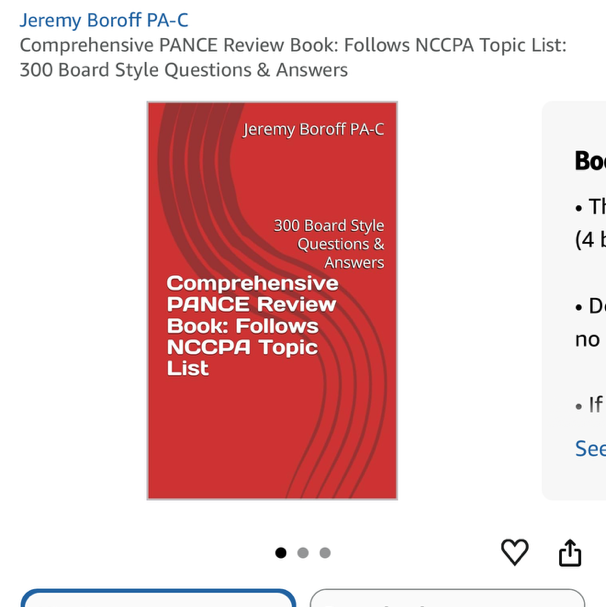
Official cover image for the Comprehensive PANCE Review Book


Clinical Review and Assessment

Scenario:
Your patient is a 64-year-old male presenting to the Emergency Department (ED) with a sudden onset of severe chest pain that radiates to his back, described as "tearing." His medical history is significant for long-standing, poorly controlled hypertension. On physical exam, he is diaphoretic. His HR is 115, BP is 185/105 in the right arm and 155/90 in the left arm. SaO2 is 96% on room air.

What is the most appropriate initial diagnostic study for this patient?

A. Transthoracic echocardiogram (TTE)
B. CT Angiogram (CTA) of the chest and abdomen
C. Chest X-ray (CXR)
D. Electrocardiogram (ECG)

Explanation:
The correct answer is B. CT Angiogram (CTA) of the chest and abdomen. This patient’s clinical presentation: sudden "tearing" chest pain radiating to the back and a significant blood pressure differential between arms: is highly suggestive of an aortic dissection. CTA is the gold standard for rapid and definitive diagnosis in hemodynamically stable patients due to its high sensitivity and specificity. While TTE (A) is useful for assessing cardiac function and identifying aortic root involvement, it lacks the sensitivity of CTA or transesophageal echocardiography (TEE) for the entire aorta. A CXR (C) may show a widened mediastinum but is neither sensitive nor specific enough to confirm the diagnosis. An ECG (D) should be performed to rule out a concomitant myocardial infarction (MI), but it will not diagnose an aortic dissection.

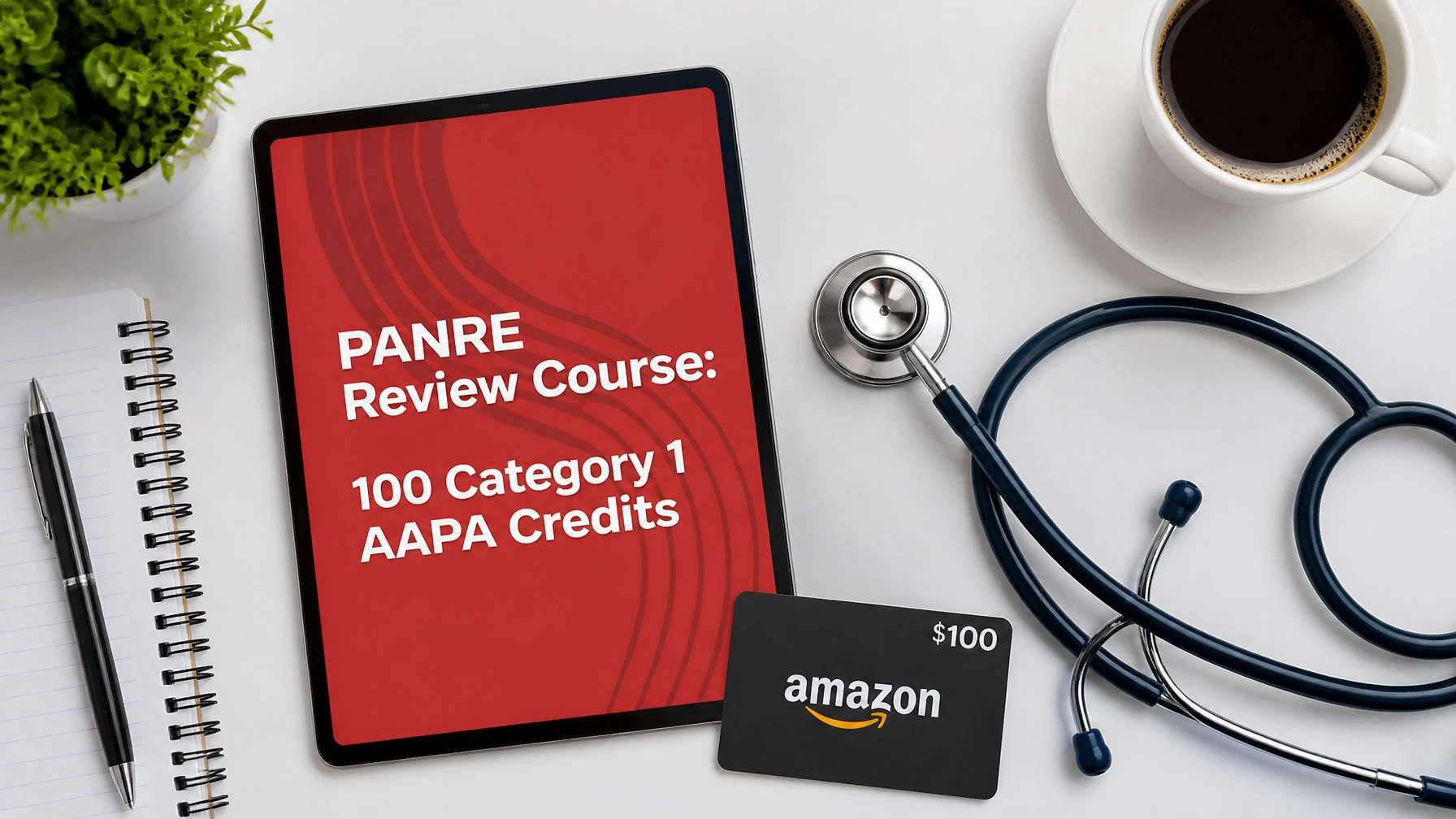
For those preparing for the PANCE or PANRE, CME Review Courses offers specialized packages that include up to 100 hours of AAPA Category 1 Credit for the PANRE Review Course. We also offer CME with Amazon/Apple gift card add-ons from $100 to $1,500 to maximize the utility of your professional development funds.

Posted on

How to Get Free Access to the Most Comprehensive PA Student Prep Tool: PAtopia

Navigating Physician Assistant (PA) school requires a strategic approach to standardized testing. From the initial PACKRAT exams to the high-stakes PANCE, students need reliable, high-yield resources. CME Review Courses offers a solution through PAtopia, a comprehensive preparation suite designed specifically for the clinical and didactic phases of PA education. Understanding the platform’s value is simplified through their trial window.

PAtopia Access Logistics:

  • Price: $0.00 for the initial 72-hour access window.
  • Duration: 72 hours of unrestricted platform entry.
  • Deliverables: All PACKRAT-5 exams, all End of Rotation (EOR) exams, End of Curriculum (EOC) exams, and PANCE review exams.
  • Additional Resources: Full access to the integrated study libraries and clinical content databases.

Why a 72-Hour Free Window is Sufficient for Evaluation

Selecting a primary study resource is a significant decision for any PA student. A 72-hour window provides ample time to verify the platform's clinical accuracy and interface usability. Within three days, you can complete a full-length practice exam, review the associated study materials, and determine if the question style aligns with the NCCPA blueprint and your learning preferences. This "try before you buy" model ensures that when you commit to a full package, you are doing so with first-hand experience of the content quality.

Comprehensive PACKRAT-5 and EOR Prep

The transition from didactic to clinical years is marked by the PACKRAT. PAtopia provides access to all PACKRAT-5 exams, allowing you to establish a baseline for your clinical knowledge. As you progress through rotations, the platform offers specific review for every core specialty.

Collection of EOR Review Book Covers including Family Medicine, Emergency Medicine, and Surgery

The EOR exam preparation covers all mandatory rotations, including:

  • Emergency Medicine
  • Family Medicine
  • Internal Medicine
  • Surgery
  • Psychiatry & Behavioral Health
  • Women’s Health (OB/GYN)
  • Pediatrics

Each EOR module includes a targeted question bank and a study library designed to highlight the high-yield topics most likely to appear on your shelf exams. By utilizing the 72-hour trial, you can dive deep into your current rotation's material to see how the platform categorizes and explains complex clinical scenarios.

Preparing for the PANCE and EOC

As graduation approaches, the focus shifts to the End of Curriculum (EOC) exam and the PANCE. PAtopia includes PANCE review exams that simulate the timing and rigor of the boards. These exams are paired with study libraries that aggregate the most critical points from the NCCPA blueprint, facilitating an efficient final review.

For practicing PAs or those nearing graduation, CME Review Courses also provides PANRE Review Course options. These packages often include 100 hours of Category 1 AAPA credit and innovative CME with Amazon or Apple Gift Card add-ons, allowing you to use your CME allowance to acquire educational tools like tablets or textbooks.

Clinical Assessment: Practice Question

To understand the caliber of questions provided within the PAtopia libraries, consider the following clinical scenario.

Scenario:
Your patient is a 64-year-old male presenting to the emergency department with a sudden onset of severe, "tearing" chest pain that radiates to the mid-back between the scapulae. He has a known history of uncontrolled hypertension and a 40-pack-year smoking history. On physical examination, his blood pressure is 190/110 mmHg in the right arm and 165/95 mmHg in the left arm. A new diastolic murmur is noted at the right sternal border.

Question:
Which of the following is the most appropriate initial diagnostic study to confirm the suspected diagnosis in a hemodynamically stable patient?

A) Chest X-ray
B) Transesophageal echocardiogram (TEE)
C) Computed Tomography Angiography (CTA) of the chest and abdomen
D) Magnetic Resonance Angiography (MRA)


Explanation and Correct Answer

Correct Answer: C) Computed Tomography Angiography (CTA) of the chest and abdomen

CTA is the preferred initial imaging modality in hemodynamically stable patients suspected of having an aortic dissection. It provides high sensitivity and specificity, allows for precise localization of the intimal tear, and determines the extent of the dissection (Stanford Type A vs. Type B).

  • Choice A (Chest X-ray): While a widened mediastinum may be seen on CXR in up to 80% of cases, this finding is non-specific and a normal CXR does not rule out dissection. It is not a confirmatory study.
  • Choice B (TEE): TEE is highly sensitive and is the study of choice for patients who are hemodynamically unstable or have severe renal insufficiency (precluding IV contrast), but CTA is typically faster and more readily available for stable patients.
  • Choice D (MRA): MRA is highly accurate but is rarely used in the acute setting due to the length of the exam and the difficulty of monitoring a potentially unstable patient within the MRI suite.

Strategic Use of Your Free Trial

To maximize your 72-hour access to PAtopia, follow this protocol:

  1. Day 1: Baseline Testing. Take one PACKRAT or PANCE review exam to identify your lowest-performing organ systems.
  2. Day 2: Library Deep-Dive. Navigate to the study libraries for your weak areas (e.g., Cardiology or Pulmonology). Review the clinical vignettes and rationales provided.
  3. Day 3: Rotation-Specific Review. If you are currently on a rotation, take the corresponding EOR practice exam (such as the Emergency Medicine EOR) to gauge your readiness for your upcoming shelf exam.

CME Review Courses has built PAtopia to be a pragmatic tool for the modern PA student. The platform prioritizes high-yield information and realistic exam simulation over fluff. With no cost to enter the 72-hour window, there is no barrier to evaluating these resources for your own academic success.

PA student and professional mentor discussing clinical cases

By the end of the trial, you will have a clear understanding of whether the 1600+ questions and specialized study guides meet your needs for the PACKRAT, EORs, and beyond. Whether you are a first-year student or a clinical-year veteran, efficient board prep starts with high-quality data.

Posted on

Navigating the NCCPA Blueprint

Success on the PANRE requires a deep understanding of the NCCPA Blueprint. Our course breaks down this blueprint into manageable, organ-system-based modules. This structure allows you to focus your study time on areas where your self-assessment scores indicate a need for improvement.

The major systems covered include:

  • Cardiology (13%): Focus on hypertension, heart failure, and EKG interpretation.
  • Pulmonary (10%): Management of COPD, asthma, and infectious pneumonias.
  • Gastrointestinal (9%): Diagnosis of acute abdomen, hepatitis, and biliary disease.
  • Musculoskeletal (8%): Fracture management and rheumatologic emergencies.

Real-World Benefits of 100-Hour Courses

Earning all 100 hours of your Category 1 credit in a single, high-yield course is the most efficient strategy for the busy clinician. Rather than piece-mailing your CME with various 1-hour webinars or articles, a comprehensive review course ensures that you are covered for your entire cycle.

When you factor in the 1.5x multiplier for self-assessment, you aren't just meeting the minimum requirements; you are creating a buffer. This is especially helpful for PAs who may be transitioning between specialties or those who want to ensure they never fall behind on their NCCPA dashboard.

The Pharmacology CME Review is another excellent option for PAs who need to focus specifically on the pharmacologic aspects of the blueprint. Like the PANRE course, it provides AAPA Category 1 Credit and is eligible for the gift card add-on program.

Efficient Use of CME Funds

Many PAs find themselves in a "use it or lose it" situation with their annual CME allowance. If you have $2,000 or $3,000 in available funds, purchasing a standalone course for $399 leaves a significant amount of money on the table. By selecting a Premium CME Package with a $1,500 Amazon or Apple gift card, you utilize your full benefit.

The gift card is processed within 2-3 business days and delivered via email. This allows you to purchase the technology or tools you need to support your clinical practice, such as a new iPad for patient education or a high-quality stethoscope.

Clinical Practice Question: Gastrointestinal

Your patient is a 28-year-old male presenting with a 2-day history of periumbilical pain that has now shifted to the right lower quadrant. He reports anorexia and a low-grade fever of 100.2°F. On exam, there is tenderness at McBurney’s point and a positive Rovsing sign. What is the most likely diagnosis?

A) Acute appendicitis
B) Meckel’s diverticulum
C) Nephrolithiasis
D) Crohns disease flare

Explanation: The correct answer is A) Acute appendicitis. The classic migration of pain from the periumbilical region to the RLQ, combined with anorexia and positive peritoneal signs (Rovsing), is highly indicative of appendicitis. While Meckel’s (B) can mimic appendicitis, it is less common. Nephrolithiasis (C) would typically present with colicky flank pain radiating to the groin.

Conclusion

Maximizing your AAPA Category 1 Credit through self-assessment is the smartest move for any PA. The 1.5x NCCPA multiplier, combined with a comprehensive review of the NCCPA Blueprint and the flexibility of 30-month access, provides the ultimate value.

Don't leave your certification to chance or waste your CME budget. Choose a course that works as hard as you do.

Enroll today: PANRE Review Course with Gift Card Bonus

Posted on

7 Mistakes You’re Making with PANRE-LA (and How to Stay on Track)

Price: $399.99
Duration of Access: 30 Months
Deliverables: 100 Hours of AAPA Category 1 Self-Assessment CME Credit, 17 Hours of Video Lecture, 1,672 Board-Style Questions

The transition to the PANRE-LA (Longitudinal Assessment) has fundamentally changed how Physician Assistants approach recertification. Instead of a single, high-stakes day at a testing center, you now manage a multi-year assessment. While this reduces the "one-day" pressure, it introduces logistical complexity. Errors in timing, participation, or study strategy can jeopardize your certification status.

To maintain your NCCPA certification efficiently, you must treat the PANRE-LA with the same clinical rigor as a patient care plan. Below are the seven most common mistakes PAs are making with the longitudinal assessment and how to correct your course.

1. Missing the Registration Window

The most critical error occurs before the assessment even begins. The PANRE-LA is only available to PAs in the sixth year of their recertification cycle. If you fail to register during the specific window provided by the NCCPA in your sixth year, you are automatically ineligible for the longitudinal option.

If you miss this window, your only path to recertification is the traditional, proctored PANRE. You cannot "decide later" in year eight or nine to switch to the longitudinal format. Ensure your email is updated with the NCCPA and monitor your dashboard specifically during year six.

2. Violating the Participation Minimums

The PANRE-LA runs for three years (Years 7, 8, and 9 of your cycle). The NCCPA requires that you complete at least one quarter of questions in the first year and at least one quarter in the second year.

PAs who assume they can "catch up" during the final year often find their access revoked. Even if you plan to skip certain quarters, you must fulfill these minimum participation requirements to remain in the program.

3. The "Buffer Quarter" Gamble

The scoring for PANRE-LA is based on your best 8 quarters out of a possible 12. While this provides flexibility, many PAs use their "skips" too early or for the wrong reasons.

If you skip quarters 1 through 4 because you are "too busy," you leave yourself zero margin for error in the remaining eight quarters. A single bad performance in quarter 10 or 11 could then prevent you from reaching the passing scaled score (typically 1150). Treat the early quarters as your baseline to secure a passing score as quickly as possible.

4. Inefficient Open-Resource Utilization

The PANRE-LA allows the use of references. Each question has a 5-minute time limit. A common mistake is attempting to look up every detail of every question.

Five minutes is sufficient to confirm a specific drug dose or a second-line treatment, but it is not enough time to learn a disease process from scratch. Relying too heavily on search engines leads to "timer anxiety" and rushed decision-making. You must have a strong clinical foundation before opening the assessment.

5. Neglecting the Score-Replacement Rule

Many PAs do not realize how the NCCPA handles repeated topics. If you miss a question on a specific topic, the system may present a similar question in a future quarter.

When you answer the repeated topic correctly, it replaces the previous incorrect score. However, an incorrect answer on a repeat topic will not "undo" a prior correct response. Use this to your advantage: review the topics you missed immediately after each quarter so you are prepared for the "re-do" opportunity.

6. Waiting Until the Final Days of the Quarter

Each quarter consists of 25 questions. Waiting until the final 48 hours of the quarter to begin your questions is a high-risk strategy. Technical issues, internet outages, or unexpected clinical shifts can prevent you from finishing.

Once a quarter closes, those 25 questions are gone forever. There are no extensions. Set a recurring calendar reminder to complete your questions in the first 30 days of each quarter.

7. Misidentifying Your Primary Study Focus

The PANRE-LA questions are mapped directly to the NCCPA Blueprint. Some PAs spend excessive time studying rare specialty cases that are outside the scope of the generalist exam.

To stay on track, utilize a PANRE Review Course that specifically follows the NCCPA Blueprint. Your study time should be proportional to the blueprint weighting: focusing heavily on Cardiology, Pulmonology, and GI, which historically make up a large percentage of the exam content.


Clinical Case Vignette

Your patient is a 64-year-old male with a history of HTN and tobacco use who presents to the ED with sudden-onset, "tearing" chest pain radiating to the back. HR is 115, BP is 185/105 in the right arm and 160/90 in the left arm. SaO2 is 96% on RA. A chest X-ray reveals a widened mediastinum. What is the most appropriate next step in the management of this patient?

A. Immediate administration of IV thrombolytics
B. Transesophageal echocardiogram (TEE)
C. IV Esmolol to achieve a target SBP of 100-120 mmHg
D. Emergent consultation for coronary artery bypass grafting (CABG)

Correct Answer: C. IV Esmolol to achieve a target SBP of 100-120 mmHg

In the setting of a suspected Aortic Dissection, the immediate priority is to reduce the shearing forces on the aortic wall. This is achieved by lowering both the heart rate and the blood pressure. IV Esmolol is a preferred first-line agent because its short half-life allows for precise titration. The goal is to reduce the HR below 60 bpm and the SBP to between 100 and 120 mmHg.

Distractor Explanations:

  • A: Thrombolytics are contraindicated in aortic dissection and would be catastrophic.
  • B: While TEE is a valid diagnostic tool, hemodynamic stabilization (rate and pressure control) must be initiated immediately upon suspicion.
  • D: CABG is for coronary artery disease, not aortic dissection; while surgical consultation is required for Type A dissections, medical stabilization is the immediate priority.

Strategic Preparation for the PANRE-LA

The most efficient way to avoid the mistakes listed above is to integrate your learning into your daily routine. Our PANRE Review Course provides 1,672 board-style questions and 17 hours of video content specifically mapped to the NCCPA Blueprint.

PANRE Review Course Book Cover

When you purchase this course, you earn 100 hours of AAPA Category 1 Self-Assessment CME credit. Under current NCCPA rules, self-assessment credits are automatically weighted with a 50% bonus. This means logging 100 hours of our PANRE review credits results in 150 hours applied to your NCCPA transcript.

CME with Amazon or Apple Gift Cards

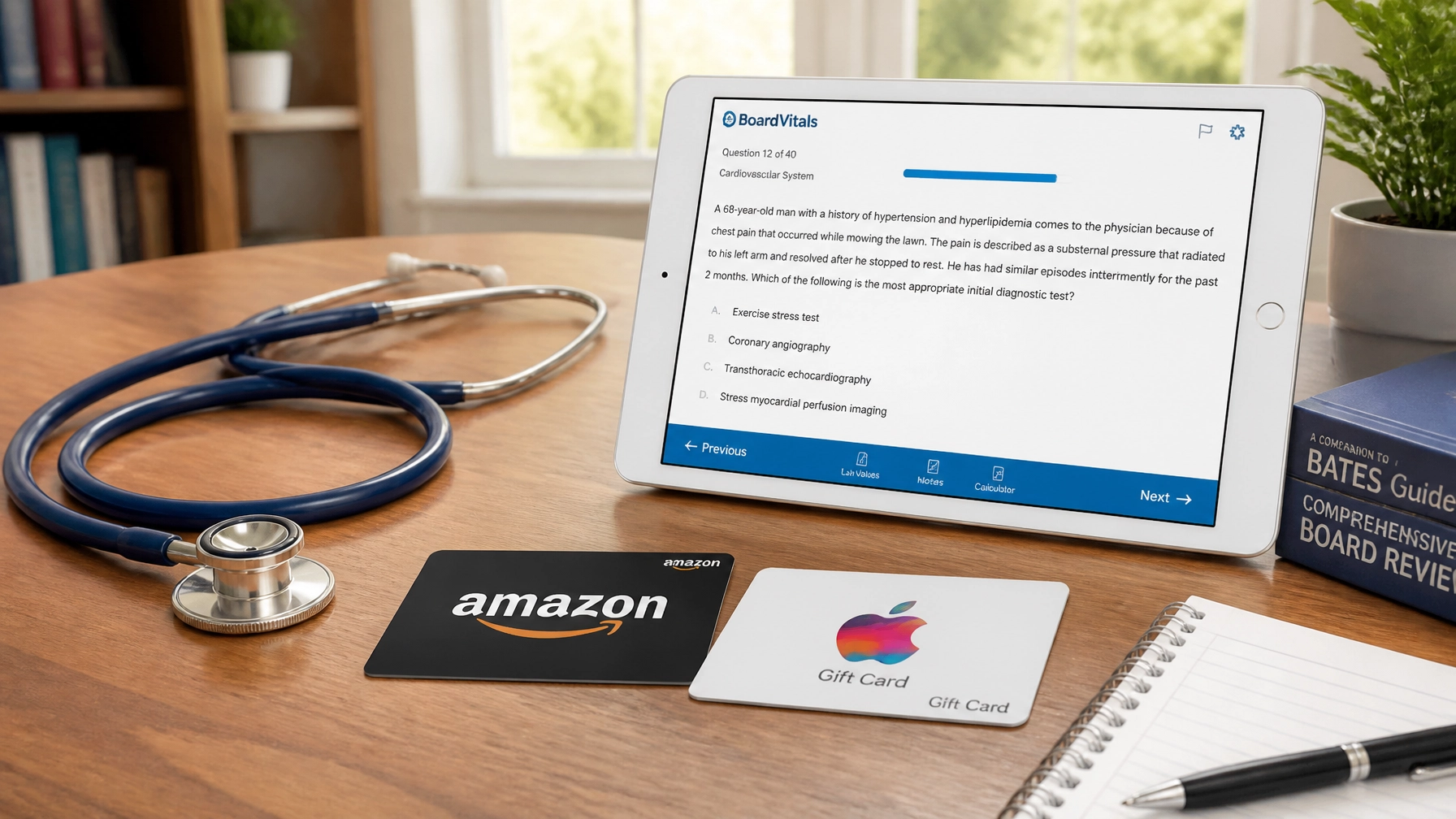
We recognize the importance of maximizing your professional development budget. We offer a CME with gift card add-on for our primary courses. You can add an Amazon or Apple gift card ($100–$1500) to your purchase. The gift card is bundled into the total package price, allowing you to fulfill your educational requirements while gaining additional resources for your practice or personal use.

CME Gift Cards

For those focused on medication management, our Pharmacology CME Review also offers Category 1 credits and gift card options. Note that while both courses provide high-yield content, the 100-hour self-assessment weighting specifically applies to the PANRE Review Course.

Stay ahead of the PANRE-LA timeline. Do not wait until your "best 8 quarters" become your "only 8 quarters." Secure your credits, sharpen your clinical knowledge, and maintain your certification with confidence.

Posted on

Midnight on June 30th: The PA’s Survival Guide to Using Every Last Cent of Your Stipend

The clock is ticking. It is 11:45 PM on June 30th. For thousands of physician assistants across the country, this isn't just the end of another month: it is the final stand for their annual CME stipend. Whether you have $500 or $2,500 left in your professional development account, the rule is usually the same: use it or lose it.

The pressure of clinical practice often pushes administrative tasks to the very last minute. If you find yourself staring at a remaining balance on your employer-provided credit card or an unspent reimbursement budget, you need a solution that is fast, high-yield, and provides long-term value. At CME Review Courses, we specialize in "down to the wire" solutions that secure your credits and maximize your educational resources instantly.

The Midnight Strategy: What to Look For

When you are minutes away from a midnight cutoff, you don't have time to browse through 40-page course catalogs. You need three things:

  1. Immediate Access: A platform that delivers your course content the moment you check out.
  2. High Credit Density: Courses that provide significant hours to knock out your NCCPA or state requirements in one go.
  3. Financial Efficiency: The ability to scale your purchase to match your exact stipend amount.

The Heavy Hitter: PANRE Review Course

If you are approaching your recertification year or simply need a massive influx of Category 1 credits, the PANRE Review Course is the gold standard. This course is designed by physician assistants for physician assistants, ensuring the content is relevant to the high-stakes NCCPA Blueprint.

PANRE Review Course Details:

  • Price: $399.99 (Base Price)
  • Credits: 100 Hours of AAPA Category 1 CME Credit
  • Access: 30 Months of Unlimited Access
  • Deliverables: Comprehensive Review across all major medical specialties (Cardiology, EM, ID, Ortho, etc.)

This package is the most efficient way to use $400 of your stipend while securing double the amount of Category 1 credits required for a standard two-year NCCPA cycle.

PANRE Review Course Materials

Target Your Needs: Pharmacology CME

Many states and specialty certifications (especially for our Nurse Practitioner colleagues who use our content) require specific hours in pharmacology. Our Pharmacology CME Review Package offers a streamlined way to focus on the latest in pharmacotherapeutics.

Pharmacology CME Review Package Details:

  • Price: $399.99 (Base Price)
  • Credits: 12 Hours of AAPA Category 1 CME Credit
  • Access: 30 Months of Unlimited Access
  • Deliverables: Deep dive into high-yield medication management and prescribing pearls.

Whether you are working in Family Medicine or Internal Medicine, these credits count toward your Category 1 requirements and provide practical clinical knowledge you can use on your very next shift.

Maximize the Value: CME with Gift Card Add-Ons

This is the ultimate survival tool for the PA with a large remaining stipend. If your employer provides a generous budget: say $1,500 or $2,000: and you have already purchased your primary books and tools, you don't want that money to vanish.

We offer CME with Gift Card add-ons that allow you to append an Amazon or Apple gift card to your purchase. This allows you to further enrich your education by purchasing medical equipment, new hardware for charting, or additional clinical texts later in the year.

Gift Card Add-On Tiers:

  • Amounts: $100, $250, $500, $750, $1,000, and $1,500
  • Total Package Price: Base Course Price ($399.99) + Selected Gift Card Amount
  • Retailers: Amazon or Apple

By choosing a CME Gift Card package, you can turn a $1,899.99 stipend into a 100-hour PANRE review course and a $1,500 credit to upgrade your iPad for clinical use. It is the most effective way to ensure not a single cent of your benefit goes to waste.

CME Course with Apple and Amazon Gift Card options

Put Your Knowledge to the Test: Clinical Practice Questions

A core part of our philosophy is that CME should be active, not passive. Below are clinical vignettes designed to mirror the style of questions you will find in our PANRE Review Course.

Question 1: Cardiology

Your patient is a 68-year-old male with a history of hypertension and tobacco use who presents to the Emergency Department with sudden onset of substernal chest pain radiating to his left jaw. His HR is 110, BP is 155/90, and SaO2 is 98% on room air. An EKG is performed and shows 2mm ST-segment elevation in leads II, III, and aVF.

What is the most appropriate next step in management for this patient?

A) Administer 324mg Aspirin and initiate a Heparin drip
B) Immediate referral for Primary Percutaneous Coronary Intervention (PCI)
C) Administer IV Metoprolol to reduce myocardial oxygen demand
D) Perform a stat CT Angiography of the chest to rule out aortic dissection

Correct Answer: B) Immediate referral for Primary Percutaneous Coronary Intervention (PCI).
This patient is presenting with an acute Inferior ST-Elevation Myocardial Infarction (STEMI). According to current clinical guidelines, the gold standard of care is reperfusion therapy via PCI, ideally within 90 minutes of first medical contact. While Aspirin (Choice A) is indicated, it should not delay the mobilization of the catheterization lab. Beta-blockers (Choice C) should be used with caution in the acute phase of an MI and are not the priority over reperfusion. CT Angiography (Choice D) is used for suspected aortic dissection, but the EKG findings here clearly point toward an occlusive coronary event.

Question 2: Infectious Disease

Your patient is a 24-year-old female complaining of dysuria, frequency, and suprapubic pain for 48 hours. She denies fever, chills, or flank pain. She is not pregnant and has no significant past medical history. Physical exam reveals mild suprapubic tenderness but no costovertebral angle (CVA) tenderness.

What is the first-line antibiotic choice for this patient's condition?

A) Nitrofurantoin (Macrobid) 100mg BID for 5 days
B) Ciprofloxacin 500mg BID for 7 days
C) Ceftriaxone 250mg IM once
D) Azithromycin 1g PO once

Correct Answer: A) Nitrofurantoin (Macrobid) 100mg BID for 5 days.
The patient presents with an uncomplicated Urinary Tract Infection (UTI). Nitrofurantoin is a first-line treatment due to its high efficacy and minimal impact on vaginal flora. Fluoroquinolones like Ciprofloxacin (Choice B) are no longer considered first-line for uncomplicated UTIs due to the risk of significant side effects and increasing resistance. Ceftriaxone (Choice C) is typically used for more severe infections or gonorrhea, and Azithromycin (Choice D) is used for chlamydial urethritis, not standard bacterial cystitis.

Physician assistant reviewing clinical data and EKG strips

Final Checklist Before Midnight

  1. Check Your Balance: Log into your benefits portal or check your credit card statement to see exactly how much stipend money remains.
  2. Select Your Bundle: Choose between the 100-hour PANRE Review or the Pharmacology CME package.
  3. Add Your Gift Card: If you have extra room in the budget, select the gift card add-on that brings you closest to your stipend limit.
  4. Complete the Purchase: Ensure your transaction is timestamped before 11:59 PM on June 30th to qualify for this fiscal year's reimbursement.

Don't let your hard-earned benefits disappear. Secure your professional development today and enter the second half of the year with the credits you need and the tools you deserve.

Posted on

CME with Amazon Gift Cards: Your Quick-Start Guide to Compliant 2026 Bundles

Navigating the landscape of continuing medical education (CME) requires a balance of high-yield clinical content and efficient budget management. For Physician Assistants (PAs) and Nurse Practitioners (NPs), maximizing the value of employer-provided CME allowances has often involved "CME with gift card" bundles. However, the regulatory environment transitioned significantly in April 2026.

This guide provides the logistical details of our current high-value courses and explains the latest ACCME standards to ensure your professional development remains compliant.

Core CME Course Logistics

PANRE Review Course

  • Price: $399.99
  • Access Duration: 30 months
  • Deliverables: 100 Category 1 AAPA Self-Assessment Credit Hours
  • Content: 1,672 Board-Style Questions with detailed explanations and 17 hours of comprehensive video review.
  • NCCPA Weighting: Automatically weighted at 150 credits toward maintenance requirements.

Pharmacology CME Review

  • Price: $399.99
  • Access Duration: 30 months
  • Deliverables: 12 Category 1 AAPA Credit Hours (Pharmacology specific)
  • Content: 120 Pharmacology-focused questions and video lecture modules.

Understanding the April 2026 ACCME Prohibition

As of April 2026, the Accreditation Council for Continuing Medical Education (ACCME) implemented a strict prohibition regarding personal remuneration tied to the purchase of accredited CME.

The Ruling: Accredited providers may no longer offer personal gift cards (such as Amazon or Apple gift cards) or cash equivalents as an incentive or "add-on" that results in personal financial gain for the individual learner when the purchase is reimbursed by an employer or third party.

Why the Change? The ACCME aims to maintain the integrity and independence of medical education. When a clinician receives a personal gift card as part of a CME bundle paid for by a hospital or clinic, it creates a potential conflict with the Standards for Integrity and Independence.

What This Means for You:
While the search for "CME with Amazon gift card" remains common, the way these bundles are structured must now focus on professional utility rather than personal remuneration. At CME Review Courses, we have shifted our focus to high-value content bundles and institutional discounts that provide the best ROI for your CME budget without violating these new standards.

Clinical Scenario Image


Maximizing Your 2026 CME Budget Compliantly

To stay within the bounds of the 2026 regulations while still maximizing your education allowance, consider the following strategies:

1. Focus on High-Credit Content Bundles

The most efficient use of your budget is a course that covers multiple requirements simultaneously. Our PANRE Review Course offers 100 Category 1 AAPA credits. Because these are "Self-Assessment" credits, the NCCPA applies a 1.5x multiplier, giving you 150 credits for a single purchase. This effectively covers a significant portion of your recertification cycle in one step.

2. Multi-Year Access

Rather than buying a single-year subscription, look for courses offering extended access. Our packages provide 30 months of access, ensuring you have the resources available through two full years and into your next cycle, providing a better long-term value than annual renewals.

3. Institutional and Group Discounts

The ACCME allows for price adjustments and discounts to the payer. If you are part of a large group or practice, we offer discounts for groups of 15 or more. This allows your employer to save on the total educational cost while providing you with premium review material.


Clinical Practice Assessment

In keeping with our commitment to high-yield clinical review, test your knowledge with the following vignettes.

Clinical Vignette 1: Cardiology

Scenario: Your patient is a 64-year-old male presenting with a 2-hour history of substernal chest pressure radiating to the left jaw. He appears diaphoretic. Vital signs are: BP 105/60 mmHg, HR 112 bpm, RR 22 bpm, SaO2 94% on room air. An EKG is performed immediately.

EKG Findings: ST-segment elevation of 2mm in leads II, III, and aVF, with reciprocal ST-segment depression in leads I and aVL.

Question: Which of the following is the most appropriate next step in management for this patient?
A) Immediate administration of a 500mL normal saline bolus.
B) Emergent Cardiology consultation for percutaneous coronary intervention (PCI).
C) Administration of 0.4mg sublingual Nitroglycerin.
D) Urgent CT Angiography of the chest to rule out aortic dissection.

Explanation: The correct answer is B) Emergent Cardiology consultation for percutaneous coronary intervention (PCI). The patient’s EKG shows evidence of an inferior wall ST-elevation myocardial infarction (STEMI). The standard of care for STEMI is immediate reperfusion therapy, ideally via PCI within 90 minutes of arrival at a PCI-capable facility. Option C (Nitroglycerin) should be avoided or used with extreme caution in inferior wall MI, as it can cause significant hypotension due to right ventricular involvement and preload dependency. Option A is secondary to reperfusion. Option D is incorrect as the EKG is diagnostic for STEMI.

Clinical Vignette 2: Pharmacology

Scenario: Your patient is a 45-year-old female with a history of Type 2 Diabetes Mellitus and newly diagnosed Hypertension. Her current HbA1c is 7.2% on Metformin 1000mg BID. Her BP is consistently 148/92 mmHg. You decide to initiate an ACE inhibitor (Lisinopril).

Question: Which of the following electrolyte abnormalities must you monitor for most closely after starting this medication?
A) Hypokalemia
B) Hypernatremia
C) Hyperkalemia
D) Hypocalcemia

Explanation: The correct answer is C) Hyperkalemia. ACE inhibitors (and ARBs) interfere with the renin-angiotensin-aldosterone system (RAAS) by inhibiting the production of Angiotensin II, which in turn leads to a decrease in aldosterone secretion. Reduced aldosterone causes the kidneys to retain potassium and excrete sodium. Therefore, serum potassium levels should be checked within 1-2 weeks of initiating or increasing the dose of an ACE inhibitor, particularly in patients with pre-existing renal impairment or those on other potassium-sparing medications.


Efficient Professional Training

Our courses are designed by PAs for PAs, focusing on the core areas of the NCCPA Blueprint, including Internal Medicine, Family Medicine, and specialty areas like Orthopedics and Dermatology.

PANCE Review Book Cover

Whether you are preparing for the PANRE, PANRE-LA, or simply looking to expand your clinical knowledge in Pharmacology, our mobile-friendly platform allows you to study on your own schedule.

Conclusion

While the 2026 ACCME regulations have changed the availability of personal gift card incentives, the value of high-quality, high-credit CME remains unchanged. By focusing on courses that offer the most credits per dollar: like the 100-hour PANRE Review: and taking advantage of long-term access, you can ensure your CME budget is spent wisely and compliantly.

For more information on our compliant 2026 bundles or to start your review, visit our CME Review Courses Product Page.


Posted on

Last Call: Adding an Amazon Gift Card to Your CME Before the Deadline

Price: $399.99
Duration: 30 Months of Access
Deliverables: 100 Hours of Category 1 AAPA Credit (PANRE Review), Comprehensive Study Materials, and customizable Amazon or Apple Gift Card add-ons ($100 – $1500).

The June 30th deadline is not an NCCPA requirement, but for many Physician Assistants, it is the most critical date of the fiscal year. Most hospital systems and private practices operate on a July 1st to June 30th budget cycle. If your CME stipend is not utilized by midnight on June 30th, those funds typically vanish, resetting for the next year without rollover.

At CME Review Courses, we provide a streamlined method to maximize your professional development funds. By pairing high-yield clinical review with Amazon or Apple gift card add-ons, you ensure that every dollar of your 2026 stipend is utilized effectively. This is your final reminder to secure your credits and your educational incentives before the window closes.

Maximizing Your 2026 CME Stipend

When you purchase the PANRE Review Course or one of our specialty packages like Internal Medicine or Emergency Medicine, you are investing in 30 months of access to peer-reviewed, clinician-authored content. However, the unique value proposition lies in the ability to add a gift card to your purchase.

You can add between $100 and $1500 in Amazon or Apple gift cards to your order. This allows you to use your remaining stipend to purchase medical equipment, reference books, or updated hardware like an iPad for clinical use. This is a pragmatic approach to ensuring your employer-provided benefits are fully realized.

Why PAs Choose Our PANRE Review

The PANRE Review Course provides 100 hours of Category 1 AAPA credit. This content is specifically designed by physician assistants for physician assistants, focusing on the high-yield topics required for recertification.

  • Efficiency: We focus on the NCCPA Blueprint topics you are most likely to encounter.
  • Flexibility: Study at your own pace over a 30-month access period.
  • Specialty Content: Beyond the PANRE, we offer targeted reviews in Cardiology, Orthopedics, Dermatology, and OB/GYN.

PANRE Review Exam Book Cover

The Pharmacology Course and Category 1 Credit

For those focusing on pharmacological requirements, we offer a dedicated Pharmacology Course. It is important to note that while the PANRE Review Course offers 100 hours of Category 1 AAPA credit, the Pharmacology Course also provides Category 1 AAPA credit specifically focused on pharmacotherapeutics.

Nurse Practitioners should note that while these are AAPA credits, many state boards and the ANCC accept Category 1 AAPA credit for NP recertification. Physicians can utilize these courses for Category 2 CME credit.


Clinical Assessment: Practice Questions

To maintain clinical excellence and prepare for exam-style questions, review the following scenarios.

Scenario 1: Emergency Medicine

Your patient is a 64-year-old male presenting to the emergency department with sudden onset of "tearing" chest pain that radiates to his back. His medical history is significant for long-standing, poorly controlled hypertension. On physical exam, his BP is 190/110 mmHg in the right arm and 165/95 mmHg in the left arm. He appears diaphoretic and distressed. A chest X-ray reveals a widened mediastinum.

Which of the following is the most appropriate initial pharmacological intervention to manage this patient's condition?

A. Intravenous Bolus of Heparin
B. Intravenous Labetalol
C. Sublingual Nitroglycerin
D. Intravenous Nitroprusside alone

Correct Answer: B. Intravenous Labetalol

Explanation: The patient’s presentation is highly suggestive of an Aortic Dissection. The primary goal in the initial management of aortic dissection is "anti-impulse therapy" to reduce the shear stress on the aortic wall. Intravenous Labetalol is the preferred first-line agent because it provides both alpha-blockade and beta-blockade, effectively lowering both the heart rate (target <60 bpm) and the blood pressure (target systolic 100–120 mmHg).

  • Heparin (A) is contraindicated as it may worsen bleeding into the false lumen or cause extension of the dissection.
  • Nitroglycerin (C) and Nitroprusside (D) are potent vasodilators that can cause reflex tachycardia, which increases the shear stress (dP/dt) on the aorta. If a vasodilator like nitroprusside is used, it must be preceded by a beta-blocker to prevent this reflex tachycardia.

Emergency Medicine Review Book Cover

Scenario 2: Internal Medicine

Your patient is a 52-year-old female with a history of Type 2 Diabetes and Chronic Kidney Disease (Stage 3a). She presents for a routine follow-up. Her current medications include Metformin and Lisinopril. Her latest labs show an eGFR of 48 mL/min/1.73m² and a UACR (Urine Albumin-to-Creatinine Ratio) of 150 mg/g. Her hemoglobin A1c is 7.8%.

According to current clinical guidelines, which class of medication should be added next to reduce the risk of kidney disease progression and cardiovascular events?

A. GLP-1 Receptor Agonist
B. SGLT2 Inhibitor
C. Sulfonylurea
D. DPP-4 Inhibitor

Correct Answer: B. SGLT2 Inhibitor

Explanation: In patients with Chronic Kidney Disease (CKD) and Type 2 Diabetes, SGLT2 inhibitors (such as Dapagliflozin or Empagliflozin) are strongly recommended to reduce the risk of CKD progression and heart failure, provided the eGFR is within the acceptable range for initiation (typically >20-25 mL/min/1.73m²).

  • GLP-1 Receptor Agonists (A) provide cardiovascular benefits and are good for weight loss and A1c reduction but are considered second-line to SGLT2 inhibitors for specific renal protection in CKD.
  • Sulfonylureas (C) carry a high risk of hypoglycemia and do not offer the same organ-protective benefits.
  • DPP-4 Inhibitors (D) are weight-neutral and generally safe in CKD but do not provide the superior renal and cardiovascular outcomes demonstrated by SGLT2 inhibitors.

Scenario 3: Dermatology

Your patient is a 28-year-old female presenting with a pruritic rash on her flexor surfaces (ankles and wrists). On exam, you observe multiple purple, polygonal, planar, papules. Some of the papules exhibit fine white lines on the surface (Wickham striae).

Which of the following is the most likely diagnosis?

A. Psoriasis
B. Pityriasis Rosea
C. Lichen Planus
D. Eczema (Atopic Dermatitis)

Correct Answer: C. Lichen Planus

Explanation: This clinical presentation fits the classic "6 P's" of Lichen Planus: Purple, Polygonal, Planar, Pruritic, Papules, and Plaques. The presence of Wickham striae is a pathognomonic finding.

  • Psoriasis (A) typically presents on extensor surfaces with silvery scales.
  • Pityriasis Rosea (B) starts with a herald patch and follows a "Christmas tree" distribution on the trunk.
  • Eczema (D) is characterized by ill-defined erythematous patches and weeping vesicles, not purple polygonal papules.

Family Medicine/Dermatology Review Cover


Why the June 30th Deadline Matters

Waiting until the end of the calendar year is a common mistake. If your employer operates on a June 30th fiscal year-end, any unused stipend money is lost. By choosing a CME with Gift Card package, you accomplish three tasks simultaneously:

  1. Meet Credit Requirements: Earn the 100 hours of Category 1 AAPA credit required for your NCCPA cycle.
  2. Prepare for the PANRE: Access high-yield content written specifically for PA recertification.
  3. Utilize Your Full Benefit: The gift card add-on ensures that your stipend is not left on the table.

Our courses cover a wide range of topics, including Internal Medicine, Hospitalist Medicine, Orthopedics, Dermatology, Psychiatry, Neurology, Cardiology, and OB/GYN. This content is designed to be efficient, removing the "fluff" and focusing on the clinical pearls you need for daily practice and board exams.

Practical Clinical Advice

When preparing for your PANRE or PANRE-LA, remember that the exam focuses on common presentations and standard-of-care treatments. Avoid getting bogged down in rare "orphan" diseases unless they are specifically listed in the NCCPA Blueprint. Focus your study time on high-prevalence conditions like Hypertension, Diabetes, COPD, and common musculoskeletal injuries.

If you are a Nurse Practitioner or Physician, while our credits are AAPA Category 1, the clinical value remains high. We have thousands of non-PA customers who find the practical, direct delivery of our content more useful than more academic, long-winded CME options.

Final Call

The clock is ticking on your 2026 budget. Visit CME Review Courses today to select your package. Whether you need the full 100-hour PANRE Review or a specialty-specific module, ensure you add the Amazon or Apple gift card to your cart before the June 30th midnight cutoff.

Secure your 30 months of access now and take the stress out of your 2026 CME requirements.

Posted on

How to Earn AAPA Category 1 Pharmacology Credit Without Burning Out

Maintaining your credentials as a Physician Assistant (PA) requires a strategic approach to Continuing Medical Education (CME). While the NCCPA requires 100 hours of total CME every two years, specific state licensing boards and prescriptive authority mandates often necessitate a dedicated portion of those hours to be in pharmacology. For many PAs, the challenge lies in balancing a full clinical load with the need for high-quality, relevant pharmacology training that doesn't lead to professional burnout.

The Pharmacology CME Review Package is designed by PAs to solve this problem through efficiency and high-yield content delivery.

Pharmacology Course Logistics

  • Price: $399.99
  • Duration of Access: 30 Months
  • Deliverables: 120 Pharmacology Question Bank and Video Content
  • Credits: 12.0 AAPA Category 1 Self-Assessment CME Credits
  • Bonus: Optional Amazon or Apple Gift Card Add-ons ($100 – $1,500)

The Efficiency of Self-Assessment Weighting

One of the most effective ways to avoid burnout while meeting your 100-hour requirement is to utilize AAPA Category 1 Self-Assessment CME. The NCCPA applies a 1.5x multiplier to these credits. This means that completing our 12-hour pharmacology course actually counts as 18 credits toward your 100-hour NCCPA total. This allows you to spend less time in front of a screen and more time focusing on your clinical practice or personal life.

When seeking online pharmacology CME for PAs, you must ensure the content is accredited and recognized by the NCCPA. Our course is explicitly reviewed and approved for 12 AAPA Category 1 pharmacology credits, satisfying both national requirements and state-specific prescriptive authority mandates in jurisdictions like Maryland or Ohio.

Clinical Case Study: Cardiology Pharmacology

Medical illustration of a human heart with blood pressure cuffs and medication bottles nearby, representing hypertension management.

Your patient is a 64-year-old male with a history of hypertension (HTN) and stable angina. He presents for a routine follow-up. His blood pressure today is 152/94 mmHg, and his heart rate (HR) is 78 bpm. He is currently taking Lisinopril 20mg daily and HCTZ 25mg daily. You decide to add a calcium channel blocker to his regimen. Which of the following is the most appropriate next step given his history of stable angina?

A) Nifedipine (Procardia)
B) Amlodipine (Norvasc)
C) Verapamil (Calan)
D) Diltiazem (Cardizem)

Explanation: The correct answer is B) Amlodipine (Norvasc). Amlodipine is a dihydropyridine calcium channel blocker that is effective for both hypertension and stable angina without causing significant negative inotropy compared to non-dihydropyridines. While Verapamil and Diltiazem are calcium channel blockers, they are non-dihydropyridines that can significantly lower heart rate and decrease myocardial contractility, which may be less desirable if the patient were to develop heart failure or bradycardia. Nifedipine, particularly short-acting formulations, can cause reflex tachycardia, which can worsen myocardial oxygen demand in patients with angina.

Navigating State-Specific Pharmacology Requirements

While the NCCPA provides a national standard, PAs must remain vigilant regarding state-level variations. Some states require as few as 8 hours of pharmacology, while others demand more extensive training linked to your DEA license and prescriptive privileges. Using a dedicated online pharmacology CME for PAs ensures that you are not just checking a box, but reinforcing clinical knowledge that directly impacts patient safety and therapeutic outcomes.

Efficiency in learning is achieved by focusing on high-yield topics: pharmacokinetics, pharmacodynamics, and the most commonly prescribed drug classes in primary care and internal medicine. This includes the latest updates in SGLT2 inhibitors, GLP-1 agonists, and advanced anticoagulation management.

Clinical Case Study: Endocrine Pharmacology

A close-up of a glucose meter and an insulin pen on a clean surface, focused on diabetes management and pharmacology.

Your patient is a 52-year-old female with Type 2 Diabetes Mellitus (T2DM) and a BMI of 34. Her current A1c is 8.2% despite maximal doses of Metformin. She has a history of mild heart failure with preserved ejection fraction (HFpEF). Which of the following medication classes provides the dual benefit of improving glycemic control and reducing the risk of heart failure hospitalization?

A) Sulfonylureas (e.g., Glipizide)
B) DPP-4 Inhibitors (e.g., Sitagliptin)
C) SGLT2 Inhibitors (e.g., Empagliflozin)
D) Thiazolidinediones (e.g., Pioglitazone)

Explanation: The correct answer is C) SGLT2 Inhibitors (e.g., Empagliflozin). SGLT2 inhibitors have been shown in major clinical trials to significantly reduce the risk of hospitalization for heart failure and provide cardiovascular protection, making them a first-line choice for patients with T2DM and HF. Sulfonylureas are effective for lowering glucose but are associated with weight gain and hypoglycemia. DPP-4 inhibitors are generally weight-neutral but do not offer the same cardiovascular benefits. Thiazolidinediones are contraindicated in symptomatic heart failure due to the risk of fluid retention and exacerbation of HF symptoms.

Maximizing Your CME Budget with Gift Card Add-Ons

Many PAs are provided with a fixed annual CME allowance. A common mistake is letting these funds expire or spending them on expensive travel that doesn't provide high-yield credits. We offer a pragmatic solution: CME with Amazon and Apple Gift Card add-ons.

By selecting a gift card add-on between $100 and $1,500, you can use your employer-provided education budget to acquire the necessary AAPA Category 1 pharmacology credit while also receiving a gift card to further enrich your education through books, medical equipment, or technology. This approach maximizes the value of every dollar spent and simplifies the procurement process for professional development materials.

CME Package Value Breakdown

  • Pharmacology CME Review: 12.0 AAPA Category 1 Self-Assessment Credits (Counts as 18 NCCPA credits).
  • Question Bank: 120 Questions with detailed clinical rationales.
  • Flexibility: On-demand access allows for completion during downtime, reducing the "burnout" of weekend seminars.
  • Gift Card Options: Amazon and Apple gift cards are processed within 2-3 business days and delivered via email.

Clinical Case Study: Infectious Disease Pharmacology

Your patient is a 28-year-old female presenting with symptoms of an uncomplicated urinary tract infection (UTI). She has a known history of a "severe rash" when taking Sulfamethoxazole/Trimethoprim (Bactrim) in childhood. Which of the following is the most appropriate first-line treatment for her UTI, assuming local resistance patterns are low?

A) Nitrofurantoin (Macrobid)
B) Ciprofloxacin (Cipro)
C) Amoxicillin
D) Cephalexin (Keflex)

Explanation: The correct answer is A) Nitrofurantoin (Macrobid). Nitrofurantoin is a first-line agent for uncomplicated cystitis and is safe to use in a patient with a sulfa allergy. While Fluoroquinolones like Ciprofloxacin are effective, they are generally reserved for more complicated infections or when first-line agents cannot be used, due to the risk of significant side effects (e.g., tendon rupture, QTc prolongation). Amoxicillin and Cephalexin are generally less effective for UTIs compared to Nitrofurantoin and exhibit higher rates of resistance among common uropathogens like E. coli.

The Strategic Advantage of Online Learning

Choosing an online, on-demand format for your pharmacology CME allows you to integrate learning into your existing schedule. Rather than losing a weekend to a live conference, you can tackle the 120-question bank and pharmacology lectures in small, manageable segments. This "micro-learning" approach has been shown to improve retention and reduce the cognitive load associated with intensive, multi-day training sessions.

Whether you are preparing for the NCCPA Blueprint content or simply keeping your prescriptive authority active, the Pharmacology CME Review Package provides the necessary tools without the added stress of travel or rigid schedules.

Amazon and Apple gift cards next to a medical textbook and a tablet, symbolizing educational rewards and CME budget maximization.

Conclusion

Earning your AAPA Category 1 pharmacology credit does not have to be a source of burnout. By choosing a high-yield, self-assessment course, you can leverage the NCCPA multiplier, satisfy state requirements, and maximize your professional development budget with educational gift cards. Focus on efficiency so you can focus on your patients.

Explore our full range of courses, including the PANRE Review Course and specialized tracks in Internal Medicine, to stay current and compliant in your practice.

Posted on

Why You’ll Regret Leaving Your PANRE Review Until July (The June 30th Benefit)

Course Title: PANRE Review Course (100 Hours of Category 1 AAPA CME)
Price: $399.99 (Base price without gift card add-on)
Access: 30 Months
Deliverables: 100 Hours of Category 1 AAPA CME Credit, Comprehensive PANRE/PANRE-LA Review, High-Yield Question Bank

The mid-year mark is more than just a date on the calendar for many Physician Assistants and medical professionals. For those working within hospital systems, academic centers, or large private practices, June 30th marks the hard deadline for the fiscal year. If you have not utilized your 2026 CME stipend by midnight on June 30th, those funds often vanish, resetting on July 1st without the benefit of a rollover.

Waiting until July to begin your PANRE review isn't just a delay in studying; it is a financial and professional oversight that can cost you thousands of dollars in forfeited benefits and weeks of avoidable stress.

The Fiscal Reality: Use It or Lose It

Most employer-provided CME stipends are structured on a "use it or lose it" basis. These funds are allocated as part of your total compensation package, meant to be spent on professional development, board reviews, and educational resources.

If you wait until July 1st to purchase your PANRE Review Course, you are essentially paying for it out of your 2027 budget: or worse, out of your own pocket if you’ve already allocated your next year’s funds elsewhere. By securing your review package before the June 30th deadline, you maximize your 2026 contract benefits and keep your future stipend open for other specialty-specific needs or conferences.

The 100-Hour Advantage

The NCCPA requires PAs to earn 100 CME credits every two years. Our PANRE Review Course provides the full 100 hours of Category 1 AAPA CME credit in one comprehensive package.

When you purchase before the June deadline, you aren't just buying a study guide; you are securing your certification maintenance requirements in one efficient move. This allows you to walk into the second half of the year with your CME requirements largely satisfied, removing the "end-of-year scramble" that often occurs in December.

PANRE/PANRE-LA Review Exam Book Cover by Jeremy Boroff PA-C

Enriching Your Education with Gift Card Add-Ons

One of the most efficient ways to utilize remaining CME funds is through our CME with Gift Card packages. We offer the ability to add an Amazon or Apple Gift Card (ranging from $100 to $1500) to your purchase.

These add-ons are designed to help you further enrich your education. Whether you need to purchase a new iPad for clinical rotations, medical textbooks, or updated diagnostic equipment like a digital stethoscope, these gift cards allow you to tailor your educational tools to your specific practice needs. If you leave your purchase until July, you lose the ability to apply your 2026 budget toward these essential clinical resources.

Clinical flat lay showing medical tools and educational gift card options.

Clinical Review: Practice Questions

To succeed on the PANRE or PANRE-LA, you must be able to apply clinical knowledge to complex patient presentations. Below are several clinical vignettes designed to test your proficiency across the NCCPA Blueprint.

Cardiology Assessment

Your patient is a 68-year-old male presenting to the emergency department with a two-hour history of crushing substernal chest pain that radiates to his left jaw. He appears diaphoretic and is clutching his chest. His past medical history is significant for hypertension, hyperlipidemia, and a 40-pack-year smoking history.

Vitals:

  • HR: 105 bpm
  • BP: 158/94 mmHg
  • SaO2: 93% on room air
  • Temp: 98.6°F

The EKG shows 3mm ST-segment elevation in leads II, III, and aVF with reciprocal ST depression in leads I and aVL.

Which of the following is the most appropriate next step in management?
A. Perform a bedside echocardiogram
B. Administer 324mg of chewed aspirin and activate the cardiac catheterization lab
C. Order a STAT Troponin I and wait for the results before intervention
D. Administer intravenous metoprolol

Answer: B. Administer 324mg of chewed aspirin and activate the cardiac catheterization lab.

Explanation: This patient is presenting with an acute inferior wall STEMI (ST-Elevation Myocardial Infarction). In the setting of a STEMI, "time is muscle." The standard of care is immediate reperfusion therapy. Administering aspirin significantly reduces mortality in acute coronary syndrome. You must activate the catheterization lab immediately rather than waiting for cardiac biomarkers (Troponin), which can take 60 minutes or more to result and may be negative in the early stages of an infarct. Metoprolol (Choice D) should be used with caution in acute MI and is not the immediate priority over reperfusion.

EKG Guide Book Cover by Jeremy R. Boroff, PA-C

Internal Medicine: Pulmonary Assessment

Your patient is a 54-year-old female with a history of COPD who presents with increased dyspnea and a productive cough over the last three days. She notes her sputum has changed from clear to greenish-yellow. She denies chest pain or lower extremity edema.

Vitals:

  • HR: 92 bpm
  • BP: 130/82 mmHg
  • RR: 22 breaths/min
  • SaO2: 89% on room air (Baseline is 92%)
  • Temp: 100.2°F

Physical exam reveals diffuse expiratory wheezing and increased use of accessory muscles.

What is the most appropriate initial pharmacological intervention for this patient’s acute exacerbation?
A. High-dose intravenous corticosteroids
B. Inhaled short-acting beta-agonists (SABA) and anticholinergics
C. Maintenance therapy with a long-acting muscarinic antagonist (LAMA)
D. Broad-spectrum intravenous carbapenems

Answer: B. Inhaled short-acting beta-agonists (SABA) and anticholinergics.

Explanation: The first-line treatment for an acute COPD exacerbation is inhaled bronchodilation with a SABA (like Albuterol) and a short-acting anticholinergic (like Ipratropium). While systemic corticosteroids (Choice A) are often indicated for COPD exacerbations to reduce recovery time and improve lung function, they are typically administered after or alongside initial bronchodilator therapy. Choice C is a maintenance therapy, not appropriate for acute rescue. Antibiotics are indicated for patients with increased sputum purulence and dyspnea, but initial stabilization centers on bronchodilation.

A medical professional studying clinical vignettes and practice questions.

Orthopedics: Acute Injury Assessment

Your patient is a 22-year-old male who was playing basketball when he landed awkwardly on his left foot after a jump. He reports hearing a "loud pop" followed by immediate pain and swelling. He is unable to bear weight on the left leg.

Physical Exam:

  • Anterior Drawer Test: Positive (increased laxity)
  • Lachman Test: Positive
  • McMurray Test: Negative
  • Varus/Valgus Stress: Stable

What is the most likely diagnosis?
A. Medial collateral ligament (MCL) tear
B. Meniscal tear
C. Anterior cruciate ligament (ACL) rupture
D. Patellar tendon rupture

Answer: C. Anterior cruciate ligament (ACL) rupture.

Explanation: The clinical triad of a "pop" sound, immediate swelling (hemarthrosis), and inability to bear weight is highly suggestive of an ACL rupture. The Lachman test is the most sensitive physical exam maneuver for detecting an ACL tear, while the Anterior Drawer test provides further confirmation of anterior tibial translation. A meniscal tear (Choice B) would more likely present with joint line tenderness and a positive McMurray test. MCL and LCL injuries (Choice A) are identified via valgus and varus stress testing, respectively.

Don't Leave Your Career to Chance

The June 30th benefit is simple: it is the opportunity to use your current resources to protect your future career. By choosing to enroll in the PANRE Review Course now, you are ensuring that your board preparation is handled by experts, your 100 hours of Category 1 AAPA credit are secured, and your educational budget is utilized to its full potential.

Our content is written by physician assistants for physician assistants, ensuring that every question and every lecture is tailored to the specific needs of our profession. Whether you are in Family Medicine, Emergency Medicine, or a sub-specialty like Orthopedics or Dermatology, our review packages provide the high-yield information you need to pass your boards and maintain your certification with confidence.

Make the move before the June 30th deadline. Explore our CME packages with Amazon and Apple Gift Card add-ons here and start your review today.

Posted on

The 48-Hour Plan: Quick Category 1 Credits to Save Your Mid-Year Budget

The mid-year deadline of June 30th creates a high-pressure environment for Physician Assistants. Whether you are facing a state licensing renewal or an employer-mandated deadline to exhaust your annual CME stipend, the window for action is closing. Obtaining high-yield Category 1 AAPA credit does not have to be a multi-week ordeal.

If you are currently short on hours, you need an efficient, 48-hour execution plan to secure your credits and maximize your professional budget before the clock strikes midnight on June 30th.

Course Logistics and Deliverables:

  • PANRE Review Course: $399.99 for 100 Hours of Category 1 AAPA Credit.
  • Pharmacology CME Course: $399.99 for 12 Hours of Category 1 AAPA Credit.
  • Access Duration: 30 Months for all packages.
  • Gift Card Add-ons: $100 to $1500 (Amazon or Apple) available for all courses.
  • Format: Digital, on-demand modules with comprehensive practice questions.

The 48-Hour Execution Strategy

The primary challenge in late June is not just finding a course, but finding one that delivers a substantial volume of credit instantly. Many PAs find themselves 20, 50, or even 100 hours short due to a busy clinical schedule.

Day 1: Secure the Heavy Hitters

The most efficient path to credit volume is the PANRE Review Course. This course provides 100 hours of Category 1 AAPA credit. While it is titled for the PANRE, it is an exhaustive review of Family Medicine, Internal Medicine, and common surgical subspecialties.

By starting Day 1 with this course, you address the bulk of any credit deficiency. The content is broken down into manageable clinical modules, allowing you to focus on high-yield topics such as Cardiology, Pulmonology, and Gastroenterology.

Day 2: Pharmacology and Specialized Credits

If your specific requirement involves pharmacology or if you have extra stipend funds that will vanish by July 1st, the Pharmacology CME Review Package is your next step. This provides 12 hours of Category 1 AAPA pharmacology credit. Many state boards and employer contracts specifically require a set number of these hours.

Prescription medication bottles representing Pharmacology CME

Maximizing the Mid-Year Budget with Gift Cards

A common frustration among PAs is the "use it or lose it" nature of the CME stipend. If you have $2,000 remaining in your budget on June 28th, buying a standard $400 course leaves $1,600 on the table.

Our CME packages allow you to add an Amazon or Apple Gift Card from $100 up to $1500 to your purchase. This integrates the gift card into your educational package price. This allows you to purchase necessary medical equipment, textbooks, or technology to further your clinical education throughout the rest of the year, even after the June 30th deadline has passed.

Laptop with medical course and gift card concept

Professional Board Review Resources

For those specifically preparing for the NCCPA Blueprint, high-quality review books are essential companions to the digital modules. Using the rest of your budget on physical resources ensures you have a tangible library for the next certification cycle.

PANRE Review Exam Book 1
PANRE Review Exam Book 2

Educational Assessment and Clinical Vignettes

To maintain certification and provide high-standard care, PAs must stay sharp on clinical diagnostics and management protocols. Below are three practice scenarios representative of the content found within our 100-hour and pharmacology courses.

Physician Assistant examining an elderly patient in a clinical setting

Clinical Scenario 1: Cardiovascular Management

Your patient is a 68-year-old male with a history of hypertension and Type 2 Diabetes who presents for a routine follow-up. He reports occasional lightheadedness when standing quickly. His current medications include Lisinopril 20mg and Metformin 1000mg BID. Vitals: BP 142/88 (sitting), 118/72 (standing); HR 74; SaO2 98% on room air. Lab work shows a serum potassium of 5.2 mEq/L and a Cr of 1.4 mg/dL (baseline 1.1).

Which of the following is the most appropriate next step in management?

A) Increase Lisinopril to 40mg
B) Discontinue Lisinopril and start Amlodipine
C) Add Hydrochlorothiazide 25mg
D) Order a 24-hour Holter monitor

Correct Answer: B) Discontinue Lisinopril and start Amlodipine
The patient is experiencing symptomatic orthostatic hypotension and mild hyperkalemia (Potassium 5.2). ACE inhibitors like Lisinopril can contribute to both hyperkalemia and orthostasis, especially with declining renal function (Cr increase from 1.1 to 1.4). Switching to a Calcium Channel Blocker like Amlodipine avoids the risk of hyperkalemia while still managing the primary hypertension. Increasing the dose (A) would worsen the orthostasis. Adding a diuretic (C) would increase the risk of volume depletion and further orthostasis. A Holter monitor (D) is not indicated as the lightheadedness is clearly orthostatic in nature.

Clinical Scenario 2: Respiratory Emergency

Your patient is a 24-year-old female with a history of asthma presenting to the Urgent Care with acute shortness of breath and wheezing. She has been using her Albuterol inhaler every 2 hours for the last 12 hours without significant relief. Vitals: HR 115; RR 28; SaO2 91% on room air. On exam, she has diffuse expiratory wheezing and is using accessory muscles.

What is the most appropriate immediate intervention?

A) Administer nebulized Albuterol/Ipratropium and oral Prednisone
B) Order a Stat Chest X-ray
C) Start I.V. Magnesium Sulfate
D) Administer subcutaneous Epinephrine

Correct Answer: A) Administer nebulized Albuterol/Ipratropium and oral Prednisone
The patient is having an acute asthma exacerbation with signs of respiratory distress (tachypnea, tachycardia, accessory muscle use, and hypoxia). The standard of care is immediate bronchodilation with a SABA/SAMA combination and systemic corticosteroids to reduce airway inflammation. A chest X-ray (B) is only indicated if a complication like pneumothorax or pneumonia is suspected, but should not delay treatment. Magnesium (C) is reserved for severe cases unresponsive to initial therapy. Epinephrine (D) is generally reserved for anaphylaxis or severe status asthmaticus when nebulized therapy is not feasible.

Clinical Scenario 3: Dermatology Assessment

Your patient is a 45-year-old male presenting with a pruritic, erythematous rash on his right lower leg. He reports the area has been getting larger over the last 3 days. He has no fever or chills. On exam, the area is well-demarcated, shiny, and tender to palpation. There is no fluctuance or purulence. Vitals are stable.

What is the most likely diagnosis?

A) Cellulitis
B) Erysipelas
C) Necrotizing Fasciitis
D) Contact Dermatitis

Correct Answer: B) Erysipelas
The key descriptor here is "well-demarcated" and "shiny." Erysipelas is a superficial form of cellulitis typically caused by Streptococcus pyogenes that involves the upper dermis and superficial lymphatics, leading to a sharply defined border. Standard cellulitis (A) usually has deeper involvement and more diffuse, poorly defined borders. Necrotizing Fasciitis (C) would present with systemic toxicity, rapid progression, and "pain out of proportion to exam." Contact dermatitis (D) would typically present with vesicles or scaling and a history of exposure to an irritant, rather than the tender, inflammatory plaque seen here.

Final Call for June 30th

Efficiency is the priority when navigating the mid-year deadline. By choosing a comprehensive 100-hour PANRE Review Course, you can fulfill your entire CME obligation in one single purchase. Adding a gift card allows you to maximize your employer's contribution and secure educational resources for the future.

Ensure your credits are logged and your stipend is utilized. Visit CME Review Courses today to select your package and beat the June 30th deadline.