Posted on

Why CME Gift Cards Will Change the Way You Use Your Annual Allowance

Price: $399.99 for the base package
Duration of Access: 30 months
Deliverables: 100 Hours of Category 1 AAPA CME (PANRE Review), 30+ specialty-specific hours (Internal Medicine, Orthopedics, etc.), hundreds of practice questions, and gift card add-on options ranging from $100 to $1,500.

Maximizing your annual CME allowance requires strategic planning to ensure you meet certification requirements while also obtaining the resources necessary for clinical practice. Many physician assistants find themselves at the end of the fiscal year with remaining funds that will not roll over. The CME with Gift Card model provided by CME Review Courses offers a functional solution to this dilemma.

By selecting a CME package with an Amazon or Apple gift card add-on, you effectively leverage your employer’s educational stipend to its fullest potential. This approach allows you to secure the necessary 100 Hours of Category 1 AAPA CME required for PANRE or PANRE-LA, while simultaneously acquiring a gift card that can be used to enrich your professional toolkit.

Leveraging Amazon and Apple for Professional Enrichment

The choice between an Amazon or Apple gift card add-on depends on your specific educational needs.

Amazon Gift Card Add-Ons
An Amazon gift card provides access to a massive inventory of medical textbooks, diagnostic tools, and office supplies. Whether you need the latest edition of Harrison's Principles of Internal Medicine or a high-quality stethoscope, this add-on ensures your CME budget supports your physical resources as much as your knowledge base.

Medical textbooks and Amazon context

Apple Gift Card Add-Ons
For PAs who rely on digital resources, an Apple gift card allows for the purchase of iPads, MacBooks, or specialized medical applications. These devices are essential for point-of-care references and the efficient completion of online CME modules. Upgrading your hardware ensures that your digital library is accessible and that you can perform your clinical duties with the most current technology.

Medical professional using an iPad

Specialty-Specific CME Packages

CME Review Courses offers tailored content written by physician assistants for physician assistants. Available packages include:

These packages provide high-yield clinical content that is directly applicable to daily practice and board preparation.


Clinical Assessment and Management Review

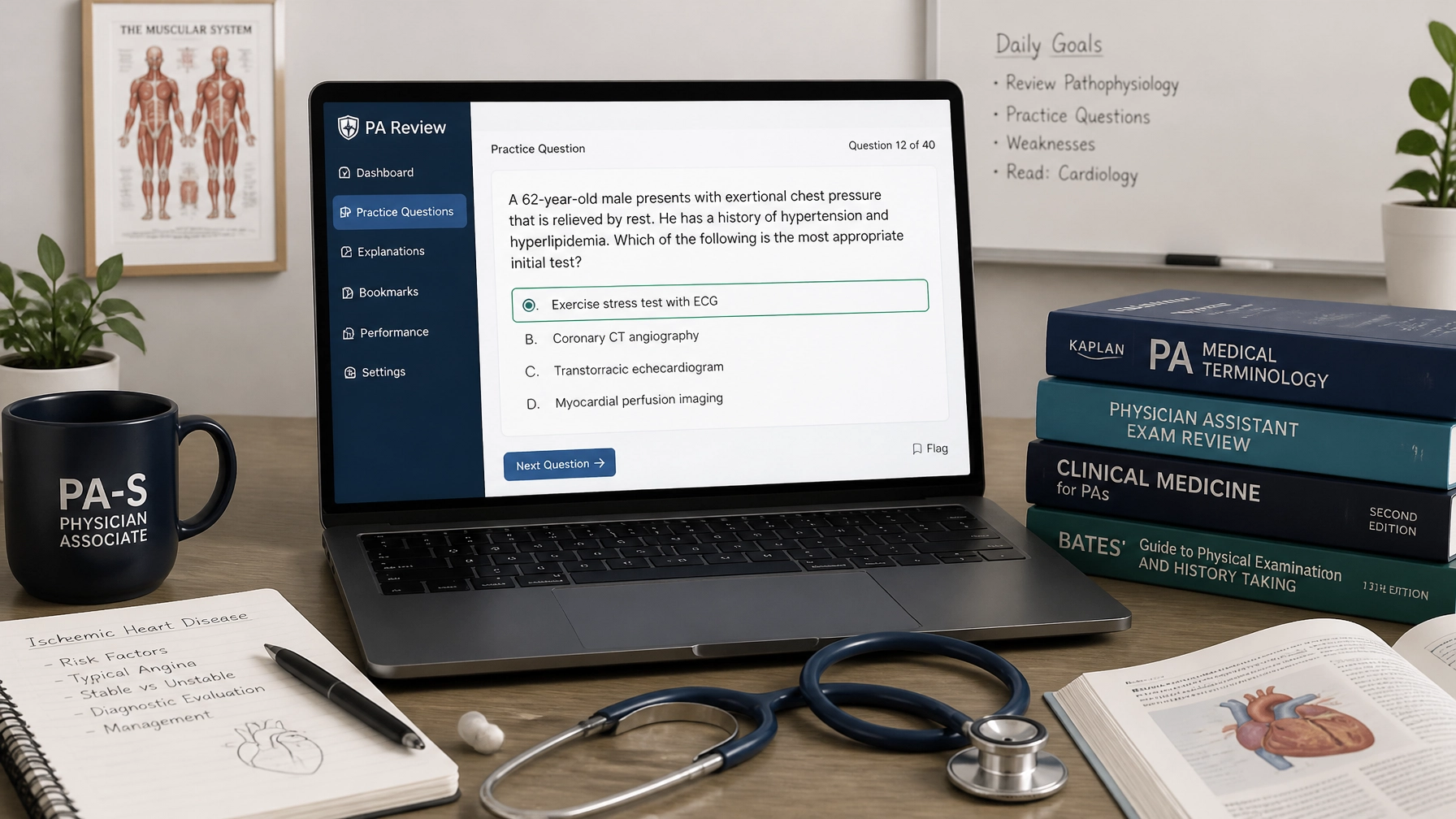
Practice Question Visual

Clinical Scenario 1
Your patient is a 64-year-old male presenting to the Emergency Department with a 4-hour history of substernal chest pain. He describes the pain as "crushing" and notes radiation to his left jaw. His vital signs are: BP 152/94 mmHg, HR 102 bpm, SaO2 96% on room air, and RR 20 bpm. An EKG is performed and reveals 2mm ST-segment elevation in leads II, III, and aVF.

What is the most appropriate next step in the management of this patient?
A. Administer 324 mg of aspirin and arrange for emergent percutaneous coronary intervention (PCI).
B. Administer intramuscular morphine and wait for troponin results.
C. Start a bolus of intravenous heparin and observe for 6 hours.
D. Order a CT angiogram of the chest to rule out aortic dissection.

Correct Answer: A. Administer 324 mg of aspirin and arrange for emergent percutaneous coronary intervention (PCI).

Explanation:
The patient is presenting with a ST-elevation myocardial infarction (STEMI) involving the inferior wall (leads II, III, aVF). The standard of care for a STEMI is immediate reperfusion therapy. Aspirin should be administered immediately to inhibit platelet aggregation. PCI is the preferred reperfusion strategy if it can be performed within 90 minutes of medical contact.

  • B is incorrect because while morphine may be used for pain control, it is not a definitive treatment and troponin results should not delay reperfusion in the setting of clear EKG changes.
  • C is incorrect because observation is contraindicated in STEMI; immediate intervention is required.
  • D is incorrect because the EKG findings are diagnostic of STEMI; while aortic dissection is a differential for chest pain, the ST elevation in a specific distribution points directly to myocardial infarction.

Clinical Scenario 2
Your patient is a 28-year-old female who presents with a 3-day history of lower abdominal pain, dyspareunia, and unusual vaginal discharge. On physical examination, she has a temperature of 101.4°F (38.5°C). Pelvic exam reveals significant cervical motion tenderness and adnexal tenderness.

What is the most likely diagnosis?
A. Pelvic Inflammatory Disease (PID)
B. Ectopic pregnancy
C. Appendicitis
D. Ovarian torsion

Correct Answer: A. Pelvic Inflammatory Disease (PID).

Explanation:
The triad of lower abdominal pain, cervical motion tenderness (chandelier sign), and adnexal tenderness in a young patient is highly suggestive of PID. The presence of fever and vaginal discharge further supports this diagnosis, which often results from ascending infection from the cervix (commonly Chlamydia or Neisseria gonorrhoeae).

  • B is incorrect because while ectopic pregnancy causes abdominal pain, it would typically present with a positive pregnancy test and lack the classic signs of infection like fever and discharge.
  • C is incorrect because appendicitis typically presents with pain migrating to the right lower quadrant and would not explain cervical motion tenderness.
  • D is incorrect because ovarian torsion usually presents with sudden, severe unilateral pain and an adnexal mass, rather than cervical motion tenderness and discharge.

Clinical Scenario 3
Your patient is a 72-year-old female with a history of hypertension and atrial fibrillation who is brought to the clinic after a fall. She complains of severe pain in her right hip and inability to bear weight. On physical examination, her right leg is shortened and externally rotated.

What is the most likely orthopedic diagnosis?
A. Femoral neck fracture
B. Posterior hip dislocation
C. Anterior hip dislocation
D. Intertrochanteric bursitis

Correct Answer: A. Femoral neck fracture.

Explanation:
A shortened and externally rotated leg following trauma in an elderly patient is the classic presentation for a hip fracture, such as a femoral neck or intertrochanteric fracture.

  • B is incorrect because a posterior hip dislocation typically presents with the leg shortened, adducted, and internally rotated.
  • C is incorrect because anterior dislocations are less common and usually present with the leg in abduction and external rotation, but the trauma history in an elderly patient more strongly suggests fracture.
  • D is incorrect because bursitis would not cause limb shortening or external rotation; it presents with localized lateral hip pain.

Posted on

PANRE-LA vs Traditional PANRE: Which Path Saves You More CME Money?

Choosing between the PANRE-LA and the traditional PANRE is one of the most significant decisions you will make during your ten-year recertification cycle. While both paths lead to the same goal: maintaining your PA-C credentials: the financial and logistical implications differ substantially. Understanding how to navigate these options while maximizing your employer-provided CME budget is essential for every practicing physician assistant.

Price: $399.99
Duration: 30 Months Access
Deliverables: 100 Category 1 AAPA CME Credits, Comprehensive PANRE Review

The Financial Landscape of Recertification

The NCCPA has set the base price for both the traditional PANRE and the PANRE-LA at $350. On the surface, the costs appear identical. However, the true cost of recertification involves much more than the registration fee. It includes the cost of preparation materials, the time spent away from clinical practice, and the strategic use of your CME allowance.

When you invest in a panre review course, you are not just buying test preparation; you are acquiring the necessary credits to fulfill your biennial requirements. Our PANRE Review Course provides 100 hours of Category 1 AAPA credit, which effectively covers your entire 50-hour Category 1 requirement for two full cycles. By bundling your education with your exam prep, you eliminate the need to purchase separate, fragmented CME activities throughout the year.

PANRE-LA: The Longitudinal Approach

The PANRE-LA (Longitudinal Assessment) is an "open-book" format spread over three years (quarters 7 through 12 of your cycle). You answer 25 questions per quarter.

Pros:

  • Lower Stress: You can answer questions at your own pace within each quarter.
  • Open Resource: You can use clinical references during the exam.
  • Immediate Feedback: You receive the correct answers and rationales immediately after submitting your response.

Cons:

  • Long-Term Commitment: You must remain engaged for up to 12 quarters.
  • Delayed Results: You may not know if you passed until the end of the third year of the process.
  • No Retakes: If you fail the PANRE-LA, you are forced to take the traditional PANRE at an additional cost.

Traditional PANRE: The Single-Day Event

The traditional PANRE remains a four-hour, 240-question proctored exam taken at a Pearson VUE testing center during years 9 or 10 of your cycle.

Pros:

  • One and Done: You finish your requirement in a single afternoon.
  • Flexibility in Timing: You choose the day and time that fits your schedule in the final two years.
  • Familiar Format: It mirrors the PANCE format that most PAs are comfortable with.

Cons:

  • High Pressure: One bad day can impact your certification.
  • Closed Book: Requires significant rote memorization of the NCCPA Blueprint.
  • Logistics: Requires travel to a testing center and time off from work.

Maximizing Value with CME Gift Cards

Regardless of the path you choose, you should be utilizing your employer’s CME money to its fullest extent. A common challenge for PAs is spending their entire CME allowance before the end of the fiscal year. To solve this, we offer cme gift cards as add-ons to our packages.

Amazon and Apple gift cards on a desk with medical equipment

When you purchase our panre review course, you have the option to add an Amazon or Apple Gift Card ranging from $100 to $1500 to your order. It is important to note that these are NOT free gifts. They are educational add-ons that allow you to use your CME funds to purchase additional medical equipment, textbooks, or technology (like an iPad for patient education) that further enriches your clinical practice. This turns a simple course purchase into a comprehensive professional development investment.

Integrating the 100-Hour Course into Your Study Plan

For those choosing the PANRE-LA, our course serves as a real-time reference. Because the PANRE-LA is open-book, having a searchable, comprehensive review written by physician assistants for physician assistants is invaluable. For those opting for the traditional PANRE, the course provides the structure needed to master the vast amount of information required for a high-stakes exam.

PANRE Review Exam 1 Book Cover

Our content covers the breadth of clinical practice, including:

  • Cardiology
  • Emergency Medicine
  • Internal Medicine/Hospitalist
  • Orthopedics
  • Dermatology
  • Psychiatry
  • Neurology
  • OB/GYN

While our primary audience is physician assistants, many nurse practitioners and physicians find value in our materials. For Nurse Practitioners, AAPA Category 1 Credit acceptance varies by state board, so verification is recommended. For physicians, our courses typically count as Category 2 CME.

PANRE Review Exam 2 Book Cover

Clinical Application and Practice

Success on either the PANRE or PANRE-LA requires more than just reading; it requires applying knowledge to clinical scenarios. High-quality pance prep courses focus on the "most likely diagnosis" and "initial management" questions that dominate the NCCPA Blueprint.


Clinical Vignette: Cardiovascular Management

EKG monitor in a clinical setting

Your patient is a 64-year-old male with a history of hypertension and tobacco use who presents to the Emergency Department with a 2-hour history of substernal chest pressure that radiates to his left jaw. He is diaphoretic and appears uncomfortable. His vital signs are: BP 110/70 mmHg, HR 98 bpm, RR 20 bpm, and SaO2 96% on room air. An EKG is performed and demonstrates 3mm ST-segment elevation in leads II, III, and aVF.

What is the most appropriate next step in the management of this patient?

A) Administer 324mg of Aspirin and activate the cardiac catheterization lab
B) Obtain a STAT chest X-ray to rule out aortic dissection
C) Administer 0.4mg of sublingual Nitroglycerin and monitor for symptom relief
D) Draw serial Troponin levels and admit to the observation unit

Explanation:
The correct answer is A: Administer 324mg of Aspirin and activate the cardiac catheterization lab.
The patient is presenting with an acute ST-segment elevation myocardial infarction (STEMI) involving the inferior wall (leads II, III, aVF). Immediate reperfusion therapy is the gold standard of care. Aspirin should be administered immediately to inhibit further platelet aggregation. Activation of the catheterization lab for primary percutaneous coronary intervention (PCI) is the definitive treatment to restore blood flow.

  • Choice B is incorrect because while aortic dissection can cause chest pain, it typically presents with a tearing sensation and unequal blood pressures in the arms; delaying STEMI treatment for a chest X-ray increases myocardial necrosis.
  • Choice C is incorrect as Nitroglycerin should be used with extreme caution in inferior wall MIs due to the high risk of profound hypotension if there is right ventricular involvement. It is not the priority over reperfusion.
  • Choice D is incorrect because serial Troponins are used for NSTEMI or unstable angina; a STEMI diagnosis is made via EKG, and treatment must not be delayed for laboratory confirmation.

Efficiency in CME Spending

Whether you are five years out from your exam or in the middle of your PANRE-LA quarters, efficiency is key. By selecting a course that offers 100 hours of Category 1 AAPA credit, you solve your CME requirement and your exam preparation in one step. Adding a cme gift card add-on ensures that your clinical tools are as up-to-date as your medical knowledge.

The transition to the 10-year cycle and the introduction of the PANRE-LA has given PAs more choices than ever. Make the choice that protects your time, your credentials, and your wallet.

Posted on

Looking for a PANRE Review Course? 10 Things You Should Know About 100-Credit Packages and Gift Card Add-Ons

Price: $399.99 (Base Course)
Duration: 30-Month Access
Deliverables: 100 Category 1 AAPA Self-Assessment CME Credits, 1,672 Board-Style Questions, Comprehensive Lecture Slides

Navigating the maintenance of certification (MOC) requirements for the National Commission on Certification of Physician Assistants (NCCPA) requires a strategic approach to time and financial management. Whether you are preparing for the traditional PANRE or participating in the PANRE-LA, the burden of accumulating 100 CME credits every two years is a constant administrative task. Selecting a panre review course is not merely about passing an exam; it is about maximizing the utility of your employer-provided CME budget.

The PANRE Review Course CME Package offered by CME Review Courses is designed to address both clinical preparation and credit requirements in a single, efficient bundle. Here are 10 essential things you need to know about our 100-credit packages and how the gift card add-on system functions to benefit your professional development.

1. 100 Category 1 AAPA Self-Assessment CME Credits

The most significant advantage of this package is the sheer volume of credit. While many review courses offer 20 to 30 credits, our PANRE Review Course provides 100 Category 1 AAPA Self-Assessment CME credits. This is specifically designated for the PANRE course. This allows a Physician Assistant to fulfill their entire Category 1 requirement for a two-year cycle with a single course. Because these are "Self-Assessment" credits, they are highly valued by the NCCPA and provide a comprehensive review of the entire NCCPA Blueprint.

2. Comprehensive Question Bank: 1,672 Questions

Active learning through testing is the most effective way to prepare for the PANCE or PANRE. This course includes 1,672 board-style review questions. Each question is accompanied by detailed explanations and rationales, allowing you to understand not just the correct answer, but why the distractors are incorrect. This volume of practice material ensures that you are exposed to every major organ system and task area required for certification.

PANRE Review Exam 1 Book Cover

3. The Gift Card Add-On System

A unique feature of our program is the ability to include a gift card add-on with your purchase. It is important to understand that these are not free gifts. They are optional add-ons ranging from $100 to $1500 for either Amazon or Apple. When you select an add-on, the value of the gift card is added to the total price of the CME package. This creates a single transaction that allows you to use your CME allowance for both the educational course and a gift card that can be used to purchase medical equipment, books, or technology to further your education.

4. Efficiency for the PANRE-LA

For PAs choosing the PANRE-LA (Longitudinal Assessment), the 100-credit package is an ideal companion. While the PANRE-LA is an open-resource exam, having a structured review of the NCCPA Blueprint allows for quicker reference and more confident answers. By using the panre review course as your primary study resource, you can earn your credits while simultaneously ensuring you have the knowledge base to handle the quarterly questions.

5. Content Created by PAs for PAs

Clinical education is most effective when it is delivered by those who understand the specific professional scope and exam style of the target audience. All content in our pance prep courses and PANRE packages is written and curated by Physician Assistants. This ensures that the clinical vignettes and educational focuses align exactly with the practical realities of PA practice and the specific nuances of NCCPA testing.

6. Access and Flexibility

Professional life is unpredictable. Our PANRE Review Course offers 30 months of access from the date of purchase. This long-term access is particularly useful for those who prefer to study over a longer period or for those who wish to use the course as a clinical reference tool in their daily practice long after they have earned their credits. The self-paced nature of the course means you can complete it on your own schedule, from any device.

PA holding a tablet with gift card add-on options

7. Utilization of CME Funds

Many employers provide an annual CME stipend that must be used within a specific timeframe. Our cme gift cards add-on allows you to maximize this benefit. If you have a $2,000 allowance but the course is only $399.99, you can add a $1,500 gift card to the package. This ensures you are not leaving professional development money on the table. Again, these gift cards are purchased as part of the package to enhance your educational resources.

8. Value for Nurse Practitioners and Physicians

While our primary focus is on Physician Assistants, other medical professionals find significant value in our content. Nurse Practitioners can claim AAPA Category 1 credit in many states, though requirements vary by state board. For Physicians, this course provides Category 2 CME credit. Internal Medicine physicians, in particular, frequently utilize our packages for a broad-based review of clinical topics, even though it does not count as Category 1 for them.

9. Specialized Content Areas

The course covers the full spectrum of medicine required for the boards, including:

  • Emergency Medicine
  • Family Medicine
  • Internal Medicine
  • Orthopedics
  • Dermatology
  • Psychiatry
  • Neurology
  • Cardiology
  • OB/GYN

This breadth ensures that even specialized PAs receive a "refresher" on topics outside their daily scope, which is essential for generalist recertification exams.

10. No Administrative Hassle

We focus on information delivery. The course is structured with a rigid, predictable template. You get the facts, the questions, and the credits. We provide the necessary documentation to show completion of the 100 hours of AAPA Category 1 credit without unnecessary fluff or complicated navigation.


Internal Medicine Clinical Review

To demonstrate the quality and style of the 1,672 questions included in the panre review course, consider the following Internal Medicine clinical vignettes.

Scenario 1

Your patient is a 64-year-old male with a history of hypertension and Type 2 Diabetes who presents to the clinic complaining of a persistent, non-productive cough for three weeks. He was recently started on a new medication for blood pressure control. His vitals are HR 78, BP 132/84, SaO2 98% on room air. Physical exam reveals clear lungs and no peripheral edema.

Which of the following medications is most likely responsible for this patient's symptoms?

A) Amlodipine
B) Metoprolol
C) Lisinopril
D) Hydrochlorothiazide

Explanation: Lisinopril is the correct answer. ACE inhibitors are well-known to cause a dry, non-productive cough in approximately 5-20% of patients due to the accumulation of bradykinin and substance P in the upper airways. Amlodipine (Choice A) more commonly causes peripheral edema. Metoprolol (Choice B) may cause fatigue or bradycardia. Hydrochlorothiazide (Choice D) is more associated with electrolyte imbalances like hypokalemia.

Scenario 2

Your patient is a 52-year-old female presenting with a 2-day history of burning epigastric pain that radiates to her back. She notes the pain is slightly relieved by leaning forward. She admits to heavy alcohol use over the weekend. Vital signs show HR 110, BP 105/70, Temp 100.2°F. On examination, she has significant epigastric tenderness but no rebound or guarding.

What is the most appropriate initial laboratory test to confirm the suspected diagnosis?

A) Serum Gastrin
B) Serum Lipase
C) Alkaline Phosphatase
D) Serum Amylase

Explanation: Serum Lipase is the correct answer. The clinical presentation is highly suggestive of acute pancreatitis (epigastric pain radiating to the back, relieved by leaning forward, associated with alcohol use). Lipase is more sensitive and specific for pancreatitis than amylase (Choice D) and remains elevated for a longer duration. Serum Gastrin (Choice A) is used to evaluate for Zollinger-Ellison syndrome. Alkaline Phosphatase (Choice C) is more indicative of cholestatic liver disease or bone turnover.

Scenario 3

Your patient is a 72-year-old male with a history of chronic obstructive pulmonary disease (COPD) who presents with increased dyspnea and productive cough with green sputum for the past 4 days. His SaO2 is 89% on room air. He is currently using a long-acting beta-agonist (LABA) and a long-acting muscarinic antagonist (LAMA).

In addition to supplemental oxygen and bronchodilators, which of the following is the most appropriate next step in management?

A) High-dose inhaled corticosteroids
B) Systemic corticosteroids and antibiotics
C) Daily maintenance azithromycin
D) Immediate intubation

Explanation: Systemic corticosteroids and antibiotics is the correct answer. This patient is experiencing an acute exacerbation of COPD, likely triggered by an infection given the change in sputum. GOLD guidelines recommend systemic steroids (e.g., prednisone) and antibiotics for patients with increased dyspnea and increased sputum purulence. Inhaled corticosteroids (Choice A) are for maintenance, not acute exacerbation management. Maintenance azithromycin (Choice C) is used for prevention in frequent exacerbators, not acute treatment. Immediate intubation (Choice D) is not indicated unless the patient shows signs of respiratory failure or altered mental status not responsive to initial therapy.

PANRE Review Exam 2 Book Cover

Conclusion

Selecting a panre review course is a professional decision that impacts your certification status, your clinical knowledge, and your financial management. The 100-credit package from CME Review Courses offers a streamlined path to meeting NCCPA requirements while providing high-quality, PA-led education. By utilizing the cme gift cards add-on, you can ensure your entire CME budget is used effectively to support your career.

Whether you are preparing for a high-stakes exam or managing your longitudinal assessment, And for PA students tackling the PANCE and EOR exams, PAtopia provides an all-in-one app with 11,000+ questions and free 3-day trials. Explore it at cmereviewcourses.com/patopia-new-student-section/. our 1,672 questions and comprehensive blueprints provide the authoritative foundation you need for success.

Posted on

The Psychiatry EOR Just Doubled Clinical Intervention. Here’s Why That Changes How You Study.

Of the six End of Rotation exams PAEA republishes on July 27, 2026, the Psychiatric & Behavioral Health exam has the most dramatic task-area shift of any of them.

Clinical Intervention doubles. It goes from 10% to 20% of the exam.

And it is funded by something even more striking: Health Maintenance is deleted as a task area entirely. It was 10%. It is now zero.

If you take one thing from this article: the Psychiatry EOR has stopped being a test about naming the disorder and become a test about managing it.

A note on the numbers: each EOR exam contains 120 items, of which 100 are scored and 20 are unscored pretest questions. PAEA’s blueprints are expressed against those 100 scored questions, so the percentages below translate directly into scored questions.

The task areas, before and after

Task areaLegacyNew (July 2026)
Clinical Intervention10%20%
Clinical Therapeutics20%20%
Diagnosis25%20%
History & Physical15%16%
Diagnostic Studies10%11%
Scientific Concepts10%7%
Professional Practice6% (new)
Health Maintenance10%0% — removed

The arithmetic tells the story. Diagnosis gives up five points. Health Maintenance surrenders all ten. Scientific Concepts drops three. That is eighteen points freed up — and ten of them go straight into Clinical Intervention, with six creating the new Professional Practice area.

What this actually means on exam day

Put Clinical Intervention and Clinical Therapeutics together and you get 40% of the exam devoted to what you do about it.

Diagnosis is now 20%.

Under the legacy blueprint, Diagnosis alone (25%) outweighed Clinical Intervention (10%) by two and a half to one. On the new exam, management outweighs diagnosis two to one — a complete inversion.

Practically: fewer questions that end with “which of the following is the most likely diagnosis?” and many more that end with “which of the following is the most appropriate next step in management?”

You will still need to recognize bipolar disorder. But the exam now cares far more about what you do at the moment you recognize it.

Clinical Intervention is not the same thing as pharmacology

This is the distinction students get wrong, and the blueprint makes it explicit by keeping them as separate task areas of equal weight.

Clinical Therapeutics (20%) is the drug. Which SSRI, what dose, which side effect, what interaction, what monitoring parameter.

Clinical Intervention (20%) is everything else you do. It includes:

  • Psychotherapy selection. CBT versus DBT versus exposure and response prevention versus interpersonal therapy — and knowing which condition each is first-line for. DBT for borderline personality disorder. ERP for OCD. Trauma-focused CBT for pediatric PTSD.
  • Level-of-care decisions. Outpatient, intensive outpatient, partial hospitalization, voluntary admission, involuntary commitment. When does risk justify holding someone against their will?
  • Safety planning and risk management. Suicide risk assessment, means restriction counseling, safety planning as a structured intervention.
  • Acute behavioral management. De-escalation first. Then, if needed, the escalation ladder — and knowing that restraint is a last resort with specific monitoring requirements.
  • Non-pharmacologic and procedural treatment. ECT and its actual indications — catatonia, treatment-resistant depression, psychotic depression, pregnancy. TMS. Light therapy.
  • Referral and care coordination. When to send to a specialist, when to involve social work, how to coordinate with schools or family.
  • Behavioral and psychosocial interventions. Parent management training for oppositional defiant disorder. Contingency management for substance use. Motivational interviewing.

If your study plan for psychiatry is “learn the drugs,” you have prepared for exactly half of the 40%.

The content areas moved too

Content areaLegacyNew
Depressive; Bipolar and related18%17%
Substance-related; Addictive disorders14%15%
Trauma and stress-related; Abuse and neglect(bundled with anxiety)13% (own area)
Anxiety; Somatic symptom-related18% (with trauma)11%
Schizophrenia spectrum & other psychotic12%11%
Feeding or eating disorders8%8%
Neurodevelopmental; Dissociative10% (with disruptive)8%
Sleep-wake disorders7% (new)
Human sexuality; Gender identity4%5%
Personality; Obsessive-compulsive and related8%5%

Three things worth flagging:

Trauma and stress-related disorders now stand alone at 13%, pulled out from under anxiety and expanded to explicitly include abuse and neglect. That is a substantial content area with real clinical weight — PTSD, acute stress disorder, adjustment disorders, and the recognition and reporting of abuse.

Sleep-wake disorders is brand new at 7%. Seven questions on material the old blueprint did not have a home for. Insomnia, sleep apnea, narcolepsy, restless legs, circadian rhythm disorders, parasomnias.

Somatic symptom disorders lost their standalone status and were folded in with anxiety.

How to adjust your studying

Stop drilling diagnostic criteria in isolation. You still need them — Diagnosis is 20% — but they are no longer the center of gravity. For every disorder you review, force yourself to answer a second question: what do I do first?

Build a management ladder for every major diagnosis. First-line therapy. First-line pharmacology. What to do when first-line fails. When to escalate the level of care. If you can produce that ladder from memory for depression, bipolar disorder, schizophrenia, PTSD, OCD, anorexia, and substance use disorder, you have covered most of the 40%.

Learn the psychotherapy-to-condition matches. They are high-yield, easily testable, and consistently underprepared.

Do not skip sleep-wake disorders. Seven percent is not optional, and it is the content area students are least likely to have studied.

Give Professional Practice its due. It is 6% and it is new. Confidentiality, capacity, involuntary commitment, duty to warn, mandatory reporting — psychiatry is the rotation where these questions have the most teeth.

Before you sit the exam

Confirm with your clinical coordinator which blueprint your cohort is testing on. Legacy Psychiatry forms remain available through July 2027, and the transition decision belongs to your program.

The gap between the two versions is wide enough that it should change your study plan. On the legacy exam, Health Maintenance is 10% of your score. On the new one, it is worth nothing at all.

That is not a detail worth guessing about.

Related reading

Preparing for your Psychiatry EOR? Our End of Rotation review courses follow the current PAEA blueprints, with practice questions written to the same task-area weighting — including the management-first emphasis of the new exam.

About the author

Jeremy Boroff, MPAS, PA-C is a practicing Emergency Medicine Physician Assistant with 24 years of clinical experience and more than 20 years as an APC Director of an emergency department. He is the author of Emergency Medicine End of Rotation (EOR) Exam Review and Test Prep, Ace the Psychiatry & Behavioral Health EOR, and Gynecologic, Sexual, and Reproductive Health End of Rotation (EOR) Exam Review. He founded CME Review Courses and created the PAtopia app to help PA students prepare for the PACKRAT, all seven End of Rotation exams, the End of Curriculum exam, and the PANCE.

All blueprint percentages in this article are taken from PAEA’s official 2025 Blueprint Crosswalk documents, published September 2025. PAtopia and CME Review Courses are not sponsored by, endorsed by, or affiliated with PAEA or NCCPA. End of Rotation™, PACKRAT®, and End of Curriculum™ are trademarks of the Physician Assistant Education Association.

Posted on

The Ultimate Guide to PANRE-LA: Mastering the 5-Minute Question Limit

Course Title: PANRE Review Course
Price: $399.99 (Base Course)
Duration: 30 Months of Access
Deliverables: 100 Hours of AAPA Category 1 Credit
Gift Card Options: Amazon or Apple Gift Cards from $100 to $1,500

The NCCPA’s Longitudinal Assessment for the PANRE (PANRE-LA) has fundamentally changed how PAs approach recertification. Unlike the traditional high-stakes proctored exam, the PANRE-LA allows you to answer questions in your own environment over three years. However, this flexibility comes with a critical constraint: the 5-minute question limit. Once you open a question, the clock starts, and you must submit an answer before the timer hits zero, or the question is marked incorrect.

Efficiency is the difference between success and unnecessary stress. To master this format, you must transition from a "recall-only" mindset to a "targeted lookup" strategy. Our PANRE Review Course is specifically designed to provide the clinical depth needed to answer most questions immediately, while organizing high-yield information for rapid retrieval when you need to confirm a guideline or dose.

The PANRE-LA Structure: What You Need to Know

The PANRE-LA consists of 25 questions delivered every quarter for up to 12 quarters. You must complete at least 8 quarters. While the exam is "open-book," the 5-minute limit prevents exhaustive searching. If you do not select an option before time expires, the NCCPA marks the question as incorrect. However, if you have selected an answer but fail to click "Submit" before the timer runs out, your selected choice is still graded.

To succeed, you must have your references ready and your clinical knowledge sharp. This is where our PANRE Review Course becomes an essential tool. With 100 hours of AAPA Category 1 credit, the course covers the broad spectrum of the NCCPA Blueprint, ensuring you aren't seeing a topic for the first time when the clock is ticking.

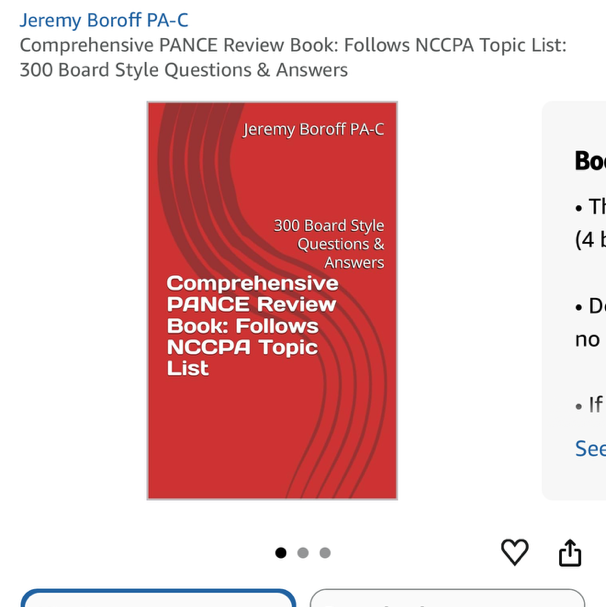
PANRE/PANRE-LA Review Exam 1 Book Cover by Jeremy Boroff PA-C

Strategy for the 5-Minute Clock

To master the 5-minute limit, use a disciplined timeframe for every question:

  • 0–60 Seconds (The Read): Read the stem and identify the "ask." Is it the next best step, the most likely diagnosis, or the first-line treatment? Look for key patient demographics, vitals, and red flags.
  • 60–180 Seconds (The Search): If the answer is not immediately clear, use a trusted reference. Do not use general search engines; use established clinical guidelines or your CME Review Courses materials. Search for the specific condition and the "ask" (e.g., "first-line therapy for outpatient CAP").
  • 180–240 Seconds (The Decision): Commit to an answer. Ensure the choice fits the specific patient in the vignette (age, pregnancy status, allergies).
  • Final 60 Seconds: Confirm your selection is marked and hit submit.

Using References Effectively

The "open-book" nature of the PANRE-LA is a trap for those who haven't prepared. Searching for a diagnosis from scratch in 5 minutes is high-risk. Instead, use your references to confirm details you already suspect.

Our PANRE Review Course organizes medical content into digestible, high-yield sections including Cardiology, Pulmonary, Orthopedics, and more. This structure allows you to quickly locate the exact NCCPA Blueprint topic relevant to the question at hand. Because the course is written by physician assistants for physician assistants, the information is presented in the exact clinical context you will encounter on the exam.

A medical professional using a laptop with clinical guidelines open in one tab and a question in another.

Clinical Assessment: Practice Questions

Test your efficiency with the following clinical vignettes. Aim to identify the correct answer in under 60 seconds.

Question 1
Your patient is a 64-year-old male with a history of hypertension and DM2 who presents for a routine follow-up. His current medications include lisinopril 20mg daily and metformin 1000mg BID. His BP in the office today is 152/94 mmHg. A repeat reading ten minutes later is 150/92 mmHg. Laboratory results show a BMP with a Cr of 1.1 and K+ of 4.2. According to current JNC 8 guidelines, which of the following is the most appropriate next step in management?

A. Increase lisinopril to 40mg daily
B. Add amlodipine 5mg daily
C. Add hydrochlorothiazide 12.5mg daily
D. Discontinue lisinopril and start losartan 50mg daily

Explanation:
The correct answer is B. Add amlodipine 5mg daily. For patients with DM2 and hypertension, the goal BP is <140/90 mmHg. When a patient is not at goal on an ACE inhibitor, the addition of a Calcium Channel Blocker (CCB) or a thiazide diuretic is indicated. In patients with diabetes, the combination of an ACEi and a CCB has been shown to be highly effective. Choice A is less ideal than adding a second agent from a different class. Choice C is a valid option but CCBs are often preferred in this demographic. Choice D is incorrect as switching from an ACE to an ARB does not typically provide the necessary BP lowering effect.

Question 2
Your patient is a 28-year-old female presenting with a "velvety," hyperpigmented plaque on the posterior aspect of her neck. She has a BMI of 34 and a family history of Type 2 Diabetes. She denies any pruritus or pain associated with the lesion. Which of the following is the most likely diagnosis?

A. Tinea versicolor
B. Erythrasma
C. Acanthosis nigricans
D. Seborrheic keratosis

Explanation:
The correct answer is C. Acanthosis nigricans. This condition is characterized by hyperpigmented, velvety plaques typically found in intertriginous areas like the neck or axilla. It is strongly associated with insulin resistance and obesity. Choice A presents as hypopigmented or hyperpigmented macules with fine scale. Choice B presents as coral-red fluorescence under Wood's lamp. Choice D typically presents as "stuck-on" waxy papules in older adults.

Question 3
Your patient is a 55-year-old male smoker who presents with a sudden onset of "the worst headache of my life." He appears ill and is vomiting in the exam room. Vital signs: BP 180/100, HR 110, Temp 98.6°F. A non-contrast CT of the head is negative for acute intracranial hemorrhage. Which of the following is the most appropriate next step?

A. MRI of the brain
B. Lumbar puncture
C. Repeat CT in 24 hours
D. Discharge with migraine medications

Explanation:
The correct answer is B. Lumbar puncture. In a patient with a clinical presentation highly suggestive of a subarachnoid hemorrhage (SAH) and a negative non-contrast CT, a lumbar puncture must be performed to look for xanthochromia or RBCs. CT is sensitive but not 100%, especially if the bleed is small or the presentation is delayed. Choice A is not the standard next step for acute SAH. Choice C and D are unsafe and delay a critical diagnosis.

Maximize Your CME Budget with Gift Card Add-ons

Preparing for the PANRE-LA requires significant time and focus. At CME Review Courses, we believe your educational budget should work harder for you. We offer an efficient way to use your CME money by providing CME with Amazon and Apple Gift Card add-ons.

Purchasers can add a gift card ranging from $100 to $1,500 to their CME purchase. This allows you to acquire the technology, medical equipment, or textbooks you need to further enrich your education while simultaneously earning your 100 hours of AAPA Category 1 credit. This is an ideal solution for PAs, nurse practitioners, and physicians looking to maximize the value of their annual employer-provided CME allowance.

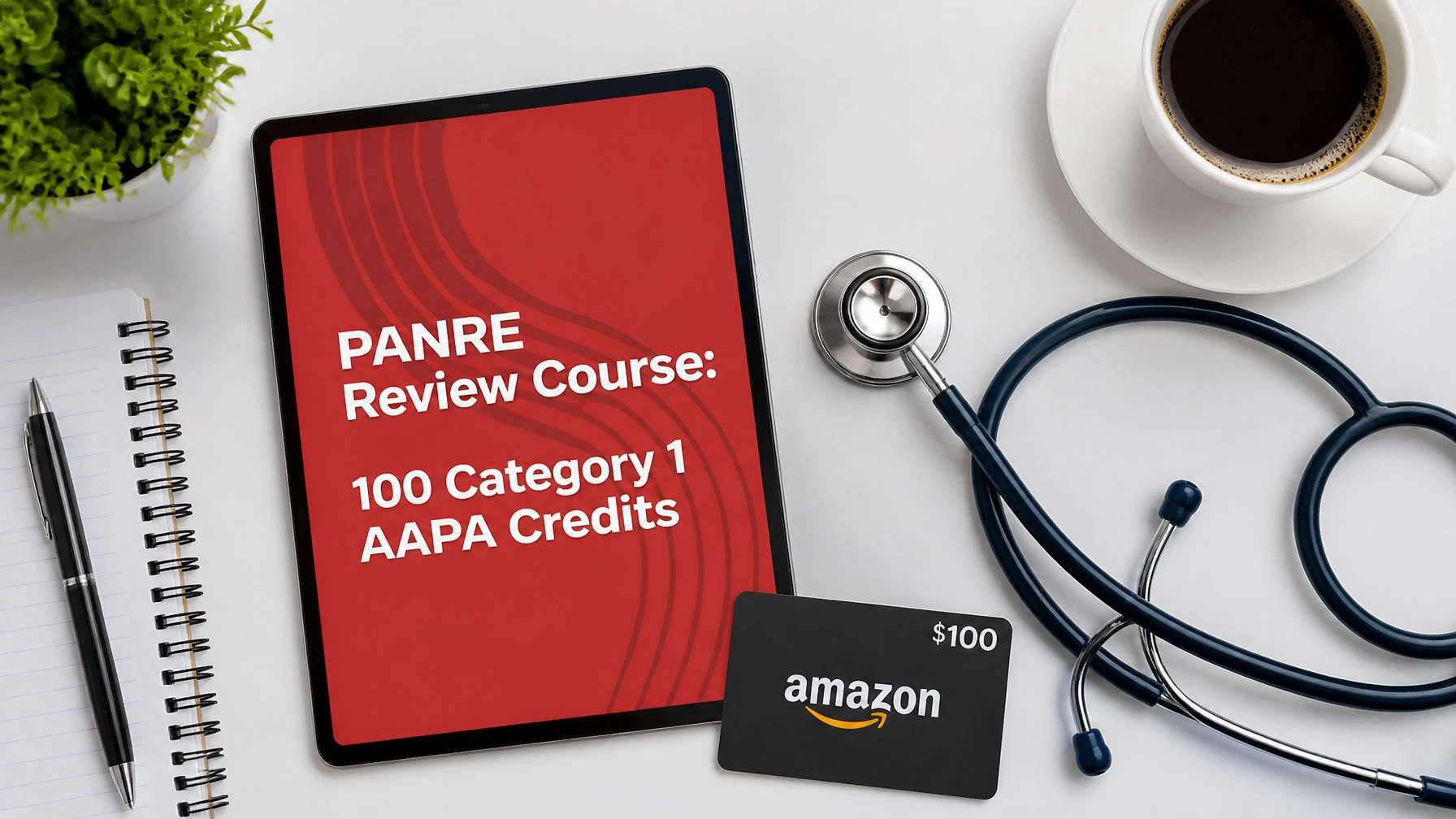
A stethoscope and notepad alongside Amazon and Apple gift cards, representing CME add-on options.

Conclusion: Efficiency is Key

The PANRE-LA is a marathon, not a sprint. By utilizing the PANRE Review Course, you gain 30 months of access to clinical content that is tailored to the NCCPA Blueprint. This ensures that when you open your next 5-minute question, you have the knowledge and the resources to answer with confidence.

Whether you are a Physician Assistant preparing for the PANRE-LA, or a Nurse Practitioner seeking Category 1 AAPA credit, our courses provide the most efficient path to maintaining your certification.

Logistical Summary:

  • PANRE Review Course: $399.99
  • Credits: 100 AAPA Category 1 CME Hours
  • Access: 30 Months
  • Gift Cards: Up to $1,500 Amazon or Apple options available.

Invest in your career and your education today at CMEReviewCourses.com.

Posted on

7 Mistakes You’re Making with Your Internal Medicine EOR Study Guide (and How to Fix Them)

Preparing for the Internal Medicine End of Rotation (EOR) exam is one of the most demanding tasks in your PA education. The sheer volume of content: from complex cardiology to subtle endocrine disorders: can easily lead to inefficient study habits. Whether you are a student preparing for your first clinical exam or a practicing PA using these materials for a PANRE Review, avoiding common pitfalls is essential for success.

Course: PANRE Review Course (100 Hours of Category 1 AAPA CME)
Price: $399.99 (Base Price)
Duration: 30 Months of Access
Deliverables: 100 Hours of Category 1 AAPA Credit

1. Relying on Outdated or Unverified Study Guides

Many students and PAs download shared Google Docs or older PDFs that have been passed down through classes. The medical landscape changes rapidly, and the NCCPA Blueprint and PAEA topic lists are updated to reflect current clinical guidelines. If your study guide is two years old, you may be memorizing outdated treatment protocols for hypertension or heart failure.

The Fix: Always verify your primary resources against the most recent clinical guidelines and ensure your review materials are written by professionals. Our content is written by physician assistants for physician assistants, ensuring the material is relevant to the exams you are actually taking.

2. Passively Reading Instead of Active Recall

Simply highlighting a 100-page PDF is one of the least effective ways to retain information. Passive reading creates a "fluency illusion" where you feel like you know the material because you recognize it on the page, but you cannot recall it during the high-pressure environment of an EOR or PANRE Review Course.

The Fix: Incorporate active recall. Cover your notes and try to explain a pathophysiological process out loud. Use high-quality practice questions to test your knowledge after every study session.

Internal Medicine EOR Exam Review Book Cover

3. Ignoring the Heavy Weights (Cardiology and Pulmonology)

The Internal Medicine EOR is not an even split across all body systems. If you spend equal time studying dermatology and cardiology, you are mismanaging your schedule. Cardiology, Pulmonology, and Gastroenterology often make up nearly 50% of the exam content.

The Fix: Allocate your study time based on the exam weights. Prioritize the high-yield topics first. If you struggle with the complexities of ECGs or valvular disease, dedicate extra blocks to those systems before moving on to lower-weighted sections like hematology or infectious disease.

4. Underestimating the "Pharmacology" Monster

Pharmacology is woven into every single question of the Internal Medicine EOR. You aren't just being tested on a diagnosis; you are being tested on the "next best step" in management, which is frequently a medication. Many students fail to master mechanism of action, contraindications, and side effects, leading to missed points on easy questions.

The Fix: Use a dedicated Pharmacology Review Course. Our course offers Category 1 AAPA Credit in Pharmacology and is designed to bridge the gap between diagnosis and treatment.

Medical illustration of a heart with an EKG waveform

5. Studying Without Earning CME Credit

If you are a practicing PA studying for the PANRE-LA or recertification, you are likely putting in dozens of hours of work. If you are doing this using random free resources or unaccredited guides, you are missing out on necessary credits for your license renewal.

The Fix: Use a program that offers 100 hours of AAPA Category 1 credit. By choosing the right PANRE Review, you can complete your recertification prep and satisfy your entire CME cycle's requirements at the same time.

6. Wasting Your CME Budget

Many employers provide a CME stipend that must be used or lost. If you are buying a study guide out of pocket or only using a small portion of your allowance, you aren't maximizing the value of your professional development funds.

The Fix: We offer CME with Amazon and Apple Gift Card add-ons. You can add $100 to $1,500 in gift cards to your purchase, allowing you to get the high-quality education you need while also receiving a gift card to purchase medical equipment, books, or electronics to further your education.

CME with Gift Card options for Amazon and Apple

7. Failing to Practice "Next Best Step" Thinking

EOR and PANRE questions rarely ask for a simple definition. Instead, they present a clinical vignette and ask for the "Initial diagnostic test," the "Gold standard test," or the "First-line treatment." Mistaking the gold standard for the initial test is a common reason for failure.

The Fix: When reviewing each condition in your Internal Medicine EOR study guide, explicitly note:

  • Initial Test: (e.g., Ultrasound for RUQ pain)
  • Gold Standard: (e.g., HIDA scan for cholecystitis)
  • First-line Treatment: (e.g., Laparoscopic cholecystectomy)

Practice Case: Internal Medicine Clinical Assessment

Your patient is a 64-year-old male presenting with a 2-hour history of substernal chest pressure that radiates to his left jaw. He appears diaphoretic and pale. Vital signs: BP 105/65 mmHg, HR 112 bpm, RR 22 bpm, SaO2 94% on room air. An EKG reveals 3mm ST-segment elevation in leads II, III, and aVF. There is 2mm ST-depression in leads V1 and V2.

Which of the following is the most appropriate next step in the management of this patient?

A. Administer 325 mg Aspirin and initiate IV Nitroglycerin
B. Perform an immediate 15-lead EKG with right-sided leads
C. Administer a 500mL IV fluid bolus of Normal Saline
D. Order an urgent CT Angiography to rule out aortic dissection

Answer: B. Perform an immediate 15-lead EKG with right-sided leads

Explanation: The correct answer is B. This patient has an inferior wall ST-elevation myocardial infarction (STEMI) involving leads II, III, and aVF. The ST-depression in V1 and V2 suggests a potential posterior wall involvement or, more critically, a right ventricular (RV) infarction. In the setting of an inferior STEMI, you must obtain right-sided leads (V4R) to assess for RV involvement before administering preload-reducing agents. Administering Nitroglycerin (Choice A) in a patient with a right ventricular infarct can lead to profound, life-threatening hypotension due to the loss of preload. Choice C is a treatment for hypotension in RV failure but is not the "next step" before diagnosis. Choice D is inappropriate as the EKG already confirms a STEMI, and CT angiography would delay life-saving reperfusion therapy.


For a fully app-based approach with 11,000+ board-style questions covering Internal Medicine and every other EOR rotation, check out PAtopia at cmereviewcourses.com/patopia-new-student-section/ — it's the perfect companion for your clinical year.

Success on the Internal Medicine EOR and the PANRE requires a systematic approach and high-quality resources. By focusing on high-yield content, utilizing AAPA Category 1 Credit opportunities, and leveraging your CME budget with Amazon/Apple Gift Card add-ons, you can ensure you are fully prepared for exam day.

Posted on

3 Common PANRE Review Mistakes That Cost You Time, Money, and Credit

Price: Starting at $495.00
Duration: 1-Year Access
Deliverables: 100 Category 1 AAPA Credits, 1,000+ Board-Style Practice Questions, and Comprehensive Course Material.

Preparing for the Physician Assistant National Recertification Exam (PANRE) or the PANRE-LA (Longitudinal Assessment) is a significant undertaking that requires more than just clinical experience. Many Physician Assistants approach their recertification with strategies that worked for them a decade ago or, worse, with no strategy at all. This inefficiency often leads to wasted study hours, out-of-pocket expenses, and missed opportunities to satisfy CME requirements.

Our PANRE Review Course is specifically designed to address these pitfalls while providing a massive boost to your professional requirements. By avoiding the following three common mistakes, you can streamline your preparation and maximize the value of your CME budget.

Mistake #1: Relying Solely on Clinical Experience

The most common error PAs make is assuming that daily clinical practice in a specialty: such as Orthopedics or Cardiology: is sufficient to pass a generalist exam. The PANRE is based on the NCCPA Blueprint, which covers the entire spectrum of medicine. If you spend your days treating fractures, your knowledge of OB/GYN or Psychiatry may have naturally regressed.

Board questions are written to test standardized diagnostic criteria and "gold standard" treatments, which may differ from the "real world" shortcuts or specific protocols used in your local hospital. Studying without a structured review of the NCCPA Blueprint leaves you vulnerable to gaps in high-yield areas like Internal Medicine and Family Medicine. Our course ensures you hit every required topic area, ensuring no domain is neglected.

PANRE Review Exam Book Cover

Mistake #2: Leaving CME Credits on the Table

PAs are required to earn 100 CME credits every two years, including at least 50 Category 1 credits. A frequent mistake is purchasing a pance prep course or review material that provides minimal or no credit, forcing you to find and pay for additional CME later in the cycle.

When you choose our 100-hour PANRE Review Course, you satisfy your entire Category 1 requirement in a single purchase. This course offers 100 hours of AAPA Category 1 credit, which is an efficient use of both your time and your employer’s CME stipend. It is important to note that while our Pharmacology course also provides Category 1 AAPA credit, the full 100-hour credit designation is specific to the PANRE Review package.

Mistake #3: Poor Financial Management of Your CME Stipend

Many PAs wait until the end of the year to spend their CME money, often rushing to buy books or small courses that don't maximize their benefits. One of the most effective ways to use your professional allowance is by utilizing cme gift cards.

We offer an efficient way to use your CME money by allowing the purchase of CME with Amazon and Apple Gift Card add-ons. These are not "free gifts"; they are optional add-ons ranging from $100 to $1,500 that are added to the total cost of your CME purchase. This allows you to further enrich your education by purchasing necessary hardware (like an iPad for mobile studying) or supplemental textbooks through Amazon. By bundling these into your initial purchase, you ensure your full stipend is utilized effectively for your professional development.

CME Gift Card Add-ons with Stethoscope


Clinical Assessment: Practice Questions

Test your knowledge with these clinical vignettes. This format mirrors the types of integrative reasoning required for the PANRE.

Question 1

Your patient is a 45-year-old male presenting with a 2-day history of a painful, swollen left great toe. He denies trauma. Vital signs are within normal limits. Physical exam reveals erythema, warmth, and exquisite tenderness at the first metatarsophalangeal joint. Arthrocentesis is performed, and synovial fluid analysis shows negatively birefringent needle-shaped crystals. What is the most appropriate initial pharmacological treatment for this acute presentation?

A) Allopurinol
B) Indomethacin
C) Probenecid
D) Febuxostat

Explanation: The correct answer is Indomethacin (or other NSAIDs). The clinical presentation and synovial fluid analysis (negatively birefringent needle-shaped crystals) are diagnostic of acute gouty arthritis. NSAIDs, corticosteroids, or colchicine are the first-line treatments for acute flares. Allopurinol, Probenecid, and Febuxostat are urate-lowering therapies used for chronic management and should not be initiated during an acute flare as they can exacerbate symptoms.

Question 2

Your patient is a 28-year-old female at 32 weeks gestation who presents with a sudden onset of painless vaginal bleeding. She denies contractions or trauma. Her blood pressure is 110/70 mmHg, and fetal heart tones are reactive at 140 bpm. An ultrasound reveals the placenta is covering the internal cervical os. What is the most appropriate next step in management?

A) Digital vaginal exam
B) Pelvic rest and monitoring
C) Immediate Cesarean delivery
D) Oxytocin induction

Explanation: The correct answer is Pelvic rest and monitoring. This patient has placenta previa. Digital vaginal exams are strictly contraindicated as they can cause massive hemorrhage. Since the patient and fetus are currently stable, the management involves pelvic rest and observation. Immediate Cesarean delivery is indicated if there is maternal or fetal distress or if the pregnancy is at term.

Question 3

Your patient is a 62-year-old male with a history of hypertension and tobacco use who presents to the ER with sudden-onset, "tearing" chest pain radiating to the back. His BP is 190/110 mmHg in the right arm and 160/90 mmHg in the left arm. A chest X-ray shows a widened mediastinum. What is the definitive diagnostic study for this condition?

A) EKG
B) Transthoracic Echocardiogram
C) CT Angiography of the Chest
/D) Troponin level

Explanation: The correct answer is CT Angiography of the Chest. The "tearing" pain radiating to the back, blood pressure discrepancy between arms, and widened mediastinum are classic for aortic dissection. CT Angiography (CTA) or Transesophageal Echocardiogram (TEE) are the definitive imaging modalities. EKG and Troponins are useful to rule out MI but will not diagnose a dissection.

Question 4

Your patient is a 12-year-old male brought in by his mother for a "barking" cough and inspiratory stridor that began last night. He has a low-grade fever and rhinorrhea. On exam, he appears mildly distressed but is not drooling. A neck X-ray shows subglottic narrowing (steeple sign). What is the most likely diagnosis?

A) Epiglottitis
B) Laryngotracheobronchitis (Croup)
C) Retropharyngeal abscess
D) Bacterial tracheitis

Explanation: The correct answer is Laryngotracheobronchitis (Croup). The barking cough, inspiratory stridor, and "steeple sign" on X-ray are classic findings for Croup, typically caused by the parainfluenza virus. Epiglottitis would present with a more toxic appearance, high fever, and drooling (thumbprint sign).

Question 5

Your patient is a 34-year-old female presenting with a "butterfly" rash across her malar eminences, joint pain in her hands, and fatigue. Laboratory testing reveals a positive ANA and anti-double-stranded DNA (anti-dsDNA) antibodies. Which of the following is the most appropriate maintenance therapy for this patient?

A) Hydroxychloroquine
B) High-dose Prednisone
C) Methotrexate
D) Cyclophosphamide

Explanation: The correct answer is Hydroxychloroquine. This patient meets the criteria for Systemic Lupus Erythematosus (SLE). Hydroxychloroquine is the cornerstone of maintenance therapy, as it reduces flares and improves long-term survival. Prednisone is used for acute flares, and Methotrexate or Cyclophosphamide are reserved for more severe or organ-threatening disease.


Avoid the common mistakes of under-studying the NCCPA Blueprint or letting your CME funds go to waste. Our PANRE Review Course provides the structure, the questions, and the Category 1 credits you need to succeed.

PANRE Review Course Books

Posted on

Why CME Gift Cards Will Change the Way You Spend Your Remaining 2026 Budget

As the mid-point of 2026 approaches, many physician assistants and nurse practitioners find themselves with significant remaining CME funds. Institutional budgets are typically "use-it-or-lose-it," meaning failure to allocate these resources by year-end results in a permanent loss of educational capital. Traditional CME often provides only the educational content, leaving the learner to fund their own peripheral educational tools, such as updated hardware or reference materials.

Our CME packages are designed to bridge this gap by offering high-yield clinical review paired with flexible gift card add-ons. This allows you to maximize your employer-provided stipend while acquiring the technology and resources necessary for a modern clinical practice.

Logistics and Deliverables:

  • Base Price: $399.99
  • Access Duration: 30 Months
  • AAPA Category 1 Credit: 100 Hours (PANRE Review Course)
  • Gift Card Add-ons: $100 – $1,500 (Amazon or Apple)
  • Content Coverage: EM, Family Medicine, Internal Medicine, Orthopedics, Dermatology, Psychiatry, Neurology, Cardiology, and OB/GYN.

Strategic Budget Allocation with Amazon and Apple Gift Cards

The integration of Amazon and Apple gift card add-ons transforms a standard CME purchase into a comprehensive professional upgrade. By selecting an add-on between $100 and $1,500, you can utilize your 2026 budget to procure essential items that further enrich your education.

Common uses for these add-ons include:

  • Upgrading to the latest iPad for bedside clinical reference.
  • Purchasing high-resolution monitors for telehealth or EMR efficiency.
  • Acquiring noise-canceling headphones for focused board review.
  • Building a personal medical library with the latest clinical texts.

This system is designed by physician assistants for physician assistants to ensure that every dollar of your CME allowance is utilized effectively. You can explore the full range of CME with gift card packages to find the best fit for your remaining 2026 budget.

A professional clinical environment with a tablet showing medical data and anatomical diagrams, emphasizing the integration of technology in clinical education.

High-Yield PANRE Review and Category 1 Credit

For those preparing for the NCCPA recertification, our PANRE Review Course provides 100 hours of AAPA Category 1 CME credit. This is a critical milestone for PAs needing to fulfill their two-year cycle requirements while simultaneously preparing for the exam. The content is structured to align with the clinical scenarios encountered in practice and on the national exam.

In addition to the PANRE-specific content, we offer dedicated Category 1 AAPA Credit in Pharmacology. This is particularly valuable for nurse practitioners in states where specific pharmacology hours are mandated for license renewal. Our content is written with a focus on clinical utility, ensuring that the time spent earning credit translates directly into improved patient care.

PANRE Review Exam Book Cover featuring comprehensive review materials by Jeremy Boroff PA-C.

Clinical Vignettes and Practice Questions

To maintain clinical proficiency, practitioners must be able to synthesize patient data and apply current guidelines. The following scenarios represent common clinical challenges across various specialties covered in our CME packages.

Scenario 1: Internal Medicine

Your patient is a 64-year-old male with a history of heart failure with reduced ejection fraction (HFrEF) and chronic kidney disease (CKD) Stage 3. He presents for a routine follow-up. His current medications include lisinopril, carvedilol, and furosemide. Physical exam reveals trace pedal edema, and his BP is 138/84 mmHg. Lab results show a serum potassium of 4.2 mEq/L and a stable creatinine of 1.6 mg/dL.

Which of the following medications should be added to his regimen to further reduce mortality?
A. Amlodipine
B. Empagliflozin
C. Hydrochlorothiazide
D. Clonidine

Explanation:
The correct answer is B. Empagliflozin. SGLT2 inhibitors, such as empagliflozin, have been shown to significantly reduce the risk of cardiovascular death and heart failure hospitalizations in patients with HFrEF, regardless of the presence of diabetes. Amlodipine (A) is a calcium channel blocker used for hypertension but does not provide the same mortality benefit in HFrEF. Hydrochlorothiazide (C) is a thiazide diuretic that is less effective than loop diuretics in patients with reduced GFR and does not reduce mortality in this context. Clonidine (D) is a centrally acting alpha-agonist used for resistant hypertension and is not a first-line agent for heart failure management.

Scenario 2: Emergency Medicine

Your patient is a 28-year-old female who was the restrained driver in a low-speed motor vehicle collision (MVC). She complains of neck pain but has no focal neurological deficits. On exam, she has midline cervical spine tenderness. Her vitals are: HR 88, BP 122/78, SaO2 99% on room air.

According to the Canadian C-Spine Rule, what is the next appropriate step in management?
A. Discharge with NSAIDs and a soft collar
B. Perform a bedside ultrasound of the cervical spine
C. Obtain cervical spine imaging (CT or X-ray)
D. Assess the patient's ability to actively rotate their neck 45 degrees left and right

Explanation:
The correct answer is C. Obtain cervical spine imaging. According to the Canadian C-Spine Rule, midline cervical spine tenderness is a physical exam finding that necessitates imaging to rule out a fracture, even in low-risk scenarios where other criteria are met. Discharging without imaging (A) would be unsafe given the midline tenderness. Ultrasound (B) is not the standard of care for diagnosing cervical spine fractures. Assessing rotation (D) is only performed if the patient meets "low-risk factors" that allow for safe range of motion assessment; midline tenderness is an exclusion from this step.

Emergency Medicine EOR Exam Review and Test Prep Book Cover by Jeremy Boroff PA-C.

Scenario 3: Orthopedics

Your patient is a 45-year-old female presenting with lateral hip pain that is worse when lying on the affected side and after prolonged standing. Physical exam reveals point tenderness over the greater trochanter. Passive range of motion of the hip is full and painless, but pain is elicited with resisted abduction.

What is the most likely diagnosis?
A. Hip Osteoarthritis
B. Meralgia Paresthetica
C. Greater Trochanteric Pain Syndrome (GTPS)
D. Avascular Necrosis of the Femoral Head

Explanation:
The correct answer is C. Greater Trochanteric Pain Syndrome (GTPS). Formerly known as trochanteric bursitis, GTPS is characterized by lateral hip pain and tenderness over the greater trochanter. Pain with resisted abduction is common. Hip Osteoarthritis (A) typically presents with groin pain and limited internal rotation. Meralgia Paresthetica (B) involves the lateral femoral cutaneous nerve and presents with burning or numbness in the lateral thigh rather than point tenderness. Avascular Necrosis (D) usually presents with deep, achy groin pain and is often associated with risk factors like steroid use or alcohol consumption.

A professional medical professional's desk featuring a tablet and stethoscope, symbolizing efficient, self-paced learning.

Conclusion

Maximizing your 2026 CME budget requires more than just accumulating credits; it requires a strategic approach to professional development. By choosing our CME with gift card add-on options, you secure high-quality, peer-written content and the financial flexibility to invest in the tools you need for clinical success. Whether you are seeking 100 hours of AAPA Category 1 credit for the PANRE or specialized pharmacology training, our packages provide an efficient and authoritative solution.


Posted on

How to Maximize Your CME Budget with Amazon & Apple Gift Card Add-Ons

Course: PANRE Review Course
Price: $399.99 (Base Course)
Duration: 30 Months Access
Deliverables: 100 Hours of AAPA Category 1 CME Credit, 11,000+ Practice Questions
Add-On Options: Amazon or Apple Gift Cards ($100 – $1,500)

Physician assistants often face the challenge of utilizing their annual Continuing Medical Education (CME) allowance before year-end deadlines. While the primary goal of these funds is to maintain certification and clinical competency, the method of purchase can significantly impact the overall value of the investment. Utilizing cme gift cards as an add-on to high-yield clinical content allows clinicians to maximize their educational budget effectively.

The most efficient strategy for a physician assistant is to pair a high-value review program, such as a panre review course, with a customizable gift card add-on. This approach ensures that 100% of the allocated employer stipend is utilized for professional development while providing additional resources to purchase clinical tools, textbooks, or hardware necessary for practice.

The Strategy of Gift Card Add-Ons

It is a common misconception that gift cards provided by CME companies are "free gifts." In a professional and transparent billing model, these are elective add-ons. When purchasing the panre review course, you have the option to add an Amazon or Apple Gift Card to your transaction, ranging in value from $100 to $1,500.

This structure is designed specifically for clinicians who have a set stipend amount: for example, $2,000: but find that their required educational materials only cost $399.99. Instead of leaving the remaining $1,500 on the table, the clinician adds a $1,500 Amazon Gift Card to the purchase. This maximizes the utility of the budget, converting the remaining stipend into a balance that can be used for secondary educational materials, medical equipment, or technology like an iPad for EMR charting.

Amazon vs. Apple: Choosing Your Enrichment

  • Amazon Gift Cards: Best for purchasing physical medical textbooks, clinical tools (stethoscopes, reflex hammers), or office supplies.
  • Apple Gift Cards: Ideal for purchasing medical apps, upgrading hardware for telehealth, or subscribing to clinical reference databases available on the App Store.

Amazon and Apple gift cards displayed with medical tools and textbooks

100 Hours of AAPA Category 1 CME Credit

For Physician Assistants, the panre review course offers a substantial return on time: 100 hours of AAPA Category 1 CME credit. This is a critical metric for those in their recertification cycle. While many pance prep courses offer a smaller number of credits, this course is built to cover the extensive requirements of the NCCPA recertification process in one comprehensive package.

The content covers the full spectrum of clinical medicine, including:

  • Emergency Medicine and Cardiology
  • Internal Medicine and Hospitalist Care
  • Orthopedics and Dermatology
  • Psychiatry and Neurology
  • OB/GYN and Family Medicine

While the content is written by physician assistants for physician assistants, it holds significant value for other providers. Nurse Practitioners can claim credit for Category 1 AAPA Credit in many states, though they should verify specific state board requirements. Physicians can utilize this course for Category 2 CME credit.

Clinical Content and The iOS Question Bank

The core value of the program lies in its clinical depth. Beyond the 100 hours of credit, learners receive access to a robust question bank containing over 11,000 practice questions via a dedicated iOS app. This allows for mobile-responsive learning that fits into a busy clinical schedule.

The questions are modeled after the NCCPA Blueprint, ensuring that the clinician is not just earning hours, but actively preparing for the rigors of the PANRE or PANRE-LA. For those looking for specialized content, packages such as the Psychiatry CME with Gift Card offer targeted review in high-demand specialties.

Medical icons representing different specialties and the 100 AAPA credit badge

Efficient Resource Management

Using CME with gift card options is the most pragmatic way to handle educational stipends. Many clinicians find that their employers do not roll over unused CME funds to the next fiscal year. By selecting a PANRE Review Course with a gift card add-on, you ensure that your full allowance is captured and repurposed into useful clinical assets.


Clinical Practice and Assessment

Review the following clinical vignettes to assess your knowledge of internal medicine and emergency medicine topics covered in the PANRE Review Course.

Question 1

Your patient is a 64-year-old male with a history of hypertension and tobacco use who presents to the emergency department with sudden onset of severe, "tearing" chest pain that radiates to his back. His blood pressure is 190/110 mmHg in the right arm and 165/95 mmHg in the left arm. A chest X-ray shows a widened mediastinum. What is the most appropriate next step in management?

A. Immediate administration of intravenous thrombolytics
B. Transesophageal echocardiography (TEE) or CT Angiography
C. Emergent consult for coronary artery bypass grafting (CABG)
D. Start high-dose aspirin and clopidogrel

Correct Answer: B. Transesophageal echocardiography (TEE) or CT Angiography
The clinical presentation is highly suggestive of an aortic dissection, specifically indicated by the tearing chest pain radiating to the back and the significant blood pressure differential between arms. TEE or CT Angiography are the gold standard diagnostic modalities for confirming the diagnosis and determining the extent of the dissection. Thrombolytics (Choice A) are contraindicated as they would worsen the bleeding. CABG (Choice C) is for coronary disease, not aortic dissection, though surgical intervention for the aorta may be needed. Aspirin and clopidogrel (Choice D) are for acute coronary syndrome, which this presentation is not.

Question 2

Your patient is a 28-year-old female presenting with a 3-day history of increased vaginal discharge, pelvic pain, and fever (101.4°F). On physical exam, there is significant cervical motion tenderness and adnexal tenderness. A pregnancy test is negative. What is the most likely diagnosis?

A. Ectopic pregnancy
B. Pelvic Inflammatory Disease (PID)
C. Ovarian torsion
D. Appendicitis

Correct Answer: B. Pelvic Inflammatory Disease (PID)
The triad of fever, pelvic pain, and cervical motion tenderness (often referred to as "chandelier sign") in a young patient is classic for PID. Ectopic pregnancy (Choice A) is ruled out by the negative pregnancy test. Ovarian torsion (Choice B) usually presents with sudden onset, severe unilateral pain without fever in the early stages. Appendicitis (Choice D) typically involves pain localized to the right lower quadrant and rarely causes cervical motion tenderness.

Question 3

Your patient is a 72-year-old male presenting with a gradual loss of peripheral vision, described as "tunnel vision." He has a history of diabetes. On funduscopic exam, you note an increased cup-to-disk ratio (>0.5). Intraocular pressure is measured at 28 mmHg. What is the most likely diagnosis?

A. Age-related macular degeneration
B. Open-angle glaucoma
C. Retinal detachment
D. Central retinal artery occlusion

Correct Answer: B. Open-angle glaucoma
Open-angle glaucoma is characterized by a gradual loss of peripheral vision and an increased cup-to-disk ratio due to optic nerve damage, often associated with elevated intraocular pressure. Macular degeneration (Choice A) affects central vision, not peripheral. Retinal detachment (Choice C) presents with sudden onset of "curtain coming down" or floaters. Central retinal artery occlusion (Choice D) presents with sudden, painless, complete vision loss and a "cherry-red spot" on the macula.

Clinician reviewing a question bank on a tablet

Question 4

Your patient is a 45-year-old female with a history of cholelithiasis who presents with severe epigastric pain radiating to the back, nausea, and vomiting. Her serum lipase is 1,200 U/L (normal <160 U/L). What is the initial priority in the management of this patient?

A. Immediate cholecystectomy
B. Aggressive intravenous fluid resuscitation
C. Prophylactic broad-spectrum antibiotics
D. Morphine for pain control

Correct Answer: B. Aggressive intravenous fluid resuscitation
The patient has acute pancreatitis, likely secondary to gallstones. The cornerstone of initial management for acute pancreatitis is aggressive intravenous fluid resuscitation to prevent pancreatic necrosis and organ failure. While cholecystectomy (Choice A) will be needed eventually if gallstones are the cause, it is not the immediate priority during the acute inflammatory phase. Antibiotics (Choice C) are not indicated for sterile pancreatitis and are only used if an infection is confirmed. While pain control is necessary, morphine (Choice D) is traditionally avoided by some due to theoretical (though often debated) concerns regarding the sphincter of Oddi, and fluid resuscitation remains the physiological priority.

Question 5

Your patient is a 55-year-old male presenting with a painful, swollen, and erythematous first metatarsophalangeal (MTP) joint. He recently started a new diuretic for hypertension. Joint aspiration reveals negatively birefringent needle-shaped crystals. What is the most appropriate acute treatment?

A. Allopurinol
B. Probenecid
C. Nonsteroidal anti-inflammatory drugs (NSAIDs) or Colchicine
D. Intravenous vancomycin

Correct Answer: C. Nonsteroidal anti-inflammatory drugs (NSAIDs) or Colchicine
The presence of negatively birefringent needle-shaped crystals confirms a diagnosis of acute gouty arthritis. NSAIDs or Colchicine are the first-line agents for treating an acute flare. Allopurinol (Choice A) and Probenecid (Choice B) are urate-lowering therapies used for chronic management; initiating them during an acute flare can actually worsen or prolong the attack. Vancomycin (Choice D) is for septic arthritis, which is ruled out by the crystal findings.

Conclusion

Maximizing your CME budget requires a strategic approach that combines high-quality clinical education with flexible financial options. The panre review course provides the necessary 100 hours of AAPA Category 1 credit to maintain your certification, while the Amazon and Apple Gift Card add-ons ensure that every dollar of your professional allowance is utilized. By integrating this review with the 11,000+ questions in the iOS app, you are well-positioned for success in your next recertification exam.

Posted on

Growth & Development: The Brand-New 10% Content Area on the Pediatrics EOR

Most blueprint updates shuffle percentages around. A content area gains two points, another loses three, and the practical effect on your studying is close to zero.

The new Pediatrics End of Rotation blueprint, publishing July 27, 2026, is not that.

PAEA added an entire content area that did not previously exist: Growth and Development, weighted at 10%.

That is ten of your scored questions testing material the old blueprint never explicitly asked about. Not ten questions reweighted from somewhere else — ten questions on a subject that was not on the map.

If you study from an older resource, you will walk in blind to a tenth of the exam.

A note on the numbers: each EOR exam contains 120 items, of which 100 are scored and 20 are unscored pretest questions. PAEA’s blueprints are expressed against those 100 scored questions, so the percentages below translate directly into scored questions.

Where the 10% came from

PAEA had to fund the new content area by taking weight from elsewhere. The crosswalk shows exactly where:

Content areaLegacyNew
Dermatology → Dermatologic15%10%
ENOT/Ophthalmology → EENOT15%12%
Infectious diseases12%10%
Cardiovascular10%8%
Neurology/developmental + Psychiatry/behavioral6% + 6%8% (merged)
Endocrinology → Endocrine3%5%
Hematology → Hematologic3%5%
Urology/renal → Renal/genitourinary3%5%
Growth and development10%

Dermatology took the biggest cut, dropping five points. Neurology and Psychiatry were merged into a single area and lost four points between them.

The message is hard to miss: PAEA decided that well-child care deserves more of the Pediatrics exam than rashes do.

The most useful thing on this page

PAEA’s blueprint does not just tell you how many Growth and Development questions there are. It tells you what task each one performs. Here is the actual distribution of those ten scored questions:

Task areaQuestions
History & Physical3
Health Maintenance3
Diagnosis2
Clinical Intervention1
Professional Practice1
Diagnostic Studies0
Clinical Therapeutics0
Scientific Concepts0

Read that again, because it should completely reshape how you prepare.

Six of the ten questions are History & Physical plus Health Maintenance. And there are zero Diagnostic Studies questions, zero Clinical Therapeutics questions, and zero Scientific Concepts questions.

There is no lab to order. There is no drug to pick. There is no mechanism to explain.

Growth and Development is testing whether you know what normal looks like, when to worry, and what to counsel — and essentially nothing else. Students who prepare for this content area by memorizing pathology will be preparing for questions PAEA is not asking.

What to actually study

Developmental milestones, cold. Gross motor, fine motor, language, and social-emotional, across infancy through adolescence. Not approximately — precisely. The difference between a 9-month-old and a 12-month-old is exam-relevant, and History & Physical being the largest task bucket means you will be handed a description and asked whether it fits.

Red flags for developmental delay. Loss of previously acquired skills is the one to know above all others — regression is never normal and always warrants workup. Also: not babbling by 12 months, no single words by 16 months, no two-word phrases by 24 months, and any loss of language or social skill at any age.

Growth curves and how to read them. Plotting, percentiles, and — more importantly — velocity. A child tracking steadily along the 5th percentile is usually fine. A child crossing percentile lines downward is not. Know the difference between short stature and failure to thrive, and know that weight falls before length, which falls before head circumference.

Anticipatory guidance by age. This is what Health Maintenance means, and it is three of your ten questions. Safe sleep. Car seat progression. Introduction of solids. Screen time. Firearm storage. Adolescent driving. Sports safety. These are the recommendations that get skimmed in review books and asked directly on the exam.

Puberty and its normal sequence. In boys, testicular enlargement comes first and the growth spurt comes late. In girls, the growth spurt comes early, before menarche. Tanner staging. Knowing the normal sequence is what lets you recognize constitutional delay — a normal variant — versus something pathologic.

Screening schedules. Developmental screening, autism screening, lead, anemia, vision, hearing, and depression screening in adolescents. Know what gets screened, and when.

The one question you need answered before July 27

Which blueprint is your program testing you on?

The legacy Pediatrics exam remains available through July 2027. Your program decides when to transition, not you, and PAEA recommends that an entire cohort test on the same blueprint for consistency.

This matters more for Pediatrics than for any other rotation, because the gap between the two versions is the largest. If you are on the legacy exam, Growth and Development is not a scored content area and you should not spend a tenth of your study time there. If you are on the new one, it is ten questions.

Ask your clinical coordinator. Get an actual answer. Do not infer it from your exam date.

Related reading

Preparing for your Pediatrics EOR? Our End of Rotation review courses are aligned to the current PAEA blueprints, with practice questions built to the same content-area and task-area weighting you will face on exam day.

About the author

Jeremy Boroff, MPAS, PA-C is a practicing Emergency Medicine Physician Assistant with 24 years of clinical experience and more than 20 years as an APC Director of an emergency department. He is the author of Emergency Medicine End of Rotation (EOR) Exam Review and Test Prep, Ace the Psychiatry & Behavioral Health EOR, and Gynecologic, Sexual, and Reproductive Health End of Rotation (EOR) Exam Review. He founded CME Review Courses and created the PAtopia app to help PA students prepare for the PACKRAT, all seven End of Rotation exams, the End of Curriculum exam, and the PANCE.

All blueprint percentages in this article are taken from PAEA’s official 2025 Blueprint Crosswalk documents, published September 2025. PAtopia and CME Review Courses are not sponsored by, endorsed by, or affiliated with PAEA or NCCPA. End of Rotation™, PACKRAT®, and End of Curriculum™ are trademarks of the Physician Assistant Education Association.