Posted on

15 Full-Length Mock PANCE Exams to Crush the Boards (Inside PAtopia)

Preparing for the NCCPA PANCE requires more than just content review. It requires the mental endurance to answer 300 questions over five hours. Most students fail not because they lack knowledge, but because they lack the testing stamina and familiarity with the exam's rhythm. PAtopia provides the highest volume of full-length simulation available to bridge this gap.

Course Details:

  • Price: $399.99 for the PANRE Review Course (includes 100 Hours of AAPA Category 1 CME).
  • PAtopia Access: 72-hour full-access free trial; one-time permanent purchase options (no auto-renew).
  • Duration of Access: 30 months for CME packages.
  • Deliverables: 15 Full-Length Mock PANCE Exams, 5 PACKRAT Exams, 35 EOR Exams, and 5 EOC Exams.
  • CME Bonus: Amazon or Apple Gift Card add-ons available from $100 to $1500.

The Power of 15: Building Board-Day Stamina

The PANCE is a grueling 300-question marathon. Sitting for a 60-question quiz is significantly different from managing the fatigue of the fourth and fifth blocks. PAtopia offers 15 full-length mock PANCE exams, totaling 4,500 board-style questions. This volume allows you to simulate the actual testing environment multiple times before your scheduled date.

By utilizing these 15 exams, you accomplish three primary objectives:

  1. Stamina Construction: You train your brain to remain sharp during the final blocks of the exam.
  2. Weak Area Identification: Detailed analytics pinpoint which NCCPA Blueprint categories (e.g., Cardiology, GI, Musculoskeletal) require more focus.
  3. Confidence Development: Repeated exposure to the exam format reduces testing anxiety and improves time management.

PAtopia app interface showing 15 PANCE Exams and other prep materials

Comprehensive Exam Prep: PACKRAT, EOR, and EOC

While the PANCE is the final goal, the journey through PA school involves several high-stakes hurdles. PAtopia is designed to support you from the clinical year through graduation:

  • 35 End of Rotation (EOR) Exams: Focused practice for every core rotation, ensuring you are prepared for the specific nuances of Family Medicine, Emergency Medicine, Surgery, and more.
  • 5 PACKRAT Exams: Diagnostic tools to assess your progress during your didactic and clinical phases.
  • 5 End of Curriculum (EOC) Exams: High-yield simulations to verify you are ready for graduation and the boards.

All content in PAtopia is written by physician assistants for physician assistants. This peer-to-peer approach ensures the clinical vignettes mirror the logic and difficulty you will face on the actual NCCPA exams.

CME for PAs: Efficient Use of Your Education Budget

For practicing PAs preparing for the PANRE or PANRE-LA, our review courses provide an efficient way to fulfill your professional requirements. The PANRE Review Course offers 100 hours of AAPA Category 1 CME credit. This allows you to complete your entire Cycle 1 or Cycle 2 CME requirement with a single purchase.

We also offer a specialized Pharmacology Course providing Category 1 AAPA credit. Note that while nurse practitioners and physicians often find immense value in our clinical content, Category 1 AAPA credit acceptance for NP state requirements varies. For physicians, these courses typically count as Category 2 CME.

To further enrich your education, you can add an Amazon or Apple Gift Card to your purchase. This add-on ranges from $100 to $1500, providing you with flexible funds to purchase additional medical equipment, textbooks, or technology to support your practice.

Confident PA with PAtopia app and CME gift card bonus


Clinical Assessment: Cardiovascular System

The following clinical vignette is representative of the high-yield questions found within the PAtopia mock exams.

Your patient is a 68-year-old male presenting to the emergency department with a 3-day history of worsening shortness of breath and orthopnea. He reports he now requires three pillows to sleep at night. His past medical history is significant for hypertension and a previous myocardial infarction.

Vital Signs:

  • BP: 162/94 mmHg
  • HR: 105 bpm
  • RR: 24 breaths/min
  • SaO2: 91% on room air
  • Temp: 98.6°F

Physical Exam:
Physical examination reveals bilateral 2+ pitting edema of the lower extremities and crackles at the lung bases bilaterally. Jugular venous distention (JVD) is noted at 10 cm. A chest X-ray shows cardiomegaly and Kerley B lines.

What is the most appropriate initial pharmacological intervention for this patient’s acute symptoms?
A. Metoprolol succinate
B. Furosemide
C. Lisinopril
D. Spironolactone

Explanation:
The correct answer is B. Furosemide.

Furosemide is a loop diuretic and the first-line treatment for acute decompensated heart failure with volume overload. It rapidly reduces preload by inducing diuresis and through its venodilatory effects, which helps alleviate pulmonary congestion (crackles, orthopnea) and peripheral edema.

  • Metoprolol succinate (A) is a beta-blocker used in the long-term management of chronic heart failure. However, it should not be initiated or up-titrated in a patient with acute decompensation as it may worsen heart failure by decreasing contractility.
  • Lisinopril (C) is an ACE inhibitor essential for long-term mortality benefit in heart failure with reduced ejection fraction (HFrEF). While important for chronic management, it is not the primary agent for rapid symptom relief in acute volume overload.
  • Spironolactone (D) is an aldosterone antagonist that provides mortality benefits in specific heart failure populations, but its diuretic effect is too weak for the management of acute pulmonary edema and severe volume overload.

Stethoscope and reflex hammer next to PAtopia app case study

Conclusion

Success on the PANCE and PANRE is a result of consistent practice and exposure to board-style logic. With 15 full-length mock PANCE exams, PAtopia offers the most comprehensive testing environment for PA students and practicing professionals. Download the app today to start your 72-hour free trial and gain full access to all PANCE, PACKRAT, EOR, and EOC content.

For those looking to maximize their CME budget, explore our PANRE Review Course and Emergency Medicine CME Packages, which include Category 1 credits and customizable gift card add-ons.


Posted on

PAtopia Matters: Why This All-in-One App is a Game Changer for PA Students

For the modern Physician Assistant student, time is the rarest commodity. Between didactic year lectures and the grueling pace of clinical rotations, the last thing you need is a fragmented study strategy. You shouldn’t have to jump between five different platforms to prepare for your PACKRAT, your EORs, and your PANCE.

CME Review Courses has officially launched PAtopia, an all-in-one mobile solution designed to centralize your clinical preparation. This app isn't just a question bank; it is a comprehensive ecosystem that follows you from the middle of your didactic year through the moment you sit for your boards.

The Logistics of Success

  • Price: 72-Hour Free Access Window Available
  • Duration: Unlimited mobile access via iOS and Android apps
  • Deliverables: 5 PACKRAT Exams, 35 EOR Exams (7 core rotations), 5 EOC Exams, and 15 PANCE Review Exams

One App, Every Exam

The clinical year is defined by transitions. One month you are managing a diabetic ketoacidosis patient in Internal Medicine, and the next you are assisting in a laparoscopic cholecystectomy in General Surgery. PAtopia is built to pivot with you.

Instead of purchasing separate study guides for every rotation, PAtopia provides a massive library of board-style questions specifically tailored to the NCCPA and PAEA benchmarks.

PACKRAT-5 Prep

Didactic year often concludes with the PACKRAT. This exam is a vital baseline for your PANCE readiness. PAtopia includes 5 full-length PACKRAT-style exams to help you identify knowledge gaps before you ever step foot in a hospital.

EOR Mastery: 35 Total Exams

The End-of-Rotation (EOR) exams are the biggest hurdles of the clinical year. PAtopia covers all seven core rotations:

  • Internal Medicine
  • Family Medicine
  • Emergency Medicine
  • General Surgery
  • Pediatrics
  • OB/GYN
  • Psychiatry

With 5 distinct exams per rotation, you have 35 opportunities to test your knowledge against high-yield clinical scenarios.

End-of-Curriculum (EOC) and PANCE Review

As graduation approaches, the focus shifts to the End-of-Curriculum exam and the PANCE. PAtopia provides 5 EOC exams and 15 PANCE-specific exams to ensure your endurance is built up for the 300-question board marathon.

Covers of EOR exam review books for Family Medicine, Surgery, and Psychiatry

The Transition to PA-C

While PAtopia is the gold standard for students, CME Review Courses continues to support you once you have those "C" initials after your name. Our PANRE Review Course offers 100 hours of AAPA Category 1 CME credit. This is an efficient way to use your CME money, especially with our Amazon and Apple Gift Card add-ons. You can add $100 to $1,500 in gift cards to your purchase to further enrich your education while meeting your certification requirements.

Please note that while our Pharmacology Course also offers Category 1 AAPA Credit, the 100 hours of Category 1 AAPA credit is specific to the PANRE Review Course.


Clinical Assessment: Practice Questions

Question 1: Emergency Medicine EOR

Your patient is a 24-year-old male presenting to the Emergency Department after a motor vehicle collision (MVC). He was the unrestrained driver. He is complaining of severe chest pain and shortness of breath. On physical exam, you note tachypnea, muffled heart sounds, and jugular venous distention (JVD). His blood pressure is 88/54 mmHg, and his HR is 124 bpm.

Which of the following is the most likely diagnosis?
A) Tension Pneumothorax
B) Cardiac Tamponade
C) Pulmonary Embolism
D) Aortic Dissection

Correct Answer: B) Cardiac Tamponade
Explanation: The patient is presenting with Beck’s Triad: hypotension, muffled heart sounds, and JVD. In the setting of blunt chest trauma from an MVC, this is classic for cardiac tamponade. Tension pneumothorax (A) would also present with hypotension and JVD but would typically feature absent breath sounds and tracheal deviation. Pulmonary embolism (C) and Aortic dissection (D) are less likely to present with this specific triad immediately following a traumatic event.

Covers for Emergency Medicine and OB/GYN EOR review books

Question 2: Family Medicine / PANCE Review

Your patient is a 62-year-old female with a history of hypertension and Type 2 Diabetes who presents for a routine follow-up. Her current medications include Lisinopril and Metformin. Her BP in the office today is 148/92 mmHg. Laboratory results show a serum potassium of 5.2 mEq/L (Normal: 3.5-5.0) and a serum creatinine of 1.4 mg/dL (Baseline: 1.1).

Which of the following is the most appropriate next step in management?
A) Increase Lisinopril dose
B) Add Spironolactone
C) Discontinue Lisinopril and start Amlodipine
D) Add Hydrochlorothiazide

Correct Answer: C) Discontinue Lisinopril and start Amlodipine
Explanation: While ACE inhibitors like Lisinopril are first-line for patients with diabetes, they can cause hyperkalemia and acute kidney injury. This patient’s potassium is elevated (5.2), and her creatinine has risen significantly from baseline. Increasing the dose (A) or adding a potassium-sparing diuretic like Spironolactone (B) would worsen the hyperkalemia. Amlodipine (C), a calcium channel blocker, is an appropriate alternative that will not impact potassium levels or renal function as acutely in this scenario.


Why Centralization Matters

The "PAtopia" mindset is about efficiency. Most PA students spend hours scouring the internet for "free" questions that are often outdated or poorly written. PAtopia content is written by physician assistants for physician assistants. It mirrors the language and logic used on the NCCPA Blueprint.

By using a single app, you can track your progress over time. You can see how your Internal Medicine EOR performance correlates with your later PANCE practice exams. This longitudinal data is something you simply cannot get when using a patchwork of different resources.

Try PAtopia for Free

We are confident that PAtopia will become your primary study tool. That is why we offer a 72-hour free access window. Download the app, dive into the PACKRAT or EOR question banks, and see the clinical depth for yourself.

Whether you are preparing for your first rotation or your final board exam, PAtopia provides the rigor and reliability you need to succeed.

Explore PAtopia and the PANRE Review Course here.

Posted on

How to Choose the Best PA Prep App: Why PAtopia Wins for EORs and the PANCE

Choosing a test preparation platform is one of the most critical decisions you will make during your didactic and clinical years. The market is saturated with question banks that offer fragmented resources, forcing students to purchase separate subscriptions for different stages of their education. PAtopia consolidates the entire PA school testing lifecycle into a single, high-efficiency interface.

PAtopia Core Metrics:

  • Total Exams: 60 Comprehensive Practice Exams
  • PACKRAT Coverage: 5 Full Exams
  • End of Rotation (EOR) Coverage: 35 Exams (covering all 7 core rotations)
  • End of Curriculum (EOC) Coverage: 5 Exams
  • PANCE Coverage: 15 Full-length Mock Exams
  • Trial Period: 72-hour full access (No account or credit card required)

The Problem with Fragmented PA Study Resources

Most PA students utilize a patchwork of resources. They might buy one subscription for the PACKRAT, another specifically for EORs (often paying per rotation or for a limited bank), and a third expensive platform for the PANCE. This approach is not only financially inefficient but also creates cognitive friction as you navigate different user interfaces and varying levels of question quality.

When you use separate apps for Emergency Medicine End of Rotation (EOR) Review and your final board prep, you lose the ability to track your progress over the full duration of your clinical training. PAtopia eliminates this fragmentation by housing every exam type you will face in one place.

PAtopia vs. The Competition: A Comparison of Breadth

The primary advantage of PAtopia is the breadth of its content relative to industry standard “big box” question banks. While other platforms focus heavily on individual questions, PAtopia focuses on the Full Exam Experience.

  1. PACKRAT-5: Includes 5 distinct exams designed to mirror the difficulty and content distribution of the Physician Assistant Clinical Knowledge Rating and Assessment Tool.
  2. The 7 Core EORs: Most students are required to pass seven core rotations. PAtopia provides 5 full exams for each of the 7 rotations (Emergency Medicine, Family Medicine, Internal Medicine, Pediatrics, OB/GYN, Psychiatry, and General Surgery). This totals 35 EOR exams.
  3. EOC-5: Before you can graduate, you must face the End of Curriculum exam. PAtopia includes 5 exams specifically mapped to this milestone.
  4. PANCE-15: For the final push, the app offers 15 PANCE-style exams, providing a level of volume that ensures no surprise on test day.

Emergency Medicine End Of Rotation (EOR) Exam Review and Test Prep Book Cover

Efficiency in Practice: The 72-Hour Free Trial

We understand that the PA student budget is tight and your time is even tighter. PAtopia offers a 72-hour free trial that is truly commitment-free. Unlike other apps that require you to create an account and input credit card details for a “free trial” that automatically bills you, PAtopia unlocks all content for the first three days immediately upon download. This allows you to take a full PACKRAT Review Course exam or an EOR mock exam before deciding to invest.

Transitioning from Student to Professional

While PAtopia is built for the student journey, CME Review Courses provides the infrastructure for your entire career. As you transition from the PANCE to clinical practice, you will need to manage your continuing medical education requirements.

Our PANRE Review Course provides 100 hours of AAPA Category 1 CME credit. This is an essential resource for practicing PAs who need to maintain certification while maximizing their employer-provided CME budget. We offer specialized CME with Amazon and Apple Gift Card add-ons, allowing you to add between $100 and $1,500 to your purchase. This enables you to acquire the technology and tools you need for clinical practice: such as a new iPad for your PAtopia app: using your CME funds.

Psychiatry & Behavioral Health End Of Rotation (EOR) Exam Review and Test Prep Book Cover

Clinical Assessment: Practice Question

To maintain peak performance, you must engage with high-yield clinical vignettes daily. Review the following scenario, which is representative of the content found in the Emergency Medicine EOR Review section of PAtopia.

Your patient is a 58-year-old male presenting to the Emergency Department with “crushing” substernal chest pain that began 45 minutes ago. He is diaphoretic and nauseated. Vitals signs are: HR 108, BP 142/92, SaO2 95% on room air. An EKG is performed and shows 3mm ST-segment elevation in leads II, III, and aVF.

What is the most appropriate next step in definitive management?

A. Administration of oral beta-blockers
B. Emergent Percutaneous Coronary Intervention (PCI)
C. Immediate administration of IV thrombolytics
D. Emergent Computed Tomography (CT) of the chest to rule out aortic dissection

Explanation:
The correct answer is B. Emergent Percutaneous Coronary Intervention (PCI). The patient’s EKG demonstrates an inferior ST-elevation myocardial infarction (STEMI). For patients presenting with a STEMI within 12 hours of symptom onset, the goal is rapid reperfusion. PCI is the preferred definitive management strategy over thrombolytics if it can be performed within 90 minutes of medical contact at a PCI-capable center. Oral beta-blockers (Choice A) should be avoided in the acute phase if there are signs of heart failure or risk of cardiogenic shock. Thrombolytics (Choice C) are reserved for cases where PCI is not available within the recommended timeframe. While aortic dissection (Choice D) is a differential for chest pain, the ST-elevation in a clear anatomical distribution (II, III, aVF) strongly indicates an primary cardiac event.

PANRE/PANRE-LA Review Exam 1 Book Cover

Final Verdict: Why PAtopia?

If you are looking for a single source of truth that carries you from the start of clinical rotations to the day you pass the PANCE, PAtopia is the superior choice. You avoid the “subscription fatigue” of managing multiple accounts and benefit from a curriculum written by physician assistants for physician assistants.

Start your 72-hour free trial today and gain immediate access to all 60 exams. When you are ready to certify or recertify, CME Review Courses will be here to provide the AAPA Category 1 Credit and the gift card incentives to support your professional growth.

Posted on

Looking for the Ultimate PACKRAT and EOC Review? 10 Things to Know About PAtopia

Navigating Physician Assistant (PA) school requires a strategic approach to standardized testing. From the initial didactic assessments to the final summative End-of-Curriculum (EOC) exam, the volume of medical knowledge required is significant. PAtopia, powered by CME Review Courses, is designed as a comprehensive clinical education ecosystem to support students through every phase of their training.

Essential Course Details:

  • Price: $399.99
  • Access Duration: 30 Months
  • Deliverables: 5 PACKRAT Exams, 35 EOR Exams, 5 EOC Exams, 15 PANCE Exams, and integrated Study Libraries.

1. PACKRAT-5: Five Full-Length Exams

The Physician Assistant Clinical Knowledge Rating and Assessment Tool (PACKRAT) is a critical benchmark for didactic and clinical performance. PAtopia includes PACKRAT-5, offering five full-length exams designed to mimic the rigor and timing of the official PAEA assessment. Each exam is paired with a dedicated study library, allowing you to transition from assessment to remediation immediately.

2. Comprehensive Coverage of All 7 EORs

End-of-Rotation (EOR) exams are the primary hurdles during the clinical year. PAtopia provides exhaustive coverage across all seven core rotations: Internal Medicine, Family Medicine, Emergency Medicine, Surgery, Pediatrics, OB/GYN, and Psychiatry. With 35 total EOR exams (5 per rotation), you have enough volume to test your knowledge at the beginning, middle, and end of each five-week block.

Emergency Medicine End Of Rotation (EOR) Exam Review and Test Prep Book Cover

3. Dedicated EOC Review

The End-of-Curriculum (EOC) exam is a high-stakes summative assessment required by most programs for graduation. PAtopia includes 5 full EOC review exams. These assessments focus on cross-system integration and the high-yield clinical presentations that frequently appear on this national exam, ensuring you are prepared for graduation requirements.

4. Robust PANCE Preparation

Preparation for the Physician Assistant National Certifying Examination (PANCE) should begin long before the final weeks of school. PAtopia provides 15 PANCE-specific review exams. These are aligned with the NCCPA Blueprint to ensure that your study time is spent on high-weighted topics like Cardiology and Pulmonology, rather than low-yield minutiae.

5. 72-Hour Free Access

We prioritize transparency in clinical resources. PAtopia offers a 72-hour free access period, allowing you to explore the interface, test the question quality, and review the study libraries before committing to a purchase. This trial provides full visibility into the content depth and technical stability of the platform.

6. Built by PAs for PAs

The content within PAtopia is developed by practicing Physician Assistants who have successfully navigated the same exams you are currently facing. This peer-led approach ensures that the explanations and clinical pearls provided are grounded in real-world practice and tailored to the specific nuances of PA education and the NCCPA Blueprint.

Sleek mobile app interface for PAtopia showing student dashboard

7. Mobile-Friendly App Format

Clinical rotations often involve significant downtime or long commutes. PAtopia is delivered in a mobile-friendly app format, allowing you to complete practice questions or review study libraries on your smartphone or tablet. This flexibility converts unproductive time into high-yield study sessions.

8. Integrated Study Libraries

Unlike basic question banks that only provide an answer key, PAtopia includes study libraries with each exam. When you miss a question on a condition like tension pneumothorax or acute angle-closure glaucoma, you can immediately access the relevant library entry to review the pathophysiology, diagnostic criteria, and first-line management.

9. Board-Style Question Quality

The efficacy of a review tool depends on the quality of its questions. PAtopia utilizes board-style questions that employ classic clinical vignettes. This format prepares you for the "next step in management" and "most likely diagnosis" style questions that characterize the PACKRAT, EOC, and PANCE.

10. The Comprehensive All-in-One Solution

Rather than purchasing separate resources for didactic exams, EORs, and board prep, PAtopia serves as a single, centralized platform. With 30 months of access, a single subscription covers the entirety of your clinical year and your initial certification board prep, providing a significant return on investment for your CME and education funds.

Official cover image for the Comprehensive PANCE Review Book


Clinical Review and Assessment

Scenario:
Your patient is a 64-year-old male presenting to the Emergency Department (ED) with a sudden onset of severe chest pain that radiates to his back, described as "tearing." His medical history is significant for long-standing, poorly controlled hypertension. On physical exam, he is diaphoretic. His HR is 115, BP is 185/105 in the right arm and 155/90 in the left arm. SaO2 is 96% on room air.

What is the most appropriate initial diagnostic study for this patient?

A. Transthoracic echocardiogram (TTE)
B. CT Angiogram (CTA) of the chest and abdomen
C. Chest X-ray (CXR)
D. Electrocardiogram (ECG)

Explanation:
The correct answer is B. CT Angiogram (CTA) of the chest and abdomen. This patient’s clinical presentation: sudden "tearing" chest pain radiating to the back and a significant blood pressure differential between arms: is highly suggestive of an aortic dissection. CTA is the gold standard for rapid and definitive diagnosis in hemodynamically stable patients due to its high sensitivity and specificity. While TTE (A) is useful for assessing cardiac function and identifying aortic root involvement, it lacks the sensitivity of CTA or transesophageal echocardiography (TEE) for the entire aorta. A CXR (C) may show a widened mediastinum but is neither sensitive nor specific enough to confirm the diagnosis. An ECG (D) should be performed to rule out a concomitant myocardial infarction (MI), but it will not diagnose an aortic dissection.

For those preparing for the PANCE or PANRE, CME Review Courses offers specialized packages that include up to 100 hours of AAPA Category 1 Credit for the PANRE Review Course. We also offer CME with Amazon/Apple gift card add-ons from $100 to $1,500 to maximize the utility of your professional development funds.

Posted on

How to Get Free Access to the Most Comprehensive PA Student Prep Tool: PAtopia

Navigating Physician Assistant (PA) school requires a strategic approach to standardized testing. From the initial PACKRAT exams to the high-stakes PANCE, students need reliable, high-yield resources. CME Review Courses offers a solution through PAtopia, a comprehensive preparation suite designed specifically for the clinical and didactic phases of PA education. Understanding the platform’s value is simplified through their trial window.

PAtopia Access Logistics:

  • Price: $0.00 for the initial 72-hour access window.
  • Duration: 72 hours of unrestricted platform entry.
  • Deliverables: All PACKRAT-5 exams, all End of Rotation (EOR) exams, End of Curriculum (EOC) exams, and PANCE review exams.
  • Additional Resources: Full access to the integrated study libraries and clinical content databases.

Why a 72-Hour Free Window is Sufficient for Evaluation

Selecting a primary study resource is a significant decision for any PA student. A 72-hour window provides ample time to verify the platform's clinical accuracy and interface usability. Within three days, you can complete a full-length practice exam, review the associated study materials, and determine if the question style aligns with the NCCPA blueprint and your learning preferences. This "try before you buy" model ensures that when you commit to a full package, you are doing so with first-hand experience of the content quality.

Comprehensive PACKRAT-5 and EOR Prep

The transition from didactic to clinical years is marked by the PACKRAT. PAtopia provides access to all PACKRAT-5 exams, allowing you to establish a baseline for your clinical knowledge. As you progress through rotations, the platform offers specific review for every core specialty.

Collection of EOR Review Book Covers including Family Medicine, Emergency Medicine, and Surgery

The EOR exam preparation covers all mandatory rotations, including:

  • Emergency Medicine
  • Family Medicine
  • Internal Medicine
  • Surgery
  • Psychiatry & Behavioral Health
  • Women’s Health (OB/GYN)
  • Pediatrics

Each EOR module includes a targeted question bank and a study library designed to highlight the high-yield topics most likely to appear on your shelf exams. By utilizing the 72-hour trial, you can dive deep into your current rotation's material to see how the platform categorizes and explains complex clinical scenarios.

Preparing for the PANCE and EOC

As graduation approaches, the focus shifts to the End of Curriculum (EOC) exam and the PANCE. PAtopia includes PANCE review exams that simulate the timing and rigor of the boards. These exams are paired with study libraries that aggregate the most critical points from the NCCPA blueprint, facilitating an efficient final review.

For practicing PAs or those nearing graduation, CME Review Courses also provides PANRE Review Course options. These packages often include 100 hours of Category 1 AAPA credit and innovative CME with Amazon or Apple Gift Card add-ons, allowing you to use your CME allowance to acquire educational tools like tablets or textbooks.

Clinical Assessment: Practice Question

To understand the caliber of questions provided within the PAtopia libraries, consider the following clinical scenario.

Scenario:
Your patient is a 64-year-old male presenting to the emergency department with a sudden onset of severe, "tearing" chest pain that radiates to the mid-back between the scapulae. He has a known history of uncontrolled hypertension and a 40-pack-year smoking history. On physical examination, his blood pressure is 190/110 mmHg in the right arm and 165/95 mmHg in the left arm. A new diastolic murmur is noted at the right sternal border.

Question:
Which of the following is the most appropriate initial diagnostic study to confirm the suspected diagnosis in a hemodynamically stable patient?

A) Chest X-ray
B) Transesophageal echocardiogram (TEE)
C) Computed Tomography Angiography (CTA) of the chest and abdomen
D) Magnetic Resonance Angiography (MRA)


Explanation and Correct Answer

Correct Answer: C) Computed Tomography Angiography (CTA) of the chest and abdomen

CTA is the preferred initial imaging modality in hemodynamically stable patients suspected of having an aortic dissection. It provides high sensitivity and specificity, allows for precise localization of the intimal tear, and determines the extent of the dissection (Stanford Type A vs. Type B).

  • Choice A (Chest X-ray): While a widened mediastinum may be seen on CXR in up to 80% of cases, this finding is non-specific and a normal CXR does not rule out dissection. It is not a confirmatory study.
  • Choice B (TEE): TEE is highly sensitive and is the study of choice for patients who are hemodynamically unstable or have severe renal insufficiency (precluding IV contrast), but CTA is typically faster and more readily available for stable patients.
  • Choice D (MRA): MRA is highly accurate but is rarely used in the acute setting due to the length of the exam and the difficulty of monitoring a potentially unstable patient within the MRI suite.

Strategic Use of Your Free Trial

To maximize your 72-hour access to PAtopia, follow this protocol:

  1. Day 1: Baseline Testing. Take one PACKRAT or PANCE review exam to identify your lowest-performing organ systems.
  2. Day 2: Library Deep-Dive. Navigate to the study libraries for your weak areas (e.g., Cardiology or Pulmonology). Review the clinical vignettes and rationales provided.
  3. Day 3: Rotation-Specific Review. If you are currently on a rotation, take the corresponding EOR practice exam (such as the Emergency Medicine EOR) to gauge your readiness for your upcoming shelf exam.

CME Review Courses has built PAtopia to be a pragmatic tool for the modern PA student. The platform prioritizes high-yield information and realistic exam simulation over fluff. With no cost to enter the 72-hour window, there is no barrier to evaluating these resources for your own academic success.

PA student and professional mentor discussing clinical cases

By the end of the trial, you will have a clear understanding of whether the 1600+ questions and specialized study guides meet your needs for the PACKRAT, EORs, and beyond. Whether you are a first-year student or a clinical-year veteran, efficient board prep starts with high-quality data.

Posted on

Navigating the NCCPA Blueprint

Success on the PANRE requires a deep understanding of the NCCPA Blueprint. Our course breaks down this blueprint into manageable, organ-system-based modules. This structure allows you to focus your study time on areas where your self-assessment scores indicate a need for improvement.

The major systems covered include:

  • Cardiology (13%): Focus on hypertension, heart failure, and EKG interpretation.
  • Pulmonary (10%): Management of COPD, asthma, and infectious pneumonias.
  • Gastrointestinal (9%): Diagnosis of acute abdomen, hepatitis, and biliary disease.
  • Musculoskeletal (8%): Fracture management and rheumatologic emergencies.

Real-World Benefits of 100-Hour Courses

Earning all 100 hours of your Category 1 credit in a single, high-yield course is the most efficient strategy for the busy clinician. Rather than piece-mailing your CME with various 1-hour webinars or articles, a comprehensive review course ensures that you are covered for your entire cycle.

When you factor in the 1.5x multiplier for self-assessment, you aren't just meeting the minimum requirements; you are creating a buffer. This is especially helpful for PAs who may be transitioning between specialties or those who want to ensure they never fall behind on their NCCPA dashboard.

The Pharmacology CME Review is another excellent option for PAs who need to focus specifically on the pharmacologic aspects of the blueprint. Like the PANRE course, it provides AAPA Category 1 Credit and is eligible for the gift card add-on program.

Efficient Use of CME Funds

Many PAs find themselves in a "use it or lose it" situation with their annual CME allowance. If you have $2,000 or $3,000 in available funds, purchasing a standalone course for $399 leaves a significant amount of money on the table. By selecting a Premium CME Package with a $1,500 Amazon or Apple gift card, you utilize your full benefit.

The gift card is processed within 2-3 business days and delivered via email. This allows you to purchase the technology or tools you need to support your clinical practice, such as a new iPad for patient education or a high-quality stethoscope.

Clinical Practice Question: Gastrointestinal

Your patient is a 28-year-old male presenting with a 2-day history of periumbilical pain that has now shifted to the right lower quadrant. He reports anorexia and a low-grade fever of 100.2°F. On exam, there is tenderness at McBurney’s point and a positive Rovsing sign. What is the most likely diagnosis?

A) Acute appendicitis
B) Meckel’s diverticulum
C) Nephrolithiasis
D) Crohns disease flare

Explanation: The correct answer is A) Acute appendicitis. The classic migration of pain from the periumbilical region to the RLQ, combined with anorexia and positive peritoneal signs (Rovsing), is highly indicative of appendicitis. While Meckel’s (B) can mimic appendicitis, it is less common. Nephrolithiasis (C) would typically present with colicky flank pain radiating to the groin.

Conclusion

Maximizing your AAPA Category 1 Credit through self-assessment is the smartest move for any PA. The 1.5x NCCPA multiplier, combined with a comprehensive review of the NCCPA Blueprint and the flexibility of 30-month access, provides the ultimate value.

Don't leave your certification to chance or waste your CME budget. Choose a course that works as hard as you do.

Enroll today: PANRE Review Course with Gift Card Bonus

Posted on

Why CME Gift Cards Will Change the Way You Spend Your 2026 Education Budget

The landscape of continuing medical education (CME) has undergone a significant transformation in 2026. For physician assistants and nurse practitioners, the way you allocate your annual education stipend is now subject to tighter regulations following the 2026 ACCME rule updates regarding personal remuneration. Despite these changes, the need for high-quality, efficient, and flexible CME remains. At CME Review Courses, we provide a structured path for you to fulfill your educational requirements while maximizing the utility of your employer-provided budget.

Logistical Overview:

  • Price: Starting at $399.99 (Course only)
  • Gift Card Add-Ons: $100 to $1,500 (Amazon or Apple)
  • Access Duration: 30 Months
  • Deliverables: 100 Hours of AAPA Category 1 CME Credit (PANRE Review Course)
  • Content Coverage: Internal Medicine, Emergency Medicine, Family Medicine, Orthopedics, Dermatology, Psychiatry, Neurology, Cardiology, and OB/GYN.

Navigating the 2026 ACCME Rule Changes

The 2026 ACCME (Accreditation Council for Continuing Medical Education) policy changes have shifted how gift cards can be marketed alongside accredited medical education. The primary objective of these rules is to ensure that personal financial incentives do not overshadow the educational value of the content. Specifically, the rules prohibit gift cards from being included as a direct, inseparable "reward" for the purchase of ACCME-accredited CME.

However, the educational needs of PAs and NPs haven't changed. You still require a high volume of Category 1 credit to maintain your certification and licensure. For PAs, the NCCPA Blueprint for the PANRE remains the gold standard for study preparation. The challenge in 2026 is finding a provider that maintains strict compliance while still offering the flexibility that clinicians have come to expect from their education budgets.

The Solution: The CME Add-On Model

Our approach at CME Review Courses adheres to the shifting regulatory environment by offering a clear separation between our world-class educational content and the supplemental tools you use to access it. Instead of a "bundled" incentive, we offer Gift Card Add-Ons.

When you purchase the PANRE Review Course or our Pharmacology Course, you are investing in content written by physician assistants for physician assistants. These packages are designed to be an efficient use of your CME money. By selecting a gift card add-on ranging from $100 to $1,500, you are effectively choosing to use your education stipend to purchase the hardware (via Apple) or the secondary resources (via Amazon) required to facilitate your learning over the 30-month access period.

PANRE Review Course Book Cover

Why 100 Hours of AAPA Category 1 Credit Matters

For PAs, credit requirements are stringent. The PANRE Review Course provides 100 hours of AAPA Category 1 CME credit. This is specifically designed to meet the high-volume needs of clinicians preparing for recertification or those who need a large block of credit in a single cycle.

Unlike other courses that may offer generic credit, our PANRE Review is mapped directly to the clinical scenarios you face in daily practice and on the exam.

  • Comprehensive Coverage: Whether you work in a specialty like Cardiology or as a Hospitalist in Internal Medicine, the course content covers the essential systems: Cardiovascular, Pulmonary, GI, Renal, and more.
  • Pharmacology Focus: While the 100-hour PANRE course covers systemic management, we also offer a dedicated Pharmacology Course which provides Category 1 AAPA Credit. This is particularly valuable for NPs and PAs in states with specific pharmacology credit mandates for license renewal.

Maximizing Your 2026 Budget

With the 2026 changes, many providers have removed gift card options entirely, leaving clinicians with unused budget at the end of the fiscal year. Our CME with Gift Card packages allow you to fully utilize your allocated funds. If your employer provides a $2,000 annual budget, you can purchase the high-yield clinical content you need and add an Amazon or Apple gift card to ensure no portion of your professional development allowance goes to waste.

This model is not about "getting a bonus"; it is about the practical reality of modern medical education. To review 100 hours of content over 30 months, you need a reliable tablet or laptop. You need reference books. The add-on system facilitates this.

Physician Assistant reviewing medical charts on a tablet

Clinical Vignette: Internal Medicine/Cardiology

To demonstrate the level of detail found in our PANRE Review Course, consider the following clinical scenario.

Patient Presentation:
Your patient is a 64-year-old male with a history of hypertension and Type 2 Diabetes who presents to the emergency department complaining of sudden onset of "tearing" chest pain that radiates to his back. On physical exam, he is diaphoretic. His blood pressure is 190/110 mmHg in the right arm and 165/90 mmHg in the left arm. A new early diastolic murmur is noted at the right sternal border.

Vital Signs:

  • HR: 112 bpm
  • BP: 190/110 mmHg (Right Arm)
  • SaO2: 96% on room air
  • Temp: 98.6°F

Question:
Which of the following is the most appropriate initial diagnostic study for this patient?
A. Transthoracic Echocardiogram (TTE)
B. CT Angiogram of the Chest and Abdomen
C. Chest X-ray
D. Electrocardiogram (ECG)

Explanation

Correct Answer: B. CT Angiogram of the Chest and Abdomen.

The clinical presentation of tearing chest pain radiating to the back, combined with a significant blood pressure differential between arms and a new aortic regurgitation murmur (early diastolic murmur), is highly suggestive of an Aortic Dissection. CT Angiogram is the gold standard for rapid and accurate diagnosis in hemodynamically stable patients due to its high sensitivity and specificity. While a Chest X-ray (Choice C) might show a widened mediastinum, it is not sensitive enough to rule out dissection. An ECG (Choice D) is necessary to rule out myocardial infarction but will not confirm the dissection. A TTE (Choice A) lacks the sensitivity of a CTA or a Transesophageal Echocardiogram (TEE) for identifying the extent of a dissection.


Clinical Vignette: Pharmacology

The following question represents the type of high-yield content found in our Pharmacology Course.

Patient Presentation:
Your patient is a 45-year-old female with a history of chronic kidney disease (Stage 3) and newly diagnosed hypertension. You are considering initiating ACE inhibitor therapy.

Question:
Which of the following laboratory findings would most likely require the discontinuation or dose adjustment of the ACE inhibitor?
A. Serum Potassium of 5.6 mEq/L
B. Serum Sodium of 134 mEq/L
C. Serum Creatinine increase of 10% from baseline
D. Hemoglobin of 11.2 g/dL

Explanation

Correct Answer: A. Serum Potassium of 5.6 mEq/L.

ACE inhibitors block the conversion of Angiotensin I to Angiotensin II, leading to decreased aldosterone secretion. This can result in hyperkalemia, especially in patients with pre-existing renal impairment. A potassium level of 5.6 mEq/L is above the normal range and warrants immediate intervention or discontinuation of the offending agent. A minor increase in serum creatinine (Choice C), typically up to 30%, is often expected and acceptable after initiating an ACE inhibitor due to changes in intraglomerular pressure. Mild hyponatremia (Choice B) and mild anemia (Choice D) are not primary contraindications for continuing ACE inhibitor therapy in this context.

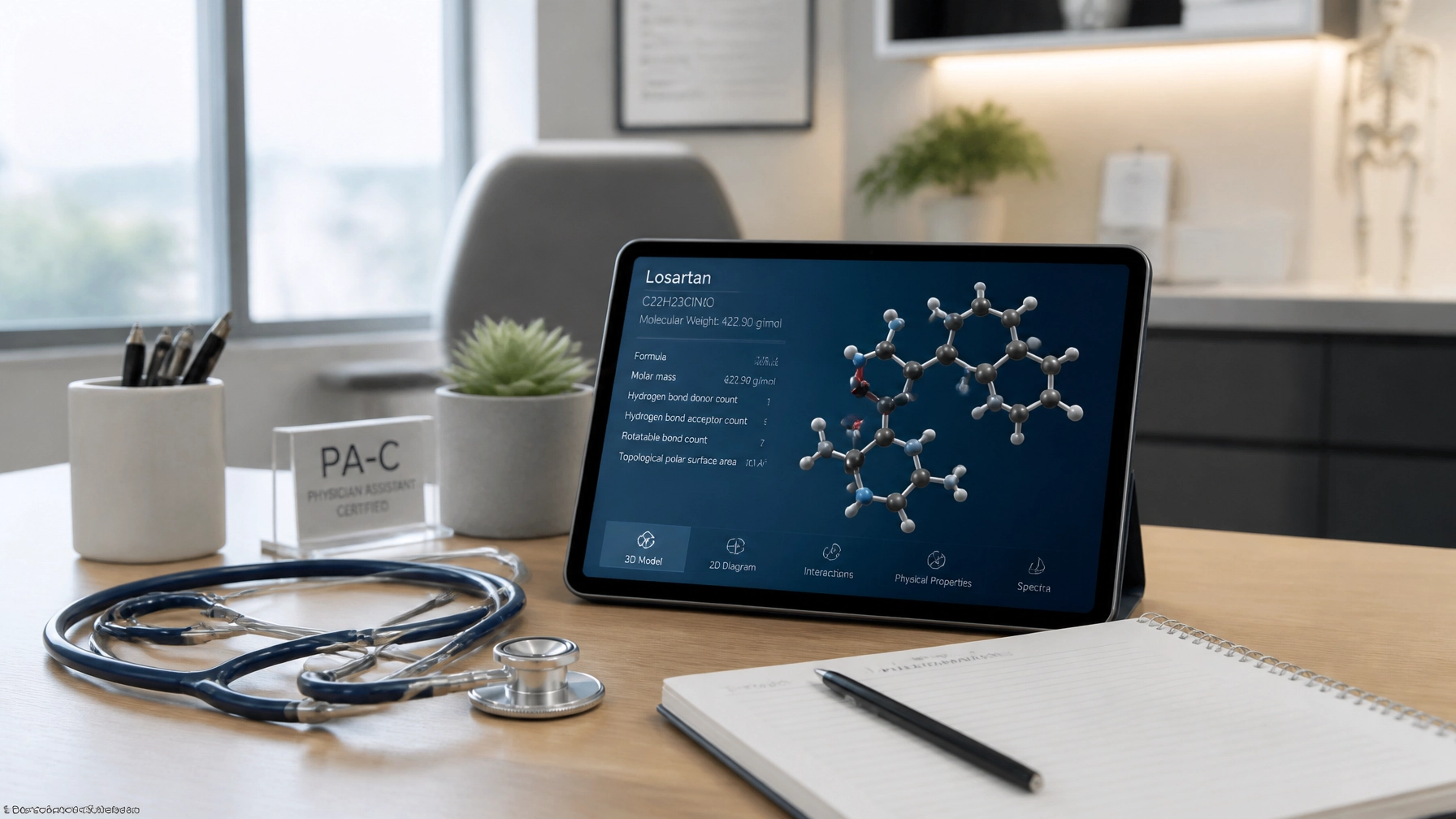
Pharmacology data and prescription medication

Real-World Value for the Clinician

When you choose a CME package with a gift card, you are choosing a program developed by peers. We understand that your time is limited. Our content is structured to be "straight to the point," focusing on the "must-know" facts for the NCCPA Blueprint.

Target Audience Utility:

  • Physician Assistants: Use the 100 hours of AAPA Category 1 credit for PANRE/PANRE-LA requirements.
  • Nurse Practitioners: Claim AAPA credit in eligible states for licensure and certification.
  • Physicians: While our courses count as Category 2 CME for physicians, many Internal Medicine physicians find the Internal Medicine Hospitalist package highly valuable for clinical updates.

Our courses are not just about checking a box. They are about maintaining a high standard of care. By offering a 30-month access period, we ensure that the information stays available to you long after you’ve earned your credits, serving as a reliable clinical reference tool.

Conclusion

The 2026 education budget year requires a more strategic approach to CME spending. By focusing on high-volume credit courses and utilizing the Gift Card Add-On model, you can ensure that you meet your professional requirements while maximizing the tools you need for success.

Visit CME Review Courses today to explore our PANRE Review, Pharmacology, and specialty CME packages.

Posted on

7 Mistakes You’re Making with PANRE-LA (and How to Stay on Track)

Price: $399.99
Duration of Access: 30 Months
Deliverables: 100 Hours of AAPA Category 1 Self-Assessment CME Credit, 17 Hours of Video Lecture, 1,672 Board-Style Questions

The transition to the PANRE-LA (Longitudinal Assessment) has fundamentally changed how Physician Assistants approach recertification. Instead of a single, high-stakes day at a testing center, you now manage a multi-year assessment. While this reduces the "one-day" pressure, it introduces logistical complexity. Errors in timing, participation, or study strategy can jeopardize your certification status.

To maintain your NCCPA certification efficiently, you must treat the PANRE-LA with the same clinical rigor as a patient care plan. Below are the seven most common mistakes PAs are making with the longitudinal assessment and how to correct your course.

1. Missing the Registration Window

The most critical error occurs before the assessment even begins. The PANRE-LA is only available to PAs in the sixth year of their recertification cycle. If you fail to register during the specific window provided by the NCCPA in your sixth year, you are automatically ineligible for the longitudinal option.

If you miss this window, your only path to recertification is the traditional, proctored PANRE. You cannot "decide later" in year eight or nine to switch to the longitudinal format. Ensure your email is updated with the NCCPA and monitor your dashboard specifically during year six.

2. Violating the Participation Minimums

The PANRE-LA runs for three years (Years 7, 8, and 9 of your cycle). The NCCPA requires that you complete at least one quarter of questions in the first year and at least one quarter in the second year.

PAs who assume they can "catch up" during the final year often find their access revoked. Even if you plan to skip certain quarters, you must fulfill these minimum participation requirements to remain in the program.

3. The "Buffer Quarter" Gamble

The scoring for PANRE-LA is based on your best 8 quarters out of a possible 12. While this provides flexibility, many PAs use their "skips" too early or for the wrong reasons.

If you skip quarters 1 through 4 because you are "too busy," you leave yourself zero margin for error in the remaining eight quarters. A single bad performance in quarter 10 or 11 could then prevent you from reaching the passing scaled score (typically 1150). Treat the early quarters as your baseline to secure a passing score as quickly as possible.

4. Inefficient Open-Resource Utilization

The PANRE-LA allows the use of references. Each question has a 5-minute time limit. A common mistake is attempting to look up every detail of every question.

Five minutes is sufficient to confirm a specific drug dose or a second-line treatment, but it is not enough time to learn a disease process from scratch. Relying too heavily on search engines leads to "timer anxiety" and rushed decision-making. You must have a strong clinical foundation before opening the assessment.

5. Neglecting the Score-Replacement Rule

Many PAs do not realize how the NCCPA handles repeated topics. If you miss a question on a specific topic, the system may present a similar question in a future quarter.

When you answer the repeated topic correctly, it replaces the previous incorrect score. However, an incorrect answer on a repeat topic will not "undo" a prior correct response. Use this to your advantage: review the topics you missed immediately after each quarter so you are prepared for the "re-do" opportunity.

6. Waiting Until the Final Days of the Quarter

Each quarter consists of 25 questions. Waiting until the final 48 hours of the quarter to begin your questions is a high-risk strategy. Technical issues, internet outages, or unexpected clinical shifts can prevent you from finishing.

Once a quarter closes, those 25 questions are gone forever. There are no extensions. Set a recurring calendar reminder to complete your questions in the first 30 days of each quarter.

7. Misidentifying Your Primary Study Focus

The PANRE-LA questions are mapped directly to the NCCPA Blueprint. Some PAs spend excessive time studying rare specialty cases that are outside the scope of the generalist exam.

To stay on track, utilize a PANRE Review Course that specifically follows the NCCPA Blueprint. Your study time should be proportional to the blueprint weighting: focusing heavily on Cardiology, Pulmonology, and GI, which historically make up a large percentage of the exam content.


Clinical Case Vignette

Your patient is a 64-year-old male with a history of HTN and tobacco use who presents to the ED with sudden-onset, "tearing" chest pain radiating to the back. HR is 115, BP is 185/105 in the right arm and 160/90 in the left arm. SaO2 is 96% on RA. A chest X-ray reveals a widened mediastinum. What is the most appropriate next step in the management of this patient?

A. Immediate administration of IV thrombolytics
B. Transesophageal echocardiogram (TEE)
C. IV Esmolol to achieve a target SBP of 100-120 mmHg
D. Emergent consultation for coronary artery bypass grafting (CABG)

Correct Answer: C. IV Esmolol to achieve a target SBP of 100-120 mmHg

In the setting of a suspected Aortic Dissection, the immediate priority is to reduce the shearing forces on the aortic wall. This is achieved by lowering both the heart rate and the blood pressure. IV Esmolol is a preferred first-line agent because its short half-life allows for precise titration. The goal is to reduce the HR below 60 bpm and the SBP to between 100 and 120 mmHg.

Distractor Explanations:

  • A: Thrombolytics are contraindicated in aortic dissection and would be catastrophic.
  • B: While TEE is a valid diagnostic tool, hemodynamic stabilization (rate and pressure control) must be initiated immediately upon suspicion.
  • D: CABG is for coronary artery disease, not aortic dissection; while surgical consultation is required for Type A dissections, medical stabilization is the immediate priority.

Strategic Preparation for the PANRE-LA

The most efficient way to avoid the mistakes listed above is to integrate your learning into your daily routine. Our PANRE Review Course provides 1,672 board-style questions and 17 hours of video content specifically mapped to the NCCPA Blueprint.

PANRE Review Course Book Cover

When you purchase this course, you earn 100 hours of AAPA Category 1 Self-Assessment CME credit. Under current NCCPA rules, self-assessment credits are automatically weighted with a 50% bonus. This means logging 100 hours of our PANRE review credits results in 150 hours applied to your NCCPA transcript.

CME with Amazon or Apple Gift Cards

We recognize the importance of maximizing your professional development budget. We offer a CME with gift card add-on for our primary courses. You can add an Amazon or Apple gift card ($100–$1500) to your purchase. The gift card is bundled into the total package price, allowing you to fulfill your educational requirements while gaining additional resources for your practice or personal use.

CME Gift Cards

For those focused on medication management, our Pharmacology CME Review also offers Category 1 credits and gift card options. Note that while both courses provide high-yield content, the 100-hour self-assessment weighting specifically applies to the PANRE Review Course.

Stay ahead of the PANRE-LA timeline. Do not wait until your "best 8 quarters" become your "only 8 quarters." Secure your credits, sharpen your clinical knowledge, and maintain your certification with confidence.

Posted on

Midnight on June 30th: The PA’s Survival Guide to Using Every Last Cent of Your Stipend

The clock is ticking. It is 11:45 PM on June 30th. For thousands of physician assistants across the country, this isn't just the end of another month: it is the final stand for their annual CME stipend. Whether you have $500 or $2,500 left in your professional development account, the rule is usually the same: use it or lose it.

The pressure of clinical practice often pushes administrative tasks to the very last minute. If you find yourself staring at a remaining balance on your employer-provided credit card or an unspent reimbursement budget, you need a solution that is fast, high-yield, and provides long-term value. At CME Review Courses, we specialize in "down to the wire" solutions that secure your credits and maximize your educational resources instantly.

The Midnight Strategy: What to Look For

When you are minutes away from a midnight cutoff, you don't have time to browse through 40-page course catalogs. You need three things:

  1. Immediate Access: A platform that delivers your course content the moment you check out.
  2. High Credit Density: Courses that provide significant hours to knock out your NCCPA or state requirements in one go.
  3. Financial Efficiency: The ability to scale your purchase to match your exact stipend amount.

The Heavy Hitter: PANRE Review Course

If you are approaching your recertification year or simply need a massive influx of Category 1 credits, the PANRE Review Course is the gold standard. This course is designed by physician assistants for physician assistants, ensuring the content is relevant to the high-stakes NCCPA Blueprint.

PANRE Review Course Details:

  • Price: $399.99 (Base Price)
  • Credits: 100 Hours of AAPA Category 1 CME Credit
  • Access: 30 Months of Unlimited Access
  • Deliverables: Comprehensive Review across all major medical specialties (Cardiology, EM, ID, Ortho, etc.)

This package is the most efficient way to use $400 of your stipend while securing double the amount of Category 1 credits required for a standard two-year NCCPA cycle.

PANRE Review Course Materials

Target Your Needs: Pharmacology CME

Many states and specialty certifications (especially for our Nurse Practitioner colleagues who use our content) require specific hours in pharmacology. Our Pharmacology CME Review Package offers a streamlined way to focus on the latest in pharmacotherapeutics.

Pharmacology CME Review Package Details:

  • Price: $399.99 (Base Price)
  • Credits: 12 Hours of AAPA Category 1 CME Credit
  • Access: 30 Months of Unlimited Access
  • Deliverables: Deep dive into high-yield medication management and prescribing pearls.

Whether you are working in Family Medicine or Internal Medicine, these credits count toward your Category 1 requirements and provide practical clinical knowledge you can use on your very next shift.

Maximize the Value: CME with Gift Card Add-Ons

This is the ultimate survival tool for the PA with a large remaining stipend. If your employer provides a generous budget: say $1,500 or $2,000: and you have already purchased your primary books and tools, you don't want that money to vanish.

We offer CME with Gift Card add-ons that allow you to append an Amazon or Apple gift card to your purchase. This allows you to further enrich your education by purchasing medical equipment, new hardware for charting, or additional clinical texts later in the year.

Gift Card Add-On Tiers:

  • Amounts: $100, $250, $500, $750, $1,000, and $1,500
  • Total Package Price: Base Course Price ($399.99) + Selected Gift Card Amount
  • Retailers: Amazon or Apple

By choosing a CME Gift Card package, you can turn a $1,899.99 stipend into a 100-hour PANRE review course and a $1,500 credit to upgrade your iPad for clinical use. It is the most effective way to ensure not a single cent of your benefit goes to waste.

CME Course with Apple and Amazon Gift Card options

Put Your Knowledge to the Test: Clinical Practice Questions

A core part of our philosophy is that CME should be active, not passive. Below are clinical vignettes designed to mirror the style of questions you will find in our PANRE Review Course.

Question 1: Cardiology

Your patient is a 68-year-old male with a history of hypertension and tobacco use who presents to the Emergency Department with sudden onset of substernal chest pain radiating to his left jaw. His HR is 110, BP is 155/90, and SaO2 is 98% on room air. An EKG is performed and shows 2mm ST-segment elevation in leads II, III, and aVF.

What is the most appropriate next step in management for this patient?

A) Administer 324mg Aspirin and initiate a Heparin drip
B) Immediate referral for Primary Percutaneous Coronary Intervention (PCI)
C) Administer IV Metoprolol to reduce myocardial oxygen demand
D) Perform a stat CT Angiography of the chest to rule out aortic dissection

Correct Answer: B) Immediate referral for Primary Percutaneous Coronary Intervention (PCI).
This patient is presenting with an acute Inferior ST-Elevation Myocardial Infarction (STEMI). According to current clinical guidelines, the gold standard of care is reperfusion therapy via PCI, ideally within 90 minutes of first medical contact. While Aspirin (Choice A) is indicated, it should not delay the mobilization of the catheterization lab. Beta-blockers (Choice C) should be used with caution in the acute phase of an MI and are not the priority over reperfusion. CT Angiography (Choice D) is used for suspected aortic dissection, but the EKG findings here clearly point toward an occlusive coronary event.

Question 2: Infectious Disease

Your patient is a 24-year-old female complaining of dysuria, frequency, and suprapubic pain for 48 hours. She denies fever, chills, or flank pain. She is not pregnant and has no significant past medical history. Physical exam reveals mild suprapubic tenderness but no costovertebral angle (CVA) tenderness.

What is the first-line antibiotic choice for this patient's condition?

A) Nitrofurantoin (Macrobid) 100mg BID for 5 days
B) Ciprofloxacin 500mg BID for 7 days
C) Ceftriaxone 250mg IM once
D) Azithromycin 1g PO once

Correct Answer: A) Nitrofurantoin (Macrobid) 100mg BID for 5 days.
The patient presents with an uncomplicated Urinary Tract Infection (UTI). Nitrofurantoin is a first-line treatment due to its high efficacy and minimal impact on vaginal flora. Fluoroquinolones like Ciprofloxacin (Choice B) are no longer considered first-line for uncomplicated UTIs due to the risk of significant side effects and increasing resistance. Ceftriaxone (Choice C) is typically used for more severe infections or gonorrhea, and Azithromycin (Choice D) is used for chlamydial urethritis, not standard bacterial cystitis.

Physician assistant reviewing clinical data and EKG strips

Final Checklist Before Midnight

  1. Check Your Balance: Log into your benefits portal or check your credit card statement to see exactly how much stipend money remains.
  2. Select Your Bundle: Choose between the 100-hour PANRE Review or the Pharmacology CME package.
  3. Add Your Gift Card: If you have extra room in the budget, select the gift card add-on that brings you closest to your stipend limit.
  4. Complete the Purchase: Ensure your transaction is timestamped before 11:59 PM on June 30th to qualify for this fiscal year's reimbursement.

Don't let your hard-earned benefits disappear. Secure your professional development today and enter the second half of the year with the credits you need and the tools you deserve.

Posted on

CME with Amazon Gift Cards: Your Quick-Start Guide to Compliant 2026 Bundles

Navigating the landscape of continuing medical education (CME) requires a balance of high-yield clinical content and efficient budget management. For Physician Assistants (PAs) and Nurse Practitioners (NPs), maximizing the value of employer-provided CME allowances has often involved "CME with gift card" bundles. However, the regulatory environment transitioned significantly in April 2026.

This guide provides the logistical details of our current high-value courses and explains the latest ACCME standards to ensure your professional development remains compliant.

Core CME Course Logistics

PANRE Review Course

  • Price: $399.99
  • Access Duration: 30 months
  • Deliverables: 100 Category 1 AAPA Self-Assessment Credit Hours
  • Content: 1,672 Board-Style Questions with detailed explanations and 17 hours of comprehensive video review.
  • NCCPA Weighting: Automatically weighted at 150 credits toward maintenance requirements.

Pharmacology CME Review

  • Price: $399.99
  • Access Duration: 30 months
  • Deliverables: 12 Category 1 AAPA Credit Hours (Pharmacology specific)
  • Content: 120 Pharmacology-focused questions and video lecture modules.

Understanding the April 2026 ACCME Prohibition

As of April 2026, the Accreditation Council for Continuing Medical Education (ACCME) implemented a strict prohibition regarding personal remuneration tied to the purchase of accredited CME.

The Ruling: Accredited providers may no longer offer personal gift cards (such as Amazon or Apple gift cards) or cash equivalents as an incentive or "add-on" that results in personal financial gain for the individual learner when the purchase is reimbursed by an employer or third party.

Why the Change? The ACCME aims to maintain the integrity and independence of medical education. When a clinician receives a personal gift card as part of a CME bundle paid for by a hospital or clinic, it creates a potential conflict with the Standards for Integrity and Independence.

What This Means for You:
While the search for "CME with Amazon gift card" remains common, the way these bundles are structured must now focus on professional utility rather than personal remuneration. At CME Review Courses, we have shifted our focus to high-value content bundles and institutional discounts that provide the best ROI for your CME budget without violating these new standards.

Clinical Scenario Image


Maximizing Your 2026 CME Budget Compliantly

To stay within the bounds of the 2026 regulations while still maximizing your education allowance, consider the following strategies:

1. Focus on High-Credit Content Bundles

The most efficient use of your budget is a course that covers multiple requirements simultaneously. Our PANRE Review Course offers 100 Category 1 AAPA credits. Because these are "Self-Assessment" credits, the NCCPA applies a 1.5x multiplier, giving you 150 credits for a single purchase. This effectively covers a significant portion of your recertification cycle in one step.

2. Multi-Year Access

Rather than buying a single-year subscription, look for courses offering extended access. Our packages provide 30 months of access, ensuring you have the resources available through two full years and into your next cycle, providing a better long-term value than annual renewals.

3. Institutional and Group Discounts

The ACCME allows for price adjustments and discounts to the payer. If you are part of a large group or practice, we offer discounts for groups of 15 or more. This allows your employer to save on the total educational cost while providing you with premium review material.


Clinical Practice Assessment

In keeping with our commitment to high-yield clinical review, test your knowledge with the following vignettes.

Clinical Vignette 1: Cardiology

Scenario: Your patient is a 64-year-old male presenting with a 2-hour history of substernal chest pressure radiating to the left jaw. He appears diaphoretic. Vital signs are: BP 105/60 mmHg, HR 112 bpm, RR 22 bpm, SaO2 94% on room air. An EKG is performed immediately.

EKG Findings: ST-segment elevation of 2mm in leads II, III, and aVF, with reciprocal ST-segment depression in leads I and aVL.

Question: Which of the following is the most appropriate next step in management for this patient?
A) Immediate administration of a 500mL normal saline bolus.
B) Emergent Cardiology consultation for percutaneous coronary intervention (PCI).
C) Administration of 0.4mg sublingual Nitroglycerin.
D) Urgent CT Angiography of the chest to rule out aortic dissection.

Explanation: The correct answer is B) Emergent Cardiology consultation for percutaneous coronary intervention (PCI). The patient’s EKG shows evidence of an inferior wall ST-elevation myocardial infarction (STEMI). The standard of care for STEMI is immediate reperfusion therapy, ideally via PCI within 90 minutes of arrival at a PCI-capable facility. Option C (Nitroglycerin) should be avoided or used with extreme caution in inferior wall MI, as it can cause significant hypotension due to right ventricular involvement and preload dependency. Option A is secondary to reperfusion. Option D is incorrect as the EKG is diagnostic for STEMI.

Clinical Vignette 2: Pharmacology

Scenario: Your patient is a 45-year-old female with a history of Type 2 Diabetes Mellitus and newly diagnosed Hypertension. Her current HbA1c is 7.2% on Metformin 1000mg BID. Her BP is consistently 148/92 mmHg. You decide to initiate an ACE inhibitor (Lisinopril).

Question: Which of the following electrolyte abnormalities must you monitor for most closely after starting this medication?
A) Hypokalemia
B) Hypernatremia
C) Hyperkalemia
D) Hypocalcemia

Explanation: The correct answer is C) Hyperkalemia. ACE inhibitors (and ARBs) interfere with the renin-angiotensin-aldosterone system (RAAS) by inhibiting the production of Angiotensin II, which in turn leads to a decrease in aldosterone secretion. Reduced aldosterone causes the kidneys to retain potassium and excrete sodium. Therefore, serum potassium levels should be checked within 1-2 weeks of initiating or increasing the dose of an ACE inhibitor, particularly in patients with pre-existing renal impairment or those on other potassium-sparing medications.


Efficient Professional Training

Our courses are designed by PAs for PAs, focusing on the core areas of the NCCPA Blueprint, including Internal Medicine, Family Medicine, and specialty areas like Orthopedics and Dermatology.

PANCE Review Book Cover

Whether you are preparing for the PANRE, PANRE-LA, or simply looking to expand your clinical knowledge in Pharmacology, our mobile-friendly platform allows you to study on your own schedule.

Conclusion

While the 2026 ACCME regulations have changed the availability of personal gift card incentives, the value of high-quality, high-credit CME remains unchanged. By focusing on courses that offer the most credits per dollar: like the 100-hour PANRE Review: and taking advantage of long-term access, you can ensure your CME budget is spent wisely and compliantly.

For more information on our compliant 2026 bundles or to start your review, visit our CME Review Courses Product Page.